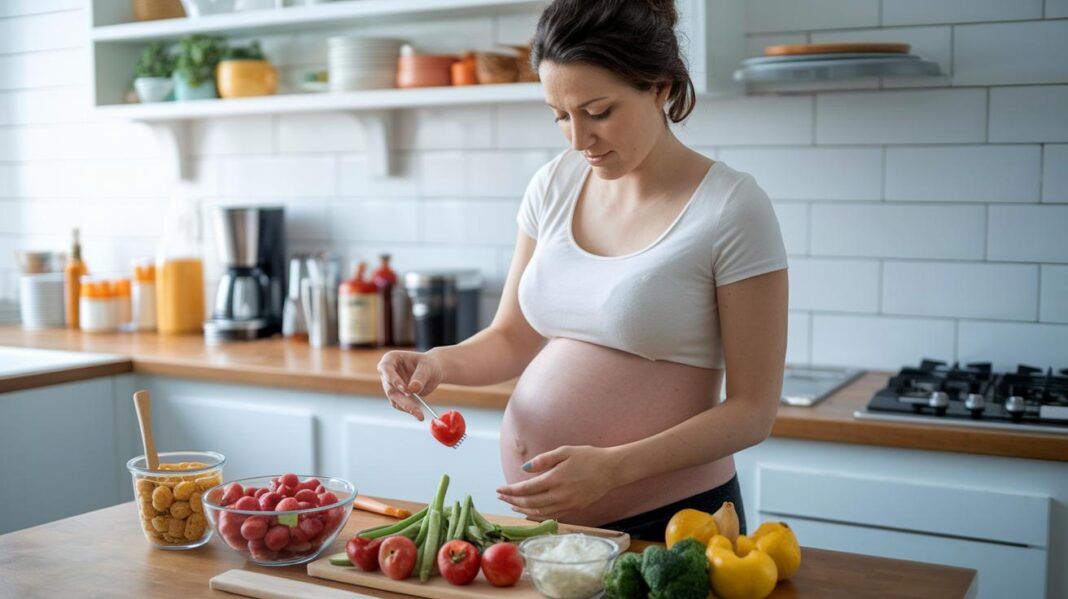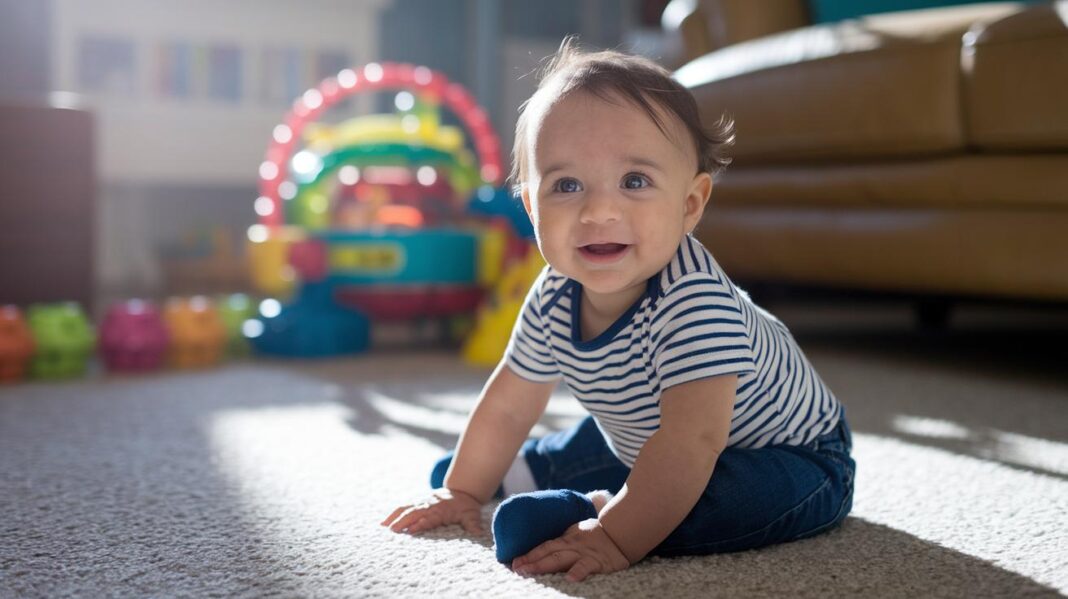
Have you ever noticed how the air your baby breathes and the sounds they hear can shape those early milestones? It might seem odd, but the everyday world around your little one really matters. Fresh air, a cozy room temperature, and soft, gentle sounds work together to create a loving space where your child can explore and feel safe. And while genetics give your baby a basic blueprint, a caring environment helps build the skills that light up a bright, joyful start in life.
Overview: How Environmental Factors Shape Infant Milestones
Child development means little ones learn and change as they grow. As babies become toddlers, their skills, feelings, and movements gradually evolve. Environmental factors are all the things around a baby, like the air they breathe, the temperature, sounds, and even any chemicals. Imagine a toddler sitting by an open window on a cool day, enjoying fresh air and soft sounds; such simple moments can help them learn in gentle ways.
Our genes provide a basic plan, but a child’s surroundings are just as important. While genetic makeup sets a blueprint, a nurturing home and safe outdoor play can guide a child’s development. Whether it’s the early months (from birth to 18 months), the next phase (18 to 24 months), or early childhood, a caring environment boosts brain skills and supports warm, healthy emotions.
Sometimes, harsh substances like strong cleaning chemicals can slow a child’s progress. On the other hand, daily outdoor play and simple, safe routines nurture a child’s physical and emotional growth. It’s a bit like assembling a puzzle, each helpful piece, whether it’s clean air or gentle care at home, contributes to a child’s journey toward health and happiness.
Indoor Environmental Factors Impacting Infant Milestones
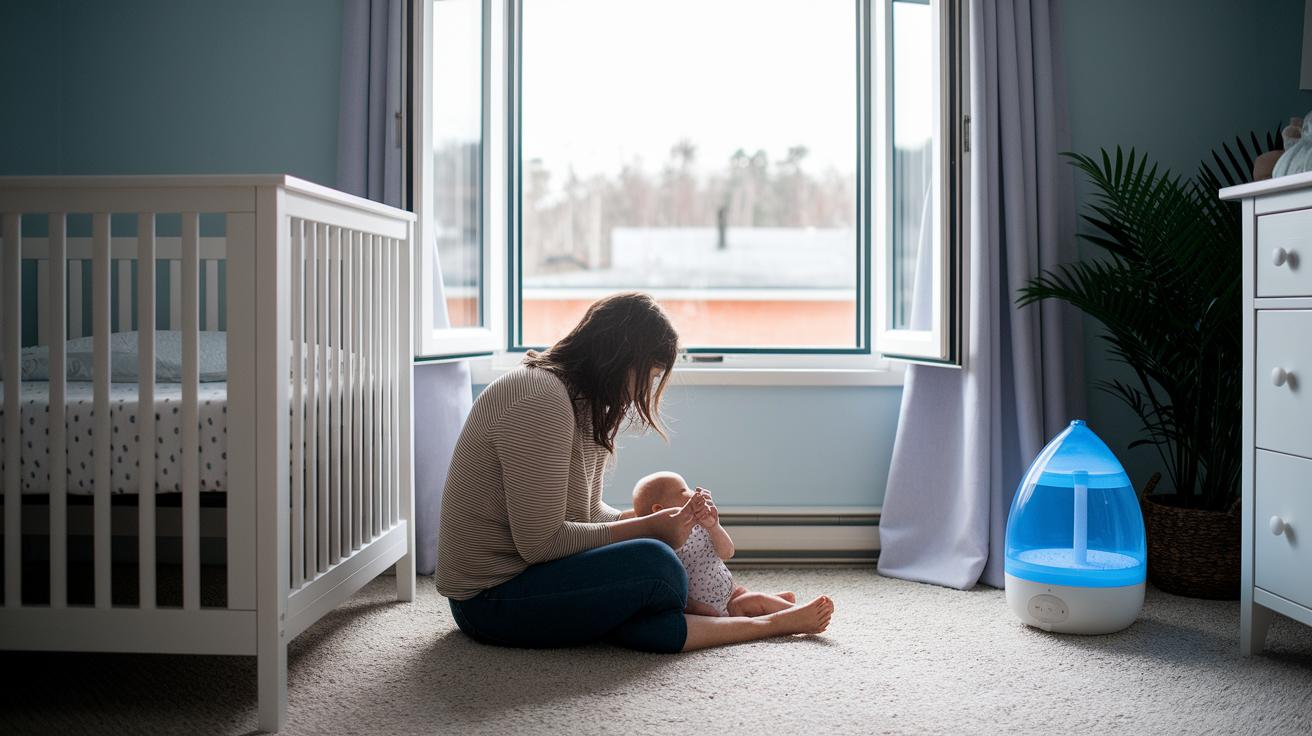
Indoor spaces really shape how our babies grow and learn. Many household chemicals, while safe for us, can be a challenge for little ones. When a room isn’t well-ventilated, pollutants can build up and may affect a baby’s physical growth and brain development. It’s like having stale air that holds onto chemicals from paints, cleaners, and other everyday products, making breathing tougher for tiny lungs.
Humidity is another big player. Too much moisture can lead to mold, while too little might leave a baby’s skin dry and their breathing irritated. Keeping indoor humidity between 30% and 50% creates a more balanced, cozy environment. And think about temperature, extremes can stress an infant. When room temperatures stray from an ideal 68°F to 72°F, little ones might struggle to settle in and enjoy learning new skills.
Allergens inside the home are important too. Dust mites and pet dander can trigger wheezing or make a baby feel off. Have you ever noticed how even small allergens can make a big difference in a baby’s comfort?
| Factor | Impact |
|---|---|
| Poor Ventilation | Pollutants and chemicals build up in the air, affecting growth |
| Cleaning Chemicals | Exposure to these can be harmful to little ones |
| Humidity Levels | High humidity can cause mold, while low humidity might dry out skin |
| Temperature Swings | Extreme changes can make it hard for babies to stay comfortable |
| Indoor Allergens | Common triggers like dust mites and pet dander may disrupt breathing |
Keeping a safe and healthy indoor environment is a practical way to support our babies as they reach their milestones. Focusing on fresh air, balanced humidity, steady temperature, and fewer allergens can truly help our little explorers thrive.
Outdoor Environmental Risks and Infant Milestone Development
Sometimes, the outdoors isn’t as safe as it might seem for our little ones. Even subtle things in the air can gently influence how a baby grows. Studies have shown that heavy air pollution may lower a baby’s IQ by a few points. In busy cities, cars and traffic send out lots of pollutants, while in rural areas, nearby farms might drift pesticides into the air. Both can quietly affect your baby's thinking skills.
Constant background noise, over 65 decibels, can make it tough for babies to rest well. Imagine trying to nap with a loud machine running nearby. This steady noise can slow brain growth, making it harder for a child to pick up language or learn to move.
Very hot weather, which is becoming more common with climate change, can also be a challenge. Babies can struggle to keep cool, which may lead to dehydration and extra tiredness. This extra stress can delay key milestones like reaching, crawling, or making cheerful babbles. Over time, these ongoing pressures might even influence a baby’s emotional and social growth in small but meaningful ways.
It's a delicate balance, and understanding these effects helps us care for our little ones in every way we can.
Chemical Exposures Affecting Infant Developmental Milestones
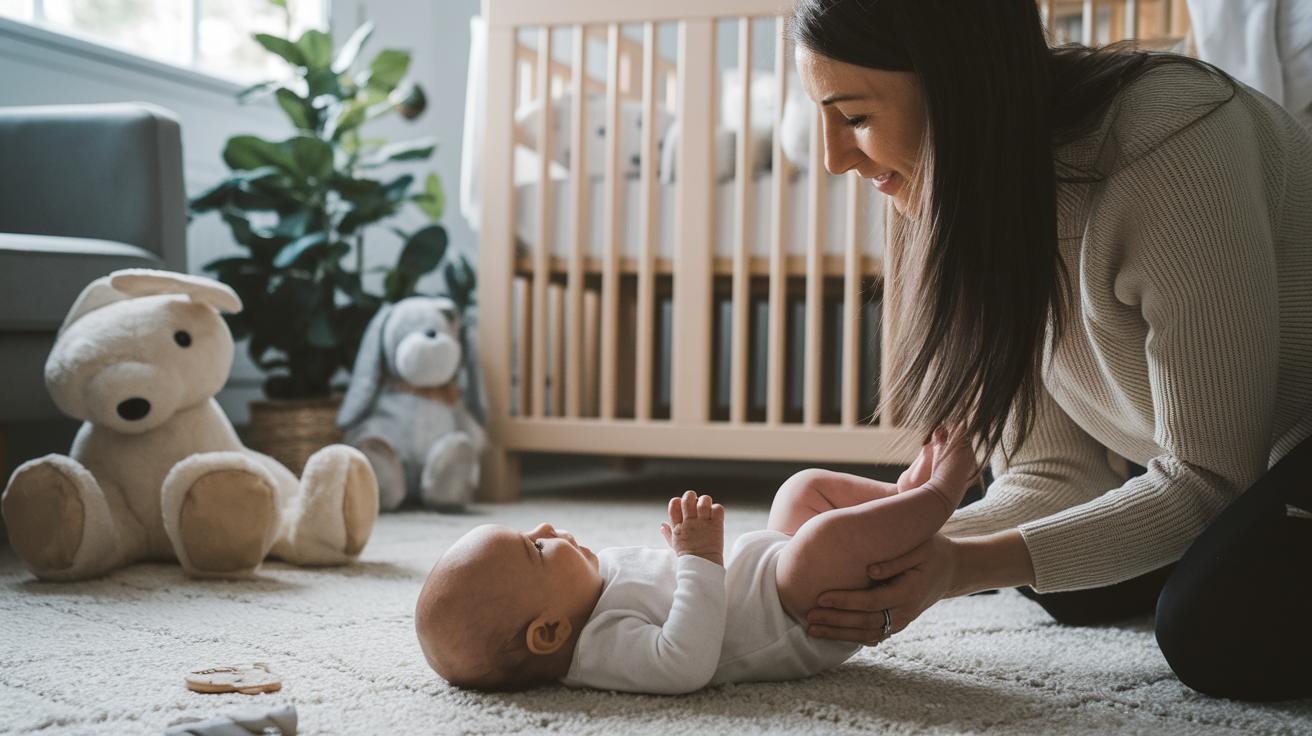
Everyday household items can sometimes hide toxins that affect how our babies grow. Little ones are growing so fast and can be more sensitive to chemicals than adults. Research shows that if a baby’s blood lead level reaches 5 µg/dL or more, it might lower their IQ by a few points. Imagine a small lead particle in a beloved toy quietly slowing a baby's language or motor skills before anyone notices!
Chemicals like phthalates and BPA, which you can find in many plastics and food packaging, can disrupt natural hormones that support brain growth. This may lead to moments when babies struggle to pay attention or learn new words and simple movements. Even a tiny exposure to these chemicals might gently slow down a child’s thinking and learning pace.
Also, traces of pesticides in everyday cleaning products or treated household materials can show up in a child’s urine and have been linked to slower fine motor development. These subtle exposures during the crucial early years can add up and affect a baby's achievement of important milestones.
Being aware of these risks helps us choose safer alternatives for our little ones. When we know how these exposures might impact language, movement, and thinking, we can make thoughtful choices that support a healthier start during those precious first years.
Social and Nutritional Environment’s Role in Infant Milestones
Family life and daily meals have a big impact on how a baby learns and grows. Research tells us that children in homes they own often score higher on tests and do better in school by age seven. Imagine a cozy, safe nest where everything supports your little one’s journey.
Sometimes, money worries and crowded homes can slow down a baby’s language and social skills. It might feel like a tiny storm interrupting a calm day. But a caring chat or a warm smile can really bring back stability. Have you ever felt how one kind moment can change your day? Check out the social development guidelines on Infant Social Milestones here: Infant Social Milestones.
About 10–15% of moms may feel postpartum depression for a few months, which can make bonding and future learning tougher. Reaching out for help and support from friends or family can be like giving a garden the right amount of sunlight on a cloudy day.
Breastfeeding in a calm, clean space helps boost both the immune system and brain growth. Picture a quiet afternoon where a mom and her baby share a gentle feeding moment, this calm setting nurtures both love and learning.
Local parks and green spaces give babies a chance to play and explore nature. A blend of a loving home, caring attention, and community fun gently guides infants toward reaching their social, emotional, and cognitive milestones.
Environmental Interventions to Support Infant Milestone Progress
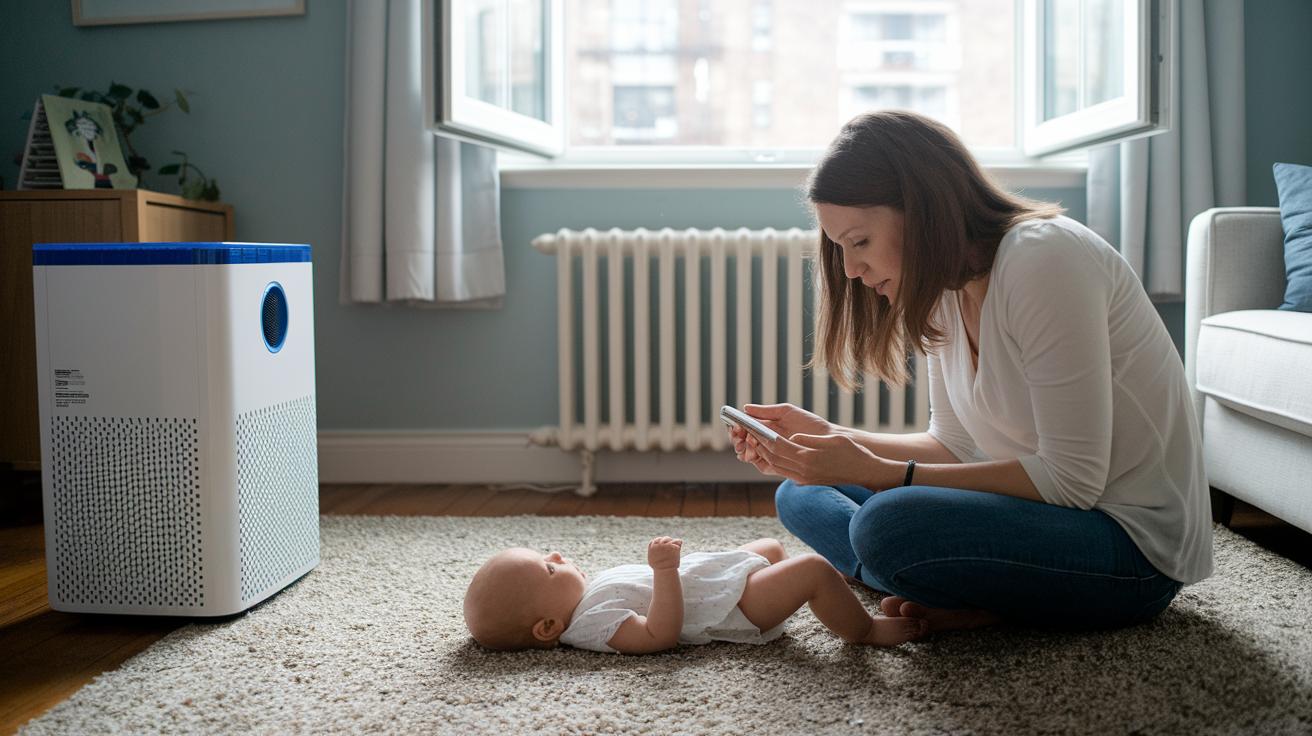
Hey there, have you ever thought that small tweaks at home could really help your baby grow and shine? Even simple changes, like airing out your rooms for 15 minutes twice a day, make a big difference by clearing the air of indoor pollutants. Plus, using a HEPA or activated-carbon filter is another way to help your little one breathe cleaner air.
Imagine setting your home so that the humidity stays between 30% and 50% and the room temperature stays around 68°F to 72°F. This cozy setup not only supports better sleep but also creates a happy space for play.
Here are some practical strategies to try:
- Ventilate rooms for 15 minutes twice daily
- Install HEPA or activated-carbon air filters
- Keep humidity levels between 30% and 50% and temperatures from 68°F to 72°F
- Plan outdoor play during times when pollution levels are at their lowest
- Use non-toxic cleaning products and low-VOC paints and materials
Doing a simple home environmental check can highlight spots where chemicals might be affecting your baby's development. And don’t forget the power of nature, a stroll in the park, or just spending some time outdoors, offers your baby valuable sensory experiences. These thoughtful touches help create a safer, healthier home that supports every little milestone along the way.
Final Words
In the action, we explored how different settings, from indoor air quality and chemicals to community and outdoor influences, play a role in a baby's growing abilities. We looked at clear definitions and stages, as well as practical ways to adjust the home environment. Each tip is meant to guide care that supports infant milestones and overall well-being. Embrace these insights as you work to create a nurturing space in the face of environmental factors affecting infant milestones. Stay encouraged and keep moving forward!
FAQ
Q: What are the key environmental factors affecting infant milestones and overall child development?
A: The key environmental factors include indoor air quality, exposure to chemicals, outdoor pollutants, and social and nutritional settings. These elements, combined with genetic influences, shape physical, cognitive, and emotional growth.
Q: How do environmental influences impact early cognitive development for infants and toddlers?
A: Environmental influences impact cognitive development by affecting brain growth. Pollutants, noise, and a lack of stimulation may slow progress, while clean, calm surroundings and active caregiver interaction help boost early learning.
Q: What environmental factors affect fetal development and may lead to developmental abnormalities?
A: Factors such as harmful chemicals, poor air quality, nutritional imbalances, high stress levels, and temperature extremes can disrupt fetal development and have been linked to developmental delays and structural abnormalities.
Q: How do specific environmental factors influence the risk of autism in children?
A: Exposure to toxins, polluted air, and certain chemicals during pregnancy and early childhood has been linked to an increased risk of autism. A cleaner, less stressful environment may help lower this risk.
Q: How do heredity and environmental factors work together in child growth and development?
A: Heredity provides the genetic blueprint, while the surrounding environment—such as air quality, nutrition, and social interaction—shapes how a child’s traits are expressed, influencing their overall development.