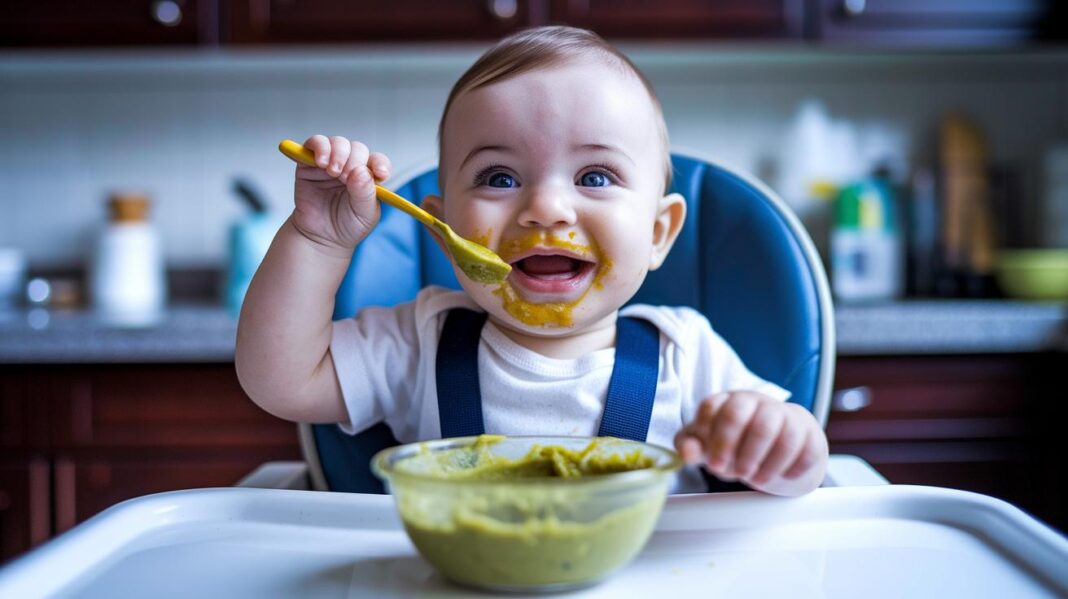
Have you ever wondered if pureed meals might help your baby discover a love for healthy eating?
Many moms see these smooth foods as a gentle step from milk to solids. They bring natural flavors along with important vitamins and minerals to help your little one grow strong.
In this post, we share how these first foods create safe, joyful mealtimes while gently guiding your baby toward a new food adventure.
Understanding Pureed Foods for Infants
Pureed foods are smooth and creamy first meals made from fruits, vegetables, meats, or whole grains. They offer a gentle way to help your baby move from milk to more solid foods. Most experts suggest waiting until your baby is about six months old to start purees, though some little ones might be ready even by four months if they show signs like good head and neck control and a curious look when you're eating.
Starting with just one small pureed meal a day can be a fun way to introduce new tastes. Remember, breast milk or formula should still be the main food until your baby turns one. Keep in mind that purees should not include added salt, sugar, or spices. A simple trick is to use the natural taste of the ingredients, lightly steam them and then blend to keep both flavor and nutrients. Think of a sweet potato puree, for instance; its natural sweetness pairs with vitamin A, which is great for healthy growth.
A balanced puree should bring together key nutrients like iron, protein, healthy fats, and vitamins. Iron-rich foods, such as peas or pureed meats, help meet your baby’s growing needs, while mixing them with healthy fats from sources like avocado or full-fat yogurt supports brain development.
For safety, always serve your baby’s puree in a highchair and stay close by during feeding times. This not only makes mealtime safe but also turns it into a cozy, enjoyable experience for you and your little one.
Recognizing When Infants Are Ready for Pureed Foods
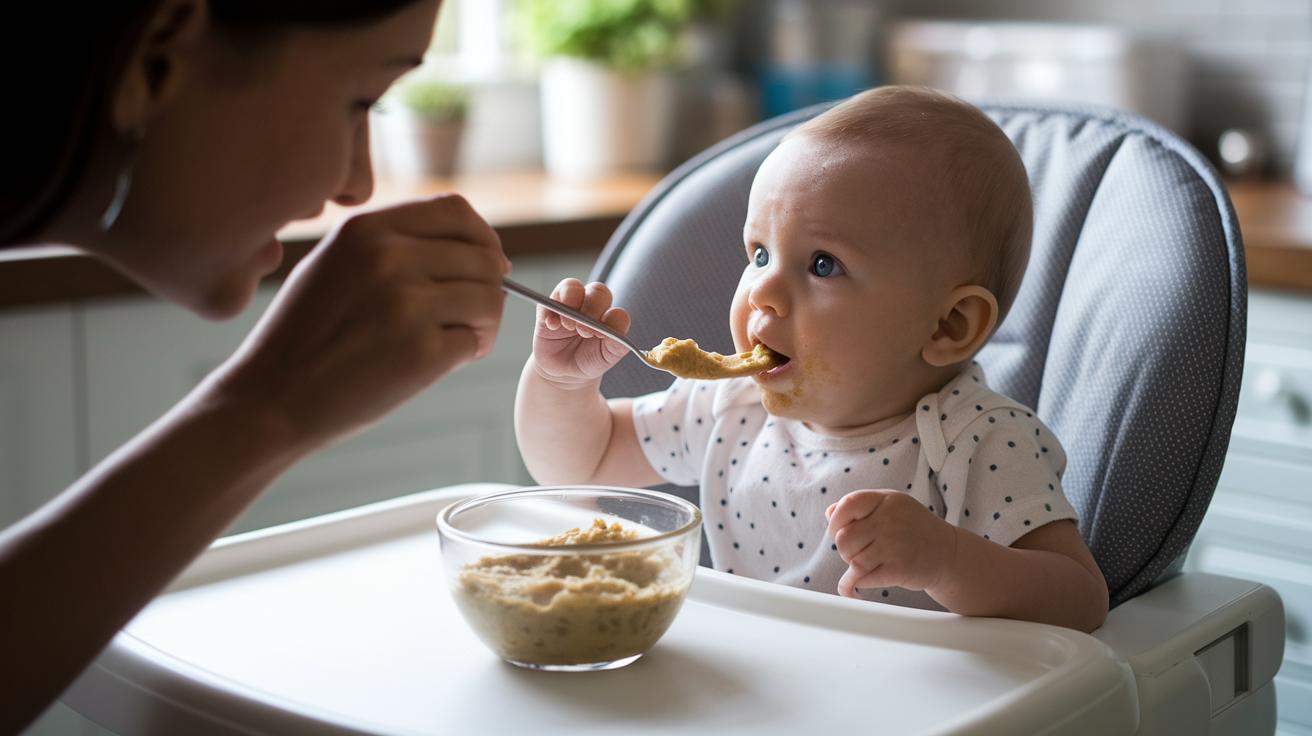
Before you start with pureed foods, keep an eye out for clear signs from your baby. Look for steady head and neck control and the ability to sit up with a little help. For instance, if you catch your little one leaning forward as you eat, it might be their way of saying they’re excited to try new flavors. A softer tongue-thrust reflex is another gentle signal that they could be ready.
Often, babies show interest by reaching for the food or opening their mouths as it comes near. When these actions come along with hunger cues that are different from the typical rooting reflex, it’s a good sign they’re ready for a smooth, introductory puree. Starting on solids too early might increase the risk of choking, while waiting too long could make it tougher for them to build oral motor skills. When you spot these healthy developmental cues, you can feel confident about introducing pureed foods safely.
Even a tiny spoonful of a simple vegetable puree can mark the beginning of a natural journey toward more textured foods. For more details, check out the "infant developmental milestones explained" at https://womensconference.org?p=14113.
Keep watching your baby’s reactions and give them plenty of time to adjust. Noticing these gentle cues is key to giving your little one a healthy start on their solid food adventure.
Essential Tools and Equipment for Homemade Infant Purees
A high-speed blender or food processor is a must-have when you're making smooth, safe purees for your little one. These tools help you beat out any lumps, making each spoonful gentle and easy to swallow. And don't forget a handy silicone spatula to scrape every last bit of goodness into your bowl.
Glass or BPA-free storage containers are key for keeping your purees fresh and safe. Try using ice cube trays or baby-food trays to portion out servings for freezing and thawing later. This way, you preserve nutrients and make meal times simpler on those busy days.
For cooking fruits and veggies, a steamer basket or roasting pan works great to lock in flavor and nourishment. And it’s always good to give your blender’s blades and seals a thorough clean to keep everything free from any unwanted germs.
Think of your steamer basket as a little helper that keeps every vegetable as flavorful and nutritious as possible for your baby.
Understanding Pureed Foods for Infants
Pureed foods are smooth and soft, made by cooking and blending fruits, vegetables, meats, or whole grains. They offer a gentle way for your little one to try new tastes and textures. Most babies are ready for purees around four to six months when they can hold their heads steady and their tongue no longer pushes food out. For example, you might try a carrot puree, just imagine a tiny spoonful of naturally sweet carrot, blended just right for your baby.
Start by offering one small pureed meal each day while keeping breast milk or formula as the main source of nutrition until your baby turns one. When you make these purees, don’t add salt, sugar, or spices so your baby can enjoy the true flavor of each ingredient. Combining different foods is also a good idea, mix an iron-rich food like peas with protein sources such as chicken or lentils, and add healthy fats from avocado. This simple mix helps support your baby’s growing body and curious taste buds.
It’s also important to have a safe mealtime spot. Make sure your baby sits upright in a highchair, and always keep them within reach. This way, you can quickly help if they show any signs of discomfort while eating. Following these easy tips not only builds your baby’s confidence in eating but also helps them slowly get used to more textures and flavors as they grow.
Recognizing When Infants Are Ready for Pureed Foods
Before you try purees, watch for your little one’s signals. When your baby holds their head steady, sits with a bit of help, and starts letting go of the tongue-pushing reflex, it could be a sign they're ready. Sometimes, you might even see them leaning in at mealtime as if to say, "I’m ready for something new."
Here are a few cues to look for:
- Good head and neck control
- Ability to sit up with support
- A softer tongue-pushing reflex (they’re not pushing food out as much)
- A growing interest in the food on your plate
- New hunger cues that aren’t the usual rooting reflex
Start with a small spoonful of pureed food and see how your baby responds. A little lean forward might show they’re curious about the taste and texture. Introducing solids too soon can increase choking risks, while waiting too long might slow down their oral skill development.
For more details on these milestones, check out the information at https://womensconference.org?p=14113.
Who is the ABC Platform for?
The ABC Platform is perfect for small businesses and agencies that have a basic grasp of tech and automation. You know the drill, it’s great if you’re busy and don’t have time to build out automations on your own. Agencies, in particular, love it for managing multiple client sites and seeing a real return on their investment.
This subscription brings together two powerful tools, a visual database and an automation platform, plus exclusive access to our advanced automation vault filled with ready-to-go workflows. This means you can get up and running quickly with minimal effort. We created it all in one bundle because having both a visual database and an automation platform is key to running effective automations. Our motto sums it up perfectly: Deploy & Enjoy!
Tiger Spirit Animal
When it comes to the tiger spirit animal, think of raw, honest feelings. The tiger stands for your natural instincts, courage, and the urge to trust yourself. If you feel drawn to the tiger, you might naturally tackle life’s surprises by following your gut and acting fast. Often, the tiger reminds us of our own willpower and strength, as well as the parts of ourselves that we sometimes keep hidden. Paying attention to how you react to the tiger can help you understand what it’s really showing you about your emotions and energy.
Elephant Symbolism & Spiritual Meaning
In many cultures, elephants are a sign of power, wisdom, and kindness. Their mighty strength and calm presence have long inspired people to take control of their lives with confidence and care. Generally, elephants represent qualities like strength, wisdom, long life, maternal instinct, stability, and endurance. They remind us that even when life feels like a wild circus, there’s wonder and support to be found.
Reflecting on the elephant’s qualities can help you tap into your own inner power. It’s a nudge to trust your feelings, be mindful, and know that even on tough days, you have the strength to shape your life the way you want. Embrace the elephant spirit, and let it guide you toward a more secure and empowered version of yourself.
How to Prepare and Blend Homemade Purees
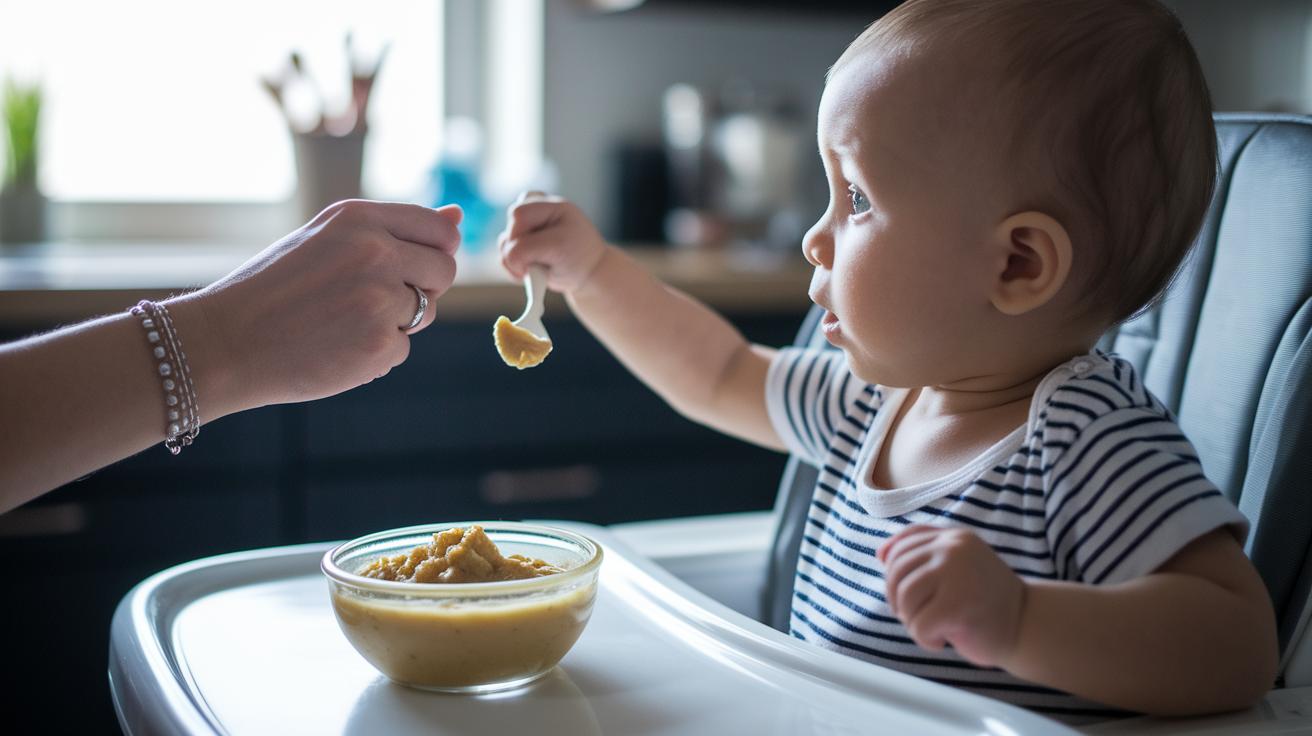
First, gather your fresh fruits and vegetables. Rinse your ingredients well and, if using apples, wash them in cool water. Then peel, core, and remove the seeds so each piece is ready for cooking. You can steam for a soft, gentle touch, roast to bring out a natural sweetness, or lightly sauté to keep a bit of texture. Each method helps lock in flavors and nutrients, making your homemade mash both tasty and nutritious.
When adding meats, choose lean cuts and cook them until they’re very tender. Mix in a little low-sodium broth, breast milk (or formula) to add extra moisture, and make your blend extra smooth. Imagine preparing a chicken puree, cook the chicken until it’s soft and then mix in a little broth. This careful step-by-step process creates nutrient-rich food that’s gentle on little tummies.
Once your ingredients are cooked and softened, put them into a high-speed blender or food processor. Blend everything until smooth, adding a bit more liquid if you need to get the right consistency, especially for younger babies who might like a thinner texture.
Finally, let the puree cool to a safe temperature before serving. It’s a good idea to taste the puree to ensure its flavor and texture are just right. Homemade purees offer a safe, simple introduction to solid foods, keeping all the important nutrients your baby needs for a healthy start.
Nutritional Essentials in Pureed Foods for Infants
When you're whipping up purees for your baby, think about mixing different nourishing foods together. For instance, pureed peas, sweet potato, and fortified grains can give your little one the iron they need after six months. Adding a protein like pureed chicken, turkey, or even lentils, about 1/4 cup per serving, helps support those growing muscles. And don’t forget a touch of healthy fat; a spoonful or two of avocado or full-fat yogurt can be just what your baby's brain needs to grow strong and sharp.
Looking to brighten up the nutrient profile even more? Try blending in some fruits or veggies that are rich in vitamins A and K, zinc, and calcium. Imagine mixing 1/4 cup of steamed spinach with 1/4 cup of pureed peaches, a simple, tasty combo that packs a punch. A few drops of lemon juice in the mix can help keep those nutrients safe, offering a little twist that brings both flavor and extra nutrition every time.
Seasonal Fruit and Vegetable Puree Table
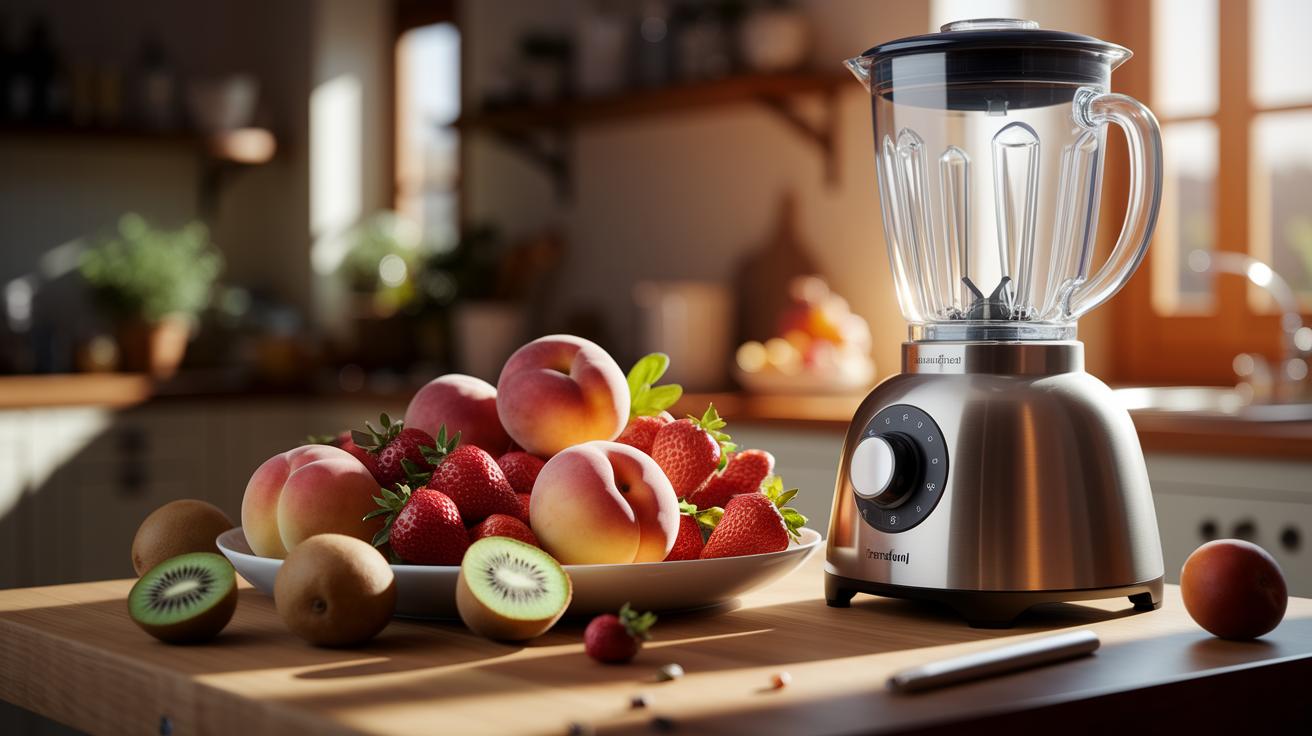
When you make purees for your little one, using fresh, seasonal fruits and veggies really makes a difference. Choosing produce at its peak means you get extra flavor and the best nutrients for your baby. In summer, juicy peaches and strawberries provide plenty of vitamin C, while spring offers peas and carrots packed with fiber and beta-carotene. In autumn, hearty squash and pumpkin bring along lots of vitamin A and fiber, and winter treats like apples and pears deliver a gentle sweetness with a boost of vitamin C.
Rotating these ingredients not only keeps your baby’s menu exciting, but it can also help cut down on exposures that sometimes happen with commercial purees. This little guide is here to help you pick the best ingredients all year round. Imagine a smooth summer blend of peach with a touch of strawberry or a warm winter mix of apple and pear that comforts both taste and nutrition.
Below is a handy table listing eight ideal ingredients by season along with their key nutrient. Use it as a simple tool to plan meals that are both safe and nutritious for your baby.
| Ingredient | Season (Months) | Key Nutrient |
|---|---|---|
| Peach | June – August | Vitamin C |
| Strawberry | June – August | Vitamin C |
| Peas | March – May | Fiber, Beta-Carotene |
| Carrot | March – May | Beta-Carotene |
| Squash | September – November | Vitamin A |
| Pumpkin | September – November | Vitamin A |
| Apple | December – February | Vitamin C |
| Pear | December – February | Vitamin C |
Using this guide can help you create purees that are both tender and nourishing for your baby.
Safe Storage, Portioning, and Reheating of Pureed Foods
When you make your own pureed foods, keeping them fresh and safe matters a lot. A simple trick is to put your homemade puree into glass jars with airtight lids and write the date on each jar. This way, you know exactly how long the puree has been in your fridge, usually safe for up to three days.
If you want to store the puree for a longer time, try freezing it in smaller servings. You can use ice cube trays or baby-food trays to portion out the puree, then pop the cubes into freezer-safe bags and label them with the date. This method means you can have a quick, healthy meal ready for your baby anytime within one to three months.
When it’s time to serve, let the puree thaw slowly overnight in the refrigerator. Once it’s completely defrosted, warm it until it's nicely steaming and give it a good stir to make sure there aren’t any hot spots that could hurt your little one. And remember, once you've thawed the puree, it's best not to freeze it again.
Start by offering your baby just one or two tablespoons at a time. Then, as your baby shows more interest and seems ready for more, gradually increase the portion. This approach helps preserve the important nutrients and keeps each meal safe and easy for your baby to digest.
Allergy Precautions and Flavor Introduction in Infant Purees
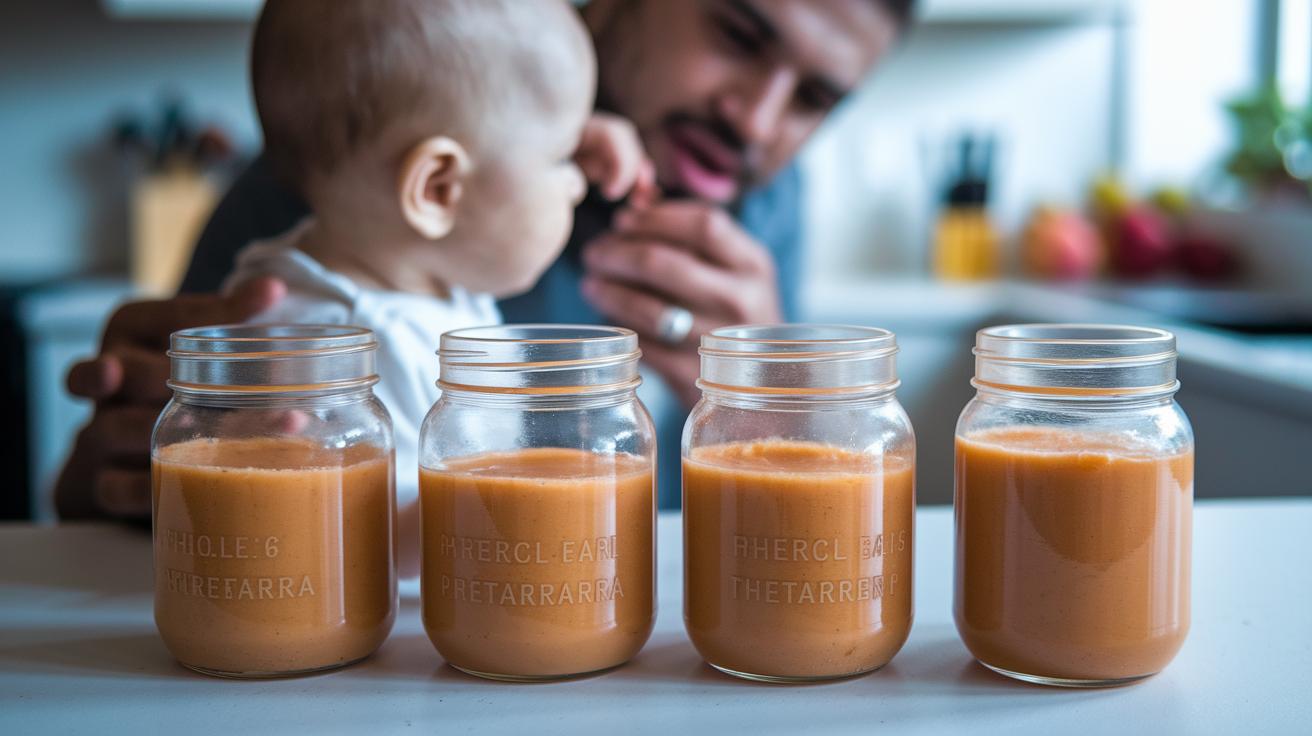
When you start giving your baby pureed foods, it's best to take it slow. Try one new food at a time, just a tiny spoonful of one ingredient. Then wait three to five days before adding another. This gentle pace helps you spot any allergy signs like a rash, swelling, vomiting, diarrhea, or trouble breathing. For instance, begin with a simple apple puree that carries a light, naturally sweet flavor while being easy on your baby's tummy.
Stick with plain purees such as carrot or apple until you’re sure your baby enjoys several new tastes without any trouble. And keep it super simple, skip the salt, sugar, honey, or spices until your baby is about nine months old. This way, your baby only gets the fresh, natural taste of the food without any extra ingredients that might cause discomfort.
Some parents like to use hypoallergenic options, like rice cereal purees, especially if allergies run in the family. It’s a safe way to introduce new flavors while keeping things simple and free from additives. By following these gentle steps, you’re not only expanding your little one’s diet but also keeping any unwanted reactions at bay.
Transitioning from Pureed Foods to Textured and Finger Foods
At about six months, purees should be completely smooth. As your baby grows, you can start to slowly change the texture. Around seven months, try mixing in small lumps that let your little one feel bits of the food with their tongue. When your baby reaches about eight months, mashed foods with tiny, soft pieces are a great next step. By nine to ten months, offering soft finger foods like small cooked vegetable pieces, ripe fruit slices, or soft cheese strips can help them start self-feeding and build hand coordination.
Keep an eye on your baby for signs that they’re ready for a change. One clear sign is when you notice the tongue-thrust reflex fading, that is, when they stop pushing food out of their mouth so much. If your baby seems to struggle with thicker textures or doesn’t seem interested, it might mean it’s a bit too soon. In that case, it could be helpful to check out the red flags in infant milestones on the link provided.
Always remember to stay close while your baby explores these new textures. This gentle supervision helps prevent choking and supports the development of their mouth and eating skills. Let your baby take small bites and go at their own pace, turning the switch to textured and finger foods into a kind and encouraging adventure.
Final Words
In the action of preparing meals, we explored when a baby is ready, the proper tools needed, and a step-by-step method to create smooth, balanced pureed foods for infants.
We looked at safe storage, portioning, and allergy checks while sharing easy tips on introducing new flavors. Every careful step builds confidence and care in feeding your little one. Keep moving forward with a smile, knowing that each meal helps nurture their growth and well-being.
FAQ
What are the best pureed foods for babies?
The best pureed foods for babies include single-ingredient blends like sweet potato, peas, or apples. These purees are smooth and nutrient-rich, making them gentle for early feeding.
What baby puree recipes work for 4, 6, and 8-9 months?
Baby puree recipes vary by age. For younger infants around four to six months, choose simple, single-ingredient purees, while older babies from six to nine months can enjoy mixes with lean meats and vegetables.
What is Gerber Baby Food Stage 1?
Gerber Baby Food Stage 1 offers smooth, single-ingredient purees made especially for infants starting solids. These purees contain no added salt or sugar and follow early nutritional guidelines.
What is the #1 food for infants to choke on?
The highest choking risks for infants usually come from whole, round foods like grapes and hot dogs. Pureed foods, when prepared correctly and served under supervision, help reduce this risk.
What should babies’ first puree be or what puree can I give my 4-month-old?
A baby’s first puree, whether for a 4-month-old or when showing readiness, should be a smooth, single-ingredient blend such as apple or carrot. Always check for developmental cues and consult your doctor before starting.