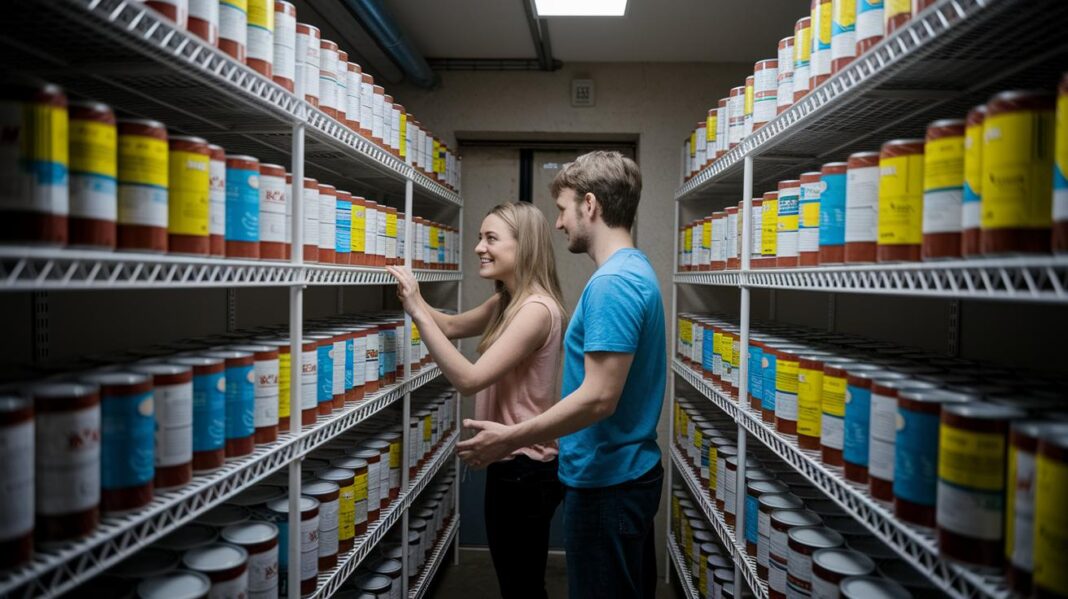
Have you ever thought that keeping a six-month food supply could change the way you plan meals? Picture gathering all your ingredients like you’d prepare a warm family dinner, with balance, energy, and a sense of ease.
When you have reliable food on hand, your family always gets what they need day by day. In this guide, we’ll walk you through planning meals that match your daily calorie needs, choosing simple pantry favorites, and even saving on storage space.
Just imagine turning meal planning from a challenge into a routine that supports your well-being every single day.
Planning Your Food for 6 Months: A Comprehensive Guide
When you're getting ready for a six-month food supply, think of it like planning a few extra meals for a long trip. You want to set clear goals for how many calories and nutrients you need each day, usually around 2,000 calories per person with a mix that's about half carbs, a bit less fat, and some protein to keep things balanced. It’s like making sure your family always has enough energy, day in and day out. And if your family has four members, you might find you need roughly 200–250 cubic feet of storage space.
Next, break your planning into little steps so everything feels manageable. Writing these steps down can be really comforting, like drawing a gentle roadmap for your family’s well-being. Here are five simple steps to guide you:
- Think about how many people are in your household, along with any dietary needs or restrictions.
- Calculate how many calories and nutrients everyone will need over the six months.
- Look at the space you have available and figure out the best storage conditions.
- Focus on shelf-stable foods like grains, beans, proteins, and healthy fats.
- Set a realistic budget and plan out when you can get everything you need.
Remember, planning your food supply is a lot like putting together your favorite recipe, it takes care, attention, and a bit of flexibility. One mom once said, “Before planning our supply, I was surprised to learn how a few small changes could improve our storage efficiency.” That kind of thoughtful adjustment goes a long way, creating a strong, nourishing foundation for your family.
Top Non-Perishable Foods for a 6-Month Supply
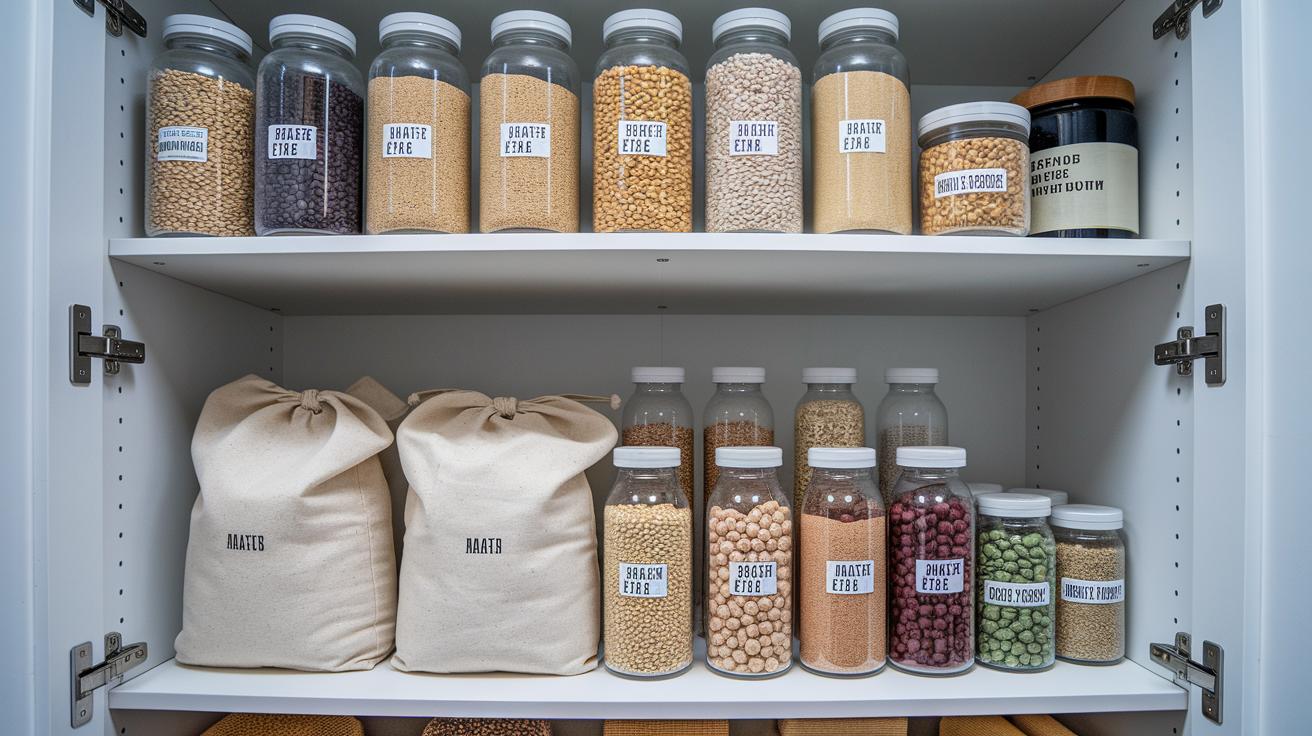
When you’re setting up a six-month food supply, it helps to choose foods that last a long time and give your family the energy and nutrients needed every day. Simple pantry items like grains and legumes work great for steady energy, while canned proteins and dehydrated vegetables add variety and important nutrients. Think of it as putting together a family pantry that is easy to store and use when times get tough. One mom shared that a small group of well-chosen items kept everyone fed, even during challenging weeks.
| Food Category | Shelf Life (months) | Caloric Density (per 100 g) | Storage Notes |
|---|---|---|---|
| Grains (rice, wheat, oats) | 24-36 | 350-370 kcal | Keep in airtight containers |
| Legumes (beans, lentils, peas) | 24-36 | 320-340 kcal | Store in cool, dry areas |
| Canned Proteins (tuna, chicken, beans) | 12-24 | 110-150 kcal | Check expiration dates regularly |
| Dehydrated Vegetables (peas, carrots, corn) | 12-18 | 300-320 kcal | Keep in Mylar bags for best results |
| Freeze-Dried Fruits (berries, apples, bananas) | 12-24 | 350-380 kcal | Store in moisture-proof containers |
| Emergency Meal Pouches (MREs, survival entrees) | 18-24 | 400-450 kcal | Keep away from heat and humidity |
Putting together this food stock is all about mixing these items with care. Place your supplies in cool, dark spots where temperature and humidity stay steady. It really makes a difference to check your food every now and then and rotate items (first-in, first-out) to keep everything fresh. Isn't it comforting knowing that with this careful choice, you have a backup that feels both practical and heartwarming for your family?
Storage Practices to Keep Food Fresh for Six Months
When you’re planning for six months of food, keeping things in the right spot can really make a difference. Imagine setting aside a special place in your pantry or basement that stays between 50 and 70 °F. Keeping the air dry, below 15% humidity, helps to lock in flavors and textures so your supplies stay safe and tasty all season long.
It helps a lot to use strong, trusted packaging. For example, think of Mylar bags with oxygen absorbers tucked inside food-grade buckets. These tools work like a cozy blanket for your food, shielding it from moisture and other pesky factors that could spoil it. Plus, having a simple system where the first items you store are the first ones you use can help you keep everything fresh and limit waste.
Lastly, it’s important to check in on your storage routine now and then. A quick look over your storage space and packaging can catch any signs of wear before they become a big deal. By sticking to these easy methods, like the first-in, first-out approach, you can feel confident that your six-month food plan is on track, giving you peace of mind and a little extra room to breathe.
Ensuring Nutritional Balance in Your 6-Month Food for 6 Months Plan
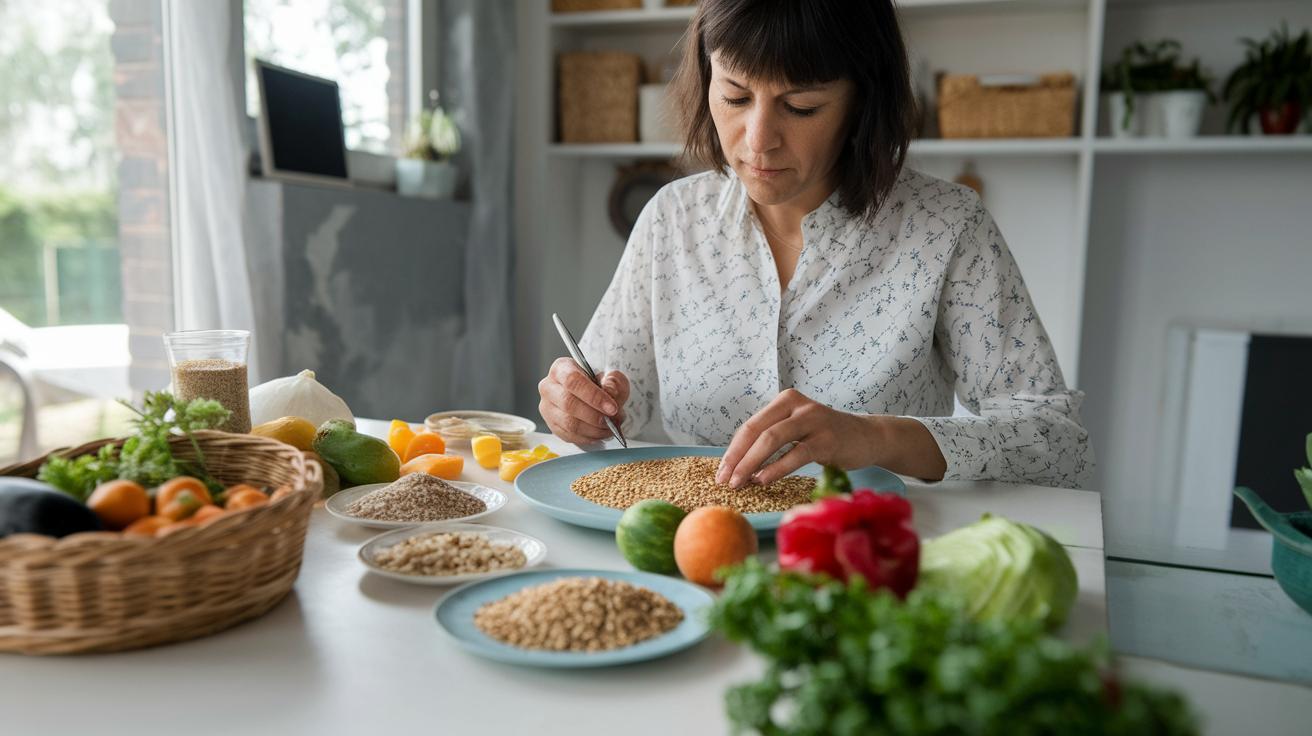
A good nutrition plan begins by mixing foods that give you the right balance of carbohydrates, proteins, and fats. It’s like putting together a puzzle where every piece matters. When you pick whole grains, lean proteins, and healthy fats, you build a foundation that keeps your energy up and supports growth. One mom even said that blending these food groups felt like creating a base that kept her family going through busy days.
Mixing different food groups also means you get plenty of important vitamins and minerals like vitamins A, C, and D, along with calcium and iron. These nutrients work as little helpers, keeping our bodies strong and our immune systems ready for life’s challenges. It’s like adding splashes of color to your meal, simple ingredients like fresh vegetables, fortified cereals, and dairy products can be your secret ingredients for feeling great.
Planning meals ahead of time can make sticking to this balanced plan feel comforting. When you have supplies like colorful fruits, dark leafy greens, and quality proteins ready, putting together a balanced plate becomes easier. Imagine setting your table with a mix of textures and flavors, each one adding a little extra care to your overall well-being.
By planning and choosing your foods thoughtfully, you create meals that nurture both body and soul. Think of each meal as a comforting blend of everyday foods and nutrient-rich staples, giving your family steady energy and a little boost in feeling cared for every day.
Budgeting Your 6-Month Food for 6 Months Stockpile
Budgeting your six-month food supply means planning every purchase so your family can enjoy wholesome meals without any surprise costs. When you buy basics like grains, you might pay about $0.20 to $0.50 per serving, and for legumes, around $0.30 to $0.60. Think of your budget as a flexible plan, sometimes a bulk purchase during a seasonal sale can really lighten your expenses. One mom even said, "A single bulk purchase saved us a significant amount each month!"
When making your plan, start by figuring out the different needs of just one person versus a whole family. For one person, your plan might be simpler, but families usually need to buy more. It might help to set aside a little money for versatile items like canned proteins or emergency meal pouches. This way, you manage your funds while keeping your pantry filled with reliable foods.
Stretching your money is all about smart shopping. Look for bulk deals, keep an eye out for seasonal discounts, and check local discount spots for trustworthy products. With careful planning and a bit of savvy, you can build a food supply that's both satisfying and budget-friendly for the full six months.
Rotational Meal Planning for Long-Term Food for 6 Months Reserves

Planning a six-month food supply can feel like setting up a friendly weekly menu. Imagine mixing old favorites with fun, new ideas. One week, you might make a simple rice and veggie stir-fry, and the next, a hearty bean stew. This flexible approach keeps mealtime interesting and makes sure you get enough proteins, carbs, and healthy fats. It’s a simple way to use your supplies without serving the same meals all the time. Picture spending a little time each week checking your pantry and planning meals that are easy to whip up, turning a daily routine into a heartwarming family chat.
Another smart trick is to plan monthly ingredient cycles. For example, one month could focus on using up nutritious grains and legumes, while the next features lean proteins and vitamin-rich produce. Organizing your pantry this way helps prevent having too much of any one item and invites you to mix seasonal foods with your stored ones. It’s like having a built-in schedule that matches your needs while keeping meals fun and balanced. Each month might feel like a new theme, making long-term food storage not just practical but also a comforting, enjoyable part of everyday life.
Recommended Long-Term Storage Products for Food for 6 Months
Planning a six-month food supply is all about choosing storage options you can really rely on. Start with bulk grains from trusted suppliers, they give you a steady, lasting base when stored properly. And when you’re on the go, freeze-dried meal kits are a light and nutrient-rich choice that comes in handy for quick meals. Powdered milk is another smart pick with a long shelf life, ensuring your family still gets the benefits of dairy even when fresh milk isn’t available. I remember one mom saying that using these products made her feel secure, knowing she had a backup that met their daily needs.
Focusing on quality and shelf-life is key when you choose your storage supplies. Ready-to-eat MRE packs are a top choice because they last well under the right conditions. When you pick products with clear expiration dates and strong quality guarantees, you can sleep easier knowing your emergency food supply is both safe and practical. It’s like setting up a gentle safety net for your family, ensuring everyone is nourished, no matter what surprises come along.
Final Words
In the action, we explored a detailed plan for setting up and enjoying a six-month food for 6 months reserve. We shared steps to create a balanced stockpile, from calculating needs and measuring storage space to establishing a rotation plan that keeps meals exciting.
We also talked about smart budgeting and the best long-term storage tips. This guide wraps up practical ideas and heartfelt strategies to make your half-year pantry a real win for family well-being. Stay hopeful and keep moving forward with confidence.
FAQ
Q: What foods can babies eat at 6 months?
At this age, babies can enjoy pureed fruits and vegetables, iron-fortified cereals, and lightly mashed proteins. These choices help introduce new textures safely.
Q: How many times a day should I feed solids to my 6-month-old?
Typically, introduce solids 2 to 3 times daily, gradually increasing the portions as your baby becomes more comfortable with new textures.
Q: What finger foods can I give my 6-month-old?
Offer soft, bite-sized pieces like steamed vegetables or soft fruits that melt in the mouth. These help your baby experiment with self-feeding safely.
Q: What baby food chart should I use for my 6-month-old?
A 6-month baby food chart outlines textures, serving sizes, and food groups to try. Look for PDF guides online that are designed for babies beginning solid foods.
Q: What are some good baby food recipes for 6 months?
Try pureed blends of vegetables or fruits, rice cereal mixed with mashed banana, or avocado mash. These recipes offer healthy, balanced options for your baby.
Q: What food options support baby-led weaning for a 6-month-old?
For baby-led weaning, choose soft, snack-like pieces of steamed veggies or fruits that your baby can hold and explore while safely practicing self-feeding.
Q: Should I use a different food chart for babies 0-6 months compared to 6-month-olds?
Yes, a 0-6 month chart focuses solely on milk, while a 6-month chart introduces purees and solids to expand your baby’s diet.