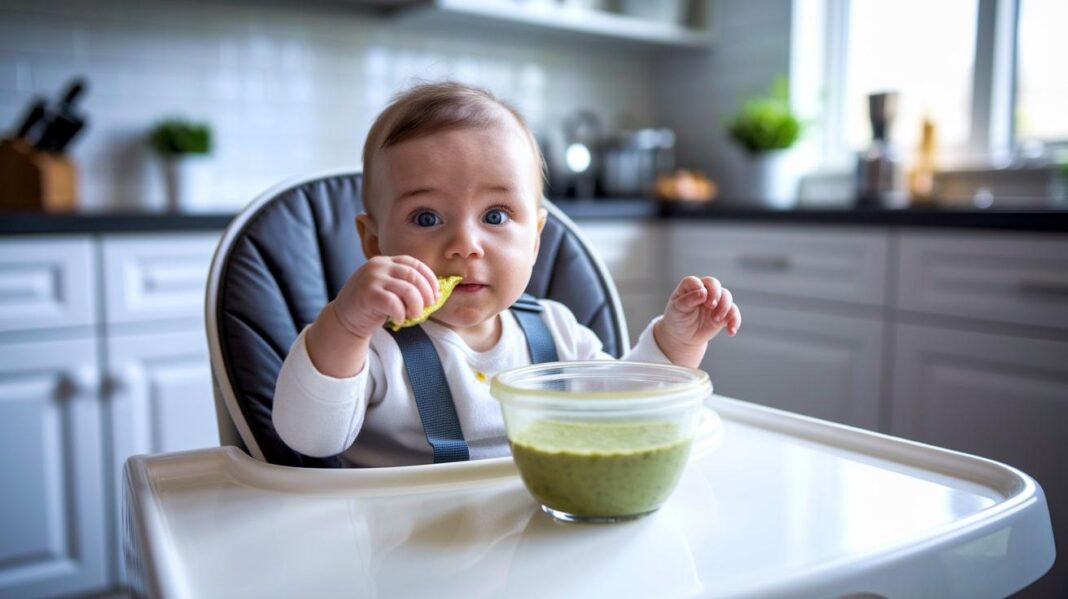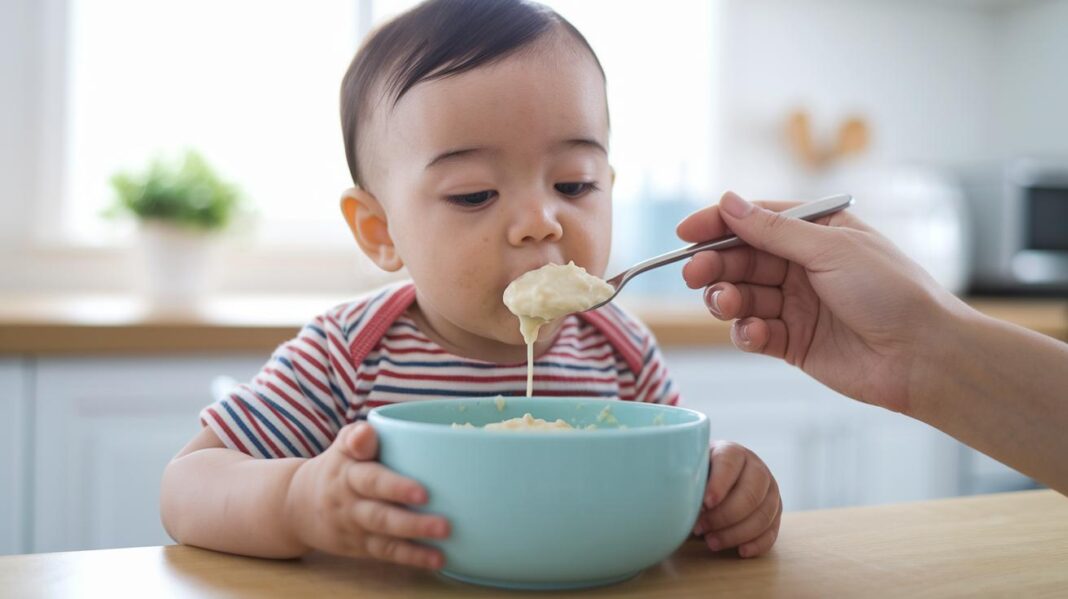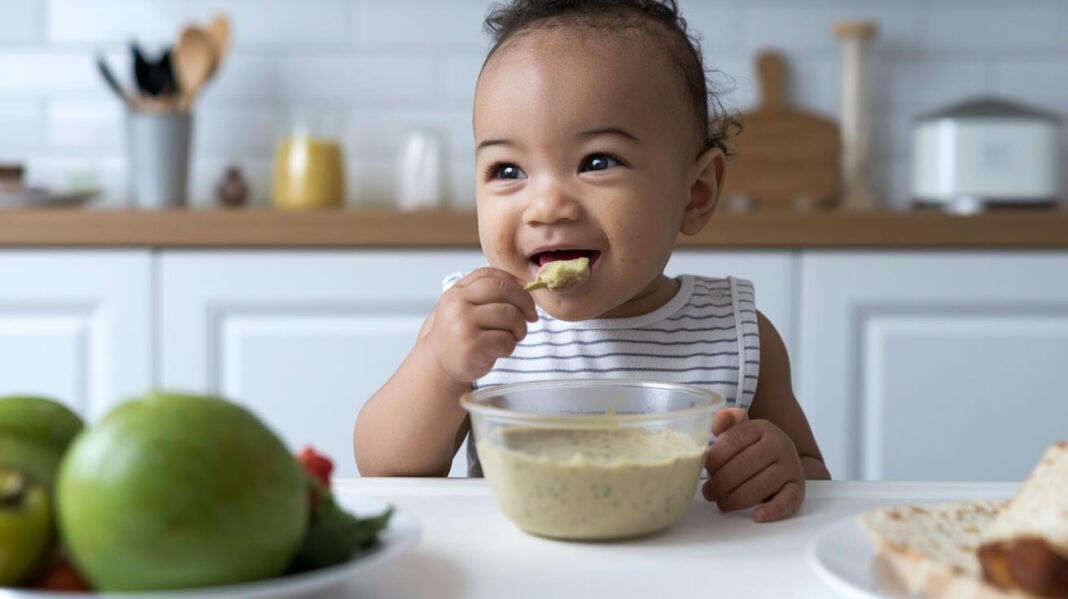
Have you ever noticed your little one wriggling after a meal? Sometimes, babies might be sensitive to gluten in common grains, which can make them feel uneasy and fussy.
Choosing gluten-free weaning foods can help you prepare meals that both comfort and nourish your baby. In this guide, we share simple, tasty options that keep their tummy at ease and support their growth.
Imagine turning everyday bites into moments of joy as your baby enjoys a gentle, calm meal. Let’s explore how these meals can brighten your baby's day while helping their little body stay strong.
Nutritional Essentials of Gluten-Free Weaning Foods for Infants
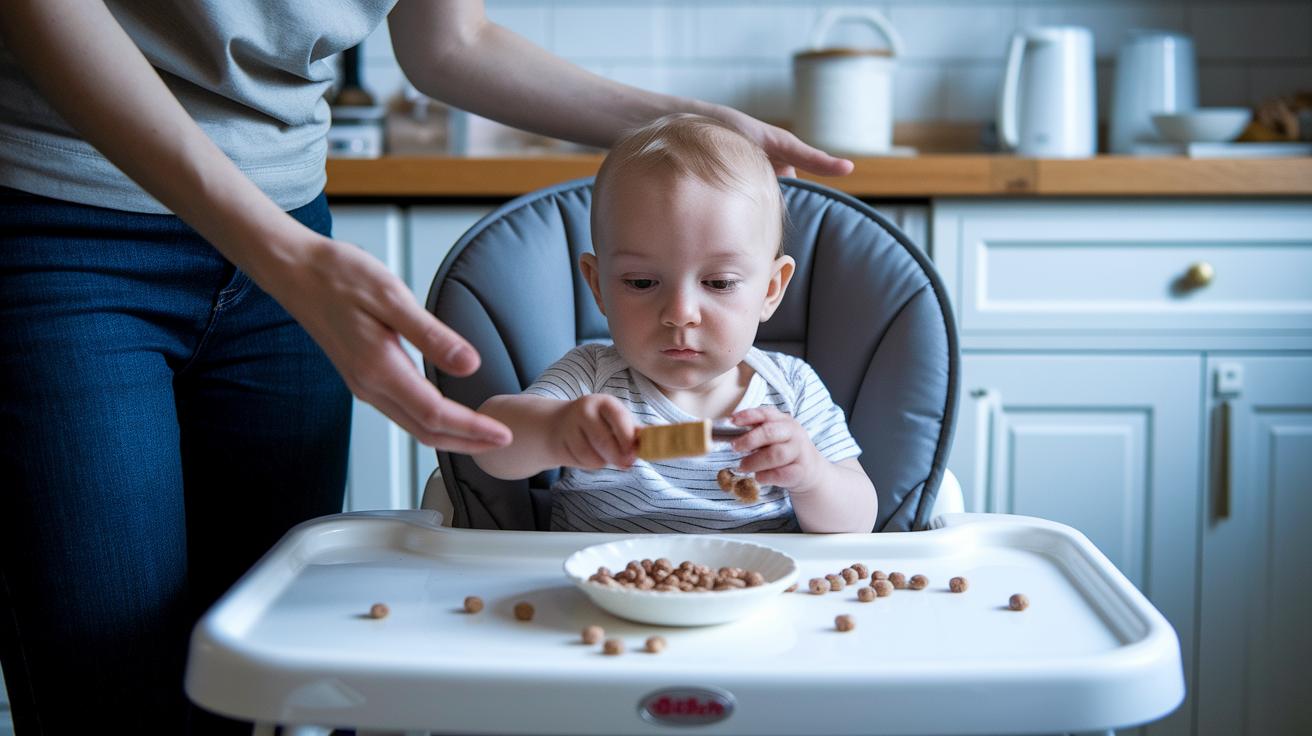
Gluten is a protein found in foods like wheat, barley, and rye. Some little ones may show signs of feeling unwell from it, such as a bloated tummy, tummy aches, gassiness, or even a rash. Imagine a baby who feels extra uncomfortable after eating something with hidden gluten, it really shows why picking safe, gluten-free meals matters a lot. About 1-2% of people have a condition called celiac (a health issue that makes gluten harmful), so it's important to know which foods can work best for your baby.
From about 4 to 12 months, babies need plenty of nutrients to help them grow strong and happy. They need things like iron and zinc to build up their blood and their immune system. Protein and healthy fats help grow cells and support brain development, while vitamins A, C, D, and B12 boost vision, keep bones strong, and give them energy. Think of these nutrients as little building blocks that turn everyday ingredients into a tasty and nutritious meal plan for your growing baby.
It’s really important for you as a parent to keep an eye on how your baby reacts to different foods. If you notice signs of gluten trouble, like tummy discomfort or rashes, chatting with your pediatrician is a wise move. Their advice can help adjust your baby’s diet to keep them happy and healthy. Keeping track of any changes can guide you in fine-tuning their gluten-free meals so that each bite nourishes both body and spirit.
Non-Gluten Cereal Alternatives for Infant Weaning
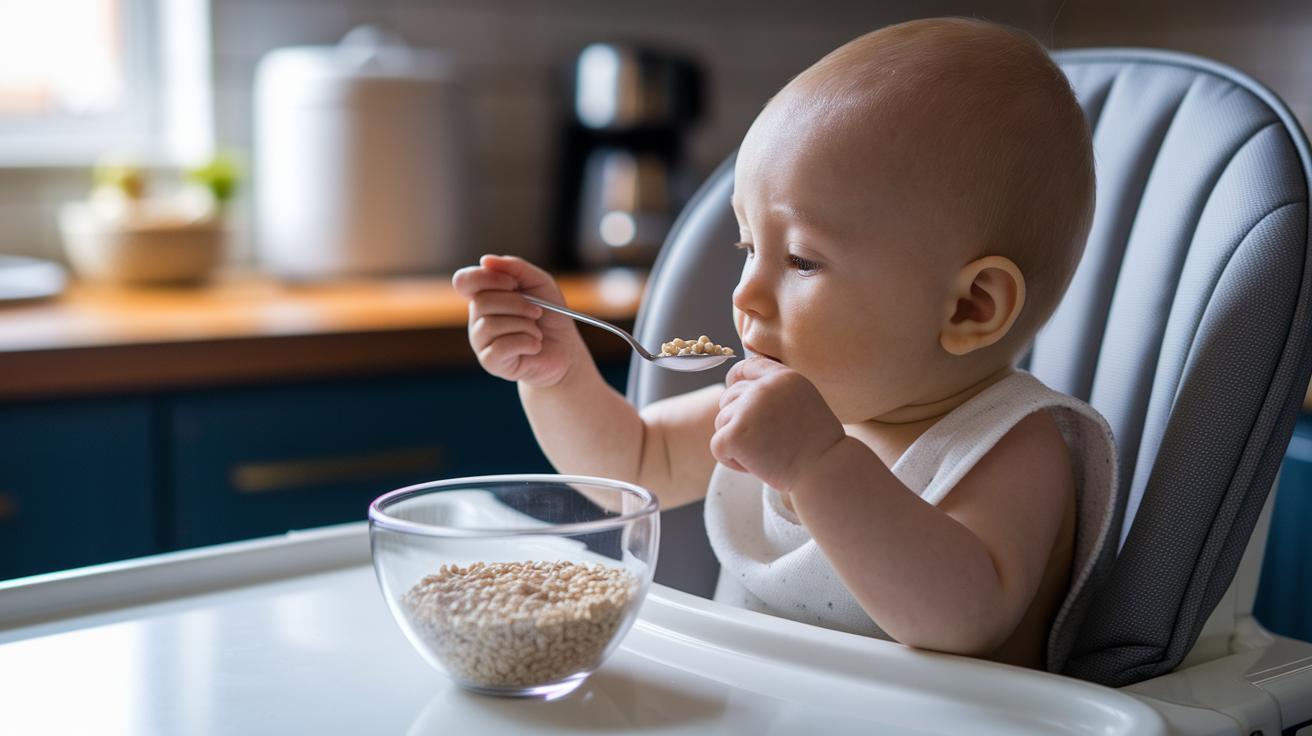
Introducing cereal into your baby’s diet can be such a lovely way to add energy and important nutrients as they start trying solid foods. Opting for non-gluten options means you’re giving your little one gentle grains that are kind to their tummy and packed with vitamins and minerals. You can try rice cereal for its smooth, easy-to-digest quality, or even gluten-free oats for that extra fiber boost. Millet, quinoa, buckwheat, and cornmeal each bring their own goodness, from quinoa’s protein and iron to cornmeal’s steady energy. Pre-soaking or pressure-cooking these grains helps make a soft, soothing consistency that’s perfect for a baby’s developing digestion.
Rotating between these choices not only adds variety and fun to mealtime but also helps cover a range of nutritional needs. It’s a little way of slowly expanding your baby’s palate, letting them experience new flavors and textures as they grow. Have you noticed how a tiny new taste can spark curiosity?
| Grain Alternative | Key Nutritional Benefit | Preparation Tip |
|---|---|---|
| Rice | Gentle on digestion | Pressure-cook until soft |
| Gluten-free Oats | High in fiber | Pre-soak overnight |
| Millet | Rich in magnesium | Simmer gently for smooth texture |
| Quinoa | Protein and iron boost | Rinse and simmer until fluffy |
| Buckwheat | Fiber-rich | Soak then simmer until tender |
| Cornmeal | Provides energy from starch | Cook slowly to a creamy consistency |
It’s a good idea to introduce one new grain every 3–5 days. This way, you can keep an eye on how your baby responds to each one, making sure their weaning journey is balanced, gentle, and full of delightful new tastes.
Vegetable and Fruit Purees for Gluten-Free Weaning
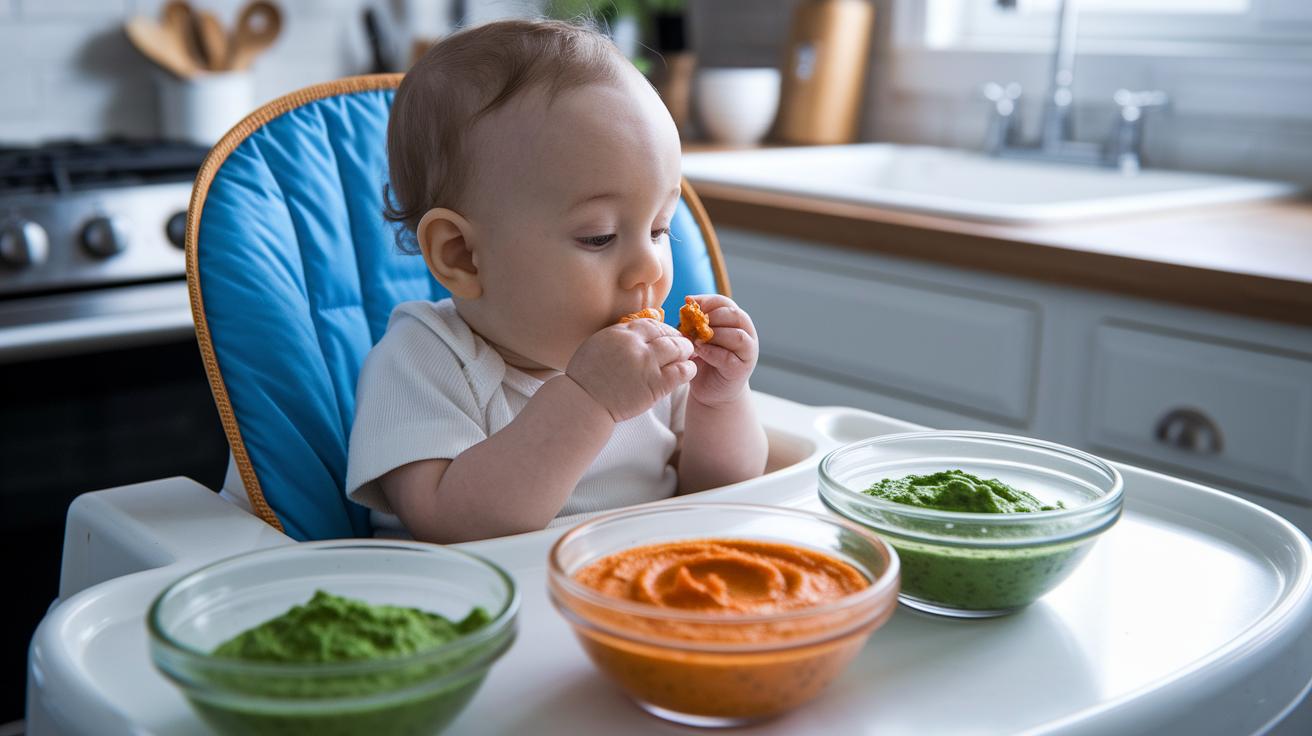
When you're ready to introduce solids, using purees made from a single ingredient can be a really gentle first step for your baby. They let your little one explore new flavors one at a time, help you spot any food sensitivities, and build a simple routine where every ingredient gets its moment to shine. These naturally gluten-free purees are made by steaming fruits or vegetables until they're very soft, then blending them until the texture is smooth and free of lumps.
- Sweet potato puree: Steam sweet potato until it's soft, then blend it until it's smooth. This puree is packed with vitamin A, which helps keep those little eyes healthy.
- Carrot puree: Gently steam carrots and blend them into a smooth mix rich in vitamin A that supports your baby’s growth.
- Green pea puree: Steam green peas until tender and blend them into a puree that’s full of fiber and protein, making it easy on your baby’s tummy.
- Apple puree: Cook apples until they’re soft, then blend them to a silky texture. This puree provides vitamin C to help support the immune system.
- Pear puree: Lightly steam pears and blend them into a smooth, sweet puree that offers a refreshing taste along with vitamin C.
After your baby has had a chance to enjoy each flavor on its own, try mixing two or more purees together. It can be fun to blend different tastes, and you can always watch how your baby reacts to help make weaning a safe and joyful experience.
Protein and Legume-Based Meals in Gluten-Free Weaning
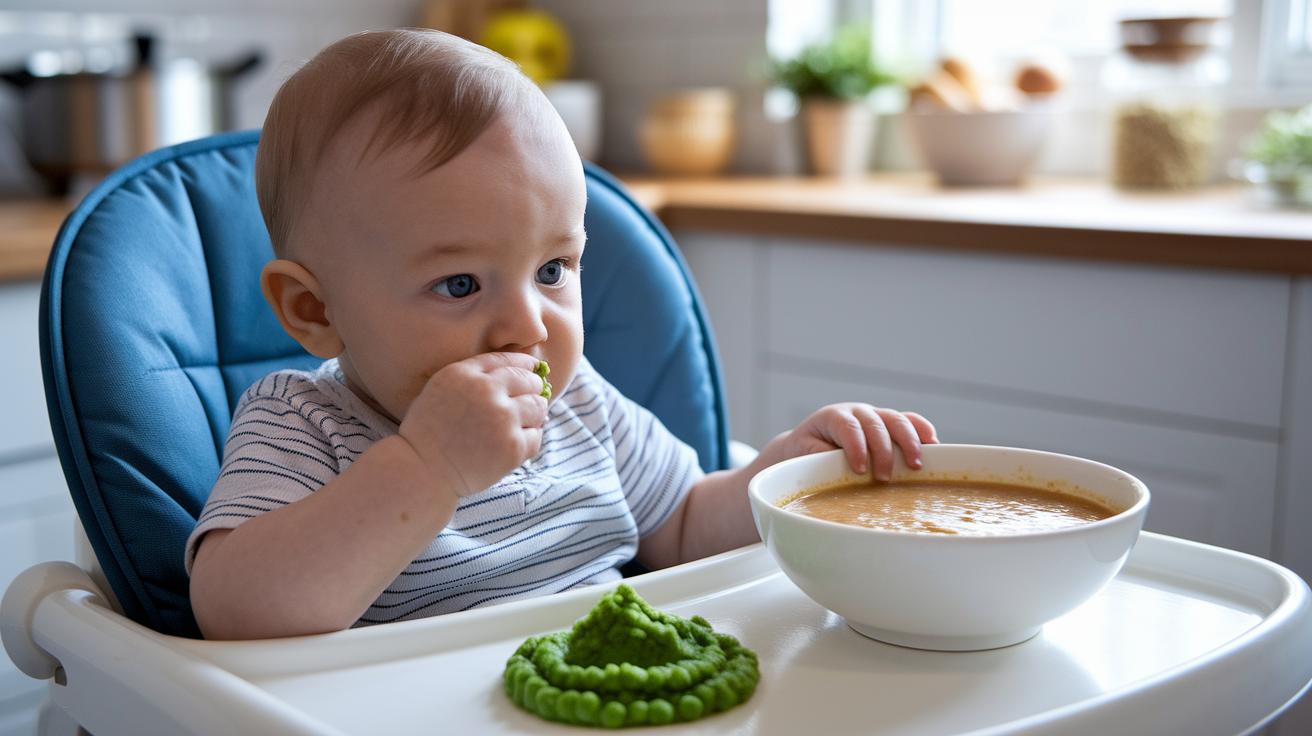
When your baby turns six months, they start needing more protein to help build muscles and keep growing strong. Gluten-free pulses like lentils, chickpeas, and peas are great choices because they’re naturally packed with iron, folate, and fiber. They also help with digestion and provide the essential amino acids, vitamins, and minerals your baby needs for a healthy start.
Lentil Soup for Infants
Try making a simple red lentil soup by simmering red lentils with a tiny pinch of mild spices. Red lentils are so full of iron, which is super important for your baby’s energy and growth. Once the lentils are soft, blend them into a smooth, baby-friendly soup that keeps all the nutritious goodness intact. It’s a comforting meal that introduces a rich, natural flavor without any gluten!
Quinoa–Vegetable Medley
Mix cooked quinoa with finely chopped carrots and zucchini for a delightful medley. The quinoa soaks up the natural sweetness of the veggies while offering a complete protein and a mix of vital vitamins. It’s a balanced meal that makes every bite appealing for your little one, a true win-win!
Pea and Veg Protein Puree
For another tasty option, blend steamed green peas with a bit of sweet potato into a smooth puree. Green peas add extra fiber and plant protein, and the sweet potato brings in vitamin A. This puree is nurturing, gentle on your baby’s tummy, and a simple way to sneak in a protein boost.
Gluten-Free Weaning: Homemade vs. Store-Bought Baby Foods
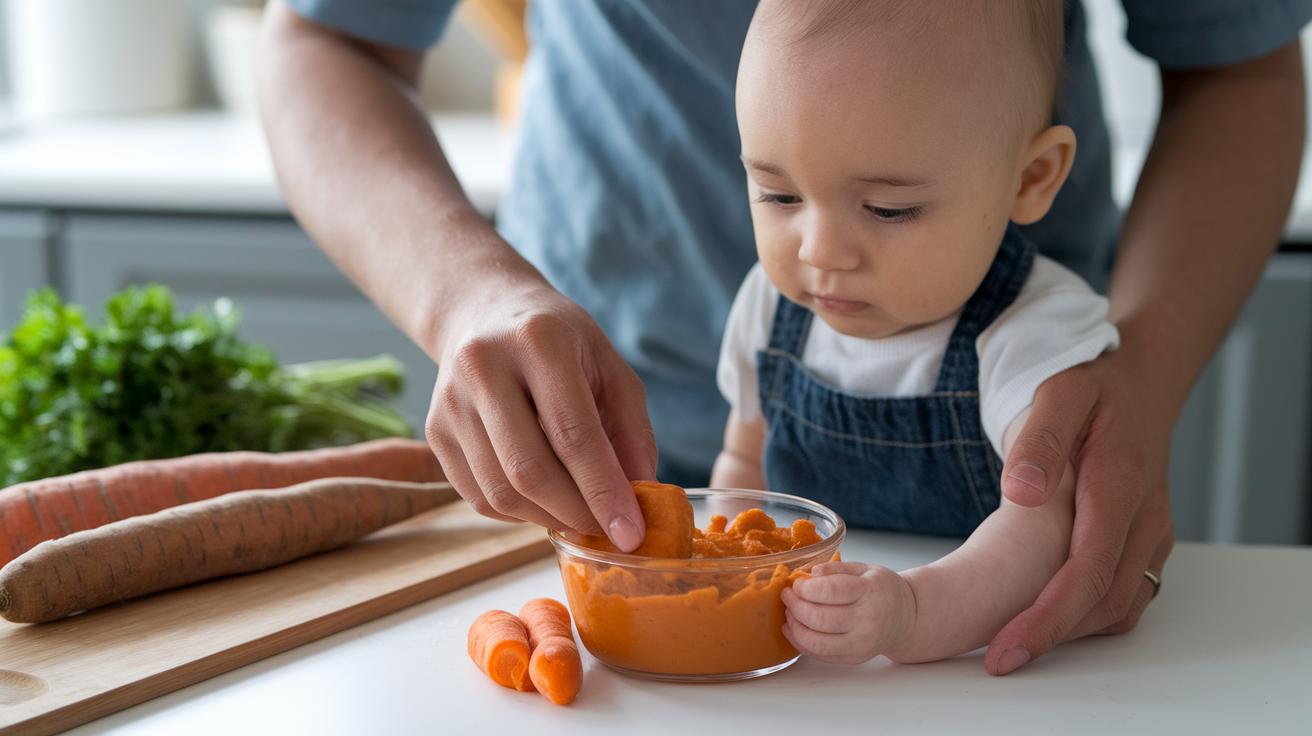
Making your own gluten-free baby food is a lovely way to feel confident about every ingredient you use. When you prepare purees at home, you get to pick the freshest fruits and vegetables and decide on the perfect texture for your little one. It’s a simple way to keep costs low while ensuring every bite is safe and nutritious. Imagine whipping up a bright carrot and sweet potato puree, where you control exactly how long it cooks and what flavors come through, no unwanted extras at all.
On busy days, store-bought options can be a real lifesaver. Many families trust brands that offer organic, non-GMO meals made just for little tummies. Just be sure to double-check the labels so you avoid any hidden gluten, MSG, or preservatives. Look for products that clearly say they are safe for celiac needs and are friendly for those with allergies. Balancing these convenient choices with your own nutritional goals can make meal planning both easy and reassuring.
Cross-Contamination Safety in Gluten-Free Weaning
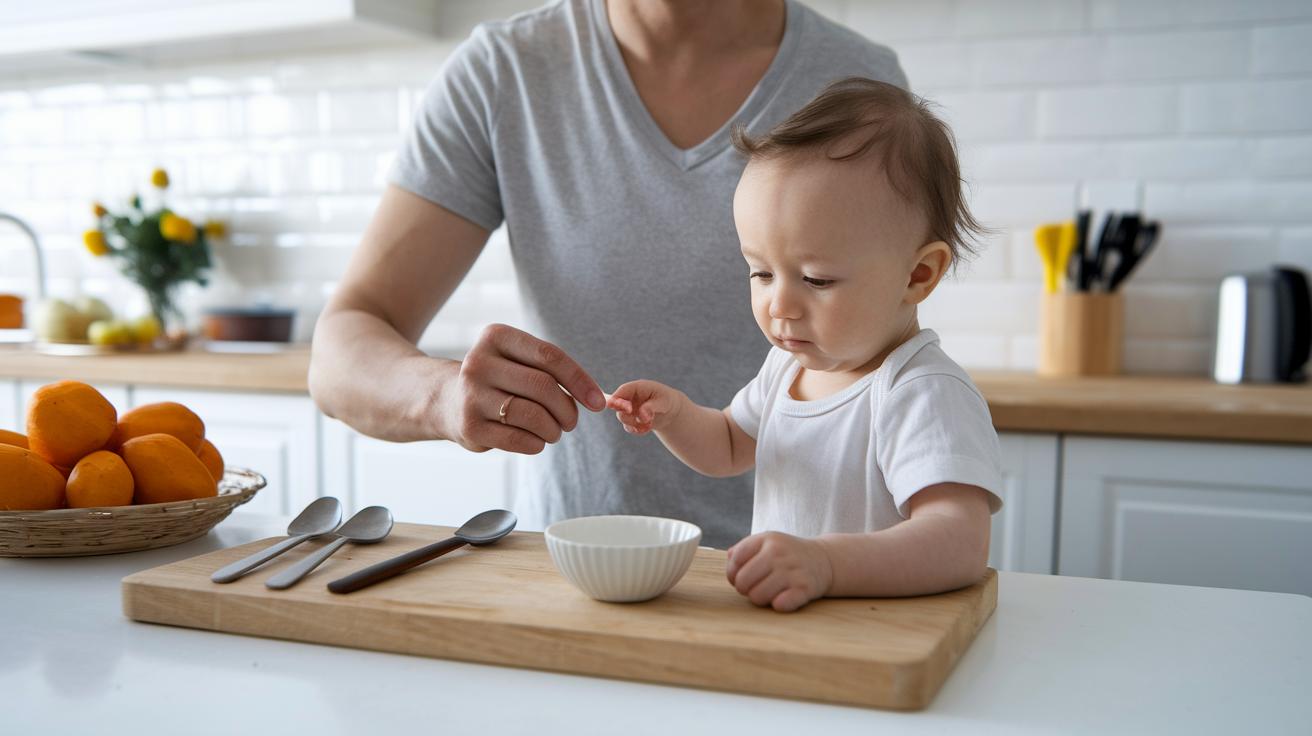
Keeping your kitchen tidy is a big first step in protecting your baby's meals. It’s important to clean your utensils, cutting boards, and all surfaces well so no wheat traces are left behind. Using separate tools and storage just for gluten-free ingredients can really help keep things safe. A handy allergen checklist for weaning can remind you what to look out for, making meal prep feel a lot more reassuring for those sensitive tummies.
When shopping for packaged foods or trying out new recipes, always check the labels for any hints of wheat. You might see notes like "may contain wheat" that call for extra care. It can be a good idea to start with a small batch of a new food to see how your baby handles it. And if you notice anything off, chatting with your pediatrician is a smart next step before introducing more new foods.
Sample Meal Plan for Gluten-Free Weaning Infants
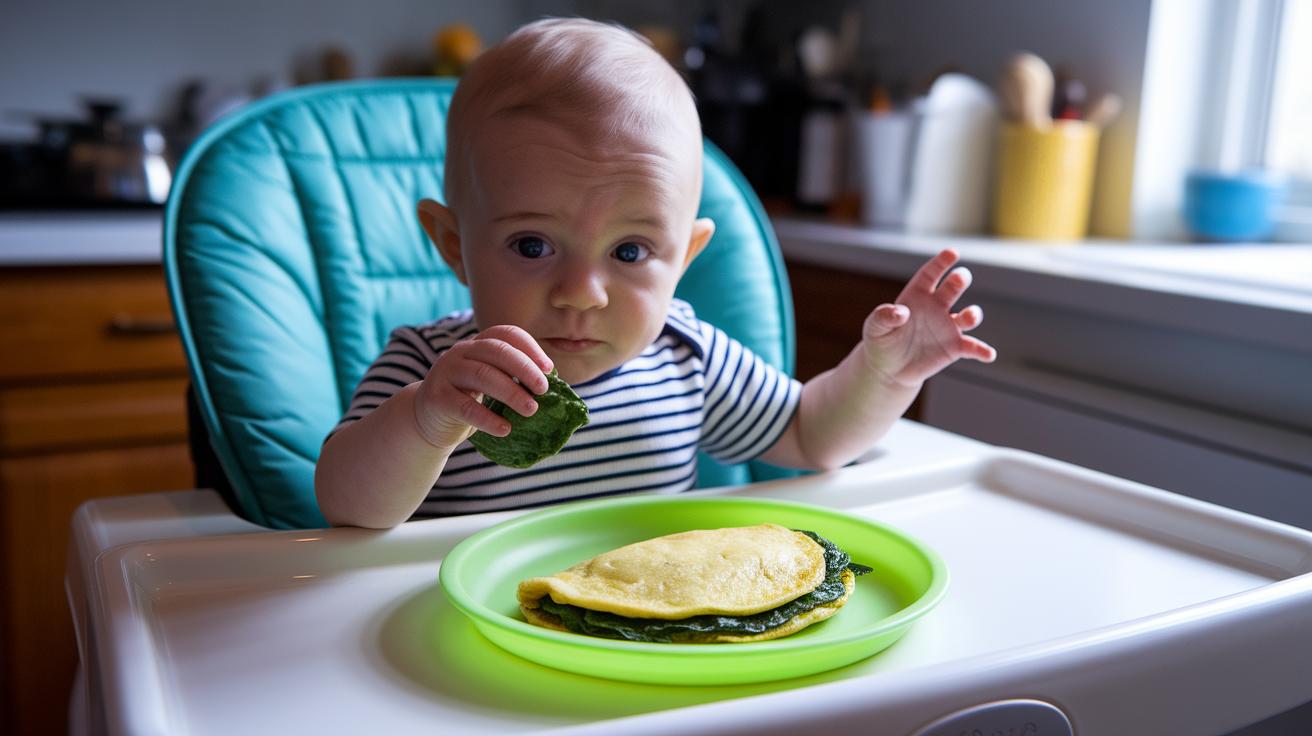
Kick off the day with a light, warm spinach-mushroom omelet that’s just right for your little one. Blend finely chopped spinach and mushrooms into whisked eggs to offer a gentle boost of iron and protein. Adjust the size and texture to suit your baby’s age so it stays soft and easy to chew. Picture a tiny omelet that's both tasty and inviting!
For lunch, try a baked sweet potato topped with shredded turkey and a sprinkle of diced tomatoes. The sweet potato packs a punch of vitamin A and a natural sweetness, while the turkey gives lean protein to support growing muscles. Cut everything into small, manageable pieces to help your baby practice self-feeding. It’s a balanced meal that mixes hearty and fresh flavors in every bite.
For dinner, enjoy ground turkey tacos made with soft corn tortillas and a dash of diced peppers. The turkey adds quality protein, and the peppers bring a bit of vitamin C, creating a dish that’s both bright and gentle on the palate. The mild spice level keeps things safe and comfortable at mealtime.
When it’s snack time, serve up a little bowl of hummus paired with carrot and cucumber sticks. The hummus offers plant protein and fiber, while the fresh veggies provide a fun, crisp texture and natural sweetness. It’s a simple, wholesome snack perfect for little hands learning to explore new flavors.
Final Words
In the action, we covered nutrient essentials, grain alternatives, fruit and veggie purees, protein options, and practical meal plans designed to support healthy, balanced diets. We shared tips on keeping your kitchen safe and choices between homemade and ready-made foods. This guide gives you step-by-step insights and simple strategies for preparing gluten-free weaning foods for infants. Enjoy implementing these ideas with enthusiasm and confidence as you create nourishing meals for your little one.
FAQ
What does gluten-free baby food include?
Gluten-free baby food means meals made without wheat, barley, or rye. It uses safe ingredients like fruits, vegetables, and gluten-free grains to support healthy digestion for sensitive tummies.
What are dairy and gluten-free baby food recipes?
Dairy and gluten-free baby food recipes offer meals without common allergens by replacing milk and gluten ingredients. These recipes help families provide allergen-friendly, nutritious options for infants.
Is Gerber baby food, including banana purees, gluten-free?
Gerber produces products without gluten ingredients in many cases. Still, parents should read the label, as formulations can differ between varieties, including their banana purees.
What gluten-free baby snacks and snack recipes are available?
Gluten-free baby snacks include options like rice crackers and fruit bars made with safe grains. Simple homemade recipes allow parents to create nutritious, allergen-friendly treats for little ones.
What gluten-free baby food brands are trustworthy?
Trustworthy gluten-free baby food brands offer clear labeling and safe ingredients. Many parents choose brands committed to allergen safety and consistent quality for their infants’ weaning meals.
What is gluten-free baby porridge?
Gluten-free baby porridge is a warm cereal option made with safe grains such as rice or millet. It provides gentle, easily digestible nutrition and can be mixed with fruit purees for added flavor.
What are some examples of gluten-free toddler meals?
Gluten-free toddler meals can include rice-based dishes, quinoa salads, and meals featuring naturally gluten-free vegetables and proteins. These meals support balanced nutrition for growing toddlers.
Can babies under 6 months have gluten?
Babies under 6 months should stick to milk-based diets unless advised otherwise by a pediatrician. Introducing gluten early might cause digestive challenges for some infants.
Why might some doctors advise caution with a gluten-free diet for babies?
Some doctors advise caution because a gluten-free diet may limit important nutrients. They recommend following professional guidance only when a baby shows signs of gluten sensitivity or has been diagnosed with celiac disease.