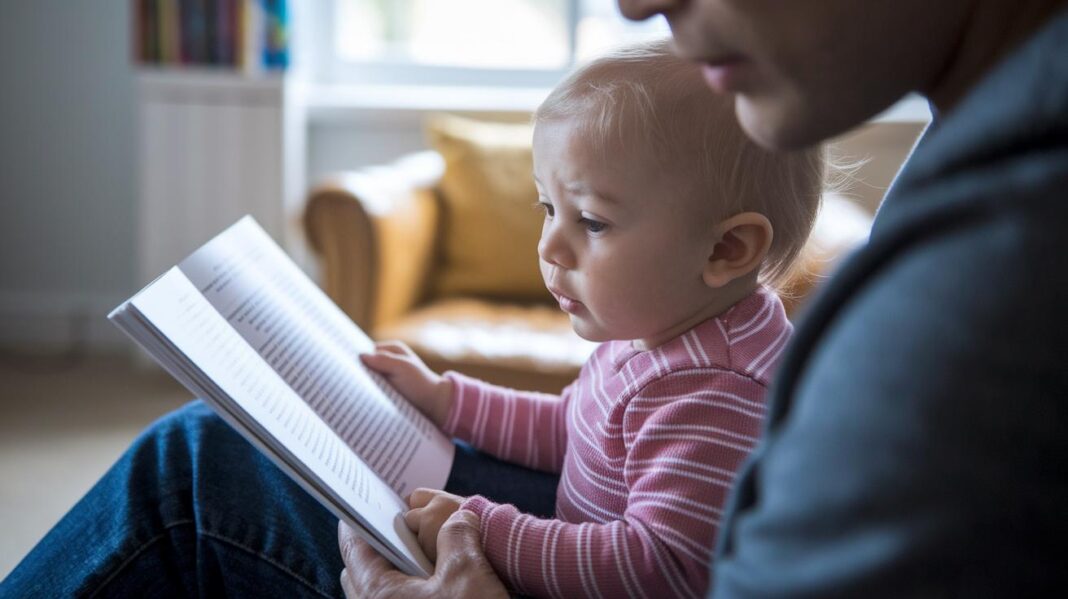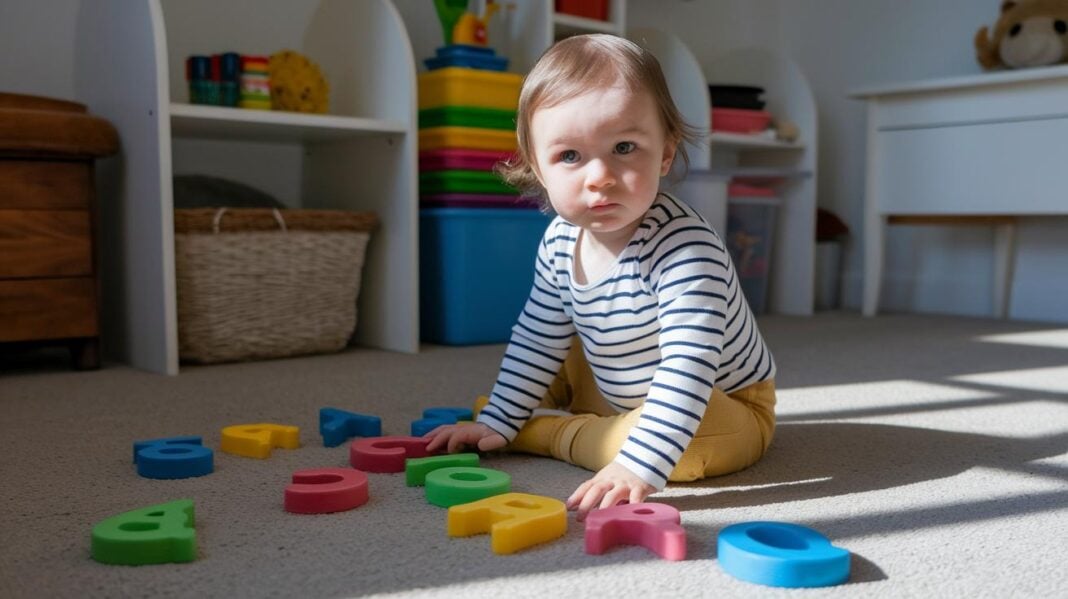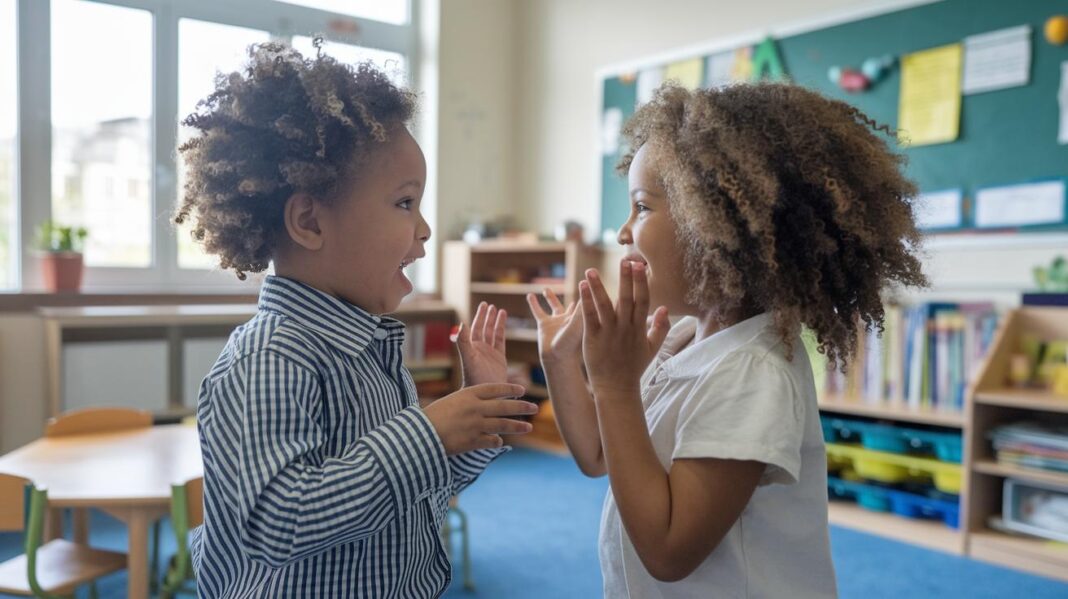
Have you ever noticed how play can open the door to language? When kids enjoy playtime, they pick up words and learn how to link them with actions. Even simple games can boost both talking and creative thinking. In this blog post, we'll chat about how fun moments give children a chance to build their language skills and express themselves with confidence. Ready to see how a little play can lead to big, heartwarming growth in the way our little ones communicate?
Interactive Play’s Influence on Early Language Development

Interactive play is a fun way for kids to learn language while also boosting their thinking and feelings. When little ones play together, they get a chance to share their emotions and ideas in a gentle, hands-on way. For instance, a simple game like peek-a-boo not only brings a smile to a baby’s face but also shows the basics of taking turns and making sounds.
By playing with friends or joining group activities, children mix chatting with thinking in a playful setting. This helps them connect words with actions and feelings in their everyday world. They soon see language as a cool tool for expressing themselves and tackling little challenges. And really, playtime strengthens memory, problem-solving, and good listening skills too. It turns learning into a lively part of everyday life, building a solid base for reading, writing, and socializing later on.
Every playful moment is a chance to boost language skills, sparking a natural curiosity and joyful self-expression in our little ones.
Developmental Stages of Language Acquisition Through Play
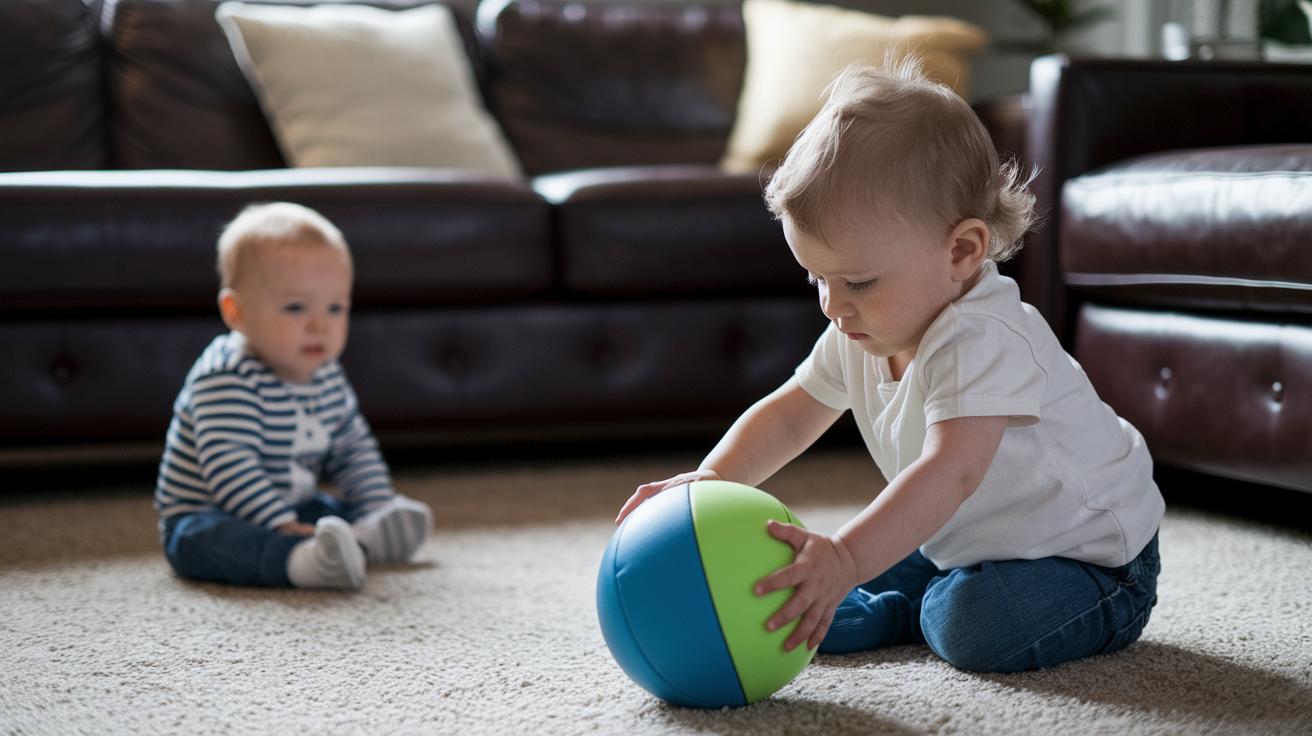
In those first few months, babies mostly talk through cries, coos, and little gestures when they're playing. A fun game like peek-a-boo helps them start learning language, even though they can’t speak yet. For more details on these early signals, check out infant nonverbal communication milestones. These early ways of sharing are the first steps toward later language skills.
Around 12 to 24 months, toddlers begin using their first words and short phrases during daily routines and simple pretend games. Picture a toddler happily naming a ball as they roll it, that little word is a big step in learning to communicate. This time is all about trying out sounds and making connections in a fun and relaxed way.
Between the ages of 2 and 3 years, kids start putting words together to form simple sentences. When they play pretend games, like setting up a mini store or playing house, they practice linking words into a clear meaning. For example, saying “I fixed the toy car” shows how play helps them build basic sentences.
By the time children are 3 to 5 years old, they begin to tell stories and join in cooperative games, which opens the door to more advanced language skills. They start using better grammar and creating longer, more detailed stories. Imagine a group game where one child begins a story and others add to it, that’s a wonderful way to see how play boosts both creativity and communication.
Types of Play That Enhance Vocabulary and Articulation
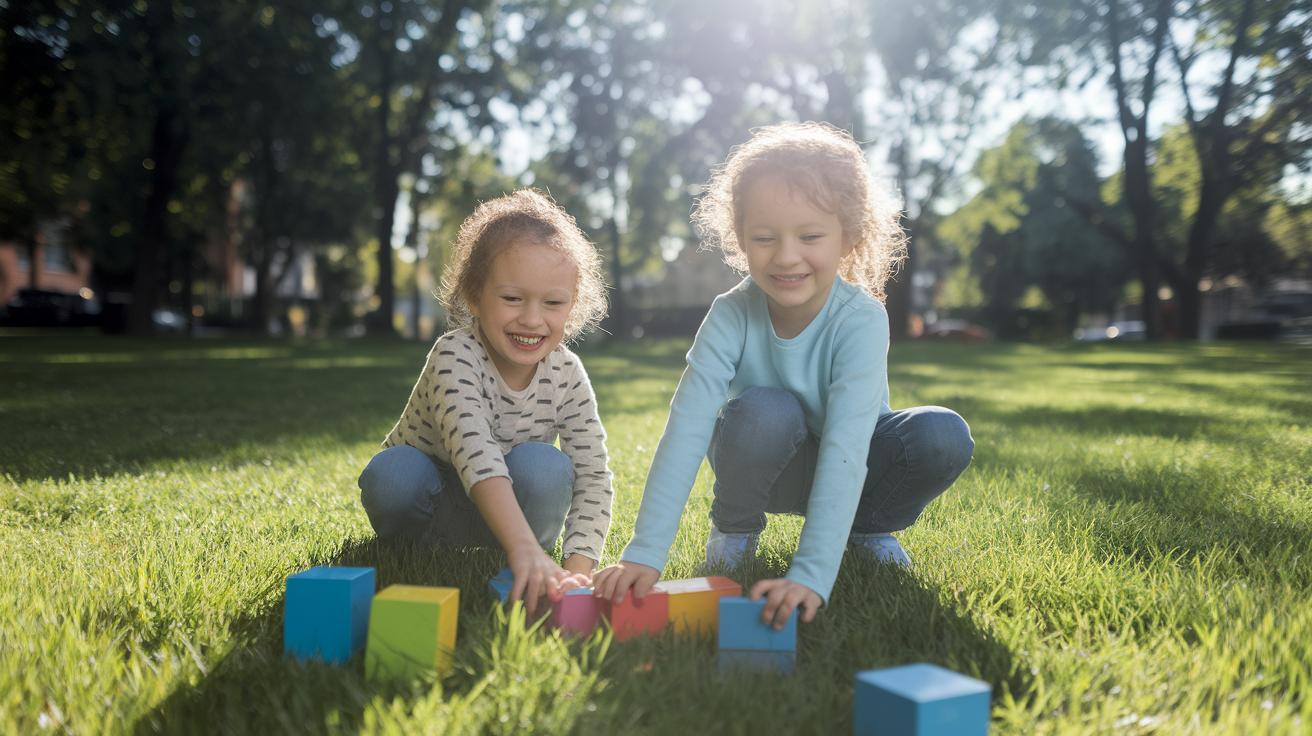
Different kinds of play give kids wonderful chances to learn new words and form sentences naturally. When children engage in pretend play, they step into different roles and share little stories, like a child happily dressed as a pilot saying, "I'm flying to the moon!" It's simple, fun, and helps them put their thoughts into neat sentences.
Using open-ended play items like blocks, balls, and art supplies also sparks a child’s creativity. They get to explore, experiment, and suddenly find themselves describing what they see, feel, and imagine. Outdoor play, running in the park or exploring a garden, naturally invites kids to use sensory words, bringing their experiences to life.
Cooperative games make a big difference too. These games give little ones a safe space to practice talking with friends, taking turns, and having real conversations. And when kids dive into story-based activities, they often create charming tales, like imagining a friendly animal on a fun adventure. This not only builds their vocabulary but also turns simple play into a delightful narrative experience.
- Pretend Play: Helps kids share their ideas and stories in a fun, creative way.
- Open-Ended Play: Encourages creativity and critical thinking using versatile materials.
- Outdoor and Physical Play: Boosts descriptive language through sensory and playful experiences.
- Cooperative Games: Provides a warm setting for practicing conversation and taking turns.
- Story-Based Activities: Enhances storytelling skills and helps them build longer, expressive sentences.
Social Communication Growth in Group Play Sessions
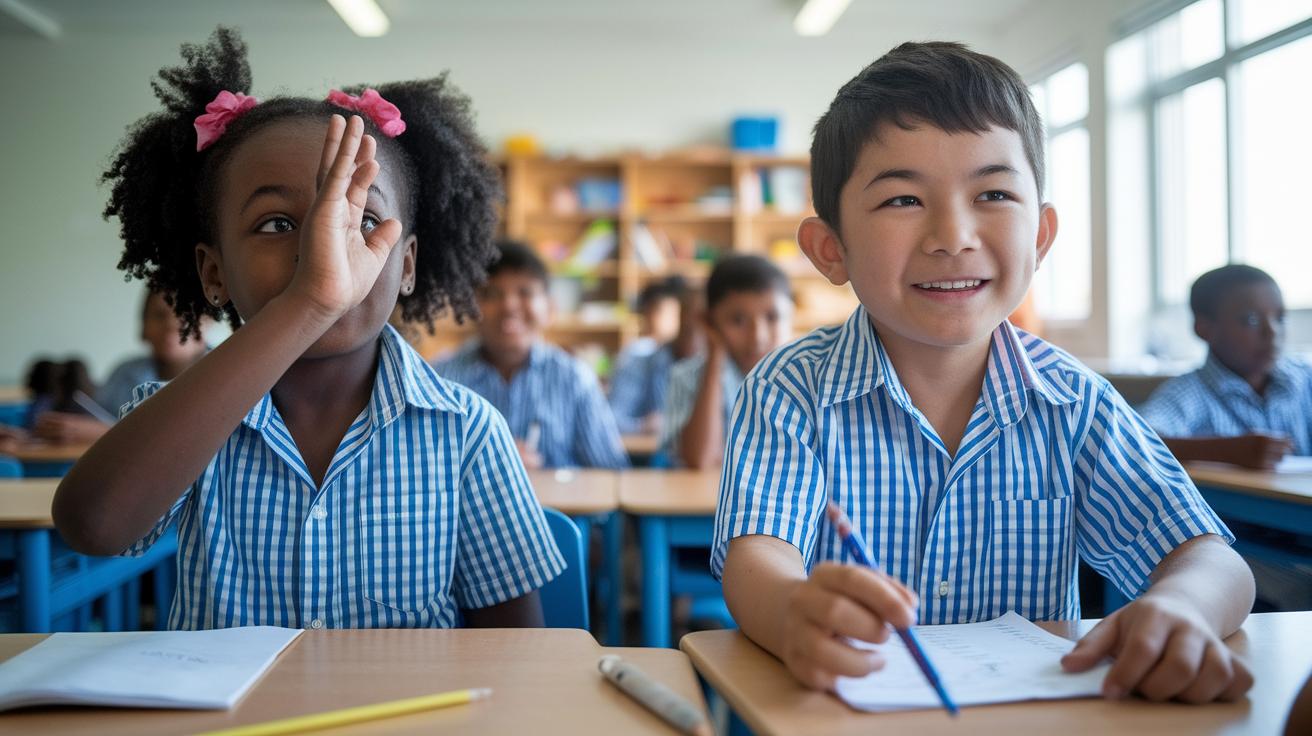
Group play sessions are a fun way for kids to pick up on little social signals that brighten up their conversations. They learn to take turns, use kind words, and understand things like a warm smile or a friendly gesture. Think about a game where a child notices a friend’s smile and waits for the right moment to add a playful comment.
Here, we dive into extra details about group play that we haven’t talked about before. Playing together helps children learn how to change their voices, pace their words, and know just when to speak up. In these settings, kids figure out how to handle moments when voices mix and how to blend their ideas with others.
Unique factors include:
- Noticing friendly cues like a nod or eye contact
- Matching the group’s rhythm by adjusting when they speak
- Waiting for the right moment to share, based on the flow of the group
When children guide each other in play, they naturally switch between leading and supporting roles. This back-and-forth helps them get better at lively, group conversations.
Practical Strategies for Promoting Language Development Through Play
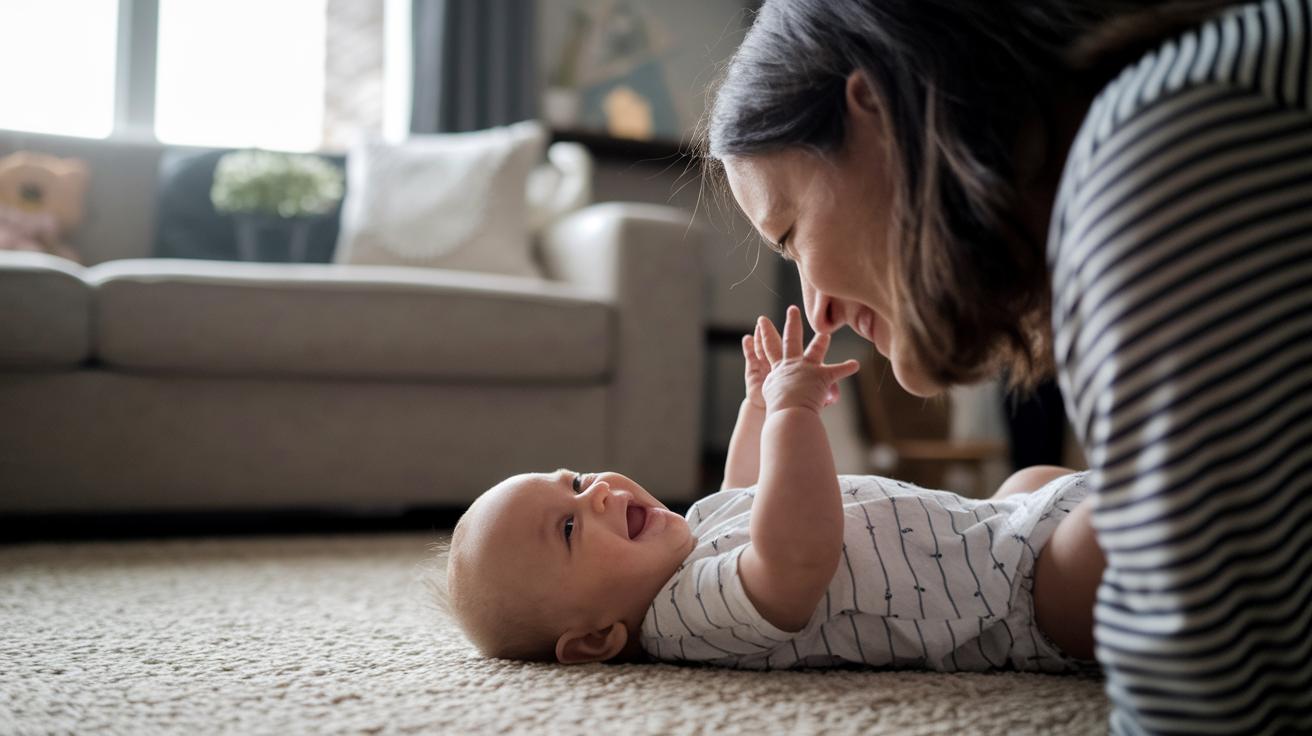
Playing simple games like peek-a-boo or imitation gives your baby a fun way to learn about taking turns and exploring sounds. Imagine your little one giggling with delight during a game of peek-a-boo, each smile paired with a unique sound. These playful exchanges help lay the foundation for speech while keeping the mood light and enjoyable.
Older children also thrive with imaginative play. When you set up a little pretend store or another role-playing scene with props, it gives them a chance to use new words and build sentences. It’s a hands-on way for them to gain confidence expressing ideas and feelings through language.
As a parent or educator, you can help even more by expanding on your child’s words. Instead of simply repeating what they say, try adding a bit more detail. For example, say, “You built a tall tower; tell me more about how you did that!” This simple extension turns everyday moments into opportunities for learning and growth.
- Play fun games like imitation and role-playing with simple props
- Label common objects during your daily activities
- Ask open-ended questions that invite your child to share more
Research Evidence and Educational Impacts of Play on Language Milestones
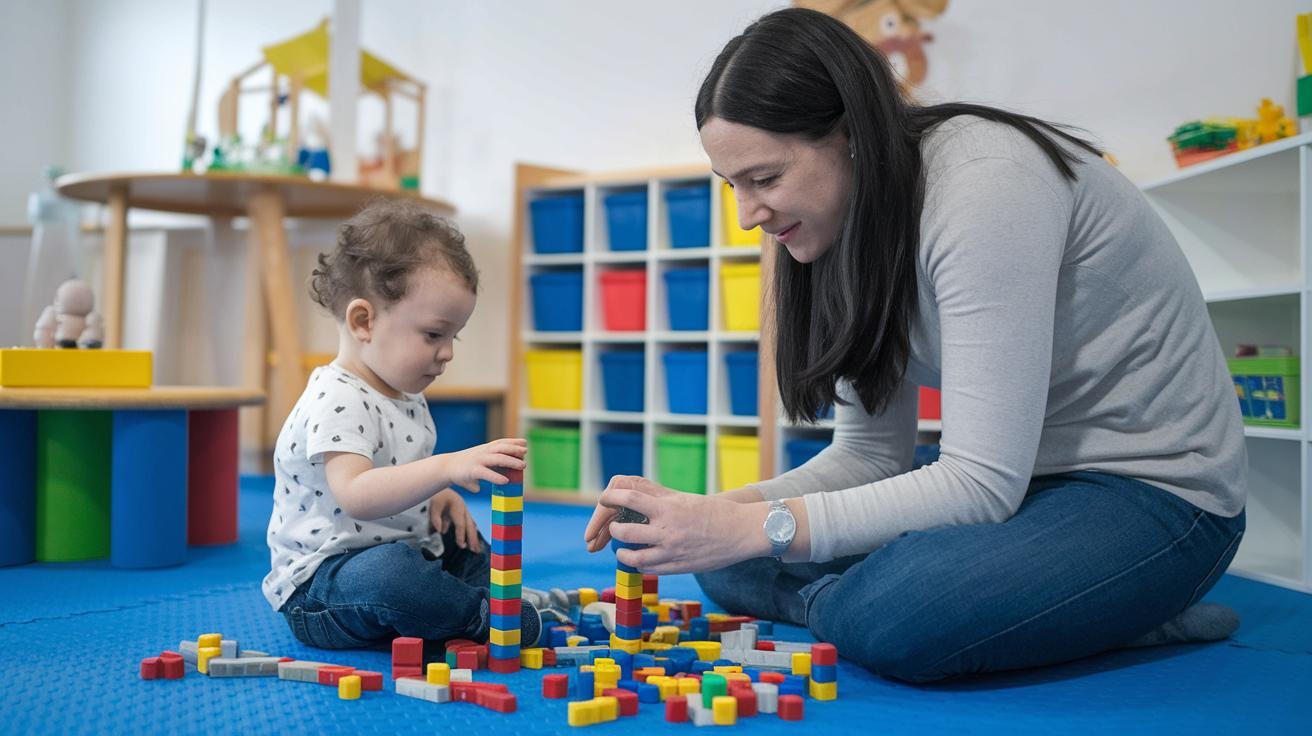
Back in 2013, a study found that kids from low-income homes learned more words and built stronger language skills when they had a blend of fun play materials and meaningful time with adults. It’s not just about making sounds; playful moments help children explore language and meaning.
Play is also linked to better focus, memory, and problem-solving skills, all of which are key to picking up language. Even simple, playful actions can make a big difference. For example, playful interactions gently guide a baby’s early understanding of their world. Have you ever noticed how a little game can spark a moment of learning? You can explore more about these early milestones here: infant language comprehension milestones.
Each year, national events like the UK’s National Play Day remind us just how important play is for early growth. Many therapies, whether for speech, occupational, or even music, use play as a way to help children reach crucial milestones. In fun, engaging settings, kids get to practice language in real-life experiences, building the skills they need for success in school and with friends.
Final Words
In the action of everyday play, children explore language and connect with their world. This article highlighted how activities like pretend play, group games, and hands-on strategies boost vocabulary and storytelling. It guided you through various stages of language growth, from simple coos to full sentences, by showing the role of play in language development at every step.
These simple play moments build strong communication skills. Keep encouraging playful learning, and watch your child's language flourish with every laugh and shared moment.
FAQ
What is the role of play in language development?
The role of play in language development is to build vocabulary, enhance speech, and support social skills. It offers a relaxed setting where children practice expressing ideas and feelings naturally.
How does pretend play help language development?
The way pretend play helps language development is by encouraging children to use imaginative dialogue, experiment with new words, and structure sentences while acting out scenarios, all of which boost communicative confidence.
What are some examples of language play?
The examples of language play include storytelling, role-playing, and open-ended games with versatile materials that prompt kids to use expressive language, practice dialogue, and create narratives in a fun way.
How did the types of play promote language development?
The types of play promote language development by integrating creative role play, cooperative group activities, and physical play, all of which help children build vocabulary, practice sentence structures, and improve conversational skills.
What is role play in language teaching?
The concept of role play in language teaching involves acting out real-life scenarios to help learners practice conversational skills, use diverse vocabulary, and build confidence in expressing ideas in a dynamic and supportive environment.