Have you ever wondered if speaking two languages might slow down your child's learning? Well, new research shows that kids who grow up bilingual reach their talking milestones just like others.
Imagine two simple songs playing at home, each with its own gentle beat. This kind of mix helps your little one build everyday words and even sharpens their thinking.
Growing up with two languages is like enjoying a duet where each part complements the other. In every home, no matter how many languages are spoken, your child can thrive in language and learning.
Core Aspects of Bilingual Language Development
Did you know that nearly 22% of Americans and about 14% of Canadians use a language other than the main one at home? It’s a warm reminder that many families bring a beautiful mix into their daily lives. Kids growing up with two languages follow a very similar learning path to those who hear only one. They start cooing and babbling around 6 months, speak their first words at about 12 months, pick up around 15 words by 18 months, and by 24 months, they begin to mix words together.
This natural way of learning shows that growing up bilingual feels as smooth and simple as growing up with one language. It even supports a stronger everyday vocabulary and helps sharpen their thinking skills.
| Age | Monolingual Milestone | Bilingual Milestone |
|---|---|---|
| 6 months | Babbling begins | Babbling begins |
| 12 months | First words | First words |
| 18 months | ~15 word vocabulary | ~15 word vocabulary |
| 24 months | Word combinations emerge | Word combinations emerge |
In short, kids who learn two languages hit those important talking steps just like their monolingual friends. It’s a gentle reminder that having more than one language in the home nurtures strong and healthy communication.
Simultaneous and Sequential Bilingualism Defined
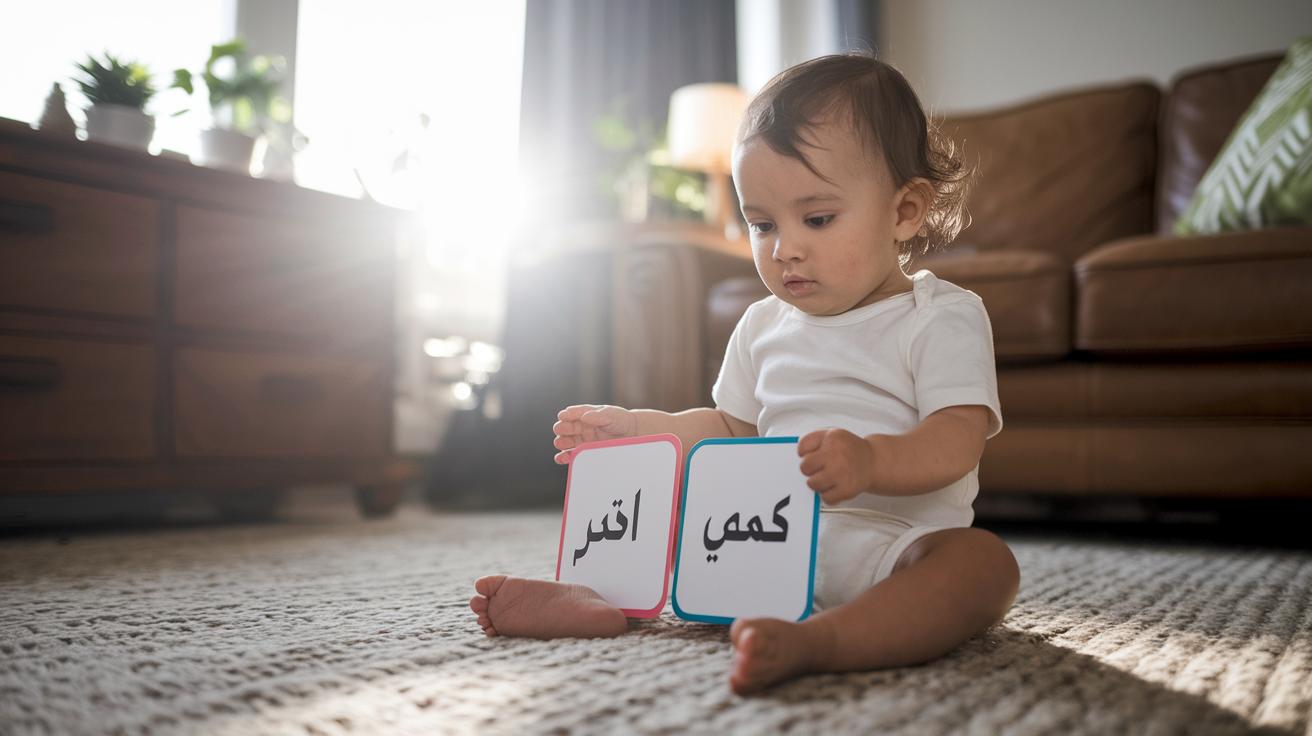
Simultaneous bilingualism means a child hears two languages right from the start. In many families, a baby might listen to English at home and another language like Arabic as well, making language learning feel as natural as a gentle lullaby. They pick up both sounds and rhythms effortlessly, learning two sets of words and sentence patterns at the same time. It’s a bit like enjoying two favorite songs and feeling perfectly at home with each.
Sequential bilingualism, on the other hand, happens when a child starts life speaking one language and then picks up another later on. For instance, a child might begin by speaking English at home and then join a group or class where a different language is used. Studies show that as these children learn new sounds and word combinations, their brains adjust much like they did with their first language. They quickly adapt, using each language naturally in everyday conversations.
Typical Milestones in Bilingual Language Development
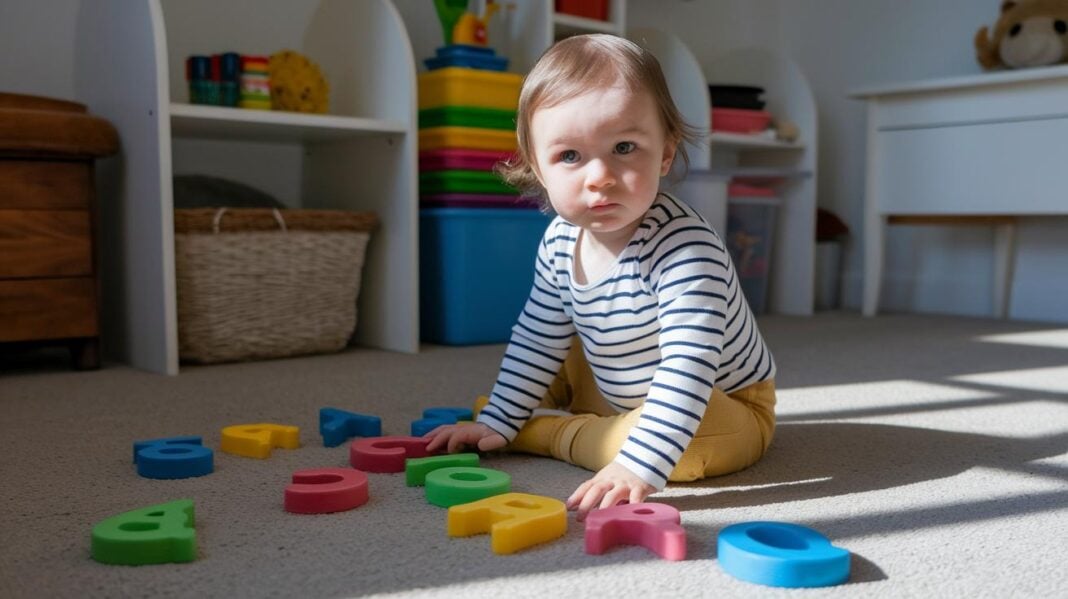
By the time your little one is about six months old, you'll hear them babbling and cooing as they play with sounds. It’s almost like they’re experimenting with music, getting ready to learn words by exploring different tones and pitches.
Around 12 months, you might start noticing those first sweet words. One study even noted that an 18‐month‐old who was learning two languages used 2 words in one language and 40 in the other, for a total of 42 words! This shows that being surrounded by more than one language doesn’t slow down vocabulary growth compared to kids who hear only one language. For a closer look at what to expect, check out the Parental guide to infant milestones.
By 24 months, your toddler may begin combining two words to form simple phrases, like “more milk” or “big truck.” This is an exciting phase when they’re just starting to grasp the basics of grammar and intonation, helping them share their needs and thoughts with you.
Cognitive Advantages of Bilingual Language Development
Bilingual kids often develop a snappy way of managing their thoughts. They’re able to switch between languages while staying focused, which makes them better at tackling puzzles and everyday tasks. Imagine a child playing a game where directions come in two languages, this little trick shows how they filter out distractions and sharpen their thinking.
Hearing and using two languages helps build strong word networks and trains the brain to be flexible. Each language brings its own sounds and rules, and when combined, they work like two supportive webs that hold ideas together. It’s almost like watching two different colors mix perfectly to make something even brighter, enhancing how kids understand and use words.
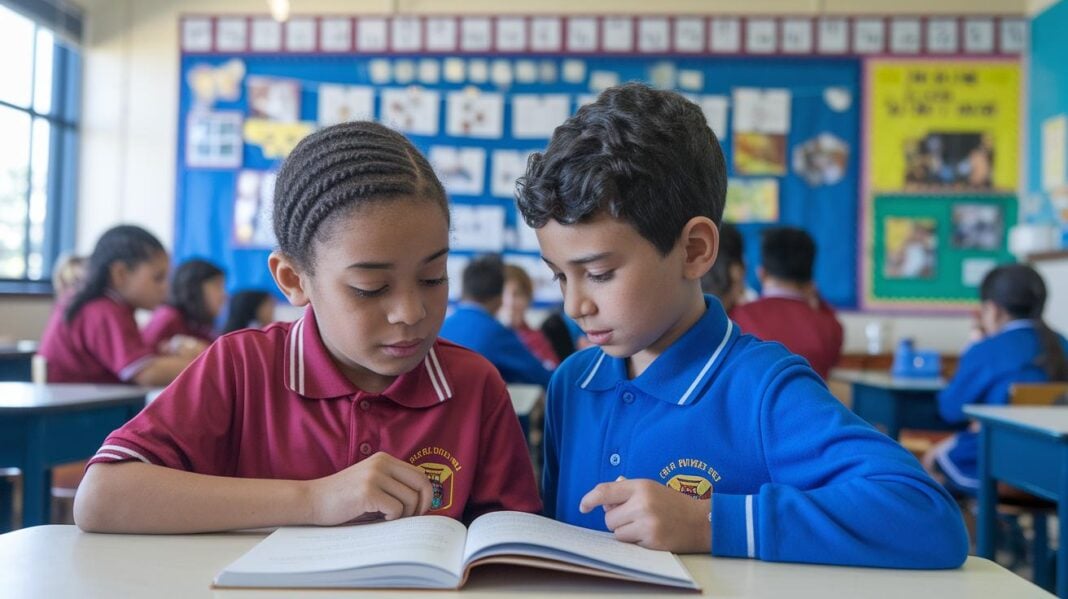
Classroom life feels a bit different when you’re bilingual. Studies tell us that these kids often shine at tasks that need quick, adaptable thinking. They easily switch from one subject to another, and teachers notice how smoothly they handle changes. This boost in brain skills not only helps with school work but also gives them extra confidence to face everyday challenges.
Normal Language Variation in Bilingual vs Monolingual Children
Bilingual kids sometimes use fewer words in each language compared to children who speak just one language. But when you put both languages together, they often have as many words, or even more! You might notice little things like an English “r” that sounds a bit like a trilled Spanish sound. These small mix-ups happen naturally as the sounds from both languages blend together.
Beyond just counting words, bilingual children usually switch between languages very naturally when they talk. They might code-switch or use both languages in one sentence, finding the best way to share their ideas. This shows that they are just as creative and comfortable communicating as kids who only speak one language. Language development, for them, remains fun and flexible.
Language Development in Bilingual Children: Thriving Growth
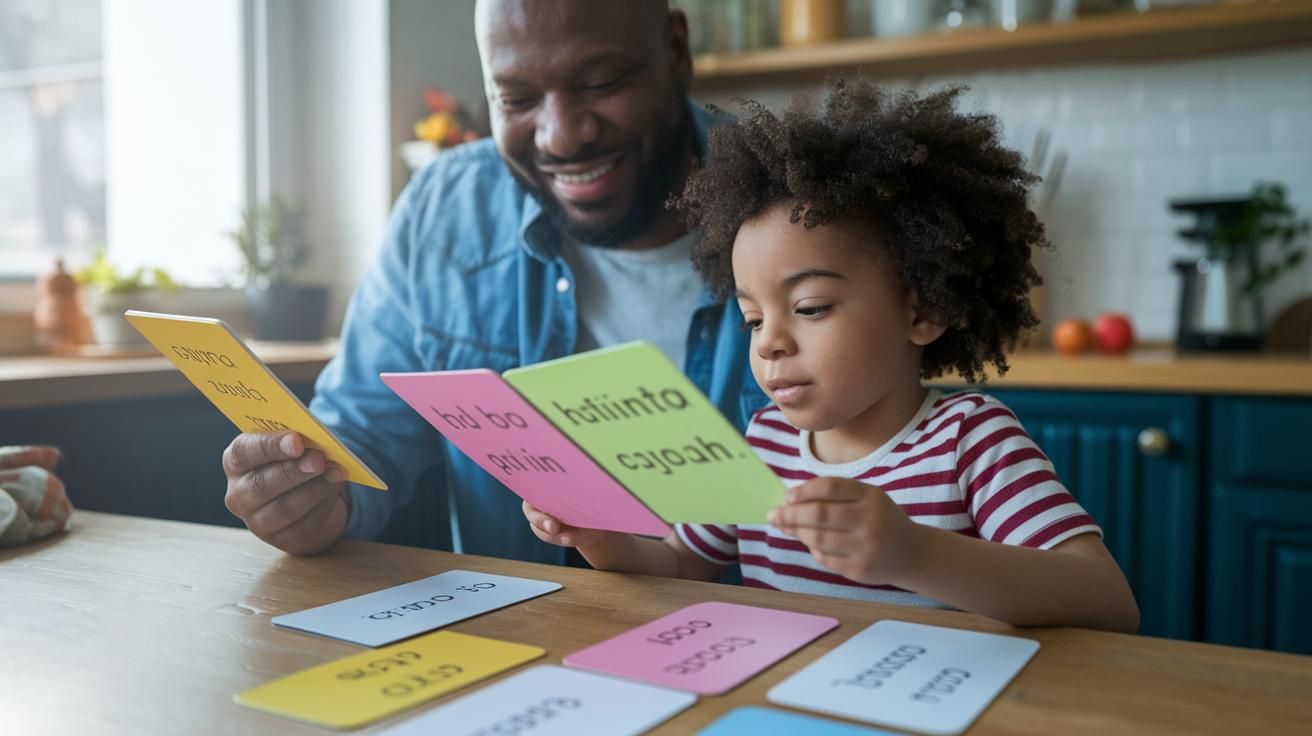
Parents and teachers know that regular, heartfelt interactions help children grow strong language skills. When you chat with your little one every day and read aloud together, it gives them a daily dose of language fun and makes learning feel natural.
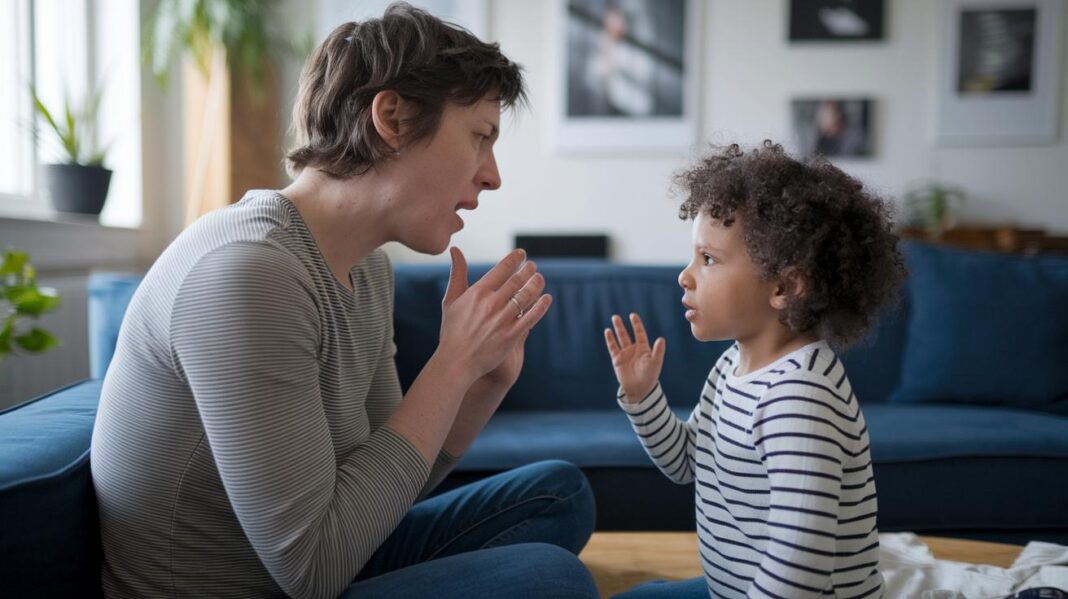
In those early years, simple actions like pointing out everyday objects, sharing stories, and talking about what you see really boost their vocabulary. It’s like building a little bridge between their two languages, one conversation at a time. And honestly, watching your child light up when they recognize a word is just magical.
Try setting aside time each day for interactive reading in both languages. Reading together isn’t just about new words, it helps your child hear the music in your speech, the rhythm of sentences, and find confidence in speaking. Have you ever noticed how a soft, consistent story can create a bedtime ritual that feels just right?
Mix in a parent-guided storytime with words that are both familiar and new. Ask questions, share thoughts, and make the routine feel like a cozy chat with a friend. It turns reading from a task into a delightful conversation.
Another neat idea is to label household items with bilingual word cards. Stick a card on your table, chair, or door. This simple trick ties everyday life to learning, sparking curiosity every day.
It also helps to establish set times for casual home conversations in both languages. Whether it’s during dinner or a quiet afternoon, these little chat sessions let your child naturally switch between languages, creating a comforting rhythm in their day.
Using multimedia tools like language apps can bring in fresh sounds and patterns. These fun digital aids show the playful side of language, making those abstract sounds click into place.
And finally, let your child mix languages during play. It’s okay for them to blend words and ideas, it shows flexible thinking and builds real communication skills. So, enjoy these moments of code-switching as they grow into a confident, bilingual communicator.
Monitoring Bilingual Language Development Progress and When to Seek Professional Support
Sometimes, bilingual children may need a little extra attention. For instance, if your baby isn’t babbling by 9 months, not saying any words by 18 months, or not putting words together by 24 months, it might be a hint to take a closer look. And if you notice that your child shows delays in both languages or isn’t using many gestures like pointing, it could be time to ask for a professional evaluation.
Talking with a bilingual speech-language pathologist can really help. These caring experts gently check how your child communicates every day. They look at important language steps and see how your little one uses words during everyday chats. With their guidance, you can feel more at ease knowing your child’s language skills are growing naturally and confidently.
Final Words
In the action, this post covered core aspects from typical milestones to practical strategies for bilingual skills. It showed that dual-language exposure boosts communication and builds confidence without causing delays. The discussion included simultaneous and sequential language growth, along with a look at the cognitive perks. Parents enjoy clear benchmarks and expert insights on language development in bilingual children. Keep embracing these gentle practices each day and remember that every small conversation contributes to your child’s natural growth.
FAQ
What do bilingual language development PDFs show?
Bilingual language development PDFs show milestone timelines and comparisons between bilingual and monolingual children. They offer clear guides on how early words, babbling, and combined words indicate balanced growth in both languages.
How does bilingualism affect language development in children?
Bilingualism affects language development by supporting simultaneous language exposure. This builds early babbling, first words, and word combinations, matching typical monolingual milestones while also enhancing cognitive flexibility and problem-solving skills.
Can you give examples of language development in bilingual children?
Language development in bilingual children often includes babbling at 6 months, saying first words at 12 months, and combining words by 24 months. Each language contributes to a richer overall vocabulary without causing delays.
Why is language development important in bilingual children?
The importance of language development in bilingual children is seen in the boost to communication skills and cognitive growth. It supports clear interaction, balanced vocabulary growth, and helps build strong academic and social foundations.
What guidance does ASHA provide on bilingual language development?
ASHA provides guidance by offering parent handouts and expert tips on bilingual language development. Their materials help caregivers encourage balanced language exposure while reassuring parents that bilingual growth meets standard milestones.
How do bilingual children develop language compared to monolingual peers?
Bilingual children develop language similarly to monolingual peers by reaching key milestones like babbling, first words, and word combinations. They might have smaller vocabularies in each language but achieve equal overall communication abilities.
What are the main stages or aspects of bilingual language development?
The main stages include early babbling, initial word production, vocabulary expansion, two-word combinations, and emerging grammar. These steps mark how children successfully build skills in both languages from a young age.
How do bilingual children achieve educational growth through language development?
Educational growth in bilingual children comes from balanced vocabulary building and strong communication skills. This dual-language experience enhances cognitive skills, helping children participate fully in classroom learning and social interactions.