Have you ever wondered if your little one is ready to try something new? When your baby is about 6 months old, can sit up with a little help, and watches you enjoy your food, it might be the perfect time to introduce tiny spoonfuls of pureed fruit, veggies, or even a bit of protein.
This guide shares easy steps to help you start with purees that bring in gentle flavors and textures. Just keep an eye on your baby’s signals, and with every spoonful, you can make mealtime a wonderful, safe adventure.
Key Guidelines for Infant First Foods
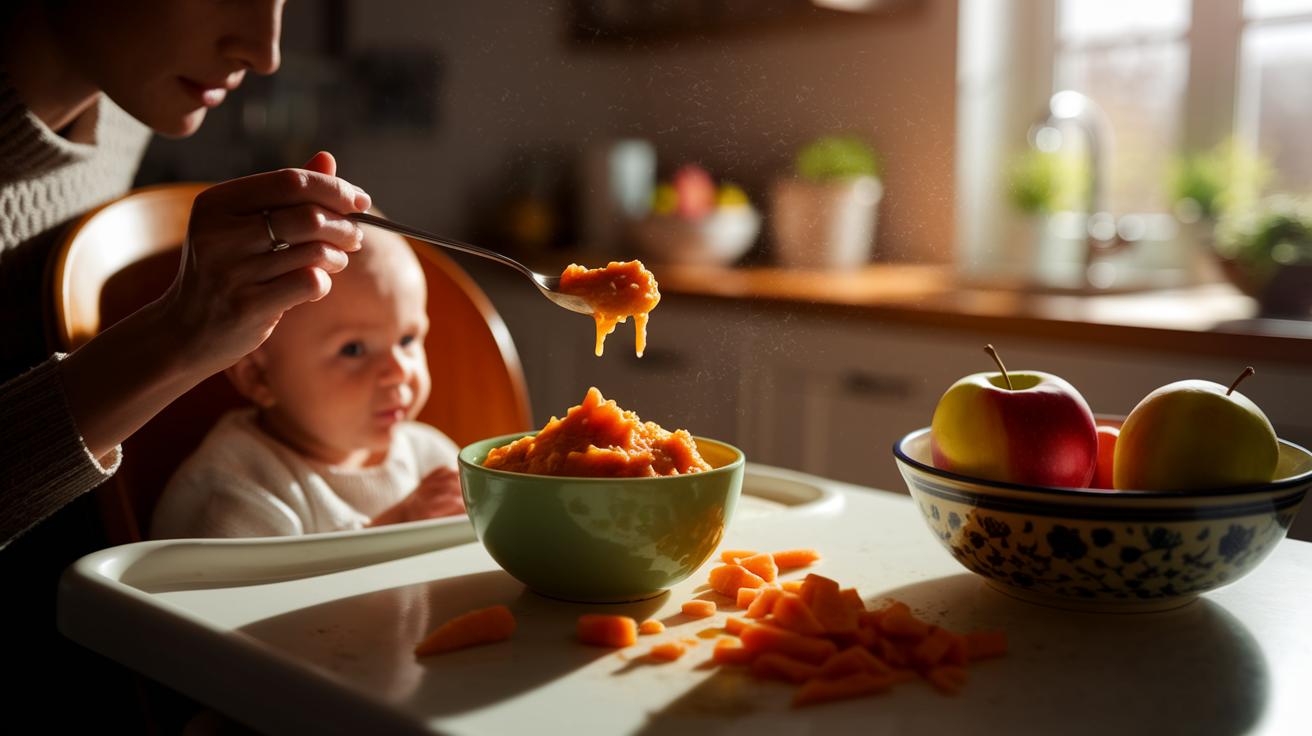
Purees are like a gentle hello to a new world of foods for your little one. Around 6 months old, when your baby can sit up with a little help and shows interest in what’s on your plate, is the perfect time to gently introduce pureed foods. It’s best to wait until then, starting earlier than 4 months might come with extra risks. At first, offer just one small serving of pureed food each day while breast milk or formula remains the main source of nutrition until their first birthday.
A good mix means including fruits, veggies, proteins, grains, and a bit of healthy fat. Imagine a smooth, blended apple-and-carrot mix that not only has a pleasant taste but also gives natural vitamins and fiber. And remember, keep things simple, no added sugar or honey in these first meals, so everything stays safe and pure.
Having a little meal schedule for your baby can help make the transition to solids a fun, stress-free journey. Every spoonful of these special purees is meant to support healthy growth and gently introduce new textures with time. So, watch for your baby’s signals, those little cues of hunger and fullness, as they start this new and exciting adventure with food.
Guidelines and Signs of Readiness for Infant First Foods
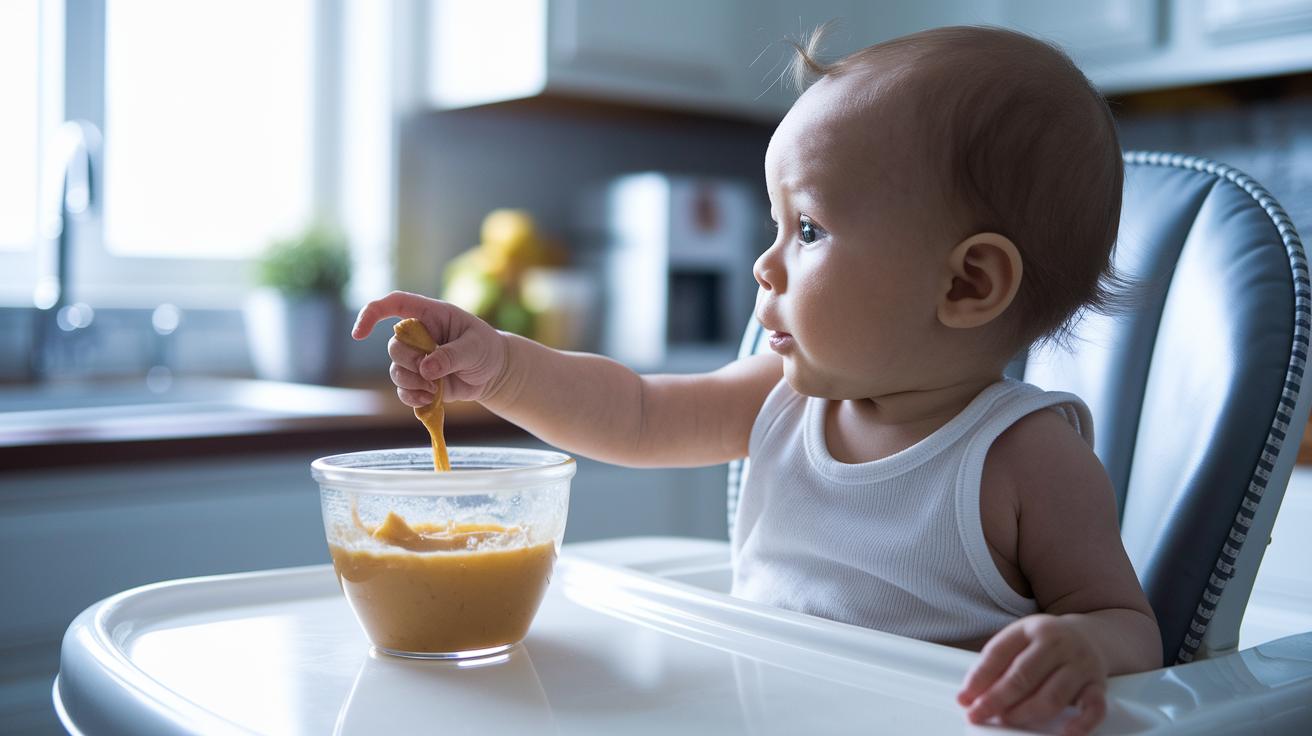
By about 6 months, you might notice your baby sitting up with just a little help. They may also show a slower tongue-thrust reflex (this means they aren’t pushing food out automatically) and even reach for your food or watch you eat. I remember when my little one sat steadily at her highchair and I saw that her tongue-thrust reflex had eased up, I just knew it was time to try her first smooth apple puree.
Remember, it’s best not to start solids before 4 months. Every baby grows at their own pace, so it’s important to wait for these clear signs instead of sticking strictly to age. By following your baby’s cues, you’re setting the stage for a smooth and safe transition to solids.
Top Foods to Start in Infant First Foods
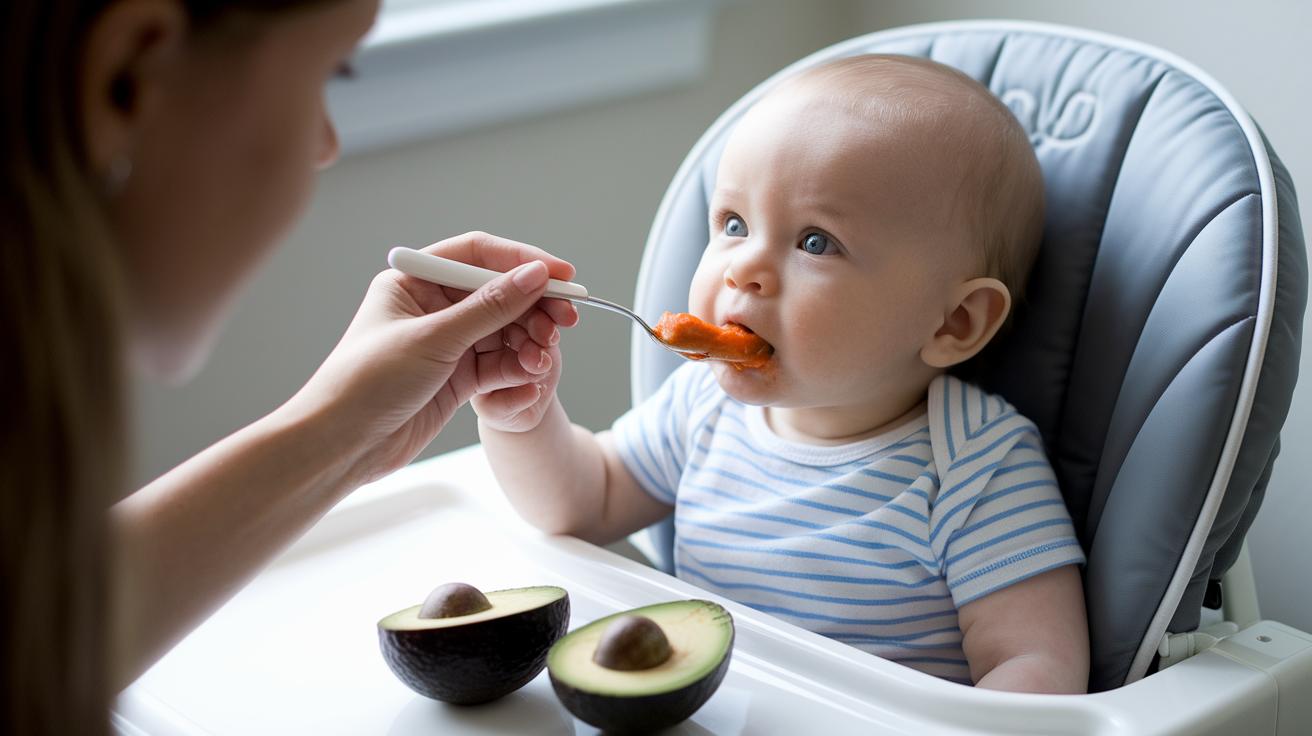
Purees are a kind, gentle way to open up a world of flavors and nutrients for your little one. Whether you make them at home, pick them up at the store, or have them delivered, these early foods come from fruits, vegetables, meats, or whole grains. They lay down a strong foundation by offering iron-rich, protein-filled, and healthy fat options along with vitamins, fiber, and antioxidants that fresh fruits and veggies provide. Adding a variety of foods helps create a balanced diet that supports your baby’s growing body and may even help avoid picky eating later. Just remember to avoid honey and keep extra sugars very low.
Here are some favorite starter foods to try:
- Iron-fortified single-grain cereal – A smooth option that gently boosts iron levels and aids overall growth.
- Pureed sweet potato – With its natural sweetness, vitamins, and fiber, it’s both comforting and nutritious.
- Mashed avocado – Full of healthy fats that help the brain grow and offers a creamy, easy-to-enjoy texture.
- Pureed chicken – A lean protein choice that supports muscle growth and helps repair body tissues.
- Pureed peas – Brings essential vitamins and fiber, and introduces a fresh, earthy taste.
- Plain full-fat yogurt – Rich in protein and good bacteria (probiotics), this food supports gut health and has a smooth texture.
- Veggie blend puree – A mix of carrots, spinach, and squash that rounds out the meal with a wide range of nutrients.
Each of these foods can be introduced step by step, so you can watch how your baby reacts and ready their palate for new tastes and textures.
Preparing and Serving Infant First Foods Safely
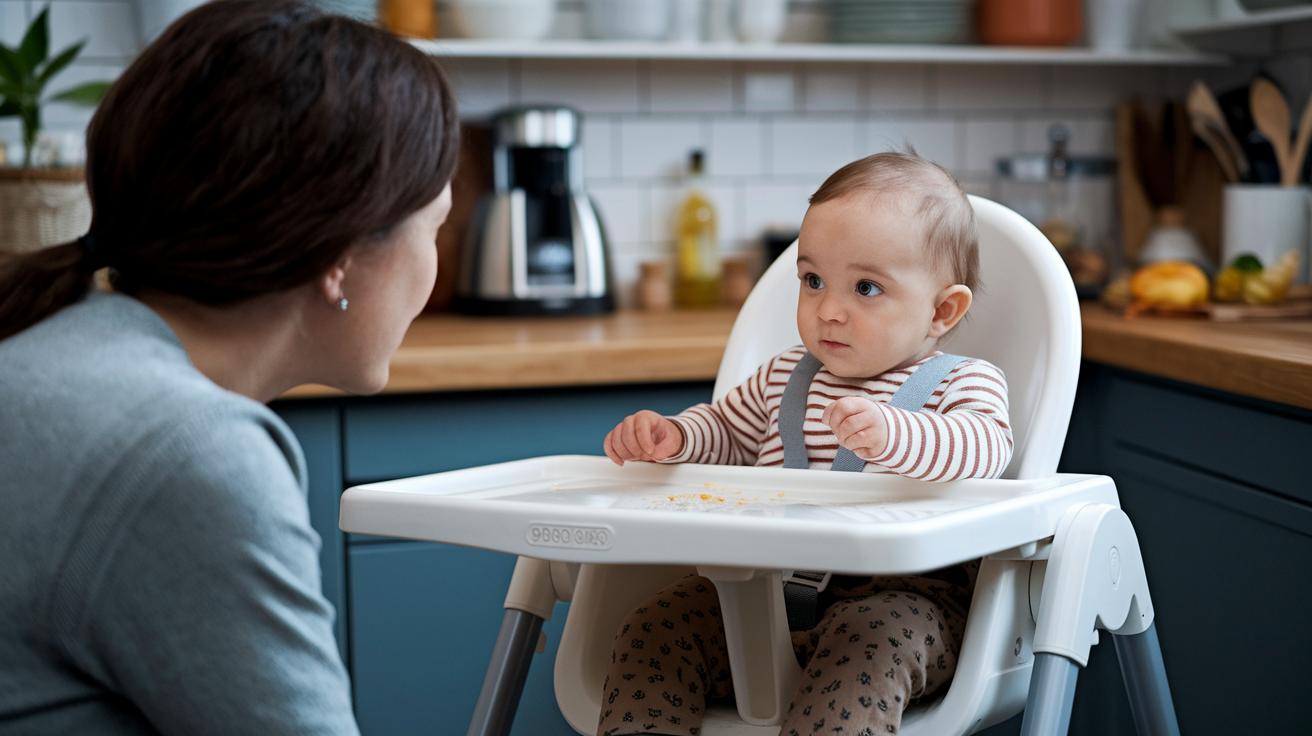
Begin by making mealtime a safe, cozy space. Choose a sturdy highchair that lets your baby sit up comfortably. Keep a close eye on them, watching for little signs like an open mouth when they’re hungry or a turned head when they’re full. This gentle watchfulness makes each spoonful a safe and loving experience.
When you’re ready to try out homemade purees, start with one that is completely smooth. As your baby gets used to eating, slowly introduce mixes that are a bit thicker or lumpier to help them build their chewing skills. Use familiar ingredients like fruits and vegetables, and steer clear of store-bought rice or root-vegetable blends to lower exposure to heavy metals. It’s a gradual process that turns each meal into a special moment of discovery and care.
Store your homemade purees with care to keep them fresh. They can chill in the refrigerator for up to 48 hours, or you can freeze small portions for later. This way, you keep the nutrients safe while saving time on busy days. By keeping a close watch, using proper storage, and following these steps, every feeding becomes both nourishing and secure, a true celebration of care.
Ensuring Nutritional Balance in Infant First Foods
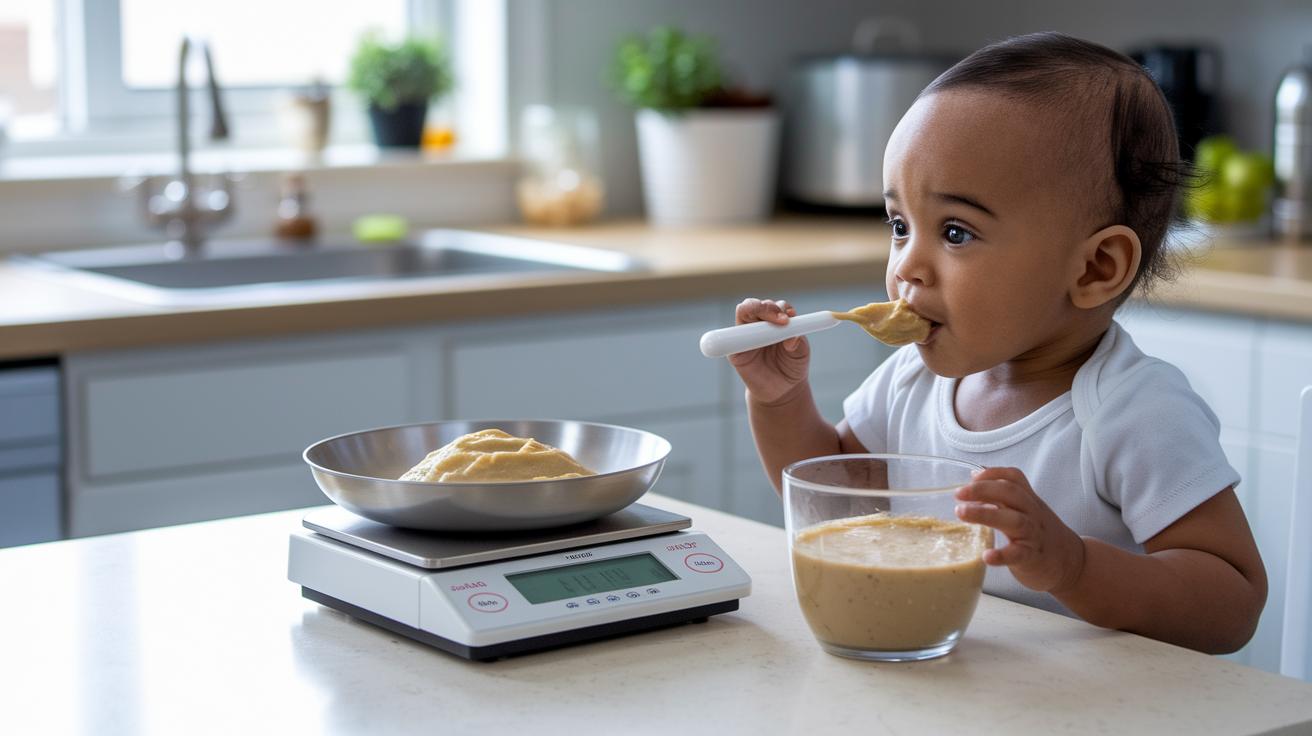
When making your baby's first purees, measure your ingredients carefully. Use a small kitchen scale to keep things consistent. For example, you might measure 20 grams of iron-fortified cereal, 30 grams of mashed banana, and 10 grams of avocado for one balanced serving.
As your baby grows and shows signs of wanting to feed themselves, you can slowly adjust the texture. If your blend is a bit thin, you can thicken it by adding small spoonfuls of pureed vegetables.
It helps to start with a little, say, a teaspoon of each ingredient, and then add more as your baby shows interest and can handle it. This simple, careful approach keeps your little one’s meals both nutritious and safe.
Infant first foods: Tasty, Healthy Start
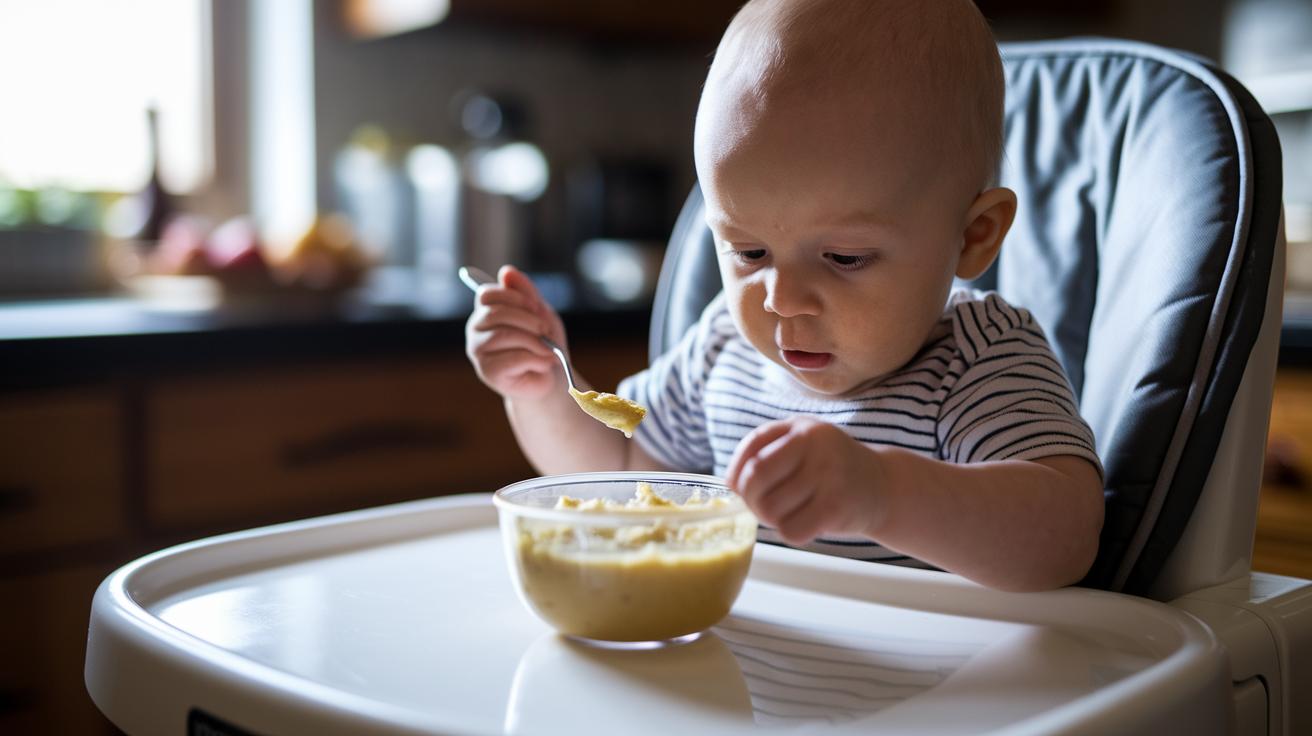
When your baby reaches 6 months, you can begin by offering one little solid meal each day along with breast milk or formula. This is just a gentle way to help introduce new tastes and textures while still relying mostly on milk for nutrition.
At first, around month 6, start with a smooth puree. Choose a very fine blend, think pureed fruits or veggies with no lumps. It’s like a small, safe step into new flavors.
By month 7, your baby might be ready for a change. You can slowly add a bit of texture by mashing the food a bit more so it isn’t completely smooth. It might have a few soft, tiny lumps, which helps build their chewing skills.
Come month 8, you can move to mashed foods that have small, soft pieces. This change helps your little one get used to chewing while still being gentle on their mouth. The meals might start to feel more like table food, such as mashed fruits or well-cooked vegetables.
Between months 9 and 12, aim for three small meals each day and include soft table foods along with safe finger foods. This gradual increase supports self-feeding and makes sure your baby gets a balanced diet. Even though solids are growing in importance, breast milk or formula stays as the main source of nutrition until after the first birthday.
This plan is meant to support healthy growth and guide your baby safely through a variety of fun textures.
Advancing Textures and Skills in Infant First Foods
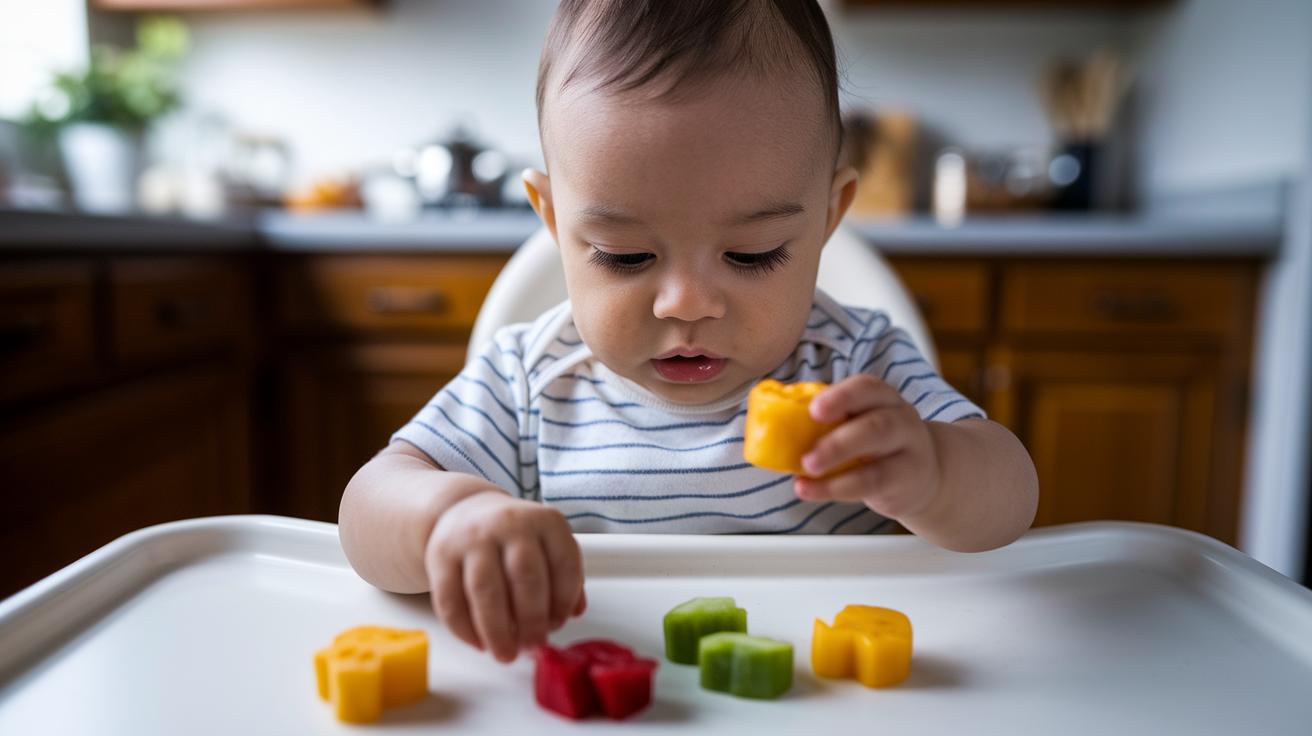
When your baby gets comfy with smooth purees, it’s a great time to try adding a few soft lumps. This gentle switch helps your little one feel new textures while building hand and mouth coordination. Imagine stirring in a little blob of mashed banana into a favorite fruit puree, it’s a tiny change that marks a big step in learning to eat on their own.
Around nine months, many babies are ready to explore self-feeding with soft finger foods. Small pieces of steamed veggies or cooked grains make perfect first bites. These simple, manageable bits not only support chewing skills but also invite your baby to have fun discovering different textures in a safe, relaxed way.
Creating a calm, supportive mealtime routine makes this stage even more special. Let your baby lead the way as they experiment with new textures, showing off their growing skills. Every little bite is a chance to build confidence and opens up a whole world of new food adventures.
Final Words
In the action, we explored key guidelines for infant first foods. We covered signs of readiness, nutritious purees, safe preparation steps, and practical schedules for early meal transitions. The conversation also touched on moving from smooth purees to textures that boost self-feeding skills. These insights offer a gentle, evidence-based approach to supporting healthy growth and mealtimes. Every little step you take creates a nurturing start for your baby, paving the way for balanced nutrition and joyful eating experiences.
FAQ
What are infant first foods for 6 months?
Infant first foods at 6 months are smooth purees like iron-fortified cereal, mashed fruits, and vegetables that support healthy growth while your baby continues getting most of their nutrition from milk.
What food should I introduce to my baby first?
The first food is usually a single-ingredient puree made from fruits or vegetables that is easy to digest and helps your baby get used to new tastes when they show signs of readiness.
What is the most appropriate first food for an infant?
The most appropriate first food is a simple, smooth puree such as iron-fortified cereal or a pureed fruit, which gives your baby a gentle start in exploring solid foods safely.
Which infant first foods should be avoided?
When starting solids, avoid giving your baby honey, added sugars, and commercial rice purees to reduce exposure to contaminants and heavy metals.
What food can I give a 4-month-old baby?
At 4 months, it’s best to stick with breast milk or formula; solids aren’t recommended until your baby shows readiness, usually around 6 months.
Is there an infant first foods chart available?
An infant first foods chart offers a guide for gradually increasing textures and meal frequency from 6 to 12 months while keeping nutrition balanced and safe.