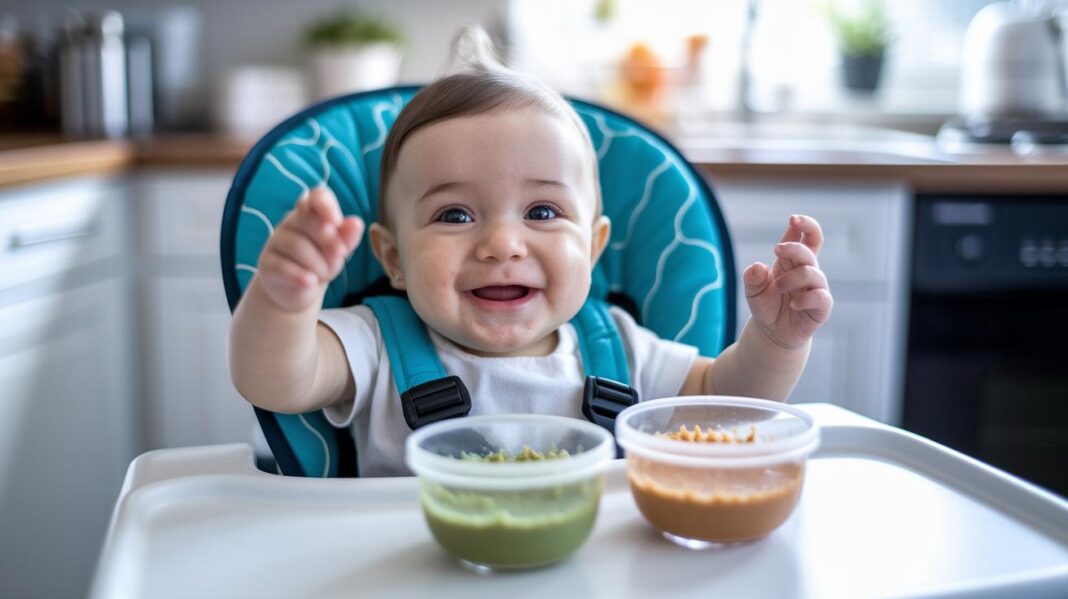
Have you ever wondered if your baby might be ready for a little taste adventure? Stage One foods offer soft, single-ingredient purees that gently introduce new flavors. They pack a healthy burst of vitamins while still honoring the comfort of milk. In this guide, you'll discover five yummy picks that help your little one ease into exciting new tastes safely. It's like a warm invitation to join in the fun of mixing nutritious foods with the simple joy of watching your baby explore a whole new world of flavor.
5 stage 1 food for infants: Happy Picks
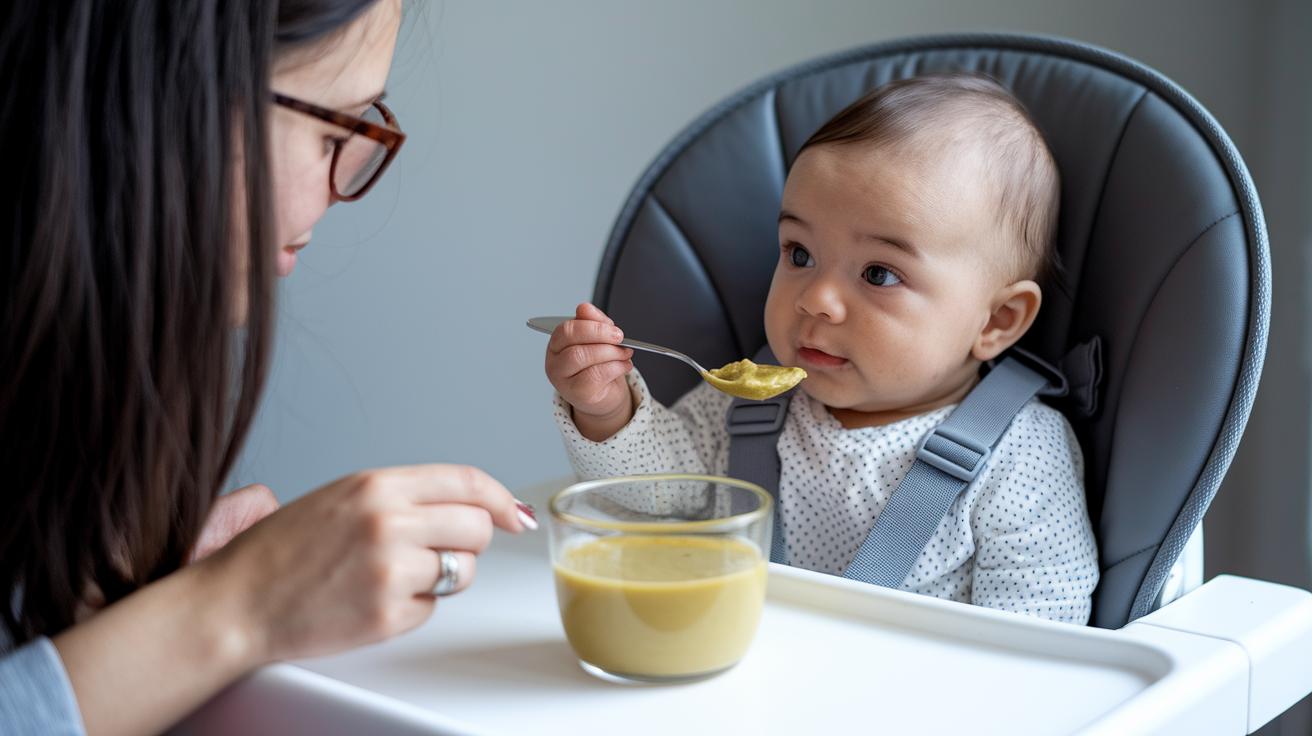
Stage 1 foods are all about simple, smooth purees made with one ingredient. You can start these when your baby shows signs of readiness, like holding their head up well, sitting in a highchair with a bit of support, or showing genuine interest in what you're eating. Most little ones try these purees around 6 months old, though some might be ready a bit earlier if they hit those milestones. Remember, these purees are meant to go along with breastmilk or formula, not replace it, until your baby turns 12 months.
Start with just a small amount, around 1 to 2 tablespoons, and then slowly increase the serving as your baby gets used to solids.
Here are five lovely options to consider:
- Sweet potato puree: This pureed treat has a natural sweetness and a boost of vitamins, making it a warm welcome to solid foods.
- Apple puree: With its gentle taste and light antioxidants, apple puree offers a refreshing new flavor.
- Carrot puree: Full of beta-carotene and boasting a silky texture, carrot puree introduces a slightly different flavor.
- Pear puree: Its soft, delicate taste and smooth consistency help your baby safely explore new textures.
- Banana puree: Creamy and sweet, this puree is easy on the tummy and brings essential nutrients for early growth.
Each of these options is a one-ingredient, smooth puree, perfect for helping your baby make the transition to solids. As your little one gets comfortable, you can gradually add more flavors and textures. And always keep mealtime safe by ensuring your baby sits in an upright highchair.
Nutritional Benefits of Stage 1 Baby Foods
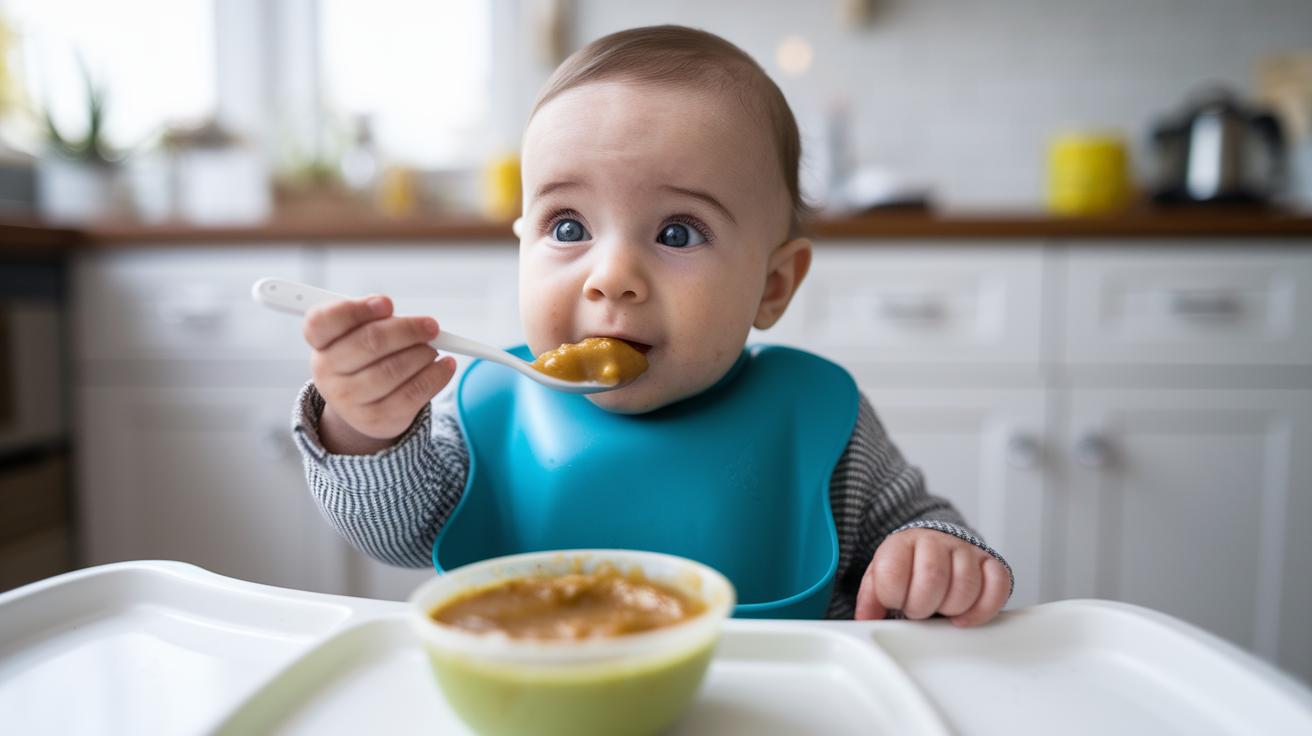
Stage 1 purees made from fruits, veggies, meats, and whole grains are a little burst of goodness. They pack iron for building red blood cells, protein to help with growth and repair, and healthy fats for a growing brain. Even a gentle spoonful of smooth apple puree brings vitamin C and antioxidants right to your baby’s taste buds – it’s a tender start to a varied diet.
Though the servings are small, each tiny taste brings a mix of nutrients that help avoid any gaps as your little one moves from breastmilk or formula. Many store-bought purees even have extra vitamins and minerals added to them, making mealtime a balanced and comforting introduction to new flavors.
These carefully blended meals set the stage for healthy eating later on. Whether it’s a blend of veggies or a meat puree, each tray of nutrients works hand in hand with milk to support growth and make mealtime both nourishing and safe.
Safe Introduction and Allergy Guidelines for Stage 1 Foods

Feeding your baby stage 1 foods can be a really sweet experience when you take it step by step. To start, always sit your baby in a safe highchair that’s upright and unlocked so they’re secure during mealtime. Begin with smooth purees and wait until around 7 months before gently adding tiny lumps, once you see your baby handling the pure textures with ease.
Take it slow by trying one new food every 3 days. This gives you time to watch for any signs that something might not agree with your baby, like hives, vomiting, or diarrhea. For instance, when you introduce a new flavor, keep an eye on how your little one reacts. Many parents say that slowly introducing foods not only helps your baby explore new tastes but also builds their confidence at mealtime!
When introducing allergens like peanuts, eggs, or fish, stick to one food at a time until your baby turns one. This way, if there's an allergic reaction, it’s easier to spot which food is causing it. Also, try not to use too much rice-based puree to keep arsenic exposure low. Instead, mix it up with different grains and vegetables so your baby isn’t getting too much of any heavy metal.
Here are some simple tips to remember:
| Tip | What to Do |
|---|---|
| Safety | Sit your baby upright and secure in a proper highchair |
| New Foods | Introduce one food at a time, waiting 3 days between each |
| Allergy Watch | Keep an eye out for hives, vomiting, or diarrhea after new foods |
| Rice Purees | Limit rice cereals and rotate with other grains |
| Texture Change | Move to lumpier textures only when smooth purees are handled well |
If you’re looking for more detailed advice on weaning, check out our full guide on weaning foods for infants.
Preparing and Storing Simple Stage 1 Purees at Home
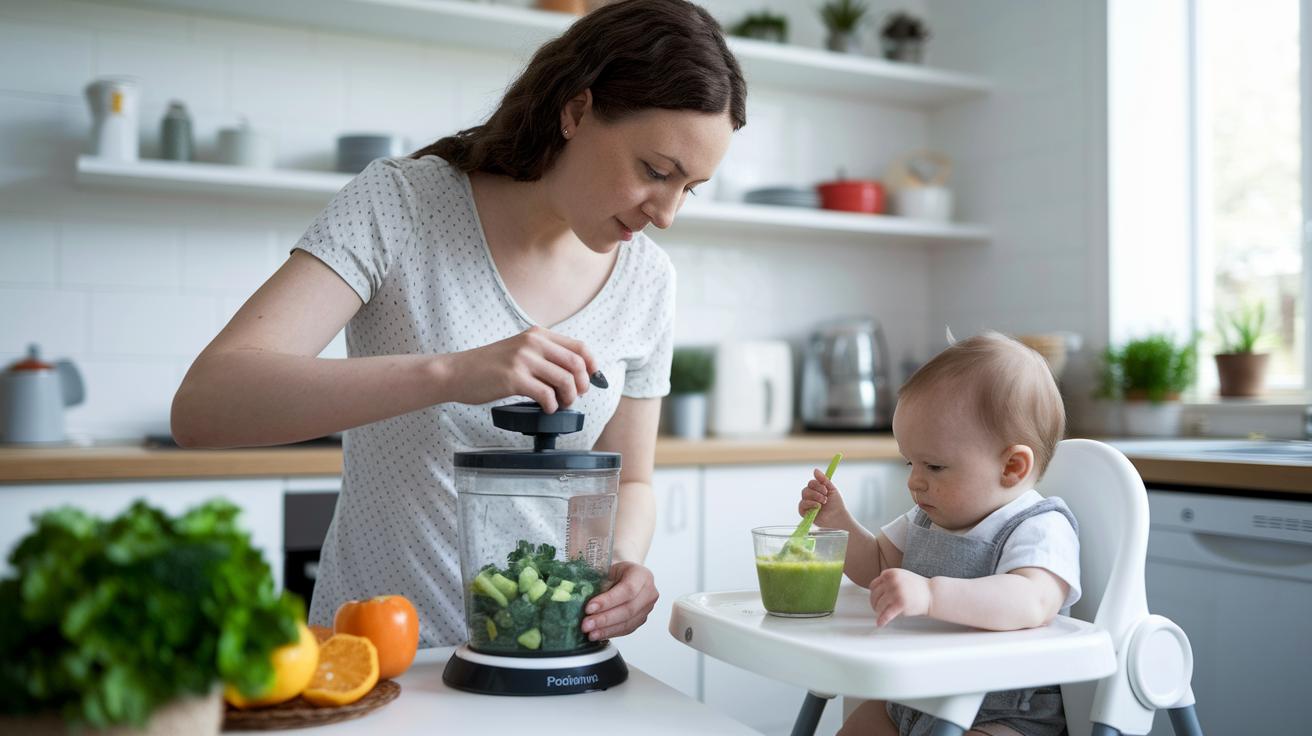
Start by cooking or steaming your favorite veggies until they become really soft. Think about steaming a sweet potato until it’s ready to mash easily, this makes every bite gentle on your baby’s new taste buds.
When your produce is soft and cuddly, pop it into a blender. Add a little cooled cooking liquid, water, formula, or breastmilk to help it blend smoothly. Blend it well until the mixture is perfectly smooth, just like a warm, comforting baby smoothie.
Next, spoon out 1–2 tablespoons for each meal. Begin with small amounts and slowly increase as your little one gets used to it. If there’s extra puree, pour it into airtight containers and store it in the fridge for up to 48 hours.
If you’re not planning to use the puree right away, you can freeze it in ice-cube trays using about 1 tablespoon per cube. When it’s mealtime, let the cubes thaw overnight in the fridge or warm them gently in a water bath. This way, mealtime stays safe and super flexible.
Top Puree Options and Brands for Stage 1 Feeding
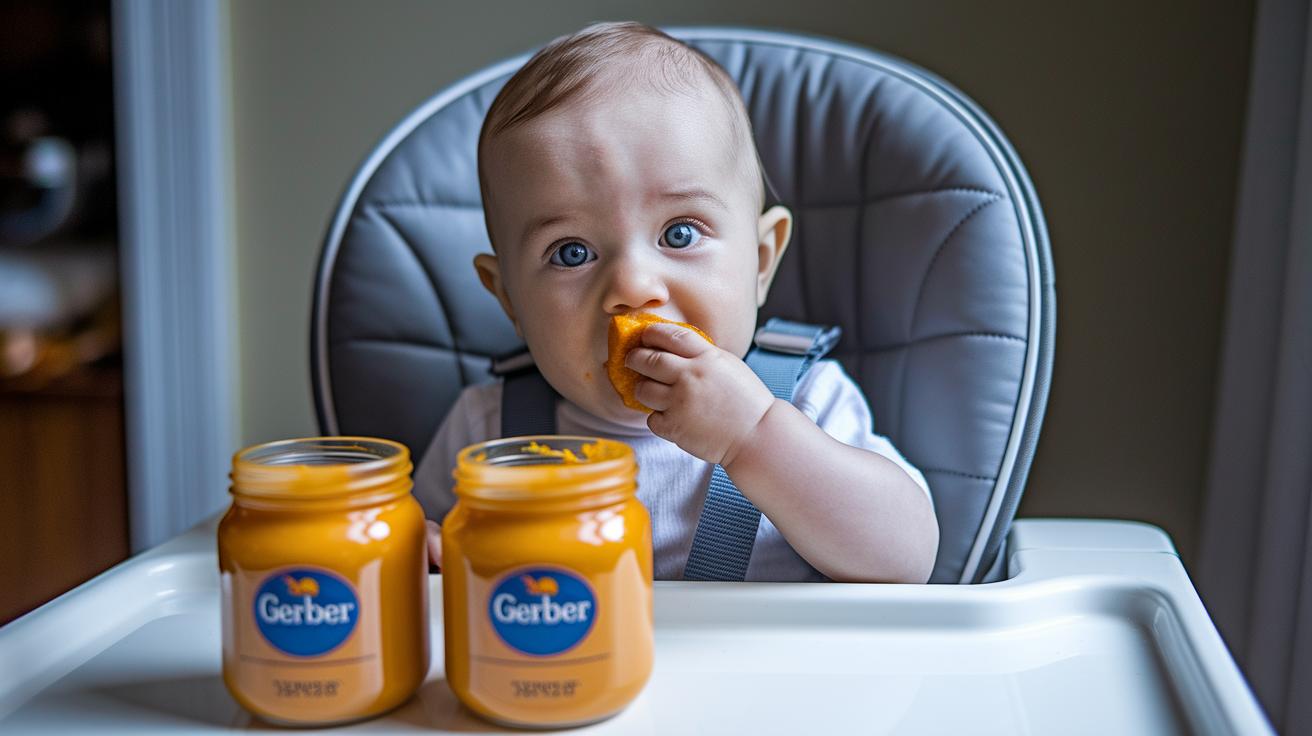
There are many types of commercial purees available, whether you prefer ones that stay fresh at room temperature, need refrigeration, or come frozen. Brands like Gerber offer purees that use just one ingredient, such as sweet potato, apple, or pear. These purees gently introduce solids while giving your baby important nutrients like vitamins and fiber. Imagine your little one enjoying a spoonful of Gerber Sweet Potato puree, it feels like a warm taste of nature’s goodness!
Beech-Nut is another brand that catches the eye with its pea puree. This option is packed with protein and iron in a smooth, easy-to-eat blend. And if you’re looking for something rich in beta-carotene and vitamin K, Organic Valley’s carrot puree is a great pick. Mixing up different flavors helps keep your baby’s meals interesting and reduces the chance of too much of one ingredient.
Most commercial purees are made with care and good nutrition in mind, so always take a moment to read the labels and steer clear of added sugars or extra salt. By offering a mix of fruits, vegetables, and even meats, you help your baby explore new tastes in a balanced, safe way.
| Brand | Puree Flavor | Key Nutrients |
|---|---|---|
| Gerber | Sweet Potato | Vitamin A, Fiber |
| Gerber | Apple | Vitamin C, Antioxidants |
| Beech-Nut | Pea | Protein, Iron |
| Organic Valley | Carrot | Beta-carotene, Vitamin K |
Final Words
In the action, the article explained how stage 1 food for infants offers a gentle start with smooth purees. It talked about nutrient benefits, simple preparation tips, and safe feeding practices that help your baby enjoy a healthy transition to solids. We also shared easy storage ideas and quality commercial options for busy moms. Every tip is here to help build confidence in providing balanced care for your little one. Your baby’s first foods can be both nutritious and enjoyable, making this time exciting and filled with hope.
FAQ
What are the recommended stage 1 foods for infants around 6 months?
The recommended stage 1 foods are smooth, single-ingredient purees such as apple, sweet potato, carrot, and pear. These purees are introduced when your baby shows readiness like head control and interest in feeding.
What baby first foods should I offer my 4-6-month-old, especially when breastfeeding?
The baby first foods for 4-6 months consist of gentle single-ingredient purees that work well alongside breastmilk. They are meant to gradually introduce new tastes while keeping milk as the main nutrition source.
Which stage 1 foods may help with my baby’s digestion and promote regular bowel movements?
Foods like pureed fruits rich in natural fiber, such as apple or prune (if available), can support a healthy digestive process. Introducing them one at a time gives you an easy way to monitor your baby’s reaction.
Can my 3-month-old or 1-month-old baby have stage 1 foods?
The stage 1 foods are for infants who show developmental readiness, generally around 4-6 months. Babies younger than this should continue with breastmilk or formula exclusively until they are ready for solids.
Where can I find stage 1 baby food recipes in PDF format?
A stage 1 baby food recipes PDF offers clear instructions on preparing, portioning, and storing smooth purees at home, making it a handy resource to support safe and easy feeding practices.