
Have you ever thought that feeding your sleeping baby might help everyone sleep a little better? Dream feeding is a gentle way to help your baby sleep longer while you enjoy a quieter night. Picture yourself giving a little feed while your baby rests peacefully, helping them drift into a deeper, calm slumber. Many parents say this simple trick makes nights cozier for both baby and caregiver. In this post, we’ll talk about how dream feeding can bring those calm, sleep-filled moments you’ve been hoping for.
Defining Dream Feeding Infants and Sleep Benefits

Dream feeding means giving your baby a little feed while they're still softly asleep, usually between 10 pm and midnight. Many parents start this when their baby is about two to three months old and beginning to sleep longer at night. Think of it like gently nudging your little one toward a more peaceful, extended sleep.
It’s pretty simple. If you're breastfeeding, your baby usually wakes up for a feed every 2 to 3 hours during the day, but formula-fed babies might feed every 3 to 4 hours. With a dream feed, you're helping to push back that next wake-up call. Lots of parents have noticed that this little trick can lead to longer stretches of sleep for both baby and you.
Safety is always important. When you dream feed, try holding your baby in a semi-upright position, kind of like cradling a sleeping kitten, to help prevent choking. If your baby turns away or seems to decide they’re not hungry, that’s a sweet signal that they’re full, and it’s okay to stop. It’s all about making nighttime feeding safe and calm, giving everyone a bit more rest.
Ideal Timing for Dream Feeding Infants
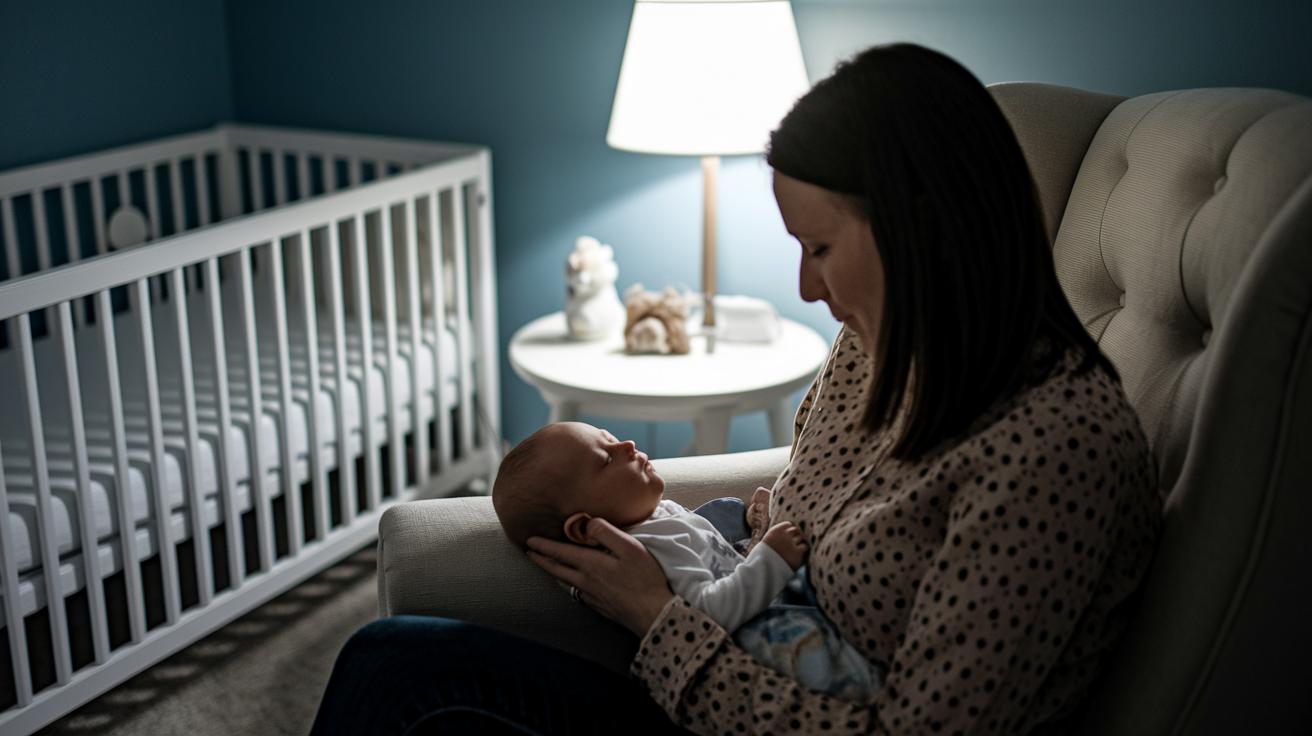
You can start a dream feed when your little one begins to sleep for longer stretches, usually around 2 to 3 months. Try offering a quick feed about 2 to 3 hours after the bedtime feed. Many moms find that doing it between 10 pm and midnight works best.
For example, you might notice that at 10:30 pm you can give a short feed in a calm room with soft, dim lights. During the day, breastfed babies often feed every 2 to 3 hours, while formula-fed babies might need a meal every 3 to 4 hours.
And if your baby still wakes around 3:30 am, a small feed around 3 am could help settle them. Always keep an eye on your baby’s signals and slowly adjust the timing so it fits their natural sleep rhythm.
Dream Feeding Infants: Cozy Sleep Moments
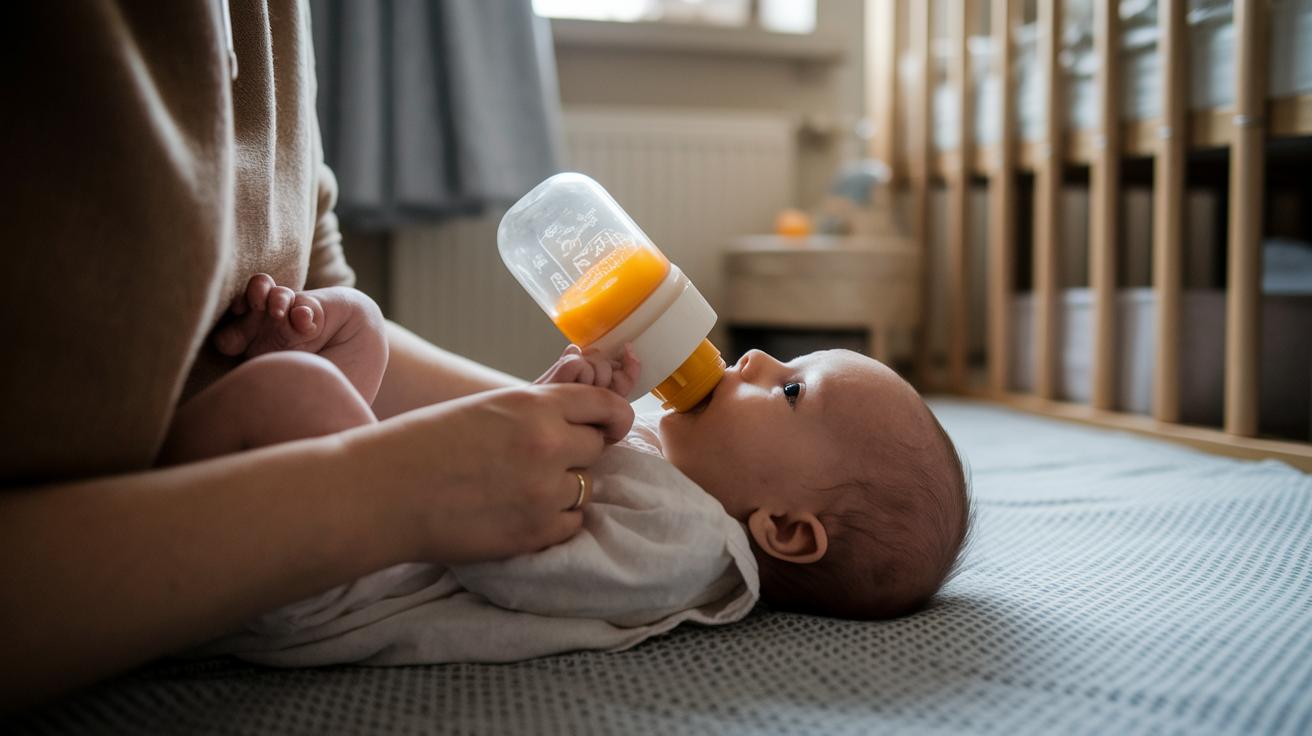
When you dream feed, it’s best to hold your baby in your arms instead of placing them in the crib or bassinet. Keeping your baby semi-upright, with their head gently elevated, helps make feeding safer and reduces the chance of choking. Picture holding your little one close, feeling their warmth and comfort as you gently offer a bottle.
Start by softly waking your baby so they stay in that drowsy state. If you notice your baby turning away or resisting the bottle, that’s a friendly sign they’re full, so you can pause the feed right away. Moving slowly and calmly builds trust, like a soft lullaby that keeps them at ease.
Once the feeding is done, take a few minutes to burp your baby. Hold them in an upright position for about 10 minutes to help release any trapped air, much like a little break that makes them feel more comfortable, just as a pause makes a long movie feel just right.
And if your baby wakes during or shortly after the dream feed, try using the 5 S’s to soothe them. These are:
| Soothing Techniques | Description |
|---|---|
| Swaddling | A snug wrap that brings comfort |
| Side/stomach positioning | Mimics a warm, secure embrace |
| Shushing sounds | Creates a rhythmic, calming lull |
| Gentle swinging | Offers a secure, cradling motion |
| Allowing to suck | Natural self-soothing and comfort |
For example, you might softly swaddle your baby and murmur a gentle shush, helping them drift back into that cozy sleep. This caring, step-by-step approach keeps your little one safe, relaxed, and snug throughout those nighttime moments.
Benefits and Risks of Dream Feeding Infants

Dream feeding can be a gentle boost for many families, helping to delay those early morning wake-ups so both baby and parent enjoy a longer, uninterrupted sleep. Research shows that when you add more calories during the day, like cluster feeding from around 4 p.m. until bedtime, it helps ease nighttime hunger and may reduce the need for extra feeds. One mom even shared, "I was surprised when my baby started sleeping an extra hour past sunrise after I added a dream feed!" This simple change can often translate into smoother nights for everyone.
There are a few things to keep in mind too. If a dream feed isn’t done safely, overfeeding can cause issues like spitting up, fussiness, or extra nappy changes due to gas buildup. Sometimes, feeding in a too-reclined position might even increase the risk of ear infections. Always watch your little one’s signals, if your baby turns away from the bottle or stops sucking, it's their way of saying they've had enough, and it's okay to gently finish the feed. Some studies have found that while dream feeds can shift the sleep window, they may not extend the longest natural sleep stretch your baby enjoys.
At the end of the day, deciding on dream feeding is a personal choice. It can be really helpful to give it a try for several nights while keeping an eye out for how your baby reacts. Weighing the upsides and downsides together can help you find out if it fits well with your baby’s natural rhythm.
| Benefit | Risk |
|---|---|
| Delays morning wake-up | Overfeeding (spit-up, gas) |
| Reduces night wakings | Extra nappy changes |
| Longer parent sleep | Potential ear infections |
Finding the right balance is key. When dream feeding is done with care, it might be the little secret that makes bedtime smoother for your family.
Establishing a Dream Feeding Routine for Infants

Start by mixing your familiar bedtime signals, a dim room, a soft lullaby, or a light massage, with what you know about your baby's mood. If your little one is full of energy, a gentle rocking motion or some soft background sounds might help keep things calm. If they're already quite relaxed, sometimes a quiet cuddle is all it takes.
Here are a few tips to help you tweak your routine:
- Try shifting the dream feeding time by about 10 to 15 minutes if your baby wakes too soon or seems a bit unsettled.
- If your baby wakes up during the feed, keep things slow and steady with gentle, consistent movements to help them drift back to sleep.
- For those nights when your baby seems hungry earlier, start with a brief period of cuddling before the dream feed to ease into a peaceful sleep.
For example, if you notice your baby starts to stir when a lullaby stops suddenly, try letting the lullaby fade out gradually, imagine a soft melody that slowly trails off like the gentle ebb of the tide, keeping that calm feeling throughout the feed.
Watch how your baby reacts and make small adjustments until the routine feels just right for both of you.
When to Transition Away from Dream Feeding Infants

It doesn't take long for you to notice when your baby starts sleeping for longer stretches and settling into full daytime feeds. When you see little signals like turning away from the bottle, it might be a sign they're ready for fewer night feedings. Usually, parents begin phasing out dream feeds about 2 to 4 weeks after their baby naturally enjoys long, peaceful sleep.
Watch for clear signals such as long stretches of sleep at night, fewer early morning hunger cues, and a content look after daytime feeds. Some babies might still need a dream feed until about 9 months old, while others are ready for the change sooner.
A gentle approach is to slowly delay or shorten the dream feed and replace it with comforting techniques like a quiet cuddle or a soft swaddle. This way, your baby feels the love and care, even as their needs change.
Every baby is unique, so trust your instincts and watch for their special hints. Experiment with extending the time between feedings and see how your little one adjusts to the new routine.
Pediatric Insights and Research on Dream Feeding Infants

Pediatric experts often say it’s safest to hold your baby in your arms during feeds instead of letting them feed from a crib or bassinet. This gentle approach helps lower risks while dream feeding your little one.
Research shows that if you feed your baby more during the day, like through cluster feeding, it can keep nighttime hunger in check and may even cut down on those late-night feedings. One parent even shared, "It felt like extra sleep for both of us!"
Studies also tell us that while dream feeding might shift the timing of sleep, it doesn’t always mean your baby will sleep a longer stretch overall. Experts suggest trying it for about 5 to 7 nights to see if it’s a good fit. And if you notice your baby’s sleep or feeding seems off, a quick chat with your pediatrician can help clear things up.
Trusted sources like the NHS recommend keeping things calm during dream feeds. Imagine setting up a softly lit, quiet room with little interaction. Dimming the lights and using a soft, steady voice, almost like a gentle whisper, can help soothe your baby back to sleep.
New studies are still looking into how dream feeding affects sleep compared to not doing it, so experts blend both research and real-life experience. Over a few nights, watch how your baby responds and adjust your routine as needed. It’s all about making sure your little one feels safe and comfortable through those nighttime moments.
Final Words
In the action, this post breaks down what dream feeding infants means and how it can bring more sleep for both baby and parent. We looked at timing, safety, benefits, and even when it might be time to gently stop the practice. Each step offers practical advice for setting up a routine that suits your little one’s needs. Embracing the idea of dream feeding infants can lead to smoother nights and a brighter day for your family.
FAQ
Q: Is dream feeding safe for infants?
A: Dream feeding is safe when done correctly. Feeding your baby in your arms while they’re semi-asleep helps reduce risks, as long as you follow guidelines like holding them upright and stopping if they turn away.
Q: What benefits and risks does dream feeding offer?
A: Dream feeding can delay morning wake-ups and reduce night wakings, granting longer sleep for both baby and parent. However, it may lead to overfeeding issues like spit-up or gas if not carefully managed.
Q: At what age is it best to start dream feeding, and how does timing work?
A: Dream feeding is usually started when your baby is two to three months old, between 10 pm and midnight. This timing leverages a natural sleep stretch and helps reduce hunger-driven night wakings.
Q: How should I dream feed my baby, especially for breastfeeding?
A: Dream feeding a breastfed baby means gently offering a feed in your arms while they are drowsy. Hold them semi-upright, watch for fullness cues, and remember to burp them afterward to ease any gas.
Q: How can I establish a consistent dream feeding routine and know when to stop?
A: Create a routine by offering a dream feed 2–3 hours after your bedtime feed and maintaining consistency for 5–7 nights. Transition when your baby consistently sleeps longer and shows fewer hunger cues during the night.
Q: What insights do pediatric experts provide regarding dream feeding infants?
A: Pediatric experts recommend keeping dream feeds calm and safe by feeding your baby in your arms with dim lights and minimal interaction. They advise monitoring progress over several nights and consulting your doctor if concerns arise.