Have you ever thought about how a baby’s tiny grip might help with their first steps? It’s amazing how even the smallest movements can build the path to bigger milestones.
When a baby learns to crawl or reach out with their hand, they’re not just moving, they’re strengthening their muscles and paving the way for balance and creativity later on. Every little grasp and step helps shape the way they grow.
Let’s take a closer look at how these actions connect. Big moves build strong muscles, while careful hand tasks fine-tune coordination. Together, they create little moments that add up to big changes in a child’s journey.
Grasping the Differences: Gross Motor Skills vs Fine Motor Skills
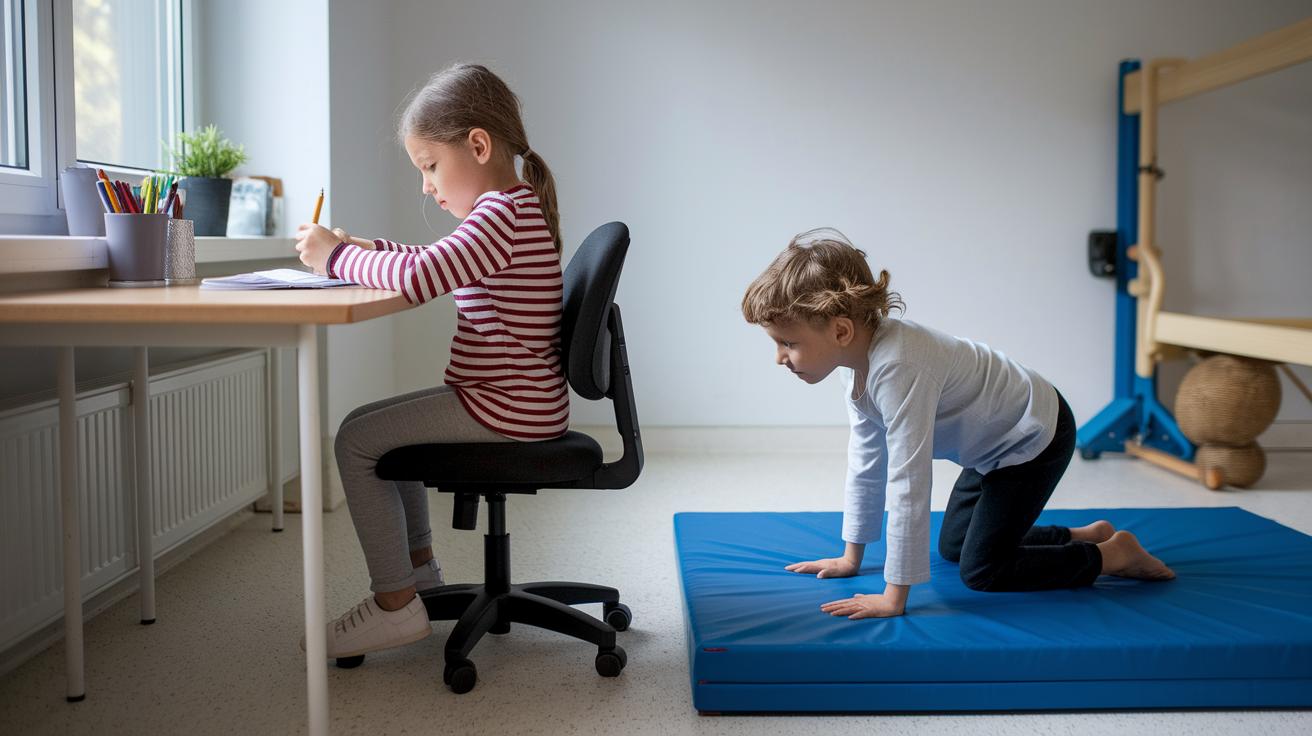
Motor skills help us do everyday tasks. Fine motor skills use small muscles in the hands and arms to do things carefully. Think about turning a doorknob or using a fork at mealtime. Even holding a pencil with a neat, tripod grasp, which often happens when kids are a bit older, shows how much control these skills need.
Gross motor skills, on the other hand, use the big muscles in our arms, legs, and body. These skills let us crawl, stand, and walk. Imagine a baby starting to crawl within the first few months, taking a few brave steps as a toddler, and then trying out fun activities like walking on a balance beam around preschool age. Each step builds strength and coordination in a really natural way.
Simply put, fine motor skills let us do careful tasks like buttoning a shirt or drawing pictures, while gross motor skills help with bigger movements like running, jumping, or climbing. Both types are important for a child’s growth. Sometimes, it’s fun to think about how little actions come after learning big movements, like building a strong foundation first before practicing the finer details.
Developmental Milestones Across Ages for Gross vs Fine Motor Skills
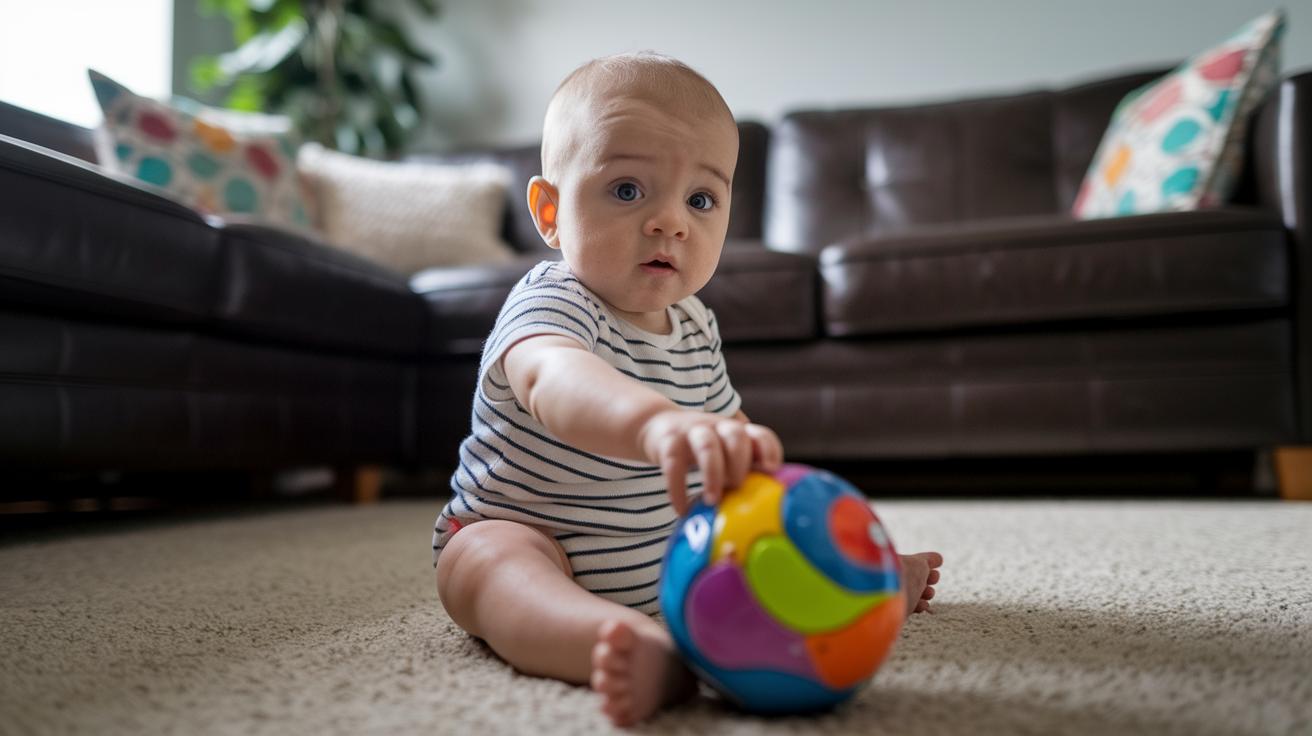
When babies are born, they start showing little hints of muscle control. In those very first 3 months, you might notice them waving their arms around and sometimes bringing their hands together. It’s like a tiny preview of the skills they’ll develop later.
As they grow into the 3–6-month range, you’ll see them holding their hands together a bit longer, reaching out, and trying to grab things. It’s heartwarming to watch how they slowly learn to interact with their world.
Around 6–9 months, many babies can sit with a little extra support and even squeeze a rattle. They also start moving toys from one hand to the other, which shows that their brain and muscles are working together better each day.
Between 9 and 12 months, you might catch your little one flipping through the pages of a book, even as they work hard to pull themselves up to stand. This mix of big body movements and careful hand-eye coordination is a delightful sign of growth.
Once your child hits the 12–24-month stage, they’re usually more independent. Whether they’re cruising around furniture or using a spoon (sometimes with a little spill here and there), they’re mastering both large movements and delicate tasks like holding a crayon.
By the time children reach 4–5 years, you can see even more polish in their skills. They might balance on a beam with confidence, use scissors to cut shapes, and hold a pencil just right with a tripod grasp. It’s a lovely reminder of just how much progress they make with each passing day.
| Age Range | Gross Motor Milestone | Fine Motor Milestone |
|---|---|---|
| 0–6 months | Crawling, sits with support | Reaches for objects |
| 6–12 months | Pulls to stand, cruises | Grasps small items, flips pages |
| 12–24 months | Walks, runs stiffly | Scoops with spoon, pincer grasp |
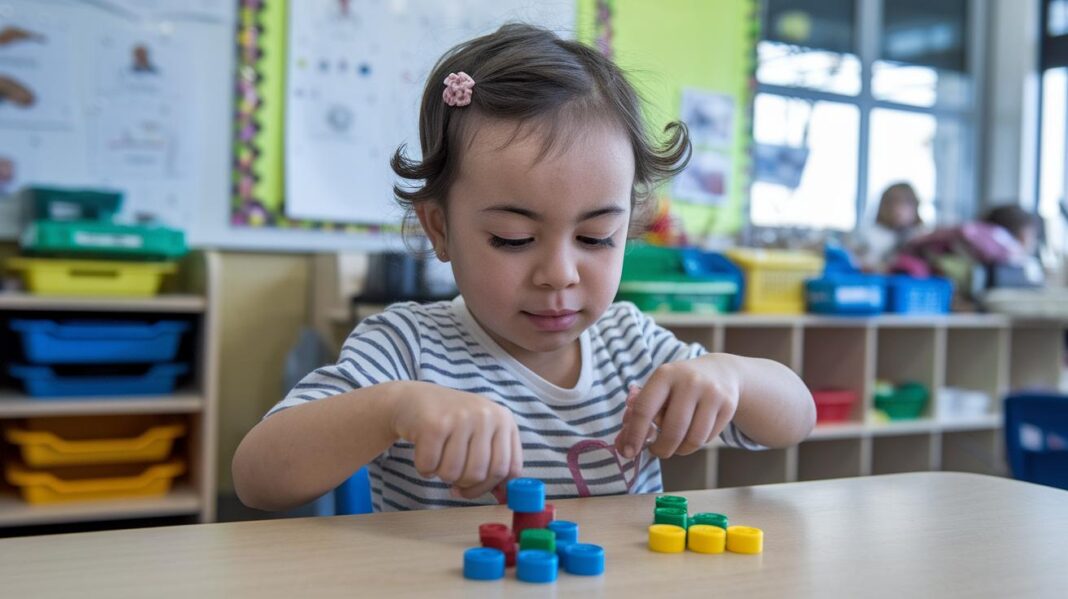
| 2–3 years | Jumps in place | Scribbles, stacks blocks |
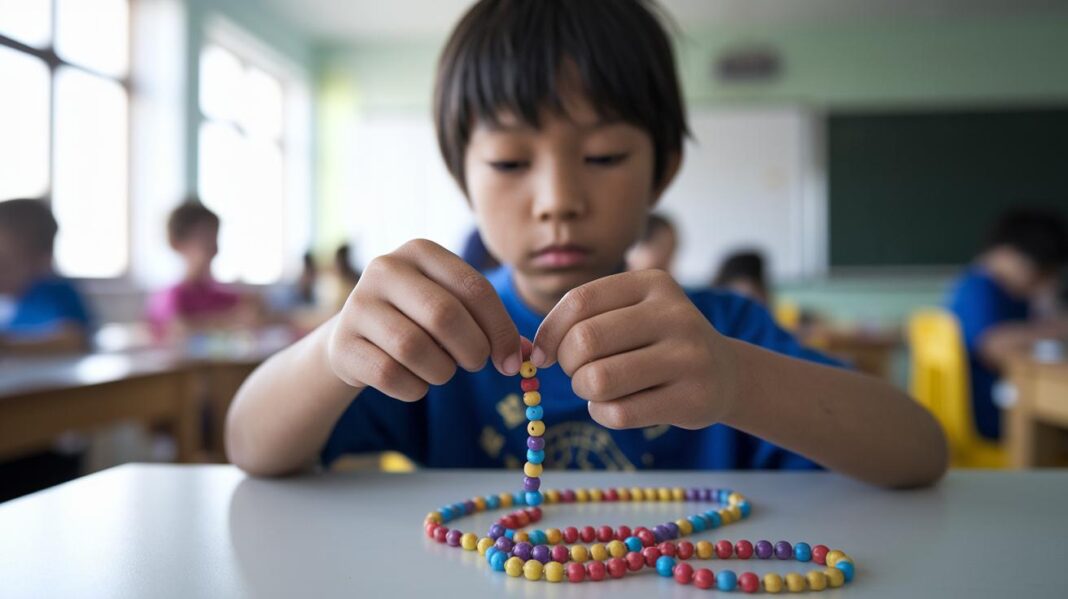
| 3–4 years | Pedals tricycle | Strings beads, cuts paper |
| 4–5 years | Balances on beam | Tripod pencil grasp, ties shoelaces |
Play-Based Activities to Support Gross and Fine Motor Skill Growth
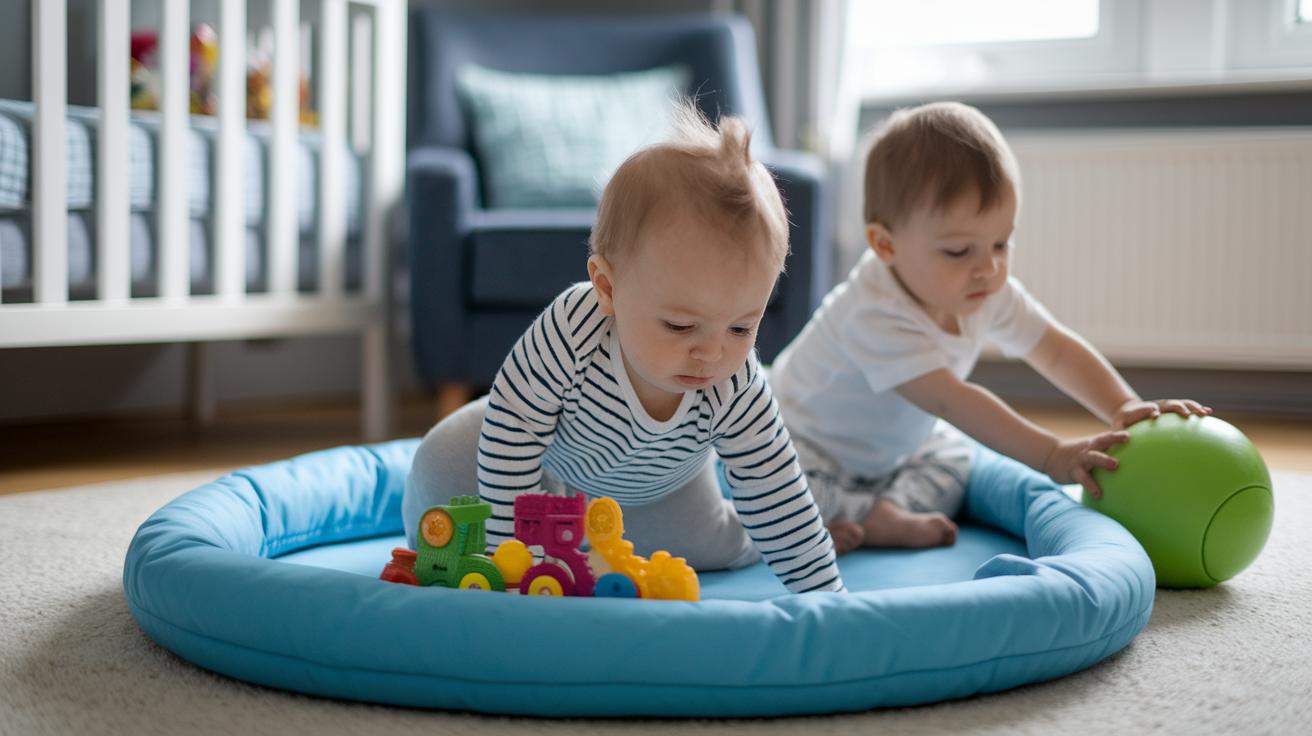
Play-based activities let little ones learn new moves in a fun and natural way. At 6 to 12 months, you can set up a cozy space by placing a favorite toy just a little out of reach. Your baby might stretch to grab it, which helps build crawling (big movements) and reaching or grasping (small hand skills). Really, it makes playtime exciting while encouraging development.
When your toddler is 1 to 2 years old, try giving them push or pull toys and soft balls. These toys are great because they invite your child to move their body and work on hand coordination. Imagine a soft ball traveling from one hand to the other, each pass is a mini exercise for both strong big movements and refined touches.
As your child grows into the 2- to 3-year phase, ride-on toys can make a big difference by getting their legs moving. Adding a twist like stringing large beads can also boost finger coordination. Kids really light up when they see how play helps them control their bodies. Then, from 3 to 4 years, creating a small obstacle course lets them jump and balance while a simple puzzle works on pincer control. It might be a little setup in the backyard or even in the living room, with soft objects to jump over and cones to weave between.
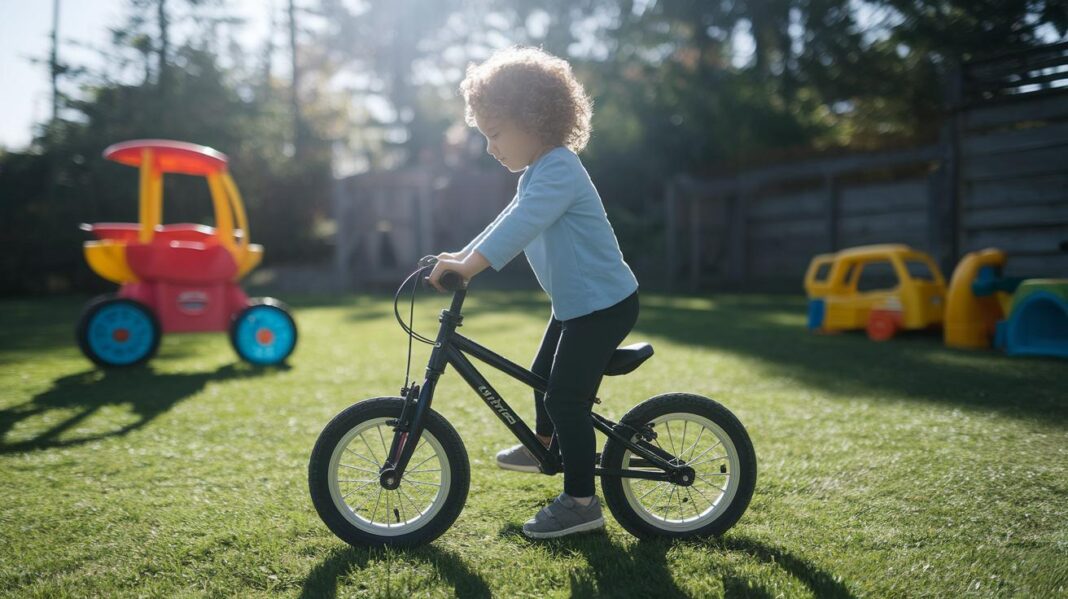
By the time they reach 4 to 5 years old, games like hopscotch or riding a tricycle are full of fun and help build endurance with larger muscle moves. At the same time, activities such as scissor-cutting or playing with playdough polish their fine motor skills. Each activity mixes big movements and delicate touches so that every play moment counts, keeping both learning and fun on track.
Spotting Developmental Delays and Seeking Intervention for Motor Skills
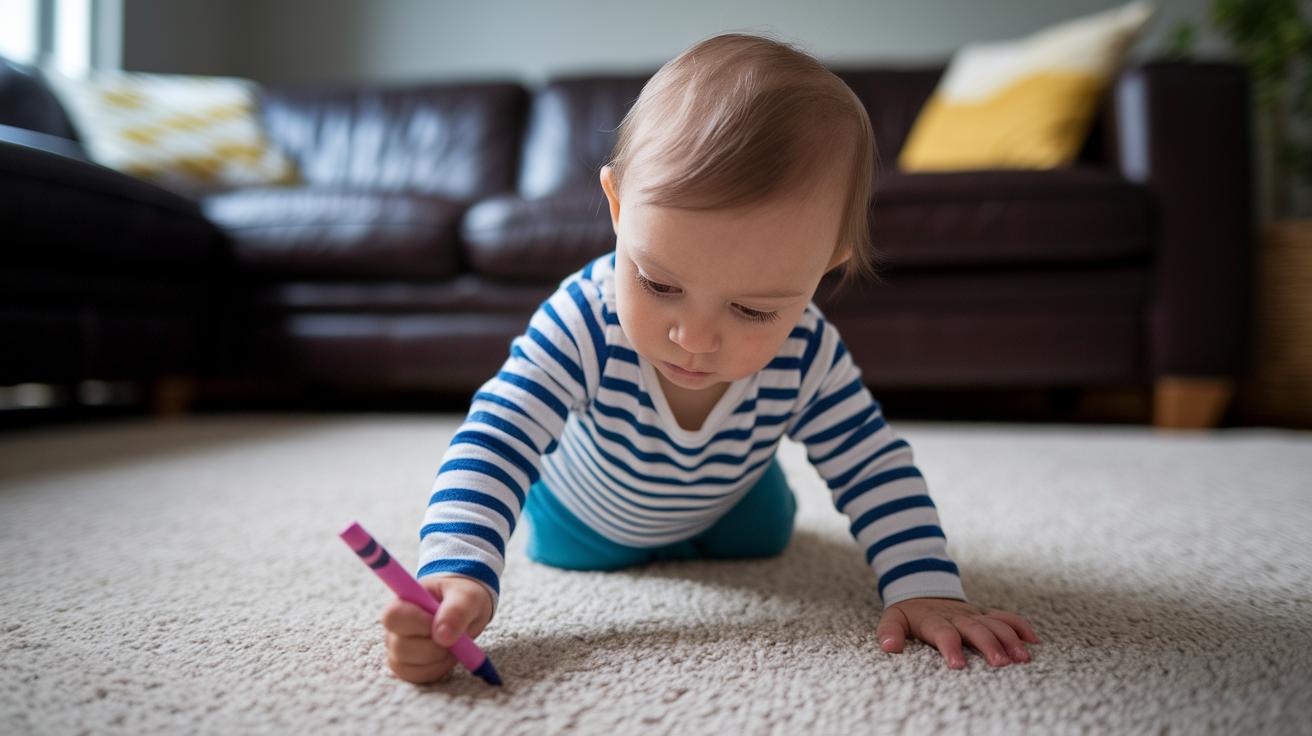
Sometimes kids meet their milestones just fine, but if a few seem to be missing, it might be time to take a closer look. For instance, if a baby isn’t rolling over by 6 months or beginning to take steps by 18 months, it could be a hint that a little extra help may be useful. Even if a child hasn’t developed a neat tripod grasp (using the thumb and two fingers) by age 5, it might be a sign they could benefit from some added support.
Parents and caregivers can learn a lot by watching everyday activities. Have you ever noticed your little one avoiding moves that need balance or fine hand control? Paying close attention to these moments is important because getting help early can make a big difference. A caring pediatric occupational or physical therapist can gently check muscle strength, coordination, and even how your child senses touch, all in a supportive and friendly way.
Sometimes, joining a group activity can really boost a child’s skills. Programs like gross motor playgroups or fine-motor workshops not only work on specific delays but also help build overall movement and control. One play session might include fun balance games, while another might feature simple crafts that encourage careful hand movements. By starting early, you’re giving your child that extra push to reach each milestone with growing confidence.
Incorporating Motor Skill Practice into Educational and Home Routines
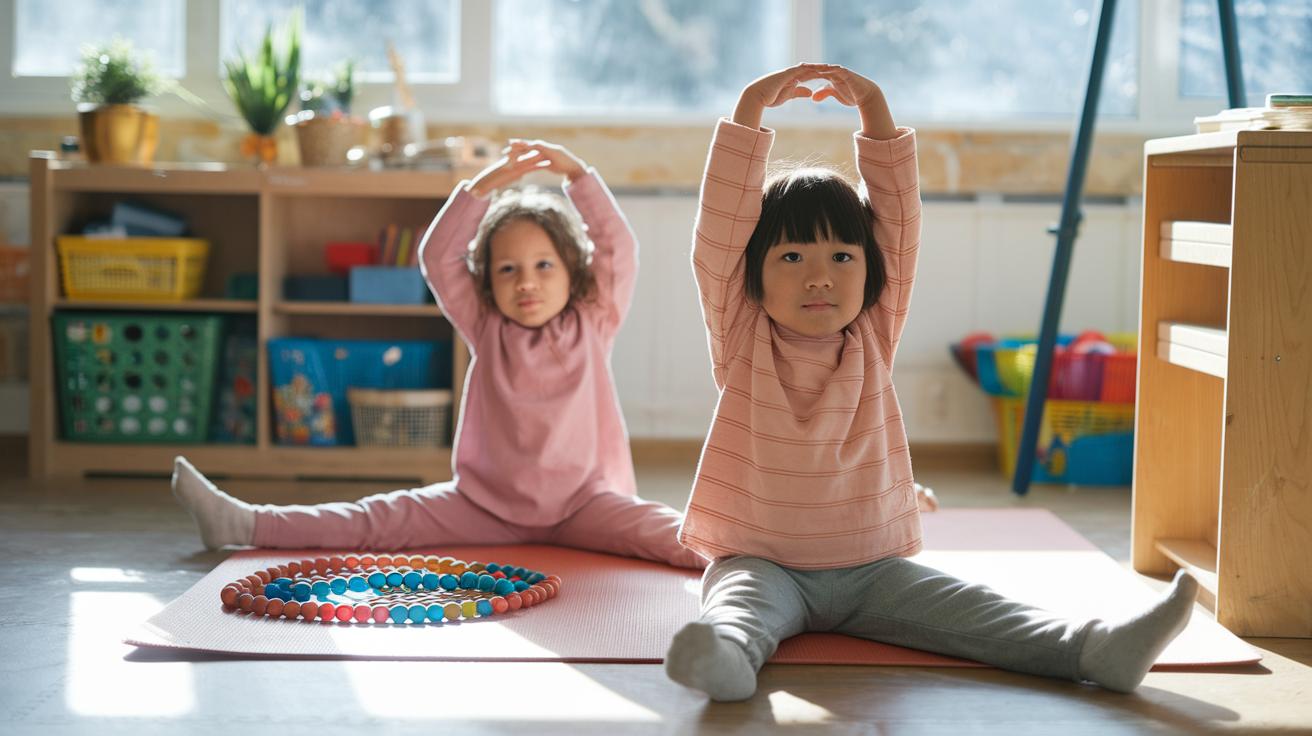
Every day, you can easily mix in movement exercises that help kids use their big muscles and fine-tune their little hands. Imagine starting the day with a fun stretch-and-move break at school that gets everyone’s hearts going, or a cozy corner filled with colorful beads and blocks where play naturally turns into learning.
At home, even small daily tasks can become playful learning moments. For example, you might let your child pour water from one cup to another, which gently builds hand-eye coordination and balance. And when they run or jump outside, it’s all about using big muscles and exploring their world in a lively way.
You can also design a special arts corner where your little one can paint with brushes or have fun with sticker crafts. These activities help refine their grip and control. And family game time, with catch-and-throw sessions or a round of Simon says, is a wonderful way to bring everyone together while boosting physical skills.
| Setting | Activity |
|---|---|
| Classroom | Stretch-and-move breaks, play stations with blocks and beads |
| Home | Pouring water for coordination, outdoor play for big-muscle fun |
| Arts Corner | Painting with brushes and sticker crafts to strengthen grip |
| Family Time | Games like catch-and-throw and Simon says to encourage movement |
These simple, everyday practices not only help kids grow more mobile and independent, but they also set a strong foundation for learning. Isn’t it amazing how a little activity can make such a big difference in their day?
Final Words
In the action, we examined the differences between gross motor skills vs fine motor skills and how both help children grow stronger every day. We looked at key milestones, playful activities, and ways to blend practice into daily routines. We also discussed signs that might call for extra support from professionals. Every small step builds confidence and well-being. With plenty of engaging strategies at your fingertips, remember that each moment of play fuels growth, bringing joy and progress to every family.
FAQ
What are gross motor skills examples?
The examples of gross motor skills include crawling, walking, running, jumping, and balancing. They use large muscle groups, helping young children build strength and coordination.
What are fine motor skills examples?
The examples of fine motor skills include picking up small objects, drawing, using utensils, and turning doorknobs. They use small hand muscles to build precision and coordination in early development.
What are the differences between fine motor skills and gross motor skills?
The differences between these skills are that gross motor skills use larger muscles for whole-body movements, while fine motor skills use smaller muscles for tasks like writing and buttoning clothes.
What are five fine motor skills?
The five fine motor skills include grasping objects, manipulating small items, drawing, using eating utensils, and turning pages. These activities help children strengthen coordination and dexterity.
What are the five types of gross motor skills?
The five types of gross motor skills include crawling, walking, running, jumping, and balancing. They engage big muscle groups to support wider body movement and overall physical growth.
Is throwing a ball a fine or gross motor skill?
Throwing a ball is a gross motor skill because it uses large muscle groups in the arms and body, playing a key role in overall physical development.