Have you noticed how a simple toy can light up a child's face and help strengthen little hands? Today, we explore playful tools that turn everyday actions like grasping, drawing, or lining up shapes into fun moments of growth. Each toy gives a chance to practice, making small hands stronger and sparking plenty of smiles. It's truly amazing how even a tiny challenge can boost a child's confidence, one gentle step at a time.
Toys for Fine Motor Development Bring Pure Joy
Discover a handpicked group of toys that bring smiles while strengthening little hands. These fun tools let kids practice small actions like pinching, grasping, and lining up hand and eye movements. Every toy is chosen so that simple tasks, like picking things up, drawing shapes, or matching letters, turn into a joyful, everyday adventure. Watch as your child’s confidence grows with every playful challenge!
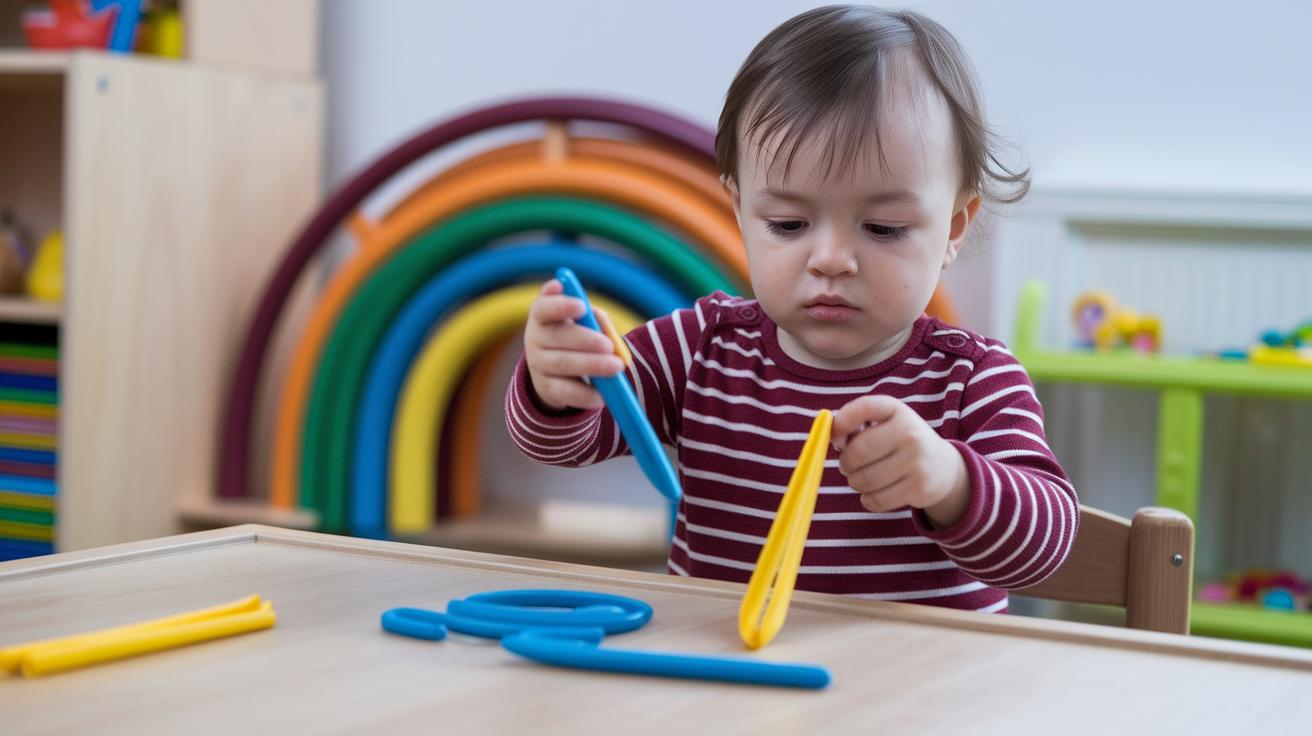
- Jumbo tweezers: Let your child practice a pincer grasp by picking up soft pom-poms and matching easy words.
- Handy scoopers: Mix water play with scooping small ping-pong balls for a fun way to build coordination.
- Rainbow rice: Encourage sensory fun and gentle letter tracing with a colorful, textured play experience.
- Kinetic sand: Invite sensory play as kids form shapes and work on a firm grip.
- Twisty droppers: Support finger strength as little ones make repeating patterns with water.
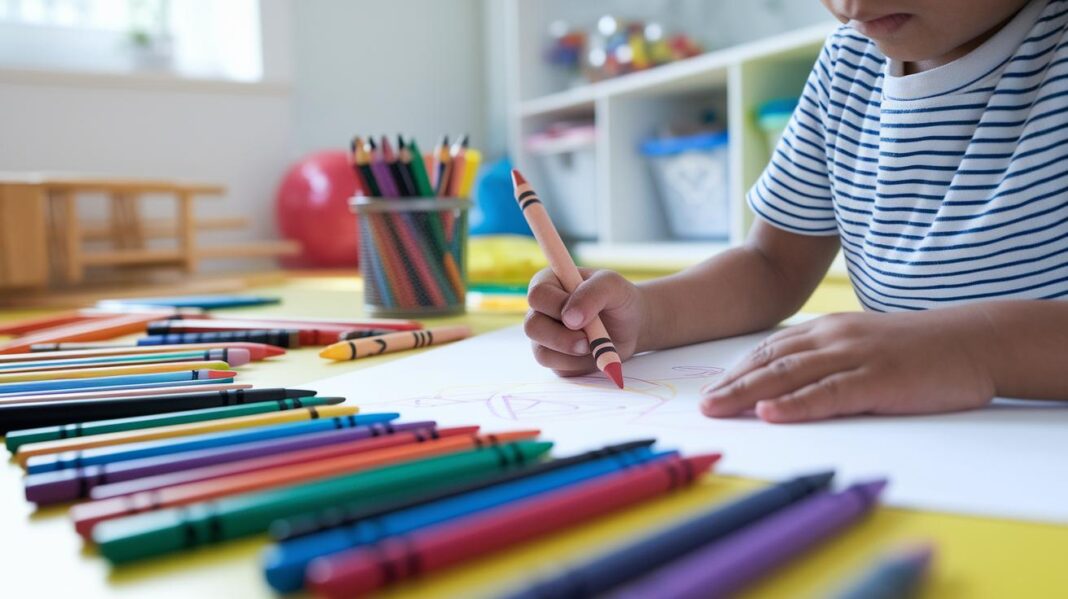
- Large chalk: Help children strengthen their grip while drawing shapes and writing simple words.
- Wikki Stix: Boost finger control as kids create easy, playful words.
- Bingo dabbers: Turn dice games into a fun way to create patterns and practice counting.
- Pegs: Offer a cute way to arrange pieces into syllables and rhyming words for better hand coordination.
- Mini pegs: Improve precision with matching and aligning simple numbers.
- Play dough: Inspire muscle control through creative sculpting and rolling.
- Popsicle sticks with WRITE & WIPE mats: Encourage daily tracing of letters and shapes to make practice fun and steady.
Choosing quality toys means picking items that are safe, durable, and ready for daily play. A well-made toy isn’t just entertaining, it nurtures strong, precise hand movements while filling your home with joy.
Age-Specific Fine Motor Development Toys
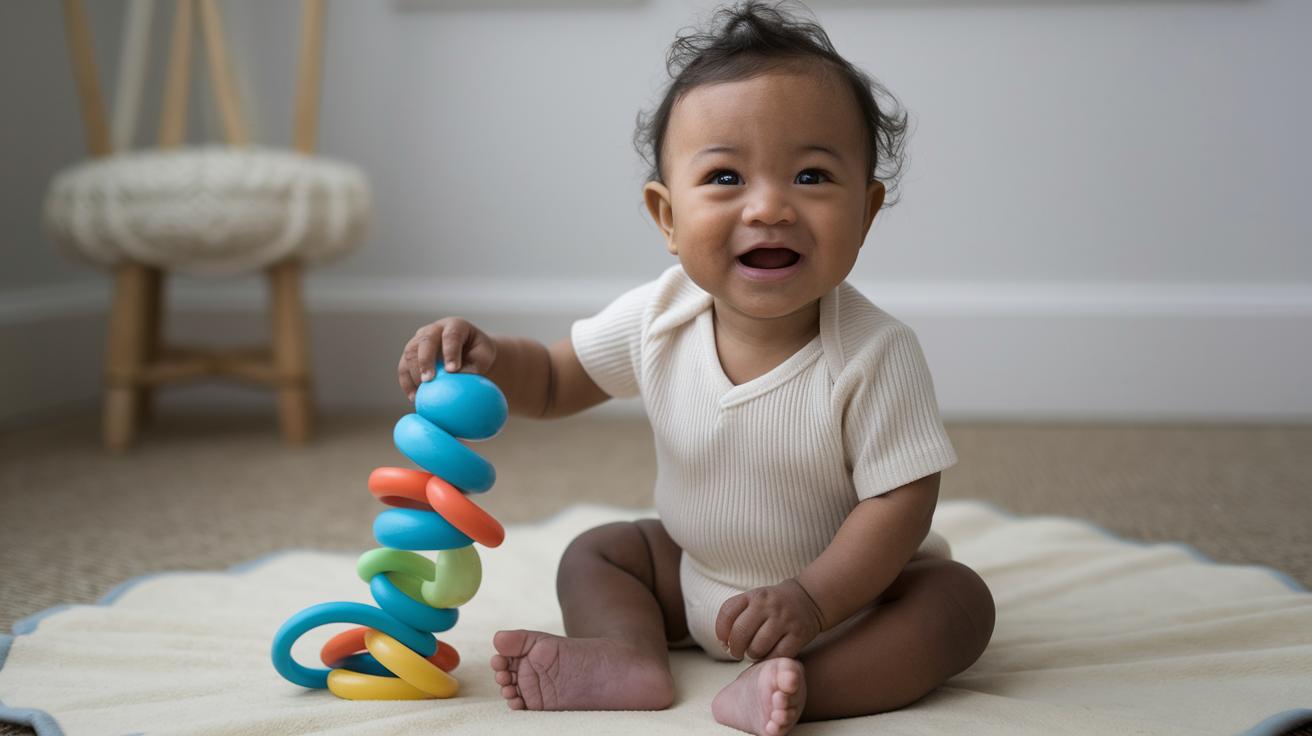
Infants (0–12 months)
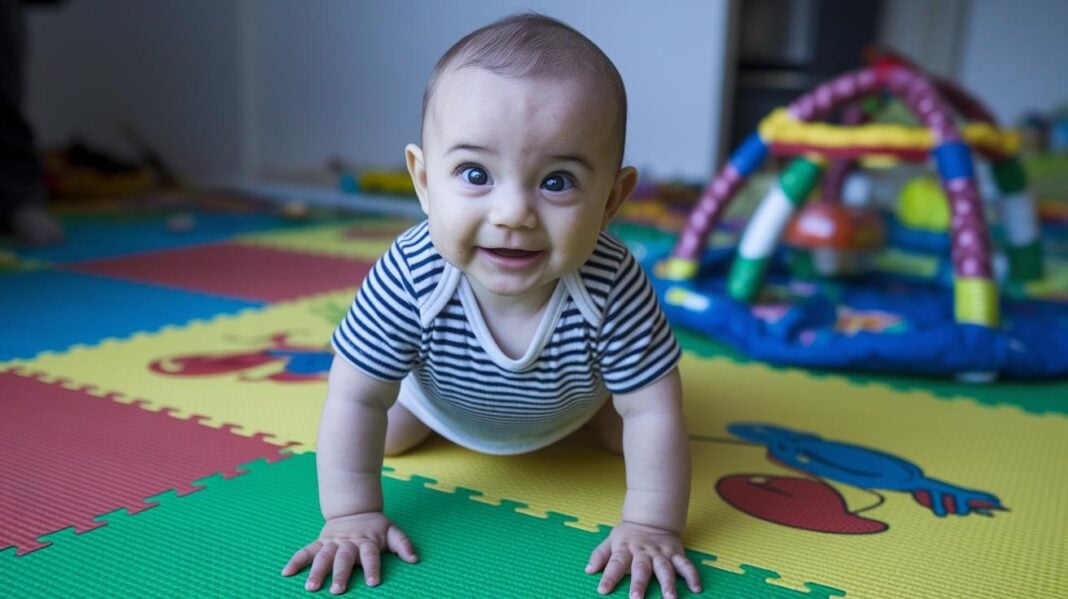
Montessori rattles, stacking rings, fabric books, and soft toys help little ones learn to grasp, pull, and feel different textures. These fun toys invite babies to reach out, feel various surfaces, and enjoy gentle sounds. Imagine a baby shaking a rattle and smiling at every new sound discovered. Parents can join in, making playtime a bonding experience while gently showing cause and effect.
Toddlers (11–36 months)
Shape blocks, object boxes, wooden stones, and building pieces are great for helping toddlers pick up small skills and focus. These toys let toddlers practice careful handling, almost like playing with puzzle pieces as they learn about balance and size. Picture a toddler placing a wooden stone into a puzzle, slowly developing control and precision. Sensory blocks also inspire little hands to sort colors and shapes, building up their skills in a fun, hands-on way.
Preschoolers (3–5 years)
Smart board puzzles, wooden Tetris, and spelling games turn learning into a playful challenge for preschoolers. These activities mix fun with skill building as little ones practice placing letters and numbers, all while working on spatial puzzles. Imagine a preschooler happily aligning puzzle pieces to form a word, enjoying every moment of the process. With these toys, kids explore both creativity and precision, gaining confidence in everyday tasks like writing and cutting.
Fine Motor Development through Hand Coordination Play
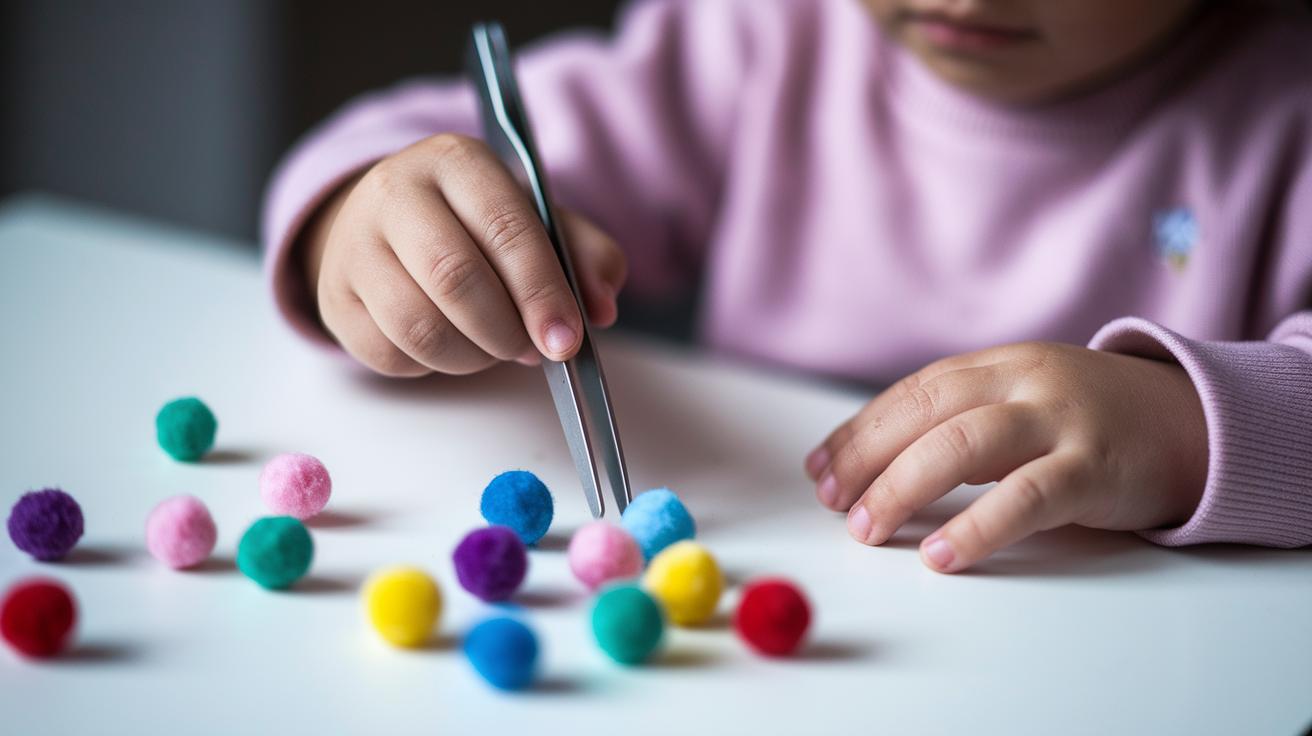
When your child practices using a pincer grasp, they are building important finger strength and control. For instance, using jumbo tweezers to match pom-poms helps them learn how to pick up small items carefully, and each little move adds a boost of confidence.
Fun activities like zipping on a busy board or building words with Wikki Stix get both hands working together. One hand leads while the other supports, creating balanced movements that are just like everyday tasks.
Kinetic sand and rainbow rice add a playful, squishy texture that makes letter tracing a hands-on, sensory adventure.
| Skill Targeted | Toy | Sample Activity |
|---|---|---|
| Pincer Grasp | Jumbo Tweezers | Pom-pom Matching |
| Bilateral Coordination | Busy Board | Zipper Play |
| Sensory Integration | Kinetic Sand | Letter Tracing |
Safety Guidelines for Fine Motor Development Toys
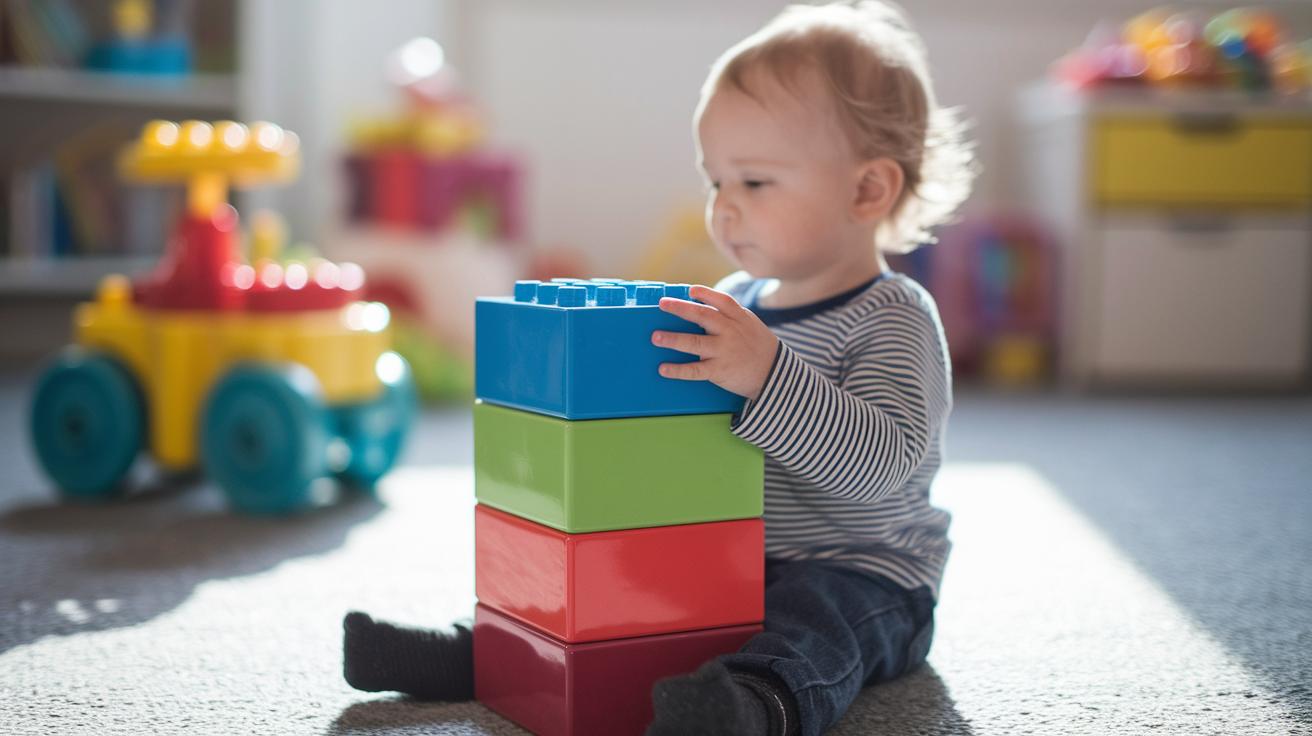
When choosing toys to help little ones develop their fine motor skills, it’s important to follow the manufacturer's age recommendations. For children under three, avoid toys with beads or any small parts that might be a choking hazard. Picking toys that are just right for their age means they’re big enough to hold easily and safe for little hands. This simple step helps make sure playtime is both fun and secure.
Also, opt for toys made from non-toxic, durable materials with smooth edges. These features help keep cuts and scrapes at bay and give you that extra bit of reassurance. Look for items that have passed tough safety tests so you can relax while your child explores and builds new skills.
And don’t forget about cleaning and keeping an eye on playtime. Wash toys with mild soap and water after each use, and let them air-dry completely to fight off germs. When it comes to sensory bins with rice or sand, it’s best to watch closely to avoid spills and misuse. Taking these extra steps helps ensure every play session is safe, enjoyable, and enriching.
Implementing Fine Motor Development Toys in Learning and Therapy
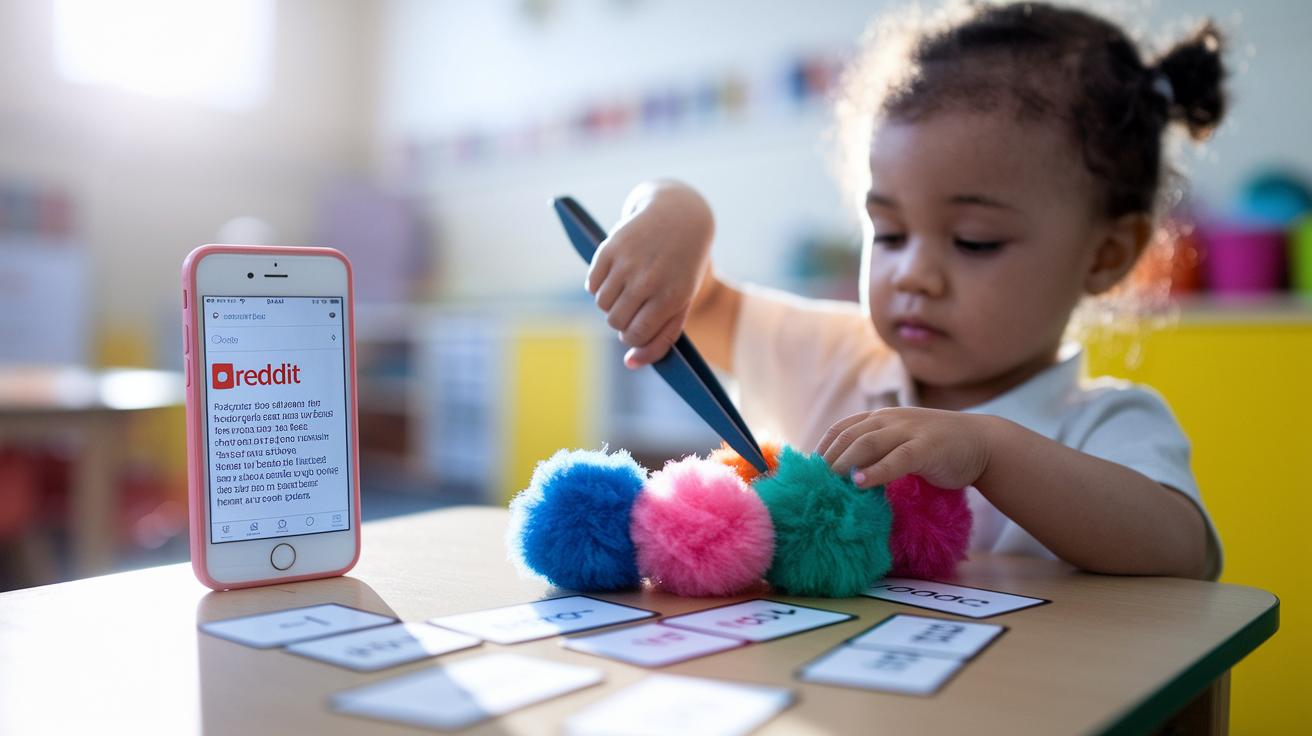
In classrooms, teachers plan fun, hands-on activities that help little ones build their hand skills. One game uses jumbo tweezers and colorful pom-poms that look like mini ice creams. Kids grab the pom-poms with the tweezers and match them to words, making learning and practicing their grip a playful experience.
Teachers also set up puzzles and sensory play stations. At these stations, children sort beads and pegs to form pretty patterns that boost their hand strength and coordination. Plus, digital tools help teachers easily keep track of progress in important areas like shoulder strength, using both hands together, and fine grasp skills.
Occupational therapists use similar fun exercises in their sessions. They might work with therapy putty (a soft, stretchy material) to help build shoulder stability, or use play dough to encourage using both hands. Games with beads and pegs build up hand strength, while puzzles work on finger dexterity with every piece placed just right. And sometimes, a bin of rice is used for sensory play, kids love tracing letters and numbers with their fingers in the rice, adding another fun way to develop essential hand skills.
DIY Sensory Toys to Boost Fine Motor Development
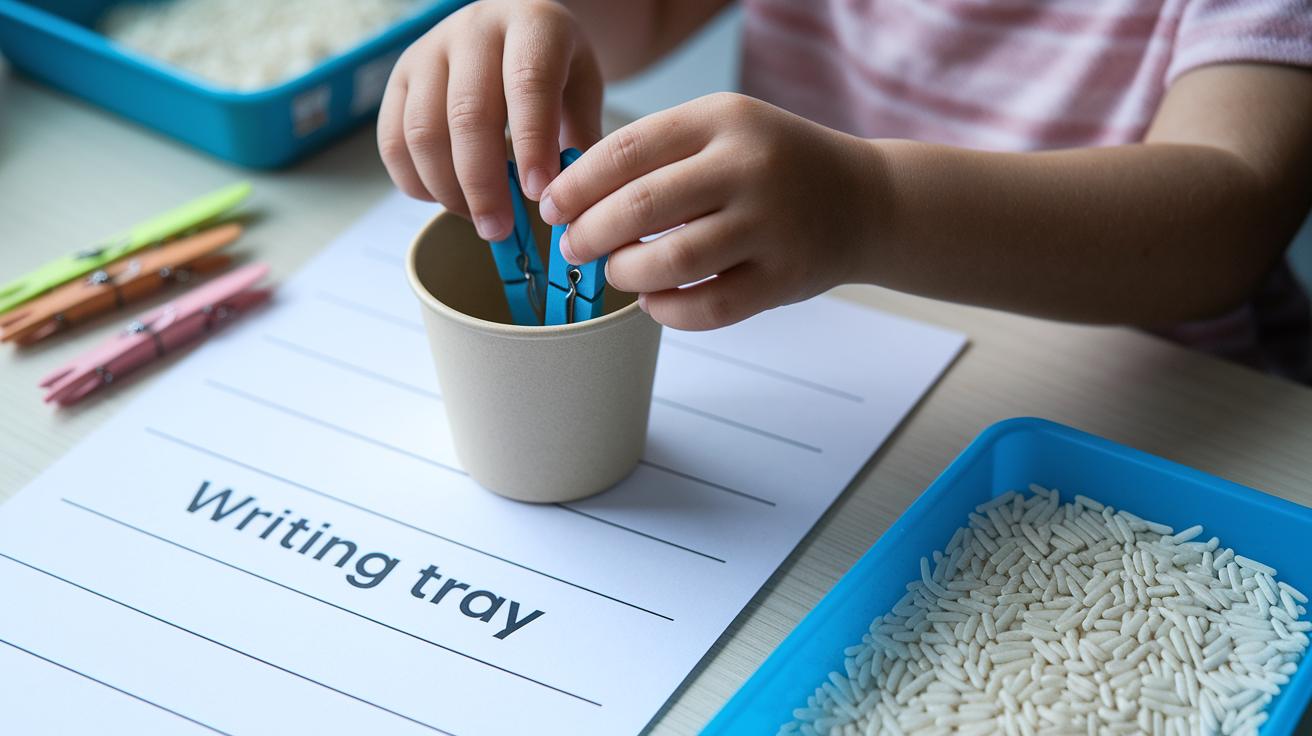
Have you ever tried making a fun pom-pom catcher? Grab a strong little cup and a few clothespins, then clip the pins around the cup’s edge so your child can use their fingers to pinch and press each one open. This hands-on activity not only adds a playful twist to ordinary play but also builds up those important pinching skills.
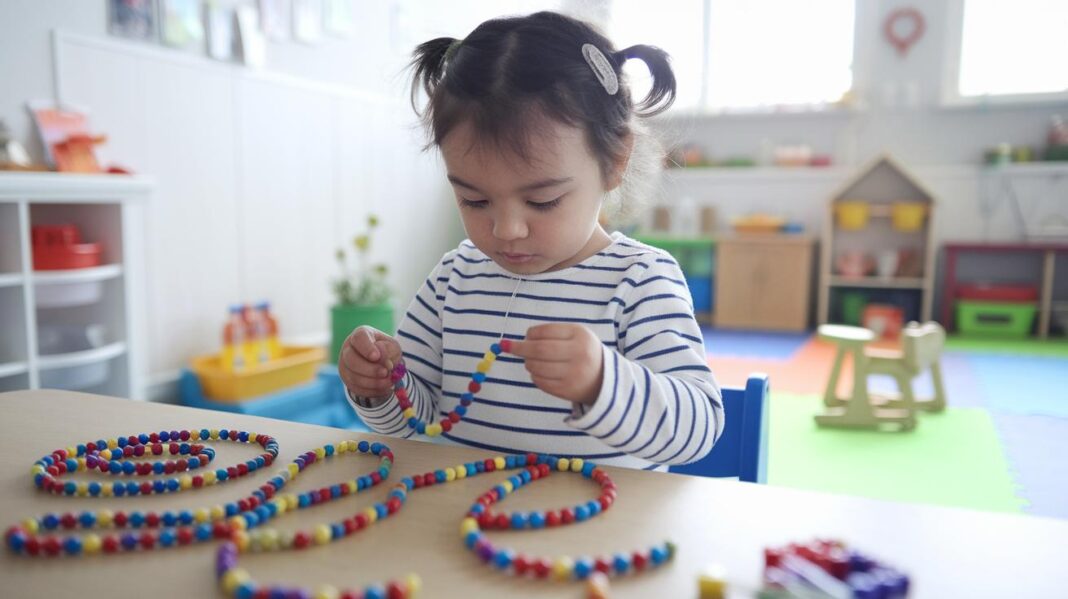
Another great idea is a bead stringing craft. Pick up some pasta or beads and a piece of string, and let your little one thread the beads along. It’s a simple way to boost hand-eye coordination and the smooth dance between thumb and finger, all while having a bit of fun.
Then there’s the rice writing tray, a colorful and creative treat. Fill a shallow tray with some dyed or colored rice and give your child a tool like a popsicle stick for tracing letters. They’ll enjoy the texture and feel while practicing writing, turning every stroke into a playful moment of sensory discovery.
Choosing and Customizing Fine Motor Development Toys
When you pick fine motor toys, try to match the toy’s challenge with your child’s current skills. It’s helpful to check the age and skill labels so you choose something that isn’t too hard, but also not too easy. Imagine a toy box that says "ideal for ages 1-2", it guides you so that play feels just right without overwhelming your little one.
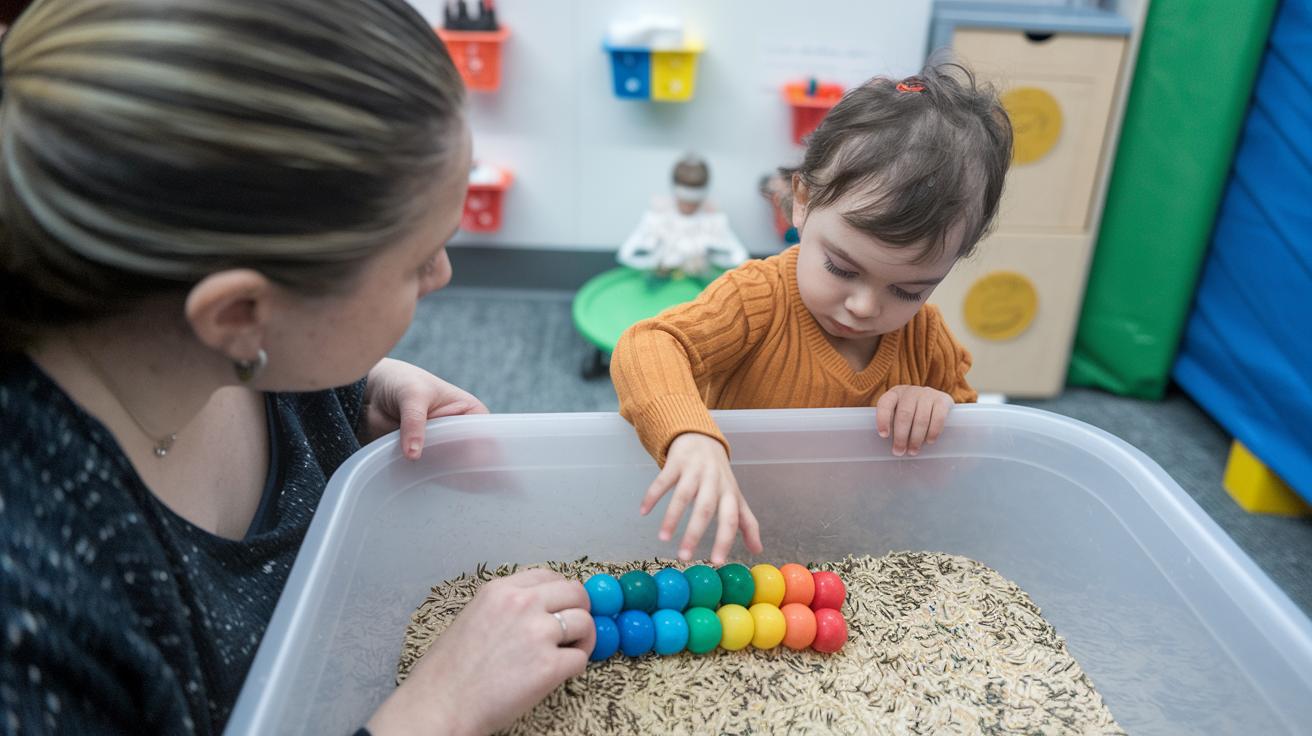
You can also mix up play by adding different textures to a sensory bin, like rice, beans, or sand, to keep things exciting and new. Pairing store-bought toys with everyday items such as clothespins and cups can spark creativity in the most fun ways. And by setting up a gentle routine that slowly brings in new challenges, you'll notice your child’s grasp, pinch, and hand-eye coordination growing bit by bit, all while enjoying every moment.
Final Words
In the action, we broke down the must-have toys for fine motor development. We looked at exciting tools for early hand coordination, explained how these toys support grip strength and sensory play, and shared key safety tips to keep playtime secure. We also explored creative DIY options and tips to match each child’s skill set. Remember, having the right toys for fine motor development can boost confidence and spark fun learning moments every day. Keep playing and watch little hands grow strong!
FAQ
What toys help develop fine motor skills?
The toys that help develop fine motor skills include jumbo tweezers, handy scoopers, twisty droppers, and play dough. They boost finger control and muscle strength through fun, hands-on play.
What is the 10 toy rule?
The 10 toy rule means having only ten toys available to reduce clutter and help kids focus on each toy. This rule encourages creative play without overwhelming choices.
Which toys are best for a toddler’s fine motor development?
For toddlers, shape blocks, busy boards, and play dough promote hand control and muscle coordination. These toys build grip strength and precise movement through engaging, hands-on activities.
What fine motor skills toys are available for specific age groups like 12-18 months, 2 years, 3 years, 4 years, and 7-year olds?
Fine motor toys vary by age—stacking rings and rattles for infants, shape blocks and busy boards for toddlers, puzzles and word games for preschoolers, and interactive challenges for older kids, each supporting key motor milestones.
What activities can help improve fine motor skills?
Activities like pincer grasp games, bead-and-chopstick stringing, and play dough sculpting enhance fine motor skills. They improve finger control and muscle development through engaging, playful tasks.
What toys support fine motor development in adults?
Toys for adults include puzzles, model kits, and dexterity games that refine hand coordination and finger strength. They offer a fun, relaxing challenge while supporting continued manual skill development.