Have you ever seen a baby kick or roll and wondered how it shapes the way they move later on? Each little push and twist is more than just a milestone, it shows their early strength and balance. From rolling over to crawling and then taking those first brave steps, every move is a little celebration for families everywhere. In this post, we talk about these special stages of movement and how each one helps build a strong base for a child's playful, active life.
Gross motor development stages: Joyful Movement Milestones
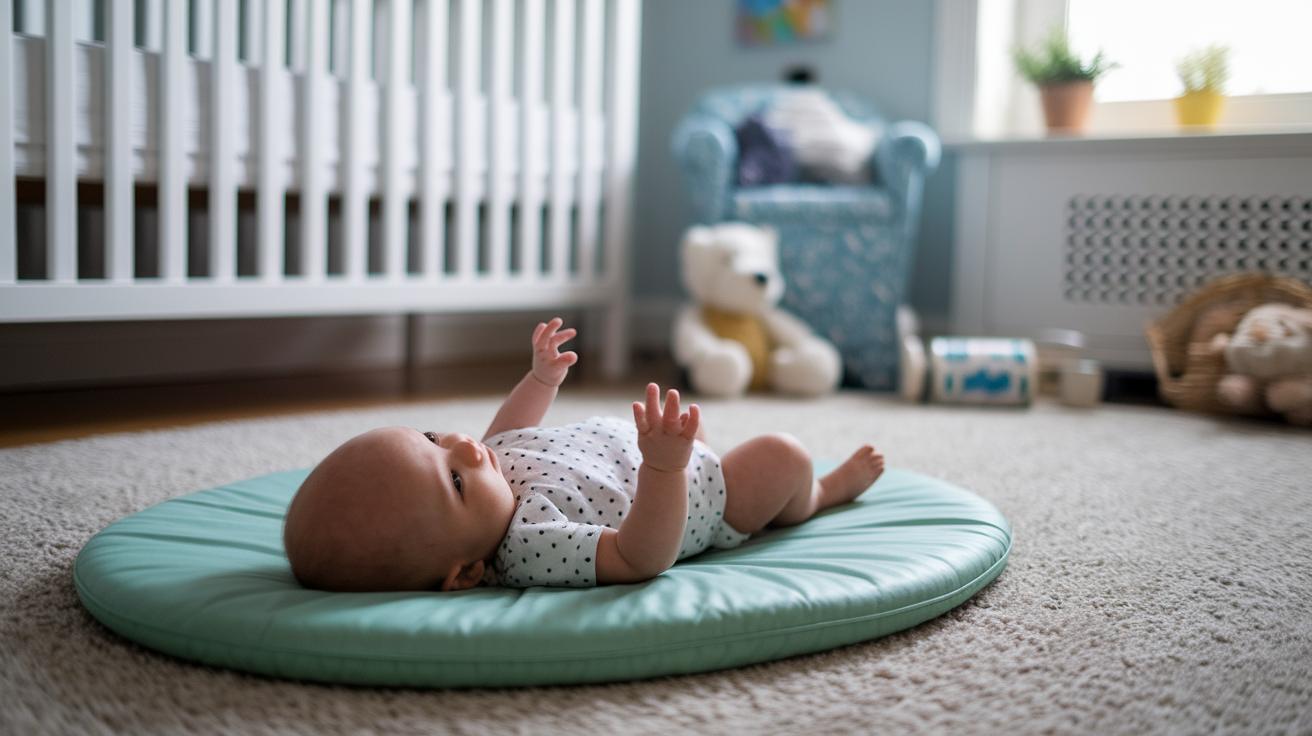
Gross motor development stages are all about the big body movements that help a child grow. They focus on the muscles that keep a child stable and strong, things like standing, walking, running, jumping, crawling, and climbing. You might be surprised to learn that before taking their first walking steps, many babies show little bursts of energy by rolling or kicking, hinting at a lifetime full of movement.
Think of these milestones as a journey that starts at birth and continues into early childhood. In the earliest months, babies work hard just to hold up their heads, and soon they start lifting their chest when lying on their tummy. By the end of their first year, many begin cruising along or taking a few independent steps. Then, as toddlers, they start to refine these skills, climbing stairs with some help, hopping in place, or even carefully walking along a low balance beam. Every step not only marks physical progress but also builds the balance, coordination, and strength needed for fun activities like throwing a ball, riding a bike, or even swimming.
Keeping an eye on these milestones is really important for knowing how a child is growing and ready for new challenges. Noticing little things, like crawling or briefly balancing on one foot, can help caregivers see if a child is developing normally. Fun, organized play, like setting up a simple obstacle course or playing a game of catch, supports these important skills. By celebrating each small victory, families can gently guide their little ones as they discover the joy of movement in their everyday lives.
Infant Gross Motor Development Stages (0–12 Months)
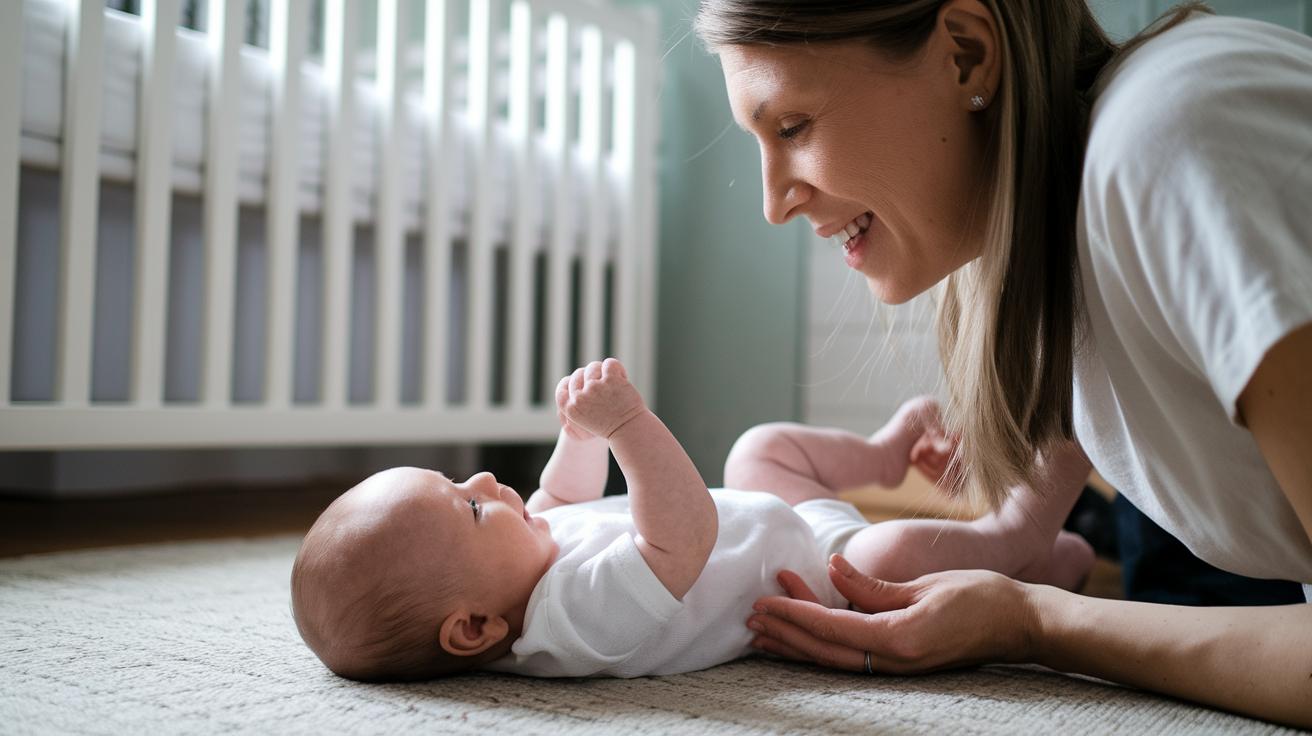
Caregivers can follow this simple timeline to track their baby's movement milestones and see how these moments support both brain growth and emotional well-being.
From birth to 2 months, your little one may briefly lift their head when you hold them. This early control lays the foundation for better focus as they grow.
By 3 to 5 months, babies start lifting their head and chest during tummy time. This helps strengthen their upper body and fuels their curiosity to look around.
At 6 to 8 months, you might notice your baby beginning to pivot or roll over on their tummy. Rolling helps them understand space and learn simple cause-and-effect lessons.
Between 9 and 11 months, infants typically achieve the ability to sit by themselves while gently turning their trunk. This new skill builds balance and encourages confident exploration.
Around 12 months, many babies start cruising along furniture or even take their first independent steps. These early movements boost their self-confidence and open up new chances to connect with others.
Toddler Gross Motor Development Stages (1–3 Years)
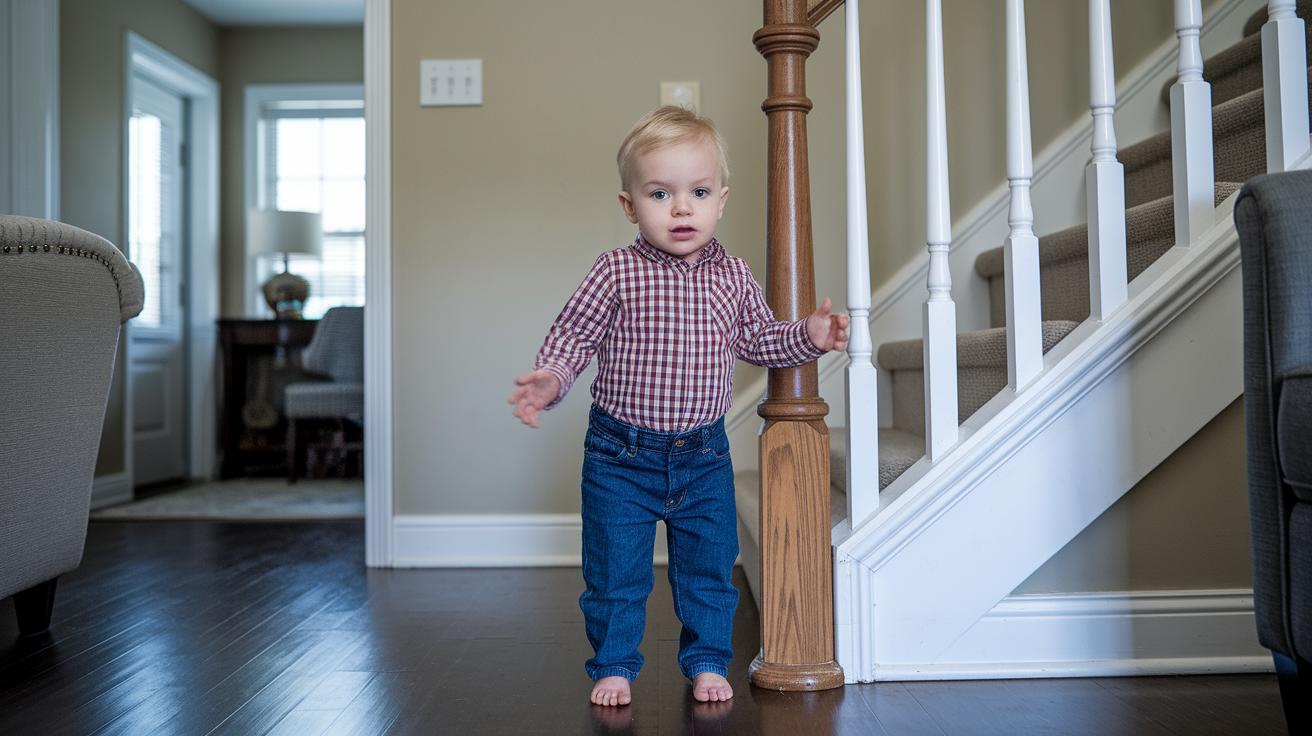
Watching your little one explore movement is such a heartwarming experience. Around 12 to 15 months, many toddlers take their very first independent steps. That moment when your child walks without your steadying hand feels like watching a tiny explorer begin a grand adventure. I remember how my own child’s eyes lit up in wonder during those first wobbly steps.
Then, between 16 and 18 months, toddlers often start climbing stairs, carefully using the railing for support. It’s a sign of growing muscle strength and a developing sense of space. Soon after, between 19 and 24 months, you might catch them joyfully jumping in place. Every little hop builds their confidence and helps them fine-tune their coordination.
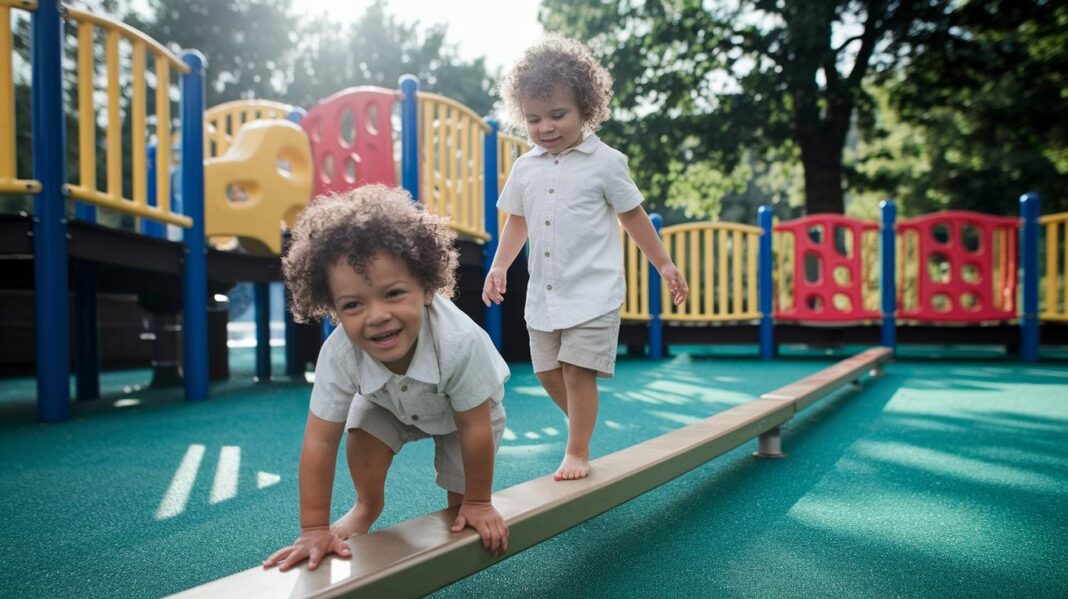
By the time they reach 24 to 29 months, you may observe them gently balancing on a low beam while holding one hand for a bit of extra security. And by the age of 2 to 3 years, descending stairs, one step at a time without needing the railing, becomes a natural part of their growing skills.
| Age Range | Motor Skill Milestone |
|---|---|
| 12–15 months | Walking independently without support |
| 16–18 months | Climbing stairs one step at a time with a railing |
| 19–24 months | Jumping in place |
| 24–29 months | Walking on a low balance beam with one hand held |
| 2–3 years | Descending stairs step by step without railing |
Preschooler Gross Motor Development Stages (3–6 Years)
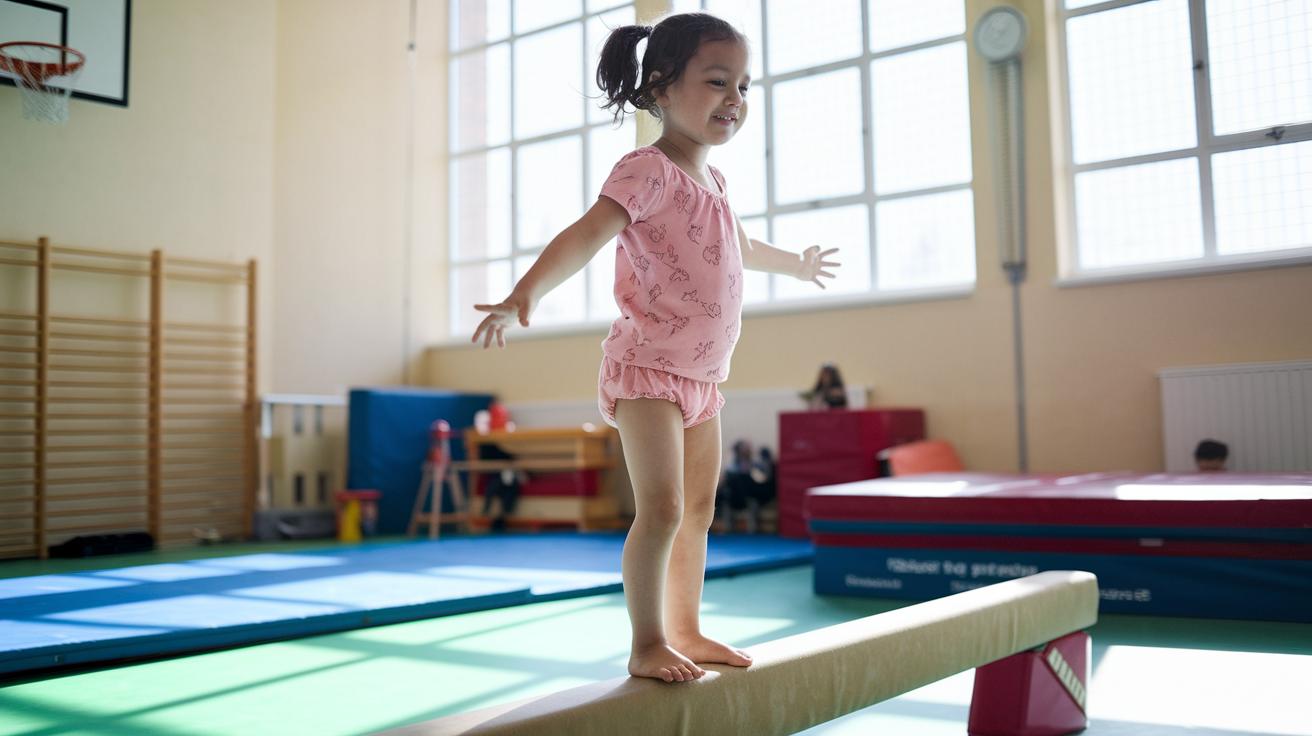
In the preschool years, little ones show amazing changes in how they move. When children are around 3 to 4 years old, they love to try walking sideways on a balance beam. Picture a child carefully placing each foot while smiling with delight, it’s like watching a tiny, determined performer. It’s a fun way to build coordination and a love for playful exercise.
By the time they’re 4 to 5 years old, many kids try standing on one foot for about 4 to 8 seconds. This simple challenge not only makes their legs stronger but also helps them feel more confident. Imagine a playful contest where every extra second stands as a small victory, it’s a heartwarming reminder of their growing independence and strength.
Then, at ages 5 to 6, movement skills become even more refined. These preschoolers can balance on one foot for up to 10 seconds, while also getting better at throwing and catching a ball. Running starts to look smoother, and hopping on one foot becomes more controlled. Every little leap and careful step is a joyful milestone that supports both active play and interacting with friends.
Recognizing Delays in Gross Motor Development Stages
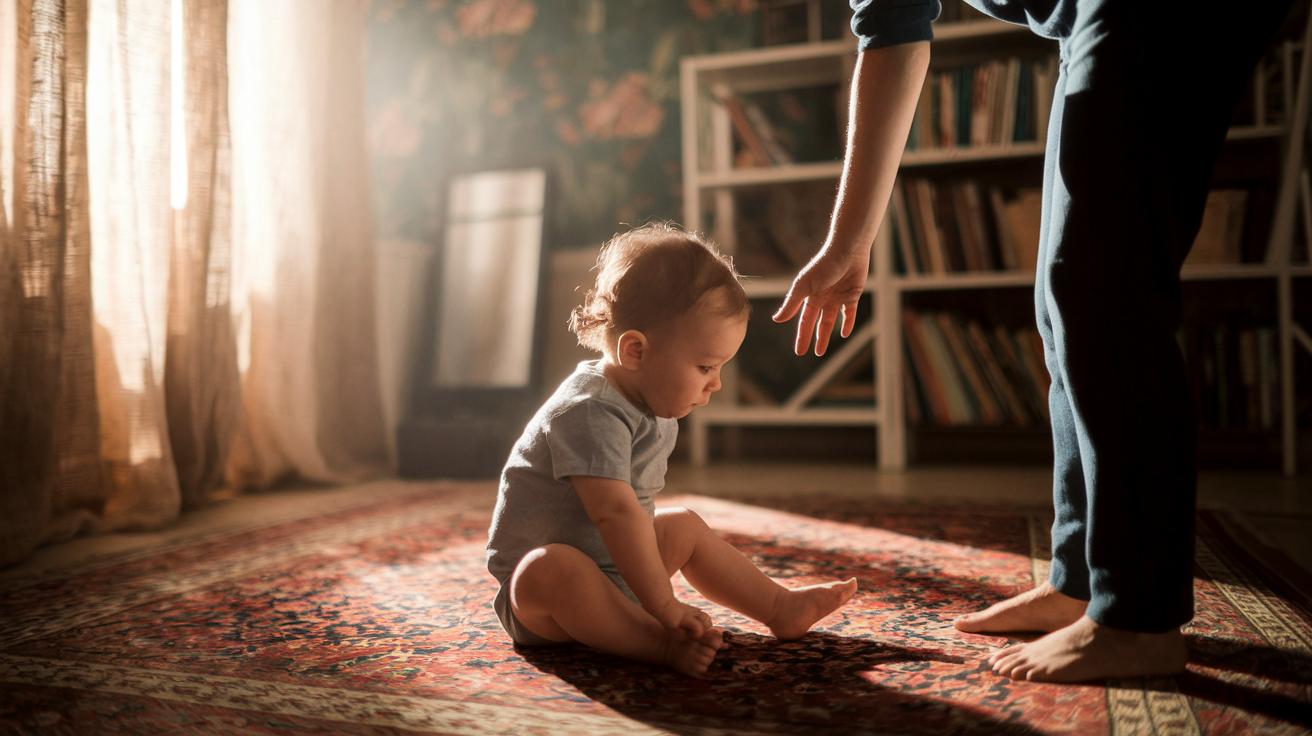
It can be tough to tell if your child is falling behind when it comes to moving and exploring. You might notice that your little one isn’t hitting one or more of those big movement milestones. For example, if your baby isn’t sitting up by 11 months or hasn’t started walking by 18 months, it’s a good idea to take a closer look at their movement skills.
You may also spot signs like frequent falls during light play or clumsiness when reaching for toys. Maybe their movements seem a bit more labored, or their muscles feel a bit soft. These everyday clues can help you see how well your child is growing and moving.
Here are some things to keep an eye on:
Sometimes, delays might happen because of things like low muscle strength (hypotonia) or other issues with the body’s control system. Picture this: you’re at the playground, and you notice your toddler taking clumsy, unsteady steps. That might be a gentle nudge to chat with a specialist. Keeping track of these little steps early on can guide you on whether it’s time to get some professional advice.
Remember, trust your feelings. If something feels a bit off, it’s always okay to ask for help. We’re all here to support you on this journey.
Strategies and Activities to Support Gross Motor Development Stages
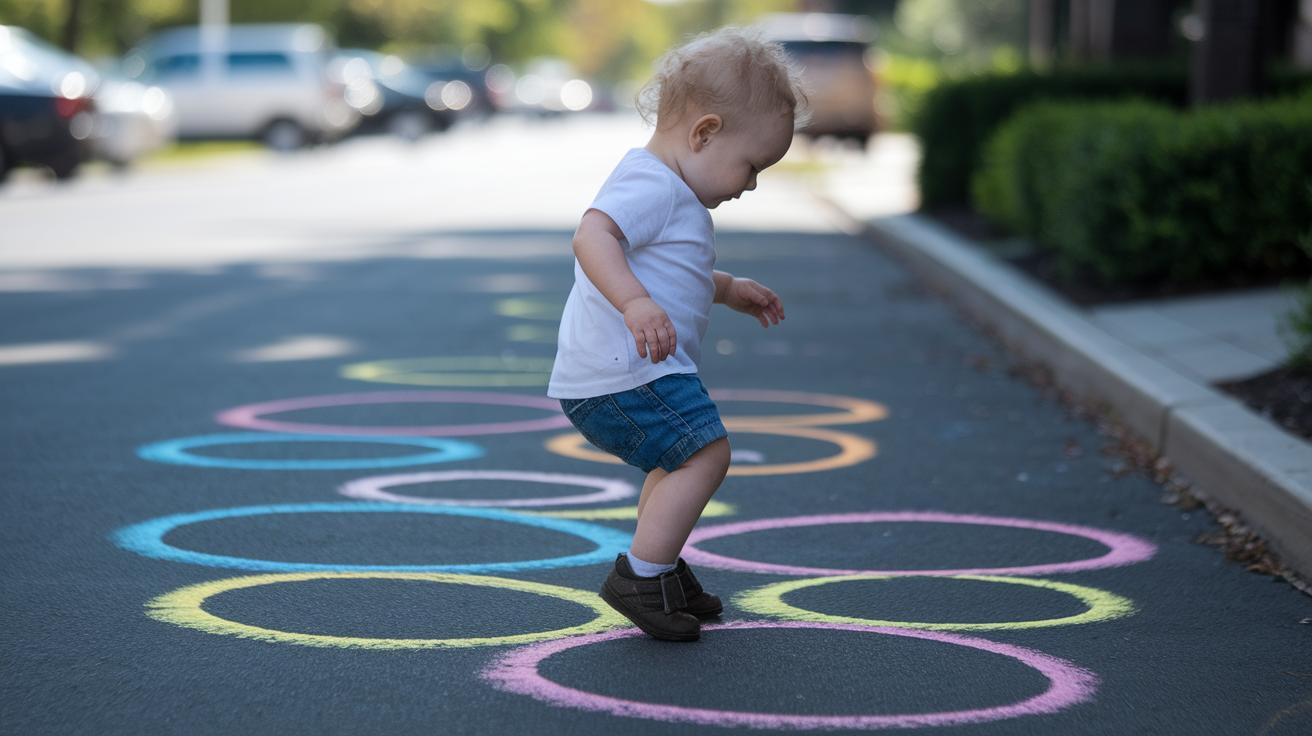
Games like hopscotch and simple obstacle courses using hula hoops or cones are a delightful way to boost a child’s strength and sense of space. Picture a toddler happily hopping over circles drawn on the pavement, a fun, playful method that helps little ones learn to move with confidence.
Adding some structure to daily play can make things even more exciting. Imagine setting up a mini gymnastics session at home or joining a lively swimming lesson. Fun fact: spending just a few minutes on a trampoline can really improve a child’s balance, turning every jump into a burst of joy.
Activities such as martial arts classes and soccer games work wonders too. As kids take part, they naturally build skills that enhance coordination and muscle strength. A quick game of tag in the playground not only tests their speed and agility but also builds teamwork and boosts self-confidence.
Parental involvement makes all the difference. When caregivers cheer, clap, and celebrate every jump or trick on the balance beam, it fills the child with positive energy and fuels their progress. Consider these simple ideas:
| Activity | Benefit |
|---|---|
| Hopscotch | Boosts coordination |
| Obstacle courses | Improves agility |
| Trampolining | Enhances balance |
| Swimming or Soccer | Builds overall body strength |
Every activity, whether indoors or outdoors, acts as a gentle building block that helps children move into more advanced stages of development. Each playful session marks a joyful milestone on their journey toward stronger muscles and smoother coordination.
When to Seek Professional Help for Gross Motor Development Delays
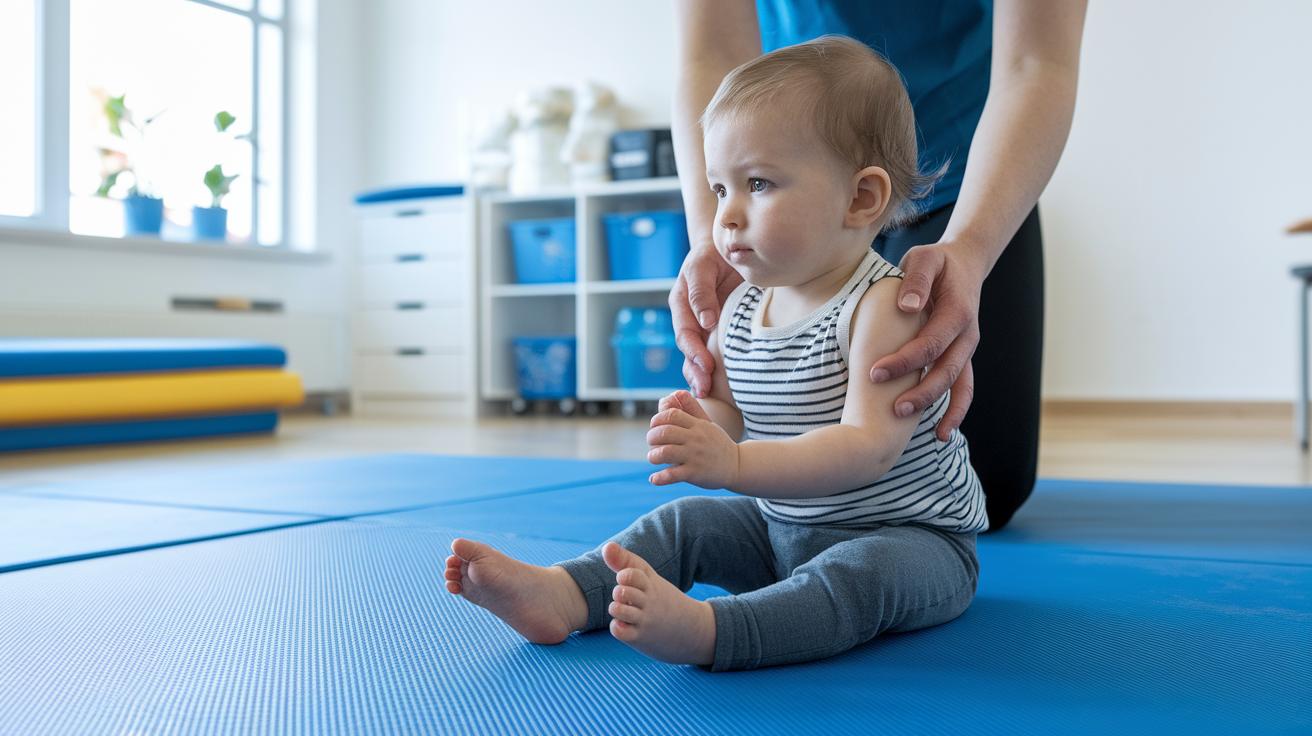
If your little one isn’t reaching big movement milestones, like sitting by 11 months or walking by 18 months, it might be a good idea to chat with a pediatric physical therapist or an early intervention expert. Think about it like a small plant that might need a bit more water or sun to grow strong.
A friendly check-up can help us see where your child stands compared to common movement steps. For example, if your child often struggles with crawling, balancing, or other simple moves, sharing these worries with a specialist can be really helpful. They might suggest extra support like physical therapy, occupational therapy, or even speech therapy (if needed) to help your child catch up.
I remember noticing my daughter had trouble keeping her balance, it reminded me of a delicate plant that wasn’t getting enough sunlight. By keeping an eye on these little changes, you can feel more confident about when to ask for professional advice. This way, you get clear guidance without any unnecessary worry.
Final Words
In the action, we dove into a clear picture of gross motor development stages, from infant motions to the playful strides of toddlers and the coordinated steps of preschoolers. We shared everyday activities that build balance, strength, and coordination while highlighting signs that might call for extra guidance. This overview reminds us that every new step is a moment to cherish. Keep enjoying every new milestone with hope and heart, and remember that small movements today pave the way for confident steps tomorrow.
FAQ
What are fine motor skills and fine motor development?
The query about fine motor skills indicates they involve small muscle movements like writing, while fine motor development is about improving these abilities over time. They differ from gross motor skills that use larger muscle groups.
How does gross motor development progress in infants 0–12 months?
The query regarding gross motor development in infants shows that early stages include holding the head, rolling, sitting, and taking first steps, all of which build core strength and balance.
What are the stages of gross motor development in childhood?
The question on gross motor development stages in childhood highlights distinct phases such as infancy, toddlerhood, and preschool, with each stage marked by improved balance, walking, running, and overall coordination.
What information is included in a gross motor milestones chart or PDF?
The inquiry about gross motor milestones charts reveals they provide an age-based guide outlining skills like crawling, walking, and running, which help caregivers monitor developmental progress at each stage.
What are some examples of gross motor skills?
The question on gross motor skills examples mentions activities that use large muscle groups, such as crawling, standing, running, jumping, climbing, and even throwing, which build overall strength and coordination.
What are the four stages of motor development?
The inquiry about four stages of motor development typically describes phases from infancy, toddlerhood, preschool, to early childhood, where each stage builds on basic movements with increasing coordination.
What is the typical order of gross motor skill development?
The question on the typical order of gross motor skills indicates that development begins with head control in infancy, then moves through rolling, sitting, crawling, standing, and continues to walking, running, and jumping.
What are the red flags for gross motor skills?
The query about red flags for gross motor skills highlights signs such as missing key milestones, frequent falls, and poor coordination, which may suggest delays and a potential need for professional evaluation.
What are the five types of gross motor skills?
The inquiry on five types of gross motor skills identifies walking, running, jumping, balancing, and coordination activities like throwing and catching as key areas that build strength and body control.