Feeling worn out by meals that just don’t do much for you? Maybe it’s time to rethink what you eat every day. Imagine starting your morning with a warm bowl of oat porridge sprinkled with crunchy nuts. It’s a little twist that can lift your mood and even boost your milk supply.
This new way of eating includes whole grains, bright fruits, veggies, and lean proteins that work gently to support both you and your little one. Adding around 500 extra calories through yummy snacks and balanced meals can make a big difference. Enjoy fresh, tasty options that keep you feeling nourished and strong, no matter how busy life gets.
Complete Milk-Boosting Diet Chart for Breastfeeding Mothers

If you’re breastfeeding, adding about 500 extra calories a day helps keep your energy up and supports your milk supply. You can get these extra calories from whole grains, fresh fruits, veggies, and healthy fats like nuts and seeds. It’s all about enjoying several smaller meals that mix in quality protein and complex carbohydrates.
Imagine starting your day with a warm bowl of oat porridge sprinkled with crunchy nuts. It’s a cozy way to fuel your morning and give your milk supply a boost. Then, later in the morning, try a colorful fruit salad with papaya, apples, and a few seeds for a nutritious, refreshing snack.
Below is a sample daily menu to guide you. It shows meal timings, calorie goals, the main food groups, and portion sizes to help you plan your day:
| Meal Time | Food Groups | Portion Guidelines |
|---|---|---|
| Breakfast | Oats, milk, and nuts | 1 bowl (1/2 cup oats, 1 cup milk, a small handful of nuts) |
| Mid-Morning Snack | Fresh fruits | 1 serving of fruit salad |
| Lunch | Whole grains, lentils, mixed vegetables | 1 cup grains, 3/4 cup lentils, 2 servings of vegetables |
| Afternoon Snack | Whole-grain toast & nut butter | 1 slice toast, 1-2 tbsp nut butter |
| Dinner | Lean protein, whole grains, greens | 1 portion protein, 1 cup grains, 2 servings of vegetables |
| Bedtime Snack | Yogurt with seeds | 1 cup yogurt, 1 tbsp seeds |
Try out these tasty and nutritious ideas to create a simple eating plan that works with your busy day and nourishes both you and your little one. Enjoy exploring these options, and remember to listen to your body’s needs!
Calorie Requirements and Nutrient Breakdown for Lactating Mothers
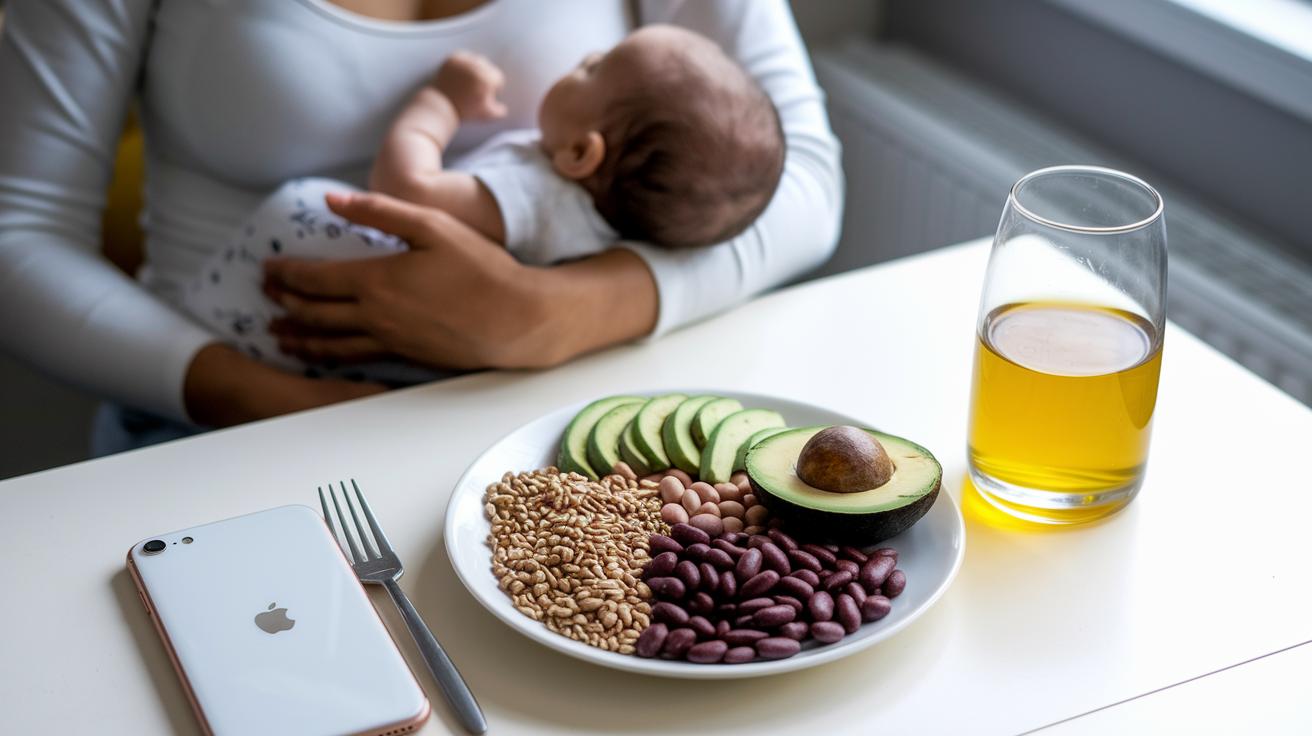
Breastfeeding moms usually need an extra 500 calories a day. That little boost helps your body both make enough milk and repair itself after birth. When planning your meals, try to get about half your calories from complex carbohydrates like whole grains and beans. They give you long-lasting energy without a big spike in your blood sugar.
Aim for around 20% of your calories from proteins such as lean meats, lentils, or nuts. Protein is key for rebuilding your body tissues. The remaining 30% should come from healthy fats found in foods like avocado and olive oil, which support your overall health.
One mom shared, "I started checking my carbs, proteins, and fats, and soon I noticed a steady milk supply and more energy." This is a great example of how balancing your meals can really pay off.
Breastfeeding naturally helps with gradual weight loss too. Enjoying small, nutrient-packed meals throughout the day not only meets your daily needs but also supports ongoing milk production. Remember, losing weight too fast can lower your energy levels and affect your milk supply. Keeping an eye on your food groups and portions can help you adjust your nutrients so that both you and your baby stay happy and healthy.
Essential Breastfeeding Foods and Nutrients for Milk Production
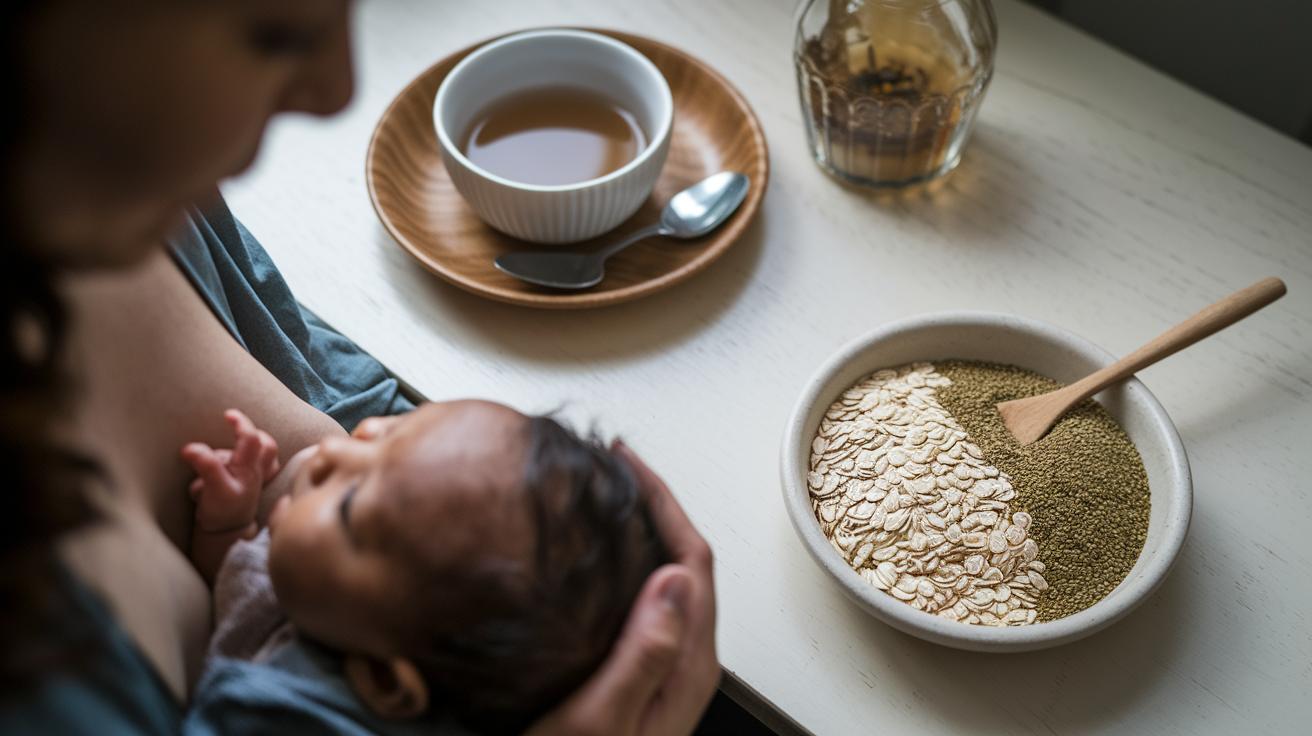
Choosing the right foods can really help boost your milk supply and support your recovery after birth. Have you ever thought that adding a spoonful of fenugreek to your morning tea can bring a pleasant twist while helping your milk flow? Foods like oats, fenugreek, fennel seeds, and garlic work naturally to keep your milk production strong.
Protein is also super important as your body heals post-birth. Lentils, nuts, seeds, and lean meats are excellent sources of protein that help repair your tissues. Imagine enjoying a warm bowl of lentil soup, it can feel as soothing as a gentle embrace. Whole grains like barley and brown rice not only offer fiber but also provide the steady energy you need throughout a busy day.
Fruits add more good benefits to your diet. For instance, papaya is well known for its milk-boosting benefits, while apples and oranges give you a burst of vitamin C, vital for overall health. Mixing these ingredients into your meals creates a balanced, tasty plate that supports both your milk supply and healing. Try out different combinations to make your everyday meals a joyful, nourishing experience for you and your baby.
Sample Meal Plan and Portion Guide for Breastfeeding Mothers
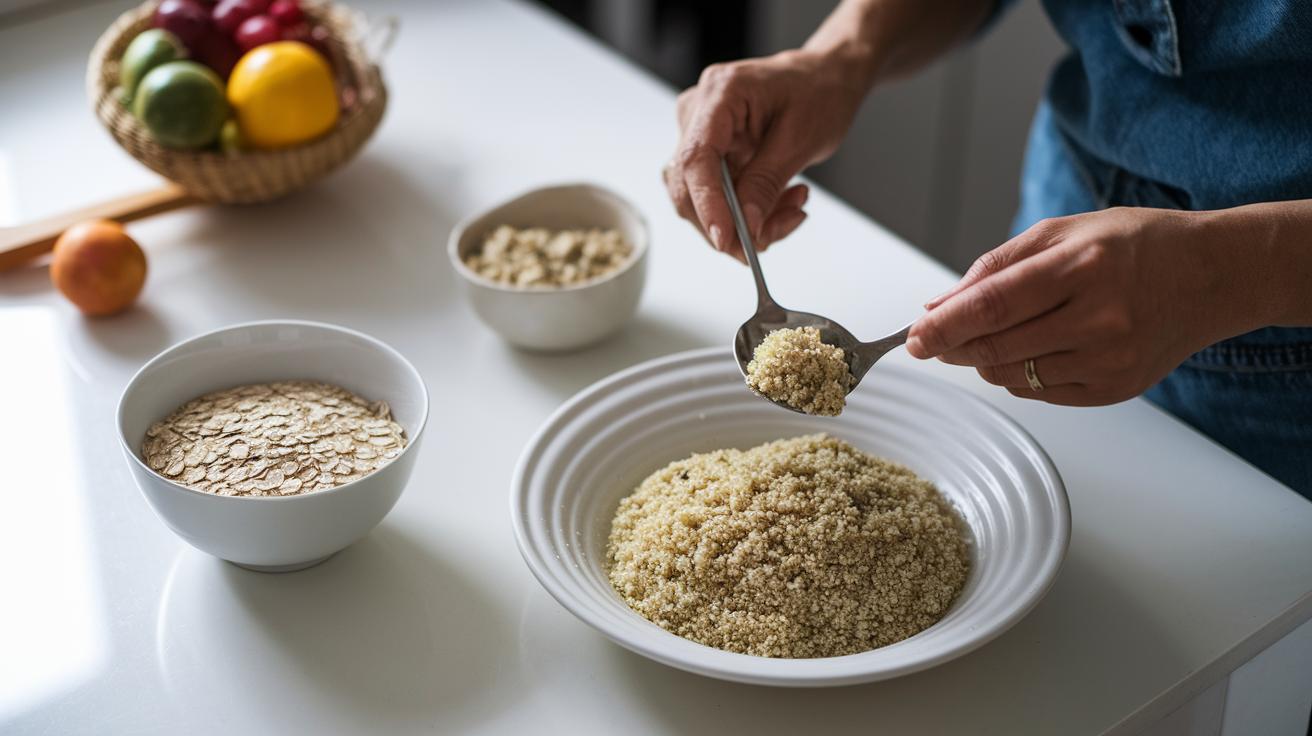
This meal plan is meant to give you simple, nourishing meals after delivery while keeping your feeding times in check. It mixes tasty options with a clear schedule that helps you feel good and cared for. For dinner, you might choose a light grilled chicken or go for paneer with quinoa for a fresh twist. One mom shared, "Switching up between grilled chicken and paneer with quinoa made each dinner feel new and satisfying."
| Meal Time | Food Items | Portion Guidelines |
|---|---|---|
| Early Breakfast | Oats porridge with milk and nuts | 1 bowl (about ½ cup oats, 1 cup milk, and a small handful of nuts) |
| Mid-Morning Snack | Papaya fruit salad | 1 serving of fruit |
| Lunch | Brown rice, lentil curry, and mixed vegetables | 1 cup grains, about ¾ cup protein, and 2 servings of vegetables |
| Afternoon Snack | Whole-grain toast with peanut butter | 1 slice of toast with 1-2 tbsp of peanut butter |
| Dinner | Grilled chicken or paneer with quinoa and sautéed greens | 1 portion of protein, 1 cup of grains, and 2 servings of vegetables |
| Bedtime Snack | Yogurt with honey and seeds | 1 cup yogurt with about 1 tbsp of seeds |
Hydration and Supplement Recommendations for Breastfeeding Mothers

Staying well-hydrated is really important for keeping your milk supply up and your body feeling good. Try to drink about 10 to 12 cups of water or herbal tea every day. I often keep a small pitcher of cool herbal tea nearby, it feels like a little treat that keeps me nourished all day.
Drinks full of electrolytes, like coconut water, can give you an extra boost by helping your body keep the right balance of fluids. They add a fun, tropical twist to your daily routine while giving you the minerals you need.
When you breastfeed or pump regularly, it helps your body know that more milk is needed. It’s like a gentle reminder to grab a sip whenever you’re thirsty. Think of it as one more way to care for both you and your baby.
You might also want to add a daily multivitamin (similar to what you’d use when expecting) along with a 200–300 mg DHA supplement. These can help support your overall health and even give your baby a little boost in brain development during those precious feeding times.
Foods and Ingredients to Avoid While Breastfeeding

When you're breastfeeding, some foods might make it harder for your milk to flow or upset your baby’s tummy. It’s important to keep an eye on your choices because not every tempting food is the best fit for you and your little one. For example, too much caffeine can make your baby feel uneasy, and alcohol might slow down your milk let-down. Staying away from very processed foods and too much added sugar can help keep things smooth and comfortable for both of you.
Here are some items to try and limit:
- Caffeine above 200 mg per day (this might irritate your baby)
- Alcohol (it can interfere with your natural milk let-down)
- Highly processed foods and added sugars
- Coffee, energy drinks, and other high-caffeine drinks
- Vegetables like broccoli and cabbage that can cause gas
- Foods that might trigger allergies if your baby shows signs of sensitivity
- High-mercury fish (opt out of choices like swordfish and king mackerel)
Making these gentle changes may help create a calmer, more nourishing feeding experience for you and your baby.
Customizing Your Diet Chart for Personal Breastfeeding Needs
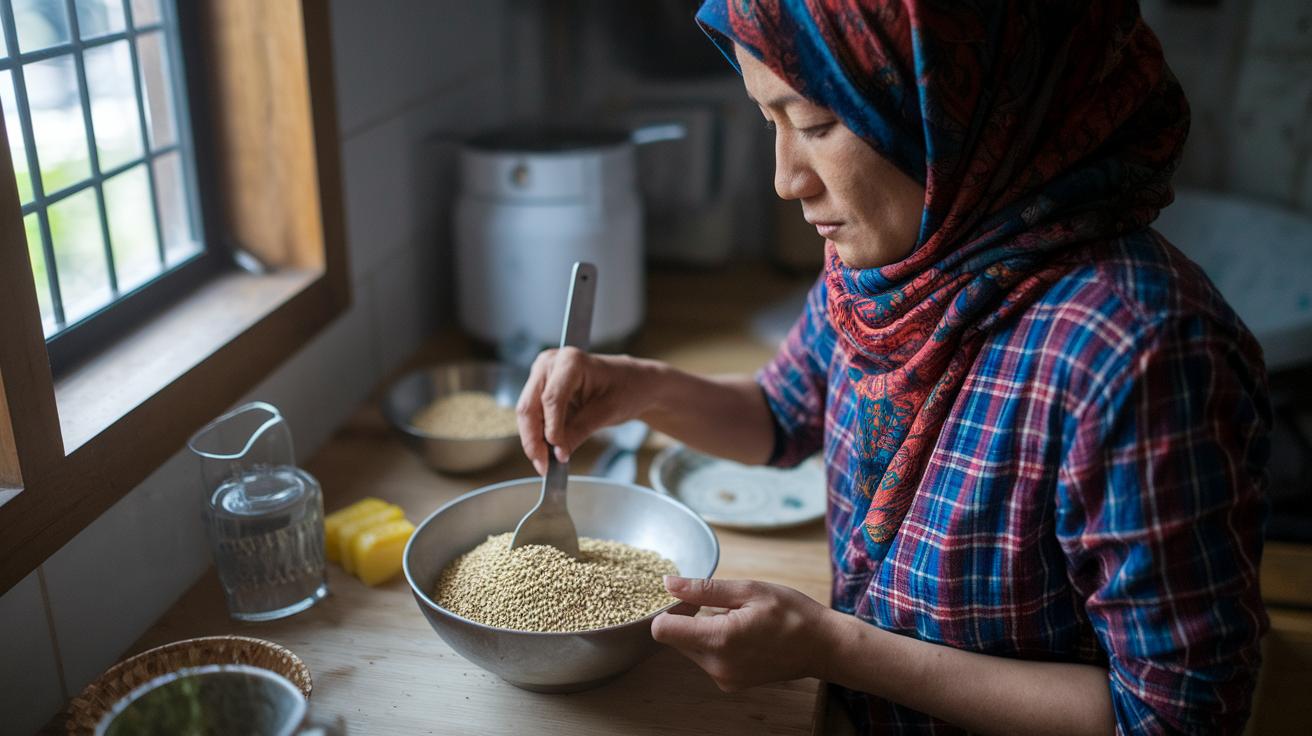
When planning your meals, think about your favorite cultural foods and any special diet rules you follow. For instance, if your home enjoys staples like millet or sorghum, try switching out common grains like brown rice with these local choices. One mom said, "I replaced oats with local millet porridge, and it made my breakfast feel more comforting and familiar."
Watch your weight after giving birth, aiming to lose about 0.5 to 1 pound each week. This slow, steady pace helps keep your milk coming while making sure you have energy throughout the day. Sometimes, prepping your meals with care can guide you to the right mix of nutrients, so adjust your snacks or portion sizes if you feel extra hungry during busy times.
If you notice your body wanting something special, add local fruits and veggies into your diet. They’re tasty, nutritious, and familiar to your palate. Try different recipes until you find the ones that work best for you. Small changes like these can help you balance your carbs, proteins, and healthy fats while keeping both you and your little one happy.
Final Words
In the action from our guide, we broke down a complete milk-boosting plan that covers calorie needs, nutrient breakdown, and smart hydration habits. We outlined a sample meal plan with balanced portions and smart food choices while highlighting ingredients to avoid. This breastfeeding mother diet chart offers an easy-to-follow framework that can be adapted to your unique needs. It leaves you with practical advice and a clear roadmap for a healthy, confident approach to nurturing both you and your baby. Keep striving, and enjoy the rewarding moments each day brings.
FAQ
What is a breastfeeding mother diet chart for weight loss and where can I find a PDF version?
The breastfeeding mother diet chart for weight loss offers a printable guide with nutrient‐rich meals and proper portion sizes to help boost milk production and support gradual postpartum weight loss.
What diet supports increased milk production for breastfeeding mothers?
The diet for breastfeeding mothers to increase milk focuses on balanced meals with whole grains, lean proteins, fruits, and healthy fats to promote milk supply and maintain your energy.
What foods should breastfeeding mothers avoid to support their baby’s digestion?
The list of foods to avoid while breastfeeding includes items like high caffeine, alcohol, highly processed ingredients, gas‐causing vegetables, and any allergenic foods if your baby shows sensitivity.
What are some food suggestions and meal plans available for breastfeeding mothers?
The food suggestions and meal plans include options such as oats, fruits, lean proteins, and veggies, laid out in guides like a 28‑day diet plan menu that offers balanced meals with clear portion sizes.
How can a breastfeeding mother adjust her diet to help avoid a gassy baby?
The breastfeeding mother diet to avoid a gassy baby recommends meals that steer clear of gas‐inducing foods like broccoli, cabbage, and some legumes, while emphasizing easily digestible, nutrient‐rich ingredients.
What is considered the best diet for breastfeeding mothers?
The best diet for breastfeeding mothers is one that centers on whole grains, fruits, vegetables, lean proteins, and healthy fats, supporting both optimal milk production and personal recovery after delivery.
What does the 3‑3‑3 rule for breast milk mean?
The 3‑3‑3 rule for breast milk describes a guideline for dividing meals or nutrients into three equal parts meant to maintain balance, though details can vary based on individual needs and professional advice.
What does the 4‑4‑4 rule for breast milk imply?
The 4‑4‑4 rule for breast milk suggests a structured approach to meal and nutrient distribution during lactation to support milk production and maternal health, with specifics that may vary by recommendation.