Have you ever noticed how what you eat can help boost your milk supply? Protein is key to getting the right nutrients for you and your baby. When you enjoy foods like Greek yogurt, lean chicken, or eggs, you’re not only eating well, you’re giving your body the fuel it needs to recover after delivery and to grow stronger. Each bite is a small step toward feeling more energized. In this post, we share some simple tips on the best protein choices to support your lactation.
Optimal Protein Targets for Breastfeeding Mothers
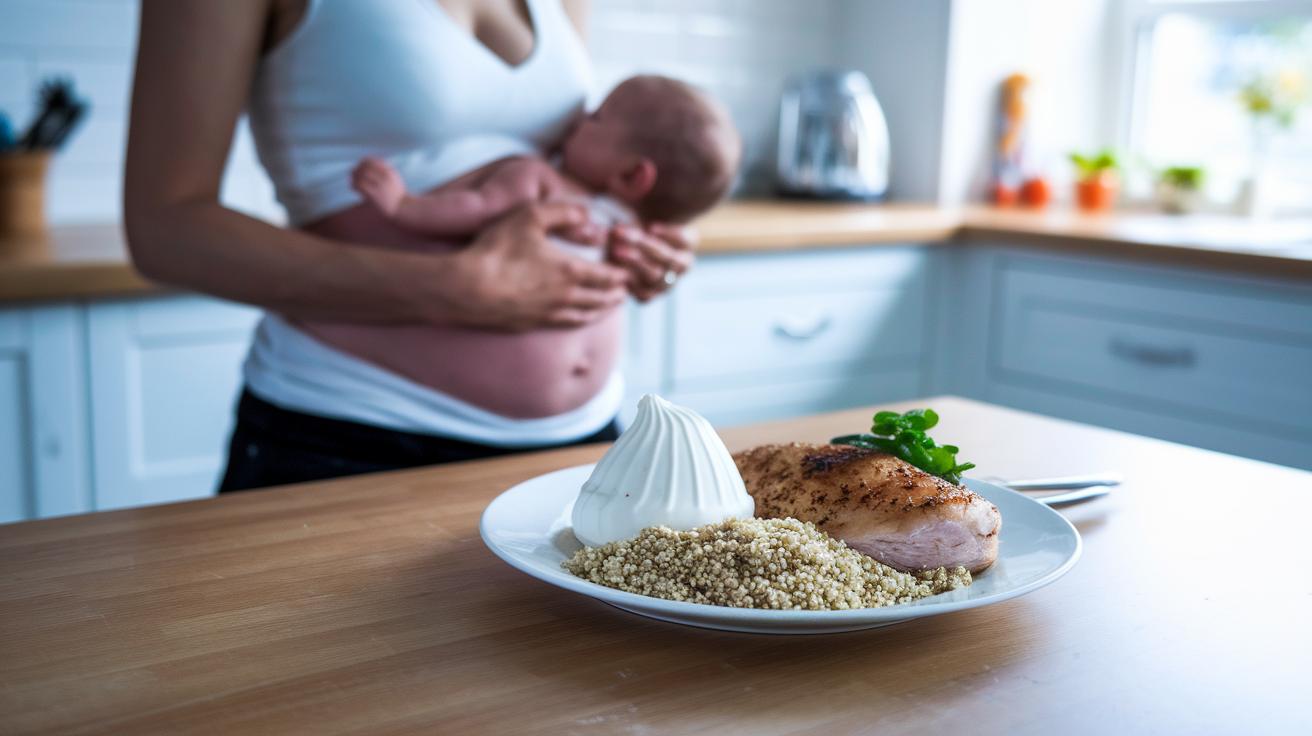
When you're breastfeeding, about one-quarter of your daily calories should come from protein. Guidelines suggest that moms aim for roughly 71 grams per day, which works out to about 1.1 grams for every kilogram of your weight. This protein helps support your little one's growth and aids in your recovery after delivery. For instance, adding a serving of Greek yogurt (which gives you between 15 and 20 grams of protein) can be a tasty way to meet your daily goal.
It's also important to mix in some complex carbs and healthy fats so you feel energized all day and your immune system stays strong. Imagine a meal with lean chicken, quinoa, and steamed vegetables, it’s not just delicious but packs in fiber and vitamins along with your protein. Keep in mind that super high-protein meals aren’t the best idea; they can throw off your blood sugar balance. Instead, try to spread your protein out through the day, enjoying meals that are both nutritious and satisfying, like a warm egg and vegetable frittata that offers about 6 grams of protein per egg and brain-boosting nutrients.
Animal-Based Protein Rich Foods for Breastfeeding Mothers

When you're breastfeeding, getting enough protein is really important for both your body and your baby. Lean meats, seafood, eggs, and dairy are great choices that pack in all the essential building blocks your body needs. For instance, chicken gives you plenty of protein without too much saturated fat, and salmon is full of omega-3 fatty acids that help support your brain and immune system.
Dairy options like Greek yogurt and cottage cheese are super easy to mix into your day. Even one egg can give you a nice boost of protein along with vitamins that support milk production. These foods work as the foundation for meals that nourish both you and your little one. You might enjoy adding them to salads, stir-fries, or even a simple snack platter to easily meet your daily protein needs.
| Food | Serving Size | Protein (g) | Lactation Benefit |
|---|---|---|---|
| Lean Chicken Breast | 3 oz cooked | 26 | Supports muscle repair and milk production |
| Salmon | 3 oz cooked | 22 | Rich in omega-3s for baby’s brain and immune support |
| Greek Yogurt | 1 cup | 15-20 | Provides quality protein and calcium for recovery |
| Large Egg | 1 egg | 6 | Delivers key nutrients that support milk production |
| Extra-Lean Beef | 3 oz cooked | 22 | Supplies complete protein and iron for energy |
| Cottage Cheese | 1/2 cup | 14 | A tasty snack that adds rich, high-quality protein |
Plant-Based Protein Options for Breastfeeding Mothers
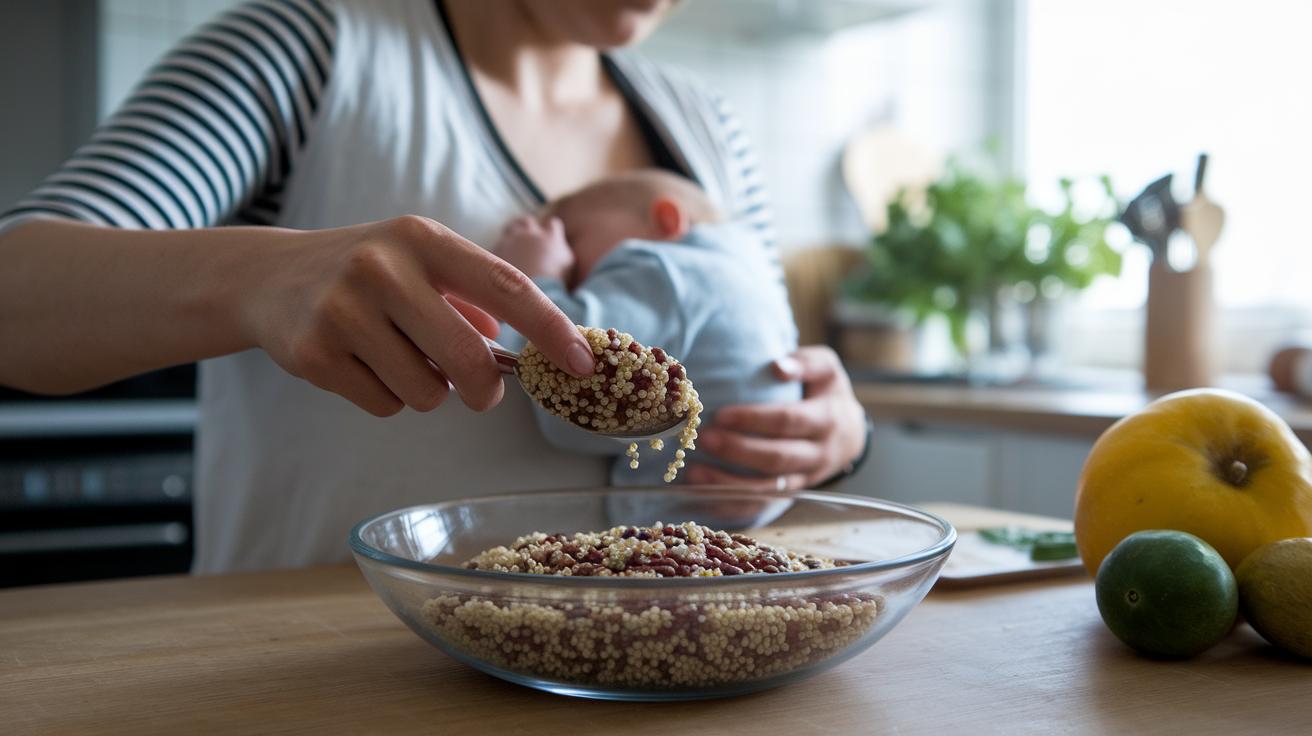
Hey mama, if you’re thinking about a plant-based diet while breastfeeding, there are plenty of tasty ways to get the protein you need. Foods like nuts, seeds, beans, peas, and whole grains all bring their own protein benefits. Just keep in mind that no single plant food has every essential amino acid, so mixing different foods throughout your day makes your meals complete.
Take quinoa, for example. One cooked cup gives you about 8 grams of protein along with fiber and magnesium. It’s a real treat when tossed with roasted veggies and a drizzle of olive oil. Pairing foods like lentils, tofu, tempeh with beans or legumes means you’re setting yourself (and your little one) up for balanced, nourishing meals.
Here are some ideas to try:
- Quinoa: 1 cooked cup provides about 8 g of protein. It makes a hearty side dish when mixed with roasted veggies.
- Lentils: 1 cup cooked offers around 18 g of protein. A warm bowl of lentil soup with a slice of whole grain bread can feel so comforting.
- Edamame: 1 cup of steamed edamame brings nearly 17 g of protein. A pinch of sea salt and a squeeze of lemon turns it into a delightful snack.
- Firm Tofu: A 3 oz serving gives between 10–20 g of protein. Cube it and stir-fry with crisp veggies for a quick meal.
- Tempeh: A 3 oz serving supplies about 15 g of protein. Marinate and pan-cook it for a savory touch in your salad.
- Chickpeas: 1 cooked cup provides roughly 15 g of protein. Roasting them with your favorite spices makes for a crunchy, protein-packed bite.
- Black Beans: 1 cup cooked offers about 15 g of protein. They’re great in wraps or even mashed into a tasty spread.
Mixing these options throughout your day can make mealtimes easy, delicious, and nutritious for both you and your baby. Have you ever noticed how small tweaks in your meals can brighten your day? Enjoy exploring these choices and savor each bite!
High-Protein Meals and Snacks for Breastfeeding Moms
Snacks
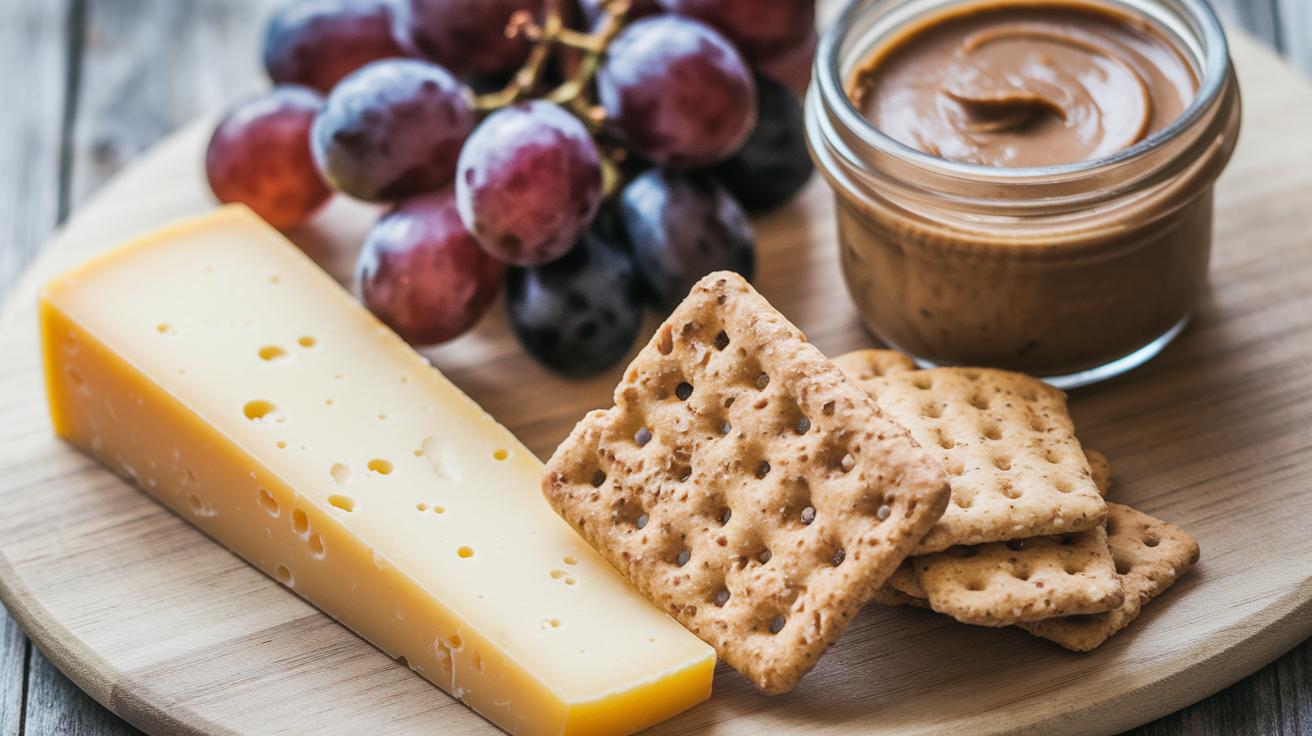
When you’re on the go, a quick snack can feel like a little boost of energy. Try pairing a stick of string cheese with a handful of grapes or spreading some nut butter on whole-grain crackers. This easy treat gives you about 15–20 grams of protein, perfect for busy days where you need a bit of extra nourishment to support breastfeeding.
Breakfasts
Starting your day with a protein-packed meal can set a warm, positive tone. Think of a veggie and cheese egg frittata, a Greek yogurt parfait topped with crunchy granola, or a bowl of overnight oats made with milk. Each of these choices offers over 20 grams of protein. Imagine preparing your overnight oats with low-fat milk, fresh berries, and a sprinkle of chia seeds the night before, and waking up to a comforting meal that helps you feel ready for the day.
Lunches
Lunchtime is a great chance to enjoy a hearty meal that nourishes your body and keeps your energy up. Enjoy a tuna salad on whole-grain bread, a grilled chicken and quinoa salad, or even a chickpea and veggie wrap. These meals are filled with lean proteins, vitamins, and fiber, making them a balanced option that carries you through the afternoon with steady energy.
Dinners
Evenings call for a satisfying plate that supports recovery and milk production. Enjoy dishes like salmon with sweet potato and asparagus, a warm turkey-bean chili, or a stir-fry with shrimp or chicken tossed with brown rice and vegetables. With around 20–25 grams of protein per serving, these dinners not only taste great but also offer a full range of nutrients to wrap up your day.
Shakes
When time is tight, a protein-rich shake is a wonderful choice. Blend milk or your favorite nut milk with a scoop of protein powder, some fresh fruit, and a dollop of nut butter for a delicious drink. In just minutes, you’ll have a smooth, nourishing shake that packs about 20–25 grams of protein, perfect for a quick snack or an extra boost between meals.
Balancing Protein with Other Nutrients in Lactation Diet

When you pair protein with whole grains and healthy fats, you’re creating a meal that not only fills you up but also helps support the quality of your milk. Imagine enjoying a lean protein like turkey next to a slice of whole grain bread, a piece of fresh fruit, or even a couple slices of avocado. You get a good mix of B vitamins such as niacin, thiamin, riboflavin, B6, and B12, plus a boost of vitamin E, iron, zinc, and magnesium. These nutrients work together to help your body recover after delivery and keep your energy steady throughout the day. Think of it like a comforting meal: grilled turkey with quinoa and a little salad drizzled with olive oil gives you nourishment that lasts.
Also, adding fiber from beans, lentils, and whole grains helps your digestion and keeps your blood sugar in check. And if you swap out processed meats and full-fat dairy for leaner meats and low-fat options, you can cut down on extra saturated fat. This approach makes it easier to plan meals that support both you and your baby, helping you feel strong and supported every day.
Tips for Incorporating Protein Rich Foods into a Busy Breastfeeding Schedule

On weekends, try cooking a big batch of protein-rich meals like chicken, turkey chili, or hearty bean stew. Then, divide them into small containers so you can grab a quick, ready-to-eat meal on busy days. It really saves time and helps reduce stress.
Another idea is to make overnight oats. Mix raw oats with low-fat milk, Greek yogurt, or even a bit of protein powder, and add some fresh fruit. One bowl can give you over 20 grams of protein to kickstart your morning.
For those hectic moments, always have some portable snacks on hand. Pack your bag with hard-boiled eggs, a stick of string cheese, or a tuna pouch. These little fixes give you a protein boost when you’re on the move and help keep you nourished between feedings.
You can also whip up some homemade protein bars or bites. Mix oats with nut butter and your favorite seeds. Each bite packs about 8 to 10 grams of protein, and you can add dried fruit or a little honey if you like. It’s an easy snack to make.
Finally, try blending a nutritious smoothie. Combine milk or nut milk with your favorite fruit, a spoonful of nut butter, and protein powder. In under five minutes, you’ll have a tasty drink that adds an extra 20 to 25 grams of protein. It’s perfect for a busy afternoon and helps keep you fueled all day.
Guidelines and Considerations for Protein in Breastfeeding Nutrition

When you're planning your meals, think of your plate as a mix of flavors and nutrients. Instead of piling on all your protein at once, try spreading it out over the day. This little trick helps keep your energy steady and each meal really counts. For instance, a lactation-friendly shake can be a lifesaver on days when whole foods aren’t enough, one serving gives you about 12 grams of protein, and two servings bump you up to 24 grams. Plus, remember to fill your plate with whole grains, fruits, and healthy fats to support your recovery and keep your energy up. And if you feel ready, gentle exercises like walking or yoga are a great start. Just a heads-up from the experts: save those intense workouts for about six weeks after childbirth.
It can also be really helpful to chat with a registered dietitian or join a support group for nursing moms. They’ll offer personalized advice that considers any dietary needs or allergies you might have. With their guidance, you can craft a meal plan that mixes protein-rich foods with other vital nutrients, supporting not just your milk supply but also your overall well-being during this special time.
Final Words
In the action, we explored daily protein targets and balanced meals to support both recovery and infant growth. We looked at animal- and plant-based options, along with easy meal ideas and quick snack choices for a busy everyday schedule. By mixing protein with whole grains, fruits, and healthy fats, you can build meals that support energy and well-being. Remember, practical strategies here help you include protein rich foods for breastfeeding mothers without overdoing it. Keep embracing simple, nourishing steps every day.