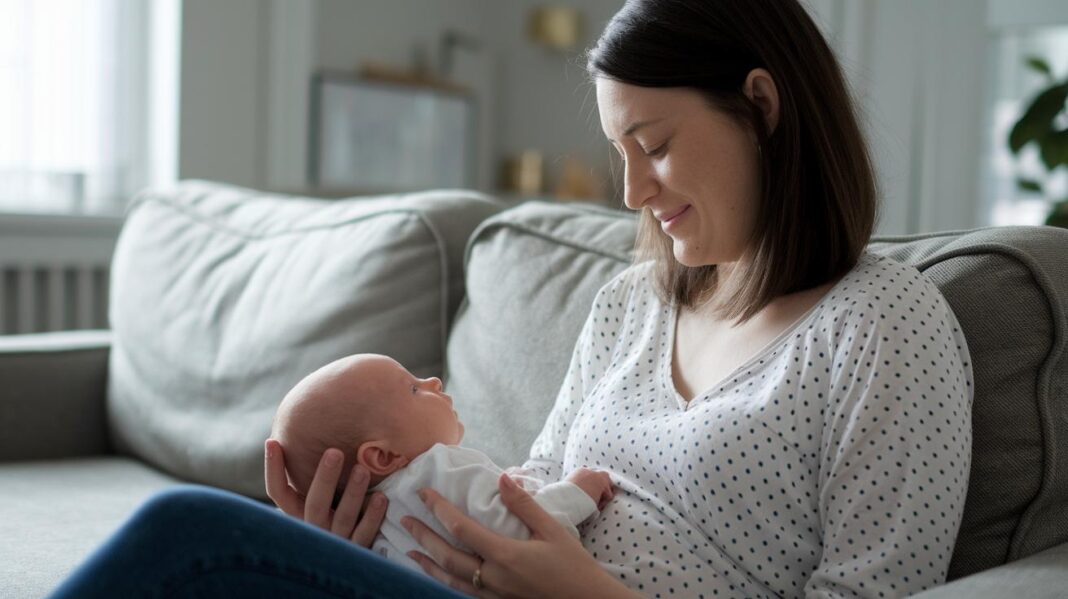
Over Easter I asked my mom and dad for parenting advice. I'm not a parent yet, but I want to be, and they handed me 11 rules that feel like a playbook — boundary-setting (kids are not your friends), clever psychology ('I already know the answer'), united parenting, making time, deep family chats (four chairs, no TV), 'mi sangre' loyalty, commitment to stick things out, call frequently, low-cost vacations, self-reliance ('you're not a princess, you're a president'), and lots of hugs. These are practical, sometimes tough, always rooted in love — and my favorite picture of my dad hangs over them all.
11 Parenting Lessons My Mom and Dad Gave Me
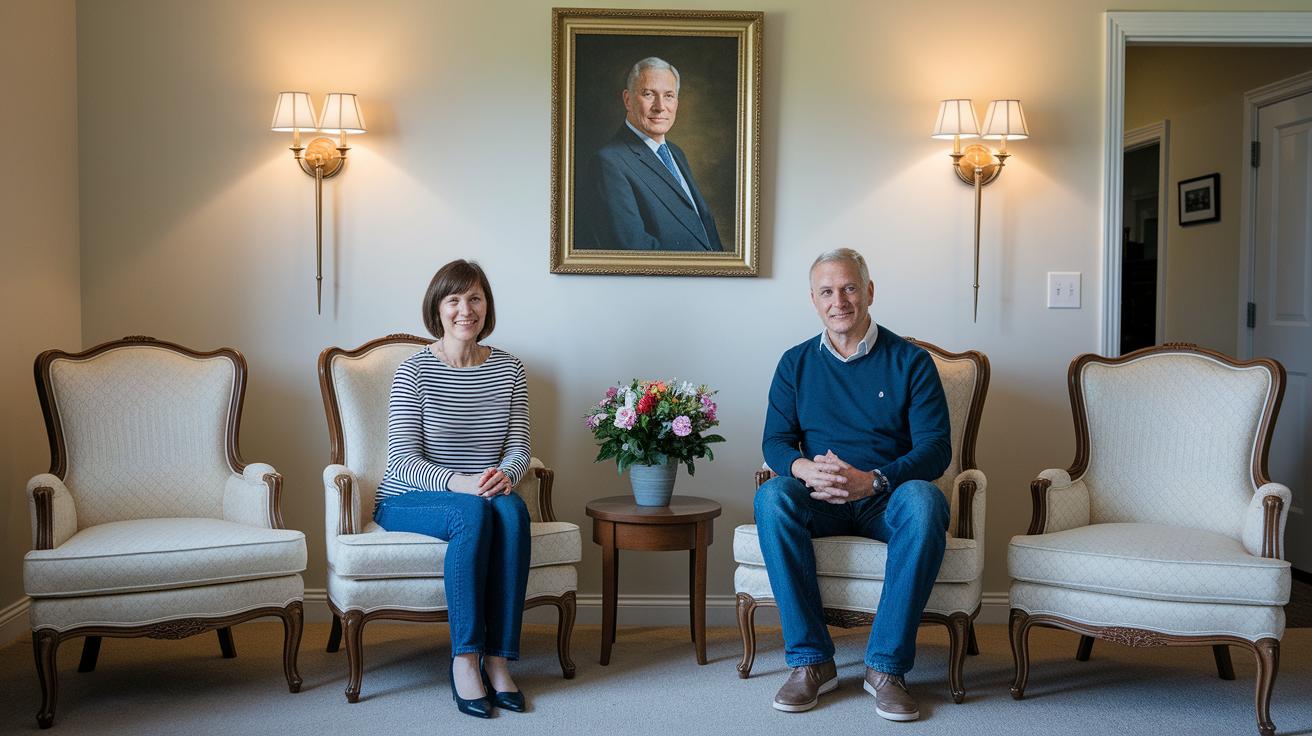
Over Easter I asked my mom and dad for parenting advice. I'm not a parent yet, but I want to be, and they handed me 11 rules that feel like a playbook , boundary-setting (kids are not your friends), clever psychology ('I already know the answer'), united parenting, making time, deep family chats (four chairs, no TV), 'mi sangre' loyalty, commitment to stick things out, call frequently, low-cost vacations, self-reliance ('you're not a princess, you're a president'), and lots of hugs. These are practical, sometimes tough, always rooted in love , and my favorite picture of my dad hangs over them all.
Discipline and Consequences: 'Karma Might Be a B*tch'
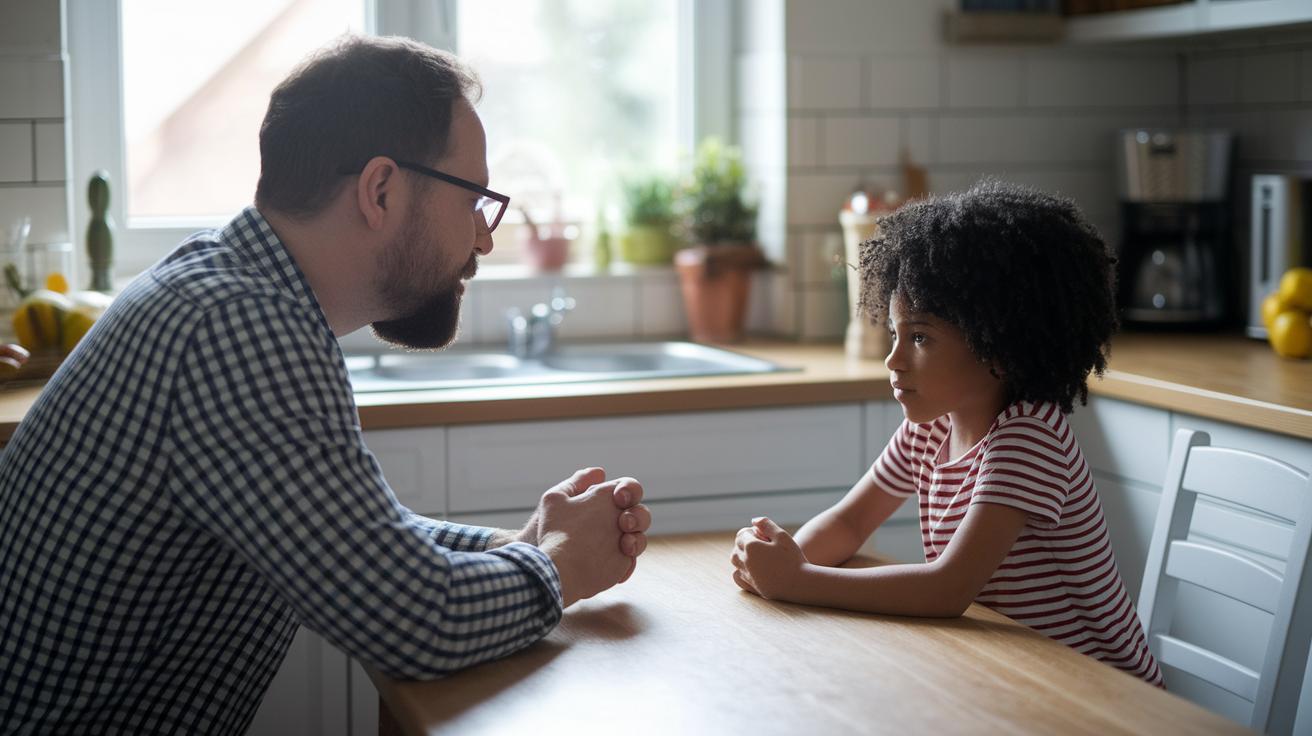
That cheeky reply , 'Ooof, karma might be a b*tch' , underscores a truth my parents lived: consistent consequences matter. They weren't trying to be mean , they set rules so we learned responsibility. My mom's 'psy ops' line, that she already knew the answer, let us confess and face the consequence. Combined with 'your kids aren't your friends' and a united front, consequences were predictable, not arbitrary. Predictability teaches accountability. A note of caution: discipline that shames damages; the best approach sets limits, explains why, follows through calmly, and repairs the relationship so kids learn to trust authority and make better choices.
Why Simple Rituals and Love Matter
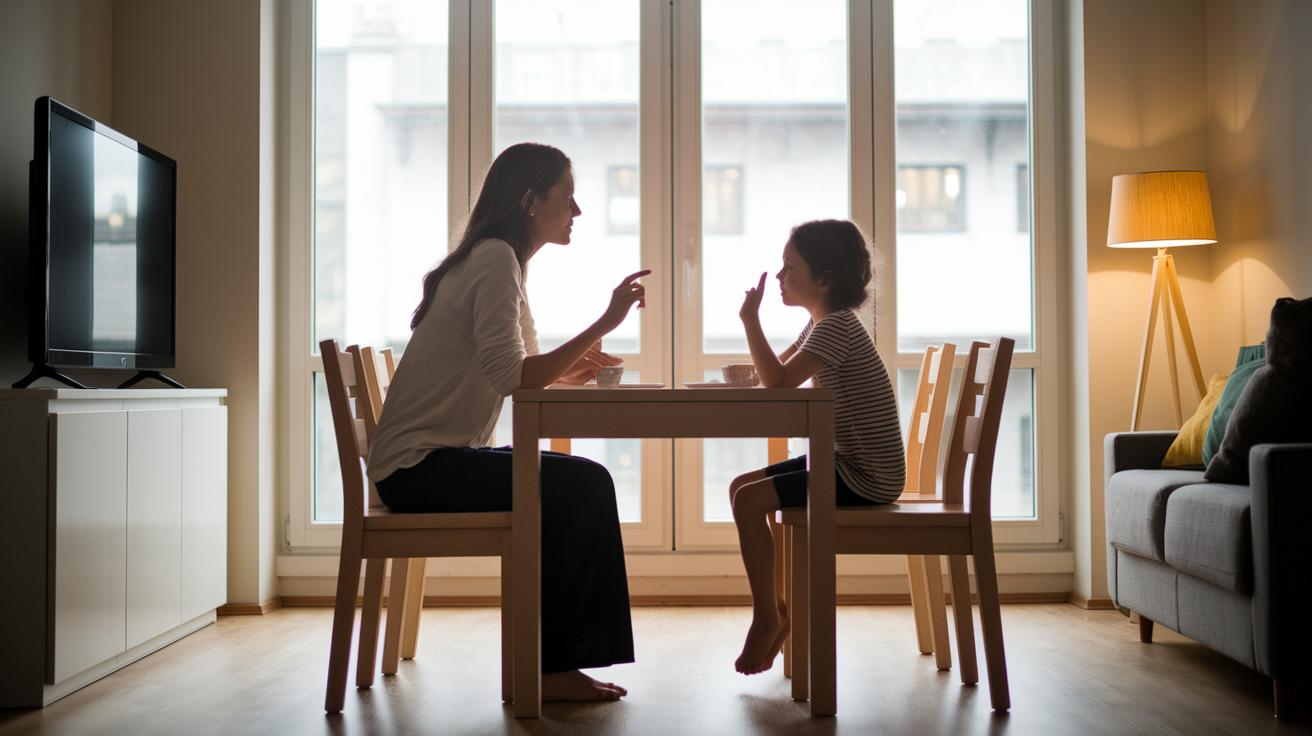
Simple rituals , 'four chairs', no TV, debates , plus showing up for games and hugging shaped my childhood. These rituals didn’t cost money but created belonging. My parents made time; they were present at every softball game and sat with us to argue politics without emotional attacks. 'Make time' and 'hug often and seriously' are two of the easiest, highest-return investments for parents. Rituals provide safety and teach kids how to process disagreement. Practical tip: create one weekly ritual (dinner, family debate, walks) and protect it , kids will remember the presence more than the presents.
Readers Ask: 'What Advice Do You Have?'

Short answer: pick a handful of the eleven and make them daily. Set boundaries , kids aren't friends; keep a united front; use clever scaffolding when asking tough questions; prioritize time; set rituals like the four chairs; practice family-first loyalty; hire family where appropriate; model commitment to finish activities; call family often; take low-cost adventures; empower self-sufficiency ('president' mentality); hug seriously. For new parents: start with two non-negotiables (consistent consequence, nightly presence) and add rituals gradually. Be flexible , every family is different. Talk to your partner about what matters most and protect that time.
Parents as Role Models: 'My Father Is My Biggest Inspiration'

My dad’s line , 'you’re not a princess, you’re a president' , encapsulates the model parents can be. They didn’t coddle; they taught agency, work, and service. Seeing them hold to principles (never contradicting each other in front of us, hiring family, sticking it out) made leadership look like service, not ego. Kids internalize tone, choices, and habits more than lectures. If you want to raise someone who steps up, show them how you step up: volunteer, keep promises, own mistakes, and be steady in crisis. That modeling becomes the blueprint children follow into adulthood.
Affection and Connection: 'Love You Guys!'
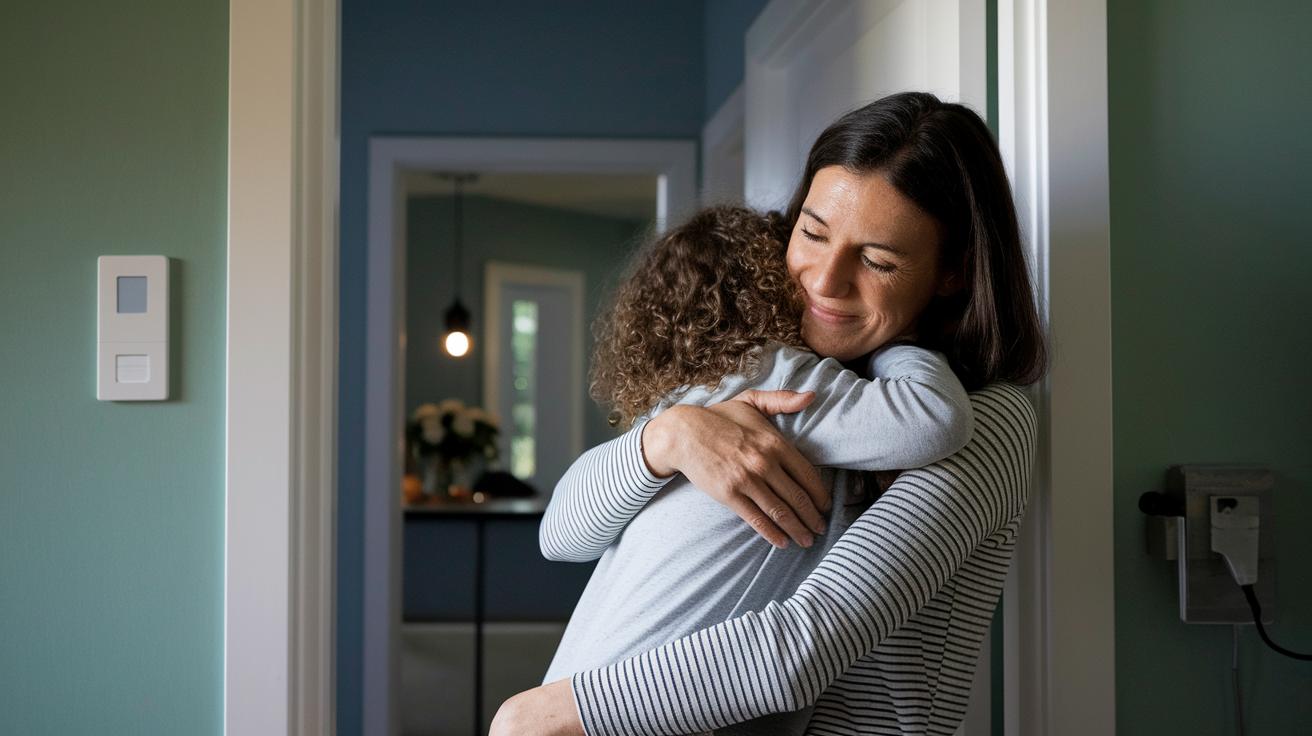
Affection is not fluff; it's biology and wiring. 'Hug often and seriously' and parents who hold you create secure attachment, better stress regulation, and confidence. My mom’s goodbye , 'vaya con dios' , wrapped love and faith into a single gesture. Small physical rituals signal safety. If you want to strengthen bonds, make hugs real (no distracted half-hugs), narrate feelings, and show up when it matters. Also, encourage apologies and repair after fights , affection should be the baseline you return to. Love isn’t optional; it's the safety net that makes rules and expectations feel manageable.
Partnership Matters: 'I'm Married' , Co-parenting Is a Team Sport

That blunt reply , 'I'm married' , hints at a larger point: parenting is rarely solo. My parents modeled a partnership: they rarely argued in front of us and always presented a united front. That consistency , not undermining each other , gave us clear rules and kept us from playing them off one another. Practical co-parenting: agree privately, define roles, present the same consequences, and pick your battles. Also make time to be a couple outside parenting. When the partnership is strong, kids get stability; when it's fractured, they become emotional middlemen. Marriage and parenting support each other if you nurture both.