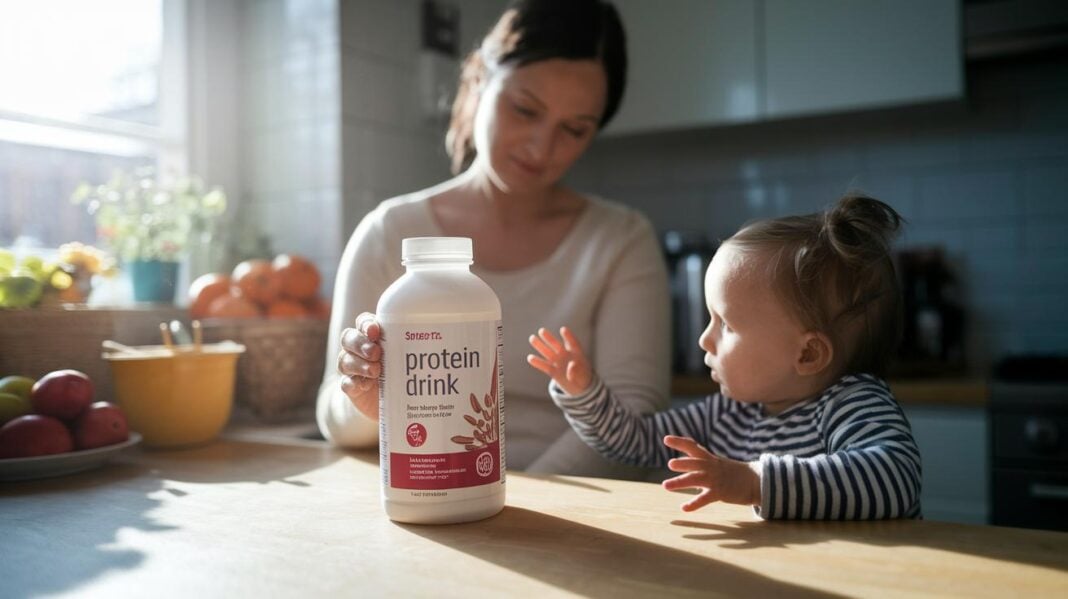
Ever thought your protein drink might do more than just quiet your hunger? When you're breastfeeding, every choice matters. The right protein shake can give you energy and even help boost milk production. Some shakes come loaded with extra nutrients, while others might include things you really don’t need. In this chat, we’ll look at what makes a protein drink a safe and smart pick for breastfeeding moms, so you can feel confident in your choice for you and your little one.
Safety and Efficacy of Protein Drinks for Breastfeeding Moms

When you’re breastfeeding, your body needs extra protein for milk production and healing. The World Health Organization suggests adding about 25 extra grams of protein each day during the first six months after your baby is born. A quick protein shake made with fruit and greens can be a lifesaver on busy mornings, giving you a burst of energy and helping you reach your daily nutrition goals.
Studies show that having up to 2 grams of protein per kilogram of body weight is safe for most healthy moms. Whey protein comes from dairy, and thanks to pasteurization, it’s generally safe while you’re nursing. Plant-based protein powders with at least 18 grams per serving are also easy for your body to use, supporting your recovery and even boosting milk supply.
That said, some protein drinks include extra ingredients that might not be needed. For example, fat-burning blends can have stimulants like caffeine, guarana, or ginseng. There’s also a chance that lower-quality drinks can contain a few heavy metals. Always take a close look at the labels and choose products with clean ingredients, so you feel confident and safe.
Nutritional Content and Dosage Guidelines for Lactation Shakes

When you're nursing, it really matters to get enough protein. Experts say that while you're pregnant, you should aim for about 75 to 100 grams each day. Then, once your little one arrives, you might need about 25 grams more to help your body recover and boost milk production. It can be as simple as mixing natural protein foods with a good lactation shake. Many moms have found that adding whole foods to their routine makes it easier to keep up energy through a busy day.
| Source | Serving Size | Protein (g) |
|---|---|---|
| Chicken breast | Approximately 1 piece | 43 |
| Lentils | 1 cup | 18 |
| Milk | 250 ml | 8 |
| Typical protein shake | 1 serving | About 20 |
You can adjust your serving sizes to match your own needs. For example, if your mornings feel rushed, blending a protein shake with fruit and greens can be a quick, flexible way to hit those protein goals.
Ingredients and Additives to Avoid in Nursing Protein Drinks

When you're choosing a protein drink while nursing, it's important to take your time and look carefully at what's inside. Sometimes, drinks that promise fat-burning benefits might also include stimulants that can give you a burst of energy, energy that might be too much for your routine. Imagine sipping on a fruit shake that hides a bit of green tea extract, giving you a surprise kick when you least expect it.
- Caffeine
- Guarana
- Ginseng
- Green tea extract
- Blends with more than five extra ingredients
Some low-quality protein powders have even been found to contain heavy metals like arsenic, cadmium, mercury, and lead. High-quality options follow strict standards, so always read those labels carefully. Choosing products with a simpler list of ingredients is a smart way to keep both you and your baby safer while you enjoy your nutritious drink.
Whey Versus Plant-Based Protein Drinks for Breastfeeding
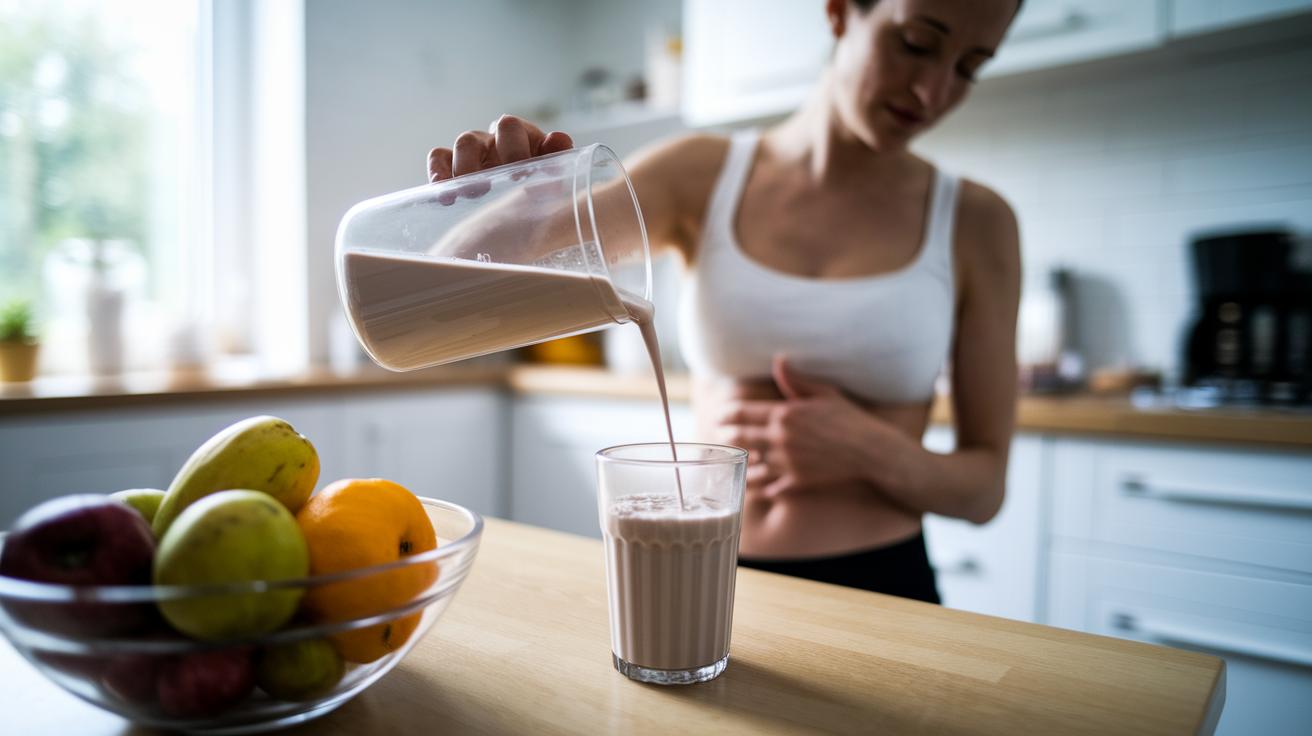
Whey shakes have a smooth, creamy feel that many breastfeeding moms love. They mix easily with fruits or greens, making them a tasty treat that feels both natural and nourishing. Studies show that whey shakes digest quickly, which can help keep your energy steady on a busy day. You might try blending whey with some berries for a snack that feels both comforting and energizing.
Plant-based protein drinks, on the other hand, offer a lighter taste with a bit of a thicker texture. Adding things like nut butter or avocado can bring a naturally nutty flavor to your shake, and some research suggests that the thickness helps you feel full longer. It might be fun to mix in a spoonful of your favorite fruit puree to add extra flavor and improve the texture.
When deciding which protein drink to choose, think about your taste and daily routine. Experiment with recipes at home to see if you’re more drawn to a light, creamy whey shake or a thicker, richer plant-based blend. These simple tips can help you decide which option keeps you fueled and ready for your day.
DIY and Ready-Made Lactation Shake Options

Making your own lactation shake is a sweet way to mix delicious taste with gentle nourishment. You can stir in organic vanilla whey or a plant-based protein with your favorite fruits, leafy greens, nut butters, or even avocado. It creates a meal substitute that gives you extra calories, nutrients, and fluids, a little boost that helps you recover after having a baby. Isn't it fun to mix ingredients you already love into a shake that energizes your day and eases postpartum recovery?
Here are a few ideas to try:
- Berry Green Boost – Blend organic vanilla whey with some fresh spinach, a mix of berries, almond butter, and almond milk. It’s a cool, antioxidant-rich drink that lifts your mood!
- Tropical Avocado Blend – Mix plant protein with avocado, mango, banana, and coconut water. This shake has a creamy, tropical vibe that feels like a mini-vacation.
- Nutty Banana Shake – Whip up whey protein with a ripe banana, a spoonful of peanut butter, and a sprinkle of cinnamon for an energizing treat that’s both tasty and filling.
- Green Detox Smoothie – Combine plant-based protein with kale, a crisp apple, a splash of lemon juice, and a hint of ginger. This vibrant shake tastes as refreshing as it sounds.
And hey, on days when you’re too busy or just not in the mood to make a shake yourself, you can count on reliable, ready-made lactation drinks. These drinks are made with simple, clean proteins and just a few natural ingredients. They might cost a little more than making your own shake from scratch, but their balanced nutrition can be a lifesaver on hectic days. Some moms even pair them with Foods that Increase Milk Supply for that extra nutritional boost.
Monitoring Milk Supply and Side Effects of Lactation Shakes

When you add a protein drink to your day, it’s a good idea to keep an eye on your milk supply. Many moms have noticed that a little extra protein can boost milk production and give you a burst of energy. You might see changes by watching how long your baby feeds or by noting the amount you pump. Keeping a simple journal or making a few notes about your usual feeding routine can help you see if the extra protein is really helping.
Watch out for signs like:
- Unusual tiredness or low energy
- Stomach trouble or digestive upset
- Swollen or puffy hands and feet
- Noticeable mood changes or feeling more irritable
If you start to notice these signs or if your milk supply suddenly changes, it might mean you’re getting more protein than your body needs. When that happens, it’s a good idea to talk with your healthcare provider. They can help adjust your nutrition plan so you and your baby feel safe and well.
Final Words
In the action of exploring how extra protein supports lactation, we looked at safe levels, practical sources, and comparing whey to plant-based options.
The article broke down dosage guidelines, DIY recipes, and ingredients to avoid in protein drinks and breastfeeding care.
It also covered ways to monitor milk supply while keeping baby safe. Stay confident in your choices and keep embracing the positive benefits of thoughtful nutrition and self-care.
FAQ
Q: Can breastfeeding moms drink protein shakes?
A: The question about whether breastfeeding moms can drink protein shakes means that many mothers add them as an extra protein source. They can support energy levels and milk production when made with quality, low-additive ingredients.
Q: How does protein intake affect milk production and overall maternal health?
A: The inquiry about protein intake affecting breast milk means that moderate protein supports milk production and energy. However, too much protein may stress the kidneys if amounts exceed safe guidelines.
Q: What protein shake options can support breastfeeding while managing weight?
A: The question on protein drinks and weight management implies that low-calorie, lean protein options can help moms maintain energy without excess weight gain. Selecting products with minimal additives can support both milk production and balanced nutrition.
Q: What constitutes healthy protein drinks for breastfeeding mothers?
A: The question on healthy protein drinks means that quality options, like natural whey or plant-based powders with minimal additives and low heavy metals, provide extra protein to support milk production and overall energy.
Q: Is too much protein harmful during breastfeeding?
A: The query about too much protein while breastfeeding means that exceeding safe limits, such as more than 2 grams per kilogram of body weight, may stress the kidneys. Moderation combined with balanced meals is key.
Q: What are good protein powder options for moms needing extra calories or weight gain?
A: The inquiry about protein powders for weight gain means that some powders offer higher calorie counts and quality proteins like organic whey or well-assimilated plant blends. These can help increase energy when combined with overall nutrition.
Q: Are Premier protein shakes suitable for breastfeeding?
A: The question about Premier protein shakes while breastfeeding means that while they offer a convenient protein boost, moms should carefully check the ingredient list for any stimulants or additives not ideal for lactation.
Q: Can I enjoy homemade breastfeeding protein shake recipes?
A: The question on breastfeeding protein shake recipes means that many moms have fun creating DIY blends with fruits, greens, and protein powder. These recipes offer a quick, nutritious option to boost energy and support milk supply.
Q: What is the 4 4 4 rule for breastfeeding?
A: The question about the 4 4 4 rule means that it refers to a guideline for feeding frequency and portions in early breastfeeding stages. Typically, it suggests regular feeds every four hours with consistent amounts, although individual needs vary.
Q: Which drinks or additives should breastfeeding moms avoid?
A: The inquiry about what drinks to avoid when breastfeeding means that moms should steer clear of fat-burning blends containing stimulants like caffeine, guarana, ginseng, or green tea extract, and check labels for high additive or heavy metal content.