

Have you ever thought about how gentle exercise during pregnancy might boost your energy and balance? Prenatal (care during pregnancy) exercise classes can help you feel stronger and more ready for your day. These classes usually include simple moves like brisk walking and gentle pelvic tilts that ease back pain and relax tired muscles.
In this friendly chat, we'll show you how these sessions can support a safe and active pregnancy, making everyday activities feel easier and more enjoyable. Imagine moving through your day with extra support and energy, knowing you're taking care of both you and your baby.
Understanding Prenatal Exercise Classes for a Safe Pregnancy
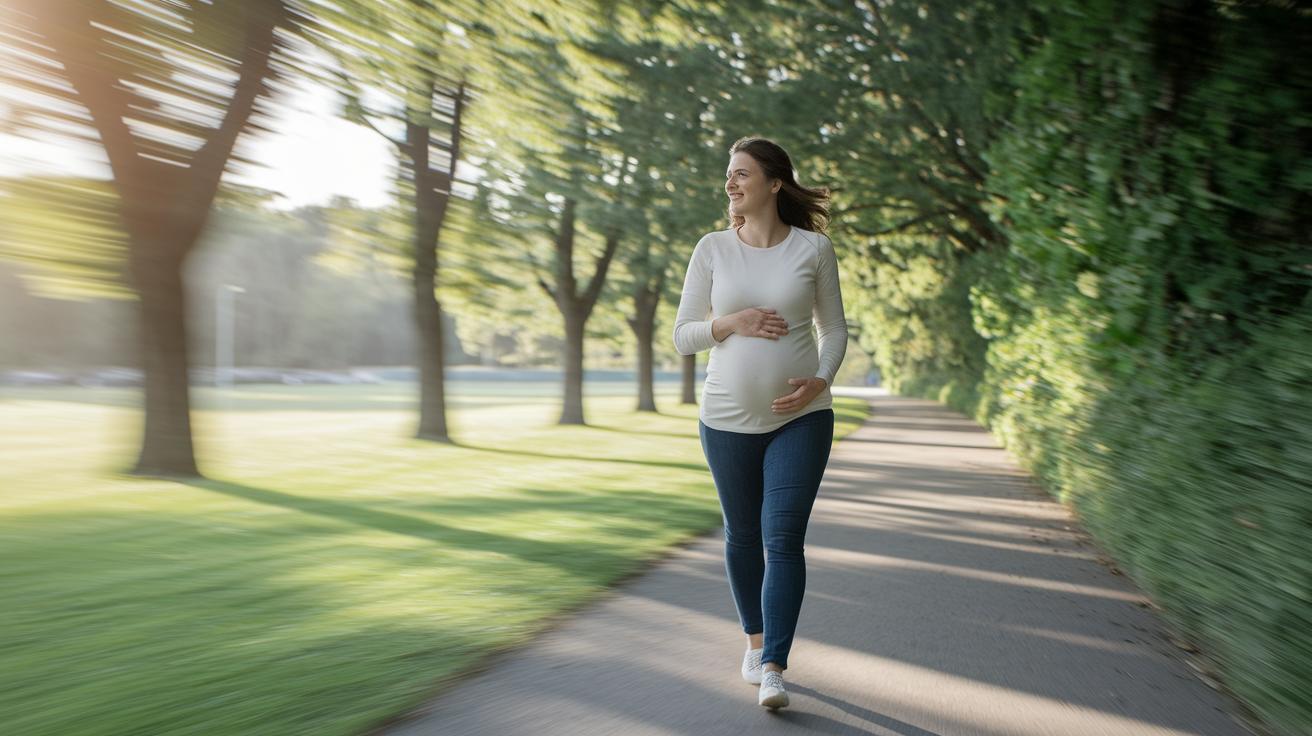
Prenatal exercise classes are a gentle way for moms-to-be to move every day. They help stretch and strengthen muscles so your baby can settle in just right. One great example is brisk walking. It not only helps make your back stronger but also stretches important muscles like the psoas (a muscle that helps with digestion and balance). One mom said, "My daily walk left me feeling more balanced and ready for my baby's arrival!" and you can imagine how reassuring that is.
These classes offer simple moves like:
- Pelvic tilts that ease back pain and relax tense muscles. Think of them like a mini reset for your body after a long day.
- Maternal positioning exercises that gently align your pelvis, getting it ready for labor.
- Forward-leaning inversion techniques that softly untwist ligaments around the uterus and cervix, which may help your baby move into the perfect spot for birth.
- Ball squeezes to improve your pelvic strength and overall comfort.
This home exercise routine mixes stretching with strengthening and is designed to be safe and supportive. It guides you step-by-step so that you feel strong, energized, and ready for the amazing changes ahead in your pregnancy.
Prenatal Exercise Classes: Feel Strong and Energized
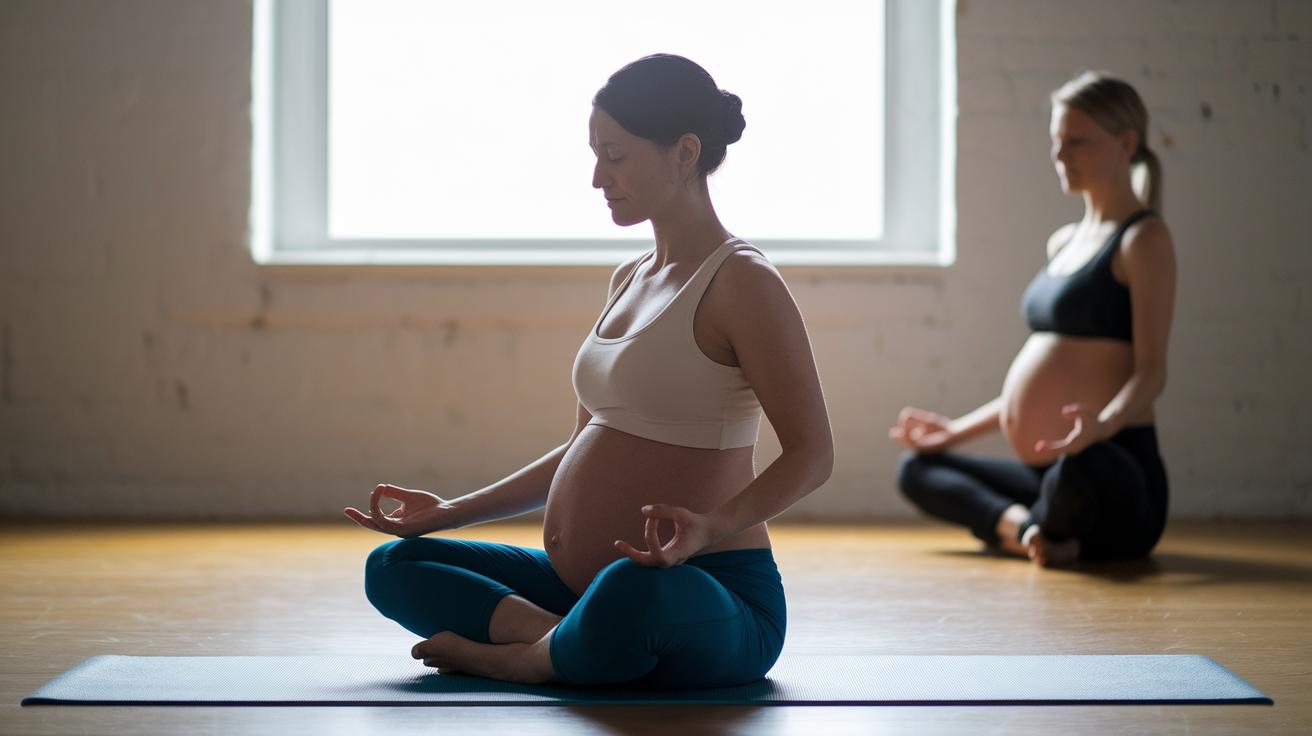
Prenatal yoga is a gentle way to stretch and breathe that helps relax your body and clear your mind. It opens up space for a bit of flexibility and keeps you balanced. Imagine easing into a pose that feels as comforting as a soft lullaby gently wrapping you in calm.
Pilates builds strength in your belly and helps keep your posture upright. The movements are smooth and controlled, kind of like brushing away everyday tension. And the best part is that you can adjust these exercises to fit your body during each trimester.
Water aerobics uses the gentle push of water to give you a heart-smart workout without putting pressure on your joints. It’s a bit like enjoying a cool dip on a sunny day, keeping your muscles active without overdoing it.
Barre classes mix light strength exercises with balance and alignment work. Think of it as a supportive routine with easy stretches and small movements that help you feel powerful and ready for the arrival of your baby.
Comparing Online and In-Studio Prenatal Exercise Classes
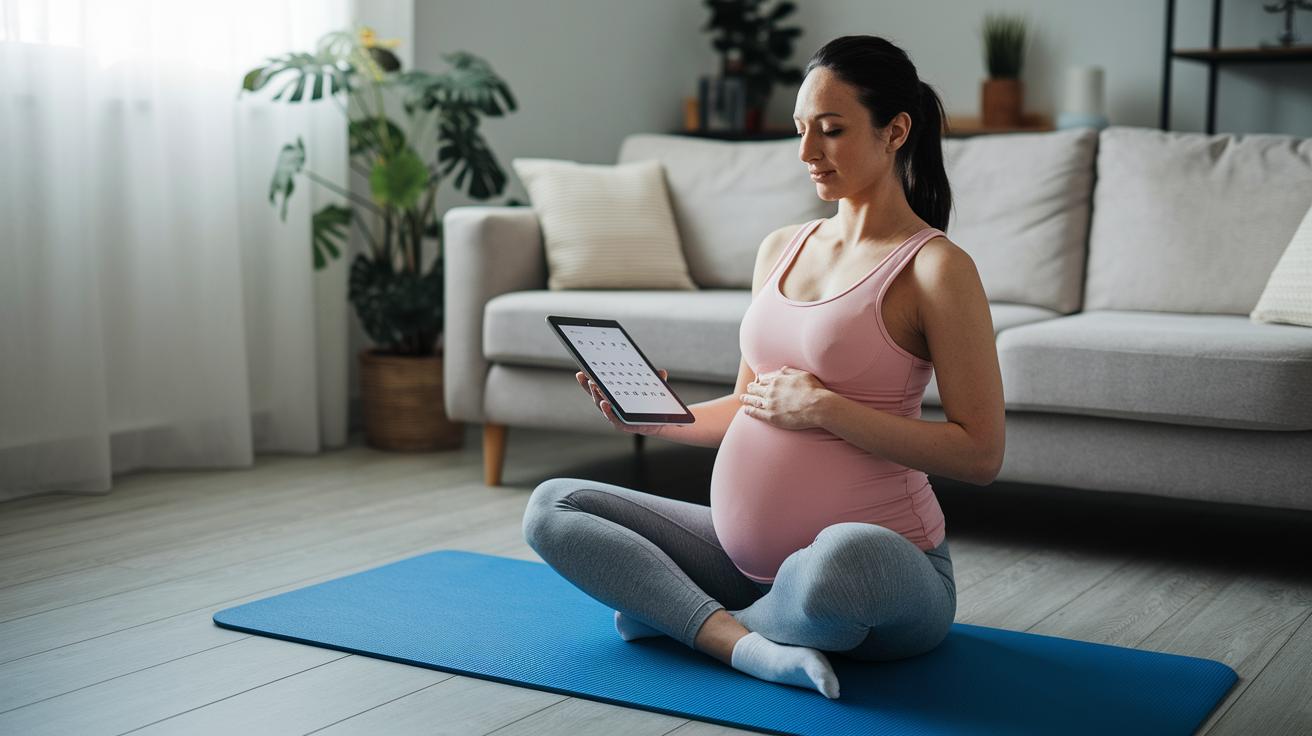
Online prenatal classes let you join live or watch on-demand video workouts that change as you move through your trimesters. One mom shared that a quick 15-minute low-impact workout at midnight made all the difference on a restless evening. It’s an easy way to fit exercise into your busy schedule. Plus, free downloadable trimester calendars break down safe routines, like five gentle ab exercises for early pregnancy or a 30-minute full-body session that’s kind to sciatica or SPD. And you can work at your own pace while chatting with other moms in community forums.
On the other hand, in-studio classes give you the chance to work right alongside an instructor who can help adjust your form on the spot. Being in a shared space can boost your energy and offer that extra sense of togetherness that many moms find reassuring.
Here are a few ways to compare the two options:
- Virtual classes bring home-based convenience and the freedom to choose your workout.
- In-studio sessions provide hands-on guidance and real-time feedback.
- Online calendars and videos let you pick the workout length and intensity that fit your day.
- A studio atmosphere might give you that extra push with group energy and accountability.
Each choice has its own perks, so you can decide which one best fits your daily routine and the kind of support you need during this special time.
Safety Guidelines & Trimester-Based Modifications in Prenatal Exercise Classes
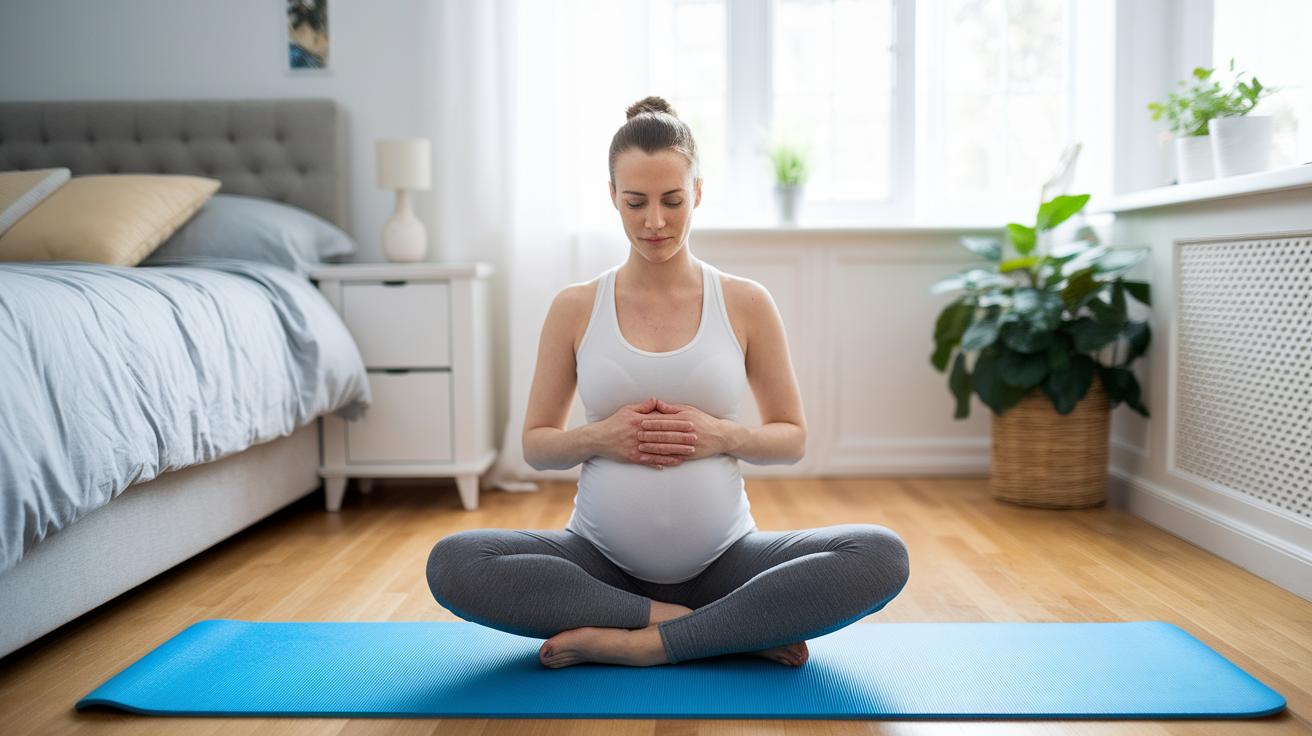
Listening to your body is key when you’re exercising. After 20 weeks, steer clear of moves that require lying on your back. Keep your posture straight and breathe evenly through every step. In your first trimester, it’s best to stick with gentle tummy exercises and soft pelvic tilts. Think of these moves like setting a solid foundation for your body, almost like building a strong framework for your home.
In the second trimester, try adding some balance drills and easy strength work. Imagine holding a pose that makes you feel steady; one mom even mentioned it felt like anchoring herself with each balance exercise. When you get to the third trimester, the focus shifts toward getting ready for labor. Explore gentle pelvic openers, low-impact cardio, and calming stretches that help ease any tension and get you set for birth.
Your trainer might remind you to check for things like diastasis recti, monitor your effort closely, and use support tools such as blocks or bands. Working with someone who really gets what your body needs can make sure every movement is safely adjusted as you move through pregnancy.
How to Choose the Right Prenatal Exercise Class & Instructor
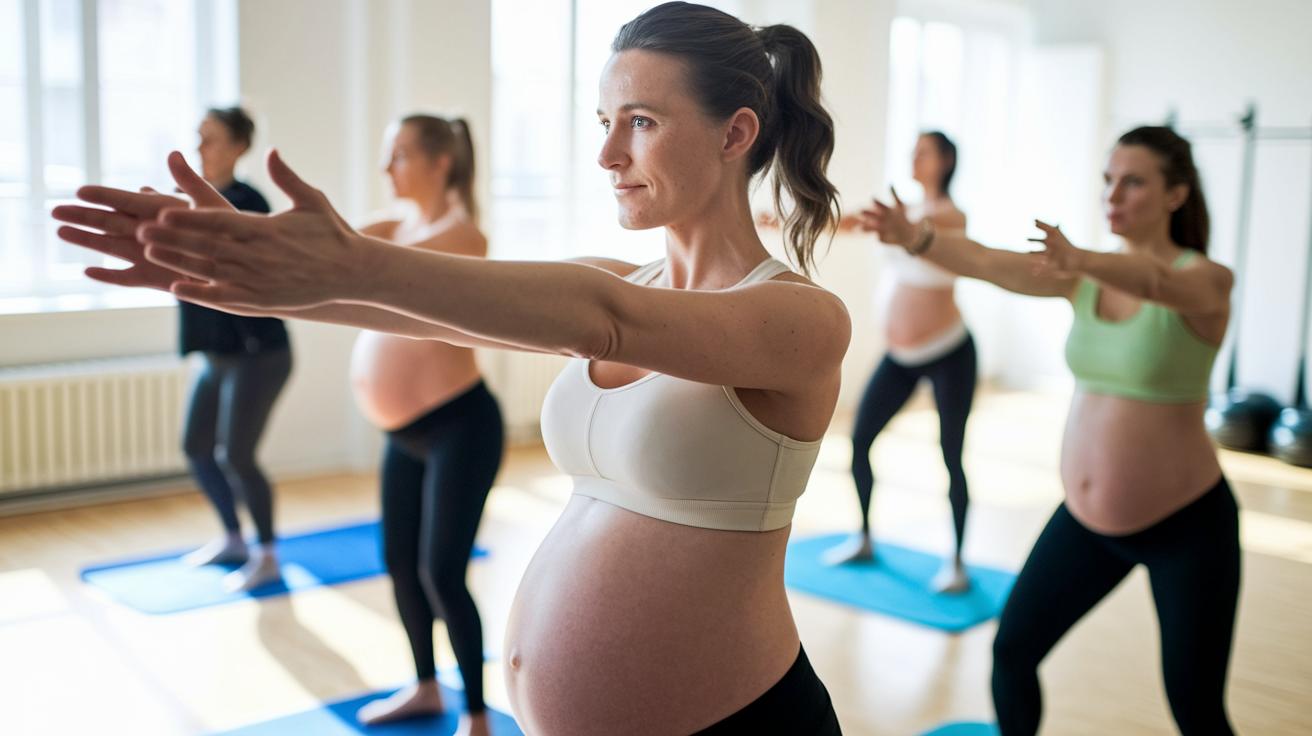
When you’re looking for a prenatal exercise class, start by checking out the instructor’s background. Make sure they are certified in prenatal fitness (like having ACE or AFAA certifications) and have CPR training too. This way, you know they truly understand how your body changes during pregnancy.
Next, think about the kind of program that feels best for you. Do you lean toward a hospital setting, a local community studio, or would you prefer working out from home in a virtual class? Smaller classes can mean extra personal attention, and having a friendly coach can really make a difference, just like one mom said, "Having a coach who notices my form makes all the difference, especially when I'm trying new moves."
For beginners, it’s a good idea to find a class that keeps things gentle with clear, step-by-step guidance. That way, your body stays safe while you build up your strength. Also, check if the instructor has experience addressing common pregnancy issues like diastasis recti (separation of abdominal muscles) or pelvic discomfort. When you find a class that matches your fitness level and gives you warm support, you can feel strong and energized throughout your pregnancy.
Scheduling, Pricing & What to Expect in Prenatal Exercise Classes
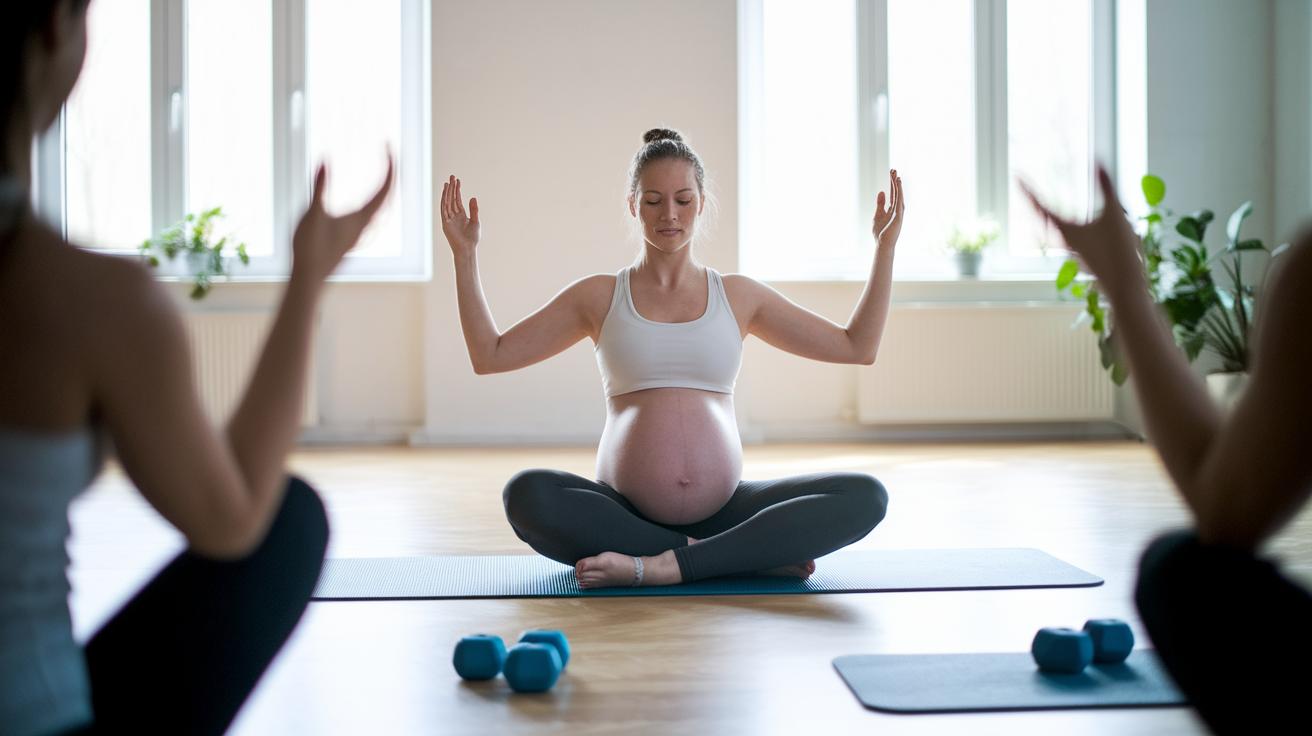
Most prenatal exercise classes last about 45 to 60 minutes and take place two or three times each week. The class usually begins with a gentle 10-minute warm-up that helps ease your muscles into action. Then, you move into a 30-minute core session that combines gentle strength moves, light cardio, and balance work to help you feel strong and steady. Finally, you end with 10 to 15 minutes of cool-down exercises and stretches, which give your body a chance to relax and your mind a moment of calm.
When you’re figuring out your schedule, there are a few different options available. Many community programs and online platforms offer free prenatal plans. If you prefer a studio setting, you might pay a drop-in rate between $15 and $35. There are also multi-class packages and monthly memberships that offer lower rates. Some programs let you choose from drop-in classes, printed guides, or even subscription-based streaming so you can work out at your own pace.
Here are a few quick points to remember:
| Session Length | Frequency | Pricing Options |
|---|---|---|
| 45–60 minutes | 2–3 times per week | Free, drop-in, class packs, subscriptions |
This setup makes it easy to balance a good workout with taking gentle care of your body during pregnancy.
Testimonials & Success Stories from Prenatal Exercise Classes

One mom said, "I felt overwhelmed by all the changes in my body and the nervousness about becoming a mom. The class not only helped me get physically stronger but also gave me the courage to believe in my own strength."
Another mom shared, "Around the middle of my pregnancy, I was really anxious. The gentle exercises and the honest support from other moms helped me feel calm again and boosted my confidence about the future."
Moms have also noticed:
- An unexpected wave of emotional support that went perfectly with the physical exercises.
- A boost in confidence thanks to the caring, one-on-one attention from the instructors.
- A comforting sense of belonging, which helped ease feelings of loneliness by connecting with a warm, supportive community.
Final Words
In the action, we covered the core elements of prenatal exercise classes. We talked about gentle movements that support a safe pregnancy, compared formats like online and in-studio classes, and reviewed trimester-based modifications. We also looked at how to choose a certified instructor and what to expect with session scheduling and pricing. Real-life testimonials showed the benefits of routines for strength, balance, and well-being. Exploring prenatal exercise classes can bring practical peace and confidence to your day. Stay positive and keep moving forward!


