

Have you ever thought mealtime could be a little celebration? As your baby grows, you start adding smooth fruits, veggies, and cereals into the mix. Milk is still the go-to at first, but trying in new flavors brings a spark of joy for both you and your little one. Each spoonful is a colorful step toward healthy eating. This guide walks you through simple steps to help your baby enjoy happy bites that support steady growth every day.
Foundations of an Infant Food Diet
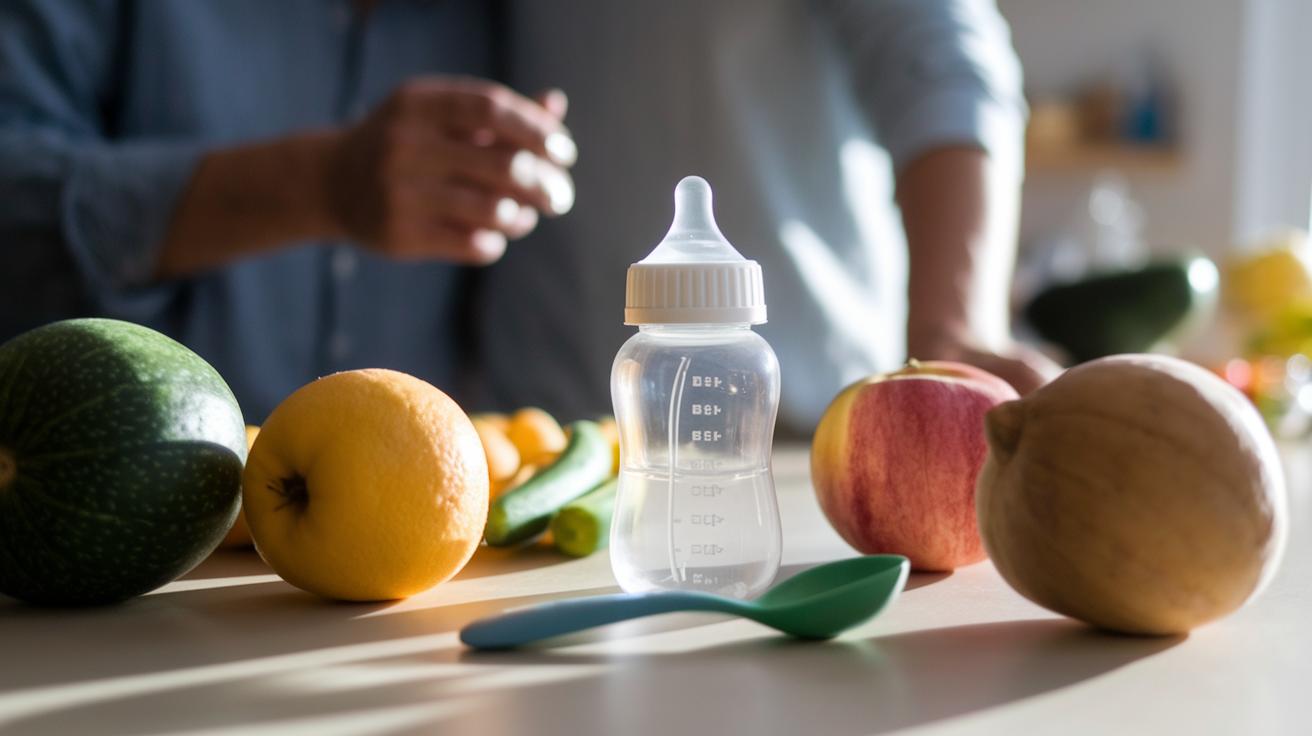
Breastmilk and formula give your baby all the essential goodness they need in their first months. These feeds bring a balanced mix of nutrients, germs-fighting antibodies, and energy to help your little one grow so quickly. Most experts suggest sticking with just breastmilk or formula until your baby is around six months old. Then, you can start gently introducing new foods to broaden their diet.
Adding these complementary foods is like a fun, tasty adventure. As you mix in things like iron-fortified cereal, pureed fruits and vegetables, mashed proteins, and even a little water, you’re helping your baby explore new flavors and textures while still enjoying the benefits of their milk feeds. It’s a big step, and sometimes it feels like a new chapter where mealtimes become even more special. Have you ever noticed how trying something new can light up your day?
Feeding routines can change as your baby grows. For example, some babies might drink around 24–32 fl oz a day from bottles between 3 and 9 months old, while on-demand breastfeeding might mean 8 or more feeds for those aged 3 to 7 months. These schedules are just guidelines to help keep things steady and predictable during meals.
Here’s a simple guide on what to introduce and when:
| Step | What It Includes |
|---|---|
| Exclusive Milk Feeds | Pure breastmilk or formula |
| Smooth Cereals | Iron-fortified cereals |
| Fruit & Veggie Purees | Pureed fruits and vegetables |
| Mashed Protein Foods | Soft, mashed proteins |
| Fluids | Appropriate fluids like water |
Setting up a regular feeding routine not only brings comfort and predictability at mealtime but also supports your baby’s steady growth and healthy habits. With clear steps that evolve as your baby develops, you’re helping them get all the necessary nutrients and a taste of new, yummy foods. It’s a gentle, loving transition that builds a great foundation for a balanced diet now and in the future.
2 infant food diet: Happy, healthy bites
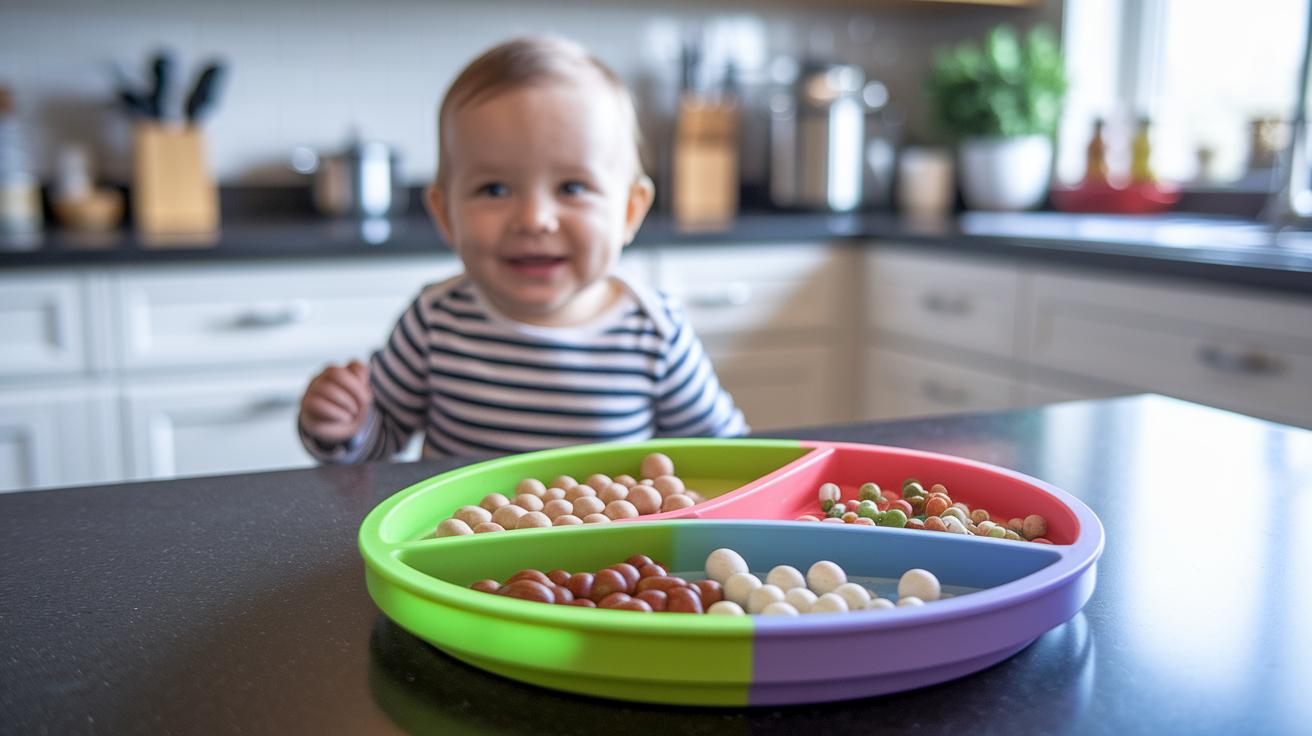
Proteins, fats, and carbohydrates work like a team to help your baby grow strong and energetic. Proteins build and fix the body, fats provide steady energy and support brain growth, and carbohydrates keep their energy up for daily adventures. It’s like serving a colorful plate where every part plays an important role. As your little one moves from milk to table foods, each meal becomes a chance to mix these good-for-you ingredients in simple, tasty ways.
Vitamins and Minerals
Even though vitamins and minerals are needed in small amounts, they make a big difference in growth. For example, babies from 7 to 12 months need about 11 mg of iron each day to help their blood carry oxygen – kind of like a little boost for their tiny engines. They also need 400 IU of vitamin D daily to keep bones and teeth healthy. With around 260 mg of calcium each day, your baby can build strong bones while zinc helps keep their immune system strong. Think of these nutrients as the perfect helpers for a well-rounded, healthy diet.
Macronutrients
Getting the right mix of protein, fat, and carbohydrates is really important. Experts suggest about 2 grams of protein per kilogram of body weight to support all that growing. Fats should make up about 40 to 50% of their total calories, giving plenty of energy for playtime and brain development. The rest of their calories come from carbohydrates, which keep their energy steady throughout the day. As your baby moves from having several milk feeds to a mix of meals and snacks after 12 months, you can gently adjust these amounts to keep things balanced.
Just remember, these guidelines are only a starting point. As your baby grows, from needing 14 to 20 fl oz of milk daily between 12 and 15 months, to around 16 fl oz a day between 16 and 24 months with fewer on-demand feeds, keeping an eye on both the big nutrients and the little ones supports a flexible, loving eating plan.
Zero to Six Month Infant Food Diet Schedule

In the first few months, your baby gets all the care they need from breastmilk or formula. This milk provides just the right mix of nutrients during this important time for growth. In the first 0–2 months, your little one often feeds frequently, which helps their tiny body grow quickly. Then, from 3 to 5 months, many babies naturally settle into a bottle routine that gives them enough milk to enjoy playful moments and learn new things. By about six months, you might notice small signs, like your baby holding their head up better or showing interest when others eat, which means they may soon be ready to explore more textures.
| Age Range | Feeding Type | Recommended Intake | Frequency |
|---|---|---|---|
| 0–2 months | Breastmilk/formula | N/A | 8–12 feeds/day |
| 3–5 months | Breastmilk/formula | 24–32 fl oz/day | 6–8 feeds/day |
| 6 months | Begin purees | Introduce 1–2 Tbsp | 1–2 meals/day plus milk |
Keep an eye on little signs like better head control and growing curiosity about what’s on your plate. These clues can help you know when it might be a good time to slowly introduce new foods.
Six to Twelve Month Transition in an Infant Food Diet
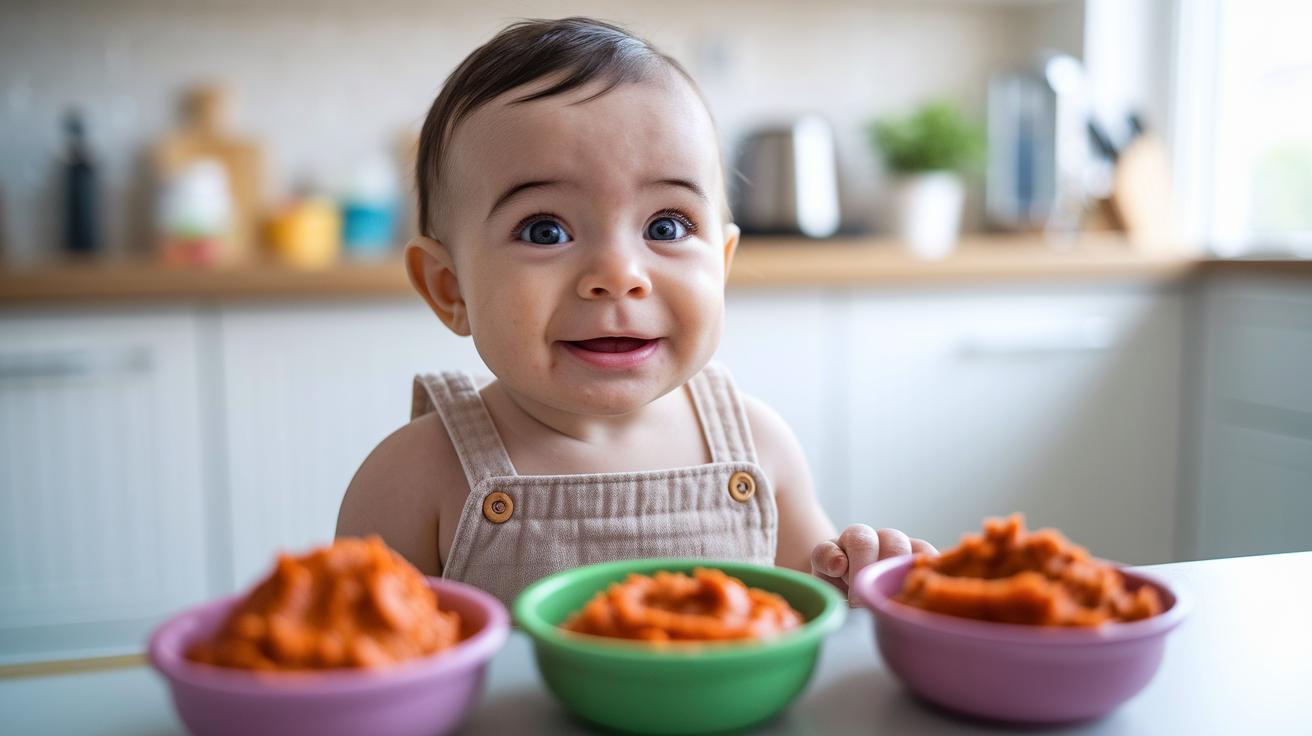
At about six months, many little ones start showing that they're ready to try something new. They can sit up steadily, seem curious about what you’re eating, and have better head control. This is a gentle time to mix in a few solid foods alongside breastmilk or formula, letting your baby explore fun tastes and textures.
Months 6–8
Between 6 and 8 months, pureed foods become a fun and important part of mealtime. You might offer pureed fruits and vegetables that are not only tasty but also bring a splash of color to the bowl. For example, try giving your baby 1–3 tablespoons of pureed carrots or sweet potatoes twice a day. Mixing in a little iron-fortified cereal can make each meal balanced and help boost energy. Of course, milk feeds are still key, your baby might still enjoy nursing or a bottle before and after these new foods, making the transition smooth and comforting.
Months 9–12
From 9 to 12 months, it’s a great time to introduce mashed or finely chopped finger foods. This step up from smooth purees lets your baby start practicing self-feeding. Soft proteins like yogurt and mashed beans, along with small servings of soft dairy, are wonderful choices. These gentle finger foods not only add variety to the diet but also help develop fine motor skills as your baby learns to pick up and manage their food.
By 12 months, many families find that mealtime blends both milk feeds and table foods nicely. Breastfeeding or bottle feeding may lessen as you introduce three small table-food meals a day, maybe with a snack here and there. This balanced routine supports your little one’s growth while sparking a curiosity for the flavors of family meals. Have you ever noticed how a small change at mealtime can open up a whole new world of flavors? Enjoy this beautiful journey one bite at a time!
Homemade Meal Menus for a Healthy Infant Food Diet
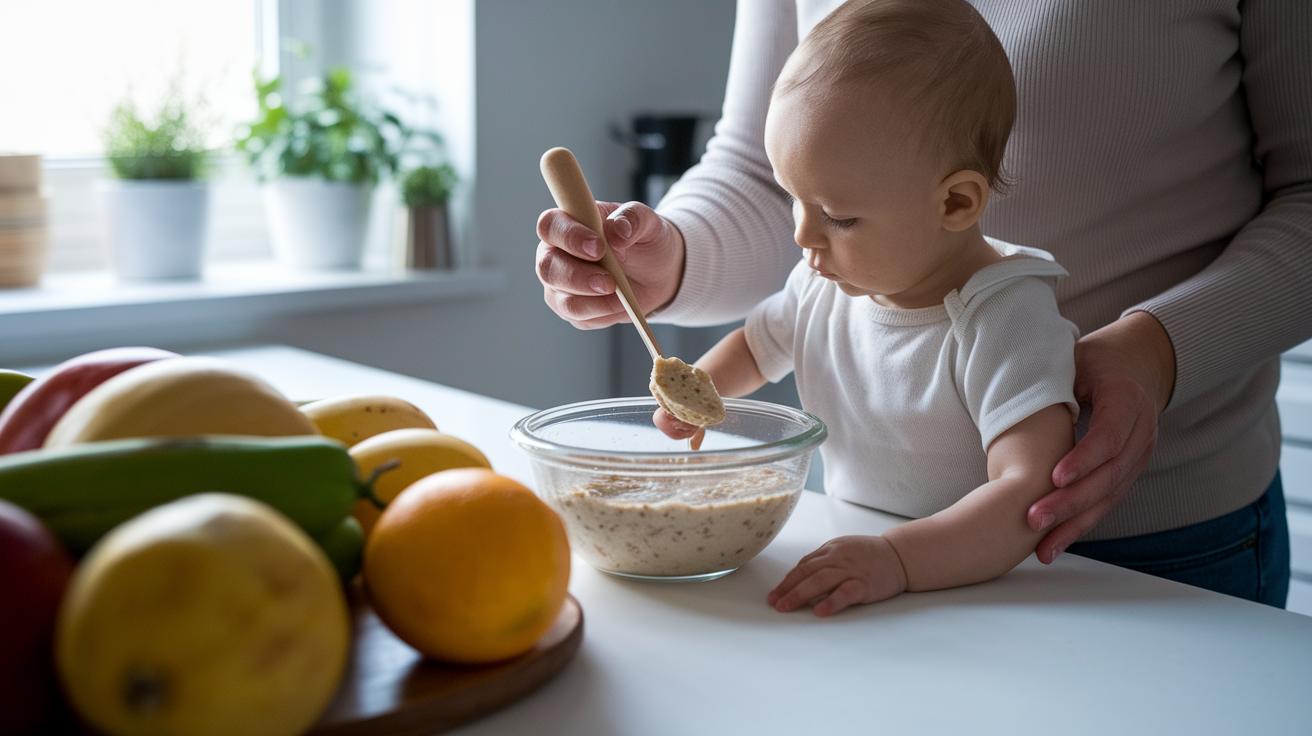
When you make meals at home, you have full control over what goes into your baby's food. It feels good to know you're serving fresh, natural ingredients instead of many store-bought options. Preparing meals yourself means you can adjust textures, flavors, and ingredients as your little one grows. Plus, using seasonal produce gives each bite a nourishing boost. Planning a weekly menu with different recipes can keep mealtime fun and introduce your baby to a variety of new tastes. For example, you might mix simple, wholesome ingredients to create a balanced plate that both nourishes and delights.
Breakfast Ideas
Picture starting the day with iron-fortified oatmeal mixed with mashed banana. This warm, smooth meal is gentle on your baby's tummy and gives a little burst of natural sweetness. A tiny spoonful of these mashed fruits and grains can turn breakfast into a small morning celebration.
Lunch Ideas
Why not try a soft blend of sweet potato and peas with a bit of chicken? It's not only easy for your baby to enjoy but also introduces them to the mix of flavors from vegetables and a hint of protein. This familiar yet new taste can be a lovely way to expand their palate.
Dinner Ideas
For dinner, you might serve a gentle mash of lentils and rice with some well-cooked veggies. This hearty dish is rich in fiber and protein, yet mild enough for sensitive little palates. It’s a satisfying meal that can help your baby wind down in the evening.
Snack Suggestions
A light snack could be steamed apple slices paired with a little avocado mash. These small bites are just right for a snack, offering a refreshing taste and extra nutrients.
Using seasonal and organic produce in these recipes can add even more goodness to your baby's meals while keeping their diet balanced and interesting.
Safety and Allergen Guidance in an Infant Food Diet
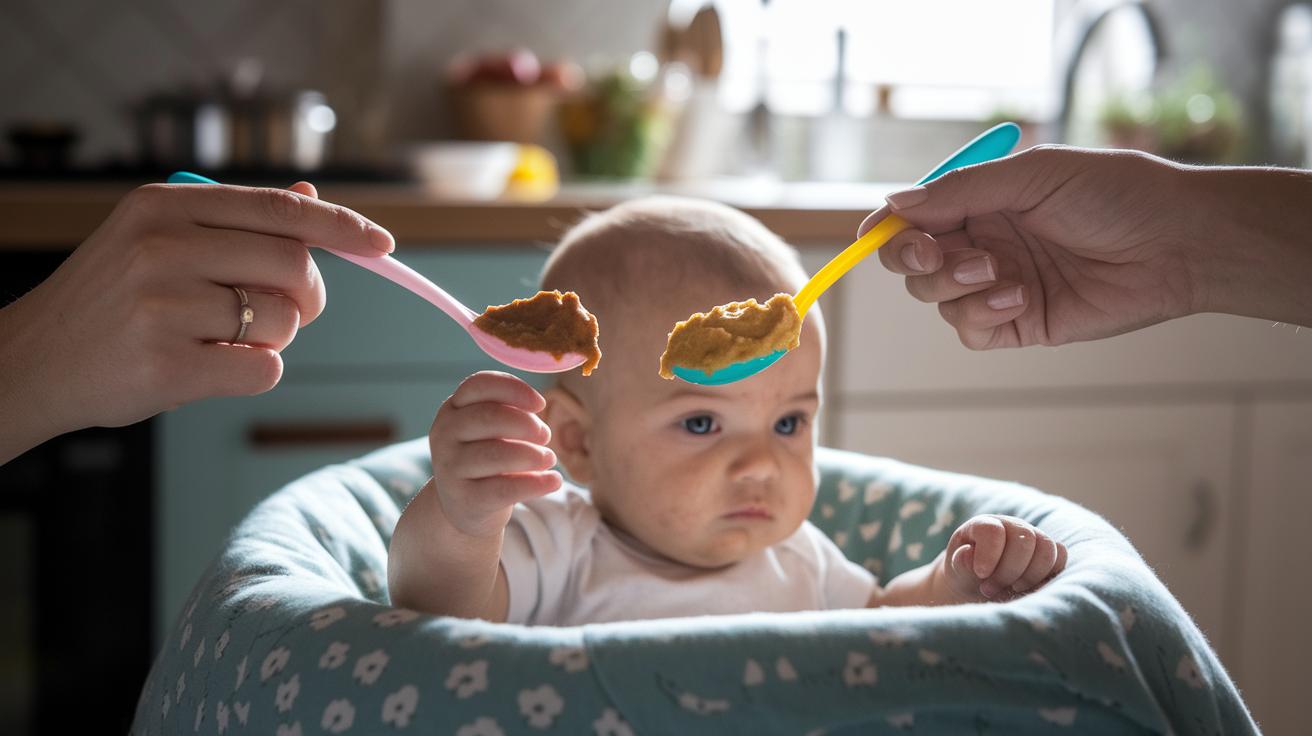
Introducing new textures in your baby's meals works best when done slowly. Start with really smooth purees, and then gradually try thicker blends as your little one learns to chew. This gentle approach not only lowers choking risks but also lets your baby discover a variety of flavors safely. Have you ever noticed how even a tiny change at mealtime can boost confidence?
Allergen Introduction
When adding new allergens, take it one step at a time. Pick one food, like peanut, egg, or dairy, and give it a try. After you introduce a new allergen, keep a close eye on your baby for three to five days to spot any reactions like a rash or signs of discomfort. Imagine offering just a small taste of peanut butter and watching carefully for any changes, this thoughtful process helps you figure out if something might not be right.
Food Storage & Hygiene
Keeping your baby's meals safe and fresh starts with proper storage and simple hygiene. Refrigerate purees for less than 24 hours and freeze any extra portions to keep them tasty. When it's time to reheat, warm the food evenly and toss any leftovers to avoid any spoilage. This easy routine helps create a safe, allergen-friendly eating environment for your baby.
Tracking Growth and Adjusting the Infant Food Diet

Using a growth chart is a simple and clear way to see how your little one is doing. It shows if their weight and length match what’s typical, giving you hints on when you might need to adjust feedings. A steady growth usually means your baby’s milk intake and meal schedule are working well.
Recognizing Hunger & Fullness Cues
Watch for your baby’s signals to know if they need more food or have had enough. Maybe you’ll see your baby reaching for the bottle, squirming, or still buzzing with energy after a meal, those could be signs they’re still hungry. But if they turn their head, close their mouth, or get fussy during a feed, it might be a gentle nudge to end mealtime. Noticing these little cues can help you adjust feeding amounts day by day.
Portion Size Adjustments
As your baby grows, even small changes in portion sizes can make a big difference. For instance, a bit more pureed fruit or a tad extra mashed vegetables during a growth spurt can really support their needs. By keeping an eye on their growth chart and daily cues, you can fine-tune their meals to match their changing appetite.
Remember, it’s always best to chat with your pediatrician before making any major changes to your baby’s diet.
Final Words
In the action of feeding your little one, we laid out clear steps to build an infant food diet that supports healthy growth. We touched on milk feeds in early months, transitioning to purees and soft foods while keeping safety in mind.
Each section highlighted practical tips, from ensuring balanced nutrients to recognizing when to introduce new textures.
This guide is here to help you create routines that feel right, warm, and nurturing. Keep moving forward with confidence, knowing every small step counts.
FAQ
Frequently Asked Questions
What does an infant food diet menu or chart include?
The infant food diet menu lays out age-based feeding guidance. It shows milk feeds first, then adds iron-fortified cereal, fruit and vegetable purees, and mashed proteins as the baby grows.
What is the best diet for infants?
The best diet for infants relies on exclusive breastmilk or formula until about six months, then slowly introduces purees and mashed foods to provide the essential nutrients for steady growth.
Can I give my 4-month-old baby food?
For a 4-month-old, the focus remains on breastmilk or formula. Most experts suggest waiting until around six months before introducing any solid foods.
What should a baby try as a first food?
A baby’s first food is often a smooth puree such as an iron-fortified cereal or gentle fruit or vegetable puree. These choices help the baby start exploring new tastes and textures safely.
What should an infant’s diet look like?
An infant’s diet begins with milk feeds and gradually adds pureed foods. As the baby matures, a balance of cereals, fruits, vegetables, and mashed proteins is introduced to support healthy growth.


