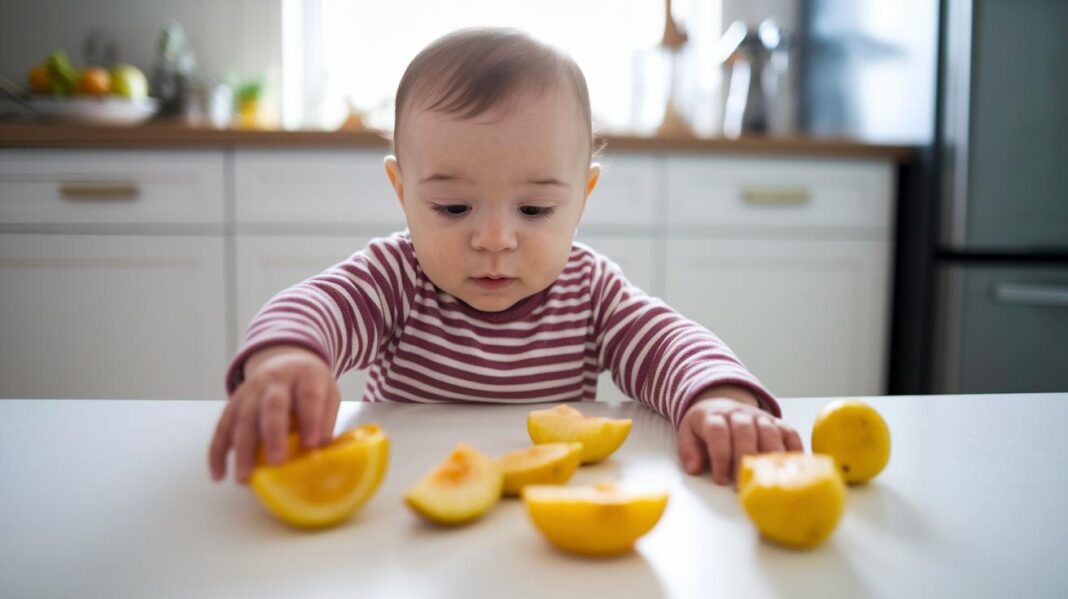
Have you ever wondered if your baby is ready to explore food using their little hands? It might seem surprising, but when your little one picks up a soft slice of banana or a tender cube of sweet potato, they're trying out a brand new skill.
In this guide, I'll share some yummy, bite-size foods that not only keep mealtime safe but also make it super fun. These treats can even help build those important fine motor skills while turning every meal into a playful adventure.
Essential Guide to Introducing Baby Finger Foods
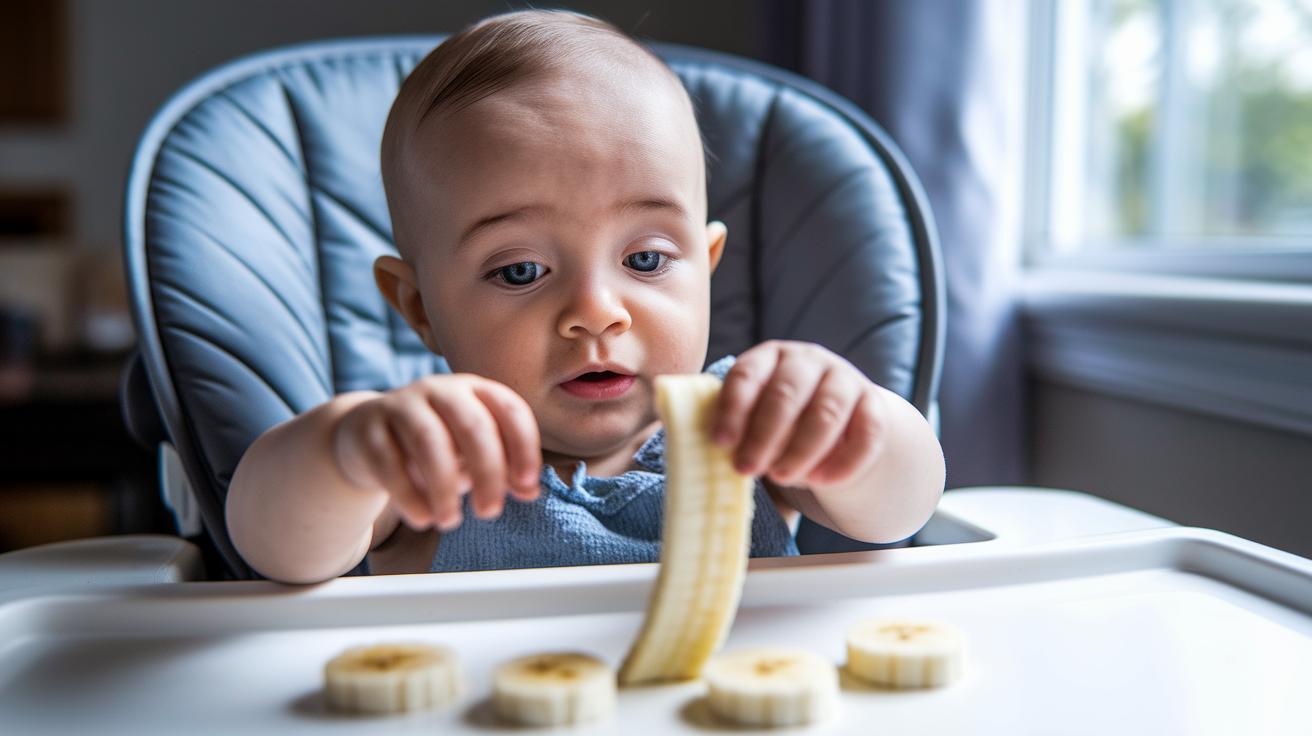
Finger foods are little, soft pieces that are just right for your baby to pick up, explore with their hands, and even chew on before most of their teeth come in. They can be made from naturally soft foods like banana and avocado, or from veggies like sweet potato and carrot that have been steamed until tender. Everything is cut into small pieces, usually no bigger than half an inch, to help keep your baby safe. It’s such a cute milestone when your little one confidently grabs a soft slice of banana!
Most babies are ready for finger foods around 7 to 9 months old, once they can sit up by themselves and start using a pincer grasp (a way of holding small objects between the thumb and forefinger). You might notice your baby reaching out for bits of food and even trying to chew, even if they still enjoy their purées. This new skill not only improves hand-eye coordination and fine motor skills but also introduces them to a variety of flavors and textures.
Safety is always important when your baby starts eating on their own. By serving foods that are soft enough to be easily mashed in a blender, you make sure that if a piece goes down a bit too fast, it can be gently smoothed out for safety. Always chat with your pediatrician before trying new foods to make sure everything is just right for your little one.
Finger foods are also a big step in the baby-led dining journey. They let your baby experiment with different tastes and find out what they like best, all while learning to feed themselves at their own pace.
| Food | Preparation | Size Cut | Key Benefit |
|---|---|---|---|
| Sweet potato | Steamed and cooled | ½″ cubes | Vitamin A, soft texture |
| Banana | Ripe and peeled | ½″ slices | Natural sweetness, potassium |
| Avocado | Ripe and lightly mashed | ½″ wedges | Healthy fats, creamy texture |
| Carrot | Steamed until tender | ½″ sticks | Beta-carotene, grip practice |
| Berry halves | Washed and halved | ½″ halves | Vitamin C, sensory variety |
| Cheese cubes | Pasteurized and firm | ½″ cubes | Calcium, protein |
Preparing and Cutting Safe Finger Foods for Babies
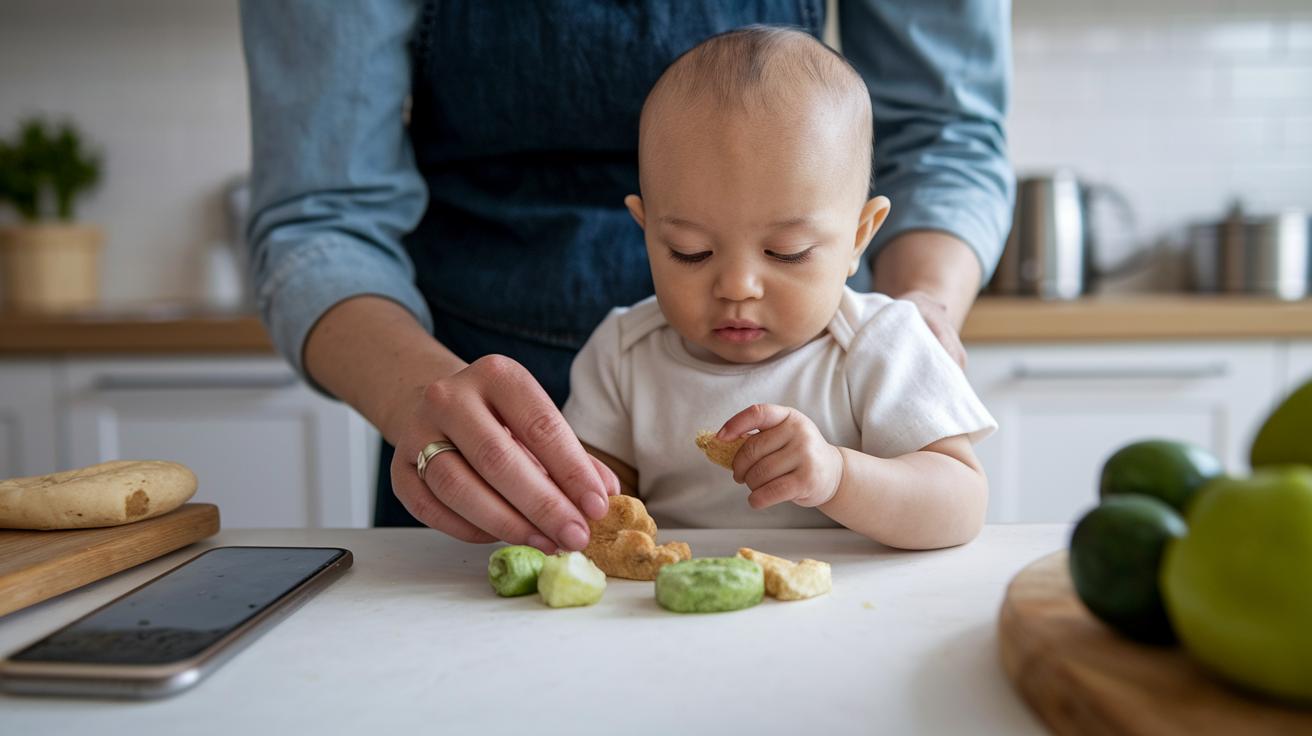
We want our little ones to enjoy each bite safely, so start by cutting food into even ½-inch pieces. This size makes it much easier for your baby to pick up and enjoy the texture.
For firmer vegetables like carrots or sweet potatoes, steam or sauté them until they’re soft enough to mash with a gentle touch. When foods are cooked evenly, they’re safer, just like a soft banana that squishes easily under baby’s gentle gums.
Next, if you’re dealing with slippery items like cucumber or a slice of firm cheese, roll them lightly in a bit of cooked rice or quinoa. This little trick gives the food a better grip, making it easier for tiny hands to hold, much like adjusting a soft fruit until it's just right for snacking.
Always check that the pieces are the same size. Keeping them even means every bite has the same soft texture, perfect for when your baby is learning how to chew. And if a bite ever needs to be pureed, it should blend in the blender without any tough bits, keeping mealtime both safe and enjoyable.
Nutrient-Rich Homemade Finger Food Recipes
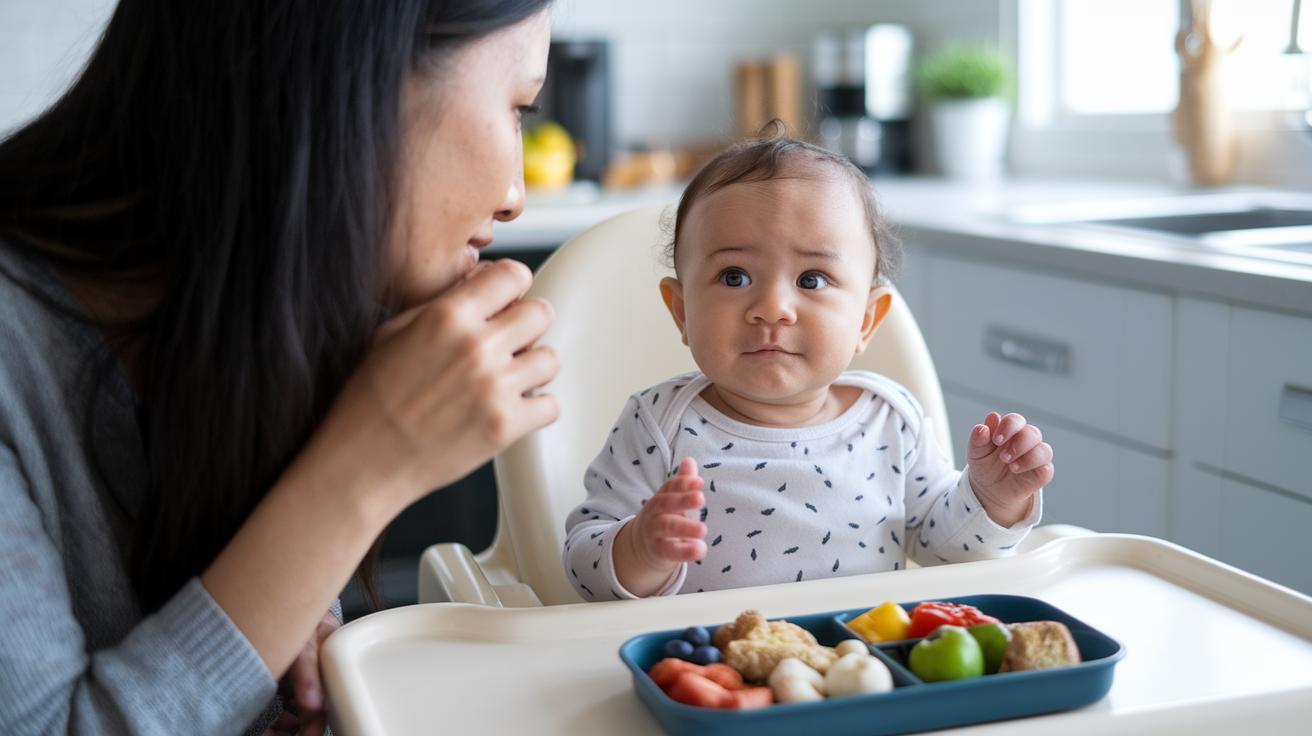
Making baby-friendly finger foods can be both fun and nutritious. Imagine mixing proteins, veggies, fruits, and legumes into little bites that pack a real nutritional punch. One idea is chicken & broccoli meatballs. First, finely chop some fresh broccoli and mix it with ground chicken. Then, shape the mixture into small, soft balls that your little one can easily pick up and chew. These meatballs provide a good dose of protein and gently introduce the mild taste of broccoli, like tiny savory bursts of flavor!
Next, you might try sweet potato & lentil pucks. Start by mashing steamed sweet potato until it’s smooth, then blend it with a bit of pureed lentils. Once mixed, shape the blend into small patties ready for serving. This recipe is full of fiber and vitamins, and it’s soft enough for early self-feeding. Have you ever noticed how a slight change in texture can make a big difference in taste?
Then, consider making mini veggie omelets. Beat an egg and stir in some finely chopped spinach and bell pepper. Pour the mix into a small pan and cook until firm. When you cut these omelets into easy-to-hold pieces, they’re just right for tiny hands and developing palates.
Another hit is avocado-pea mash bites. Lightly mash a ripe avocado with well-cooked peas until you get a slightly chunky texture. Form the blend into small, easy-to-grasp portions that deliver healthy fats and a creamy feel, sure to become a favorite snack.
For a sweet twist, try apple-pear pan-fried ribbons. Thinly slice apples and pears, then briefly sauté them on low heat until they’re just softened. Their warm, tender texture adds a gentle burst of natural sweetness, perfect for curious taste buds.
Each recipe here is designed to bring balanced protein, fiber, vitamins, and healthy fats in baby-size portions. They not only support the joy of self-feeding but also build your baby’s confidence as they explore new flavors and textures. Enjoy experimenting in your kitchen and sharing these nourishing moments with your little one!
Planning Balanced Finger Food Menus for Self-Feeding Babies
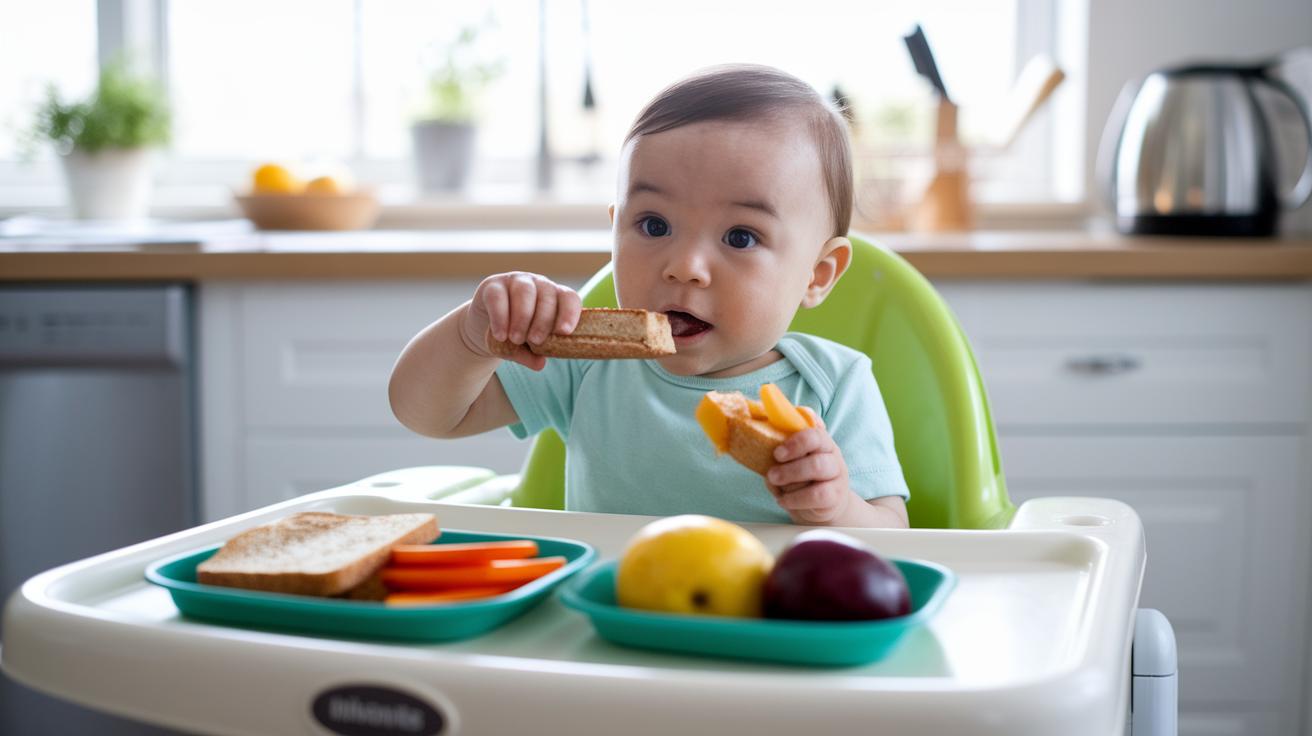
When planning meals for your baby aged 8–12 months, start by thinking about a balanced plate. Picture a mix of whole-grain toast sticks, steamed veggie strips, fruit segments, and little protein bites. Offering 2–3 pieces of each gives your baby a fun way to explore different textures and tastes.
It’s all about variety to keep mealtime exciting. Try mixing up the colors and textures every day to introduce new nutrients in a playful way. One day you might add a few lentil pucks rich in iron, and the next, switch to a combo of fruity segments with toasted whole-grain pieces. This little change can make a big difference!
Remember that your baby’s appetite will grow over time. What starts as a few pieces might soon become a whole new mini menu of soft fruits, tender veggies, and tiny protein pieces that are safe for little hands. It’s all about gently increasing the variety as your baby becomes more confident eating by themselves.
Each balanced meal is more than just food, it’s a nice way to encourage independent eating and create happy mealtime memories. Every bite lets your baby step closer to a lifelong love of healthy foods.
Encouraging Self-Feeding and Development with Finger Foods
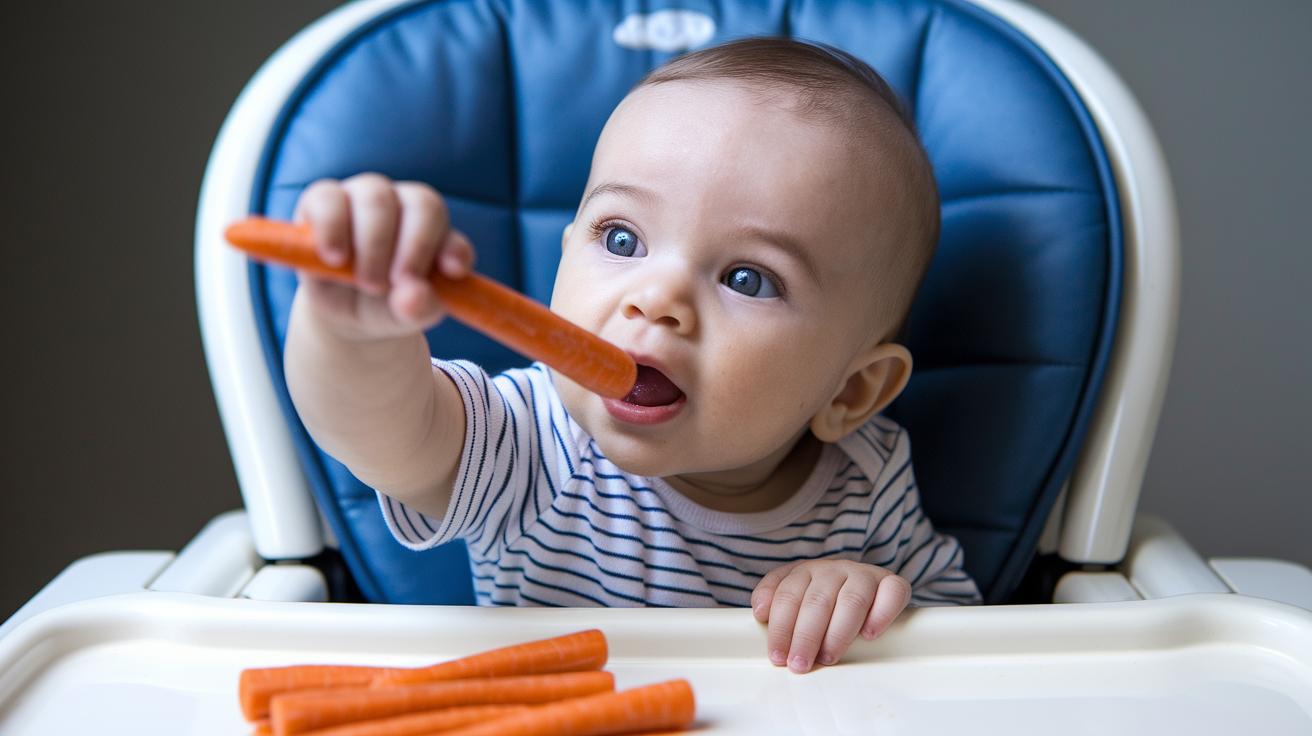
Finger foods are a fun way to help your little one learn how to feed themselves while discovering new tastes and textures. When you notice them moving small pieces from their hand to their mouth, it shows they’re really starting to develop their pincer grasp and hand-eye coordination. It’s amazing to watch, like seeing a tiny milestone each day that even boosts their chewing skills before most of their teeth show up!
Fine Motor Development
When your baby reaches for soft, bite-sized pieces (think steamed carrot sticks or soft banana slices cut into little bits), they’re practicing their fine motor skills. Each time they grab and hold a tiny piece, it builds up the strength and coordination they’ll need for feeding later on, much like the joyful moment of clutching their favorite toy.
Texture Introduction Strategies
Offering foods with different textures, from smooth and mashable to a bit firmer, helps your baby explore a variety of sensations. Slowly adding foods with a firmer feel is like giving them a gentle taste test that builds their tolerance and invites them to try new flavors. Every bite is a step closer to enjoying mealtime all on their own.
Final Words
In the action, we covered how to prepare and serve baby finger foods safely, from choosing soft fruits and steamed veggies to cutting them just right for little hands. The guide shows practical ways to introduce self-feeding that boosts fine motor skills and sensory exploration.
We wrapped up with balanced menus and fun recipes designed with care. Every step encourages confidence in feeding and sets the stage for happy, healthy growing moments.
FAQ
What finger foods can I give my baby?
The finger foods you can give your baby include soft, small pieces like steamed sweet potato cubes, banana slices, avocado wedges, and steamed carrot sticks. They help build self-feeding skills safely.
When is my baby ready to try finger foods?
Your baby may be ready for finger foods when they can sit on their own and use a pincer grasp. Babies usually explore these foods around 7 to 9 months.
What should a 6-month-old eat as their first finger food?
A 6-month-old might start with very soft offerings such as mashed banana or avocado pieces if they are showing signs of readiness and can bring food to their mouth.
How can I get my 9-month-old to enjoy finger foods?
At 9 months, your baby may enjoy finger foods by offering colorful, soft items like steamed carrot sticks or sweet potato cubes. Experiment with different textures until they show more interest.
What are some of the softest finger foods for babies?
The softest finger foods include ripe banana, mashed avocado, steamed sweet potato, and tender steamed carrots. These options reduce choking risks and support early self-feeding.
What are some simple finger food recipes for babies aged 9 to 12 months?
Simple recipes for 9 to 12-month-olds might include mini veggie omelets or avocado-pea mash bites. These dishes offer balanced textures that encourage self-feeding and taste exploration.