Have you ever wondered if your baby's formula is really safe? Lately, some formulas were taken off store shelves because of a harmful bacteria, and many families are feeling a bit worried. We want to help you understand what happened and share a few easy steps so you can check your product labels with confidence.
We know this news can seem scary, and it’s natural to feel unsure. So, let’s break down the facts together and go over some trusted guidelines. Have you ever double-checked a label just to feel safe? Now might be a great time to do just that.
Remember, you’re not alone in this. We're here to help and answer any questions you have, so you can keep your little one safe without any extra stress.
Current Baby Formula Recall Overview

Abbott Laboratories asked families to stop using some of their baby formulas in February 2022. They recalled Similac, Alimentum, and EleCare powdered formulas after hearing there might be a bacteria called Cronobacter sakazakii, which can be dangerous for little ones. Three babies had to be hospitalized and two tragically passed away after getting sick. Later, in May 2022, the CDC tested and found that the bacteria from those cases were different from the ones at Abbott’s Sturgis, Michigan plant.
The whole situation began when the Minnesota Health Department reported a few cases of Cronobacter infections in September. The FDA then issued an alert that led to more investigations, and Abbott quickly decided to pull certain batches from shelves. Only specific lots made at the Sturgis facility are affected. For instance, just like you might double-check a label on your favorite product, you can look at your baby formula packaging for a particular lot number that might be marked as recalled.
If you’re using any of these formulas for your baby, please stop using them right away to keep your little one safe. And if you notice any signs like extra fussiness, a yellow tint to the skin, or changes in feeding, reach out to your pediatrician immediately. Follow the FDA guidelines, and carefully inspect the packaging for those lot numbers. This update is meant to help you feel informed and cared for while the manufacturers work quickly to resolve the issue.
Baby Formula Recall Timeline and Key Events
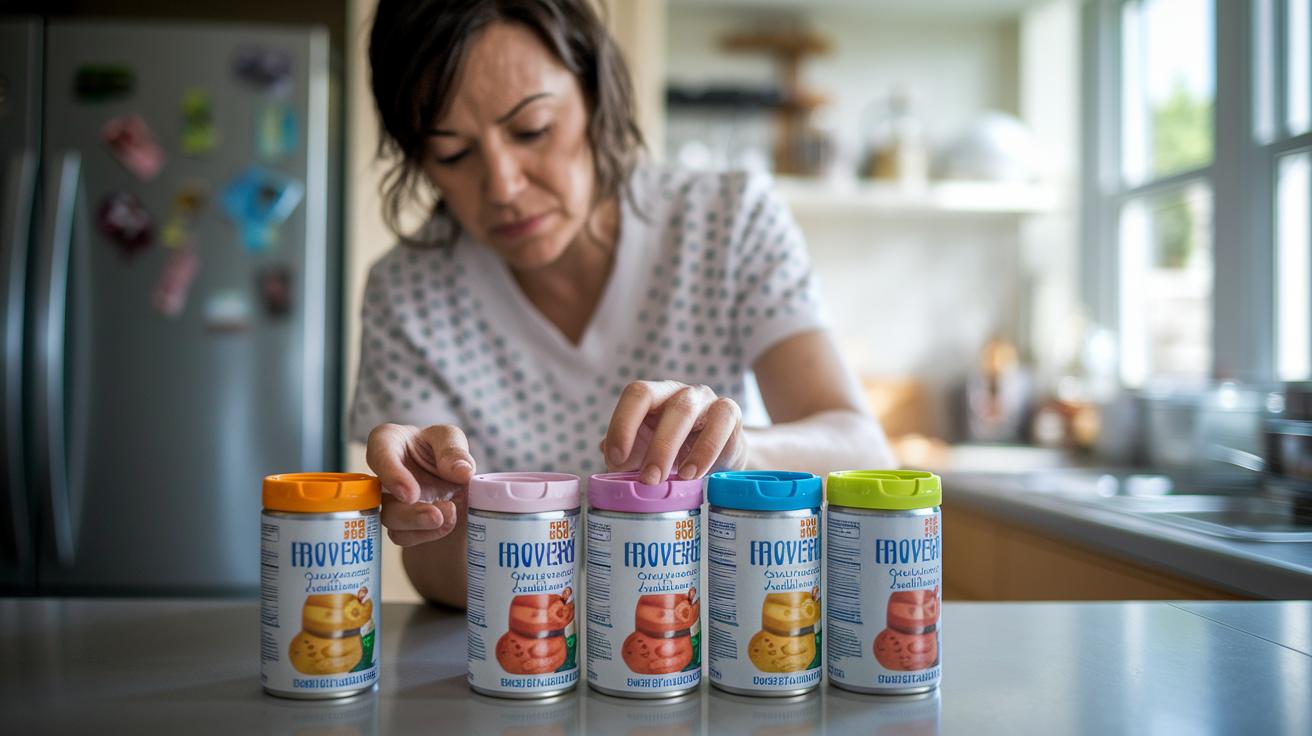
Staying on top of the recall timeline makes it easier to see how every step helps protect your baby. This timeline shows the most important moments, from early warnings to careful checks and recalls, to help you feel confident and informed, much like checking the weather before you head out.
| Date | Event | Details |
|---|---|---|
| September | FDA First Notified | The FDA got early reports of Cronobacter infections from Minnesota Health Department. |
| February 2022 | Abbott’s Voluntary Recall | Abbott pulled Similac, Alimentum, and EleCare formulas from the Sturgis, MI plant after concerns about contamination arose. |
| May 2022 | CDC Investigation | The CDC found that the bacteria linked to serious problems were not the same as those at the factory. |
| June 4, 2024 | Dairy Manufacturers Recall | Powdered formulas were recalled due to Cronobacter contamination, even though they did not show signs of spoilage. |
| August 8, 2024 | Perrigo’s Recall Initiative | 16,500 cans of Infant Premium powdered formula from Texas and CVS were recalled because of high vitamin D levels. |
Each step in this timeline plays a caring role in keeping our little ones safe. It helps busy caregivers act quickly and confidently when it matters most.
Affected Baby Formula Recall Brands and Products
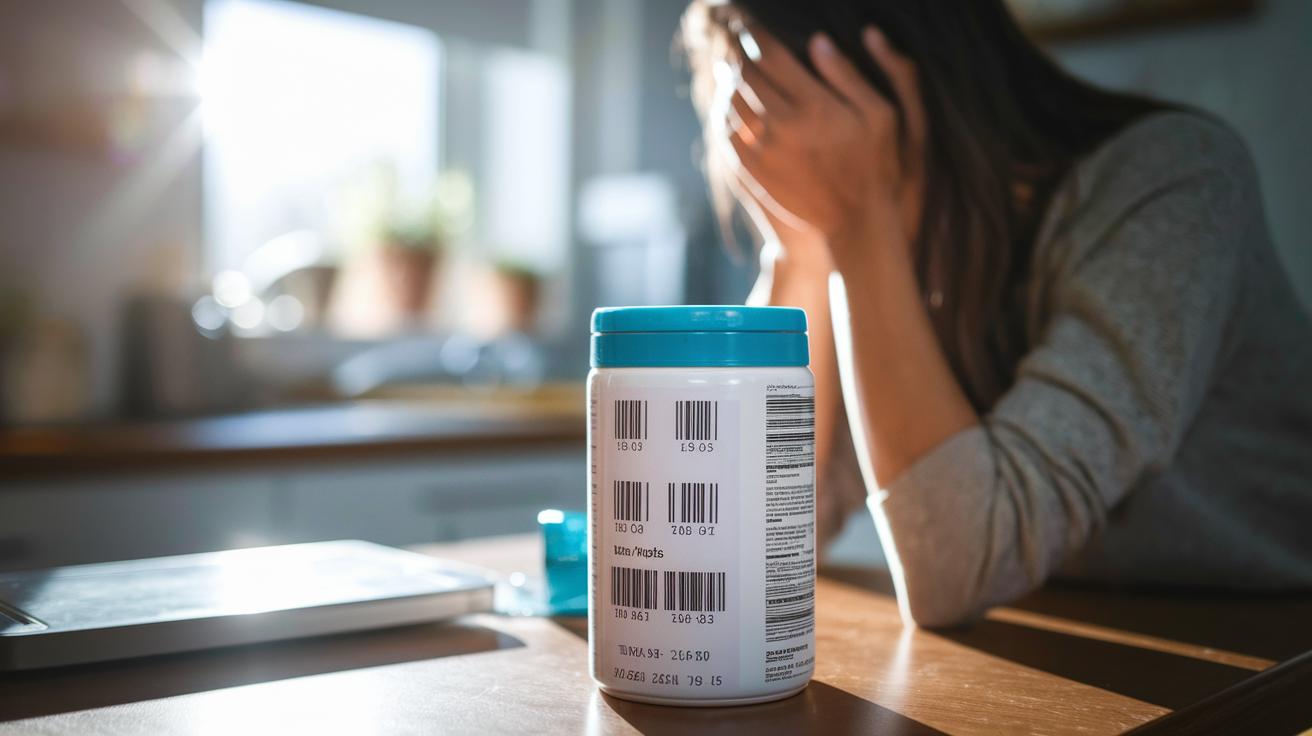
Similac formulas from Abbott’s Sturgis, MI plant have been pulled off the shelves because of a possible contamination. Please take a moment to check your label, kind of like you’d look at an expiration date on your favorite snack. If your package shows one of the affected lot codes below, it's best to set it aside.
- Lot 12345A
- Lot 67890B
Alimentum is in the same boat since it’s made in the same facility. Just like checking a recipe card before cooking, give your can a quick look for these specific lot codes.
- Lot 54321C
- Lot 98765D
EleCare, another formula made at the Sturgis plant, is also part of this update. If you spot a recalled lot code on your EleCare container, please stop using it right away. It’s a bit like finding a little warning sign on something you love.
- Lot 11223E
- Lot 44556F
Store-brand formulas, which include Perrigo’s Infant Premium (found at H-E-B and CVS) and formulas from Dairy Manufacturers, have separate issues. The Perrigo recall is due to too much vitamin D, while the Dairy Manufacturers recall is about Cronobacter concerns. Treat each label like a story, it tells you if it’s part of the recall.
- Lot SB001 (Perrigo)
- Lot DM002 (Dairy Manufacturers)
Health Risks Linked to Recalled Baby Formula
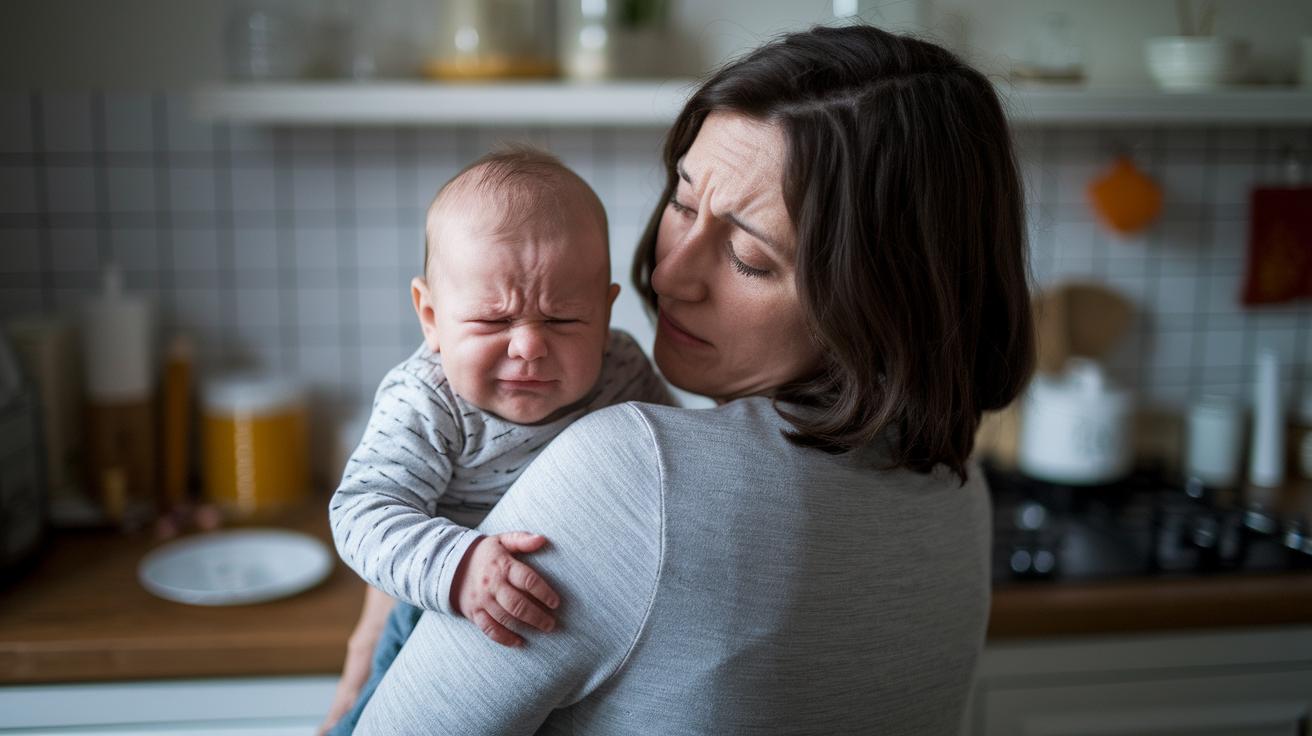
When a baby formula is recalled because it has Cronobacter sakazakii, it can cause a lot of worry. This bug can make your baby really irritable, give them a yellowish tint (jaundice), and make feeding difficult. Sometimes, you might even see changes in your baby’s temperature or notice unusual movements like grunting. These signs should be taken seriously since there have been cases that led to hospital visits and, sadly, even deaths. Imagine your usually calm baby suddenly becoming very fussy and looking off, it’s a strong reminder that safety matters.
Another bacteria to keep an eye on is Salmonella. This one is sneaky because it usually doesn’t change the smell or color of the formula. That’s why it’s so important to keep things super clean when you are preparing your baby's bottle. Always wash bottles, nipples, and work areas as carefully as if you were tidying up before cooking your favorite meal.
FDA and Manufacturer Guidance on Baby Formula Recalls
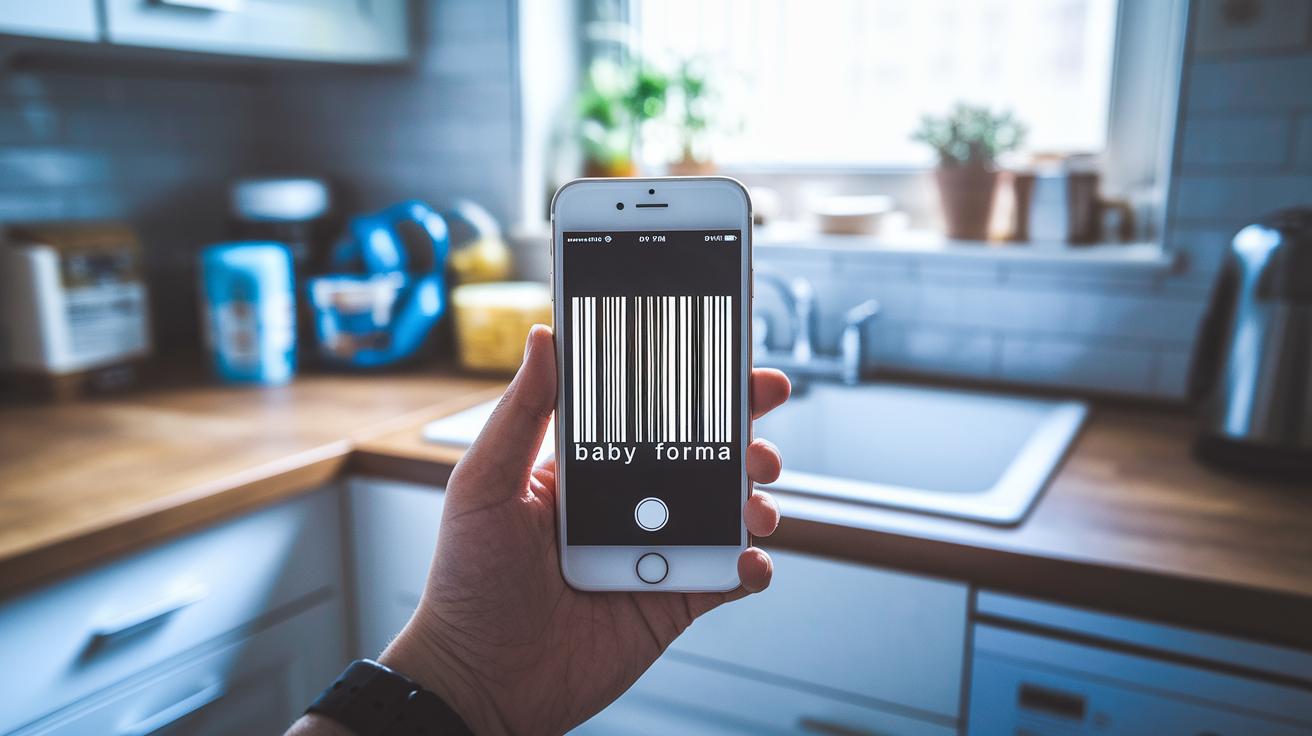
Manufacturers now give us simple online ways to check if your baby formula is safe. For example, Abbott has launched a mobile tool that lets you scan the packaging barcode, kind of like scanning a movie ticket to check your seat.
New FDA advice suggests signing up for text alerts. Imagine getting a message that says, "Alert: Your product with lot code XYZ has an issue. Please call 1-800-123-4567 right away." This helps you know about recalls in your area as soon as they happen.
You can also use special recall hotlines when you need help quickly. Manufacturers like Abbott offer 24/7 phone support to arrange product pick-up or guide you through the next steps. Really, a quick scan on the new app detects recall risks much faster than checking a printed label each time.
| Manufacturer | Recall Hotline | Online Tool |
|---|---|---|
| Abbott | 1-800-123-4567 | Mobile Scan App |
If you receive WIC benefits, your local office might have updated advice for switching formulas because of recent recall news. And if you’re still worried, a quick call to your pediatrician can really set your mind at ease.
Safe Alternatives and Next Steps After a Baby Formula Recall

If you find out that your baby’s formula has been recalled, the very first thing to do is to chat with your pediatrician. It’s important to get their advice before you switch to a new product. When you decide on a new brand, take a moment to read the mixing instructions carefully, as if you were following a cherished recipe, because every step really matters in keeping your baby safe. And don’t forget to clean bottles and surfaces really well to cut down on any risk of bacteria.
You might also want to check with local assistance programs or WIC for alternative supplies. Many families take comfort in the fact that other plants are increasing production, which can bring more options your way. Here are a few helpful tips to keep in mind:
- Talk with your pediatrician before switching formulas.
- Read and follow the new formula’s mixing instructions like you would a recipe.
- Keep up good hygiene by cleaning bottles and surfaces thoroughly.
- Reach out to your local WIC office for advice on getting a product that isn’t affected.
- Watch your baby’s health closely and let your doctor know if you notice any changes.
Switching brands because of a formula recall can feel a bit like trying out a new recipe in your kitchen. It might seem a little overwhelming at first, but using online tools through trusted resources like the baby formula and infant nutrition pages can help you double-check lot codes and learn about safe preparation methods. Keeping a steady routine with clear steps can really ease the stress, ensuring your little one continues to get the proper nourishment. Sometimes, a small change in your routine can make a big difference in keeping your baby healthy and thriving.
Final Words
Jumping right in, this article shed light on the baby formula recall by covering key details like timelines, affected brands, and important FDA guidance. It quickly laid out the main risks and offered practical steps for safe feeding practices. We've also shared trusted alternatives and tips for keeping your baby safe and well-cared for. Stay alert, keep a close eye on product updates, and don't hesitate to reach out to experts for support. Together, moms can keep our little ones safe and thriving.
FAQ
What does the baby formula recall list include from 2021 to 2025?
The baby formula recall list covers recalled formulas from different years, including details on brands like Similac, Alimentum, and EleCare, along with affected lot numbers and safety issues linked to contamination.
Which baby formula products have been recalled?
The recalled products include formulas from Abbott’s Sturgis plant—Similac, Alimentum, and EleCare—as well as select store-brand formulas recalled due to issues like Cronobacter contamination and elevated vitamin D levels.
Why was Enfamil baby formula recalled and is Enfamil on recall in 2025?
The available recall details focus on other brands, and there are no confirmed recalls for Enfamil; current information does not indicate an Enfamil recall for 2025.
Why is baby formula out of stock everywhere?
Baby formula shortages are linked to supply disruptions from recalls, increased demand, and production challenges, leading to limited availability for caregivers.
What should caregivers do if they suspect they have a recalled baby formula?
If a recalled formula is suspected, caregivers should stop using it, verify the lot code, return it for a refund or exchange, and consult their pediatrician for guidance.
What are the safe alternatives after a baby formula recall?
Safe alternatives include consulting a pediatrician for suitable brands, following proper mixing instructions, and seeking assistance through programs like WIC to find unimpacted formulas.