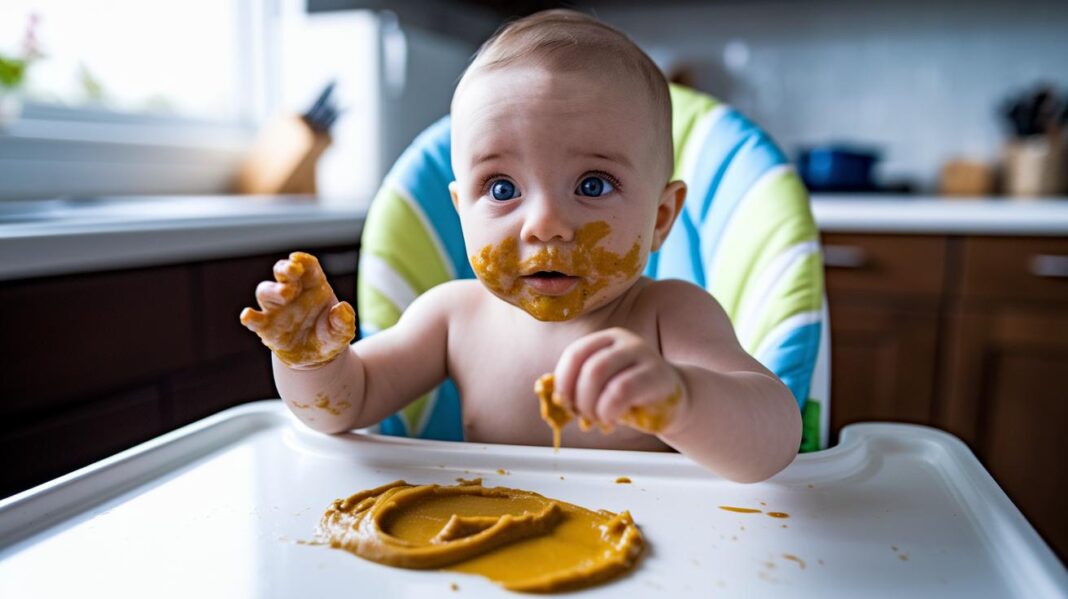
Have you ever wondered if a little change in your baby's meals could lead to a lifelong love of healthy eating? Many parents are surprised that adding new flavors and textures can help a baby grow in simple yet meaningful ways.
Today, let's chat about meal ideas that match your baby’s age. You might start with a smooth, single-ingredient puree, or mix things up with fun combinations that invite exploration and tasting.
I'll share some practical tips so you can create meals that not only taste great but also support healthy growth every step of the way.
Baby Meals Basics: Nutritional Foundations and Feeding Frequency
Your baby’s food journey begins around six months old. Until then, breastmilk or formula is enough to keep them happy and healthy. At six months, you can start adding in single-ingredient purees, like a smooth apple or carrot puree, so your little one can begin exploring new tastes and textures.
Between six and 24 months, it’s all about balanced nutrition. For the tiniest eaters, three meals and one or two snacks a day work great along with their usual milk feeds. For example, from three to nine months, most babies enjoy about 24 to 32 fluid ounces of breastmilk or formula daily. Then, between 10 and 11 months, that amount usually drops to around 20 to 30 fluid ounces. By the time they’re 12 to 15 months old, many are taking in about 14 to 20 fluid ounces, and once they’re 16 to 24 months, aiming for around 16 fluid ounces a day is just fine.
Feeding routines also change as babies grow. Younger infants (about three to seven months old) might nurse eight times or more each day. As they get a little older, say eight to nine months, they usually feed about six times, and by 10 to 11 months, around five feeds are common.
It’s all a gentle transition. Begin with thin purees and slowly thicken the texture as your baby’s chewing skills improve. Keep an eye on their signals during mealtime and adjust if needed, every baby is unique and finds their own pace. Isn’t it amazing how little changes can make such a big difference?
Age-Appropriate Baby Meal Ideas by Developmental Stage
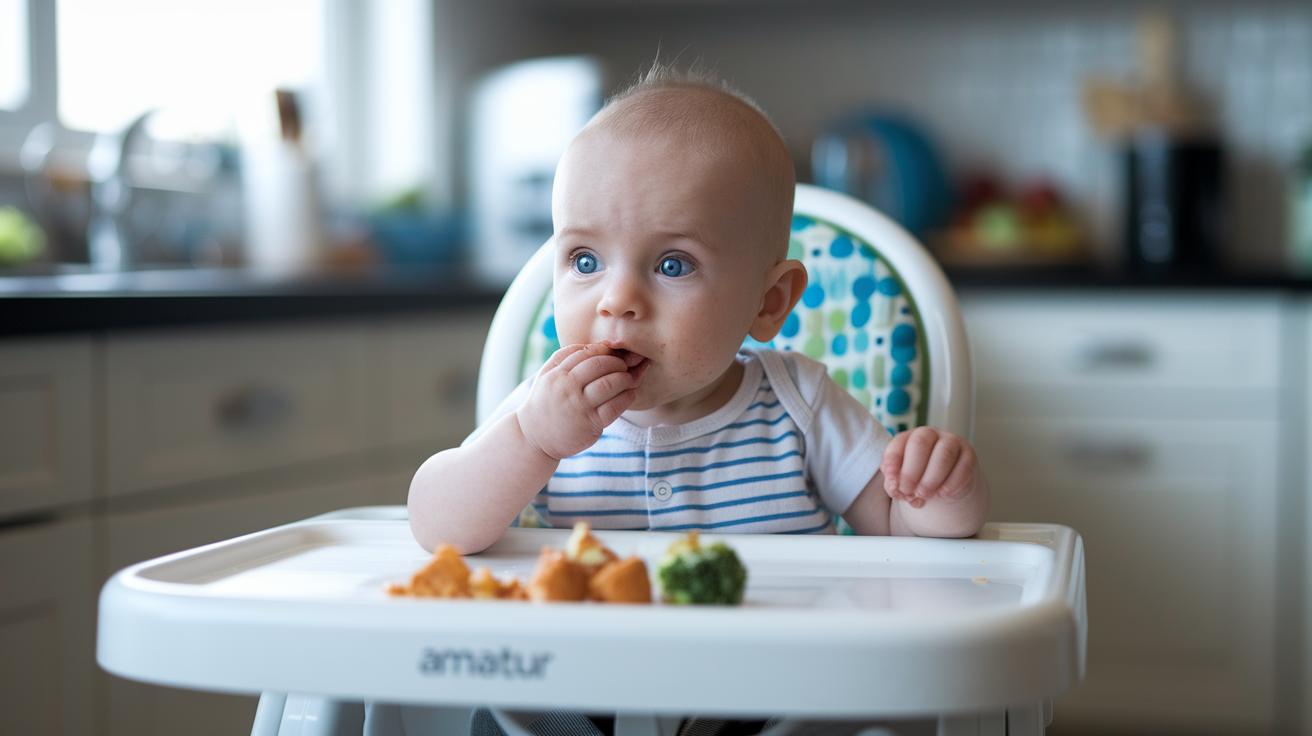
At six months, your little one can start with smooth purees made from just one ingredient. Think of a nicely blended apple or a gentle carrot puree that offers a simple taste. This easy meal lets your baby explore new flavors in a soft, comforting way.
By seven months, it's fun to mix a few fruits or vegetables together. A mash of banana and avocado creates a creamy treat that surprises the taste buds. It’s almost like each spoonful shares a tiny, tasty secret with your baby.
Come eight months, babies love to bring food to their mouths on their own. Soft finger foods, like small steamed vegetable cubes or tender pieces of fruit, are perfect for their little hands. This is also a good time to carefully try common allergens like peanut, egg, or fish in tiny amounts, always following your provider’s advice. Imagine offering soft, steamed apple pieces that encourage your baby to explore self-feeding.
Between nine and twelve months, meals can gently move toward family-style eating. While milk still plays an important role, soft-cooked vegetables, mashed potatoes, or tiny bits of soft fruit help them practice picking up food. Picture a mini version of your family plate where every bite is made especially for them.
From twelve to eighteen months, your toddler can start enjoying adapted table foods. Small pieces, about a quarter-inch in size, of familiar dishes make mealtime safe and inviting. With three meals plus snacks, your child gets a good mix of nutrients. Imagine a dinner plate filled with little pieces of chicken, soft veggies, and bits of fruit that make every meal a delightful, shared experience.
| Stage | Texture | Example Recipe |
|---|---|---|
| 6 Months | Smooth Puree | Apple Puree |
| 7 Months | Mixed Puree/Mash | Banana-Avocado Mash |
| 8 Months | Soft Finger Foods | Steamed Sweet Potato Cubes |
| 9–12 Months | Chopped, Soft | Mashed Potato & Veggie Medley |
| 12–18 Months | Diced Table Foods | Chicken & Veggie Bites |
Quick and Make-Ahead Baby Meals for Busy Parents
Busy parents, sometimes it feels like there aren’t enough minutes in the day. One way to ease the load is by cooking in batches, making meals that you can freeze and warm up later. Imagine biting into baby muffins filled with three kinds of produce, or enjoying the creamy taste of applesauce overnight oats. You can also try quick 60-second scrambled eggs, simple two-ingredient pancakes, and mini egg-and-cheese muffins. When you store these treats properly, dividing them into small 1–2 oz portions with ice cube trays or silicone molds and labeling each with the date, they can last in your freezer for 6–8 weeks.
- Plan your weekly menu with recipes that move easily from pot to plate.
- Cook in larger batches and portion them into freezer-safe servings.
- Use ice cube trays for small, handy servings perfect for little tummies.
- Label each container with the recipe name and date so you know exactly when you made it.
- Freeze meals in silicone molds for extra ease when it’s time to reheat.
- Keep a list of your favorites to simplify your meal planning.
- Choose recipes that reheat quickly, saving time without sacrificing taste.
When you prepare meals ahead of time, you free up more precious moments with your little ones while still serving up balanced, tasty dishes. With these simple meal ideas in place, you can head into your busy days knowing a nourishing, homemade meal is always ready to help make the day a bit smoother.
Baby Meal Finger Foods and Self-Feeding Recipes for Infants
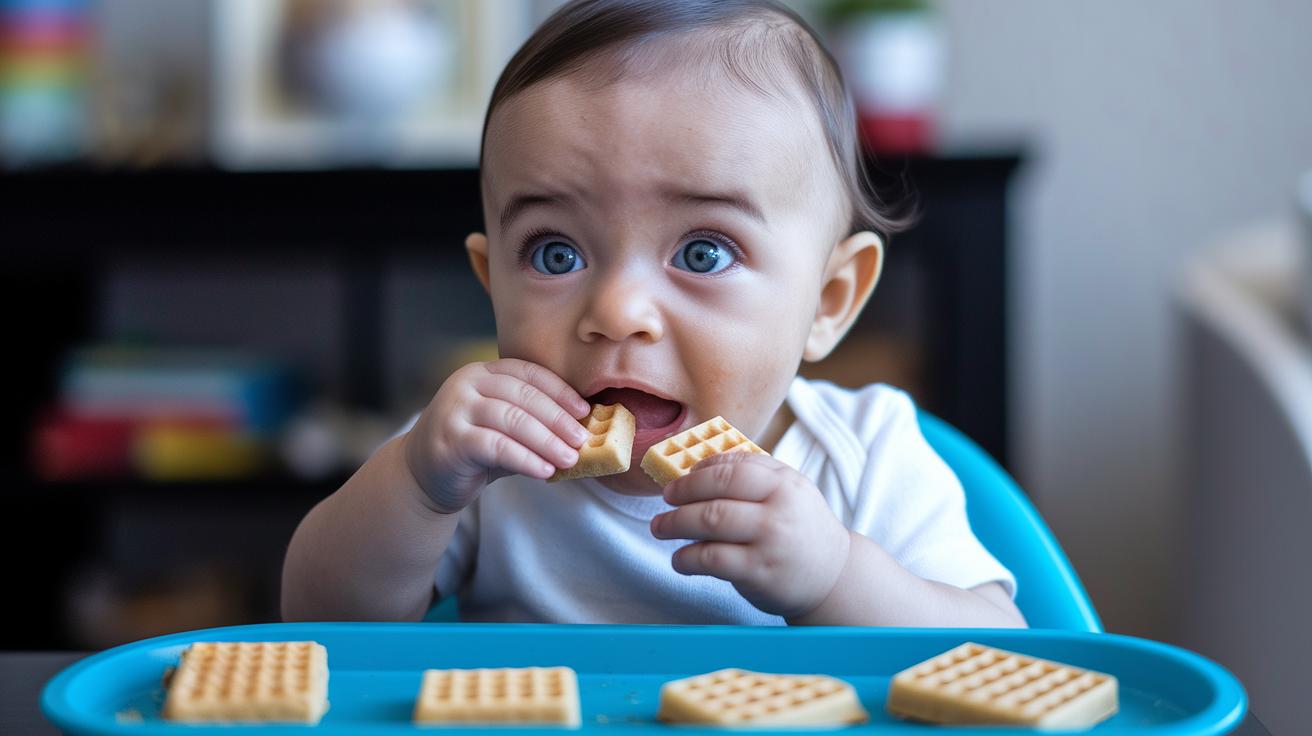
When your little one is around eight months old and starting to try self-feeding, it’s important that the food pieces are just the right size and texture. Think of soft steamed vegetable cubes cut into tiny ¼-inch pieces, they’re perfect for building fine motor skills while keeping things safe.
Here are a few ideas to mix up mealtime and help your baby explore:
- Bite-sized waffles that are soft and easy for little hands to hold.
- Foods shaped like small sticks or puffs that are fun and simple to manage.
Always remember to cook foods until they’re tender and easy to chew. This little step makes a big difference in keeping snack time enjoyable and safe for your baby.
Allergy-Friendly and Specialized Baby Meal Options
When it comes to making meals for babies with special dietary needs, variety is so important. By eight to ten months, many little ones can try foods that contain common allergens like peanuts, eggs, fish, and tree nuts. Try introducing these foods one at a time and in very small amounts so you can keep an eye out for any reactions over the next two days. This gentle method helps you feel confident while keeping mealtimes fun and interesting.
If you’re searching for dairy-free options, you might swap regular yogurt for oat-milk yogurt or use pureed silken tofu when you need something smooth. And if gluten-free meals are on your list, quinoa or rice cereals are great choices that still give your baby important nutrients.
Vegan recipes are wonderful too! Simple dishes like lentil or bean purees are not only full of nutrition but are also easy for little tummies to digest. Once your baby is around ten months old, you can add a tiny pinch of mild spices like cinnamon or basil. They add a gentle boost of flavor without being too strong, keeping meals safe and tasty for every baby.
Family-Style Baby Meals and Feeding Schedules
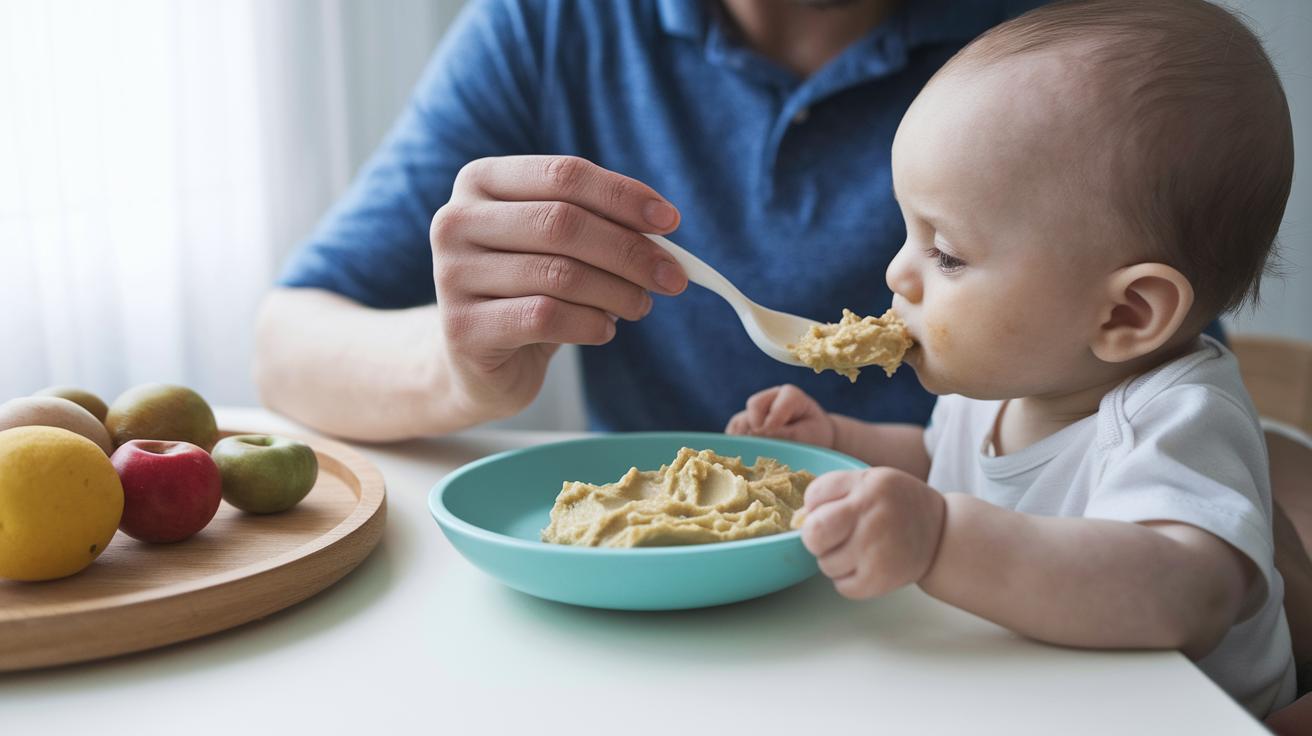
Family meals are a wonderful way to bring everyone together, and that includes your little one. You can take a dish you already love, like Instant Pot butter chicken or Italian lentils & rice, and gently mash or chop it into soft, bite-size pieces. Imagine small chunks of chicken that fit perfectly into tiny hands, making self-feeding a fun experience.
If you're looking for tips on doing this safely, check out our Age-Appropriate Baby Meal Ideas and Baby Meal Finger Foods and Self-Feeding Recipes sections. For instance, try serving a small bowl of finely chopped pasta with mixed vegetables next to your own meal. It’s an easy way for your baby to dip and explore different textures.
We also chat about noticing your baby’s hunger cues, without having to stick to a strict feeding schedule.
| Tip | Description |
|---|---|
| Easy Textures | Offer food with soft textures that are gentle on little mouths. |
| Family Favorites | Adapt your favorite family meals into baby-friendly dishes by mashing or chopping them. |
Overcoming Common Baby Meal Challenges
Sometimes it can feel like your baby’s hunger signals are all over the place. It’s best to watch their cues and let them guide you rather than pushing food on them. When your little one goes through a picky phase, try pairing a food they love with one that’s new. For example, if mashed sweet potato is their favorite, add a spoonful of pureed peas to gently introduce a new taste. Imagine your baby’s surprise when a little bit of avocado mixes with carrot!
Busy days call for snacks that are quick and easy. Keep handy treats like banana halves or avocado slices ready to grab. These no-prep snacks offer nutrition without much fuss, perfect for when hunger suddenly strikes.
Keeping mealtime neat can also make a big difference. Use silicone placemats and easy-clean bibs so cleanup is a breeze. Bright, colorful plates can even make mealtime more fun. Picture a vibrant plate filled with small servings of soft-cooked veggies and fruit, each bite appealing in both taste and look. These simple tips can make mealtime a warm, enjoyable experience for both you and your little one.
Final Words
In the action, this article touched on everything from the basics of baby meals to age-specific ideas, quick make-ahead recipes, fun finger foods, and allergy-friendly options. We shared practical tips on adapting family dinners to support balanced nutrition for little ones. Each section gave useful, step-by-step advice so moms feel more confident in shaping essential eating habits. Enjoy the process, keep experimenting, and celebrate the progress you make with those happy, healthy baby meals.
FAQ
What do baby meals for 9 to 12 months typically include?
The baby meals for 9 to 12 months mean soft, chopped foods that mix purees with finger foods. They offer various textures and nutrients while still relying on milk feeds as the main nutrient source.
What are some healthy and easy baby meals for a 6-month-old?
The baby meals for 6 months focus on smooth, single-ingredient purees like apple or carrot. These dinner options help gently introduce solids while still following a milk-first approach.
How many solid meals should an 8-month-old have daily?
An 8-month-old usually has three solid meals daily, along with one or two healthy snacks. This routine adds variety to their diet as they continue to drink breastmilk or formula throughout the day.
Can my 7-month-old have dinner?
A 7-month-old can have dinner by trying mashed or mixed-ingredient purees. They may enjoy a meal that is a bit thicker than early purees while still relying on milk feeds as the staple.
What are the three main meals a baby should eat daily?
The three main meals usually include breakfast, lunch, and dinner, with each meal featuring age-appropriate textures and balanced nutrients combined with ongoing milk feedings.