
Have you ever wondered if a small change in your baby's diet could lead to a brighter start? Each little sip of milk works like a tiny burst of energy, helping your baby grow and stay strong.
Even when breastfeeding isn’t an option, a well-made formula can give your little one the support they need. It’s like having a backup plan that you can really trust.
This guide shows how balanced baby nutrition can build a solid base for growth, brain development, and lasting health. Have you ever noticed how a small change can brighten up your day?
Let’s take a moment to explore these simple yet powerful steps together, so your baby can thrive from day one.
Guidelines for balanced baby nutrition: feeding essentials
Breast milk is nature’s special gift – like a perfectly made meal that builds strength and shields your little one with essential antibodies in those early six months. Picture it as a tiny superfood drink that not only fuels growth but also supports natural immunity.
If breastfeeding isn’t an option, infant formula is a wonderful alternative. Think of it as a carefully crafted substitute that mirrors the key nutrients of breast milk. In fact, moms who choose or need to use baby formula have plenty of support from health experts, who confirm that it gives your baby everything needed to thrive.
For the first half-year, the focus is all about keeping it simple with just breast milk or formula. This steady flow of nourishment is like setting out the best ingredients for brain development, a strong immune system, and overall growth. It’s a gentle way to lay the groundwork for good health.
After six months, you can start introducing other foods while still keeping breast milk or formula as the main part of your baby’s diet. Health guidelines recommend that moms continue breastfeeding until at least 12 months even after starting solids, so the switch feels smooth and natural. This balanced approach helps give your baby the bright, healthy start they deserve.
Balanced baby nutrition stages: age-specific feeding strategies

For the first six months, keep it simple. Babies rely on breast milk or formula for all their nutrients. This simple nourishment supports strong growth, builds lasting immunity, and lays the groundwork for future development. Experts in infant nutrition say these early months are essential for a growing brain and building overall strength.
Around six months, many little ones show they're ready for more, holding their head steady and peeking at foods with curiosity. It’s a great time to add a pinch of solids. Start with single-ingredient purees so you can watch for any reactions while your baby enjoys a new taste. I remember how one mom mentioned her baby’s eyes shone with wonder when she first tasted smooth, mashed carrot. This phase is all about gently expanding flavors and learning the basics of self-feeding.
As babies grow into toddlers between 12 and 24 months, they might become a bit picky. They begin to explore a wider variety of foods, including finger foods and small, healthy snacks that invite them to feed themselves. This stage focuses on offering many nutritious options and creating regular meal and snack routines. Not only does this support their health, but it also builds their confidence and independence at the table.
| Age | Feeding Type | Key Focus |
|---|---|---|
| 0–6 months | Breast milk or formula | Healthy growth, strong immunity, and brain development |
| 6–12 months | Breast milk or formula plus small amounts of pureed solids | Exploring textures and learning to self-feed |
| 12–24 months | Varied healthy foods including finger foods | Handling picky eating and building independence |
Balanced baby nutrition introduction of solids: starter foods and allergens
At about six months, you might notice your little one showing signs like steady head control, small chewing movements, or a curious peek at the family meals. This is a gentle moment to start with single-ingredient purees, giving you a clear picture of how your baby feels about each new taste.
Try adding one new food at a time and then wait 3 to 5 days before introducing the next one. Think of it as sprinkling just a pinch of seasoning, it helps you see if your baby is reacting or simply enjoying the new flavor.
Keep an eye on your baby’s signals. If you notice they slow down after a few spoonfuls, it might mean they’re full, and it’s a good idea to pause. This is part of a friendly approach called responsive feeding.
As your baby grows more comfortable, start mixing in foods with a few soft lumps. This small change not only adds a bit of texture but also makes mealtime a fun, sensory adventure.
- Start with purees made from one ingredient.
- Wait 3 to 5 days before introducing another new food.
- Look for readiness cues like head control, chewing, and clear interest.
- Ensure foods are served at a safe temperature.
- Keep a feeding log to note your baby’s reactions.
Balanced baby nutrition key nutrients: essential vitamins and minerals
When it comes to giving our little ones a balanced diet, it’s important to mix foods full of the right vitamins and minerals to support every stage of their growth. Vitamin D, for instance, helps build strong bones and teeth during those rapid early months, while iron keeps their energy up and helps their brains develop.
Plus, essential fatty acids are a big part of the plan. They support brain health and help keep every cell in tip-top shape.
You know, infant cereals and organic purees are great gentle choices for providing these nutrients. Many baby foods even come with extra prebiotics and probiotics for a happy tummy. Imagine mixing a bit of organic puree with some infant cereal, it gives extra iron and vitamin D while also adding the benefits of healthy fats.
Using a variety of these nutrient-rich foods means that as our little ones grow, they get a full range of the essential ingredients they need. This mix really lays a strong foundation for their development.
When the diet is balanced, it creates a nurturing environment where newborns can blossom into energetic toddlers. It supports not just their bodies but also their curious, growing minds.
Balanced baby nutrition: Bright Beginnings for Infants
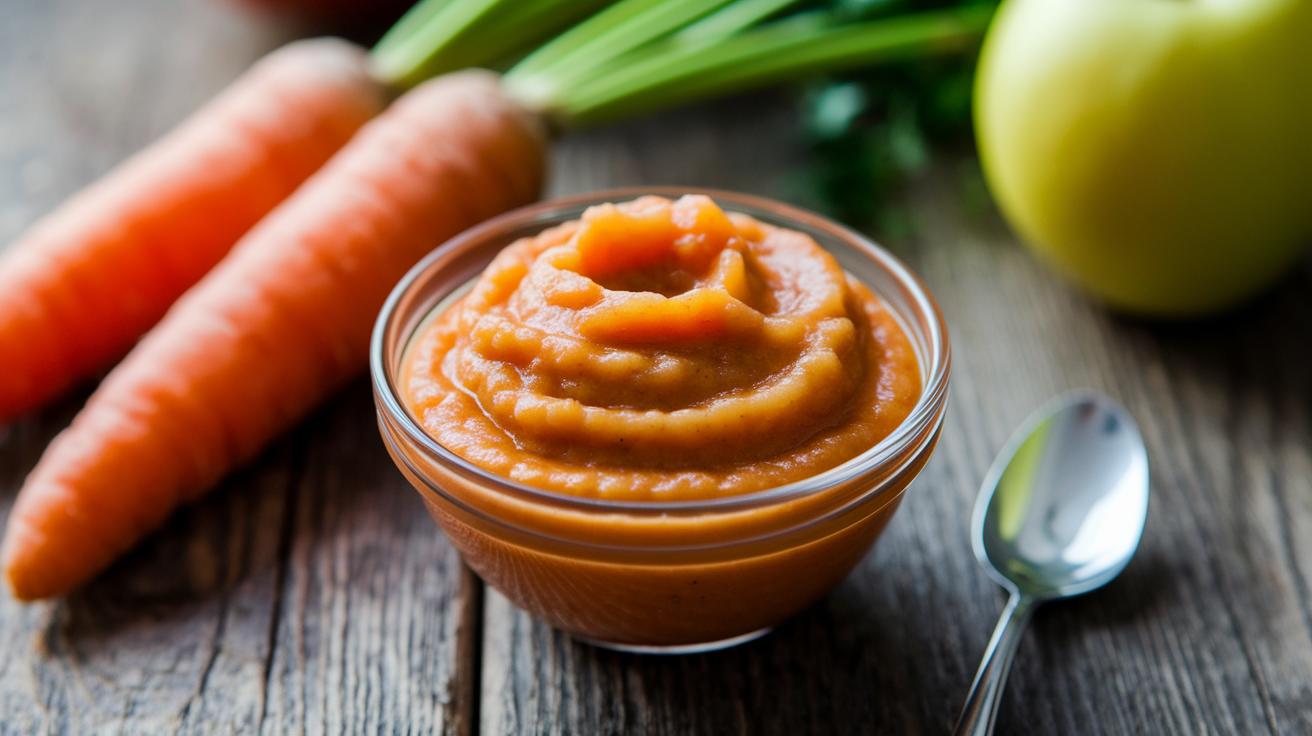
Organic foods can turn a simple meal into a nutrient-packed delight for your baby. Picture every recipe as a gentle invitation into a world of flavors where each bite supports both body and mind. Imagine taking fresh, organic carrots and apples to whip up a smooth, homemade puree that tastes wonderful and helps your little one grow strong.
Choosing quality ingredients is really important. Some products even carry Clean Label Project® Certification, which gives you extra confidence in their safety. Making these purees at home means you’re in charge, keeping out any additives you don’t want. It’s like spooning a bit of nature’s goodness into a tiny bowl of comfort.
Here are a few easy, healthy ideas you might try:
- Try steamed sweet potatoes mixed with a touch of organic pear for a naturally sweet puree.
- Mix lightly cooked spinach with a ripe banana to create a creamy, iron-rich snack that helps build muscles.
- Combine cooked quinoa with apple and carrot for a meal that’s both hearty and gentle on a little tummy.
- Blend organic peas with a hint of mint to introduce a fresh flavor along with essential vitamins.
Each of these recipes offers a delightful mix of fruits and vegetables, giving your baby an early taste of wholesome, varied flavors while supporting healthy growth with every bite. Enjoy exploring these meal ideas as little steps to many more healthy adventures!
Balanced baby nutrition transition: safe weaning and texture progression

This phase builds on introducing solids by guiding your baby to try new textures safely. For example, you might offer small, soft pieces like a bit of well-cooked salmon, giving your little one a fun way to explore different textures.
Structured portion planning teaches you how to adjust food sizes and textures as your baby grows. Try to serve meals free from added sugars and with less salt so that every bite stays nutritious while encouraging your baby to eat on their own.
Balanced baby nutrition planning: meal schedules and portion guidance
Creating a daily feeding plan for your little one is all about building a comforting routine that helps with both good nutrition and growing independence. One idea is to start with simple pureed foods and then move patiently to toddler meals and snacks as your child grows. There's a handy 10-module bootcamp that guides parents step-by-step with set meal times and portion ideas, making it easy to keep everything steady and responsive. Think of each meal as a gentle guide, serve age-appropriate portions that fill your baby's tummy without causing discomfort, and remember to offer a little water with meals to help with hydration. As your baby starts enjoying more bite-sized foods, try mixing regular meal times with small, healthy snacks during the day. This steady routine can help your child feel safe and secure while exploring new flavors and textures.
Final Words
In the action, we explored feeding essentials from breast milk and formula to the careful transition into solids. We covered age-specific guidelines, safe weaning techniques, and fun, wholesome homemade recipes.
Each section offers clear, caring advice that lays the groundwork for balanced baby nutrition. With practical steps and a nurturing perspective, you can build meal routines that help your little one thrive while keeping mealtime a delightful, exploratory part of daily life.
FAQ
Q: What is a balanced diet for a baby?
A: A balanced diet for a baby means providing breast milk or infant formula as the main source during early months, then slowly introducing age-appropriate solids that supply essential vitamins and minerals.
Q: How do I ensure my baby has a fully balanced meal?
A: Ensuring a fully balanced meal involves offering milk or formula along with gentle purees and solids, watching your baby’s hunger cues, and following a routine that gradually expands textures and food diversity.
Q: What is the ideal nutrition for an infant?
A: The ideal nutrition for an infant centers on breast milk or formula for the first six months, followed by small amounts of pureed foods when developmental cues show readiness for solids.
Q: What is the 2 day rule for baby food?
A: The 2 day rule for baby food encourages introducing one new food every few days, allowing you to watch for any reactions and helping you identify which foods your baby tolerates best.
Q: How can a meal plan or nutrition chart support balanced baby nutrition?
A: A meal plan or nutrition chart outlines age-specific feeding steps, portion sizes, and key nutrient sources, providing clear guidance for switching from milk to solids while keeping feeding routines consistent.
Q: What are the best and healthiest foods for babies 6–12 months or 1-year-olds?
A: The best foods for babies 6–12 months include gentle purees and soft-cooked vegetables, as well as mashed fruits, offering a smooth transition to varied textures while ensuring essential nutrition.
Q: How do nutrition guidelines differ for infants versus toddlers (ages 1–3 years)?
A: Nutrition guidelines for infants focus on milk-based nourishment and single-ingredient purees, while toddlers benefit from a broader mix of whole foods and textures that support growing energy needs and self-feeding skills.