Have you ever thought that starting solids could be fun and easy for you and your baby?
Many moms feel both excitement and worry when it’s time for those first tastes.
This simple guide is like a friendly chat, full of ideas to help you ease into mealtime.
We’ll explore easy ways to recognize your baby’s signals and make small, gentle steps that turn eating into a happy adventure for you both.
Understanding Weaning Foods: Baby’s Readiness and Key Feeding Milestones

When your baby starts giving little signals, like sitting up steadily and showing good tongue control, it might be time to introduce solid foods. Experts say that around six months, many little ones are ready to try more than just milk. Have you noticed how they lean in to see what you're eating or reach for a bite? That’s their gentle way of saying they’re ready to explore new tastes and textures.
Next, let's talk about a feeding schedule. The World Health Organization suggests that between six and eight months, you can start offering solids two to three times a day. Then, as your baby grows from nine to eleven months, try moving up to three or four meals daily. This steady increase fits well with your baby’s growing hunger and developing chewing skills. Just keep an eye on those hunger cues, and you'll help make mealtimes a relaxed, happy moment for both of you.
Selecting Weaning Foods: Nutritional Basics and Purée Techniques
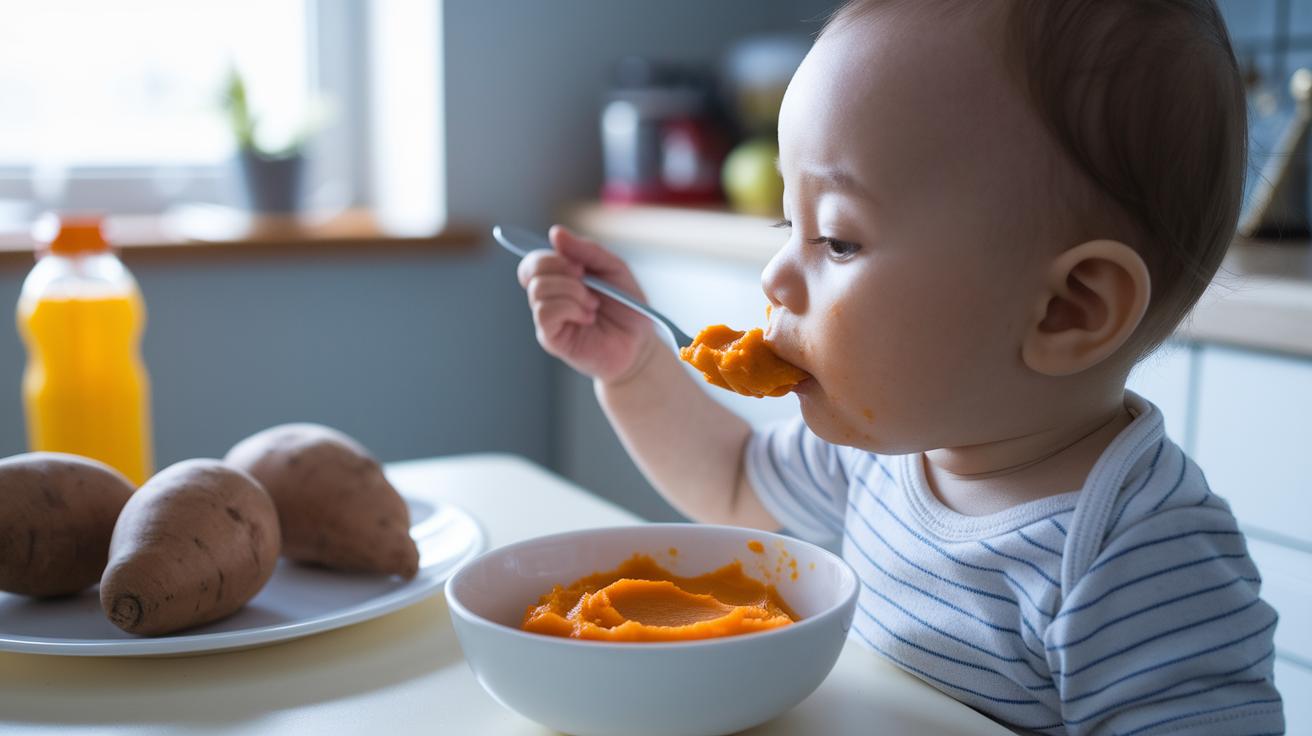
Starting with a single-ingredient smooth puree is a kind and gentle way to introduce your baby to solid foods. Try using one healthy vegetable like sweet potatoes, carrots, bok choy, cauliflower, broccoli, beets, chard, spinach, kale, or Brussels sprouts. This helps you watch for any reactions while slowly bringing in new flavors. It’s like taking a warm, inviting step into a world of natural nutrition, where every bite feels like a small celebration. Have you ever noticed how a simple, velvety sweet potato puree can turn mealtime into a loving, cozy ritual?
Basic Puree Techniques
A simple approach is to steam or roast your vegetables until they’re soft. When they’re ready, blend them in a high-speed blender until they’re silky smooth. To get the texture just right for your baby, add a bit of breastmilk, formula, or water. This little tweak makes sure the puree is gentle for your baby’s developing taste buds. It’s a fun process of trying different methods until you find the perfect match for each veggie.
Simple Homemade Mash Recipes
Here’s a heartwarming recipe to try: mix two parts of steamed sweet potato with one part unsweetened apple puree. This blend gives a natural, gentle sweetness without any extra salt or sugar and is full of vitamins and fiber. Warm it up slowly to create a meal that feels like a loving hug in every spoonful.
Another lovely option is to combine equal parts of lightly steamed carrots and pears. Stir in a small splash of breastmilk to reach a creamy texture that your baby can easily enjoy. This mash not only supports smooth eating but also widens your little one’s taste adventures in the coziest way possible.
Scheduling Weaning Foods: Meal Frequency and Portion Guidelines
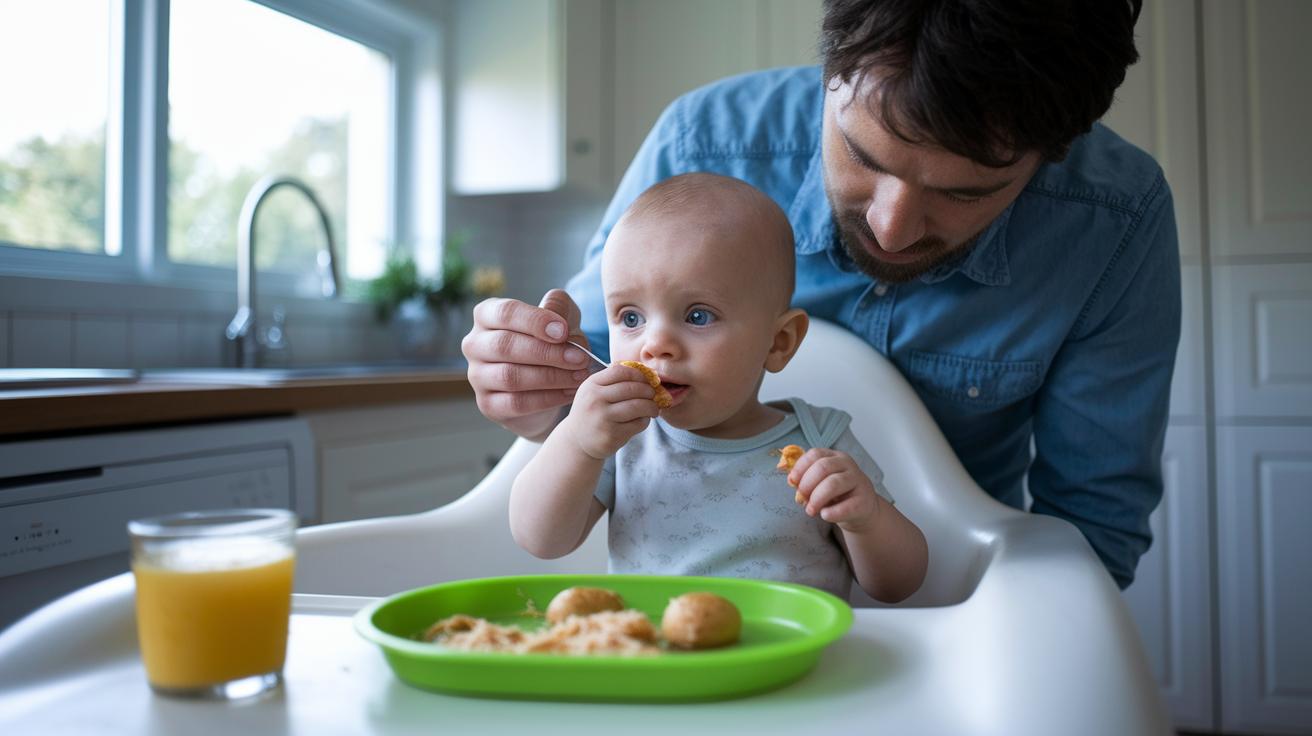
Starting your baby's weaning journey with a simple and steady meal routine can really bring a sense of calm to both of you. At around six months, try offering one meal a day so your little one can begin to explore new tastes and textures. It’s like a gentle start, setting the stage for a routine that both you and your baby can feel good about.
Between 7 and 9 months, you might notice your baby getting more curious about food. This is a great time to move to two meals each day. As your baby learns to hold food and chew better, around 10 to 11 months, three meals a day can work nicely. Have you ever seen how a small change can light up your baby’s smile?
After your baby turns 12 months, adding two little snacks with three meals helps keep energy levels up and makes mealtimes fun. Remember, these guidelines are just a suggestion, you know your baby best, so you can adjust portions as needed to match their hunger and mood.
| Age Range | Meals per Day | Snacks per Day |
|---|---|---|
| 6 months | 1 | 0 |
| 7–9 months | 2 | 0 |
| 10–11 months | 3 | 0 |
| 12+ months | 3 | 2 |
Keep an eye on your baby’s hunger cues and let them guide you. It’s all about finding a balance that feels right for your family while quietly supporting your little one’s growing independence.
Weaning Foods Safety: Hygiene, Utensils, and Choking Prevention

When you start weaning your baby, it helps to have a safe and calm mealtime. Make sure your little one sits upright in a sturdy highchair with a secure harness and supported feet. Keeping distractions to a minimum lets them focus on trying new foods and experiencing different textures.
Using clean, baby-sized spoons can make a big difference. These soft-tipped utensils feel gentle in tiny hands and help your baby enjoy every bite. It’s like creating a little haven where every mouthful is cared for, just as you would prepare a meal for someone you love.
Remember these simple steps:
- Check that your baby sits upright with a secure harness.
- Use soft-tipped, baby-sized spoons.
- Stay by their side, letting them eat at their own pace.
- Cut foods into pieces that are safe for their age.
- Wash hands, utensils, and surfaces before meals.
- Learn baby CPR and basic choking response.
By following these tips, you can help show that normal gagging during learning isn’t the same as choking, a serious issue that needs quick action. Also, try to avoid small, hard pieces or foods high in salt, sugar, or additives that might not be safe. Keeping your space tidy and well-supervised makes mealtimes a nurturing, worry-free time for both of you, turning every bite into a joyful moment of discovery.
Weaning Foods Textures: Progressing from Purees to Finger Foods
From Smooth to Lumpy
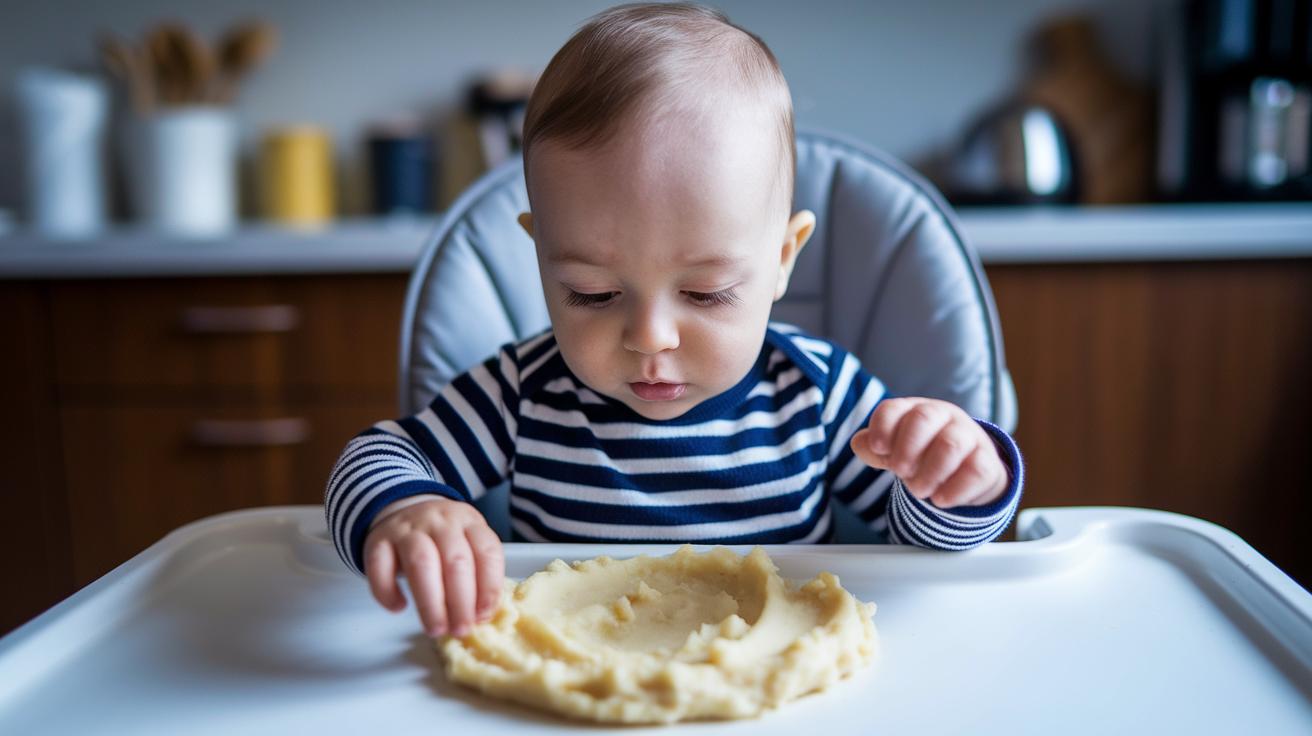
Start with smooth purees and watch your baby’s reactions closely. Around 8–9 months, you can gently introduce a few fine lumps. Try mashing a steamed vegetable with the back of a fork just enough so it gets a little thicker. This small change helps your baby practice chewing without feeling overwhelmed. Imagine mashing a sweet potato until you see soft, tiny lumps, it’s a fun way for your little one to explore new textures while enjoying their favorite flavors.
Keep a close eye on your baby as they adjust. If you notice them struggling with the lumpy bits, it’s perfectly okay to switch back to a smoother puree for a day or two. This slow, comforting process builds their self-feeding skills and paves the way for trying even more varied textures later on.
Introducing Finger Foods
Once your baby is comfortable with a few lumps, it’s time to explore finger foods. Cut steamed veggies or soft fruits into small strips that are easy for tiny hands to grab. These little pieces support your baby’s natural pincer grasp and boost their independence at mealtime. Try offering soft, steamed carrot sticks or slices of ripe banana that are just the right size for your baby to hold.
Stay close by while your baby eats these new shapes. Watching over them ensures they’re safe and reassures you both as they take this exciting step toward more solid foods.
Weaning Foods Flavors: Allergy Introduction and Taste Exploration
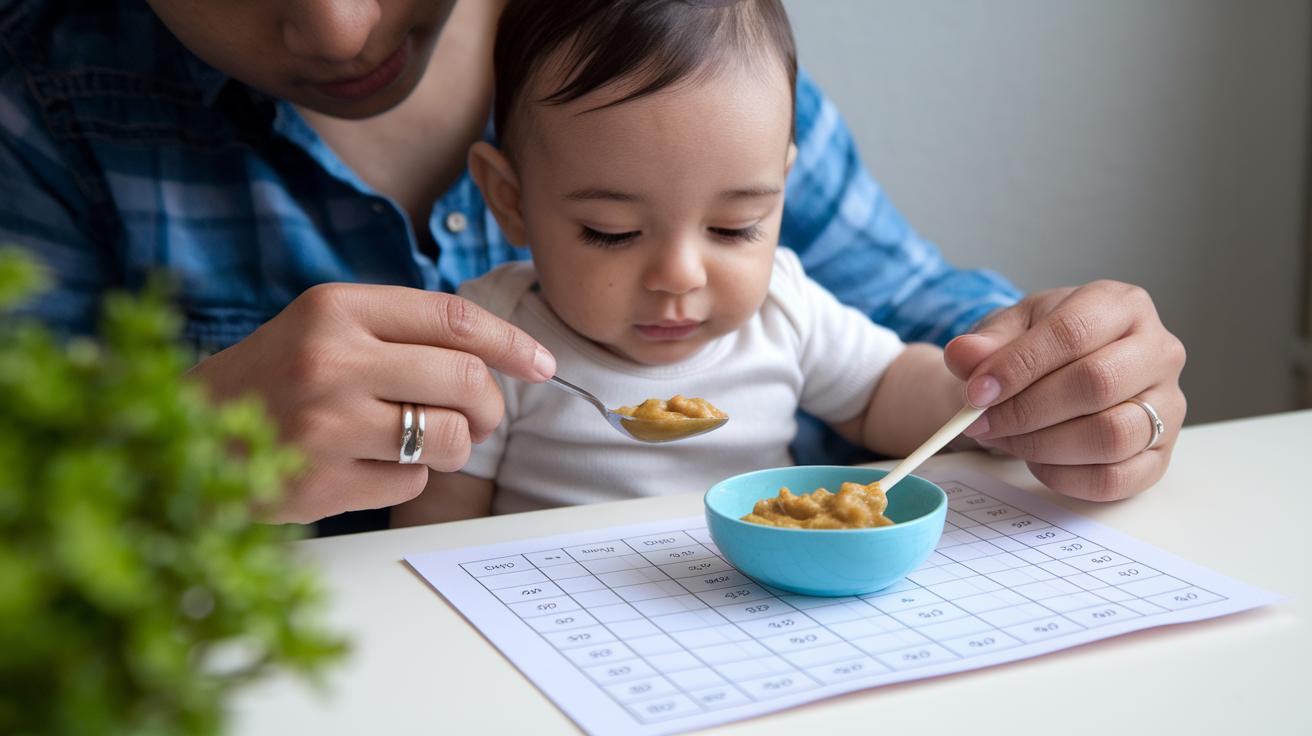
When you start weaning your baby, try offering one new food every 3 to 5 days. This lets you watch closely for any signs like a rash, diarrhea, or vomiting. For example, if you serve pureed carrots, take a few days to see how your little one reacts before you introduce something else.
It also helps to serve high-allergen foods like eggs or dairy early in the day. That way, if your baby has any reaction, you can catch it quickly. Think of it like keeping a gentle food diary where each new taste tells you more about their food tolerance. You might offer scrambled eggs in the morning as part of a steady routine to clearly see how your baby handles these foods.
Mixing up flavors can be a fun way to explore mealtime. Try rotating sweet, savory, and even a slight bitter taste to help build your baby’s palate. Imagine mashing sweet potatoes with a little mild spice from a family-favorite recipe, turning mealtime into a delightful taste adventure.
Final Words
In the action of exploring our beginner's guide to weaning foods, we've seen how baby readiness signs, puree techniques, meal scheduling, safety tips, and texture progression all work together to create a balanced approach. We talked about easy, homemade mash recipes and careful allergen introductions that help build a calming mealtime routine. Each step fosters confidence and care for both baby and caregiver. Keep embracing these simple methods and enjoy each new, happy feeding moment.
FAQ
What is a beginner’s guide to weaning foods at 6 months?
The beginner’s guide to weaning foods at 6 months explains starting solids when your baby shows readiness by sitting upright and using tongue control. It shares expert advice on introducing safe, nutrient-rich purees.
Where can I find a 6 to 12 months baby food chart PDF?
The 6 to 12 months baby food chart PDF outlines meal and snack schedules for babies. It offers clear guidance on portion sizes and age-related food variety to support healthy growth.
What should a beginner’s guide to weaning foods at 9 months include?
The beginner’s guide to weaning foods at 9 months focuses on advancing textures from smooth purees to thicker mixes and soft finger foods, aiding in self-feeding and chewing skill development.
How does the NHS guide beginner’s guide to weaning foods?
The NHS guide on weaning foods provides clear steps for safely introducing solids. It emphasizes starting with single-ingredient purees and following age-appropriate feeding routines for proper development.
What is included in a weaning food chart?
A weaning food chart details age-specific meal plans, showing the number of meals per day, serving sizes, and safe first foods, making it easier for caregivers to plan balanced, healthy diets for babies.
What are baby first foods for 4–6 months?
Baby first foods for 4–6 months typically include simple, single-ingredient purees. These foods help babies adjust to new tastes and textures while laying a strong nutritional foundation.
What information is provided in a 6 months baby food chart?
A 6 months baby food chart provides tips on starting one solid meal per day with pureed fruits and vegetables, helping caregivers introduce new foods safely and in line with developmental readiness.
What are baby-led weaning starter foods?
Baby-led weaning starter foods emphasize offering soft, graspable items like steamed vegetables or fruit pieces. These foods encourage self-feeding and help develop fine motor skills at a baby-friendly pace.