
Have you ever noticed that even a tiny drop of breast milk can be so powerful? You might be surprised to learn that every ounce has about 19 to 23 calories that help your baby grow strong. Many moms say switching from colostrum (the first milk) to mature milk feels like moving from a small, gentle starter to a full, satisfying meal. I'm excited to share simple, clear facts about these calories and what they mean for your little one’s development. Every sip really does count in supporting a healthy start.
Calories in Breast Milk: How Much Energy Does It Provide?

Breast milk normally has about 19 to 23 calories per ounce, which means roughly 0.64 to 0.77 calories per milliliter. In the first few days after birth, your body makes colostrum. It has lower fat and calorie levels than later milk. Colostrum is like a gentle start, a soft, delicate touch that gives your baby just enough energy along with important nutrients. Then, about 4 to 6 weeks later, mature milk comes in. It settles into a steady mix of calories that’s just right for your little one. It’s a bit like having a light appetizer at first and then a hearty, well-balanced meal.
When a baby is fed only breast milk, they usually drink about 25 ounces (or around 750 mL) in one day. That adds up to roughly 475 to 575 calories every day. This steady flow of energy is essential for your baby’s growth and development, especially in those first 6 months. Think of it as a natural daily boost that helps them grow strong and healthy, each little sip is packed with the calories they need and the loving nourishment from Mom.
Breast Milk Calorie Variation Across Lactation Stages

Your body naturally adjusts the milk it makes as your baby grows, so the energy in your milk changes over time. In the first few days, you produce colostrum, which is a special early milk that has less fat and only about 50 kcal per 100 mL. Then, as days pass, transitional milk appears with roughly 60–70 kcal in every 100 mL before you settle into making mature milk, which has about 65–75 kcal per 100 mL.
Even during one feeding, the energy changes. The milk at the beginning, called foremilk, usually has around 10–15 kcal per ounce. Toward the end, known as hindmilk, the energy jumps to roughly 25–30 kcal per ounce. And you might notice that milk from evening or nighttime feedings tends to have more fat and calories, giving your baby an extra boost when they need it most.
- Colostrum, transitional, and mature milk each fall into their own calorie range.
- Later feedings might bring richer, higher energy milk.
- Foremilk usually has fewer calories per ounce than hindmilk.
Knowing about these shifts can help you feel more confident about your feeding choices. When you understand that different types of milk and even parts of one feeding have different energy levels, you and your healthcare provider can better track your baby’s growth and nutrition. It shows that each milk phase plays an important role in your little one’s development, and that every change is perfectly natural and needed.
Factors Influencing Breast Milk Calorie Content

Your everyday meals really matter when it comes to the calories in your breast milk. When you choose foods with healthy fats, proteins, and carbs, it can help boost the milk’s fat level. Think of it like adding olive oil to a salad for a little extra goodness. Foods with omega-3 and omega-6 fatty acids work similarly, gently raising the milk’s energy value. Even a simple snack of avocado or a handful of nuts can make a difference.
How healthy you are and the energy you store in your body also play a part. When your body has enough stored energy, it naturally makes richer milk that meets your baby’s needs as they grow. Staying nourished with a balanced diet helps your body produce milk with just the right mix of fats and other important nutrients.
There are some supplements and feeding habits that might slightly change the energy in your milk. Some moms try things like fenugreek or blessed thistle, or even probiotics, to help increase milk supply a bit. However, studies show these don’t really change the calorie concentration much. One helpful tip is to make sure your baby finishes a feeding completely, getting to the creamier hindmilk can give them that extra boost of calories.
Caloric Comparison: Breast Milk versus Infant Formula
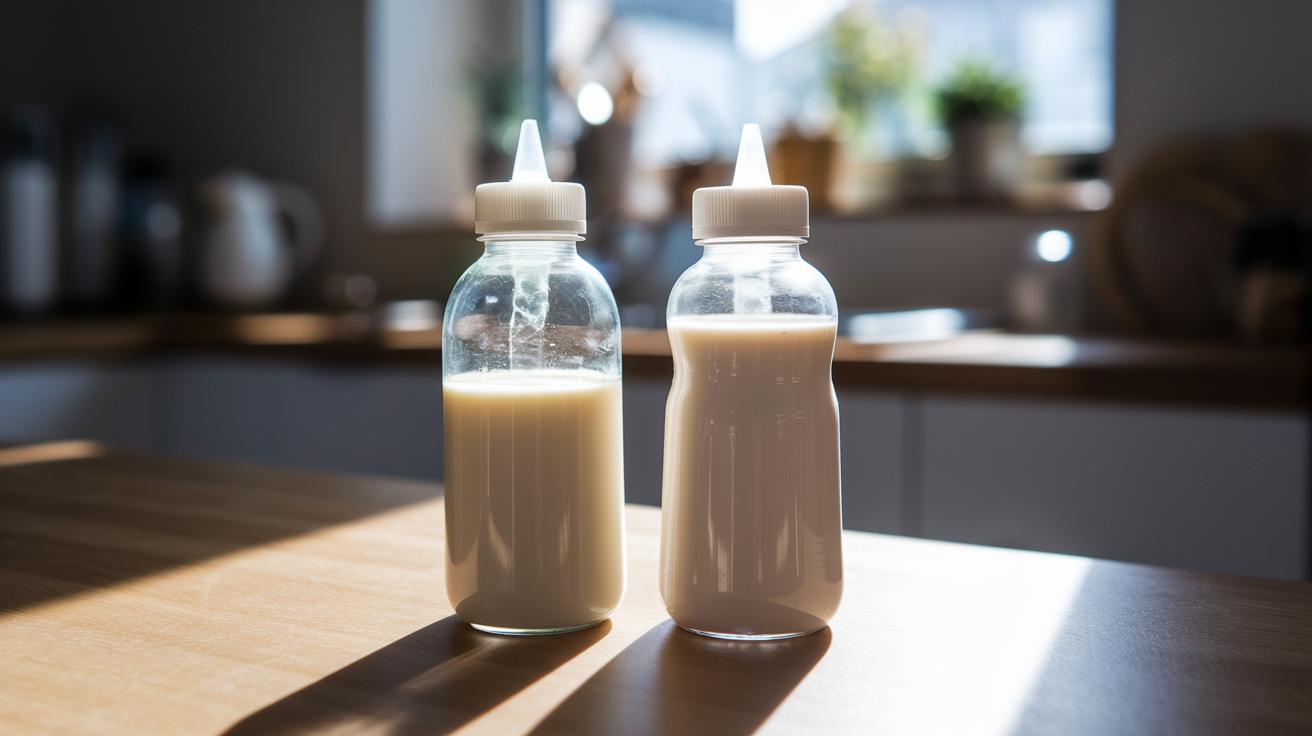
When it comes to comparing breast milk and infant formula, they both offer almost the same number of calories. Breast milk has about 19–23 calories per ounce, and infant formula usually gives around 20 calories per ounce. But there's more to breast milk than just energy. It comes packed with natural antibodies, enzymes, and live cells that help protect your baby and support their growth. Meanwhile, formula is made to include extra vitamins and minerals to give your baby a boost.
Take a look at a simple side-by-side look at these differences:
| Type | Calories per oz | Key Nutrients |
|---|---|---|
| Breast Milk | 19–23 kcal | Antibodies, enzymes, live cells |
| Infant Formula | ≈20 kcal | Added vitamins, minerals |
Even though the calorie counts are nearly the same, the extra living ingredients in breast milk offer unique benefits for your baby’s overall health and growth. Isn't it lovely how nature goes the extra mile to take care of our little ones?
Maternal Calorie Requirements for Optimal Breast Milk Production

When you're breastfeeding, your body needs a bit more fuel. In fact, it's a good idea to add around 300 to 500 extra calories each day compared to what you ate before your pregnancy. Think of it like your body is running a little engine, around 85 calories are used to create each 100 mL of milk. So if you produce about 750 mL a day, that energy really adds up. Every bite you take helps power both you and your baby.
Getting a mix of good food is really important. Experts say that a daily plan with 45 to 65 grams of protein, 200 to 300 grams of carbohydrates, and 30 to 40 grams of fat works well. You can think of it like following a simple recipe: protein helps rebuild and repair your body, carbohydrates keep you energized, and fats give your milk that smooth, nutrient-rich quality.
It helps to have healthy snacks ready when you need them. For example, grab a handful of nuts with some fruit or make a smoothie with a little nut butter. These quick snacks pack in energy while keeping things tasty and simple on busy days. And if you plan your meals ahead, you’ll feel more relaxed about meeting your extra calorie needs, plus, you get to enjoy a variety of delicious foods for both you and your little one.
Strategies to Boost Breast Milk Calorie Density

One way to help add extra calories to your breast milk is to fine-tune your feeding and pumping routine. When you're feeding, try letting your baby fully drain the breast so they get the thicker, richer milk at the end. And when you're pumping, you might want to try a method called power pumping (imitating cluster feeding) to help bring out all those healthy fats. For instance, if your baby leaves behind some milk after feeding, a quick pumping session might draw out that creamier milk.
Another tip is to adjust your diet by adding healthy fats. Foods like avocado and olive oil can be great additions to your meals, imagine it like sprinkling a little extra butter into your favorite recipe. Tasty snacks such as nuts and seeds not only satisfy hunger but may also help boost the energy in your milk.
Staying well-hydrated by drinking water throughout the day can also support top-quality milk production. Pair your hydration with balanced snacks; a small bowl of mixed nuts and fruit can be a simple, effective pick-me-up.
Keep in mind that many methods to change milk calorie content are still being researched, so it's best to stick with evidence-based suggestions and chat with your healthcare provider before trying new techniques.
Breast Milk Calories and Infant Growth Outcomes

When babies first arrive, they rely on the energy from breast milk to help them bounce back after a small weight loss of about 5 to 7 percent. Breast milk is packed with nutrients that kickstart a gentle weight gain of 20 to 30 grams a day and support important brain growth, almost like a little energy boost that sets the stage right.
As your baby grows, their need for calories from milk also grows. By one month old, most babies need around 450 calories each day from breastfeeding. Then by six months, that need rises to about 700 calories. Often, boys need a touch more energy than girls as they grow. Every feeding isn’t just about calories; it’s a nurturing moment that supports overall growth and well-being.
You can track your baby’s calorie intake by keeping an eye on their weight and the number of wet diapers. If you notice that the weight isn’t picking up as it should, or if you’re just a bit worried about their energy levels, it might be a good idea to chat with your pediatrician. Regular check-ups help ensure your little one is thriving and getting all the nutrition needed for a healthy journey ahead.
Final Words
In the action of grasping the details, we broke down breast milk calories, from calories per ounce and per milliliter to daily totals for infants. We touched on differences from colostrum to mature feeds and compared breastfeeding with formula.
These insights support practical choices. They help you feel more confident about meeting your baby’s energy needs while keeping care balanced and real. Keep moving forward with clear numbers on breast milk calories and a positive outlook on nurturing your little one.
FAQ
What are the calories in breast milk per ounce and per mL?
Breast milk averages 19–23 calories per ounce (about 0.64–0.77 calories per mL). Colostrum has lower calories, while mature milk stabilizes to these energy levels later on.
How many calories does a baby get from breast milk per day?
An infant typically gets about 475–575 calories daily from breast milk by consuming roughly 25 ounces (750 mL) each day, supporting steady growth and development.
What is a breast milk calories calculator?
A breast milk calories calculator helps estimate an infant’s daily energy intake by using the milk volume and its calorie content, making it easier to track nutritional needs.
How does breast milk provide protein along with calories?
Breast milk supplies both essential calories and high-quality protein, which work together to support a baby’s growth, immune health, and overall development naturally.
How do breast milk calories vary by age?
Breast milk calorie levels adapt to a baby’s needs; early milk like colostrum is lower in energy, and as the infant grows, mature milk provides a steadier, balanced calorie profile.
Do you really burn 500 calories breastfeeding and how many are burned per ounce produced?
Producing breast milk can burn roughly 500 extra calories daily; this energy expenditure is spread across the total milk output rather than calculated strictly per ounce produced.