
Have you ever thought about how the food you eat might shape your baby's health and give you more energy while you're breastfeeding? It’s like giving your car premium fuel so it runs at its best. Healthy and delicious choices help boost your energy while also supporting your little one's growth. In this guide, you'll find an easy-to-follow list of foods that add both balance and flavor to your meals. Get ready to discover how simple ingredients can brighten your day and nourish both you and your baby.
Essential Foods for Breastfeeding Mothers: Nutrient-Rich Picks

As a breastfeeding mom, you need about an extra 450 to 500 calories each day to keep your milk flowing. But that doesn’t mean you should reach for sugary or fatty snacks. Instead, choose foods packed with good nutrients for you and your baby. It’s just like fueling your car with premium gas. For example, think about a warm bowl of whole grain cereal with low-fat milk and fresh berries – a simple, tasty way to add the right calories while staying healthy.
Mixing up your meals is a great idea too. When you try different flavors, your little one gets used to new tastes even before solid foods come into the picture. A balanced meal plan not only gives you the nutrition you need, but also sets up good eating habits for your baby. Maybe add some seasonal fruits to your snacks or toss together a colorful salad of mixed greens. It makes mealtime fun and full of variety – kind of like discovering a new favorite recipe!
Don’t forget to include foods from all the important groups. Vegetables and fruits give you vitamins and fiber, whole grains keep your energy steady, and lean proteins like chicken, fish, or even beans help repair your body and keep you strong. Just imagine biting into a crunchy carrot or a crisp apple. These little choices add up to a balanced diet that supports both your well-being and your baby’s growth.
Dietary Strategies to Support Lactation and Milk Supply

Keeping a regular eating routine each day helps give your body steady fuel to keep milk flowing naturally. There isn’t one magic food that boosts milk right away, so it’s best to enjoy a balanced mix of different foods. Think of your meals as the everyday energy you need, like starting your morning with a warm bowl of oatmeal topped with fresh fruit and a few crunchy nuts. This simple routine not only nourishes you but also sets a comforting rhythm for your day.
Balancing proteins, grains, and healthy fats is key for nurturing lactation. These foods work together like a team, providing long-lasting energy while keeping your blood sugar stable. For example, imagine a wrap filled with lean turkey, crisp lettuce, and a whole grain tortilla, a small meal that feels both satisfying and supportive.
Remember, rest and hydration are your best friends during breastfeeding. Good sleep and plenty of water help your body work its natural magic. Picture that refreshing moment when a sip of cool water recharges you, that little boost can make all the difference. So listen to your body and adjust your sleep and water habits as needed to enjoy a calm and effective breastfeeding journey.
Managing Common Allergens and Foods to Avoid in a Breastfeeding Mother Food List

When you're breastfeeding, it's important to notice if certain foods might be upsetting your baby. Sometimes, a little tummy upset or extra fussiness can happen because your baby's digestive system is still getting used to new foods. This means keeping an eye on what you eat can really help guide you.
You might find that some foods can be triggers. Consider these examples:
- Peanuts
- Tree nuts
- Wheat
- Soy
- Dairy
- Eggs
- Fish
- Shellfish
If you notice your little one seems extra gassy or fussy after you eat one of these foods, try pausing that food for a bit. This gentle break lets you see if your baby's comfort improves before slowly reintroducing it later. It’s all about finding what works best for your baby, one step at a time.
Essential Nutrients and Caloric Requirements on a Breastfeeding Mother Food List
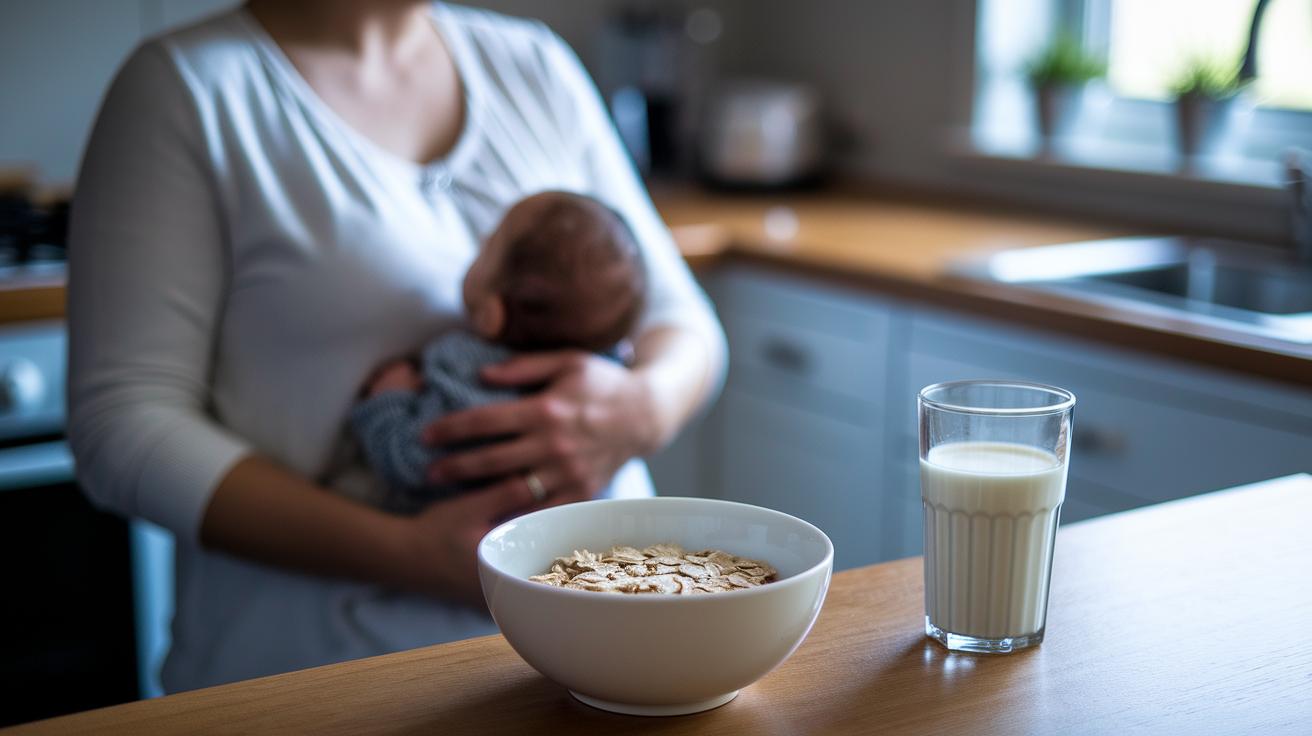
When you're breastfeeding, your body needs extra fuel to support healing and keep up a steady milk supply. Most moms need about 450 to 500 extra calories a day, and it's best to get those calories from foods that pack a nutritional punch. These extra calories work hand in hand with important nutrients like calcium, iron, potassium, and vitamins A and D to keep your energy up and help your baby grow strong.
Imagine starting your morning with a warm bowl of oatmeal and a glass of milk. Not only does this boost your energy, but it also gives you a good mix of essential nutrients. Whether you enjoy fresh fruits, lean proteins, or whole grains, every healthy choice helps you reach your nutrition goals and keeps your body feeling its best.
| Nutrient | Recommended Amount | Top Food Sources |
|---|---|---|
| Extra Calories | 450-500 extra calories/day | Whole grains, lean proteins, healthy fats |
| Calcium | About 1000 mg/day | Dairy, fortified alternatives, leafy greens |
| Iron | Approximately 9-10 mg/day | Lean meats, beans, spinach |
| Potassium | Around 4700 mg/day | Bananas, potatoes, tomatoes |
| Vitamins A and D | Key micronutrients combined | Fortified milk, carrots, a bit of sunlight (for vitamin D) |
breastfeeding mother food list: Nutritious, Tasty Choices
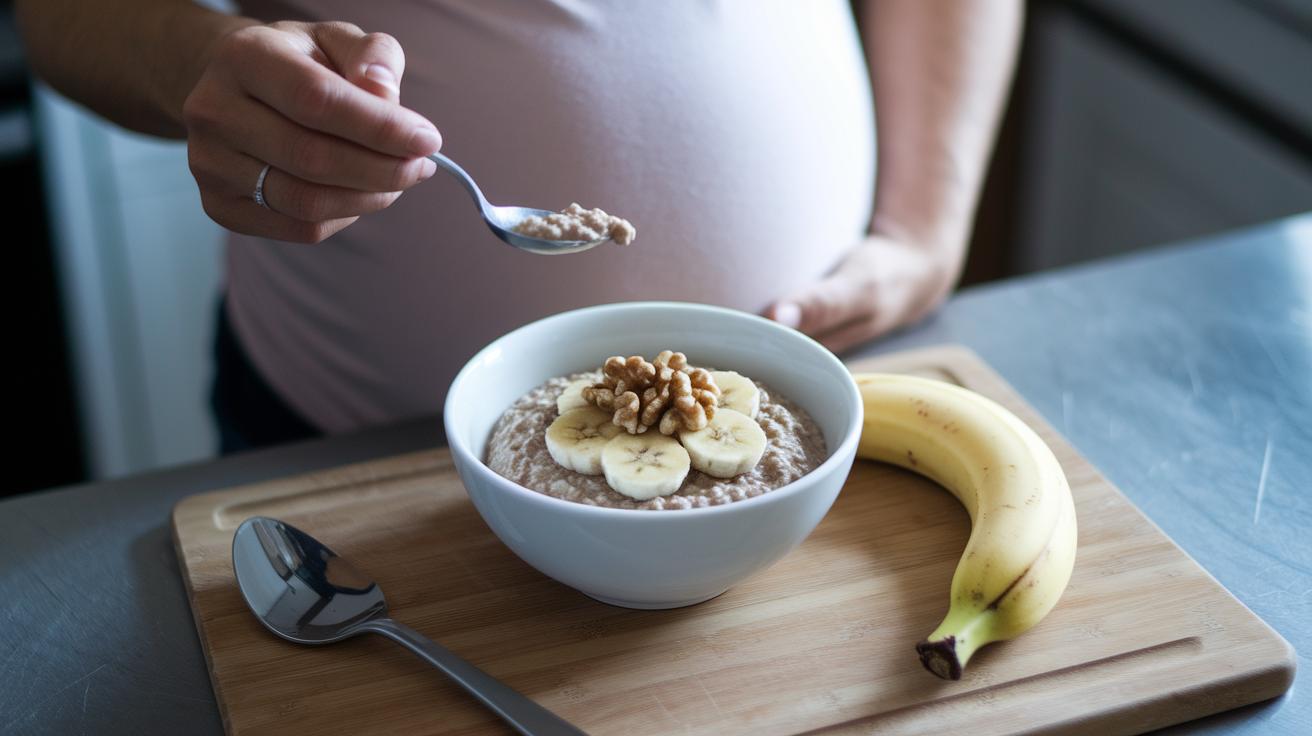
Sometimes, the rush of a busy day can feel a bit overwhelming. But simple meal and snack ideas can bring a little sunshine and ease. Choosing quick recipes packed with good nutrition means you and your baby get to enjoy a delightful mix of flavors while meeting your extra calorie needs with ease.
Breakfast Options
Kick off your day with a bowl of oatmeal topped with sliced bananas, a sprinkle of cinnamon, and a handful of walnuts for that perfect crunch. Or try out some egg muffins filled with spinach and a bit of cheese, great for those mornings when you’re on the move. These breakfasts blend hearty grains with lean protein, serving up nourishment that feels like a warm, comforting hug in the morning.
Snack Selections
When little hunger strikes between meals, a yogurt parfait layered with berries and a modest nut mix can really hit the spot. This simple snack not only gives you a burst of energy but also supports your milk supply with wholesome goodness. And the best part? It’s easy to pack, so a healthy bite is always within reach during your busy day.
Easy Lunch and Dinner
For lunch or dinner, keep things straightforward and nutrient-rich. Picture a grilled chicken salad bursting with colorful veggies or a stir-fry loaded with lean protein and your favorite vegetables. These meals are filling and offer a warm medley of flavors that help both you and your baby experience a well-rounded taste journey.
Hydration and Lactation: Best Beverages for Breastfeeding Mother Food List

Water is the heart of a healthy breastfeeding diet. It keeps you well-hydrated, supports smooth blood flow, and helps your body make milk. Picture yourself taking a refreshing sip between meals, it’s a gentle boost that keeps you feeling recharged and ready for whatever comes next.
Herbal teas can be a cozy choice, too, especially those made to help with lactation. A warm cup of chamomile or fenugreek tea can feel like a comforting hug, and many moms love the way these teas can support milk production. You might even try your own homemade blend, mixing water with a splash of lemon and a hint of ginger, to add a little variety to your day. Experimenting with these natural drinks can turn hydration into a delightful part of your nursing routine.
Monitoring Infant Comfort in a Breastfeeding Mother Food List: Preventing Gas and Colic

Watching your baby's cues can help you spot if a certain food is upsetting their tummy. When your little one gets extra fussy or seems to have too much gas after a meal, it might be a sign that something in your diet is not sitting well with them. For instance, if your baby becomes unsettled after you enjoy a dairy snack or a meal with heavy proteins, make a note of it. It can really help to keep a simple food diary, something like, "I had some cheese after lunch, and my baby was extra fussy later." This way, you can start to see any patterns between what you eat and how your baby reacts.
Once you notice a food that might be causing trouble, try removing it from your diet for a little while, then slowly bring it back in to see how your baby does. Changing one food at a time makes it easier to figure out what might be bothering your little one. This gentle process can help you make thoughtful choices about your meals. You can keep eating foods that are good for you while also keeping your baby comfortable and happy.
Final Words
In the action of choosing nutrient-rich foods and embracing a mix of meals, snacks, and hydrating beverages, the article highlights key dietary strategies to help you feel supported in your daily routine. We touched on calorie needs, essential nutrients, and even ways to monitor your little one’s comfort by tweaking your breastfeeding mother food list. Every tip shared is meant to keep you feeling confident and cared for, leaving you with practical ideas to nourish both body and baby. Enjoy each nourishing moment ahead!
FAQ
What foods should a breastfeeding mother avoid?
The foods a breastfeeding mother should avoid include common allergens like peanuts, tree nuts, wheat, soy, dairy, eggs, fish, and shellfish, as these may sometimes trigger gas or fussiness in the infant.
What does a breastfeeding mother diet chart typically include?
The breastfeeding mother diet chart typically includes balanced meals with an extra 450–500 calories daily, featuring nutrient-dense foods like vegetables, fruits, whole grains, lean proteins, and healthy fats to support both mom and baby.
What diet helps increase milk supply and support baby growth during breastfeeding?
The diet to support milk supply and baby growth features a balanced mix of nutrient-rich foods such as lean proteins, whole grains, vegetables, fruits, and proper hydration, which together help sustain milk production and promote healthy infant development.
What is the 4-4-4 rule for breastfeeding?
The 4-4-4 rule suggests a guideline for feeding sessions every 4 hours, with about 4 minutes of active suckling on each breast, though feeding sessions can naturally vary with baby cues.
What is the 6-6-6 rule for breastfeeding?
The 6-6-6 rule offers another guideline, referring to longer intervals of about six hours between feeding sessions for some mothers, reminding them to adjust routines based on both baby’s signals and personal comfort.