

Have you ever wondered if what you eat gives you enough calcium while you're breastfeeding? It can be easy to miss this important nutrient that helps keep your bones strong and supports your baby’s growing needs. In this friendly chat, let's look at some yummy options like milk, Greek yogurt, spinach (a leafy green good for your body), and almonds that can help you get more calcium every day. Remember, eating well isn’t about sticking to strict diets, it’s about enjoying foods that make you feel nurtured and strong for both you and your little one.
How to Boost Calcium Intake During Breastfeeding with Top Food Sources

Eating well while breastfeeding can be a simple, delicious way to boost your calcium. Here are some friendly food choices:
• Dairy-Based:
- Milk: Have about 1 cup to get 300 mg of calcium. This cup also gives you high-quality protein that your body loves.
- Greek Yogurt: Enjoy 6 oz for 250 mg of calcium. Its creamy taste and probiotic goodness make it a perfect snack or a tasty mix-in for your breakfast.
- Hard Cheese: A small 1 oz serving offers around 200 mg of calcium. It’s an easy snack that tastes great with some fresh fruit or whole-grain crackers.
- Chia Pudding (made with calcium-fortified almond or soy milk): One serving provides about 300 mg of calcium. This sweet treat not only tastes good but may also help boost your milk supply, making it a delightful start to your day or a cozy dessert.
• Non-Dairy:
- Cooked Spinach: A half-cup serving gives you 120 mg of calcium along with extra iron, folate, and vitamin K. It’s a nutrient-packed side dish that adds color to your plate.
- Canned Sardines (with bones): A 3 oz serving can pack up to 325 mg of calcium. They’re rich in omega-3 fatty acids too, helping boost both your health and your baby’s.
- Calcium-Set Tofu: Half a cup delivers about 350 mg of calcium. It’s versatile enough for stir-fries or salads, giving you a hearty boost with every bite.
- Almonds: Snack on 1 oz to enjoy 75 mg of calcium. These crunchy nuts are a quick, portable option that fits easily into your busy day.
Each of these options brings its own benefits, making it easier to meet your daily calcium needs while enjoying tasty, comforting foods.
Serving Sizes, Daily Calcium Requirements, and Deficiency Signs for Nursing Moms

When you're breastfeeding, you should aim for about 1,000 mg of calcium every day. Adding foods like milk, cooked spinach, cheese, and fortified almond milk can help you reach your goal.
| Food | Serving Size | Calcium (mg) | % of RDI |
|---|---|---|---|
| Milk | 1 cup | 300 | 30% |
| Spinach (cooked) | ½ cup | 120 | 12% |
| Cheese | 1 oz | 200 | 20% |
| Fortified Almond Milk | 1 cup | 300 | 30% |
Recognizing Calcium Deficiency
Keep an eye out for things like muscle cramps, tiredness, and brittle nails. If you experience unexpected cramps after a hectic day, it might be a sign you need more calcium. And if you feel tired even after resting well or notice your nails seem weaker than usual, these could be gentle hints from your body asking for a bit more calcium.
Enhancing Calcium Absorption: Vitamin D and Lifestyle Tips for Nursing Moms

Vitamin D helps your body get the most out of calcium. Try to get about 600 IU each day from food and a little time in the sun. Even just 10 to 15 minutes outside can brighten your morning and help raise your vitamin D naturally. A brisk morning walk, for example, can feel really refreshing while you enjoy the soft warmth of the sun.
Eating meals rich in calcium along with a bit of vitamin D can work wonders for your bones. Think about having a meal that includes fatty fish like mackerel, as it offers both vitamin D and calcium. You could also mix up a leafy green salad with a vitamin D-rich dressing or sip on some fortified almond milk at lunch, simple ways to keep your bones and teeth strong.
Staying active also helps your body make the most of calcium. Activities like a gentle walk or light strength training can boost your bone health and lift your mood. Adding just a few minutes of stretching or light exercise to your day can support your calcium absorption while giving you a little moment of calm care for yourself.
Nutrient-Dense Calcium Recipes for Postpartum Recovery
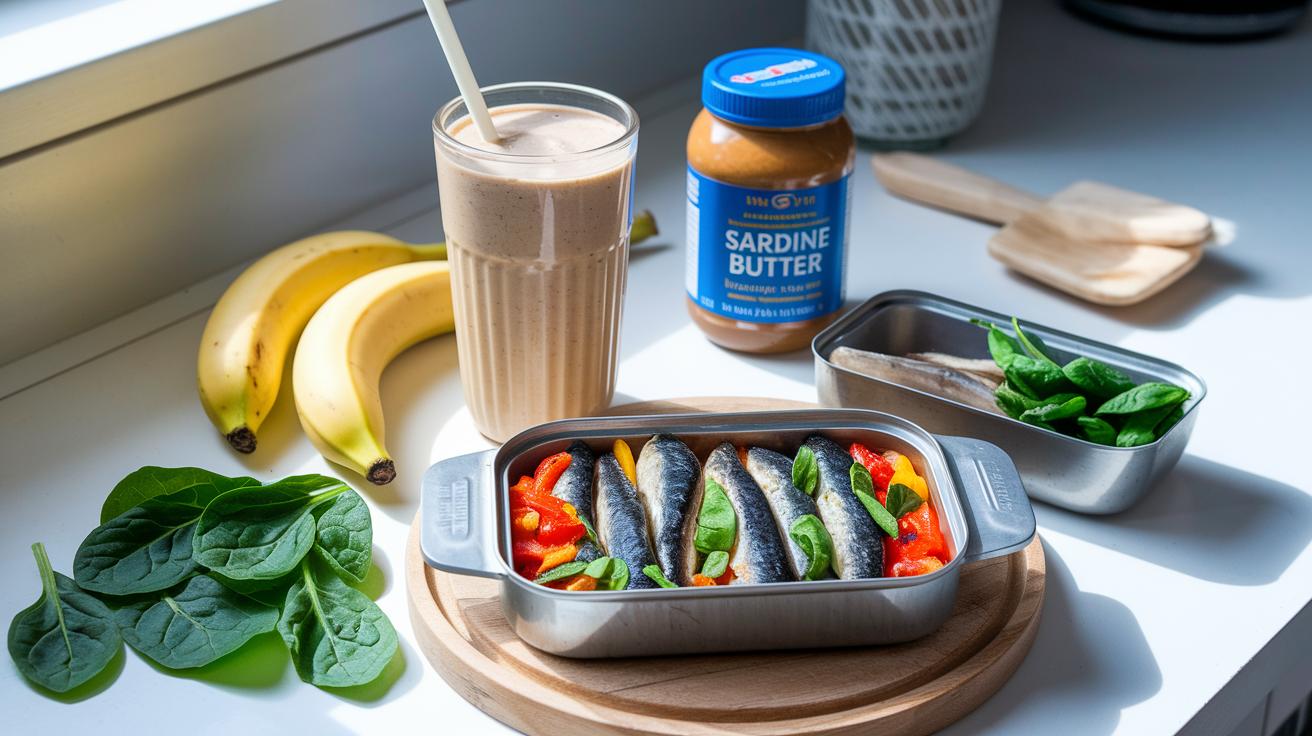
Calcium-Packed Smoothie
Start your day with a bright, calcium-packed smoothie. Blend one cup of fortified soy milk with a big handful of fresh spinach, one small banana, and a tablespoon of almond butter. This yummy mix gives you about 400 mg of calcium plus vitamins and fiber to help you feel ready for the day. I remember enjoying one in the morning and feeling a gentle boost of energy that carried me through my busy schedule.
Savory Sardine Bake
Next, try a savory sardine bake for a warm, nourishing meal. Open a 3 oz can of sardines (bones included for extra calcium) and mix them with chopped bell peppers, fresh spinach, and diced tomatoes. Drizzle a little olive oil, add a squeeze of lemon, and season with your favorite herbs. Bake in a preheated oven at 375°F for about 25 minutes until the veggies are tender and the edges turn a soft golden color. Each serving provides around 350 mg of calcium along with omega-3 fats that are good for your overall well-being.
Greek Yogurt Parfait
For a light, refreshing treat, whip up a Greek yogurt parfait. Start by layering 6 oz of thick Greek yogurt with 1/3 cup of mixed berries and a sprinkle of chopped nuts. Alternate the layers until you use up all the ingredients. This simple treat offers close to 300 mg of calcium per serving along with the benefits of probiotics and antioxidants. It’s like a little moment of calm in the midst of a busy day.
Almond Chia Energy Bars
When you need a snack on the go, Almond Chia Energy Bars are a great choice. In a bowl, stir together 1/3 cup of almond butter, 2 tablespoons of chia seeds, 1/2 cup of rolled oats, and a drizzle of honey. Press the mixture evenly into a lined pan and chill in the fridge for about 2 hours. Once set, cut into bars. Each bar packs around 200 mg of calcium along with healthy fats and fiber to keep you fueled throughout the day.
Safe Calcium Supplement Options for Breastfeeding Mothers

Sometimes, getting enough calcium from food alone can be a challenge when you're busy breastfeeding. Many moms find that taking a calcium supplement, usually about 500 to 600 mg in the form of calcium carbonate with vitamin D (which helps your body absorb the calcium), can really help. It's a good idea to take these about two hours apart from any iron supplements you might be using. And remember, try to use supplements only when your meals don't cover all your needs. Always follow your healthcare provider’s advice on the right dose. This extra step can help keep your bones strong.
Staying safe is really important when you take these supplements every day. Your total calcium from all sources should not go over 2,500 mg a day. Keep an eye out for signs like muscle cramps or feeling unusually tired. If you notice anything off, take a moment to review your supplement routine and talk with your doctor to see if any changes are needed. Your provider can help you choose the safest option to protect both your health and your baby’s.
Final Words
In the action, mothers explored how to boost calcium intake through smart food choices and tasty recipes. The guide covered dairy and non-dairy options, daily needs, absorption boosters like vitamin D, and safe supplement practices. It brought together clear serving sizes, practical recipes, and real-world tips for a balanced diet. Calcium rich foods for breastfeeding mothers ensure both nourishment and strength. Keep celebrating small wins and feel confident every step of the way!
FAQ
Q: What are the signs of low calcium while breastfeeding?
A: The signs of low calcium while breastfeeding include muscle cramps, fatigue, and brittle nails. These symptoms suggest you may need to boost your calcium intake.
Q: What calcium-rich foods are recommended for breastfeeding mothers?
A: Many calcium-rich foods are available, such as milk, Greek yogurt, leafy greens, sardines with bones, and fortified plant milks. These options help meet the daily calcium needs for strong bones.
Q: What foods should be avoided while breastfeeding?
A: Some guidelines suggest steering clear of foods that may cause discomfort or affect milk quality. Always check with a trusted source for a complete list tailored to your needs.
Q: What should a breastfeeding mother’s diet chart include?
A: A breastfeeding diet chart usually features a mix of nutrient-dense items, with plenty of calcium sources, lean proteins, whole grains, fruits, and vegetables to support both you and your baby.
Q: Which foods can help increase breast milk supply?
A: Certain nutrient-dense foods like oats and leafy greens are often linked to supporting milk supply. They can be easily incorporated into meals to help boost lactation, as noted on womensconference.org?p=16643.
Q: Should a breastfeeding mom use a calcium supplement?
A: Taking a calcium supplement might be helpful if your diet falls short. Typically, 500–600 mg doses with vitamin D are used, but it’s best to consult with your doctor for personalized advice.
Q: How can I increase my calcium intake while breastfeeding?
A: Increasing calcium while breastfeeding is possible by enjoying dairy, leafy greens, fortified alternatives, and safe supplements. This approach supports bone health and overall well-being.


