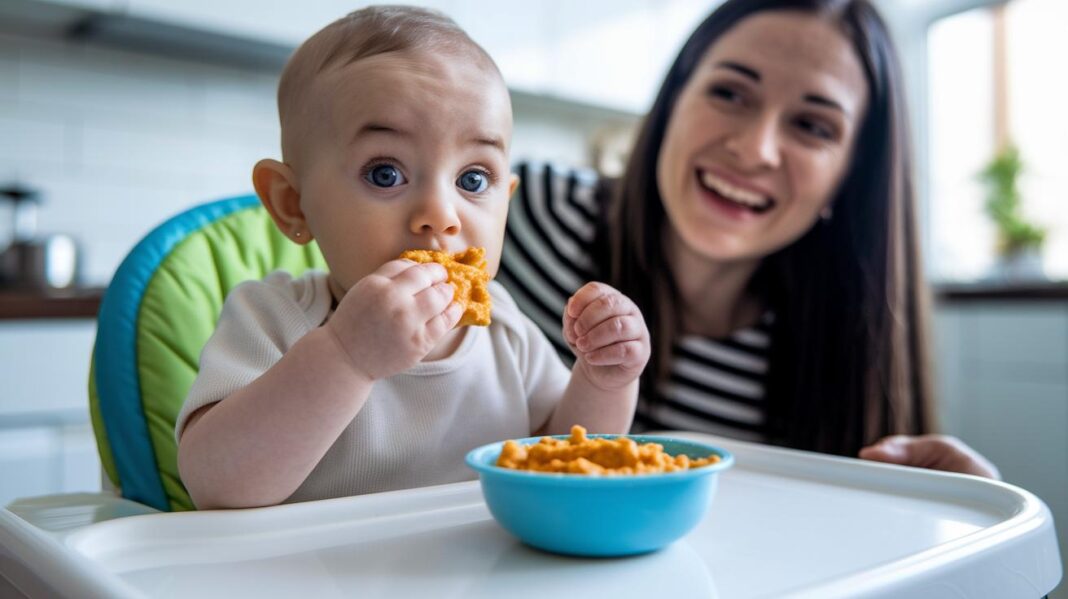
Have you ever thought about whether cooking your baby's first foods really makes a difference? Some moms say that cooking softens veggies and brings out a hidden goodness, while others feel raw foods keep all the natural nutrients intact. It’s like a little boost for safety, texture, and balanced nutrition all in one bowl. Picture serving a mix that delights your baby’s tiny taste buds while gently introducing new flavors. Today, we’re chatting about the benefits of each method to help you decide what feels right for a warm, nurturing start.
Nutritional Comparison of Cooked vs Raw Weaning Foods
When we compare cooked and raw weaning foods, we notice that each type offers its own benefits. Cooking helps break down plant cells, releasing nutrients like lycopene and making textures softer for little mouths. But too much heat can lower vitamin C levels. Meanwhile, raw foods keep their natural enzymes, which some believe help with digestion, even though scientists aren’t completely sure yet. It’s a neat balance that lets you tailor your baby’s meals in different ways.
| Aspect | Cooked | Raw |
|---|---|---|
| Vitamin C | Often reduced by heat | Usually stays higher |
| Enzymes | Lost during cooking | Kept naturally intact |
| Bioavailability | Improved as cell walls break open | Limited by intact cell walls |
| Texture | Softer and easier for babies | Tends to be firmer with more fiber |
| Safety | Lower risk of germs | Needs extra hygiene care |
If you're planning meals for your little one, keep in mind that how you prepare foods affects their nutrient value. Cooking can make minerals and vitamins easier to absorb by softening plant cell walls, but overdoing it might reduce delicate vitamins like vitamin C. On the other hand, raw foods help preserve natural enzymes, which might aid digestion. It’s also important to think about texture and safety, especially when serving raw options. In the end, a balanced mix of cooked and raw weaning foods lets you match your baby's needs and tastes while making sure nutrition and safety are always at the top of your list.
Safety Considerations for Cooked and Raw Weaning Foods

Introducing weaning foods safely is really important for your baby's little tummy and growing body. When you prepare both cooked and raw meals with care, you help protect your baby's developing digestion and immune system. It’s all about keeping things clean and simple to avoid unwanted germs and allergies.
Here are a few gentle tips to keep in mind:
- Always wash your hands well and clean all utensils before you start. This simple step helps get rid of any pesky germs.
- Warm cooked foods to the right temperature to make sure any harmful bacteria are gone.
- Choose fresh, high-quality fruits and veggies for raw meals so you can lower the chance of pesticide exposure.
- Stay alert for any signs of an allergic reaction when trying out new foods with your little one.
Balancing these safe cooking practices with careful raw food handling helps you give your baby a nutritious and hygienic diet. Using mild cooking methods means important vitamins and minerals stay in the food, and treating raw ingredients with extra care keeps potential germs at bay. In truth, following these tips can make the weaning journey smoother and more comforting for both of you.
Techniques and Benefits of Cooking for Weaning Foods
Cooking simple meals for your little one can be a wonderful way to add extra nutrition and care for their growing tummy. When you use gentle methods like steaming, boiling, and sautéing, you help keep important vitamins and minerals locked in while making the food soft enough for easy digestion. It’s a bit like finding the perfect balance between keeping flavors yummy and preserving all the goodness for your baby.
Steaming
Steaming is great because it helps vegetables hold onto most of their vitamins. Just steam them for about 5–10 minutes until they’re soft enough for your baby to mash. This method keeps the food tender and locks in both minerals and antioxidants, almost like wrapping them in a warm, nourishing blanket.
Boiling
Boiling is quick, but it can cause some vitamins, especially water-soluble ones like vitamin C, to slip away. To work around that, try using just a little water and even use the leftover cooking liquid in a puree or a soup. That way, you make sure your baby still gets all the nutrients.
Sautéing
For a little extra flavor, a quick sauté in a healthy oil like olive or avocado at low to medium heat works wonders. Keeping an eye on the temperature is key; it helps prevent losing important nutrients while adding a gentle browning touch that can make the food tastier and easier to chew.
When it comes to preparing home-cooked weaning meals, think of using fresh, high-quality ingredients and keeping the cooking time short. It’s fun to experiment with these gentle cooking techniques, and you can adjust things based on how your baby reacts. Imagine offering a colorful mix of fruits and veggies that not only looks inviting but also provides a wide range of nutrients. And always keep the texture just right, soft enough for a gentle mash or for little gums to handle. Every meal is a step forward in supporting your baby’s growing appetite and helping them develop a love for healthy, nourishing food.
Raw Preparation Methods and Enzymatic Benefits in Weaning
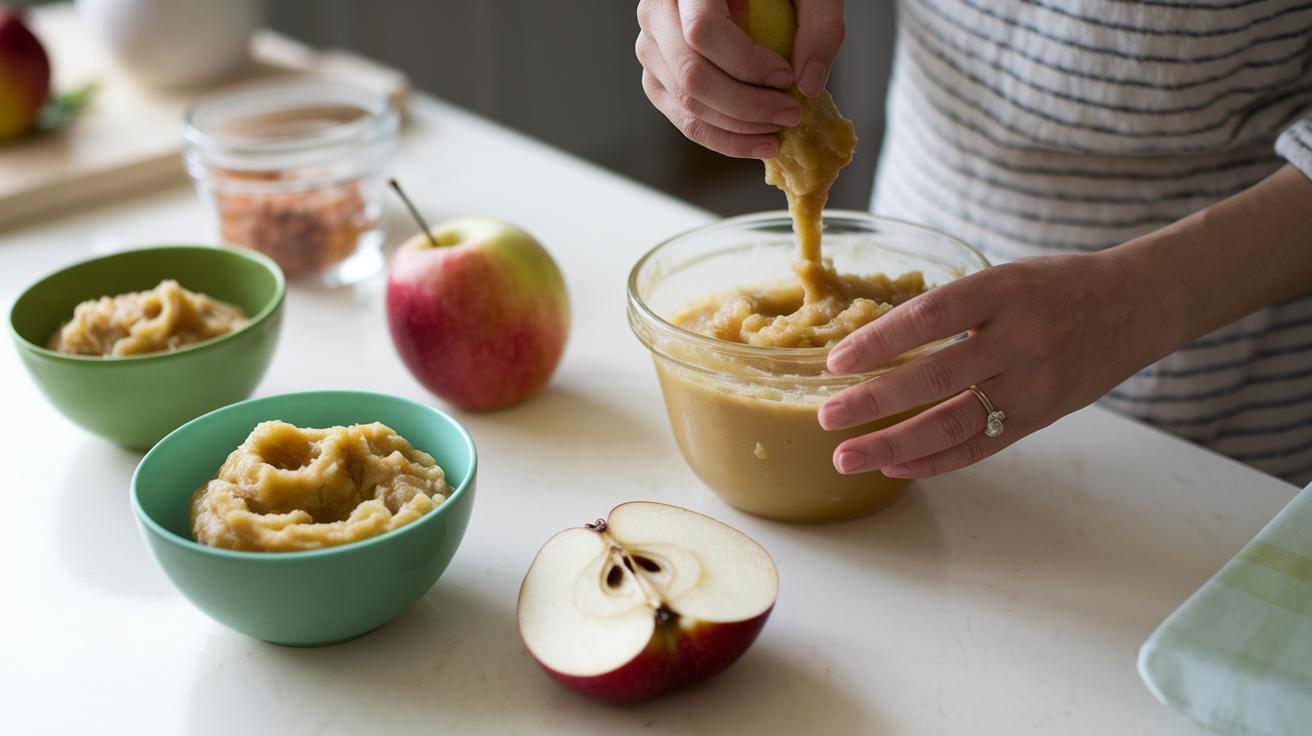
Many moms turn to raw foods because they keep natural enzymes that can support little tummies. Even though scientists haven’t confirmed every benefit, many feel these foods help with gentle digestion and add fiber that keeps the gut moving nicely. When you lightly mash or juice these foods, you balance keeping lots of nutrients while making them easy for your baby to try.
Simple Apple-Pear Mash
First, wash the apples and pears really well. Peel them and chop into small pieces. Then, mash everything until it’s smooth but still a bit chunky, perfect for babies who are just starting on solids. One small spoonful introduces your little one to fresh, mild flavors.
Avocado-Banana Blend
Take a ripe avocado and a small banana. Dice them up and blend until you get a creamy mix. If the blend is too thick, just add a little water to reach a smooth consistency that’s gentle for your baby’s growing taste buds.
Berry-Cucumber Juice
Mix a handful of ripe berries with a small cucumber. After juicing the blend, strain it through a fine sieve to remove any solids. Dilute with extra water until the juice is just right for your baby to sip easily.
It’s always a good idea to check the texture of these purees. If they seem too thin, add a bit of water or even some breast milk to thicken them up a bit. Start with a slightly thicker mix and slowly work to thinner textures as your baby learns and grows. And if you ever feel unsure or notice any signs of discomfort with a new food, don’t hesitate to chat with your pediatrician.
Developing Chewing Skills with Cooked vs Raw Textures
Introducing different food textures is a gentle way to help your little one learn to chew and build strong mouth muscles. At first, soft cooked foods make biting easy, while a few firmer, raw textures give a fun little challenge. Over time, mixing these textures helps nurture healthy chewing habits and gets your baby ready for family meals. It really does make a difference!
Start with smooth, blended purees that let your baby explore basic flavors without any solids.
Then, try lightly mashed foods that keep soft lumps so their tongue gets to move and play.
Next, offer soft finger foods cut into small pieces to boost their confidence while chewing.
Mixing cooked and raw textures gives a variety of experiences that gently boost oral skills.
Before you know it, your baby will be ready to join in at the family table, enjoying a range of textures.
Combining both cooked and raw textures means your baby can try something new every day. You might start with some warm, smooth purees and then switch to cooler, slightly firmer foods to see what they enjoy most. Watching your baby’s expressions and reactions helps you find just the right balance. Remember, a little variety during mealtime can make each bite exciting and safe, all while building the chewing skills that set the stage for a lifetime of healthy eating.
Timeline for Introducing Cooked and Raw Weaning Foods
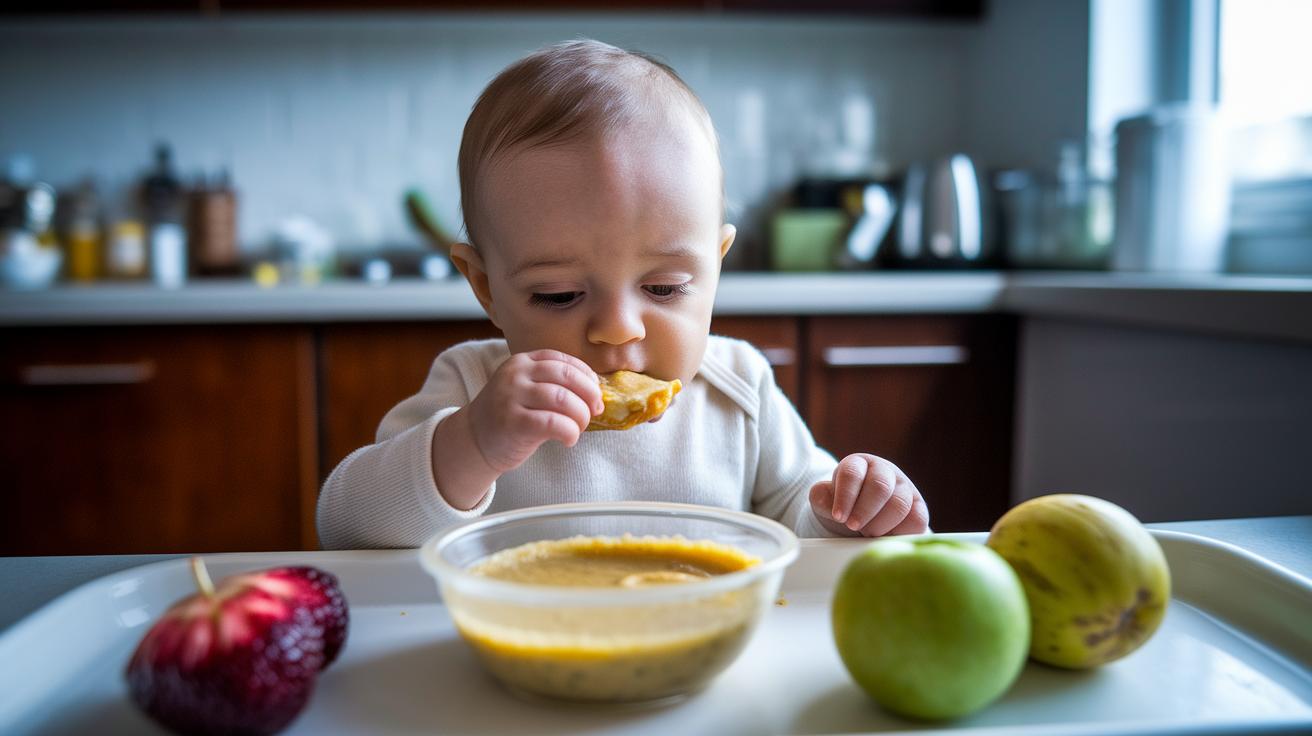
Introducing new foods slowly helps your baby get used to different tastes and textures while starting a healthy eating journey. Try mixing warm, cooked meals with cool, fresh raw options. Begin little by little, matching the change in seasons and your baby's own pace. This gentle plan sparks curiosity and steady growth.
| Age | Cooked Foods | Raw Foods |
|---|---|---|
| 6–7 months | Smooth purees; lightly warmed | Fresh fruit purees; mild flavor |
| 8–9 months | Mashed vegetables; soft grains | Blended fruits; soft textures |
| 10–11 months | Finger foods; small pieces | Coarser purees; chopped veggies |
| 12 months+ | Family-style meals; mixed textures | Raw snacks; seasonal fruits |
Keep a close eye on your baby's reactions as you introduce new foods. Start with a little amount and watch for any signs of tummy trouble or fussiness. Adjust the mix of cooked and raw treats depending on what your baby enjoys and the weather. Warm meals feel cozy on a chilly day, while cool, raw foods are refreshing during summer. This careful attention helps your little one move smoothly to solid foods every day.
Also, consider keeping a simple food diary to log what your baby eats and how they react. If you notice any discomfort or changes in their digestion, try adding a bit more warm food or slowly easing in extra raw options. Over time, this thoughtful approach will help create a balance between the comfort of cooked meals and the refreshing touch of raw foods, setting the stage for a nurturing and varied diet that supports healthy growth.
Expert Insights and Debates on Raw vs Cooked Weaning Foods
Many pediatric nutrition experts have weighed in on the best ways to start weaning. They say raw foods can bring natural enzymes that might help support health, while cooked foods are usually easier for babies to digest and tend to lower germs. Experts spend a lot of time talking about how each method changes the nutrients available and affects safety. Some even point to new studies showing that mixing both raw and cooked options gives the best results without repeating old comparisons.
Here are a few friendly tips to keep in mind:
- Mix cooked and raw foods to offer a range of nutrients.
- Start with cooked veggies and slowly add raw fruits to your baby’s diet.
- Use gentle cooking methods to keep the food soft and safe.
- Keep everything very clean when preparing raw foods.
- Talk with a pediatric nutritionist to create a plan that fits your little one perfectly.
The bottom line is to stay flexible and rely on trusted facts. Watch how your baby reacts, and don’t hesitate to change things up as their tastes and needs grow. Enjoy the journey of discovering what works best for your family!
Final Words
In the action, we’ve looked at how cooking changes nutrients and how raw foods can keep important enzymes intact. We explored methods to safely prepare infant meals, discussed necessary safety steps, and examined how textures help develop chewing skills. We even broke down a timeline for adding new foods and shared expert insights.
We hope this clear guide on cooked vs raw weaning foods empowers you to make thoughtful choices while nurturing your little one. Keep experimenting and enjoy each feeding moment.
FAQ
Q: What are the pros and cons of cooked vs raw weaning foods?
A: The comparison of cooked and raw weaning foods shows cooked options offer easier digestibility and lower microbial risks, while raw foods retain natural enzymes and vitamins but require careful handling for food safety.
Q: How do cooked and raw weaning foods affect dogs?
A: The discussion on dogs’ weaning foods reveals that cooked meals tend to be gentler on their digestion, while raw diets may preserve enzymes, though many vets recommend lightly cooked options to reduce pathogen risks.
Q: How do cooked and raw weaning foods impact cats?
A: The evaluation for cats indicates that cooked foods are usually easier to digest and safer, whereas raw foods may maintain more natural nutrients; balancing safety and nutrition is key in choosing the right diet.
Q: How do raw meat and cooked meat differ in nutrition and weight?
A: The comparison between raw and cooked meat highlights that raw meat preserves natural enzymes and moisture, while cooking reduces water weight and can lessen some nutrients, offering a trade-off between digestibility and nutrient retention.
Q: Does a chart exist comparing cooked vs raw weaning foods or vegetables?
A: The chart compares key aspects like vitamin C content, enzyme presence, bioavailability, texture, and safety, providing a clear side-by-side view that helps caregivers decide which option best fits their infants’ needs.
Q: Should I count my food by its raw weight or cooked weight?
A: The approach to counting food considers that cooking can change water content and nutrient density, so tracking based on the food’s preparation method helps offer a more accurate view for nutritional planning.