Ever feel a bit overwhelmed trying to plan meals that feed both you and your baby? Fresh foods bring cozy warmth along with important nutrients like protein, iron, and calcium to support you in this new chapter. We’ve gathered some easy tips, like chopping veggies beforehand and swapping out refined grains for whole ones, to help make your kitchen routine feel simple and joyful. Imagine turning mealtime into a gentle, caring ritual that nourishes both your body and spirit.
Essential Cooking Tips for Nutritious Maternal Meals
Cooking with nutrient-packed ingredients is like giving your body a gentle hug during pregnancy and after birth. Whole foods help supply important nutrients, protein for your baby's growth, iron for extra blood volume, calcium and vitamin D for strong bones, and folic acid for preventing neural tube issues (problems in the baby's spine or brain). And don’t forget to drink 8 to 10 glasses of water daily to keep you hydrated and aid digestion.
- Try using whole foods to keep your meals naturally wholesome. Picture chopping fresh fruits and veggies just like you’d toss together a crisp salad.
- Pre-chop your veggies so that on busy days, you’re already set to go.
- Swap out refined grains for whole grains, such as trading white rice for brown rice.
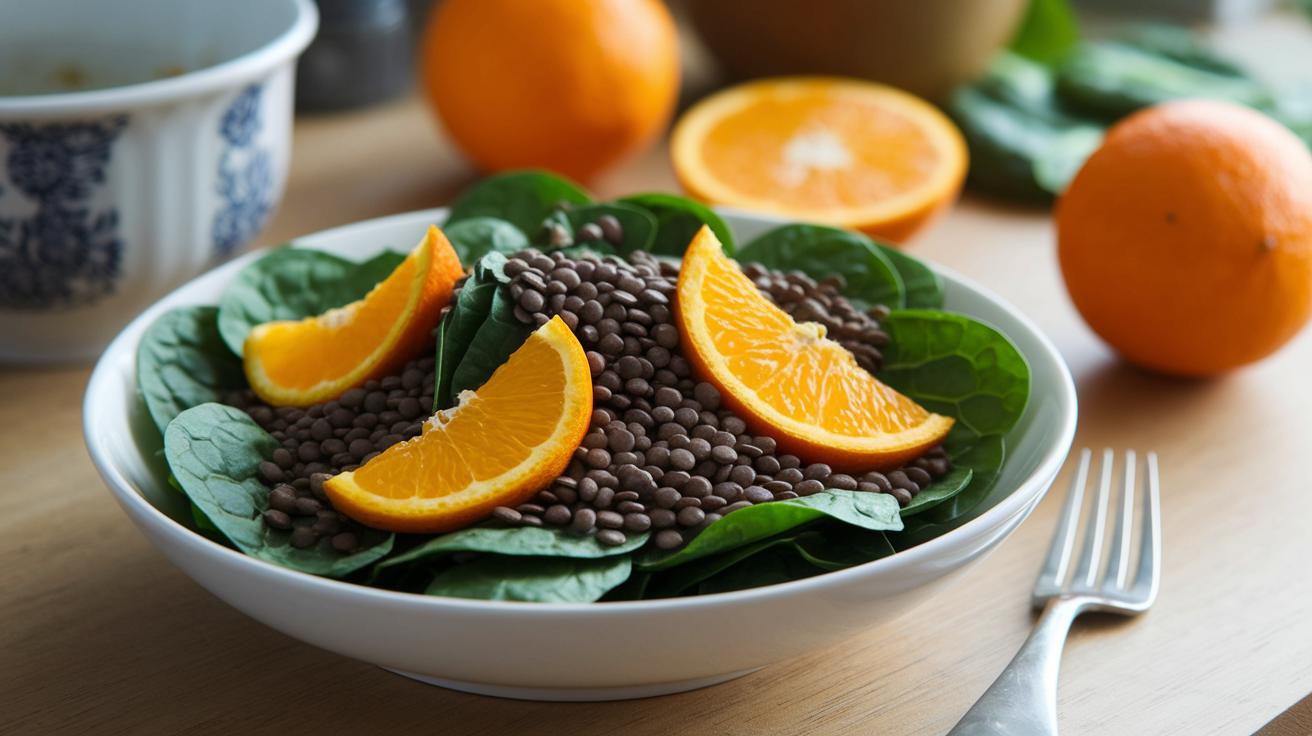
- Include a handful of leafy greens every day, imagine a simple spinach and citrus salad that feels refreshing and light.
- Choose lean proteins like chicken or tofu to help support your baby’s healthy growth.
- Drizzle good-quality oils, like olive oil, over your dishes for an instant burst of flavor.
- Season your meals with herbs and spices instead of piling on the salt.
- When you’re in a hurry, quick-cook grains like quinoa can be a real lifesaver.
- Consider one-pot meals that mix protein, veggies, and grains together for balanced, easy cooking.
- A little planned meal prep can make it simple to have balanced dishes ready for those hectic days.
These simple tips can turn meal planning into an effortless routine, ensuring both you and your baby get the essential nutrients each day. Isn’t it comforting to know that a few small habits can make such a big difference?
Batch and Make-Ahead Maternal Meal Prep Strategies
Batch cooking can really lighten your daily kitchen load and help keep your meals full of good nutrients during pregnancy and after. By preparing dishes like overnight oats, smoothie packs, sheet pan chicken fajita bowls, vegetarian chili, or a warming lentil soup, you free up precious time for those special family moments. Most of these recipes take less than 30 minutes, which makes them a perfect option for busy days when you want a quick, healthy bite that also keeps your hormones balanced. When you set up a little prep routine, you can enjoy nourishing meals throughout your week.
| Meal Type | Sample Dish | Prep Time | Storage Duration |
|---|---|---|---|
| Breakfast | Overnight Oats | 10 mins | 3 days |
| Lunch | Sheet Pan Chicken Fajita Bowl | 30 mins | 4 days |
| Dinner | Vegetarian Chili | 25 mins | 5 days |
| Snack | Smoothie Packs | 15 mins | 1 week |
It helps to label your containers with the date and meal type so you can keep track of freshness. And by rotating items in your freezer, you make sure nothing gets forgotten. When it’s time to reheat, using gentle microwave settings or warming on the stovetop keeps those vitamins and flavors just right. These small, simple steps help you build a meal prep routine that supports both good nutrition and an easy, everyday flow.
Key Nutrient-Focused Ingredient Selections for Maternal Cooking
When you plan meals during pregnancy and beyond, it helps to focus on vitamins and minerals that gently support both you and your baby. Think of folic acid, iron, calcium, omega-3s, fiber, and protein as little boosters working to keep your energy steady and help with healthy growth. It’s like making every bite a small act of self-care.
Leafy greens, citrus fruits, and lentils bring in folic acid, so why not mix up a fresh spinach and orange salad or stir lentils into a warm soup? For iron, lean red meat, spinach, and beans can be easily added to a simple stir-fry. Dairy, fortified plant milks, and even kale are great for calcium; you might enjoy a cool kale shake with a splash of fortified milk. To add omega-3s, think about including salmon, chia seeds, or sprinkling a bit of flaxseed on your oatmeal. Quinoa, oats, and barley offer fiber, and lean proteins like chicken, turkey, tofu, or beans give you the energy you need. Picture a vibrant bowl filled with these nourishing foods, it’s like a warm hug in every bite.
A fun tip is to combine these ingredients to boost their benefits even more. For instance, a spinach and citrus salad paired with hearty lentils can give you a burst of folic acid, iron, and fiber in one dish. Or try pairing lean chicken with quinoa and a side of kale for a well-balanced plate that feels both hearty and nurturing. Such creative meal ideas turn every dish into a little celebration of wellness.
Nutrient-Preserving Cooking Techniques in Maternal Meal Preparation
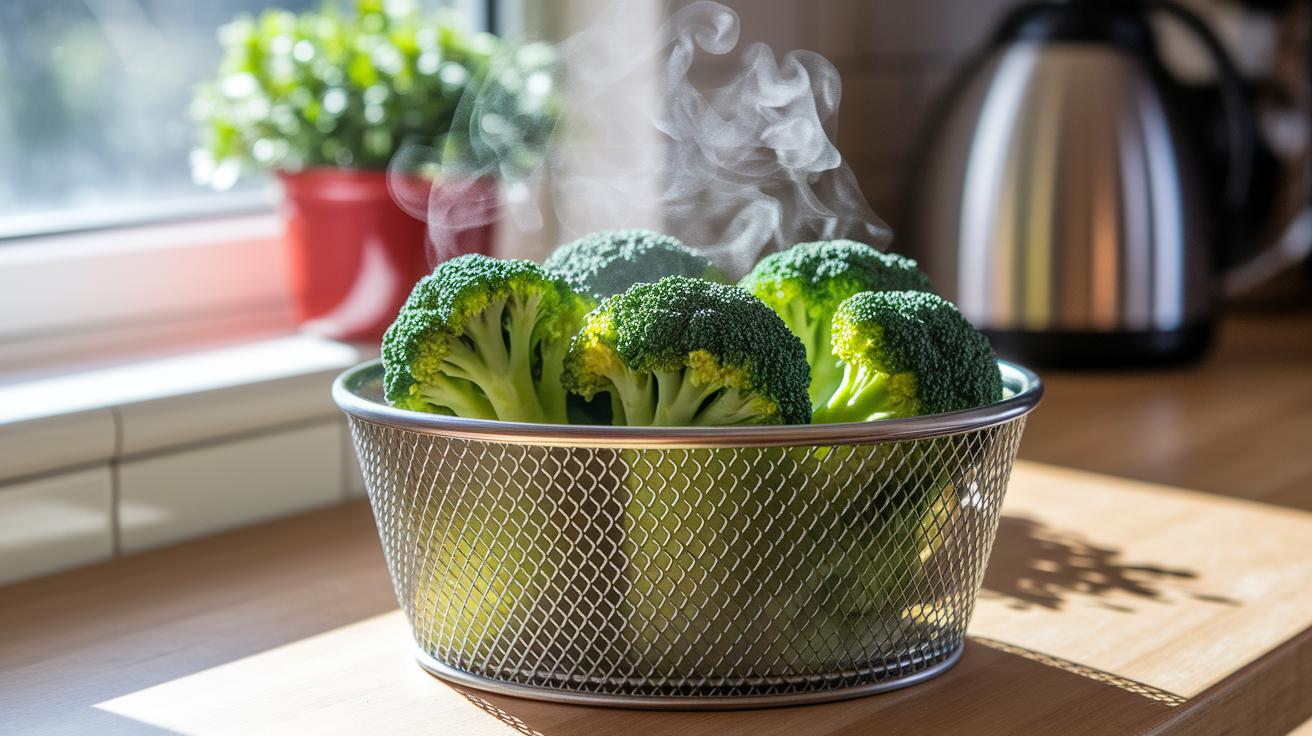
When it comes to cooking for yourself and your family, the way you prepare food really matters. The methods you choose can help keep vitamins and minerals intact, so your meals are both tasty and nourishing.
Steaming for Maximum Vitamin Retention
Steaming is a gentle way to cook vegetables that helps lock in water-based vitamins. You can use a steamer basket or a covered pot with a little water. Just steam your greens or carrots for a few minutes so they stay crisp and full of nutrients. It’s like enjoying a light, fresh bite that feels as good as it tastes.
Sautéing with Healthy Oils
Sautéing with oils such as olive or avocado makes for a delicious method to add a bit of healthy fat to your meals. When you use the oil at the right temperature, it helps to create a lovely browning without burning up those precious nutrients. It’s a simple, heartwarming trick to add flavor while keeping your food light and nutritious.
Slow Cooker Gentle Cooking
Using a slow cooker is a great way to prepare stews and soups that feel like a warm hug. The low heat over a long time lets minerals stay locked in and keeps everything moist. Think of it as a gentle simmer that draws out natural flavors slowly, perfect for a cozy family meal.
Pressure Cooking for Nutrient Lock
Pressure cooking is a speedy method that uses high pressure to reduce cooking time while preserving essential nutrients. It works wonderfully for beans, grains, and tougher vegetables, keeping them vibrant and tender. You get a nutritious meal more quickly, which is a real time-saver on busy days.
Oven Roasting for Antioxidants
Oven roasting is a fantastic way to cook root vegetables and bell peppers. Roasting at a moderate temperature helps seal in natural antioxidants without a lot of added fat. The process brings out a rich, sweet flavor and creates a colorful, nourishing plate that’s sure to brighten your day.
Strategic Maternal Meal Planning and Portion Control for Mom and Baby
Keeping your portion sizes steady can help maintain your blood sugar and energy throughout the day. A balanced meal filled with fruits, vegetables, whole grains, lean proteins, and healthy fats supports both your well-being and your little one's growth. Think of starting your day with a warm breakfast, maybe a spinach omelet with whole grain toast. Then, enjoy a hearty quinoa-chickpea salad at lunch for a refreshing boost. A Greek yogurt parfait with berries works nicely as a midday snack, while a dinner of baked salmon and roasted sweet potatoes rounds out the day with comfort and satisfaction. Measuring your portions carefully is like setting up a gentle, visual menu where every bite has a purpose.
| Meal | Components | Recommended Portion |
|---|---|---|
| Breakfast | Spinach omelet + whole grain toast | Protein 3–4 oz, Grains ½ cup, Produce 1 cup |
| Lunch | Quinoa-chickpea salad | Protein 3–4 oz, Grains ½ cup, Produce 1 cup |
| Snack | Greek yogurt parfait with berries | Protein 3–4 oz, Grains ½ cup (from granola), Produce 1 cup |
| Dinner | Baked salmon + roasted sweet potatoes | Protein 3–4 oz, Grains ½ cup, Produce 1 cup |
Using everyday items as a guide can make measuring portions feel natural. For example, a handful might remind you of a ½-cup serving, and the size of your palm can help you remember a 3–4 oz portion of protein. Dividing your plate into sections may also keep your meals balanced. And if you find your appetite changes as the day goes on, it’s okay to adjust a bit. These friendly tips help you craft balanced meals that nurture both your body and your spirit.
Cooking tips for nutritious maternal meals: Joyful Recipes
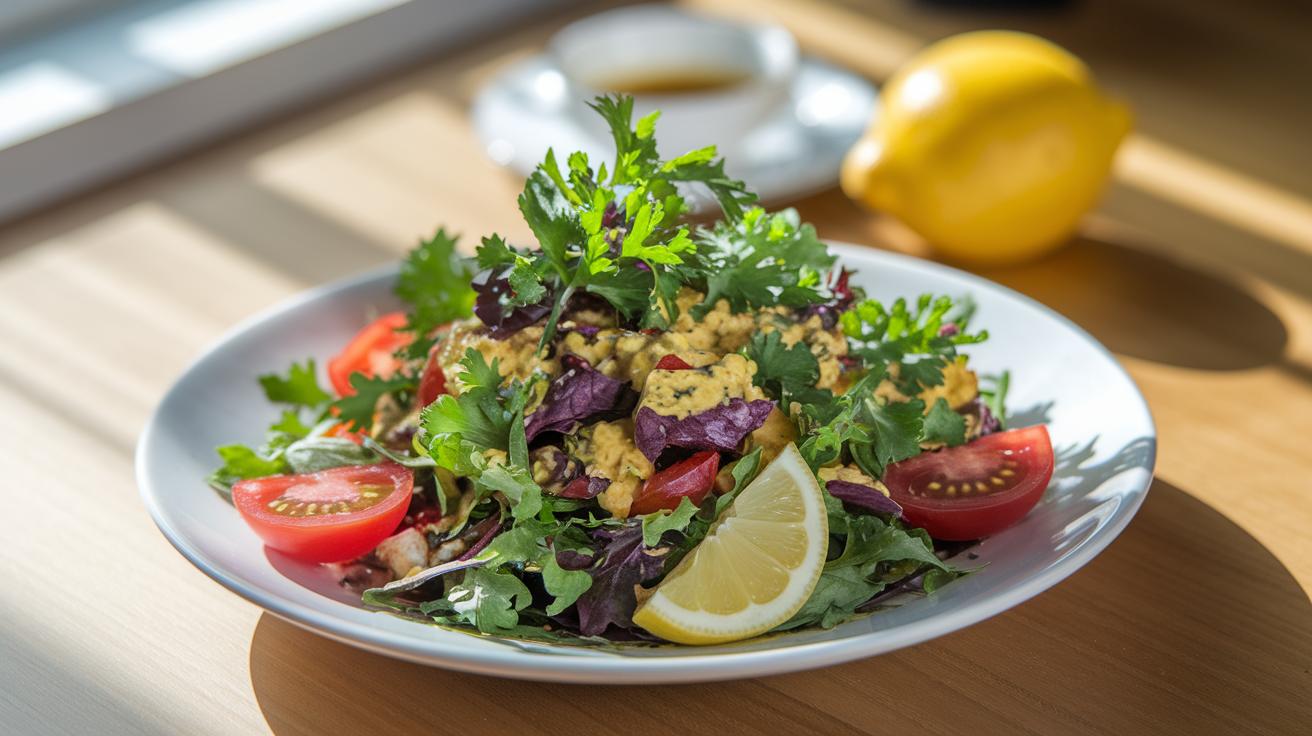
Season your dishes the natural way to add a burst of flavor without piling on extra salt or fat. By mixing fresh herbs and everyday spices, you transform simple meals into joyful celebrations that keep your health goals in check. Picture the zesty lift of basil or cilantro in a homemade tomato sauce, each taste is like a little party for you and your baby. With these natural ingredients, you can skip the salt and heavy dressings while still making every bite delightful.
Try these easy homemade dressing ideas for a fun twist. First, blend olive oil, lemon juice, and mustard for a bright, zesty flavor that works great on fresh greens or grilled chicken. Then, mix some Greek yogurt in place of sour cream to create a creamy herb sauce that pairs perfectly with roasted veggies or a light pasta dish. Next, stir together tomato paste, olive oil, a touch of garlic, and fresh parsley to make a savory drizzle that adds a natural boost to meat or whole grains. Ever notice how a splash of lemon can brighten even the dullest salad? It’s a simple way to keep things exciting without compromising on your health.
When it comes to marinating, simple blends of citrus and herbs work like magic on proteins. A mix of orange juice, chopped parsley, and a hint of ginger not only brings a fresh, vibrant taste but also gives your immune system a little extra support. And don’t forget about spice blends with turmeric, ginger, and cinnamon, they add a comforting, anti-inflammatory boost that turns everyday meals into warm, nutrient-filled treats.
Adaptive Recipe Ideas for Postpartum and Family-Friendly Maternal Meals
Family meals not only bring us together, they can also lend a gentle hand in postpartum recovery. When everyone can enjoy the same dish, it lifts spirits and helps moms get the extra nutrients they need, all while keeping the flavors familiar for kids. Sometimes, a small tweak like blending extra veggies into a sauce can enrich a meal without changing the tastes everyone loves. Have you ever noticed how a little secret ingredient can make your plate feel extra special?
Family-Friendly Meal Modifications
Imagine stirring some finely chopped spinach or adding a handful of grated carrots into your sauces and batters. It doesn’t take much to add an extra boost of nutrition while keeping the texture and flavor that your kids adore. Think of those classic pancakes with a hidden burst of carrot, it’s a simple, delightful twist that feels just right for the whole family.
Allergy-Conscious Swaps
When allergies come into play, switching to safe alternatives makes a big difference. For example, using coconut milk instead of dairy in desserts or choosing seed butters in place of nut butters ensures that every family member can enjoy a tasty treat. These small changes mean everyone feels included and cared for at mealtimes.
Vegan and Low-Sugar Builds
Plant-based options can be both hearty and healthy. Dishes like a warming chickpea curry or a nourishing lentil pasta are full of protein and flavor. And when you’re looking to cut down on sugar, try using natural sweeteners, imagine baked fruit lightly dusted with cinnamon as a treat. Adjusting the spices or serving sizes here and there can help each meal meet the needs of postpartum recovery while also delighting every palate in your family.
Final Words
In the action of crafting meals that support both mother and baby, this article offered practical ways to keep cooking fun and healthy. We explored nutrient-packed ingredients, time-saving batch prep, and cooking methods that maintain vital vitamins. The post also shared creative ways to season dishes and adjust recipes for the whole family. Cooking tips for nutritious maternal meals shine throughout, making meal prep a simpler, enjoyable part of daily routines. Each simple strategy invites warmth, care, and a touch of creativity in the kitchen.
FAQ
What do cooking tips for nutritious maternal meals PDFs offer?
The cooking tips for nutritious maternal meals PDFs offer easy ideas to create meals packed with nutrients. They stress whole foods, batch prep, and balanced plans that support both pregnancy and postpartum needs.
How do cooking tips for nutritious maternal meals vary during different trimesters?
The cooking tips for nutritious maternal meals during various trimesters focus on using lean proteins, leafy greens, and whole grains. They adjust portions and ingredient choices to meet the shifting nutritional needs in early and later stages.
What are healthy pregnancy dinner recipes?
Healthy pregnancy dinner recipes include balanced meals with lean proteins, whole grains, and plenty of vegetables. These recipes are designed to support both mom and baby while fitting into a busy schedule.
What food should I cook for my pregnant wife?
When deciding what food to cook for your pregnant wife, focus on dishes rich in protein, iron, calcium, and folic acid. These nutrient-packed meals help support both maternal health and fetal growth.
What is a good menu for a pregnant woman?
A good menu for a pregnant woman usually includes a mix of whole grains, lean proteins, fresh fruits and vegetables, and dairy or fortified alternatives. This balanced approach helps ensure vital nutrients for both mother and baby.
What are the nutrition tips for pregnant moms?
The nutrition tips for pregnant moms suggest emphasizing foods high in folic acid, iron, and calcium—like leafy greens, beans, and dairy—while staying hydrated. These tips help maintain energy and support fetal development.
How can I promote my maternal nutrition?
Promoting maternal nutrition means planning balanced meals, batch prepping to save time, and using cooking methods that keep vitamins intact. This approach supports consistent nutrient intake throughout pregnancy.
What does a 1 to 3 month pregnancy diet chart include?
A 1 to 3 month pregnancy diet chart outlines recommended meals and portions that focus on whole foods and essential micronutrients. It serves as a practical guide to support nutritional needs in early pregnancy.