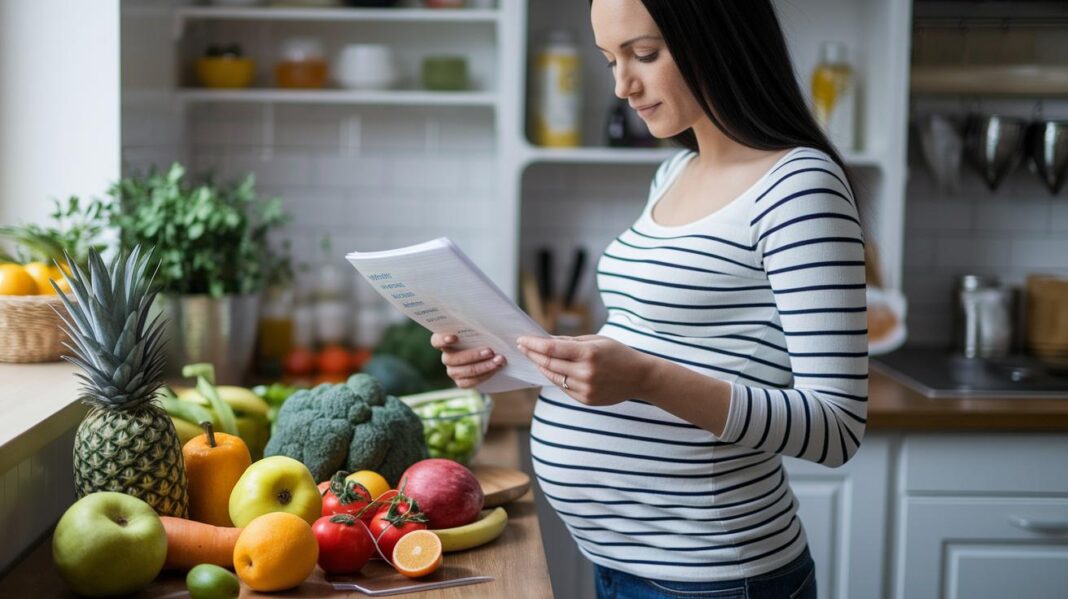
Ever thought about how what you eat before pregnancy might shape your family's future? Research tells us that a balanced mix of fruits, vegetables, whole grains, lean meats, and dairy can help both you and your partner get set for a healthier start. With a bit of planning, just three months ahead, you can boost fertility and build a strong foundation for a life of wellness. This guide breaks everything down into simple steps to help you create a balanced meal plan on your journey to starting a family.
Preconception Maternal Nutrition Planning: Core Principles for Fertility Success
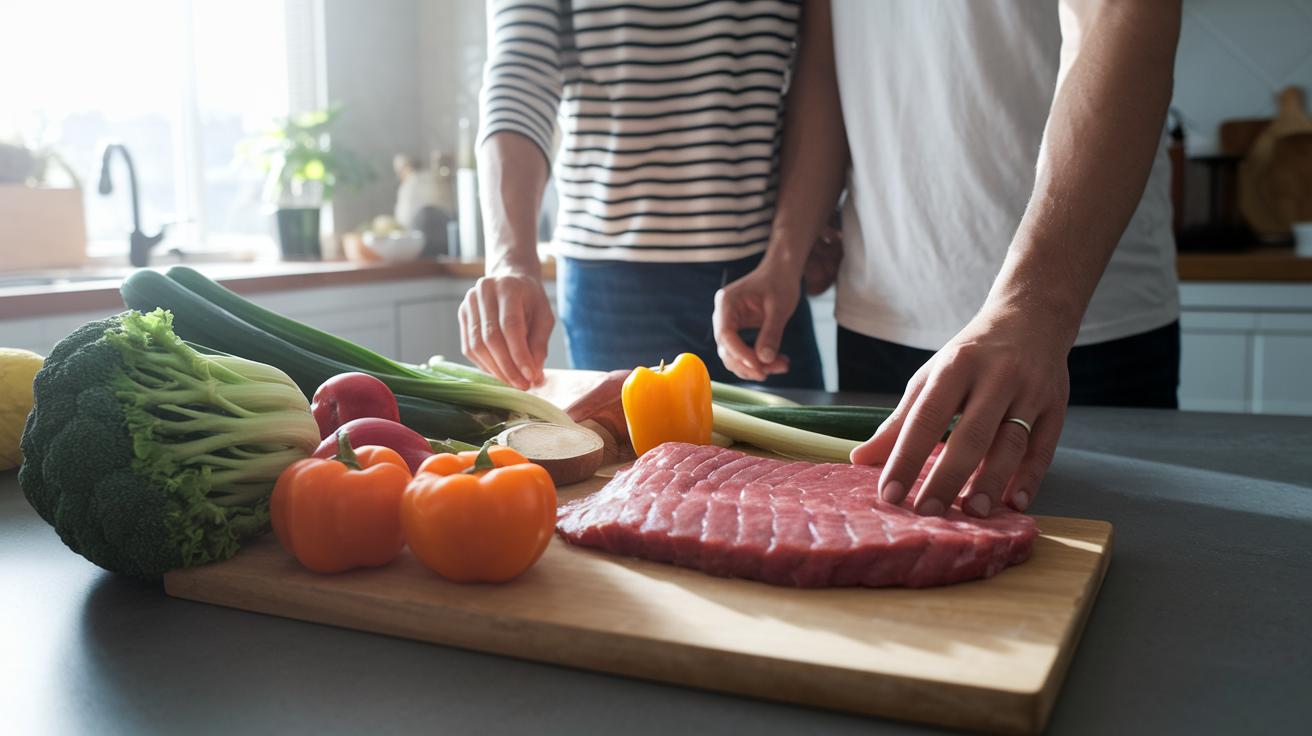
When you’re planning to start a family, it helps to know that a balanced diet, with plenty of fruits, veggies, whole grains, lean meats, and dairy, can boost fertility for both you and your partner. Research shows that eating nutrient-rich foods before conception can lead to better reproductive outcomes. Taking time to look at your family’s health history and even considering supplements can help you create a nutrition plan that fits your needs.
It’s best to start this journey 3 to 12 months before trying to conceive. During this time, establishing healthy eating habits lays a strong foundation for fertility. For example, studies suggest that getting about 15 mg of zinc daily might improve ovulation. Foods like oysters, pumpkin seeds, and lean meats are great sources of zinc and can easily become a part of your daily meals.
A simple way to plan your nutrition is to create a routine that includes a variety of wholesome dishes. Here are a few steps to consider:
| Step | Action |
|---|---|
| 1 | Review your current diet and note areas for improvement |
| 2 | Incorporate a mix of whole foods to cover your vitamin and mineral needs |
| 3 | Gradually swap out less nutritious options for nutrient-dense choices |
Taking these small steps can benefit both mothers and fathers. It’s all about making daily decisions that support long-term health and fertility. Remember, this planning isn’t about strict rules, it's a caring, guided process based on research and expert insight to create a supportive foundation for your future family.
Macronutrient Balance in Preconception Maternal Nutrition Planning
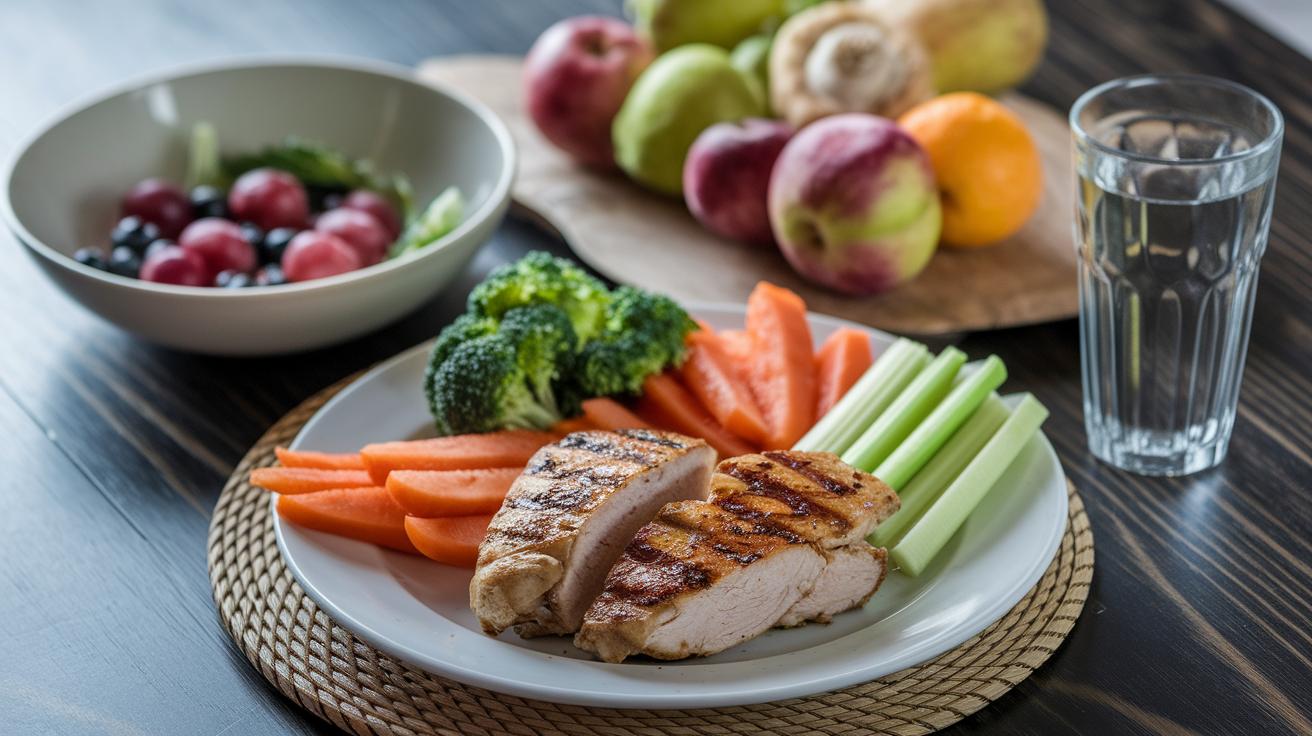
Balanced macronutrients help set the stage for a healthier start on your pregnancy journey. Did you know that after many years of research, scientists discovered that moms who choose high-quality protein sources enjoy a better hormonal balance when trying to conceive? Choosing proteins like pasture-raised, grass-fed meats, legumes, and organic dairy not only helps repair muscles and tissues, but also gives your body the important amino acids it needs for creating balanced hormones.
Complex carbs from whole grains, fruits, and veggies keep your blood sugar steady and help maintain hormone stability. They act like natural fuel for your body, especially during those stressful moments. And let’s not forget about healthy fats! Fatty fish and flaxseed offer anti-inflammatory benefits that can help calm your body, while a bit of fat also supports overall hormone health, crucial for reproductive success.
Adding gut-friendly foods like yogurt or kefir can boost digestion and help your body absorb all the good nutrients. A handy tip: filtering your water to remove chemicals like chlorine, fluoride, and BPA makes sure these nutrients remain intact. When all these components work together, planning meals before pregnancy becomes a hopeful, proactive way to support your wellness.
Every meal is like a building block for your fertility. Simple changes, such as swapping out refined foods for whole, nutrient-rich options, can really help support a healthy conception process.
Micronutrient Supplementation in Preconception Maternal Nutrition Planning
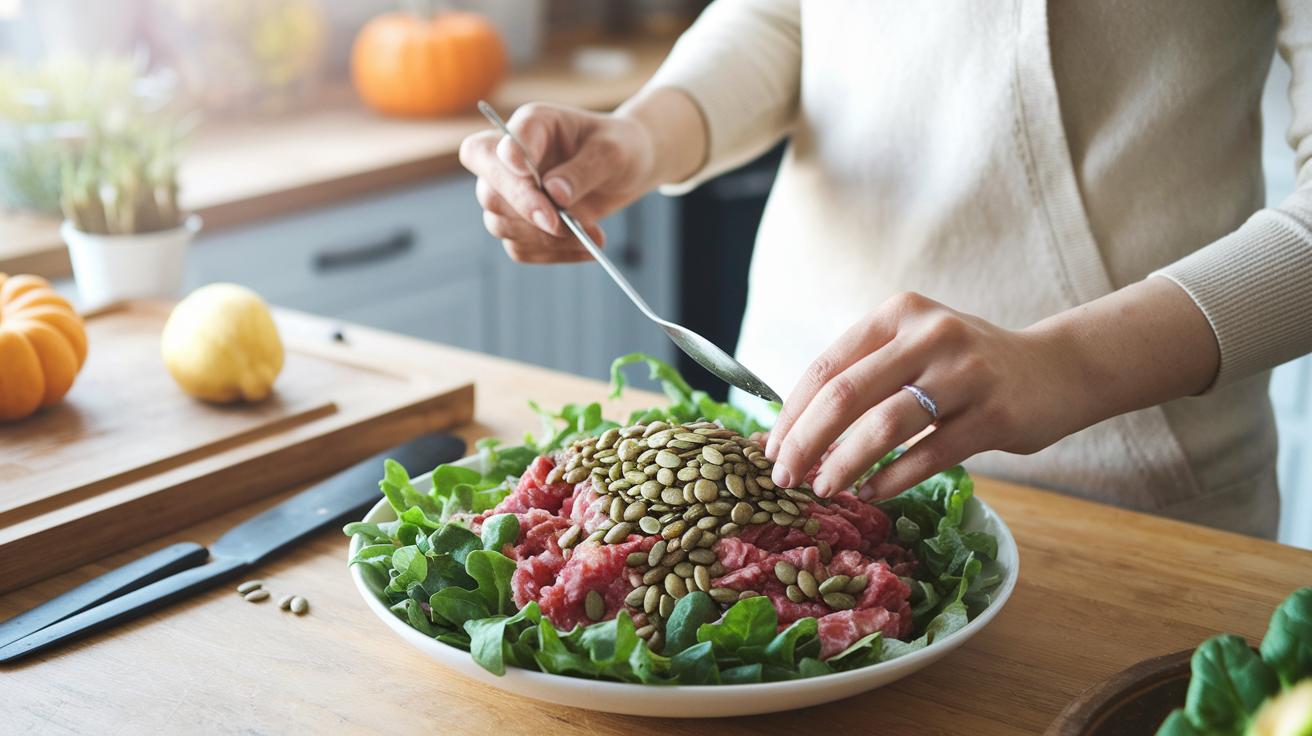
Getting your body the right vitamins and minerals can really change the game when you’re thinking about a future pregnancy. For example, Vicki Kobliner shares that checking your folate level is super important because low folate can lead to development issues in your child. It might be a good idea to chat with your doctor about folate and add some folate-rich foods into your day.
Zinc is another little champion in supporting fertility. Just about 15 mg a day can help keep your ovulation on track. Imagine simply adding a bit of lean meat or some pumpkin seeds to your meals, that small tweak can have a lasting impact.
Iron also plays its own important part. Studies suggest aiming for around 18 mg daily to set the stage for a healthy conception. Think about including iron-rich foods, like lean red meats or leafy greens, into your diet to give your body a boost.
Vitamin D is key for balancing hormones. Experts often recommend getting 600 IU each day, and a mix of a little sunlight along with fortified dairy products can help you reach that goal.
Don’t forget about calcium and omega-3 DHA. With roughly 1,000 mg of calcium a day, you’re helping your body keep strong bones as you plan ahead for pregnancy. And about 200–300 mg of omega-3 DHA daily can support a balanced, healthy inflammatory response. Picture enjoying a serving of oily fish like salmon once a week, it’s a tasty way to get in those nutrients.
For extra support, you might want to explore prenatal care vitamins, which can be a welcoming addition to your overall plan for health.
Lifestyle and Environmental Modifications in Preconception Maternal Nutrition Planning

Reducing inflammation for moms is really important because it can be linked to conditions like autism, asthma, and obesity. Even small changes in your routine can help lower these risks. For instance, try swapping sugary snacks and processed foods for whole, nourishing options. Remember, little adjustments can add up.
Try using glass or steel containers instead of plastic ones to keep harmful chemicals away from your food. You might also consider installing a water filter to remove chlorine, fluoride, and BPA, making your water safer to drink. And adding lacto-fermented foods like yogurt or kefir can boost the good bacteria in your gut, which supports your overall reproductive health.
It’s just as important to manage stress as it is to make healthy food choices. Eating balanced meals and staying well-hydrated can help ease daily stress and support your overall wellness as you prepare for pregnancy. Consider making these changes gradually, you might be surprised at how much of a difference they can make. Every small, mindful step helps build a stronger, healthier future.
• Pick whole foods instead of processed ones
• Use glass or steel for storing and carrying your food
• Filter your tap water to remove chlorine, fluoride, and BPA
• Enjoy a daily serving of lacto-fermented foods
• Manage stress by eating balanced meals and staying well-hydrated
Structured Meal Planning and Timing in Preconception Maternal Nutrition Planning
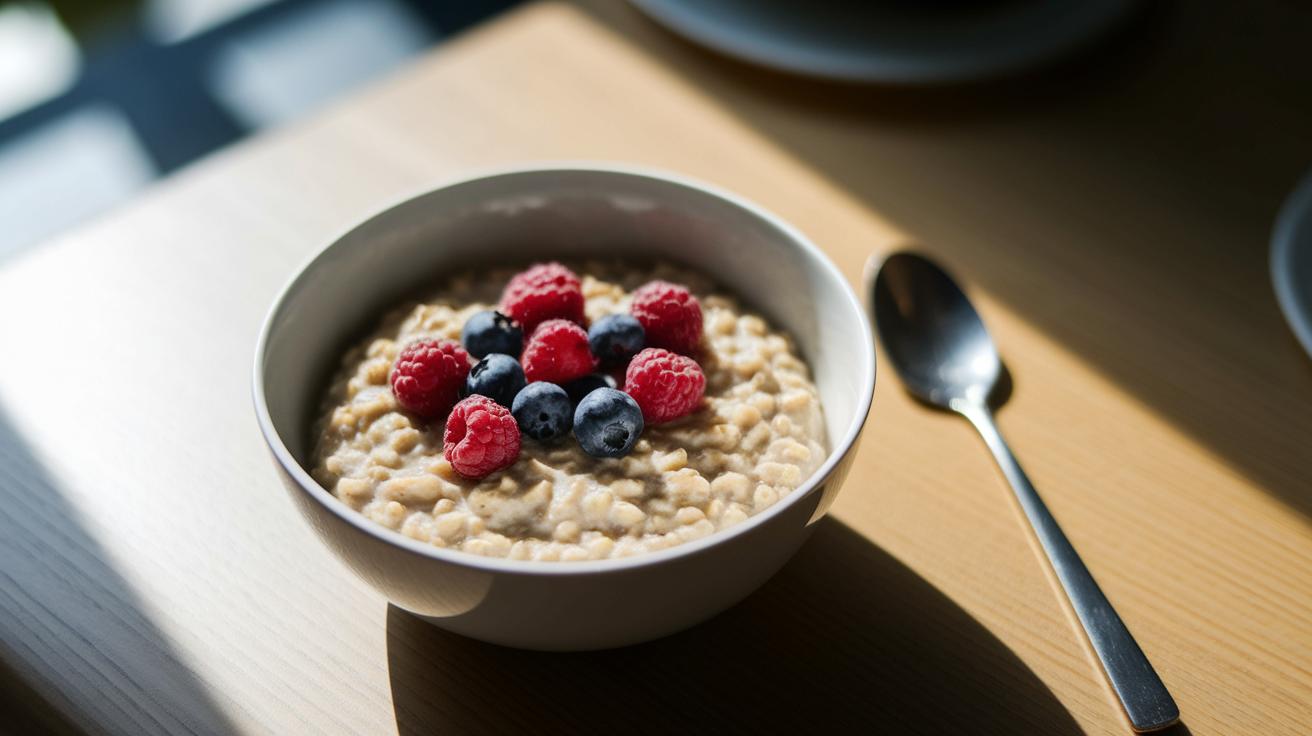
Starting your nutritional prep a few months before you plan to conceive, typically between 3 and 12 months ahead, can really set the stage for a healthier future. Eating regular, balanced meals helps your body keep its insulin and hormones on track. Think of each meal as a little celebration for your body. For instance, a warm bowl of oatmeal mixed with fresh berries can boost your energy right from the start.
Setting up a steady meal schedule can also go a long way in helping you reach a healthy weight before pregnancy and keep your BMI where you want it. When you plan your meals and snacks at the same times each day, you help your body manage blood sugar levels better, which supports your overall reproductive health. This kind of planning makes it simpler to include foods that are packed with nutrients in your daily routine.
| Day | Breakfast | Lunch | Dinner |
|---|---|---|---|
| Monday | Oatmeal with berries | Grilled chicken salad | Vegetable stir-fry with tofu |
| Tuesday | Greek yogurt and fruit | Quinoa and bean bowl | Baked fish with steamed broccoli |
| Wednesday | Smoothie with spinach | Turkey wrap with veggies | Lentil soup with whole grain bread |
| Thursday | Scrambled eggs with avocado | Vegetable and chickpea salad | Beef and vegetable stew |
| Friday | Whole grain toast with almond butter | Salmon salad | Stir-fried tempeh with mixed vegetables |
Final Words
In the action of getting ready for a healthy start, this article walked you through balanced meals, nutrient tips, and simple lifestyle tweaks that boost well-being. You saw how meal planning, nutrient timing, and little daily adjustments work hand in hand. Preconception maternal nutrition planning supports not only fertility but also builds confidence for the future. Each small change brightens your path forward, leaving you empowered and hopeful for the days ahead.
FAQ
What is pre-conception nutrition and why is it important for fertility?
Pre-conception nutrition means planning a balanced diet rich in fruits, vegetables, lean proteins, and whole grains. It supports fertility by providing essential vitamins and energy to prepare the body for pregnancy.
What are the key nutritional requirements for preconception and early pregnancy planning?
Preconception planning focuses on key micronutrients like folate, zinc, iron, vitamin D, calcium, and omega-3s alongside balanced macronutrients. These nutrients promote healthy ovulation and support early fetal development.
Where can I find resources like preconception nutrition PDFs, guidelines, or presentations?
Resources such as PDFs, guidelines, and presentations offer structured advice on balanced diets, nutrient timing, and supplement recommendations. They serve as ready-to-use tools for anyone preparing for pregnancy.
How can a 28-day diet plan support fertility and what should a pre-pregnancy diet include for men or for weight loss?
A 28-day diet plan typically features nutrient-dense meals that balance proteins, healthy fats, and carbs. Men can use similar balanced diets to support fertility, and weight-loss plans focus on whole foods to promote overall reproductive health.
What does the term “preconception period” mean in pregnancy planning?
The preconception period refers to the months before pregnancy when adopting balanced nutrition, lifestyle changes, and medical assessments can help prepare the body for a healthy pregnancy.