Have you ever noticed how a little game can bring out big smiles and spark new skills? It’s amazing how tiny moments can help guide a child’s growth.
Our research shows that every step matters, whether it’s moving around, sharing thoughts, or learning to care for themselves, each part builds a strong, loving foundation. In this post, we’ll explore the five key areas of development that light the way for fun learning and heartfelt support, helping kids feel confident and joyful.
Overview of Domains of Development
When we look at how children grow, it helps to think about different areas of development. This way, teachers and parents can see what a child is great at and where they might need extra help. It’s like having a simple map that shows everyday wins and guides us in choosing fun activities that build each kind of skill.
There are five main areas to keep in mind. The physical area is all about using our senses and moving our bodies. It covers big activities like running or jumping and small ones like picking up a toy. The cognitive area focuses on thinking and learning, like solving a simple puzzle or trying something new. The communicative area deals with turning sounds into words and then sentences that share ideas clearly. The socio-emotional area is where kids start understanding feelings, both their own and others’, and learning how to show care. Finally, the adaptive area is about everyday self-care like eating, dressing, or figuring out things safely on their own.
When you watch a child playing, you might notice they are super good at climbing, or maybe they’re just beginning to string words together. These little moments help us see which activities can boost their natural talents. Teachers and parents can then design playtime that not only sparks curiosity but also helps the child learn to express themselves, make friends, and take care of their world. This way, every day brings a little more confidence and joy, helping build a bright future one step at a time.
Physical Domain of Development: Sensorial and Motor Growth
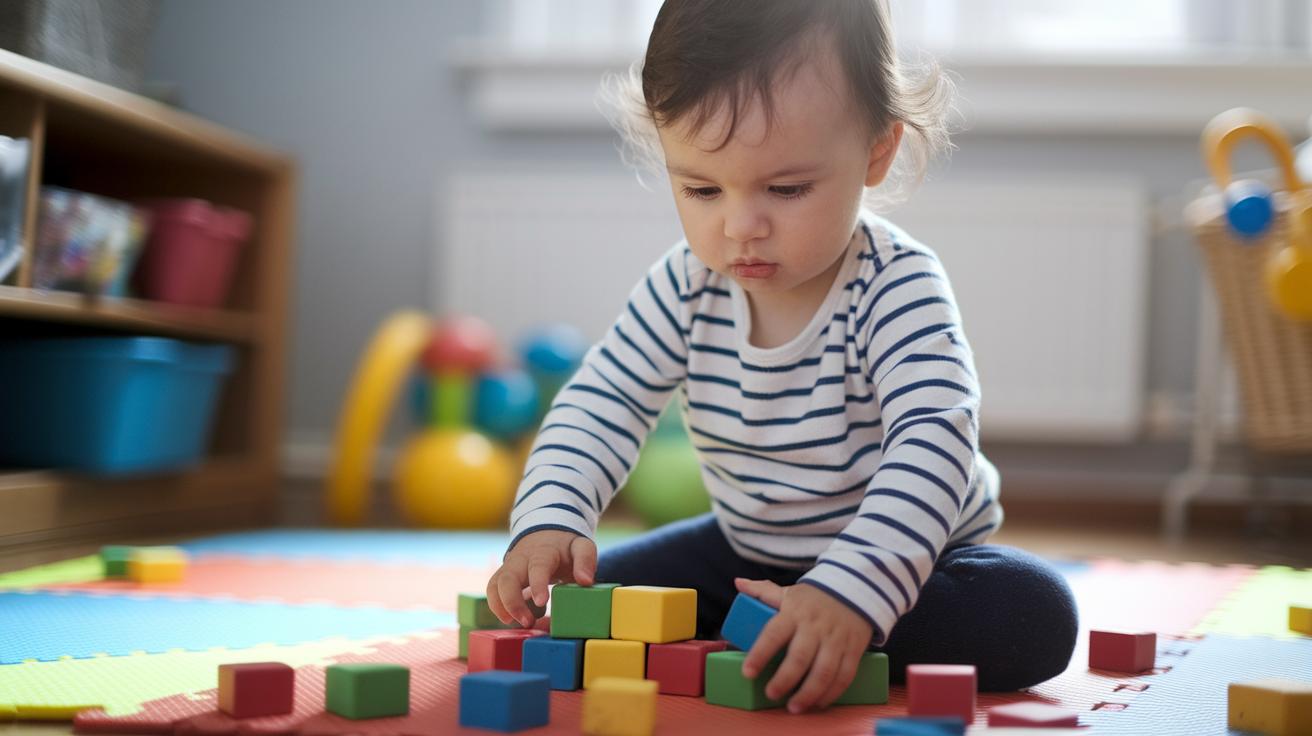
The physical domain is all about how little ones learn about the world through their senses and movements. It covers the five senses: taste, touch, sight, smell, and hearing, plus proprioception (which helps kids know where their body is in space). Every day, as children explore, they build strength and coordination through simple, hands-on experiences.
Gross motor skills are a big part of this growth. Think about the journey from rolling over to crawling and then learning to walk. A baby might start by rolling, then confidently crawl on all fours, and eventually take those first shaky steps. It’s like watching a small explorer take on a new adventure, building muscle control and stability along the way.
Alongside these big movements, fine motor skills are just as important. These skills, like picking up small objects, stacking blocks, or drawing simple shapes, help children master the small details. Proprioception also plays a key role by helping kids know the position of their hands and fingers even without looking. Picture your toddler gently picking up a tiny block, it’s these tender moments that show their growing precision and self-awareness.
Cognitive Domain of Development: From Thinking to Problem-Solving
Cognitive development is all about how our little ones learn to think, figure things out, and understand the world around them. It’s like watching a child put together a simple puzzle or remember their favorite story, they’re learning and growing with every new idea they explore. Every day, our kids work on skills that help them decide, solve problems, and even be creative in new ways. Think of it as an artist starting with simple brushstrokes before creating a beautiful painting. Every moment, every little step, moves them closer to understanding big ideas.
Jean Piaget helped us break down this growth into four clear stages. Imagine a baby who learns that even if you hide a toy, it’s still there. That simple act is a peek into the sensorimotor stage, a gentle beginning to all the thinking that comes later.
| Stage | Age Range | Key Abilities |
|---|---|---|
| Sensorimotor | Birth-2 | Understanding that things exist even when not seen; exploring with the senses |
| Preoperational | 2-7 | Learning to use symbols and start talking; beginning of imaginative play |
| Concrete Operational | 7-11 | Starting to use logical thinking and understand clear concepts |
| Formal Operational | 12+ | Learning to think in abstract ways and solve complex problems |
Language Domain of Development: Building Communication Skills
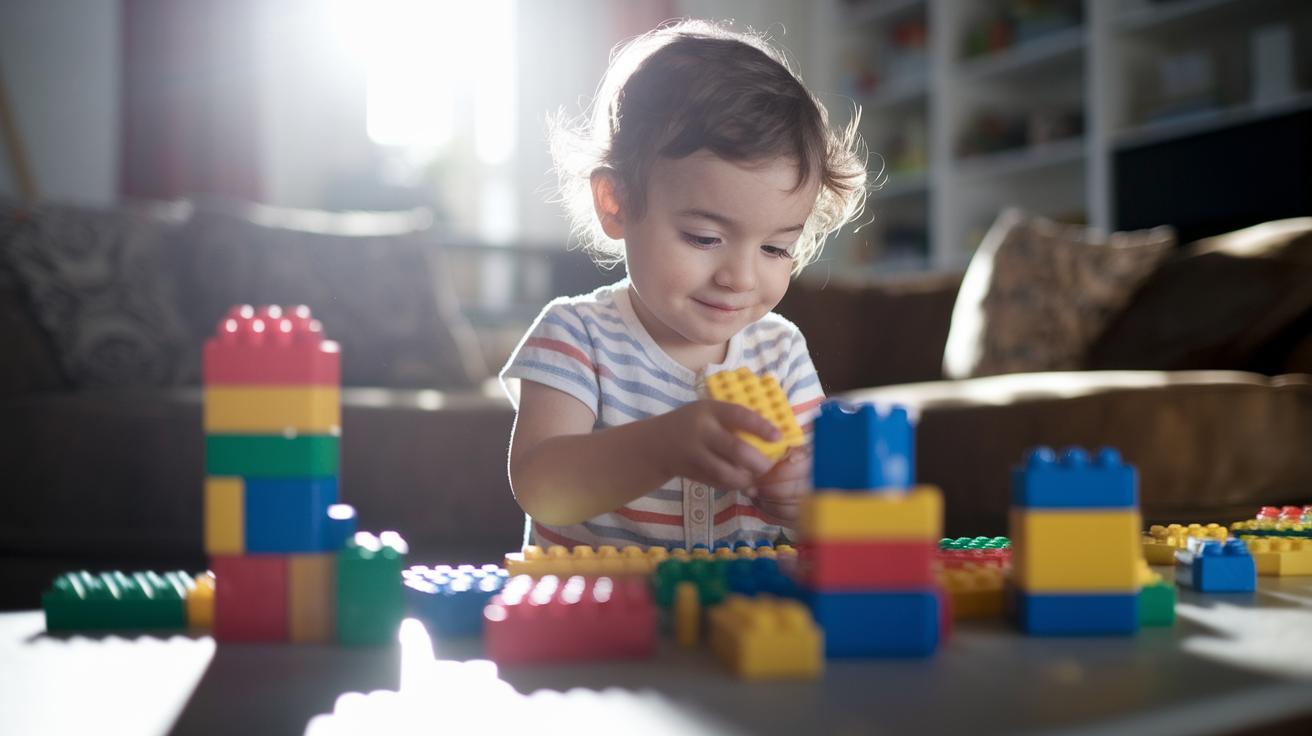
Building strong communication skills in young children is so important, it helps them connect with people and understand the world around them. In the early years, kids use simple words and short sentences to share their needs and feelings. This basic skill not only helps form close bonds at home but also sets the stage for learning and fun during playtime.
Here are the building blocks of language:
- Phonology: turning sounds into words.
- Syntax: putting words together in sentences.
- Semantics: understanding the meanings behind words.
- Pragmatics: using language in a friendly way when talking with others.
As children grow, they pick up language skills really fast. For example, many toddlers start using short, simple sentences around the age of two, in a style many call telegraphic speech. They experiment with sounds through playful babbling, gradually shaping their speech by imitating what they hear around them. When your little one confidently names their favorite toy or tells a brief story, it’s more than just fun, it’s like watching them paint a picture, starting with broad strokes that later turn into detailed art. These early chats, even if simple, help develop both the ways children express themselves and understand others, paving the way for a lifetime filled with warm, meaningful conversations.
Socio-Emotional Domain of Development: Emotional Intelligence and Socialization
Kids start learning to handle big feelings using simple, everyday strategies. When they're frustrated, taking a few deep breaths can help them reset and find a kinder way to express themselves. Creating a quiet corner for moments of reflection lets them name their feelings and make tough situations a bit easier. For instance, a child might say, "I feel mad" and then count slowly to five to calm down. Isn’t it amazing how these gentle steps help them understand what makes them upset and how to respond thoughtfully?
Developing social skills is all about learning how to share, take turns, and read other people’s expressions. In group activities, kids practice waiting patiently and listening when a friend is talking. Noticing a smile, a frown, or a kind gesture helps them build empathy and develop warm, respectful connections. When they see that kind actions lead to happy responses, their confidence grows, and they become better at forming supportive friendships.
Emotional Regulation
Using techniques like mindful breathing, talking about emotions, and pausing when upset helps children notice and manage their feelings. This gentle practice sets the stage for balanced emotional growth.
Social Competence
Enjoying playtime, sharing turns during conversations, and watching how friends interact all help boost essential social skills. These simple activities encourage empathy and pave the way for meaningful, caring relationships.
Adaptive Domain of Development: Self-Care and Daily Living Skills
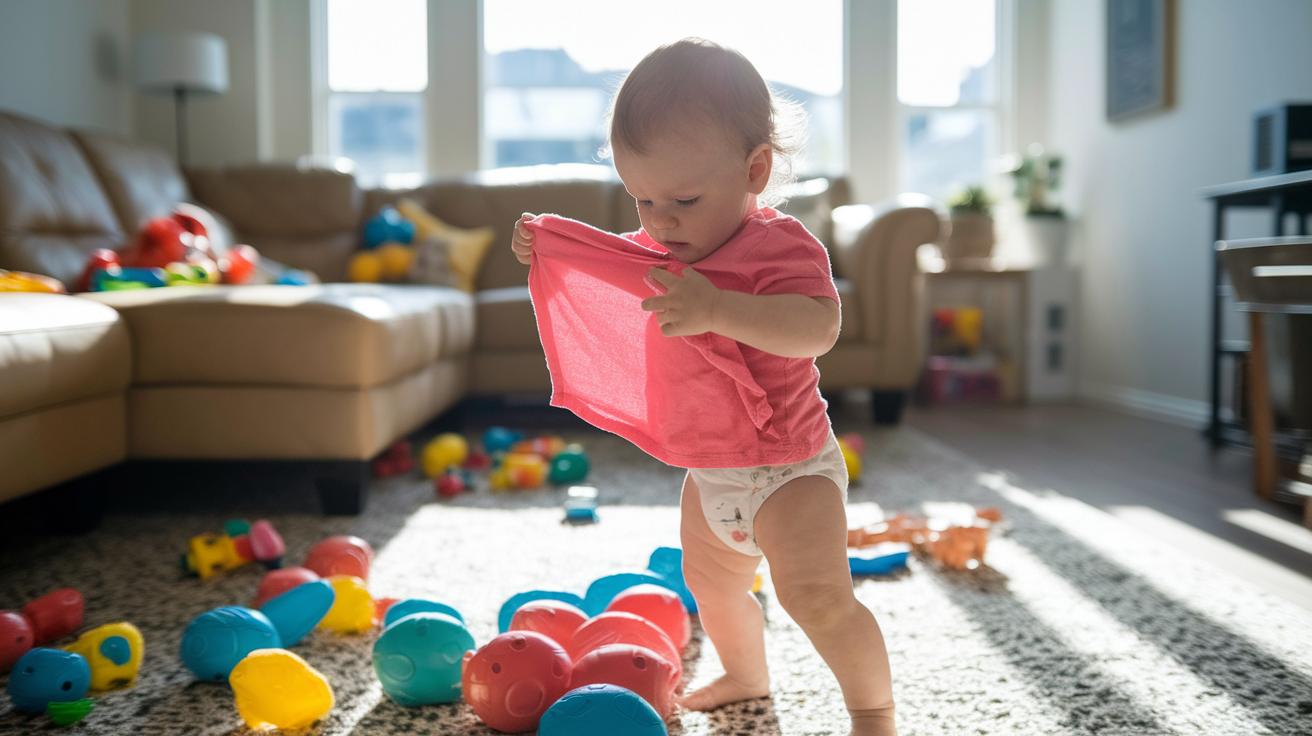
Kids start showing signs of being independent when they feed themselves with a spoon, drink from a cup, or wash their hands on their own. These small acts are like their first steps toward managing daily life on their own. Even when they try dressing with a bit of help or practice using the toilet, it shows they’re growing up. It’s really amazing how choosing a favorite shirt and trying to pull it over their head can be a big moment of taking personal responsibility.
As these new skills grow, kids also start noticing safety around them. They learn that wet floors or sharp edges can be dangerous and begin to move around with caution. Through playing and doing everyday things, they experiment with safe ways to explore their world. This hands-on learning builds their ability to take care of themselves in simple, everyday situations.
Integrating Domains of Development: Practical Applications
When we think about how kids grow, we often look at ideas from experts like Piaget, Erikson, and Bronfenbrenner. Their work gives teachers and caregivers a handy guide for making activities that match exactly where a child is in their journey. It’s like having a roadmap that shows which fun task fits best right now.
In classrooms, teachers mix in lots of playful ways to help kids learn. For instance, group games not only build language skills but also help children practice working together and showing care. A simple puzzle or a little art project can boost thinking and fine motor skills at the same time. And when kids get moving with activities like obstacle challenges or dance, they learn about their bodies in a fun way. These hands-on moments let children explore with confidence, making learning lively and personal.
At home, parents can join the fun too. Simple tools like checklists or visual charts help track a child’s progress, letting everyone celebrate little victories. Imagine setting up a mini obstacle course in the backyard or enjoying an evening story session, each activity reinforces what was learned at school. This close teamwork between teachers and parents creates a nurturing circle where every child feels supported, grows steadily, and feels ready to take on new challenges.
Final Words
In the action, this article brought the five domains of development to life, physical, cognitive, language, socio-emotional, and adaptive. We explored how each area shapes a child's abilities, from motor skills and fresh thinking to clear communication and self-care.
These insights offer practical tips that support balanced growth. With each step, every parent can help forge a nurturing environment where children thrive, celebrating progress and enjoying the everyday wonders of development.
FAQ
What are the 5 major domains of child development?
The 5 major domains of child development include physical, cognitive, communicative/language, socio-emotional, and adaptive skills. These areas help guide assessments and support a child’s growth.
What are the 7 domains of early childhood development?
The 7 domains of early childhood development may expand on the traditional five by breaking down skills further. This approach provides a more detailed view of areas such as social interactions and self-care.
What do domains of development in early childhood include?
Domains of development in early childhood cover physical growth such as motor skills, cognitive processes like thinking and reasoning, language abilities, emotional management, and self-care routines.
What are the 3 or 4 domains of development?
Some models simplify development into 3 or 4 domains by grouping related skills. They often emphasize physical growth, cognitive development, and socio-emotional aspects, offering a more streamlined overview.
Where can I find a PDF on domains of child development?
PDF resources on domains of child development are available online. They provide clear descriptions of each area, making them useful guides for parents and educators alike.