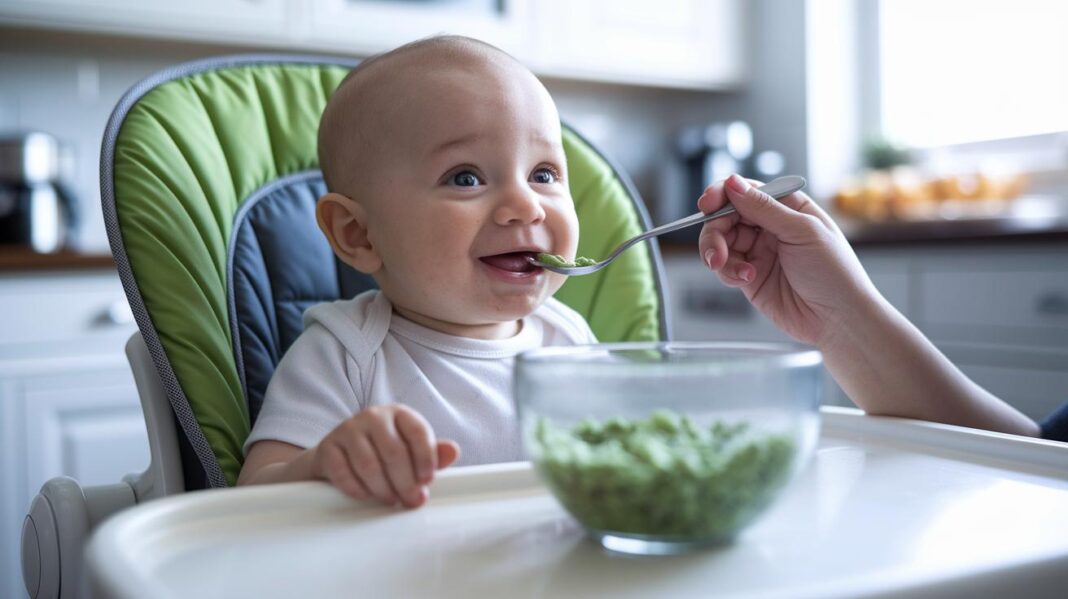
Have you ever thought that your baby's mealtime could be fun instead of just another tick of the clock? With our friendly, flexible plan, you can add a little more joy and balance to your 8‑month‑old’s meals. We blend easy milk feedings with a couple of solid meals spread out over the day. Even small changes can turn mealtime into a gentle, happy routine. From that first morning milk to a soothing bowl of cereal and milk later on, this guide offers a caring approach that truly respects your baby's unique needs.
8 month-old feeding schedule: Happy Daily Meals

This guide is a warm, flexible plan to help you set up a balanced feeding routine for your 8-month-old. It shows a mix of milk feedings and two solid meals spread out over the day, usually every 3 to 4 hours. Breastmilk or formula stays the main source of nutrition while purees and soft table foods add yummy variety for exploration. Most 8-month-olds drink around 24 to 32 fluid ounces daily over 4 to 6 feeding sessions.
| Time | Feed Type | Portion |
|---|---|---|
| 7:00 AM | Breastmilk/Formula | 6 oz |
| 9:30 AM | Fruit Puree | 2 Tbsp |
| 12:00 PM | Breastmilk/Formula | 6 oz |
| 2:30 PM | Vegetable Puree | 3 Tbsp |
| 5:00 PM | Breastmilk/Formula | 6 oz |
| 7:30 PM | Cereal + Milk | 3 Tbsp cereal + 4 oz |
Remember, every little one is unique. You might need to tweak the plan to match your baby’s hunger signals and sleep times. Some babies may need more frequent feedings, especially during growth spurts, while others do just fine with this routine. Trust your instincts and keep an eye on your baby's cues, it's all about finding what works best for your family. If you ever have concerns, chatting with your pediatrician is a great idea.
Portion Sizes and Meal Frequency for an 8-Month-Old
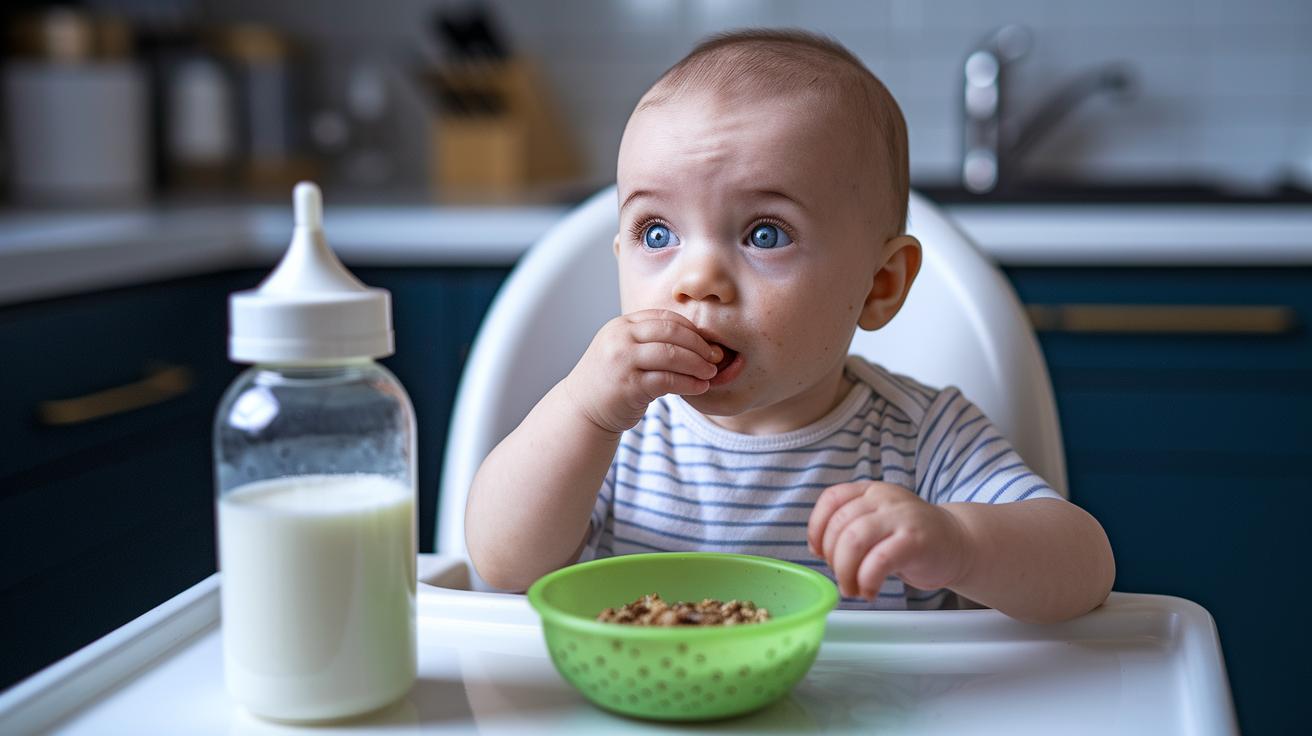
At eight months, your baby usually eats about four to six times each day. This routine includes two meals of solid food. Milk feeds are about 6 to 8 ounces, and solid servings start at 2 to 4 tablespoons before slowly increasing to about 1/4 to 1/2 cup. For instance, a small serving of vegetable puree at lunch brings a bit of variety without making things too complicated.
During growth spurts or when your baby’s appetite changes, you might need to tweak the amounts a little. Trust your baby’s signals and feel free to adjust the milk and solids as you go. This keeps the feeding routine balanced and easy to manage.
Balancing Solid Foods with Milk Feedings in an 8-Month-Old Schedule

Milk is still the star of your baby’s diet. It gives the energy needed for growing and exploring new tastes, kind of like that friend you can always count on. Its familiar flavor wraps your little one in comfort while trying out new foods.
After a milk feed, try adding a little solid food to gently open up a world of new flavors. Start with one simple meal, a fruit or veggie puree. For instance, a spoonful of mashed banana right after a warm milk feed can be a nice treat. Later in the day, you can offer a second, light solid meal to keep things balanced without taking away from the milk.
When your baby seems extra hungry or goes through a growth spurt, it might be time to adjust the milk feeds. If your baby signals hunger soon after eating solids, you can add a bit more milk and slowly introduce a few different solids. Trust your instincts and watch carefully, if your baby still seems a bit fussy or unsatisfied, a little extra milk or a longer solid meal could do the trick.
Advancing Food Textures and Finger Foods for Your 8-Month-Old

As your little one gets more at ease with purees, it might be the perfect time to try out some new food textures that invite self-feeding. Think of this as a gentle adventure where each bite introduces a new feeling, all while keeping things safe and fun.
Purees to Mashed
Start by moving from fully smooth purees to a slightly mashed style. Imagine turning a smooth soup into a thicker, heartier stew, your baby will slowly enjoy the tiny lumps and new sensation. A simple tip: lightly mash fruits or veggies until they're not completely smooth, and let your baby discover these new textures bit by bit.
Soft Chunky Textures
Once your baby gets comfortable with mashed foods, try adding in a few small, soft lumps. This means offering mashed fruits or veggies with a few extra nubby bits that are perfect for gentle chewing. Keep the pieces small and soft, so your baby can easily gum them without any fuss. It’s all about giving them a little extra to explore.
Finger Food Introduction
Now for the fun part, finger foods! Think about soft banana cubes, avocado pieces, or even tender pasta shapes that fit right in tiny hands. Always keep a close eye on your baby as they try these out, making sure everything is soft enough to avoid any choking worries. You might even say, “Here are some bite-sized foods just for you,” turning it into a playful, engaging moment.
Remember, patience is your best friend during this change. Some days might be a bit messier than others, but every little meal is a step toward building new skills. Keep trying different textures and sizes, and trust that with your gentle guidance, your baby will happily adjust to these exciting new experiences.
Key Nutrients and Food Choices for an 8-Month-Old
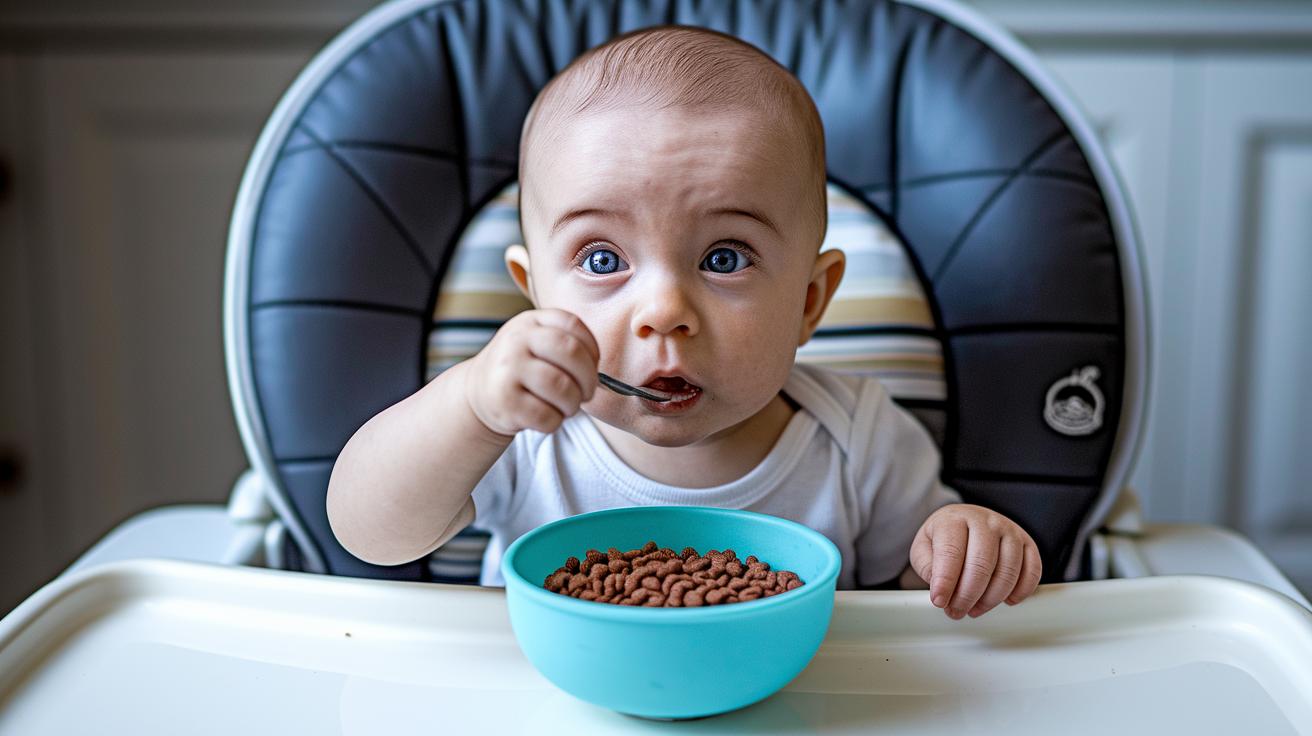
At 8 months, iron really matters in your baby's diet. You can help by serving iron-rich foods like fortified baby cereal, pureed meats, and beans. For example, mixing a little spoonful of cereal with milk or water is a soft and simple way to add iron. These choices boost your baby’s energy and blood health while making meals a fun chance to try new tastes.
Vitamin-filled fruits and vegetables are also important. Think about adding sweet potatoes, peas, or apples to the mix. These foods provide vitamins A and C, which help keep your baby's immune system strong and support cell repair. A small portion of mashed apple or steamed peas is a sweet and gentle way to introduce new textures.
Protein is another key part of these meals. Soft proteins like pureed chicken, well-cooked lentils, and even a bit of yogurt if dairy is okay can help build strong muscles. When you start with allergenic foods such as thinned peanut butter or egg, try one food at a time and wait 3 to 5 days before trying something new. This careful, step-by-step approach helps you spot any reactions while keeping your baby’s menu safe and varied.
Recognizing Hunger and Fullness Cues in Your 8-Month-Old
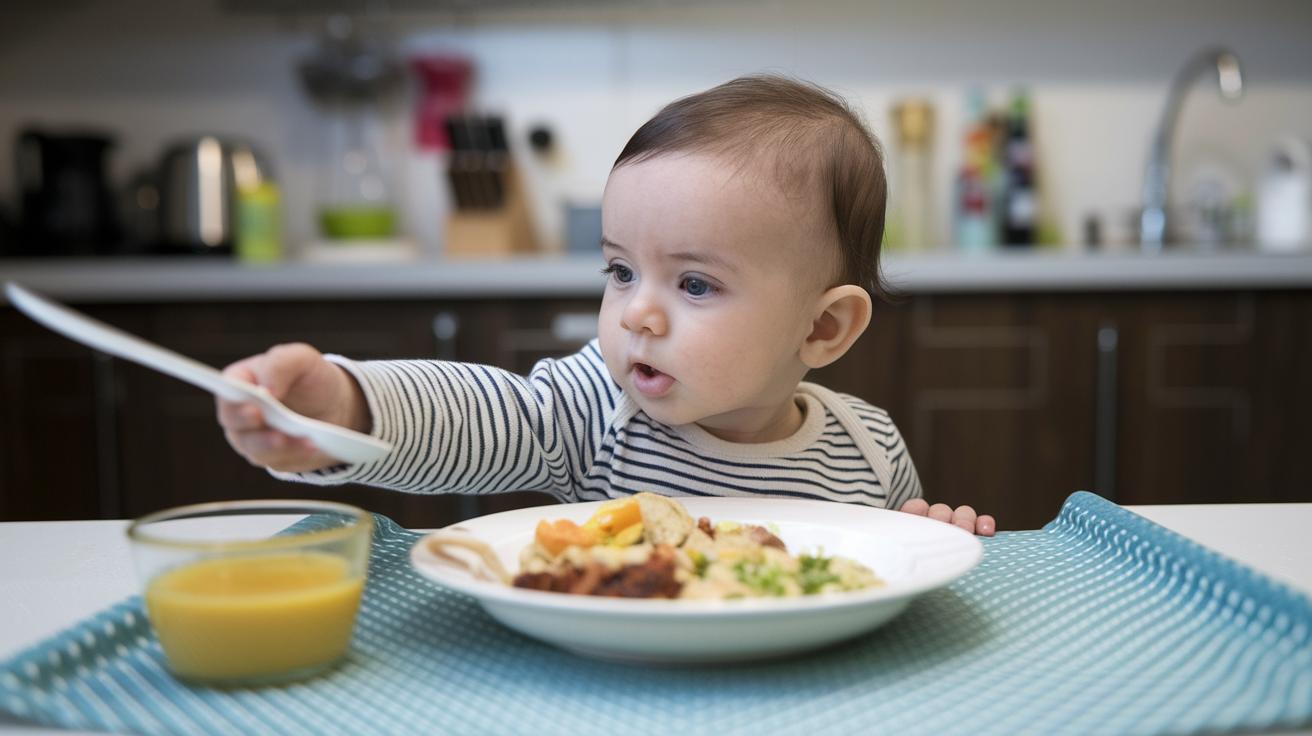
When your little one is ready to eat, you might see them reaching out for the spoon or opening their mouth like they're saying, "I'm hungry!" Sometimes, they might even get a little fussy around mealtimes. This fussiness is a gentle hint that it's time for a meal, rather than sticking to a strict schedule. Trust that these natural signals help you know when your baby is ready for their next bite.
On the flip side, when your baby is full, they’ll let you know in a sweet, clear way. They might turn their head away, push the food aside, or simply slow down as they become content. Keeping a close watch on these cues, along with regular check-ups, makes it easier to adjust meal portions and timing to perfectly fit your baby’s needs.
Establishing Safe, Structured Mealtime Routines for an 8-Month-Old
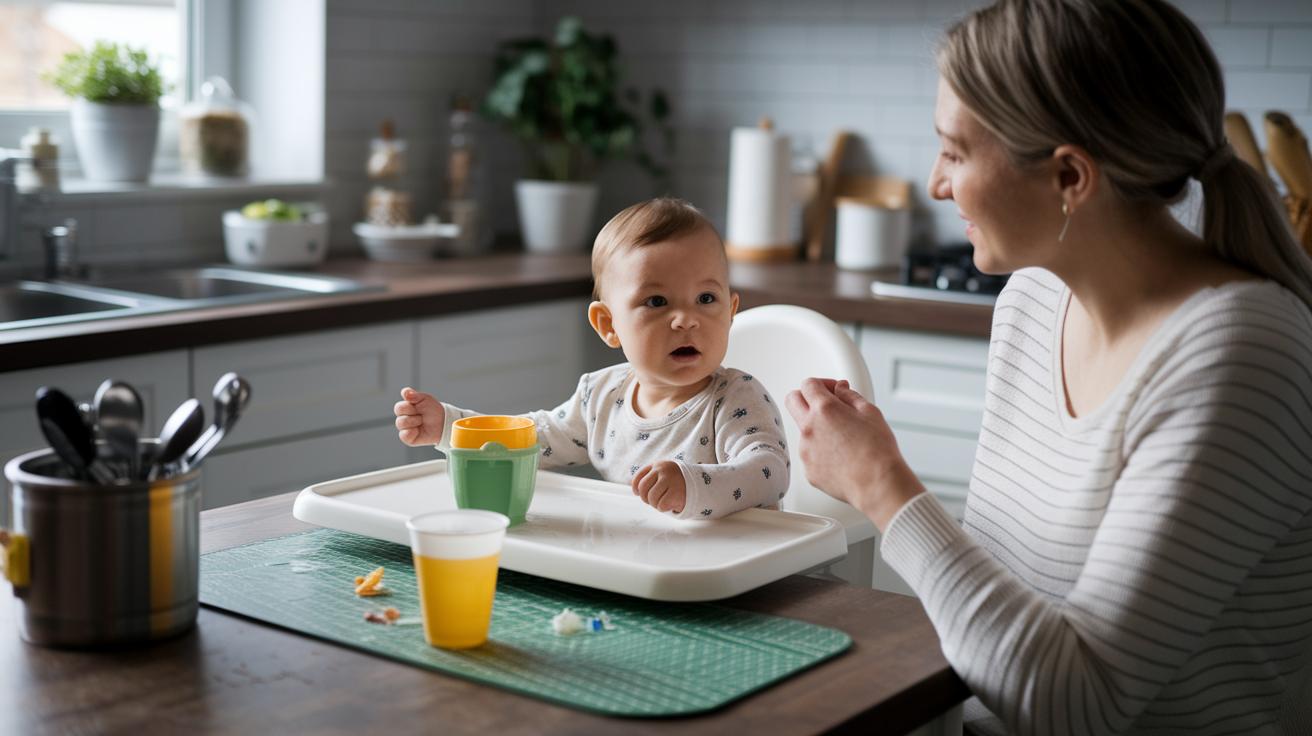
Begin by creating a warm, safe space where your baby feels truly at home during mealtime. Set up a strong, secure highchair that keeps your little one comfortable. Keep spoons, bibs, and cups nearby, just like setting up a little station where everything has its special spot, much like you would arrange your favorite dishes before a family dinner.
Sharing meals together isn’t just about filling bellies, it’s also a time to gently show how to enjoy food and socialize. When your baby sits with you, they naturally learn how everyone else enjoys their meal too. And yes, there might be some mess! Using a washable mat under the highchair and bibs that are easy to wipe clean can turn cleaning up into a simple and even fun routine.
Sticking to mealtime schedules really helps support your baby’s digestion and teaches them to recognize when they’re hungry. Try to keep mealtimes consistent each day, and feel free to tweak the schedule if it works better for your family. A regular routine lets your baby know what to expect and adds a sense of comfort to every meal.
Final Words
In the action, this guide walked through a clear daily plan that blends milk feedings with two solid meal times, advises on portion sizes, and shares tips for easing into new food textures. It also reminds us to keep watch for our little one’s hunger and fullness signals.
Keep this 8 month-old feeding schedule as a flexible guide as you adjust to your baby’s unique needs. Every day offers a fresh chance to tune into your child’s cues and enjoy mealtime together.
FAQ
Q: What is an 8-month-old feeding schedule with solids, whether using formula or breastfeeding?
A: An 8-month-old feeding schedule with solids combines 4–6 milk feeds daily (breastmilk or formula) with two solid meals spaced 3–4 hours apart, ensuring a balanced intake as your baby grows.
Q: How do feeding schedules vary for 7-, 8-, 9-, and 12-month-old infants?
A: Feeding routines adapt as babies grow. A 7- or 8-month-old typically has 4–6 milk feeds with 2 solid meals, while 9- and 12-month-olds may gradually incorporate more table foods and possibly reduce milk feeds as they explore a broader diet.
Q: Where can I find an 8-month baby food chart PDF?
A: The 8-month baby food chart PDF offers a visual guide to meal portions and timing, and it is available online from trusted parenting resource sites for easy download and reference.
Q: How often should you feed an 8-month-old baby?
A: Feeding an 8-month-old generally involves 4–6 feeds a day, including milk and two solid meals, spaced regularly to match your baby’s natural hunger and wake times.
Q: What is the 5 3 3 rule for feeding an infant?
A: The 5 3 3 rule for feeding suggests a pattern where a baby enjoys about five milk feeds, three solid meals, and three healthy snacks throughout the day, though individual needs may vary.
Q: Is four bottles enough for an 8-month-old?
A: Four bottles might not meet an 8-month-old’s needs, as most require 4–6 milk feeds daily to reach the recommended total of 24–32 fl oz, so adjustments can be made based on your child’s cues.
Q: How many milk feeds does an 8-month-old typically need?
A: An 8-month-old usually needs 4 to 6 milk feeds daily, totaling around 24–32 fl oz, to support consistent growth and development while complementing two solid meals.