Have you ever thought that little changes to your diet might give your milk a natural boost? Think of it like adding a bit more fuel to a warm, nourishing soup that helps your baby grow. With a few easy tweaks to your meals and feeding routine, you can increase the healthy fats in your milk. In this post, you'll see how small shifts can come together to give your little one that extra burst of energy at every feed.
Top Dietary and Lifestyle Strategies to Increase Breast Milk Calorie Content

Let’s talk about some simple ways to help your baby get the energy they need. Breast milk is like a magic potion that changes throughout the day to suit your little one’s needs. For example, mature milk usually has about 20 kcal per ounce, showing us that little adjustments can really boost the nutrients your baby receives.
There are a few gentle tweaks you can try. Your diet, a little extra pressure on your breast while feeding, and even the time of day can shift the milk’s fat levels. This means your baby can get more healthy energy at every feed.
- Add healthy fats to your meals by including foods like avocado, nuts, or seeds.
- Blend up homemade smoothies that are packed with vitamins.
- Try to schedule meals so they match up with feeding times.
- Use gentle breast compression during feeding to help bring out richer, higher-fat milk.
- Enjoy hydration mixes along with your daily drinks to add extra nutrients.
Mixing these ideas together gives you a well-rounded way to naturally boost your milk’s calorie count. Each method works on its own, and combining them can fit neatly into your everyday routine. And remember, chatting with a healthcare professional is a great way to get personalized advice that supports you and your baby every step of the way.
Maternal Dietary Guidelines for Boosting Milk Calories

If you're breastfeeding, you usually need an extra 450-500 kcal each day on top of your regular diet. Eating a balanced mix of carbohydrates, proteins, and fats can boost your energy and help improve your milk’s quality. Breaking things down into clear, simple targets makes planning meals that support both you and your baby easier.
Carbohydrate Intake
Try to choose complex carbohydrates like whole grains and legumes. Foods such as oatmeal or brown rice provide a steady flow of energy, much like fuel that keeps a car running smoothly on a long drive. This steady energy really helps maintain a good milk supply.
Protein Sources
Lean meats, dairy, and legumes are great sources of protein, which helps build the strong proteins needed for high-quality milk. Whether you’re having a serving of chicken, a glass of milk, or some beans, these foods not only make your milk more nutritious but also support muscle repair and boost overall strength. Swapping out processed snacks for a protein-packed option can really make a difference.
Healthy Fats
Include healthy fats in your meals with foods like avocado, nuts, seeds, and healthy oils. Even just 1-2 tablespoons of oil in your cooking can add around 50 extra kcal per serving to your milk. A light drizzle of olive oil on your salad or a small handful of almonds as a snack is a tasty way to help meet your extra calorie needs.
High-Energy Foods to Naturally Enrich Your Milk
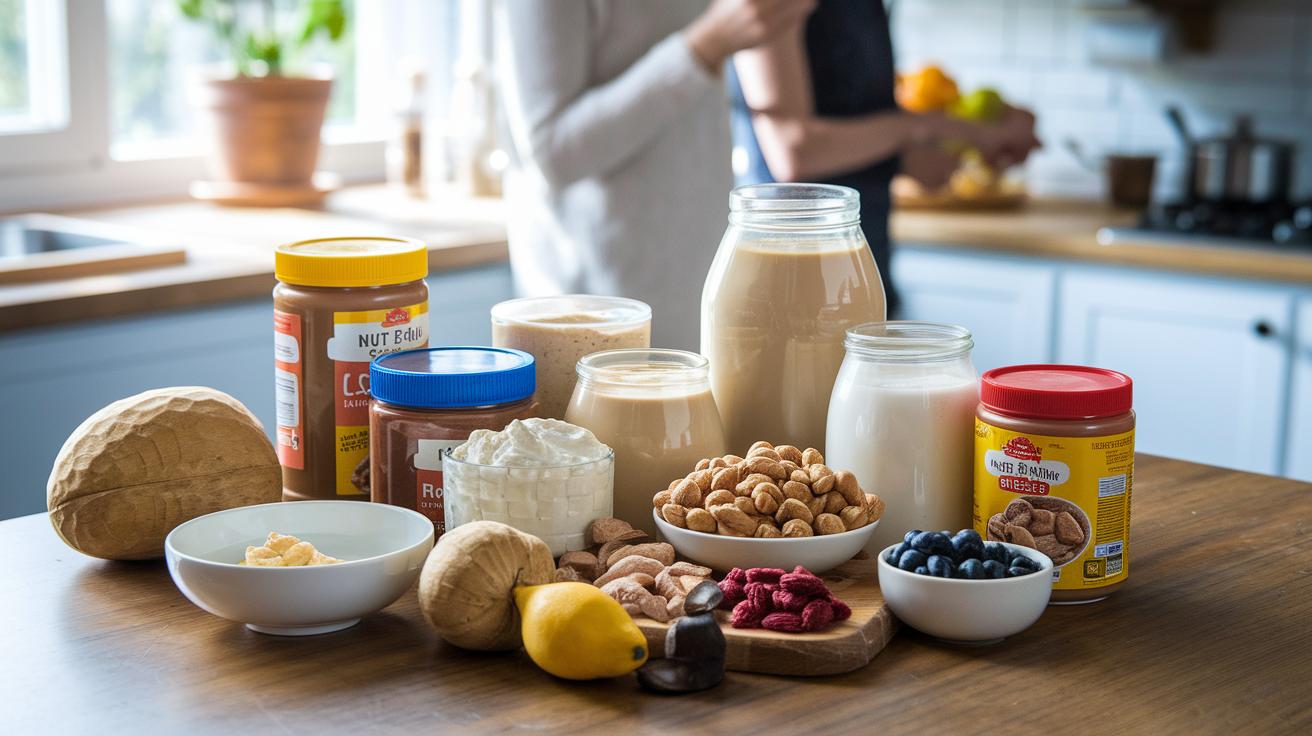
When you're looking to add some extra energy to your meals, high-energy foods are a wonderful option. They help boost your calorie intake naturally and enrich your breast milk too. Think of it like this: including snacks that are rich in energy, like nut butters, full-fat dairy, or dried fruits, gives you the fuel to support your baby’s growing needs and keeps you going during busy days.
Below is a handy HTML table that shows eight calorie-dense foods with their serving sizes and the calories they pack. It’s like a quick guide to help you pick the right snacks on the go.
| Food Item | Serving Size | Calories per Serving |
|---|---|---|
| Almonds | 1 oz | 160 kcal |
| Peanut Butter | 2 tbsp | 190 kcal |
| Whole Milk Yogurt | 1 cup | 150 kcal |
| Cheese | 1 oz | 110 kcal |
| Avocado | 1 medium | 240 kcal |
| Dried Apricots | ½ cup | 80 kcal |
| Walnuts | 1 oz | 185 kcal |
| Olive Oil | 1 tbsp | 120 kcal |
Adding these tasty and calorie-rich foods into your daily routine is simple. Maybe grab a small handful of almonds on a busy day, or stir a bit of olive oil into your salad to give it a nutritious boost. It’s all about little changes that make a big difference. And if you’re curious about more ways to naturally boost your milk supply, you can check out this helpful guide on foods that increase milk supply.
Homemade Nutrient Fortifiers for Breast Milk Enrichment
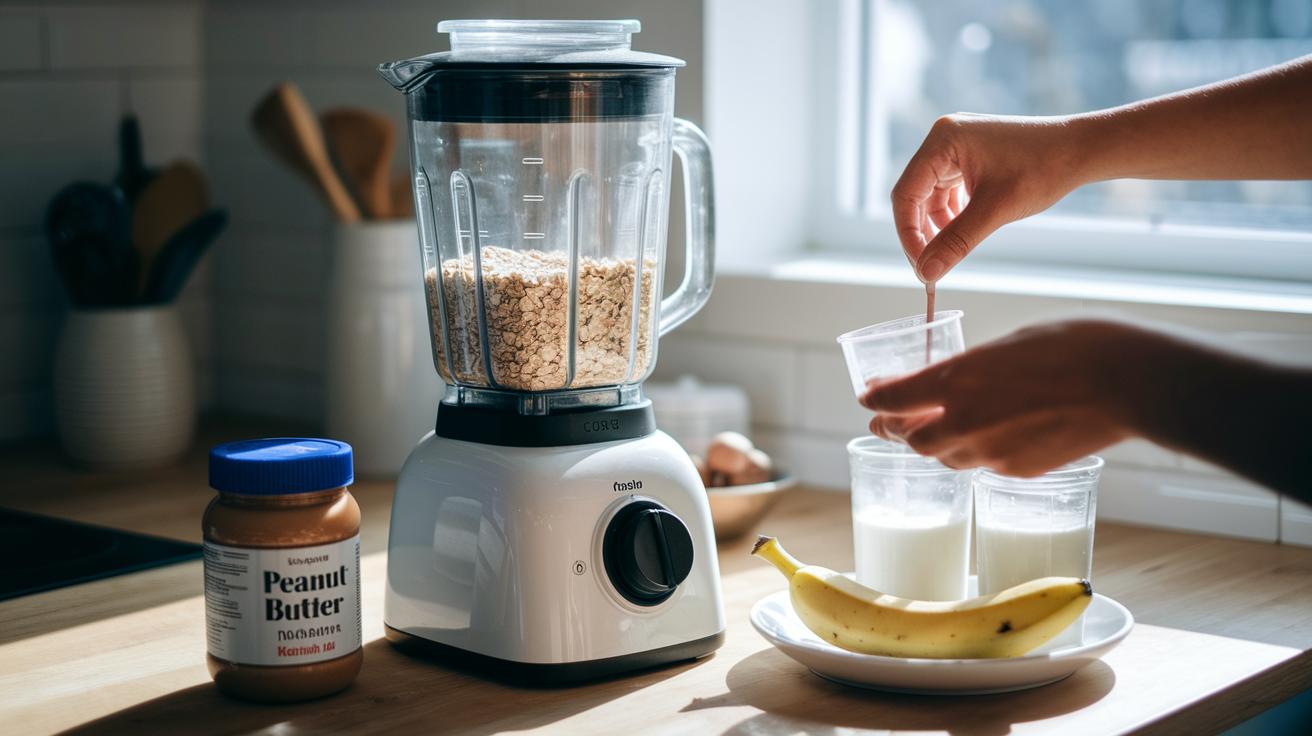
Have you ever tried giving your milk an extra boost with a homemade fortifier? One lovely option is an oat and peanut butter smoothie. Just blend 1 cup of oats, 2 tablespoons of peanut butter, 1 banana, and ½ cup of full-fat yogurt. This easy mix not only has a smooth, comforting taste but also adds around 200 extra calories each serving. Imagine that natural creaminess mixed with a burst of energy!
Another simple idea is a flaxseed-oil blend. Mix 1 tablespoon of flaxseed oil with 2 tablespoons of powdered milk and ½ cup water until it’s nice and smooth. Each sip of this mix gives you roughly 110 calories, providing a wholesome way to enrich your milk.
If you’re in the mood for something naturally sweet, try a dates-almond purée. Just combine 4 dates with 1 ounce of almonds and blend them into a smooth paste. This blend offers about 180 calories per serving and brings a gentle sweetness along with a rich, nutrient-packed texture.
For a warm and soothing treat, consider a coconut-milk latte fortifier. Simply mix 1 cup of coconut milk with 1 tablespoon of honey and gently warm it up. This comforting drink not only smells like a little tropical getaway but also adds about 150 calories to your milk.
Lastly, if you crave a rich, creamy mix, blend ½ an avocado with ½ cup of Greek yogurt and 1 tablespoon of chia seeds. This avocado yogurt blend packs around 220 calories per serving and brings healthy fats into your milk in the most delightful way.
Happy blending, and here’s to nurturing yourself and your little one with every sip!
Safe Supplementation and Fortifier Usage for Caloric Boost

Herbal Galactagogues
Fenugreek is a natural option that may help boost your milk's amount and fat content. Generally, taking 500–1,000 mg three times a day can be beneficial. Fennel, known for its natural phytoestrogens, works too. You can try steeping about 30 g of fennel seeds, which may add roughly 20 extra calories per cup. It's a bit like adding that special spice to your favorite recipe, it not only brightens the flavor but also brings extra nourishment for your little one.
Commercial Fortifiers
Commercial human milk fortifiers are made to safely increase the calories of your milk. When used as the package instructs, they add about 2–4 kcal per mL. These products are carefully prepared to give you a consistent boost, making them a trustworthy choice if your baby needs that extra bit of energy.
Dosage and Precautions
Before you start any new supplement, make sure to check for allergies and keep an eye out for signs like low blood sugar or tummy discomfort. It’s really important to monitor these changes, maybe even keeping track of your blood sugar levels if needed. And of course, it’s a good idea to chat with your healthcare provider to confirm the right dose and safe practices that suit your unique needs.
Monitoring Calorie Density and Adjusting Your Approach

Have you ever tried weighing your baby before and after a feed? It may seem simple, but doing so can show you if your little one is getting enough energy. All you need is a home scale and a basic log to jot down the numbers. Keeping track weekly can help you see how well the milk is working for your baby.
Sometimes, these small details can signal feeding hiccups. Maybe you notice changes in your baby’s mood or alertness between feeds. Such observations might mean there’s room to adjust your feeding technique. A tiny tweak here or there can make the milk feel more consistent and boost its energy.
If you find the numbers aren’t matching up with the growth you expect, it might be a good idea to reach out to a professional. A lactation consultant can share more advanced ways to track progress, like methods that estimate fat and calorie levels, and help fine-tune your approach. This guidance can support your baby’s growth and ensure you’re on the right track.
Final Words
In the action, we explored dietary and lifestyle strategies to boost the calorie content in breast milk. We looked at ways to adjust meal timing, include healthy fats, and even use compression techniques during feeding to naturally enrich milk energy.
We also shared ideas on maternal diet and homemade fortifiers that moms can easily add to their routine. Keep experimenting with these tips on how to increase breast milk calories, and remember, small changes can bring real comfort and support.
FAQ
How can I quickly and naturally boost my breast milk’s calorie content?
Increasing your breast milk’s calorie content quickly and naturally means adding healthy fats (like avocado and nut butter), using homemade fortifiers, and practicing effective feeding techniques to deliver more fat during feeds.
What should I eat or drink to enrich my breast milk and fatten it up?
Enriching your breast milk naturally involves eating nutrient-rich foods such as full-fat dairy, nuts, and fruits, and drinking plenty of water; these choices support a higher fat, energy-dense milk profile.
What are the typical calorie values for breast milk per serving and daily intake?
Typical mature breast milk provides about 20 kcal/oz (approximately 67 kcal per 100 mL), with infants usually receiving roughly 500–700 calories per day from breast milk, though amounts vary.
What is the 3 3 3 rule for breast milk?
The 3 3 3 rule for breast milk suggests a structured feeding approach where adjustments in feeding frequency and technique help optimize both milk supply and the natural calorie delivery to your baby.
How can I give a breastfed baby more calories during feeding times?
Giving your baby more calories through breastfeeding involves enhancing milk energy by using fortifiers and effective techniques—such as breast compression—to increase the fat content delivered during each feed.