
Ever wonder if your baby is getting just the right amount of milk to grow strong and happy? This handy guide shows simple, age-based amounts for both breast milk and formula. It trims away the confusion with clear numbers and easy tips.
When you mix these guidelines with your little one’s natural signals, you can feel confident about every feeding. Let this simple chart help you support your baby's growth while making mealtime a calm, joyful part of your day.
Infant Feeding Amounts: Comprehensive Age-Based Milk Intake Chart

Feeding your little one is a mix of following some general guidelines and tuning in to your baby's unique cues. This chart is here to help you figure out how much breastmilk or formula your baby might need as they grow. It's a friendly guide for busy parents.
Every baby is different. Watch for signs like lip smacking or a little fuss when they're hungry, and notice when they turn their head away or close their mouth to show they're full. This way, you can blend the guidance of the chart with your baby's own signals really well.
| Age Range | Amount per Feeding (oz) | Feeds per Day | Total Daily Intake (oz) | Method (Breastmilk/Formula) |
|---|---|---|---|---|
| Newborn (0–1 month) | 1.5–3 | 8–12 | 16–24 | Breastmilk/Formula |
| 1–2 months | 3–4 | 8–12 | 24–32 | Breastmilk/Formula |
| 3–5 months | 4–6 | 5–6 | 24–32 | Breastmilk/Formula |
| 6–9 months | 6–8 | 4–5 | 24–32 | Breastmilk/Formula |
| 10–11 months | 6–8 | 3–4 | 20–30 | Breastmilk/Formula |
| 12–15 months | 3–4 | 2–3 | 14–20 | Breastmilk/Formula |
| 16–24 months | 2–3 | 2–3 | up to 16 | Breastmilk/Formula |
Think of this chart as a helpful starting point. Always pay attention to your child’s hunger cues, and if you're ever unsure, chat with your pediatrician for advice that fits your family's unique needs.
Breastfeeding Volume Recommendations and Tracking

When it comes to feeding your baby, experts say go with the flow and feed on demand, basically, nurse whenever your little one gives you those hunger signals. For example, babies between 3 and 7 months might need to feed eight times or even more in a day. As they grow, you might see about six sessions by 8 or 9 months, and around five by 10 to 11 months. Later on, solid foods start to join the mix, while breastfeeding still happens as needed.
If you’re pumping, keeping an eye on how much milk you collect can be really handy. Generally, babies 3–9 months old drink between 24 and 32 ounces daily. For those a bit older, around 10–11 months, the amount drops a bit to about 20–30 ounces. From 12 to 15 months, you can expect roughly 14–20 ounces each day. And for toddlers between 16 and 24 months, it might be closer to 16 ounces daily.
A simple way to track this is by jotting down a few notes. You could keep a little journal or write on your bottle labels, just note the time, amount, and any cues your baby gives you during feedings. Over a few weeks, these little records can reveal helpful patterns. This makes conversations with your pediatrician a bit easier, helping you understand your baby’s unique needs and making sure you’re both on the same page.
Formula Feeding Schedule and Dosing Guidelines

As your baby grows, the amount of formula they drink will naturally increase. Here’s a simple guide to help you plan each feed:
- Newborn: 2–3 oz per feed, 8–12 feeds a day
- 1–2 months: 3–4 oz per feed
- 3–5 months: 4–6 oz per feed
- 6–9 months: 6–8 oz per feed
- 10–11 months: 20–30 oz total per day over 3–4 feeds
If your baby finishes their bottle but still seems hungry, maybe by smacking their lips or getting a bit fussy, try adding about ½ oz more. For example, you might say, “I added ½ oz more, and my baby seemed much calmer and more content.”
Remember to always prepare the bottle carefully. Wash your hands, clean each piece of equipment, and keep a simple log of feedings. This way, you have clear guidance on both the feeding amounts and proper formula preparation without repeating other tips.
Recognizing Infant Hunger and Fullness Cues in Feeding
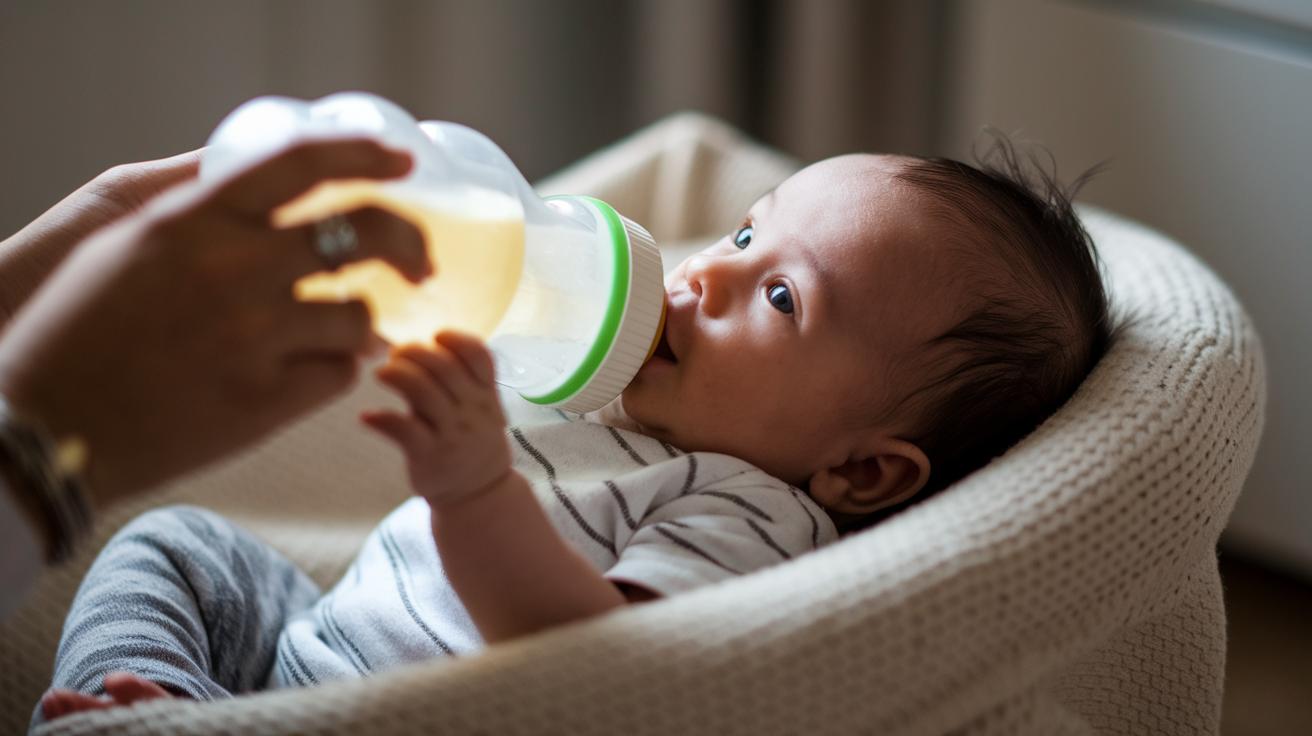
Responsive feeding means tuning in to even the quietest hints from your baby. Sometimes it's not just about big signals, you might see tiny shifts in how your little one holds their head or watches a moving light. Maybe they pause for a moment or give a quick blink before continuing, almost as if they’re letting you know they’re experiencing the feed at just the right pace.
Parents, keep an eye on these small details. Perhaps your baby’s grip on the bottle softens or their face shows a change when they lose interest for a moment. When feeding time rolls around, notice if their sucking rhythm slows down or if they take a brief break before getting back to it. These little signs can gently guide you on whether to pause or let things continue naturally.
And when feeding isn’t going as smooth as usual, these subtle cues become even more important. You might see a faint fussiness or a delayed reaction that’s easy to miss if you’re not looking closely. For instance, if your baby’s hand-to-mouth moves start to relax, it could be a soft hint that they’re nearly full and it might be time to slow things down.
Tracking and Adjusting Infant Feeding Amounts

Keeping a record of your baby’s feeds can be really helpful to make sure they’re getting enough to grow strong and happy. By writing down feed times, amounts, and little cues from your baby, you can quickly spot changes and adjust as needed.
Calculating Daily and Per-Feed Volumes
A simple trick is to multiply your baby’s weight in pounds by 2.5 oz to get an idea of the total milk for the day. Then, just divide that number by how many times you plan to feed your baby throughout the day. For example, if your baby weighs 10 pounds, that means about 25 oz in total. And if you plan on feeding them 10 times, that comes out to roughly 2.5 oz per feed. Think of it like slicing up a pie into equal pieces, it’s a good guideline that you can adjust as your baby grows and their needs change.
Monitoring Growth and Diaper Output
Keep an eye on how many wet diapers your baby has each day and how their weight is progressing. Seeing six or more wet diapers every day is a reassuring sign that your little one is well hydrated, and steady weight gain means they’re growing just as they should. By watching these details, you can make small adjustments to your baby’s feeding routine every month, ensuring that their intake stays just right for their developmental stage.
Safety Considerations and Professional Guidance for Infant Feeding Volumes

These feeding guidelines are a gentle starting point, but remember, every baby is unique. Your little one might need a bit more or less, especially if they were born early or have special health needs. If your baby seems fussy or isn’t putting on weight as expected, it might be a good time to have a chat with your pediatrician to adjust things to suit them better.
When you mix formula, be sure to use the proper scoop and water amounts so the mixture isn’t too strong or too weak. Keeping your formula just right can help prevent feeding problems. And whether you’re storing breastmilk or formula, following the manufacturer’s and CDC’s advice will help keep it safe and fresh.
If you ever worry about your baby’s growth, feeding habits, or if there’s a specific medical issue, don’t hesitate to reach out to your pediatrician. A little extra guidance can go a long way in making sure your baby’s feeding plan is just right for their needs.
Final Words
In the action, we broke down a clear feeding chart outlining age-based recommendations for both breastfeeding and formula feeding. We touched on recognizing hunger cues, tracking milk intake, and safely adjusting our approach to meet each baby’s needs.
This guide offers practical steps for monitoring infant feeding amounts while reminding us that little variations are normal. With these tips in hand, feel reassured to adapt and enjoy each feeding moment with confidence and care.
FAQ
Q: What do infant feeding amounts charts indicate for different ages, including formula milk for baby 0–6 months?
A: Infant feeding charts show milk intake guidelines by age. Newborns typically take 1.5–3 oz per feed, with amounts increasing as they grow. These charts guide routine feeding but should be paired with your baby’s cues and pediatric advice.
Q: What do the 5 3 3 rule for feeding and the 3–3–3 rule for breast milk mean?
A: The 5 3 3 and 3–3–3 rules offer quick guidelines for structuring feeding sessions and milk amounts. They help outline general feeding practices, yet should be adapted based on your baby’s unique hunger and fullness signals.