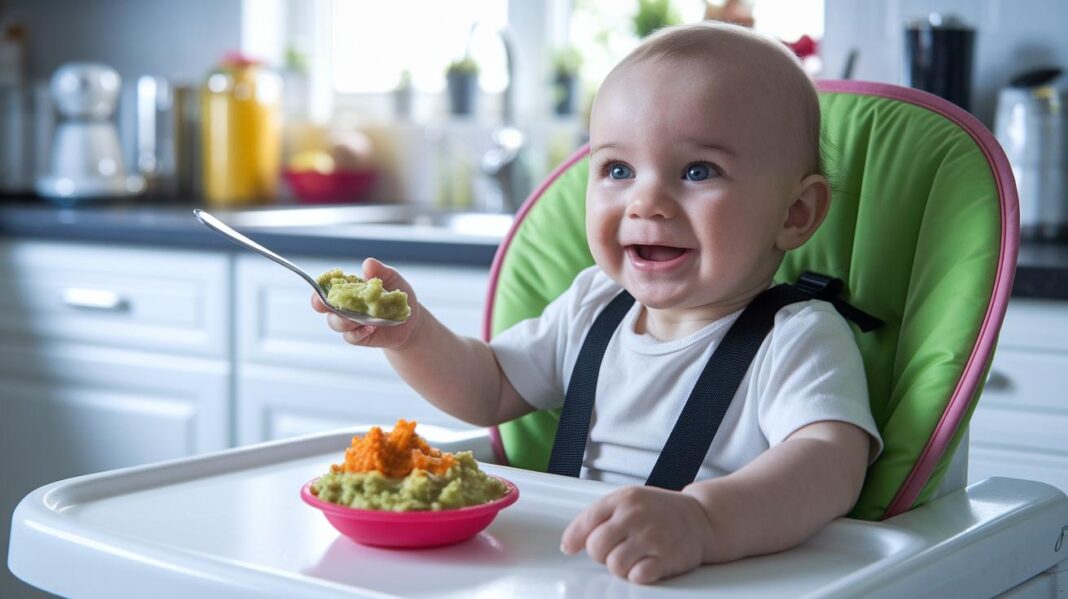
Ever stop to think that starting solid foods could shape your baby’s eating habits later on? I’ve heard many parents share stories of little eyes lighting up and joyful spoonfuls turning mealtime into a warm, fun experience. When your baby shows interest, like reaching for new tastes or textures, it might be the perfect sign to add pureed foods alongside those gentle milk feedings. This way, you celebrate each small, tender step in your baby’s journey, making every bite a moment of growth and discovery.
Timing and Readiness for Introducing Solids to Baby
Many parents find that the best time to try solids is when their baby seems less interested in milk, usually in the late afternoon or early evening when the baby is calm. For babies aged 4 to 6 months, a typical day involves about five to eight milk feedings along with one or two small spoonfuls of their first solid foods.
You might notice your little one showing signs of being ready, holding their head up well, needing only a bit of help to sit, reaching out for food, and looking excited during mealtime. These gentle cues match the milestones that pediatric experts keep an eye on.
Starting solids should feel like a natural part of your mealtime routine. Try offering a small taste when your baby is relaxed and engaged. For instance, imagine spooning a tiny bit of pureed carrot when your child feels cozy right after a feeding.
Remember, these first solid foods are just an addition to milk feedings, not a replacement. Watch for your baby’s signals, and adjust the timing as needed because every baby grows at their own pace.
Baby-Led Weaning and Pureed Options in Introducing Solids to Baby
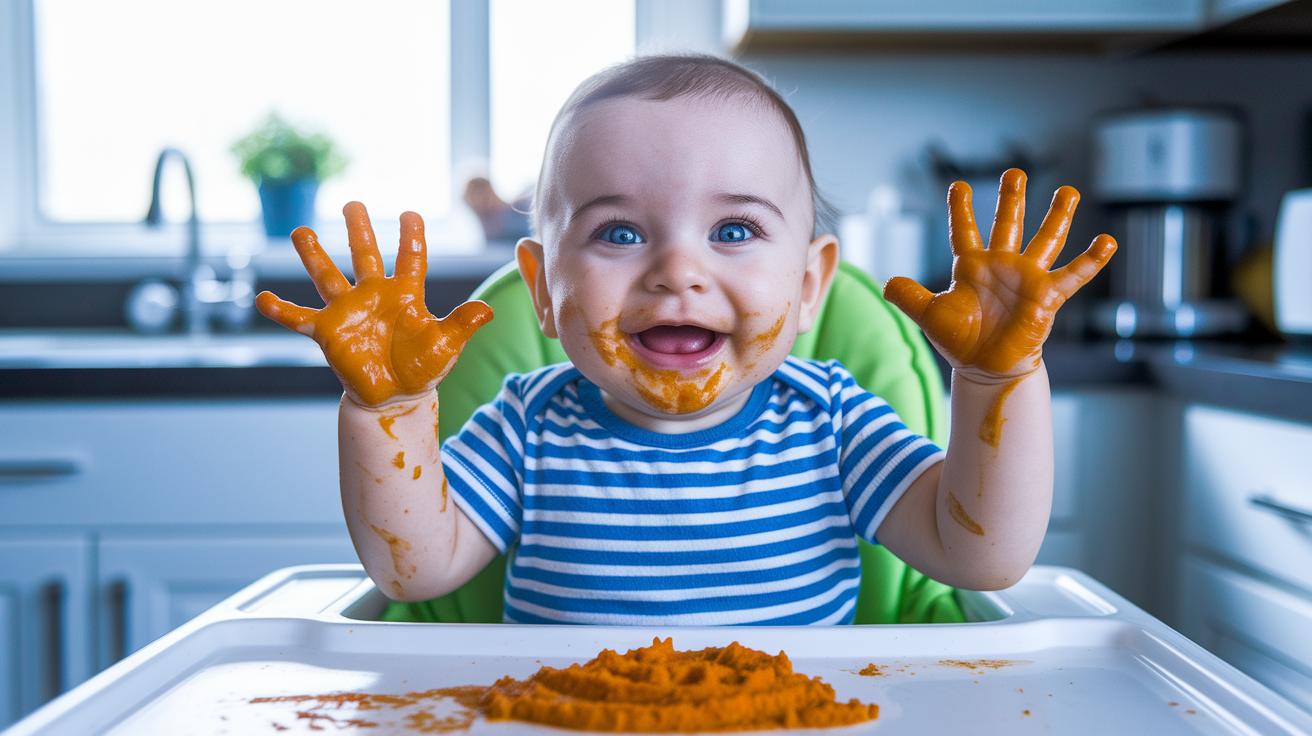
Many families enjoy letting their babies explore food on their own through baby-led weaning. They might offer soft finger foods like steamed carrot sticks so the little one can try picking up food and feeding themselves. This fun, hands-on experience helps build important skills and boosts confidence while making mealtime a playful adventure.
Other families feel more comfortable starting with spoon-fed purees. With this approach, you begin with simple, one-ingredient purees such as apples or rice cereal. Once your baby gets used to the smooth texture, you can slowly introduce thicker mashed foods. Spoon feeding lets you control the texture and amount of food offered, which can ease worries about messy meals.
Each method comes with its own perks and challenges. Baby-led weaning can turn mealtime into a lively, independent and sometimes messy play session, while spoon feeding offers more structure and controlled transitions between textures.
Consider this simple three-step texture plan:
| Step | Description |
|---|---|
| Step 1 | Begin with thin, single-ingredient purees |
| Step 2 | Gradually thicken the purees into a mashed texture |
| Step 3 | Move to soft finger foods as your baby shows readiness to grasp and chew |
Recommended First Foods and Textures for Introducing Solids to Baby
Experts in child care recommend starting with purees made from just one ingredient. This way, you can easily see how your baby reacts to each new flavor.
Here are eight simple foods many moms find work well:
- Iron-fortified rice cereal
- Pureed sweet potato
- Pureed carrot
- Pureed apple
- Pureed pear
- Pureed banana
- Pureed avocado
- Pureed peas
Foods rich in iron, like iron-fortified rice cereal, help meet your baby’s growing needs. They do more than fill tummy space, they provide the vitamins and minerals that support healthy growth. For instance, pureed sweet potato is a gentle and smooth way to nourish your little one, naturally sweet and full of good nutrients.
Try one new food at a time and wait for about 3 to 5 days before introducing another. This little trial period lets you see any unusual reactions and builds confidence both in you and in your baby’s developing taste. Once you’re sure your baby handles one food well, it’s fun to mix things up. Imagine blending a splash of pureed apple with a dollop of pureed carrot to create a new, subtle flavor combo.
Slowly, you can thicken the puree. Start with a thin, spoonable texture and then move to a slightly mashed consistency. This steady change not only helps your baby get used to new textures but also guides them from purees to small, more solid bites. It’s a simple step toward balanced eating, based on trusted advice on infant feeding (https://womensconference.org?p=10970).
Crafting a Solids Feeding Schedule for Introducing Solids to Baby
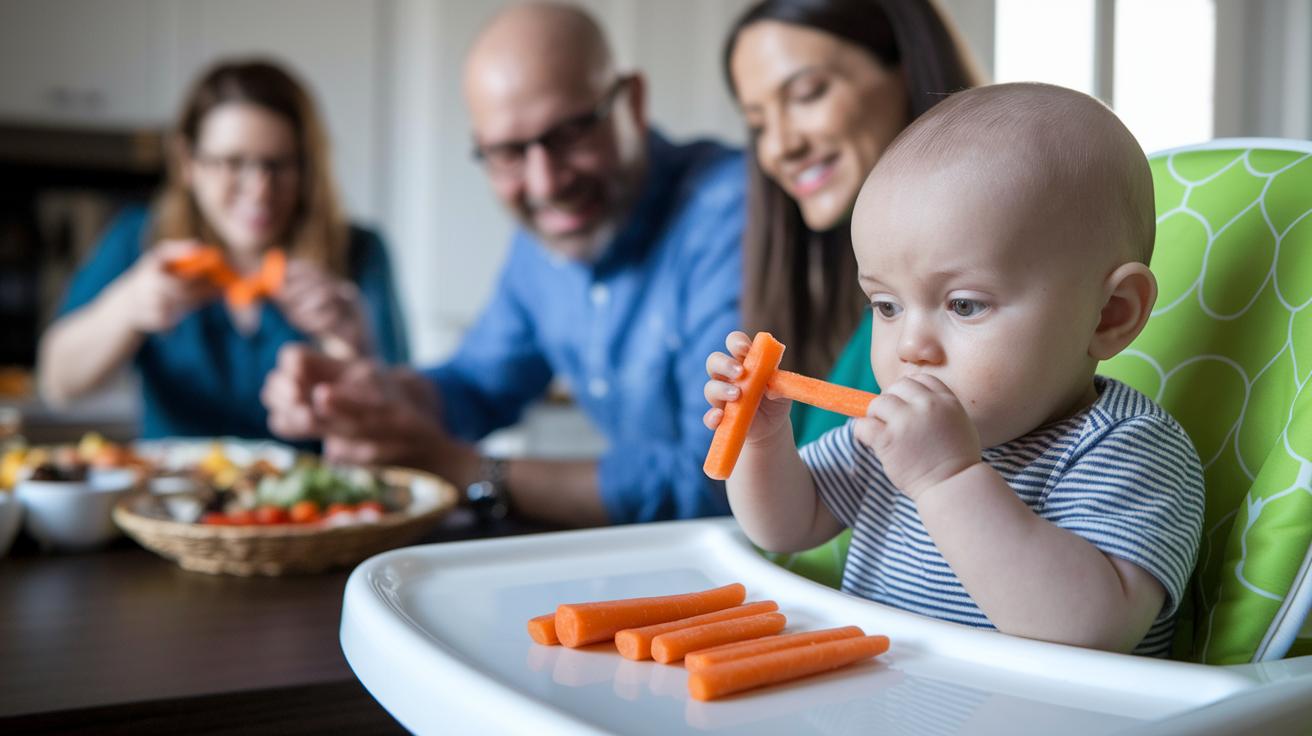
A balanced feeding routine mixes milk feedings with little tastes of solid foods. When your baby is around 4 to 6 months old, you might offer about five to eight milk feeds and one tiny solid meal a day. At this age, solids are just a sample of what’s to come.
When your baby reaches 7 to 9 months, you can try giving two or three solid meals spread out every 2 to 3 hours, while still providing three to five milk feeds. Solids are starting to play a bigger role, but milk is still their main source of nutrition.
Then, by the time your little one is 10 to 12 months old, you can serve three solid meals a day with two optional snacks. Milk feeds usually drop to around two to four. After 12 months, solids become the main part of their diet, and milk or formula becomes more of a side dish.
| Age Range | Milk Feeds per Day | Solids Meals per Day | Snack Recommendations |
|---|---|---|---|
| 4–6 months | 5–8 | 1 small meal | None |
| 7–9 months | 3–5 | 2–3 | Optional light snacks |
| 10–12 months | 2–4 | 3 | 2 optional snacks |
| 12+ months | Supplemental | 3 table meals | 1–2 snacks as needed |
Try to bring solids into family mealtimes. Here are a few ideas:
- Sit together as a family so your baby can see how others eat.
- Let your little one explore soft table foods alongside you.
- Keep a regular routine even though your baby’s appetite may change from day to day.
These schedules are just a guide as you discover what works best for your baby and your family. Enjoy the journey, it really is all about finding what feels right for you all!
Introducing Allergens and Safety Precautions When Introducing Solids to Baby
When you start giving your baby solids, it's nice to have a simple plan in place. Experts recommend that between 4 and 6 months, you can gently introduce allergens like peanut, egg, dairy, and wheat. Just offer a tiny taste and then wait 2 or 3 days to see if there’s any reaction. This careful approach lets you spot any concerns without overwhelming your baby's little system.
It helps a lot to sit with your baby during meals. Keep an eye on them and serve foods in soft strips or small pieces. Also, avoid hard, round items that might cause choking. Here are five easy tips to keep mealtime safe:
- Always watch your baby closely as they eat.
- Cut foods into small, manageable pieces.
- Avoid hard or round foods.
- Introduce one allergen at a time.
- Have CPR steps ready just in case.
By taking these extra steps, you can enjoy mealtime as a special, nurturing moment while gently introducing new flavors and textures.
Introducing Solids to Baby: Joyful Beginnings
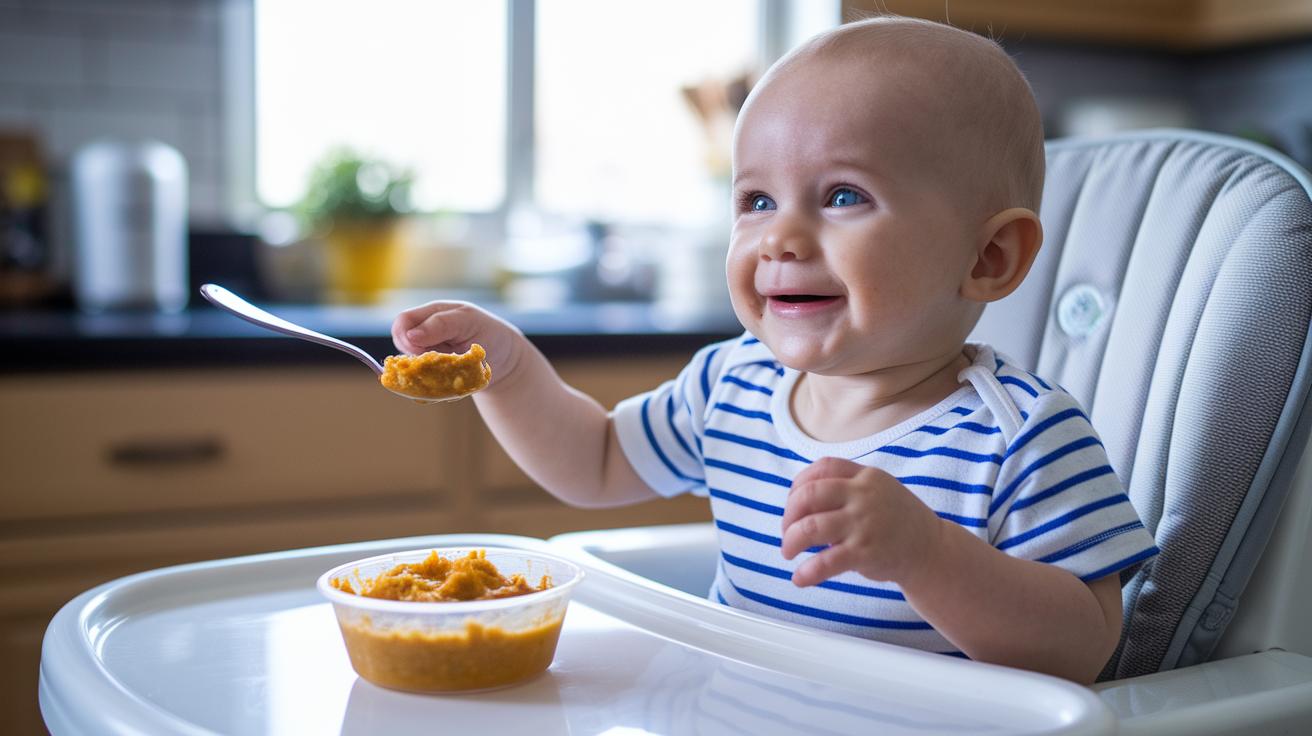
Mealtimes can become a cozy, family moment when you introduce solids while your baby is feeling calm. Start with one or two tablespoons of a smooth puree, and slowly offer a little more as your baby shows interest. Planning ahead helps take the stress out of feeding time, making each meal light and fun for everyone.
You might find it helpful to make purees in batches. Imagine cooking your favorite fruit or vegetable puree, then freezing small portions in an ice-cube tray. This way, when busy mornings arrive, you have a quick and mess-free option ready to go.
Here are eight easy tips to gently ease your baby into a happy mealtime routine:
- Make your purees ahead of time and freeze them in small portions.
- Begin with just one to two tablespoons of solids at each meal.
- Keep milk feedings as the main source of nutrition while slowly adding solids.
- Offer solids during calm moments when your baby is relaxed.
- Talk to your baby about the food, name it and share what it feels like.
- Switch between open cups and straw cups to help your baby learn to drink.
- Keep track of how much your baby eats to see small changes over time.
- Enjoy family mealtimes together so your little one learns by watching and joining in.
These simple steps can turn mealtimes into a warm, relaxed part of your day, supporting both your baby’s growth and the joy of family togetherness.
Final Words
In the action, we covered when and how to start introducing solids to baby, spotting readiness cues, choosing between finger foods or pureed options, and picking out first foods that meet nutritional needs. We discussed a feeding schedule and safety tips around allergen exposure, along with practical meal planning ideas that bring calm to mealtime. These simple steps aim to make the shift smoother and more joyful. Every tip shared helps build a nurturing routine that leaves mealtime full of hope and confidence.