Have you ever thought about how the foods you eat might give you a natural boost of milk and energy? Many new moms notice that low iron levels after childbirth can really drain you. Adding iron-rich foods to your meals is like giving yourself a little, nurturing lift each day. In this post, we’ll chat about everyday choices that help keep your iron levels healthy and support your new mom journey. Let’s take a closer look at some simple, effective ways to feel naturally energized.
Essential Iron-Rich Foods to Support Breastfeeding Mothers
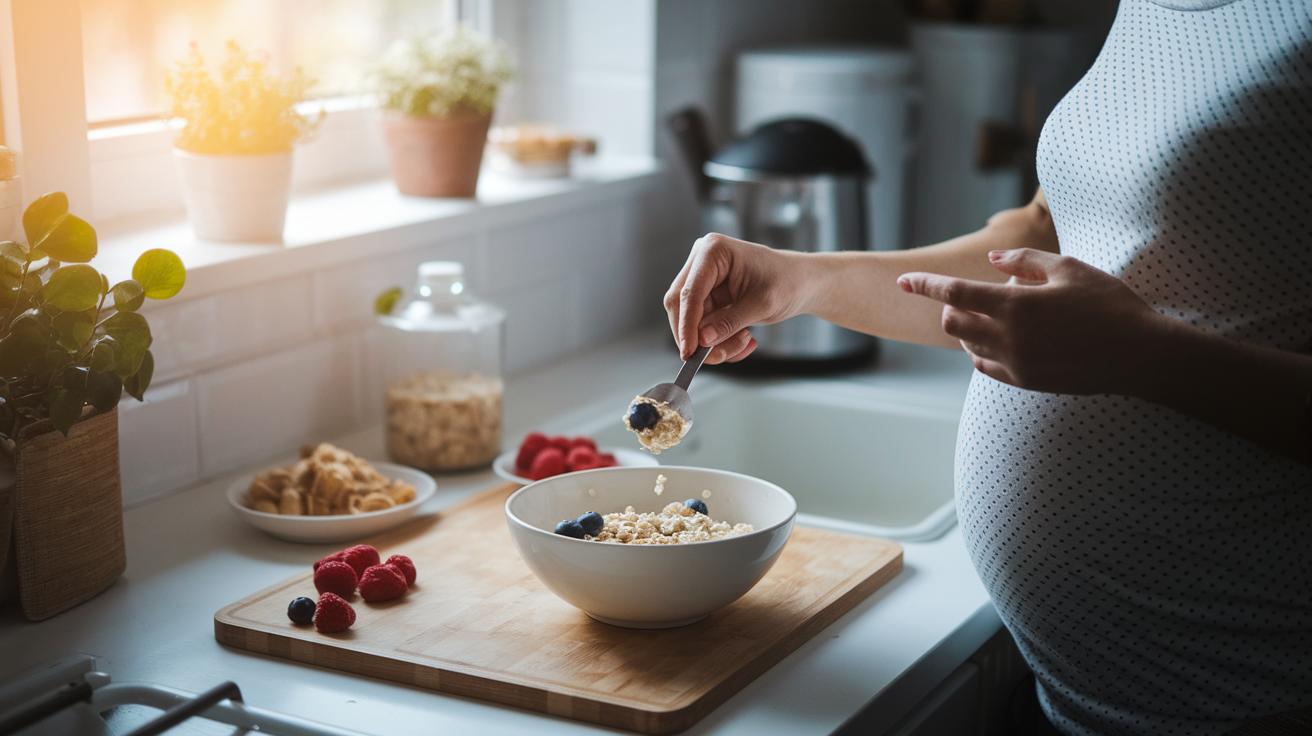
After giving birth, many moms might worry about not having enough iron because your body uses extra nutrients and you might lose some blood during delivery. Adding iron-rich foods to your everyday meals can help boost the quality of your milk and keep your energy up. It’s like giving yourself a gentle, nourishing boost every day.
-
Oatmeal is a really good choice. It’s full of iron, fiber, and slow-digesting carbs that help keep you feeling full and can even give your milk a little lift. Imagine warming up a bowl of steel-cut oatmeal with fresh berries, it’s a comforting, easy way to add an iron boost.
-
Barley is another friendly food for new moms. It contains natural compounds that can gently support your body’s milk production, helping you feel a bit more at ease with your feeding journey.
-
Fenugreek is known as a natural aid for boosting milk supply. It has plant-based compounds that work like tiny helpers in your body. Just remember to use it in moderation, since too much isn’t needed.
-
Spinach is a super leafy green that brings a good dose of iron along with calcium, folate, and vitamin K. It’s a little meal of nourishment on your plate that can make you feel strong.
-
Brewer’s yeast is a simple way to add chromium, selenium, iron, and B-vitamins to your diet. These nutrients help keep your energy balanced, which is so important for busy days.
-
Garlic isn’t just for flavor; it’s been noted for its gentle support of milk production and overall well-being. Adding a bit here and there can make your meals more delightful.
-
Nuts like walnuts, almonds, cashews, and pistachios provide healthy fats and antioxidants while adding a satisfying crunch. They make for a perfect, quick snack when you need a little pick-me-up.
-
Ginger is a warm, soothing ingredient that can help with digestion and bring a little comfort to your tummy.
-
Seeds such as sesame, flax, and pumpkin are small powerhouses. They add iron and healthy fats when sprinkled over your meal, making it easy to boost your nutrients.
-
Finally, foods like asparagus, milk thistle, and green papaya bring natural, plant-based support to your body. They can offer a bit of estrogenic help and provide enzymes that might boost milk production, adding yet another gentle way to care for yourself.
Iron’s Role in Postpartum Recovery and Milk Quality

After giving birth, many moms find themselves feeling extra tired and a bit off. The changes that come with childbirth – like blood loss and shifting hormones – can drop your iron levels, which may lead to anemia (a condition where your body doesn’t get enough oxygen). When you’re low on iron, you might experience dizziness, a racing heart, and overall fatigue. It can even stir up unexpected mood swings, making recovery feel like an uphill battle and sometimes even increasing the risk of postpartum depression.
Iron isn’t just about regaining your strength; it also plays a big role in the quality of your breast milk. Breast milk naturally has very little iron, so as your baby grows, especially from around four months old, they’ll need roughly 1 milligram of iron per kilogram of their weight each day. Adding more iron-rich foods to your diet can give you a boost while also supporting better milk quality for your little one. It’s a simple way to care for yourself and help your baby thrive.
Take a moment to choose iron-packed foods, and enjoy each special moment with your baby.
Comparing Heme and Non-Heme Iron Sources for Lactation
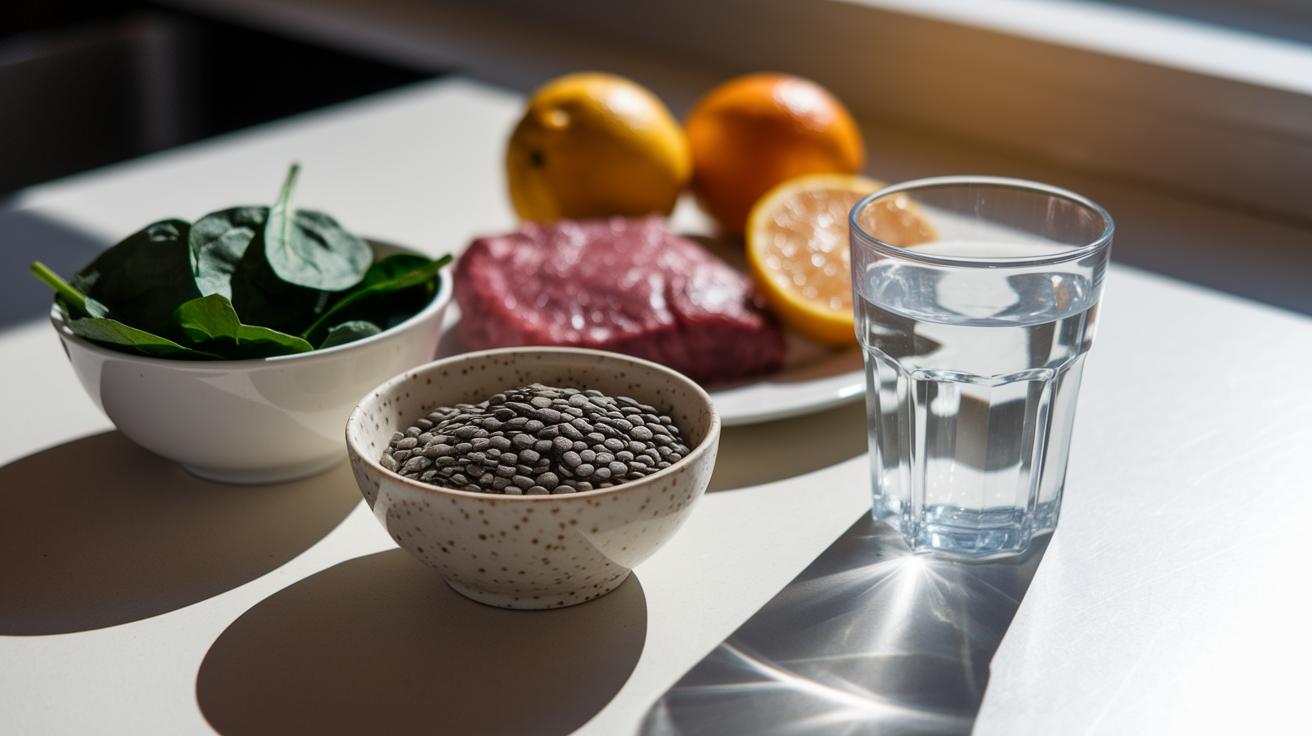
Choosing foods that boost your strength and milk quality can be simple when you know a bit about iron. There are two kinds: heme iron and non-heme iron. Heme iron comes from animal foods like red meat, poultry, and fish, and your body easily absorbs about 15-35% of it. This means you get plenty of help from these foods.
Non-heme iron, on the other hand, is found in plants like spinach, lentils, and fortified cereals. Your body soaks up only about 2-8% of this type. But here's a friendly tip: add foods rich in vitamin C, like orange slices or bell peppers, to boost iron absorption by up to three times. This little trick can help keep your energy up and improve milk quality.
| Source Type | Example Foods | Iron Content (mg/serving) | Bioavailability (%) |
|---|---|---|---|
| Heme | Red meat | 2.5 | 15-35% |
| Heme | Poultry | 2.0 | 15-35% |
| Heme | Fish | 1.2 | 15-35% |
| Non-Heme | Spinach | 0.6 | 2-8% |
| Non-Heme | Lentils | 3.3 | 2-8% |
| Non-Heme | Fortified cereals | 4.0 | 2-8% |
In the end, it's all about making small choices that fit your daily life. Mixing these iron sources with a little boost of vitamin C can gently improve your iron uptake, giving you and your little one a natural, caring boost.
Plant-Based Iron-Rich Options and Vitamin C Pairings for Breastfeeding Mothers
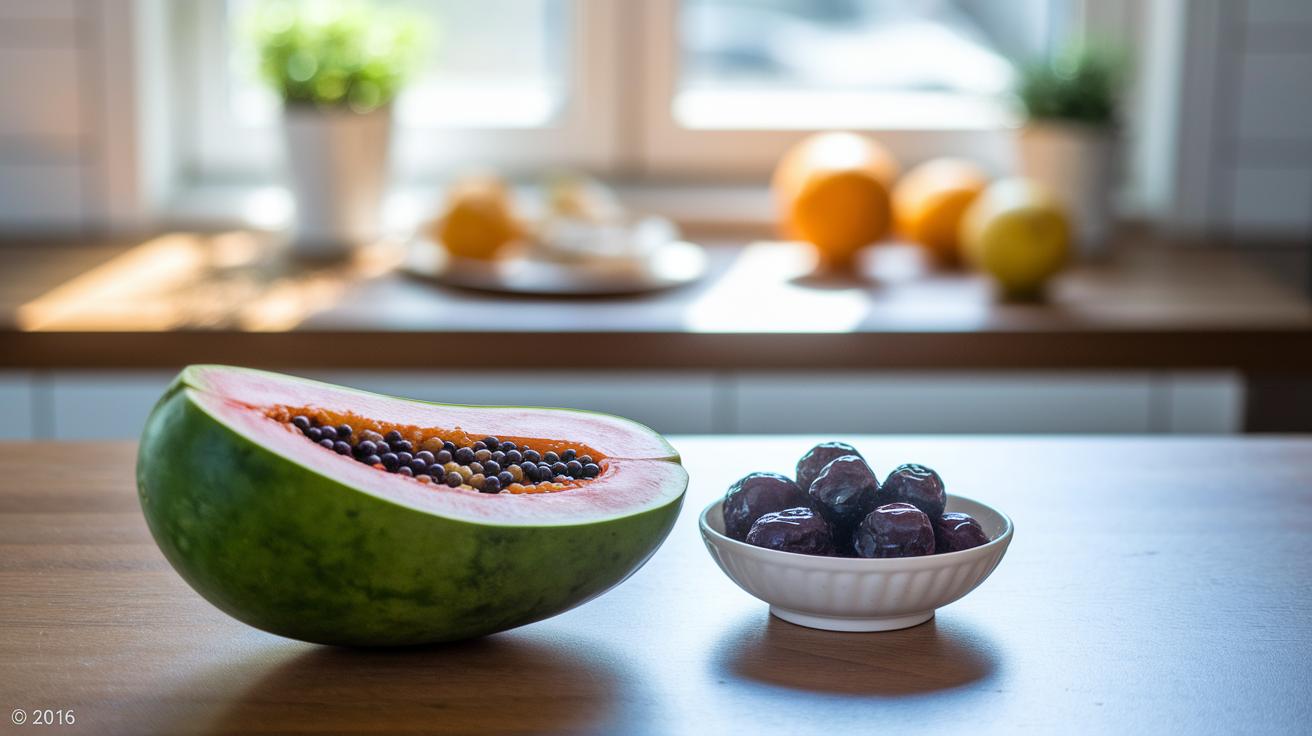
Plant-based foods are a wonderful way to boost your iron levels. When you enjoy them with fruits and veggies rich in vitamin C, your body gets even more of what it needs. For example, green papaya, dried apricots, and prunes are packed with iron and other helpful nutrients. Picture a bowl of fresh papaya slices mixed with a small handful of prunes, it’s a simple, nourishing treat that supports your body.
Spinach, kale, and asparagus are not only tasty but also bring a good dose of iron along with nutrients like folate and vitamin K. Imagine a crisp spinach salad accented with colorful bell pepper strips. Pair these with a few orange segments or even some strawberry slices, and you’ve added a burst of vitamin C that helps your body absorb the iron much better.
Nuts and seeds such as almonds, cashews, sesame, flax, and pumpkin seeds are another great option. They bring healthy fats and extra iron into your meal. Try sprinkling them over your salad or mixing them into your oatmeal. And, if you add a side of orange slices, you’re giving your meal an extra twist of vitamin C that makes a real difference.
Quick Iron-Rich Meal and Snack Ideas for Breastfeeding Mothers
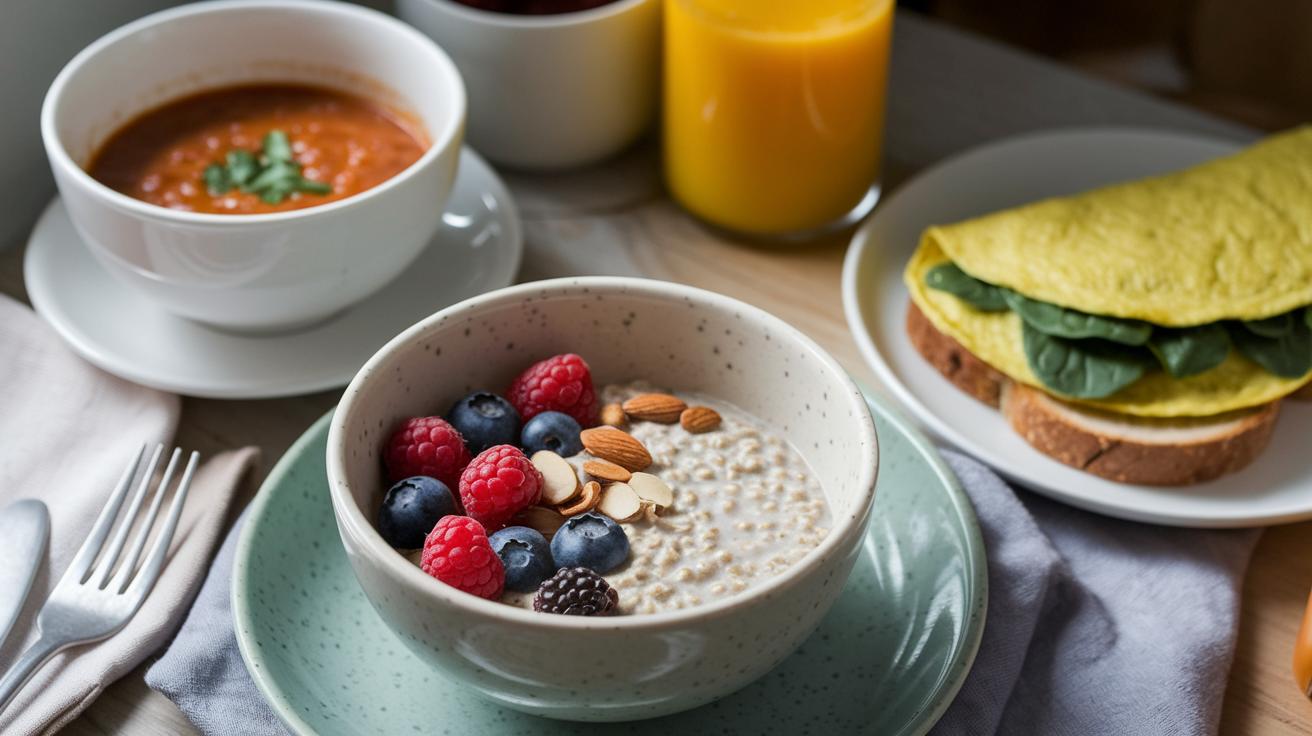
Imagine starting your day with a meal that fits right into your busy schedule. Picture a warm bowl of steel-cut oatmeal topped with juicy berries and crunchy almonds. It not only tastes delightful but also packs in 3 to 6 mg of iron along with fiber and protein to keep you energized. If you're in the mood for something a bit more filling, try a comforting bowl of tomato and lentil soup or a light spinach-feta omelet served with whole-grain toast. You can even switch things up with a colorful quinoa and black-bean salad. Checking out a breastfeeding diet plan can show you just how easy it is to mix nourishment and convenience.
Now, let’s talk about snacks that boost your iron intake during those busy hours. Roasted chickpeas with a hint of garlic provide a satisfying crunch and a natural hit of iron. For a sweet and nutty option, dried apricot-almond clusters or pumpkin-seed date bites are perfect when you’re on the move. These little treats work like mini meals, supplying just the right mix of fiber and protein so your energy stays steady. They might even help nudge up your natural milk supply, a small change that can make a big difference.
Each serving here is carefully designed to bring you around 3 to 6 mg of iron per portion. These ideas slot perfectly into your hectic day while caring for your energy and overall wellness. Enjoy mixing and matching these tasty options that support both you and your little one!
Maximizing Iron Absorption and Safe Supplementation During Breastfeeding
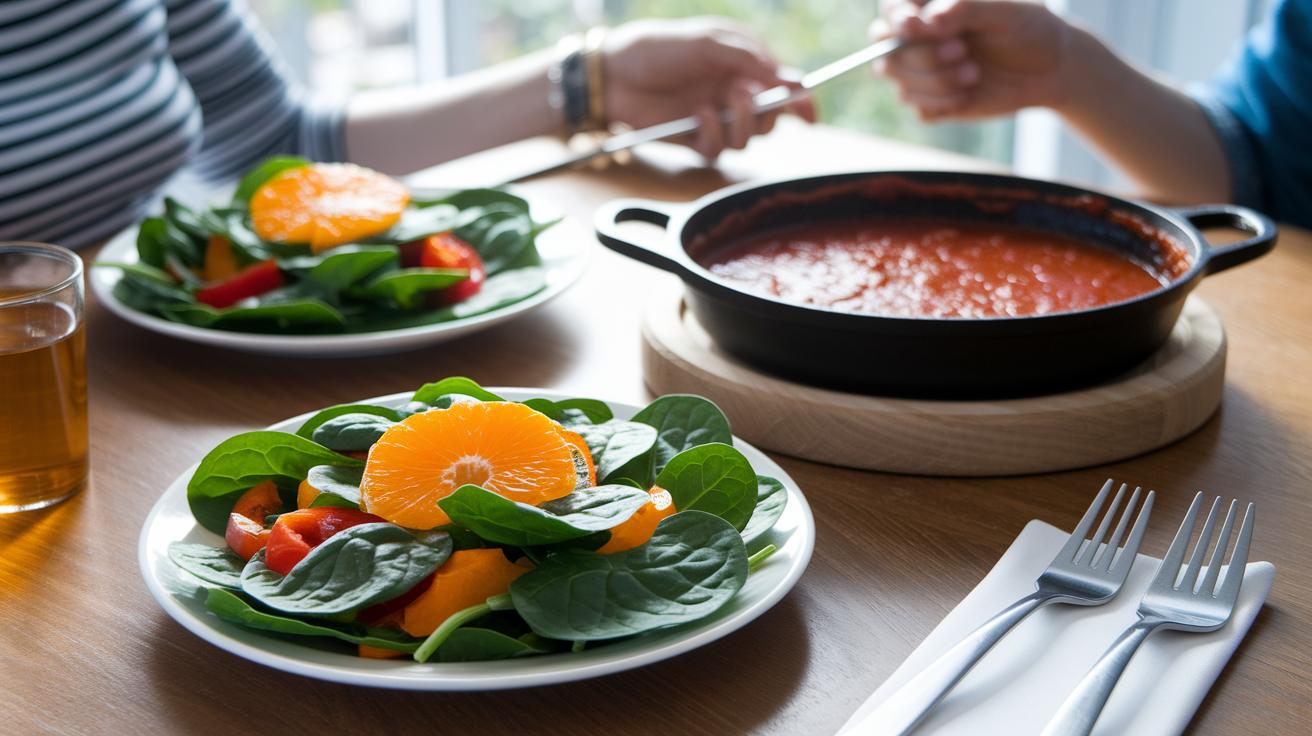
Making a few small changes in your meals can really help boost your iron naturally. For example, try pairing your iron-rich foods with something high in vitamin C. Imagine tossing a few orange slices or crunchy bell pepper strips over your spinach salad, it helps your body soak up more of that good iron. And if you’re cooking up a tasty tomato sauce, using a cast-iron skillet might add a little extra iron without you even noticing!
It’s also a smart idea to keep calcium-packed foods separate from your iron meals. If you enjoy dairy, wait about two hours after your iron-rich meal before having it. This little gap gives your body a clear path to absorb all the nutrients it really needs.
Sometimes, getting enough iron from food isn’t so easy. When that happens, supplements can be a helpful boost. Just be sure to chat with your health provider before you start any new supplement, to avoid side effects like constipation or too much iron. Many moms find that taking supplements between meals works best, and keeping a simple food log might make it easier to hit that postpartum goal of 9 to 10 mg per day.
Every little choice helps you feel your best each day. Stay nourished and take care!
Final Words
In the action, we explored handy ideas on combining iron-rich foods for breastfeeding mothers into daily meals. We looked at practical foods, from familiar oatmeal to power-packed vegetables, and why balancing them with vitamin C can boost absorption. The guide also shared simple snack ideas and safe ways to supplement when needed. Each step helps support postpartum recovery and enhances milk quality. With these insights, you can feel more confident and energized as you care for yourself and your little one.
FAQ
What iron-rich foods should breastfeeding mothers avoid?
The iron-rich foods to avoid while breastfeeding are those that are heavily processed or laden with additives. It’s best to pick wholesome, fresh options and discuss specific warnings with your care provider.
What is the best iron supplement for breastfeeding mothers?
The best iron supplement for breastfeeding mothers depends on your individual needs. Many moms use forms like ferrous sulfate or ferrous gluconate, so chatting with your provider is the safest approach.
Can breastfeeding cause iron deficiency in the mother?
Breastfeeding can lead to iron deficiency due to postpartum blood loss and extra nutrient demands. Including iron-rich foods and sometimes supplements under medical advice helps maintain healthy levels.
How can I increase my iron while breastfeeding?
Increasing iron while breastfeeding means adding iron-rich foods like spinach, oatmeal, lean meats, and legumes to your meals. Pairing these with vitamin C sources boosts absorption and supports your energy.
What foods are high in iron for breastfeeding and postpartum mothers?
High iron foods for breastfeeding and postpartum moms include leafy greens, fortified cereals, legumes, and lean meats. These options help maintain iron levels and support both milk quality and recovery.
What is the 3-3-3 rule for breast milk?
The 3-3-3 rule for breast milk is a guideline that outlines specific timing and storage practices to keep milk safe and fresh. Always follow your provider’s advice alongside established storage recommendations.
What does a breastfeeding mother diet chart include?
A breastfeeding mother diet chart includes a balanced mix of lean proteins, fresh fruits, vegetables, whole grains, and iron-rich choices. This plan is designed to support milk production and aid postpartum recovery.