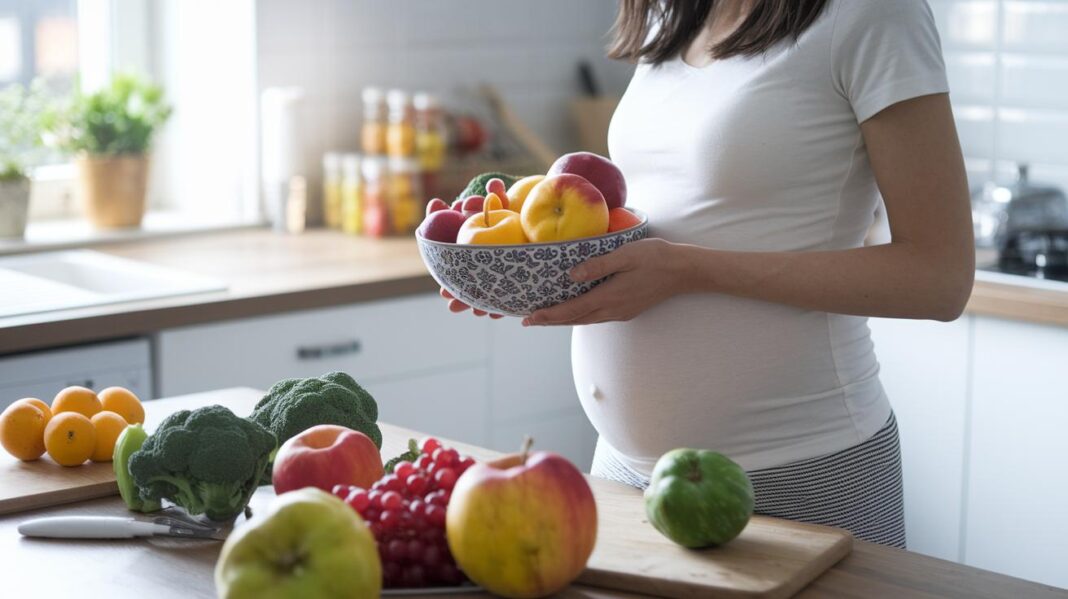
Have you ever thought about how the food you eat might change your pregnancy? Eating a balanced diet helps keep your blood sugar steady and supports both you and your little one. About 7% of pregnancies face gestational diabetes, so making good food choices is key.
In this article, I'll share a few easy tips. For example, try swapping sugary snacks for whole fruit and fill your plate with a mix of foods to keep your energy steady. Even small, mindful changes can make a big difference for both your well-being and your baby's future.
Core Maternal Diet Principles for Gestational Diabetes Prevention
Eating a balanced diet during pregnancy is the first step in keeping your blood sugar steady. Gestational diabetes happens in about 7% of pregnancies, so managing your sugar levels works wonders for both you and your baby. One simple idea is to include healthy carbohydrates like starches, fruits, vegetables, milk, and yogurt with every meal. I remember one mom who found that switching out sugary snacks for a whole piece of fruit really helped even out her energy throughout the day.
Having three meals and two to three snacks each day can really help prevent big blood sugar swings. Pregnancy hormones can make your sugar levels a bit unpredictable, sometimes even before you take your first bite! A handy tip is the diabetes plate method: fill half your plate with nonstarchy veggies, add one-quarter lean protein, and round it out with one-quarter moderate-carb starch. For example, you might enjoy steel-cut oats with a side of spinach and a small cup of low-fat yogurt, which feels both tasty and balanced.
Keeping your weight gain moderate while still getting all the nutrients you need is another important piece of the puzzle. Watching your portion sizes ensures you aren’t having more carbohydrates than your body needs. Little, mindful adjustments, like switching a high-carb snack for a mix of fiber-rich fruit and protein, can go a long way in keeping your blood sugar stable. It’s amazing how these small steps can make you feel healthier and more confident throughout your pregnancy.
Macronutrient Balancing in Maternal Diets to Lower Diabetes Risk
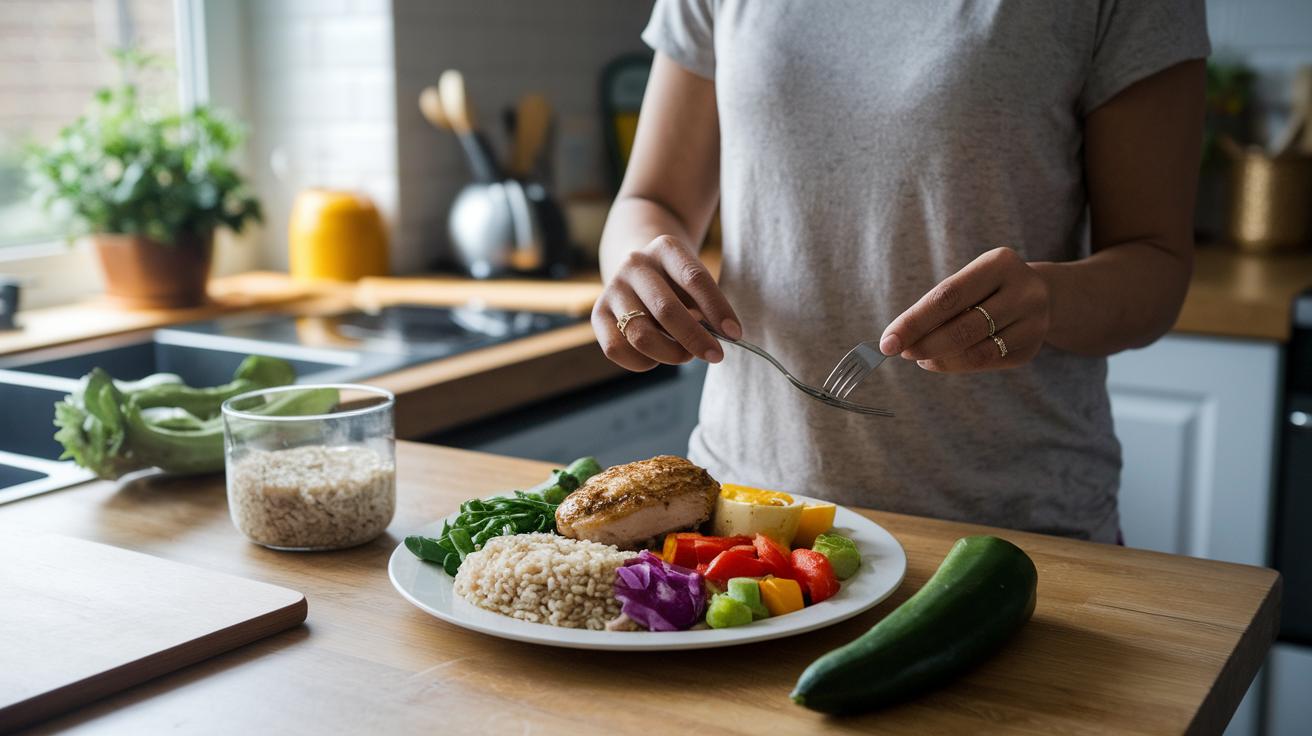
Every meal is a chance to help keep your blood sugar steady. You can do this by mixing the right amounts of carbs, proteins, and fiber. For example, a proper serving of starchy foods might be about 1 cup of cooked rice, grains, noodles, or potatoes, or even 2 slices of bread. Just picture sitting down to enjoy a meal where your starchy side matches your lean protein and a bunch of veggies. It’s little changes like these that can make you feel really balanced. One mom even said, "I used to eat way too much pasta until I learned that 1 cup truly makes all the difference!"
When you choose milk, aim for an 8-ounce serving. This helps keep your blood sugar from spiking too fast. Your meal might also include low-fat dairy or a calcium-fortified option, which goes nicely with a whole-grain side like brown rice or wild rice.
Fiber-rich foods are stars at every meal. Try whole grains such as oats, barley, or millet and add some legumes like lentils, beans, or split peas. For protein, pick lean options like chicken, fish, lean beef, or tofu. This balanced approach not only keeps you feeling full longer but also helps smooth out your blood sugar through the day.
Maternal Meal Timing and Portion Control for Blood Sugar Stability
Every meal and snack is a little chance to help your blood sugar feel more even. Try to have breakfast within an hour of waking to get a jump start on your day and fight off that morning insulin resistance. Spreading your food over three main meals with two or three small snacks can really help keep any big blood sugar swings at bay. It might help to think about a mid-morning snack like a small apple with about 1 oz of nuts. It gives you a bit of energy without loading on too many carbs.
Here’s a simple daily plan you might like:
- Breakfast soon after waking to ease that early morning insulin hiccup.
- A mid-morning snack, maybe 1 oz of nuts and a small apple.
- Lunch that includes a well-measured mix of starch and protein.
- An afternoon pick-me-up like veggies with about 2 tablespoons of hummus.
- Dinner focused on nonstarchy veggies along with a lean protein option.
When it comes to fruit, keep it simple. Enjoy one small piece or about 1 cup if you mix it up. Steering clear of canned fruits in syrup and fruit juices can help you avoid sudden sugar spikes. And yes, cutting back on super sugary treats like cakes or candies really works wonders for keeping your blood sugar steady.
Remember, small changes like these can make a big difference in how you feel throughout the day!
Crafting Low Glycemic Meal Plans in a Maternal Diet
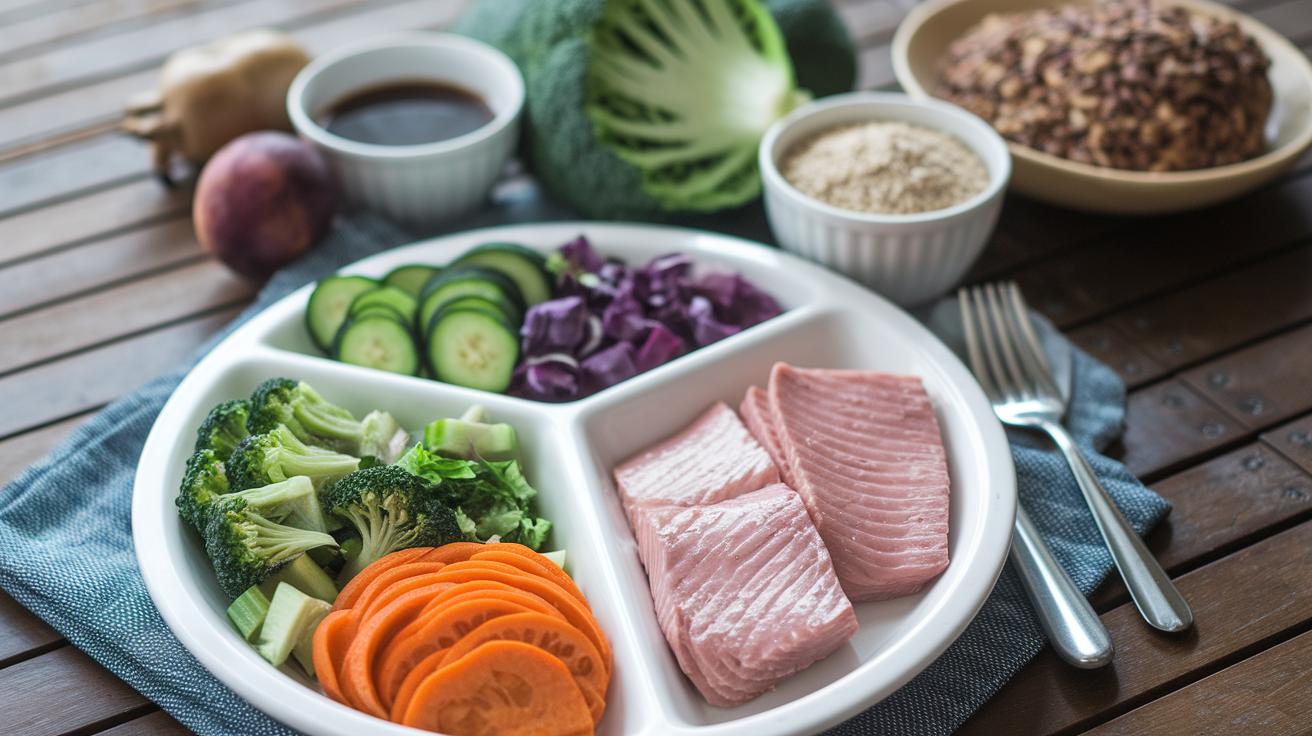
Using the diabetes plate method is a simple way to plan meals that help keep your blood sugar steady. Fill half your plate with nonstarchy vegetables, one-quarter with a lean protein, and the remaining quarter with a whole-grain or legume starch. This easy plan makes sure you enjoy meals that fill you up and give you the energy you need. Think of it as a little roadmap for keeping your balanced pregnancy diet on track. Options like bulgur wheat, barley, lentils, or beans can be your secret ingredients for success. For more ideas on balanced pregnancy nutrition, you might want to look over our maternal diet and wellness guidelines.
A lovely breakfast idea could be a bowl of steel-cut oats mixed with juicy berries and a small handful (about one ounce) of almonds. This meal is simple, delicious, and shows just how low glycemic recipes can support your day. Imagine your plate full of vibrant colors: crisp greens, soft grains, and lean proteins all working together to avoid sudden spikes in sugar.
Don't forget to add omega-3 fatty acids into your routine. Aim for two servings (around 3 ounces each) of fatty fish every week, which can help with cell growth and keep inflammation in check. And of course, water is always the best drink choice, it keeps you hydrated without any worry of a sugar surge, and it beats alcohol, which certainly isn't needed.
Below is a sample day plan to show you how these ideas can work in a real-life routine:
| Meal | Components |
|---|---|
| Breakfast | Steel-cut oats with berries & 1 oz almonds |
| Morning Snack | Plain Greek yogurt + ½ cup legume salad |
| Lunch | Grilled salmon, quinoa & mixed greens |
| Afternoon Snack | Carrot sticks & 2 Tbsp hummus |
| Dinner | Baked chicken, barley pilaf & steamed broccoli |
These small but thoughtful choices give you easy and effective options that are friendly to your blood sugar. They help keep you and your baby nourished and thriving every day.
Monitoring and Following Pregnancy Glycemic Guidelines
Keeping an eye on your blood sugar is really important when you're looking after your diet during pregnancy. It helps to track your carbohydrate intake so your sugar levels can stay even throughout the day. You might consider learning how to count carbohydrates with the help of a registered dietitian (a nutrition expert for expecting moms) who can show you the right amounts for each meal or snack. One mom even said, "Counting carbohydrates made me see how tiny adjustments significantly balanced my blood sugar!"
When eating out, keep in mind that restaurant portions are often bigger and may include hidden sugars. It might be a good idea to refer to guidelines from trusted sources like the CDC to decide whether a lighter meal or a healthy snack is best for you. And if changing your diet and staying active don’t bring your blood sugar to your target levels, it could be time to chat with your healthcare provider about your options, including possible medication.
This guidance is based on proven nutrition plans and solid research from experts.
Professional Support and Resources for Maternal Diet Management

Working with a registered dietitian can really change the way you plan your meals. They help set up personal goals for carbs and calories that fit just right for you. I once heard a mom say, "A little guidance made my food diary feel like a daily pep talk!" It’s comforting to know that expert advice can lead to a healthy eating plan during pregnancy (prenatal care) that might even help prevent gestational diabetes.
It’s a great idea to lean on reliable, up-to-date nutrition guidelines. Trusted sources like the maternal diet and wellness guidelines on WomensConference.org offer clear steps to balance your meals safely. Plus, checking out insights on prenatal care vitamins might help you meet your micronutrient needs without any fuss.
Here are a few handy tools you might find useful:
- Tracking apps
- Food diaries
- Food-exchange lists
These resources can turn your nutrition planning into a more manageable and effective journey for both you and your baby.
Final Words
In the action of planning meals and snacks, we explored balanced meal timing, portion control, and specific plate methods to help manage blood sugar. We reviewed healthy carbohydrate sources, protein choices, and fiber-rich foods, along with tips for keeping glucose levels steady. We also touched on the value of self-monitoring and reaching out to experts for tailored advice. Embracing a Maternal diet for gestational diabetes prevention can help you feel confident and supported as you care for yourself and your little one.
FAQ
How does a 7-day meal plan for gestational diabetes help, and can I get a PDF version?
A 7-day meal plan for gestational diabetes organizes balanced meals to control blood sugar. Some plans are available in PDF format to make following them easier.
Which foods are recommended for gestational diabetes, including options for an Indian diet?
A well-planned list includes whole grains, lean proteins, nonstarchy vegetables, and legumes. For Indian diets, incorporate spices, lentils, and whole-grain roti to support stable sugar levels.
How can gestational diabetes be controlled in the third trimester?
Controlling gestational diabetes in the third trimester involves consistent meal timing, balanced portions, and regular monitoring. This approach helps maintain steady glucose levels until delivery.
Which fruits should be avoided with gestational diabetes?
Fruits that are high in sugar, such as overly ripe bananas or canned fruits in syrup, can affect blood sugar. Instead, choose lower sugar options like berries in moderated portions.
How can sugar levels be reduced during pregnancy using home remedies?
Reducing sugar levels naturally involves balanced meals, physical activity, and mindful eating habits. Simple home remedies like drinking plenty of water and including fiber-rich foods support better blood sugar control.
Can gestational diabetes be prevented while pregnant?
Preventing gestational diabetes may be possible with early nutritional adjustments, regular exercise, and monitoring weight gain. Healthy habits can help manage your risk during pregnancy.
Can gestational diabetes resolve with dietary changes?
Dietary changes can sometimes help gestational diabetes improve and even resolve after birth by stabilizing blood sugar levels when combined with regular monitoring and lifestyle adjustments.
What are free foods for gestational diabetes?
Free foods are items with minimal carbohydrate content that have little impact on blood sugar. Examples include nonstarchy vegetables and lean proteins, which support meal balance.
What should be eaten during labor if you have gestational diabetes?
During labor, focus on light, easily digestible foods that sustain energy levels without spiking blood sugar. Clear fluids and small, simple snacks may be recommended by your health care provider.