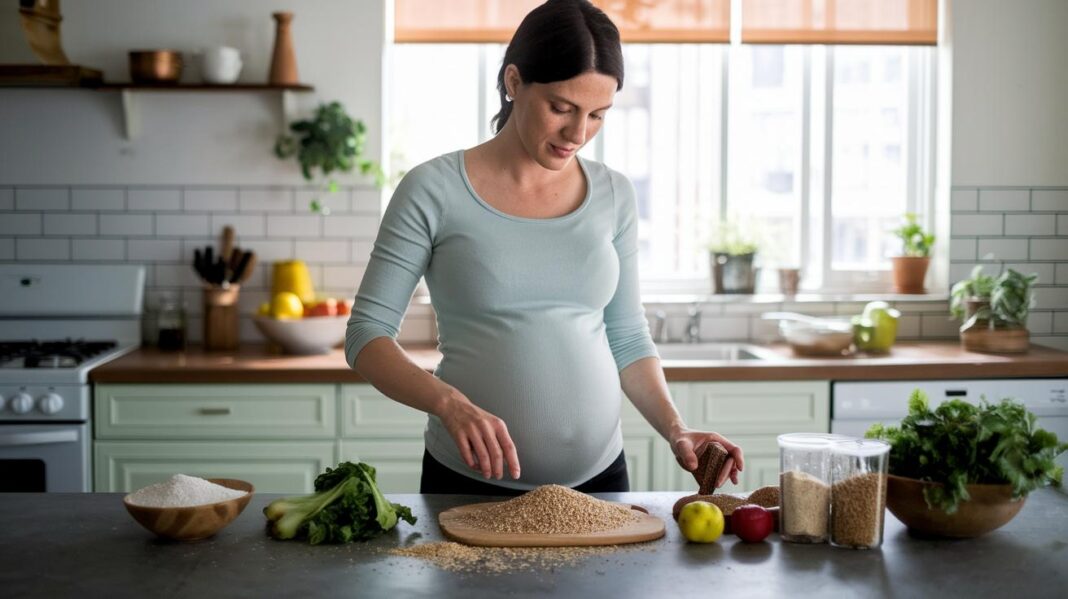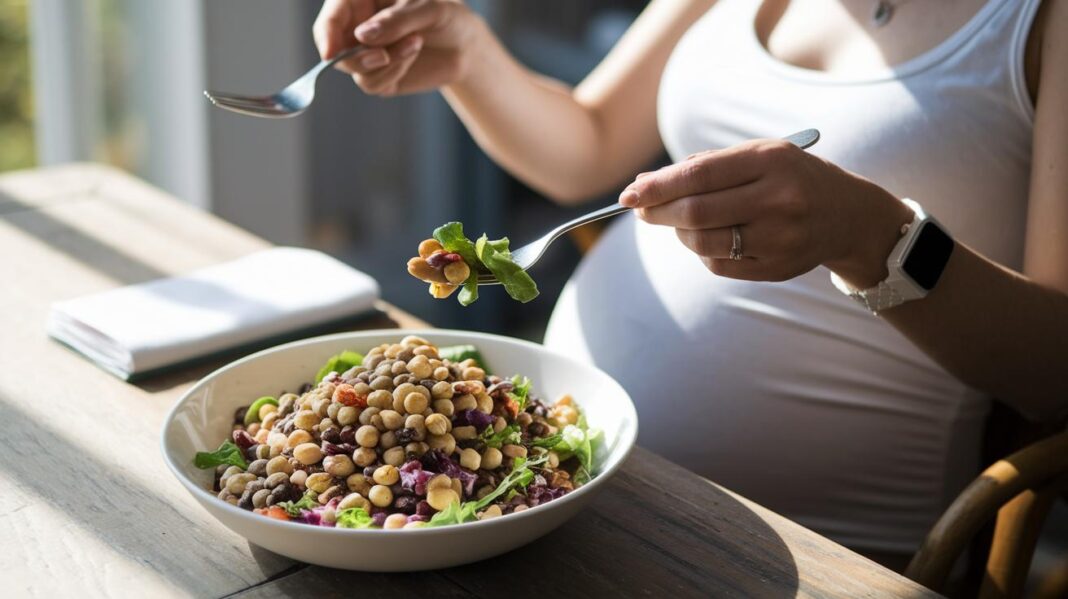
Have you ever thought about how what you eat might change your scan day results? Our simple guide to meal choices on scan day shows you easy food swaps that can help. For example, choosing lean proteins and fruits with low fiber might ease discomfort and even help you get clearer ultrasound images. Eating the right mix can reduce gas and keep your energy steady during your appointment. With our clear tips on what to enjoy and what to skip, you can feel sure that your smart choices will make your scan day smoother and more comfortable.
Core Nutrition Dos and Don'ts for Scan Day
Your meal choices on the day of your scan can really make a difference. Eating the right mix of fruits, vegetables, grains, protein, and dairy can help reduce gas and bloating. This not only helps the ultrasound capture clear images of your baby, but also makes you feel more comfortable. For example, having a low-fiber breakfast might mean the difference between a smooth scan and one interrupted by extra gas.
When you plan your meals for scan day, think about keeping your energy steady. Choose foods that help you avoid feeling too full or too hungry. This way, nothing distracts from your ultrasound experience, and your baby shows up nicely on the screen. It’s like setting the scene for a peaceful, clear picture of your baby and ensuring you feel at ease during your appointment.
DOs
- choose complex carbohydrates
- include lean proteins
- select a low-fiber breakfast
- opt for easily digestible fruits
- add yogurt or cheese
- snack on nuts
- limit added sodium
- maintain stable blood sugar
DON’Ts
- avoid high-fiber legumes
- skip greasy or fried meals
- forego carbonated beverages
- keep caffeine under 100 mg
- steer clear of raw cruciferous vegetables
- omit spicy sauces
- reduce sugar-laden snacks
- limit high-fat dairy
Following these simple tips can help make your prenatal scan a smoother experience. By focusing on nutrient-rich foods and avoiding choices that cause extra gas or discomfort, you help set the stage for clear ultrasound images. These thoughtful choices make the exam easier for both you and the healthcare team, all while keeping you comfortable on an important day for you and your baby.
Timing Meals and Snacks Before Your Prenatal Scan
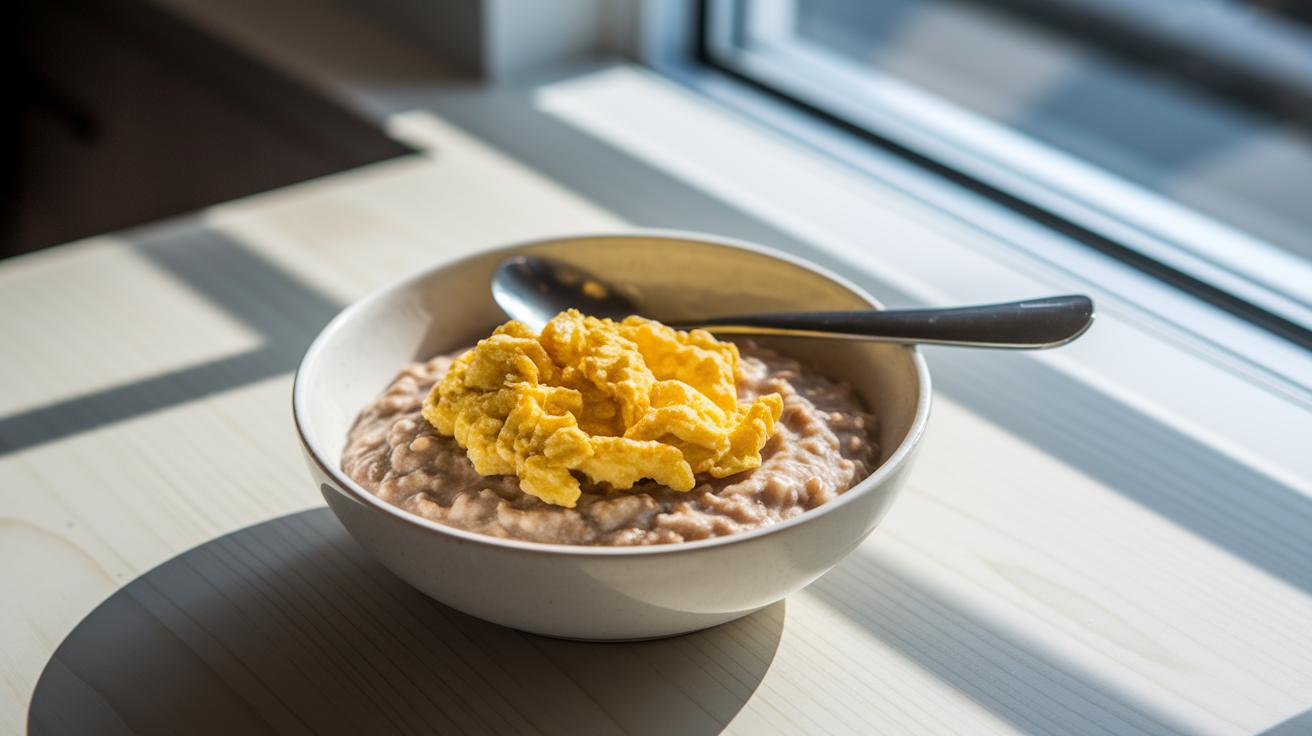
If you plan your meals and snacks just right, you can avoid those distracting hunger pangs or the feeling of being too full during your prenatal scan. This little trick keeps your belly comfy and helps the scan images come out just right.
Breakfast Timing
Try having breakfast about 1.5 to 2 hours before your scan. Choose a light, low-fiber option, think oatmeal or whole-grain toast with a bit of protein. Picture enjoying a warm bowl of oatmeal with some scrambled eggs that leaves you satisfied without feeling weighed down.
Snack Scheduling
Around 45 to 60 minutes before your scan, a small snack works wonders. A banana or a couple of whole-grain crackers is perfect to keep your energy up without overworking your stomach.
Light Lunch Guidelines
After your scan, opt for a light lunch that helps steady your blood sugar and recharges your energy. Imagine a plate with lean protein and fresh veggies, just enough to give you energy without making you feel too full.
| Meal/Snack | Timing Before Scan | Suggested Portion |
|---|---|---|
| Breakfast | 1.5–2 hours | Low-fiber oatmeal with protein |
| Mid-Morning Snack | 45–60 minutes | Banana or whole-grain cracker |
| Post-Scan Lunch | After scan | Light, balanced meal |
By keeping away from both hunger and feeling overly full, you can enjoy clear ultrasound images and stay comfortable throughout your appointment.
Key Nutrient Focus for Optimal Imaging Results
Eating foods rich in nutrients can really make a difference for your baby’s health and the clarity of your ultrasound images. When you choose meals brimming with vitamins and minerals, you're not only boosting the oxygen your baby receives but also helping to create clearer, more detailed scan images.
Iron-Rich Options
Think of spinach and lean red meat as nature’s iron boosters. They naturally help transport oxygen in your body, giving you a steady flow of energy when you need it most during your ultrasound.
Calcium & Vitamin D Sources
Yogurt and fortified milk are fantastic choices for calcium and vitamin D. These nutrients work hand in hand to build strong bones for your little one while also keeping your body balanced as your baby grows.
Omega-3 Foods
Salmon and walnuts are rich in omega-3 fatty acids, which are important for your baby’s brain development. Plus, these healthy fats help you feel your best, which might even lead to sharper imaging results.
Fiber-Rich Choices
Oatmeal and apples pack a good dose of fiber, which can help beat constipation and ease bloating. Keeping your digestive system happy means you'll feel more comfortable during your scan.
Mixing these nutrient-packed foods into your meals creates a balanced plan that supports both your well-being and the quality of your ultrasound images. When your dishes are loaded with iron, paired with dairy for calcium and vitamin D, enriched with omega-3s, and rounded out with fiber, you’re giving your body the steady, nurturing support it deserves. Enjoy the process of choosing foods that not only nourish your baby but also keep you comfy and ready for that imaging session.
Hydration’s Role in Ultrasound Clarity

Drinking plenty of water helps keep the fluid around your baby at just the right level so the ultrasound images come out clear. When you're well-hydrated, your body naturally keeps the balance needed to give a good view of your baby. It’s like opening a clear window where your little one can be seen more easily.
A simple tip is to start focusing on your water intake the night before your appointment. Try to have about 6–8 cups of water in the evening. Then, in the two hours before your scan, sip on 2–3 cups more. This thoughtful approach not only helps the images look better, but also makes sure you’re comfortable during the exam, without too many trips to the restroom. Remember, water does the trick much better than coffee or soda, which might leave you feeling jittery and needing extra breaks.
| When | Water (cups) |
|---|---|
| Evening | 6–8 |
| Two Hours Before the Scan | 2–3 |
Myth-Busting Diet Misconceptions for Scan Readiness
Some folks think that fasting will give you the best images during your scan. But really, having a little bite before your exam works much better. Skipping food can drop your blood sugar and leave you feeling weak, just like missing breakfast and then feeling jittery during your scan. A small, gentle snack helps you stay balanced without overloading your tummy!
Another idea out there is that only clear liquids are good on scan day. In truth, a few solid snacks can keep your energy up and your blood sugar steady. Picture nibbling on some whole-grain crackers before your exam, they give you just enough energy to stay comfortable and focused, without that bloated feeling you might get from high-fiber foods.
Finally, you might have heard that caffeine doesn’t matter on scan day. But actually, caffeine works as a diuretic, which can lead to dehydration and make you feel off during your exam. Missing out on proper fluid balance can affect how comfortable you feel and even the quality of the images. Choosing low-caffeine beverages helps you stay clear, alert, and ready for the scan.
Final Words
In the action of planning your scan day, a balanced routine focusing on meal timing, hydration, and key nutrients can support clear imaging and comfort. The post shared practical guidance on maternal nutrition dos and don'ts for scan day, offering advice on what to eat and what to avoid.
Following these food tips and pre-imaging strategies can make your scan experience smoother and more reassuring. Every well-chosen step helps create a more positive day ahead.
FAQ
What surprising restrictions exist during pregnancy?
The surprising restrictions you encounter during pregnancy include avoiding overly strenuous activities, neglecting regular check-ups, and skipping meals. These precautions help keep both you and your baby safe.
What are the do’s and don’ts during early pregnancy, especially in the first three months?
The early pregnancy do’s and don’ts focus on maintaining a balanced diet, gentle exercise, and avoiding risky habits like skipping meals or engaging in unsafe activities. These tips support your well-being as your baby develops.
What are the guidelines for 4 weeks pregnant?
At 4 weeks pregnant, guidelines suggest eating balanced meals, staying hydrated, and avoiding activities that could lead to injury. Following these steps helps promote healthy early development.
What precautions can help reduce the risk of miscarriage in early pregnancy?
Precautions to reduce miscarriage risk include a healthy lifestyle, a balanced diet, avoiding risky behaviors, and keeping up with regular prenatal check-ups. This approach supports both your health and that of your baby.
Does not eating while pregnant harm the baby?
Not eating while pregnant can affect your energy levels and your baby’s growth. It’s essential to have small, balanced meals and consult your healthcare provider to support both your needs and your baby’s development.
What general pregnancy do’s and don’ts should I follow?
General pregnancy guidelines recommend focusing on nutritious meals, light physical activity, and avoiding substances or habits that may cause harm. Regular check-ups ensure you and your baby remain on sound footing.