Wednesday, August 19, 2026
Home Blog Page 105

Infant Milestones: Bright Beginnings

0

Have you ever noticed how quickly your little one grows? Every first smile and gentle head lift feels like a brand new moment of wonder.

It’s like watching a simple roadmap of growth unfold right before your eyes. Each tiny movement, each soft giggle, and every curious gaze builds a strong base for a bright future.

As you enjoy this guide, remember that every little change matters. Each loving moment is a step that fills your heart with joy and helps set the stage for endless possibilities.

infant milestones: Bright Beginnings

Watching your little one grow is a special journey, and these infant milestones help you see just how amazing that progress can be. You’ll notice small changes in your baby’s physical skills (like moving and grasping), their thinking abilities (such as how they explore or solve little puzzles), and the way they connect with you through smiles and playful moments. It’s like watching a roadmap unfold, from a tiny head lift in the first month to rolling over or even taking those exciting first steps later on. Have you ever noticed how quickly these little moments add up?

Month Physical Milestone Cognitive Milestone Social Milestone
1 Lifts head briefly Focuses on faces Responds to sounds
2 Holds head steadier Begins tracking objects Smiles back at caregivers
3 Smooth head control Explores hands Starts cooing
4 Rolls front to back Shows curiosity Enjoys social play
5 Sits with support Works on object permanence Laughs during interactions
6 Sits unsupported briefly Babbles simple sounds Engages with familiar faces
7 Shifts weight to sit Explores cause and effect Shows excitement during play
8 Reaches and grasps Follows moving objects Responds with smiles
9 Crawls or scoots Recognizes familiar items Plays interactive games
10 Pulls to stand Begins using hands purposefully Shows interest in peers
11 Cruises along furniture Imitates sounds Expresses varied emotions
12 Takes first steps Says simple words Seeks comfort from caregivers

Think of this chart as a gentle guide on your baby’s first year. Many moms, caregivers, and pediatric experts use similar calendars to keep track of these sweet, step-by-step achievements. If you notice something that seems a bit slower than expected, or if you’re just curious to celebrate a new milestone, this chart can be a great conversation starter with your healthcare provider. Enjoy the journey and every little moment along the way!

Physical Development Milestones in the First Year

img-1.jpg

Watching your baby grow is such a joy. It can be amazing to see how quickly their body starts to work in new ways. Big moves, like lifting their head, rolling over, sitting, crawling, and even taking those first little steps, are called gross motor skills. These actions show that your baby is growing stronger and learning to move with balance. For instance, when your little one begins to hold up their head, it’s a sign they are building the muscles needed for all the other big moves to come. You can learn more about these big steps by checking out this link: gross motor skill development.

Then there are fine motor skills. These are the small, careful moves like reaching out for a toy, picking up tiny objects, or using their fingers in a neat way. While these actions might seem small compared to rolling or crawling, they are just as important. Fine motor skills help set the stage for activities like self-feeding, drawing, and eventually writing. Both big and small moves work together, so every little improvement is a big win.

Age Milestone
1–2 months Brief head lifts and initial head control
2–3 months Steadier head control and early reaching for objects
4 months Rolls front to back
6 months Sits independently without support
7–8 months Refines grasping and starts reaching out with precision
9 months Begins crawling or scooting to explore
10–11 months Pulls up to a standing position
12 months Takes first steps toward walking

Cognitive and Communication Milestones in Infants

From the very start, your little one begins exploring the world with both their eyes and their sounds. At first, it’s all about gentle coos and warm smiles. Soon, those early noises evolve into cheerful babbles and playful imitations. It’s like watching a tiny conversation slowly come to life, and it really fills your heart with calm assurance.

At around 3 to 4 months, your baby starts making soft coos and simple vowel sounds. These early sounds are their way of saying, “I’m here!” and they’re just beginning to reach out to you in their own sweet way.

By about 6 months, the playful babbling really takes off. Your baby experiments with different pitches and tones, laying the groundwork for more refined speech. It’s a magical stage where every sound is a small step toward forming real words.

Between 6 and 9 months, something else exciting happens. Your baby starts to grasp the idea that things still exist even when they’re not in sight, a key milestone known as object permanence. This understanding is a big leap in how they think about the world.

Around 8 to 10 months, you might notice your baby mimicking sounds and facial expressions. Through these fun and natural imitations, they’re learning the basics of language and the back-and-forth of conversation.

Then, as they approach 10 to 12 months, familiar words and even their own name begin to ring out. Soon after, those first meaningful words emerge, marking a beautiful moment when their thoughts start taking shape in simple, spoken expressions.

Social and Emotional Milestones for Babies

img-2.jpg

Watching your baby grow is such a heartwarming experience. Beyond physical growth, every smile and giggle tells a story of their journey in learning how to connect with the world around them. It’s like having a little conversation filled with warmth and care every single day.

At 2 months, that very first social smile is a quiet message saying, “I see you and I feel safe.” By 4 months, joyful giggles burst forth during playful moments, showing that their little heart is soaking up happiness. Come 5 months, a spark lights up when playing peek-a-boo – a fun sign that they’re beginning to remember and recognize familiar faces. Around 8 months, you might see a bit of distress when you step out of sight; this separation anxiety means your baby is forming a deep bond with you. At 9 months, when unfamiliar faces bring a cautious look, it’s just your baby’s way of saying they value the comfort of known and loving relationships.

When to Seek Help: Red Flags in Infant Milestones

Noticing potential delays early on can make your baby's journey a lot smoother. Sometimes, even a small change is a sign that your little one might need a bit of extra help. Keeping an eye on simple screening steps and checking if your baby is meeting usual growth markers can really help. Trust your gut when you see your baby’s progress, and don’t hesitate to ask a professional for advice, it’s a caring step for both of you.

  • Not holding their head up by 3 months
  • Not showing a regular, happy smile by 2 months
  • Not starting to coo or make early sounds by 3 months
  • Not babbling or making playful noises by around 6 months
  • Not trying to roll over by 4 months
  • Not reaching for objects by 6 months
  • Not visibly reacting to familiar voices or faces over the months

Remember, every baby is unique, and asking for help when something feels off is one of the best ways to support their growth.

Tools and Resources for Tracking Infant Milestones

img-3.jpg

Watching your little one grow is a joy. When you track their milestones, you get to celebrate each small win. Many parents find that using a mix of phone apps and printables makes it easy to remember every special moment. These tools come from trusted experts and guides that have been reviewed by doctors, so you can feel sure about your records.

Using a mobile app lets you update your baby’s progress wherever you are. If you prefer paper, there are checklists and brochures that you can fill in by hand. There are even online courses that share fun facts and helpful tips about each stage of your baby’s development. For example, the Tummy Timer helps you keep track of tummy time, while the Baby’s 1st Year Milestone Guide gives you a month-by-month overview of growth. You might also set up a personal account online to organize and store all these precious memories.

All these resources work together to give you a clear picture of your baby’s growth. When you look back on these moments, you’ll see just how far your little one has come, making every step feel even more special.

Final Words

In the action, this post walked through a comprehensive infant milestones overview, highlighting a month-to-month timeline of physical, cognitive, and social achievements. You gained insights into practical checks and red-flag indicators, alongside resources like progress apps and printable checklists.

Each infant milestone builds the foundation for a confident start in the first year. Keep celebrating every small win as you track these precious moments, and remember, every step forward matters in nurturing a bright and healthy future.

FAQ

What does an infant milestone chart typically include?

An infant milestone chart typically includes physical, cognitive, and social development markers across the first 12 months, offering a clear roadmap from newborn reflexes to first steps.

How are baby milestones tracked month by month?

Baby milestones tracked month by month show the gradual growth in a child’s abilities, from developing head control and rolling over to beginning speech and social smiles, helping parents monitor progress.

What are the major developmental milestones for infants?

The major developmental milestones include physical progress like rolling over and walking, cognitive gains such as recognizing faces and sounds, and social skills like smiling and forming attachments.

What developmental red flags should parents watch for in infants?

Developmental red flags include signs like no head control by 3 months or no babbling by 6 months, which may indicate delays and signal that a healthcare professional should be consulted.

What are the five types of developmental milestones?

The five types of developmental milestones are physical, cognitive, communication, social/emotional, and adaptive, with each category outlining key growth areas during a baby’s first year.

How does Sims 4 incorporate infant milestones into its gameplay?

Sims 4 incorporate infant milestones by mimicking real-life developmental stages, reflecting a baby’s physical, cognitive, and social growth during the first year to enhance gameplay realism.

Where can I find an infant milestones checklist or PDF?

An infant milestones checklist or PDF provides an organized, easy-to-follow format for tracking your baby’s first-year progress and can also serve as a helpful tool when discussing development with your healthcare provider.

Nutrients Essential For Healthy Maternal Nutrition: Thrive

0

Have you ever thought about how the food you eat can affect both you and your baby? Eating right when you're pregnant isn’t just about feeling full, it gives your body the tools to grow strong and healthy. Foods like lean meats, fresh fruits, and colorful vegetables each have a special job in keeping you well.

In this article, we'll chat about the key nutrients that help boost your energy and support your baby's development. Let's explore the simple secrets to a balanced, nourishing diet made just for this special time.

Nutrients essential for healthy maternal nutrition: Thrive

When you're expecting, every bite really matters for both you and your baby. You might need about 300 extra calories each day, so filling your plate with proteins, whole grains, fruits, and vegetables is key. Every food group is like a puzzle piece, coming together to form a balanced picture.

Protein is a real superstar at this time. It helps build new tissues for your baby and supports your own growth. Picture a plate with grilled chicken, quinoa, and greens, it’s not just about protein; it’s packed with vitamins and minerals too. Mixing in foods from different groups helps you meet your energy needs and keep your body nourished.

Eating right during pregnancy also means cutting back on too much caffeine and processed snacks. Fresh, nutrient-rich foods keep your energy steady and support a healthy weight gain. It’s all about choosing real, whole foods that make you feel good inside and out. For more details, you can check out the maternal diet and wellness guidelines at https://womensconference.org?p=11209.

Imagine breaking your meal into small, easy portions, each bite helping both you and your baby thrive. Little changes, like swapping a sugary snack for a juicy fruit, can really brighten your day and make a big difference as you journey through pregnancy.

Protein Requirements in Maternal Nutrition

img-1.jpg

Protein is a real workhorse during pregnancy. It helps build your baby’s body, from developing tissues to a growing brain, and even supports the changes in your breasts and uterus. Think of it as the basic material your body uses to adjust during these special months.

You need protein to make up about 10–35% of your daily calories. That means each meal and snack should have a bit of protein to help both you and your baby grow healthily. Some great choices include lean meats, poultry, fish, legumes, eggs, and dairy.

Imagine tossing grilled chicken onto a fresh salad for dinner, this simple swap gives you quality protein and boosts your baby’s brain development. Whether you enjoy a hearty omelet at breakfast or a serving of beans at lunch, mixing up your protein sources can really support all the changes happening in your body.

Really, protein is a must-have during this amazing journey.

Essential Micronutrients for Prenatal Nutrition: Folate, Iron, Calcium, and B Vitamins

Taking care of your nutrition while pregnant means focusing on a few important micronutrients that keep you and your baby healthy. Folate (also called folic acid) is key for preventing problems with your baby's brain and spine, like spina bifida. Experts suggest getting about 400 to 800 mcg each day. Think of folate as a tiny helper that works quietly in the background, like adding an extra brick to build a strong home.

Iron helps your body make more blood so that both you and your baby get all the oxygen you need. It works with other minerals like sodium and potassium to keep your body’s fluids in balance. Foods like lean red meat, spinach, and fortified cereals are great sources. Imagine preparing a meal with a fresh spinach salad and some lean meat, a simple boost to keep you energized.

Calcium is another must-have nutrient. A daily goal of about 1,000 mg helps build your baby’s bones and teeth and keeps your own bones strong. You can find calcium in dairy products, fortified plant milks, and leafy greens. A glass of milk or a bowl of yogurt is an easy and tasty way to meet your needs.

B vitamins, including B6, B12, and riboflavin, join forces to turn food into energy and help produce red blood cells. They keep your energy levels stable as your body adjusts to the extra demands of pregnancy. Foods like eggs, dairy, and lean meats can help you get a balanced dose of these important vitamins.

Each of these nutrients plays a special role in supporting the changes in your body and your baby’s growth, making your journey a little easier and healthier.

Omega-3 Fatty Acids and Healthy Fats in Maternal Nutrition

img-2.jpg

Long-chain omega-3 fatty acids like DHA and EPA are key building blocks for your baby's brain and eyes. Experts say aiming for 200–300 mg of DHA each day can really help with your baby’s brain and eye growth. Imagine enjoying a plate of grilled salmon or sardines and knowing you're giving your little one a healthy start, it’s that simple.

Healthy fats also help your body take in vitamins and keep your diet balanced. Experts recommend that fats make up about 20–35% of your daily calories, mostly from good mono- and polyunsaturated fats. Think of foods like walnuts and flaxseeds as little powerhouses that boost your energy and supply these essential fats.

Here's a handy tip: when you're putting together dinner, try swapping processed snacks for a handful of walnuts tossed into your salad. This small change not only adds nourishing fats but also supports your baby’s growth. Enjoying safe fish like trout or sardines can help you meet your omega-3 goals, and plant-based sources add a delightful mix of nutrients.

Focusing on healthy fats supports your baby’s developing brain while also caring for your overall well-being during these special months.

Carbohydrates, Fiber, and Hydration in Maternal Nutrition

When you're pregnant, choosing whole grains, legumes, and vegetables is like giving your body a steady, reliable fuel. These foods offer the lasting energy and important vitamins that support both you and your baby. Imagine starting your day with a warm bowl of oatmeal topped with fresh berries, a simple, comforting meal that keeps you going throughout the morning.

Fiber is also a key player during pregnancy. Aim for about 25 to 30 grams each day to help your tummy work smoothly. It can ease the discomfort of constipation, which many moms face. Think of tossing a handful of chopped veggies into your salad or stirring some legumes into your soup. These small changes add up and really help keep things moving.

Staying hydrated is equally important. Drinking around 8 to 12 cups of water daily helps maintain healthy amniotic fluid levels and supports the extra blood volume in your body. Picture water as a gentle stream that soothes every cell, making your daily routine feel a little easier and much more comfortable.

Practical Prenatal Nutrition Planning and Supplement Guidance

img-3.jpg

Getting started on your prenatal meal plan means understanding your body's unique needs. Chat with your doctor to create a plan that looks at your age, weight before pregnancy, past health, and any challenges like nausea or changes in food preferences. A plan made just for you that stays flexible can help you hit your nutrition targets plus that extra 300 calories every day.

It’s a good idea to include a mix of nutrient-rich foods in every meal and snack. Try to add lean proteins, whole grains, fruits, and vegetables into your daily routine. Even small tweaks, like tossing some leafy greens into your dinner, can really help cover any missing nutrients.

If you find it tough to get all you need from food alone, prenatal supplements can be a big help. They provide extra folate, iron, calcium, and vitamin D. For tips on choosing the right ones, check out these prenatal care vitamins (https://womensconference.org?p=10823).

  • Tailor your meal plan to ease any issues like nausea or food aversions.
  • Keep track of your weight gain using targets based on your pre-pregnancy BMI. For example, aim for 28–40 pounds if you were underweight, 25–35 pounds for normal weight, and 15–25 pounds if you were overweight.
  • Watch for unusual cravings, like pica, and don't hesitate to reach out for professional advice if something feels off.

This simple approach gives you a clear path to enjoying the right nutrients while managing healthy weight gain during your pregnancy.

Final Words

In the action, we took a look at how a balanced diet supports both mom and baby. We shared tips on adding protein, essential vitamins, healthy fats, carbohydrates, and proper hydration into your daily routine. We explored ways to plan meals that meet increased energy needs and guide safe weight gain. All these strategies can help boost Nutrients essential for healthy maternal nutrition. Small adjustments at home can make a big difference, leaving you feeling confident and empowered every day.

FAQ

Q: What should a 1‑3 month pregnancy diet plan include?

A: A 1‑3 month pregnancy diet plan includes balanced meals with fruits, vegetables, lean proteins, whole grains, and plenty of water to meet increased energy needs for both mother and baby.

Q: What are the nutritional requirements during pregnancy and lactation?

A: Nutritional requirements during pregnancy and lactation involve added calories and a mix of essential nutrients like protein, folate, iron, calcium, and omega‑3 fats that support fetal growth and maternal recovery.

Q: Why is proper nutrition important during pregnancy?

A: Proper nutrition during pregnancy supports both maternal health and baby’s development, ensuring that extra energy and key nutrients are available for growth and improved well-being.

Q: Which essential nutrients and vitamins should a pregnant woman focus on?

A: A pregnant woman should focus on essential nutrients including protein, folate, iron, calcium, B vitamins, and omega‑3 fatty acids to support fetal development and maintain her own health.

Q: Which nutrient is most crucial for a mother after childbirth?

A: After childbirth, protein and iron become crucial as they help repair maternal tissues and replenish blood loss, aiding in a smoother recovery.

Q: What foods should be avoided during pregnancy?

A: During pregnancy, it’s best to avoid high-caffeine drinks, unpasteurized dairy, fish high in mercury, and heavily processed foods to minimize risks and support optimal health.

Q: How can maternal nutrition be increased effectively?

A: Maternal nutrition can be increased by adding nutrient-dense foods to every meal, following balanced meal plans, and using prenatal supplements as advised by a healthcare provider.

Postpartum Doula Training Sparks Compassionate Care

0

Have you ever thought that one kind act can change a family’s postpartum journey? Our training for postpartum doulas is perfect if you’re juggling a busy life. It gives you clear, hands-on skills, everything from understanding different cultures to helping around the house, to support families during this important time.

You can learn at your own pace with online or in-person lessons. Each step helps build your confidence and shows you how to bring warmth and care to your work. Curious to see how it all fits together? Keep reading and discover how this training can spark truly compassionate care.

postpartum doula training Sparks Compassionate Care

Our self-paced online courses are made for busy people like you, letting you learn when it suits your schedule. They focus on the non-medical care moms and families need after birth. You’ll learn to offer gentle, caring support, from honoring cultural traditions and spiritual needs to understanding how best to support partners. And don’t worry, your trainer is there with you every step of the way, helping you feel confident applying these techniques.

We offer both online and in-person options, so you can fit your studies easily around home and work life. The friendly curriculum is designed to help families bond as they move from birth to the postpartum period. You will also learn useful skills for everyday tasks, like doing light housework and preparing simple meals. Plus, the course covers basics in breastfeeding (lactation support), baby feeding, and mental health awareness, along with advice on when to make referrals. This way, you become an important part of a larger care team.

Key training components include:

  • Core values and ethical care
  • Sensitivity to cultural and spiritual needs
  • Support techniques for partners and family
  • Breastfeeding and baby-feeding basics
  • Mental health awareness and guidance on referrals
  • Practical skills for household support

Together, these key topics give you the solid education you need to offer warm and informed support. You'll finish the course ready to help new families navigate their journey into parenthood with empathy and care.

Comprehensive Curriculum in Postpartum Doula Training

img-1.jpg

Our course is organized into small, easy-to-follow segments so you can focus on one topic at a time. This design works great for online postpartum certification and virtual doula classes. Each segment is full of clear, step-by-step lessons, whether you're learning supportive techniques or exploring the nuances of family dynamics. Imagine it like following a simple recipe where every step is carefully explained.

Module Description
Non-Medical Support Helpful techniques for both emotional and practical care after birth
Cultural & Spiritual Care Focus on respecting diverse beliefs and traditions
Partner & Family Dynamics Smart ways to include spouses and older kids in support
Lactation & Infant Feeding Guidance on breastfeeding support and bottle-feeding tips
Mental Health & Referrals Spotting early mood changes and learning when to ask for help
Business Fundamentals The basics of starting and managing a doula practice

Our training blends flexible online modules with warm, engaging in-person experiences like live webinars and Q&A sessions led by experienced educators. Each part not only builds your essential knowledge but also helps you gain practical skills to support families from the very start. The lactation and infant-feeding unit equips you to assist new moms effectively, while the mental health and referrals module gently shows you how to notice early signs of mood challenges. The business basics break down the steps to manage and grow your doula practice with ease. Plus, you get access to a special members-only portal packed with handy resources to enrich your learning. Together, these elements help you offer thoughtful, non-medical postpartum care and master the real-life side of running a practice. It’s a blend of clear guidance, hands-on practice, and friendly business advice that builds the compassionate confidence you need to nurture families.

Postpartum Doula Certification Process and Accreditation

Getting certified is a big deal because it shows you have met clear standards for non-medical care after childbirth. You learn at your own pace with helpful modules and a supervised practicum, where a trainer is there to guide you along the way.

Here’s how it works:

  1. Sign up and finish the main training modules.
  2. Join in on practicum experiences with supervision.
  3. Submit your assignments and practical evaluations to your trainer.
  4. Pass the final test in the members-only portal.
  5. Earn your certification and unlock ongoing education opportunities.

This certification meets national standards and follows the Doula of North America guidelines. It builds your professional trust and lets families know they are in caring, knowledgeable hands.

Tuition, Payment Plans, and Discounts for Postpartum Doula Training

img-2.jpg

Our basic tuition covers the core modules so you can get clear, science-based information without extra hidden charges. Sometimes there are small added fees for practicum sessions or special membership benefits, and we list these details up front so you know exactly what you're paying for. This open approach helps families feel safe when choosing affordable doula courses that offer free maternal support classes and reliable, evidence-based content.

We also offer payment plans that let busy folks manage costs by spreading payments over 3 to 12 months. And every few months, we share discount codes that help ease financial commitments. With these flexible options, you can feel confident knowing you’re receiving top-quality, complete instruction while staying within your budget.

Flexible Formats and Scheduling in Postpartum Doula Training

Our training is designed to fit into your busy life. It includes online lessons you can start any time, whether it's a quiet morning or after the kids are in bed, and live sessions where you can chat with others in real time. For example, you might finish an online module at your own pace and then join a live webinar later in the evening. This way, you get the freedom to learn on your schedule without missing out on personal interaction.

We also offer weekend boot camps and local workshops so you get hands-on practice. These in-person sessions add a personal touch that goes well with the online lessons, letting you learn in different ways while still fitting your family and work commitments.

Instructor Credentials and Mentorship in Postpartum Doula Training

img-3.jpg

Our lead instructor has many years of experience in labor and delivery. It really feels like chatting with a caring friend who understands your journey. You’ll learn clear, science-based methods in simple language that makes non-medical postpartum care (help after birth) easy to grasp.

You get personal one-on-one coaching that boosts your confidence while you pick up practical tools and real-life examples. And even after you finish class, support continues through an easy-to-use educator portal and a special members-only resource library.

You’re also paired with supportive peers and experienced coaches in a community-based mentorship. This warm and genuine network means you’ll always have guidance when caring for families in those delicate moments.

Career Opportunities After Postpartum Doula Training

Finishing this training means you’re ready to step into a world of caring work! You could work as a private doula, lend a hands-on touch at hospitals or birthing centers, or help out in community programs that support families after a baby’s arrival. It’s all about being there for families when they need that gentle, guiding hand.

The course also covers business basics, helping you boost your entrepreneurial skills. You might decide to start your own practice or take on a bigger role with an established care team. And remember, your potential income will depend on where you live and how you choose to work. Imagine running your own schedule while growing a practice you truly care about!

On top of that, learning better ways to communicate and manage stress makes your work even more meaningful. When you connect with your clients, families feel supported during those delicate moments, leading to more positive outcomes all around. If you’re looking for extra ways to help, check out some handy postpartum recovery tips and a thoughtful postpartum recovery guide.

Enrollment Steps for Postpartum Doula Training

img-4.jpg

First, join our announcement list to get the latest news on course sessions, special offers, and community events. It’s like subscribing to a little note from a friend, connecting you with a network of caring peers and trusted mentors right away.

Next, pick the training style that fits your busy schedule. Whether you prefer a self-paced online course, a cozy interactive webinar, or a hands-on in-person workshop, there’s an option that works for you. And if budgeting is a concern, you can select a payment plan that feels right.

After you register, you’ll complete a brief orientation and gain access to a collection of helpful study guides. These resources are designed to support your learning as you step into the rewarding world of compassionate postpartum care.

Student Testimonials on Postpartum Doula Training

Our alumni often say that the science-based lessons and hands-on business skills gave them the boost they needed. Many feel more confident now compared to other similar courses they tried before. They love that the flexible scheduling fits so neatly into their busy lives, and the ongoing support from the caring trainers really makes a difference. This mix of practical skills and clear, evidence-based help has set a high bar, leaving them ready to handle the challenges of postpartum care.

One participant said, "The course gave me the confidence to transform my approach when supporting new families." Others share the same feeling, pointing out that the focus on real-life, hands-on skills and business basics has truly made an impact. They've noticed real growth in their work, and they genuinely value the warm and supportive atmosphere that has helped shape them into caring, capable doulas.

Final Words

In the action, this article broke down the key elements of postpartum doula training programs. We explored everything from online certification courses to instructor mentorship, all designed to guide non-medical postpartum support. We shared the modular curriculum structure, outlined certification steps, and detailed enrollment steps alongside real student testimonials. Every section shows how these training programs prepare doulas for professional practice. This approach not only builds confidence but also creates a supportive network for learning. Embrace the opportunity with postpartum doula training and step forward with hope and assurance.

FAQ

Q: How can I find postpartum doula training near me, including in states like California and Texas?

A: Looking for postpartum doula training near you means checking local listings or online directories that list programs in your state. This helps you connect with nearby training options that meet your needs.

Q: What are the options for online postpartum doula training, including free courses and typical training costs?

A: Online postpartum doula training is usually self-paced with interactive modules. Some programs offer free introductory courses, while full courses involve tuition covering practical lessons and continuous trainer support.

Q: What does the postpartum doula salary look like and where might doulas earn the most?

A: Postpartum doula salaries vary by region. Doulas in areas with high support demand often earn more, so researching local community needs and market rates can help you understand potential earnings.

Q: How do I become a certified postpartum doula?

A: Becoming a certified postpartum doula means completing a structured training program that includes self-paced courses and supervised practicum sessions, followed by a final assessment that aligns with national standards.

Q: How long does postpartum doula training usually take?

A: Postpartum doula training generally spans several months. Programs offer flexible pacing, combining online coursework with practicum experiences to fit your schedule while covering essential support skills.

Q: Can I work as a postpartum doula without formal certification?

A: While you can provide postpartum support informally, obtaining certification through a structured training program builds recognized skills and credibility, making your practice more trusted and professional.

Q: What insights do community voices on Reddit share about postpartum doula training?

A: Reddit users share firsthand experiences and reviews, offering practical advice on program quality, cost, and challenges. These insights help prospective doulas make informed decisions about their training options.

Dha Prenatal Vitamins: Empowering Moms Naturally

0

Have you ever noticed how one little vitamin every day can make a big difference for you and your baby? DHA prenatal vitamins step in to cover a natural gap that your body might not fill on its own. They act like a gentle friend who gives an extra boost of omega-3 to help support your baby's growing brain and eyes. It's nice to think that a small change you make now can help set your baby on a strong, healthy path for the future. Let's take a closer look at how DHA can help give you both a healthy start.

What Are DHA Prenatal Vitamins and Their Key Benefits

DHA is a special omega-3 fat that helps your baby’s brain and body grow strong. Since your body can’t make DHA during pregnancy, adding it every day is really important. Prenatal vitamins with DHA help fill in the gaps in your diet, giving your little one the support they need for a healthy brain and good eyesight. Often, these vitamins also include folic acid (600 mcg) to help form the baby’s early brain and spine.

Most DHA prenatal supplements are made so you can get about 200 mg a day. This essential omega-3 fat joins with other nutrients to help your baby develop well. Good quality supplements are gentle on your tummy and boost the overall goodness of your daily vitamins, similar to what you’d expect from trusted prenatal care vitamins.

  • Helps support your baby’s growing brain and thinking skills
  • Works with folic acid to boost early brain and spine formation
  • Aids in the development of clear, strong eyes
  • Fills the gap in omega-3 nutrients during pregnancy
  • Works together with other prenatal vitamins for full support

Choosing a prenatal vitamin that includes DHA means you’re caring for both you and your baby. Taking about 200 mg of DHA each day helps build a strong start for your child’s brain and eyes. It’s a lovely way to support their growth and find a little extra peace of mind during pregnancy, knowing that you’re providing the essential nutrients for this very special time.

How DHA Supports Fetal Brain and Eye Development

img-1.jpg

DHA is an important fat that helps build your baby’s brain. It gathers in key areas like the cortex (the outer part of the brain) and other nerve tissues. Research tells us that when moms keep up good DHA levels, their babies often show better focus and learning skills. Many pregnancy formulas mix in both EPA and DHA to support your little one’s brain growth. These supplements help form the right connections for a growing mind.

DHA also plays a big role in eye health. It helps form healthy retinal cells so your baby’s eyes can see clearly. Studies have found that babies whose moms got more DHA tend to have sharper vision and better attention. This nurturing nutrient makes sure the eyes are ready to take in the world. Together, it provides essential prenatal care that supports both brain and eye development, giving your child a great start in life.

When you're expecting, experts usually suggest aiming for about 200 mg of DHA each day. This helps make sure both you and your baby get the important omega-3 fats needed for healthy growth. Many prenatal supplements already include this amount, so taking one serving daily can be an easy way to cover your nutritional needs.

If you have allergies to seafood, soy, milk, or other common allergens, it's best to choose DHA products that come from allergen-free facilities. High-quality supplements use special processes to remove things like heavy metals, keeping your intake safe. You might also consider fortified foods with DHA as a gentle, alternative way to boost your diet. And of course, it's always a good idea to chat with your healthcare provider about any changes to your DHA routine.

For safe DHA use, look for products that have been tested by independent experts for purity and strength. A little extra care in choosing the right supplement can go a long way in supporting both your health and your baby’s development.

Choosing High-Quality DHA Prenatal Supplements: What to Look For

img-2.jpg

When you're picking a DHA prenatal supplement, it's important to choose one that has been tested by an independent lab for both purity and strength. Look for products that show certification labels; these labels tell you that experts have checked the supplement for harmful contaminants and heavy metals using advanced cleaning methods. Some brands even display their test results proudly, which can give you extra confidence during such a special time.

If you prefer to avoid fish-based ingredients, there are great plant-based or algae-sourced DHA options available. These formulas are perfect for moms who follow a vegan diet or have seafood allergies. Many of these products come from facilities that avoid common allergens like soy, nuts, and milk. Also, it helps to choose products that have been studied clinically to prove they work well, with only a mild fishy aftertaste. This careful checking process means you get a supplement that is safe, effective, and just right for your prenatal care journey.

DHA Prenatal Vitamins: Empowering Moms Naturally

When you're expecting, finding the right DHA prenatal vitamins can make a big difference. This guide walks you through some top prenatal products so you can choose the one that fits your lifestyle and budget. Each product gives about 200 mg of DHA per serving, following expert advice to support your health and your baby’s growth with essential omega-3 fats.

There’s a range of options here. Maybe you’re after a no-fuss, affordable softgel with no fishy aftertaste, or perhaps you’d enjoy a gummy that feels like a fun treat. For those looking for a capsule packed with extra nutrients or a tablet that covers all the bases, we’ve got you covered. Check out this side-by-side look at seven popular prenatal formulas to make your decision easier:

Product DHA per serving (mg) Servings per bottle Cost (approx) Form
Nature Made Prenatal Folic Acid + DHA Softgels 200 90-110 Affordable Softgel
Ritual Prenatal Multivitamin 200 30 Mid-range Capsule
FullWell Prenatal Multivitamin 200 30 Premium Capsule
MegaFood Baby & Me 2 Prenatal Multivitamin 200 30-60 Mid-range Tablet
Thorne Basic Prenatal 200 30 Premium Capsule
New Chapter Advanced Perfect Prenatal 200 32-90 Mid-range Tablet
SmartyPants Prenatal Gummies 200 30 Affordable Gummy

Nature Made and SmartyPants are loved for their good value, Nature Made if you prefer softgels, and SmartyPants if you’re into gummies. If you need some extra iron, Thorne Basic Prenatal might be your best pick. On the other hand, FullWell and New Chapter are great if you want a more complete blend of nutrients, while Ritual and MegaFood offer solid mid-range choices for overall prenatal care.

In truth, this friendly comparison can guide you in choosing a top-rated DHA formula that fits your everyday needs. It’s all about making sure both you and your baby get the nourishment you need as you move through this special time together.

Expert Insights and Scientific Research on DHA in Prenatal Care

img-3.jpg

Experts in maternal health say it’s really important to start taking DHA supplements about three months before you plan to get pregnant. They believe this helps set up a strong base of nutrients for you and your baby. Many OB/GYNs and registered dietitians make sure these supplements are checked by trusted labs so you know they’re pure and effective.

Leading Clinical Trials on Prenatal DHA

Recent clinical trials have shown that moms who take DHA regularly often see really positive results in their babies’ development. Studies point out that babies may have better thinking skills and clearer vision when their diet includes enough DHA. One study even found that these infants had better focus, hinting that DHA can help form strong brain connections and boost healthy eye growth.

Professional Guidelines and Recommendations

Important organizations like the American Congress of Obstetricians and Gynecologists recommend that you take 600 mcg of folic acid along with 200 mg of DHA every day. The WHO also highlights the need to begin your supplements early, ideally before you even try to conceive. Following trusted maternal health guidelines means that DHA is added safely and effectively to your prenatal routine.

All the experts agree that adding DHA to your prenatal care is a must. Studies consistently show it supports brain and eye development, and following these guidelines helps ensure the best health for both you and your baby.

Final Words

In the action, we unraveled how dha prenatal vitamins help support fetal brain, eye development, and overall maternal wellness. We explored clear dosage recommendations, quality selection tips, and even compared leading products so you can feel confident and informed.

Every bit of research and expert insight shared here is meant to empower you on this delightful path of motherhood. Keep moving forward with warmth, care, and confidence.

FAQ

What are the benefits of DHA prenatal vitamins?

The benefits of DHA prenatal vitamins include support for fetal brain and eye development, promotion of healthy neural tube formation, and filling dietary omega-3 gaps for improved prenatal health.

What do reviews say about DHA prenatal vitamins?

The reviews for DHA prenatal vitamins show that many users report improved prenatal well-being and satisfaction with the cognitive support these vitamins provide for their babies.

Which DHA prenatal vitamins are among the best?

The best DHA prenatal vitamins often include options like Nature Made and Nordic Naturals, known for balanced nutrients, minimal aftertaste, and effective support for fetal growth.

Are there any side effects of DHA prenatal vitamins?

The side effects of DHA prenatal vitamins tend to be minimal; a few users may notice mild digestive discomfort, but most experience safe and beneficial results with correct use.

Is DHA good in prenatal vitamins?

Including DHA in prenatal vitamins is beneficial as it aids fetal brain and eye development, making it a vital ingredient in supporting healthy prenatal growth.

Are DHA and folic acid the same thing?

DHA and folic acid are not the same; DHA is an omega-3 fatty acid that supports neural development, while folic acid is a B vitamin essential for cell growth and neural tube formation.

Why don’t some prenatal vitamins include DHA?

Some prenatal vitamins skip DHA due to specific formulation choices or a focus on other nutrients, so it’s best to consult a healthcare provider for a supplement that meets all your nutritional needs.

What happens if I don’t take DHA while pregnant?

Not taking DHA during pregnancy might mean missing out on its key benefits for fetal brain and eye development, potentially affecting early neural and visual health support.

Holistic Wellness Practices: Radiate Pure Positivity

0

Have you ever wondered how a quiet moment with a warm cup of tea might change your day? Holistic wellness lets you care for your body gently while giving your mind a little break.

Imagine taking a slow, peaceful walk or pausing for a deep, calming breath that helps melt your stress away. This way of living mixes everyday care with natural methods that work together to bring peace and strength into your life.

By taking time for yourself, you're not only dealing with daily challenges, you’re also preparing for a more balanced and happy future.

Integrating Body, Mind, and Spirit with Holistic Wellness Practices

Holistic wellness is all about taking good care of yourself, your body, feelings, thoughts, and inner beliefs. It's like adding a little bit of care in your daily routine. Picture yourself enjoying a quiet moment with a warm cup of tea; that simple act can help nurture both your body and mind and set you up for a balanced, caring lifestyle.

This approach brings together regular medical treatments with natural methods you might enjoy, like herbal remedies and quiet mindfulness moments. Think of it as a way to not just hide away stress but to get to the root of how you feel. Imagine going for a peaceful walk in the park while following a solid nutrition plan recommended by your doctor. Mixing proven advice with natural care really can build a foundation for lasting health.

What makes this approach so amazing is how it helps you bounce back from everyday bumps in the road, lowers stress through simple mindful practices and gentle movement, and fills you with energy for the day ahead. Each little step you take creates a roadmap toward a healthier, happier you.

Mind–Body Balance Strategies in Holistic Wellness Practices

img-1.jpg

Taking a few moments for mind–body exercises can change your day in a beautiful way. These simple steps help ease tension, quiet your mind, and lift your moods. Imagine slowly slowing down your thoughts with a few deep breaths, balancing gentle movements with a clear focus on the present. It’s like giving yourself a mini hug throughout the day.

  • Mindful breathing – helps slow your heart rate and ease anxiety
  • Body-scan meditation – gently lets go of muscle tension
  • Yoga poses – builds both strength and focus
  • Guided visualization – offers a calm pathway to shift your thoughts using meditation techniques that support maternal well-being
  • Progressive muscle relaxation – works to ease physical stress

Even spending just a few minutes on these exercises can create lovely pockets of peace. Picture starting your morning with a few gentle yoga poses, followed by a short meditation that makes you aware of the little stress spots you carry. Later, a bit of mindful breathing can lift your spirits and help you stay centered during a busy day. This little routine not only calms your body and mind but also builds up your inner strength, making all of life's little challenges a bit easier to handle.

holistic wellness practices: Radiate Pure Positivity

When you focus on eating whole, nutrient-packed foods and keeping well-hydrated, you're really laying the groundwork for a balanced life. Imagine filling your plate with vibrant veggies, juicy fruits, lean proteins, and hearty whole grains, they not only nourish your body but also lift your energy levels. And by sipping water throughout the day, you're giving your body a steady fuel supply that keeps you going strong.

Herbal remedies bring a gentle touch to your wellness routine. Herbs like turmeric (a spice known for its soothing properties) and ginger quietly work to ease joint discomfort and ease everyday aches. Whether you mix them into your cooking or take them as supplements, they add a burst of flavor while caring for your body. A warm cup of herbal tea or a sprinkle of these spice blends in your meals can bring a calming sense of comfort and balance to both your body and emotions.

Sometimes, a natural detox can feel like a refreshing reset. Short detoxes, like a simple juice or water fast, can support liver health and even give your skin a clearer glow. And if you add a few drops of essential oils like lavender or peppermint into your routine, maybe in a diffuser or a warm bath, they can help ease stress and support your digestion. This caring mix of nourishing food and natural healing creates waves of positivity that gently warm your body, mind, and spirit.

Energy Healing Therapy and Complementary Wellness Approaches

img-2.jpg

Energy healing therapies help balance your body’s natural energy and bring about a calming feeling. They can gently ease anxiety, help you sleep better, and boost your overall wellness. Think of your body as a finely tuned instrument, when every part plays in harmony, you feel more relaxed and ready to face the day.

Reiki Therapy

Reiki sessions usually last between 30 and 60 minutes. A skilled practitioner might lightly touch you or simply hold their hands just above your body, guiding a soothing flow of energy. It’s like feeling a warm, gentle glow that eases your mind and lightens your mood. Ever feel like a gentle whisper of relief could brighten your day? That’s what a Reiki session can feel like.

Chakra Balancing

Chakra balancing involves using guided imagery or placing crystals near your seven main energy centers. This practice helps clear your emotions and keeps your energy flowing smoothly, kind of like putting together a puzzle until every piece fits perfectly. When picking a practitioner, look for someone who is not only well-trained but also caring and understanding. Regular sessions, maybe once a week or every other week, can really help lessen stress and keep you feeling balanced.

Creating Personalized Holistic Wellness Practices Plans

Start by taking a gentle look at your daily routines. Ask yourself which habits help you feel good and which ones might need a little change. Think about setting small, clear goals that cover things like eating well, getting enough sleep, and taking care of your feelings. It’s like sketching out a simple map for your day. For instance, you might decide to spend 10 minutes journaling every morning, celebrating even the smallest wins to set a positive tone.

Next, build little moments into your day that are just for you. Schedule short breaks to move around, try to stick to a regular sleep routine, and create quiet spots for thinking or meditating. Maybe even plan a weekly get-together with other moms or some peaceful time at home. Each of these tiny rituals can help you feel more balanced and cared for.

Keep an eye on how you’re doing and be ready to adjust your plans as needed. If you need extra support, consider chatting with a holistic health coaching expert, there’s a helpful resource called "holistic approaches to maternal wellness" available here: https://womensconference.org?p=11013. Regularly checking in with yourself means your new habits will always work just right for you.

Final Words

In the action of embracing holistic wellness practices, we talked about ways to support body, mind, and spirit. We learned about the benefits of mind–body techniques that lower stress and enhance clarity, while also exploring nutritional choices and energy healing methods. We even shared ideas to build a personalized plan that feels true to your needs. These practical steps can help build resilience and everyday well-being. Keep moving forward with care and confidence, each choice contributes to a healthier and happier life.

FAQ

Frequently Asked Questions

What are some holistic health practices?

The inquiry about holistic health practices shows that they blend caring for the body, mind, and spirit with approaches like balanced nutrition, mindful breathing, gentle exercise, and natural therapies to support overall well-being.

What are the 8 pillars of holistic wellness?

The question about the 8 pillars of holistic wellness indicates that some models include dimensions such as physical, emotional, mental, spiritual, social, environmental, occupational, and financial, offering a full-picture view of health.

What is meant by holistic wellness?

The question regarding holistic wellness means caring for your entire self by integrating your physical, emotional, mental, and spiritual needs into everyday life through supportive practices and natural therapies.

How do holistic medicine treatments work and why are they considered better?

The inquiry about holistic medicine treatments shows that these methods combine conventional and natural therapies, treating the whole person to address root causes rather than just symptoms for improved long-term health.

How can I find holistic healing near me?

The question regarding finding holistic healing near you indicates that local wellness centers and practitioners offer natural treatments like reiki, energy therapies, and herbal medicine, making it accessible to support your overall well-being.

Maternal Nutrition Guidelines During Pregnancy: Thrive

0

Have you ever thought about how what you eat can change your pregnancy journey? Eating well gives you energy and helps your baby grow strong, too. Imagine a plate full of bright fruits, veggies, lean proteins, grains, and dairy (like milk or yogurt) that your body needs right now. In this article, we’re sharing simple, trusted nutrition tips for each trimester. Let’s explore how small, smart food choices can support you and your little one along the way.

Evidence-Based Maternal Nutrition Recommendations for Pregnancy

Eating well when you're pregnant gives you the extra energy you need, helps your baby grow, and keeps your body strong. A well-balanced diet along with your daily prenatal vitamin makes sure you get important vitamins and minerals. Think of your meals as a colorful plate of food, try to include fruits, vegetables, lean proteins, grains, and dairy, just as the MyPlate guide suggests.

Think of every meal as a step to caring for yourself and your growing baby. A helpful tip is to use the MyPlate guidelines. Picture half your plate filled with fruits and veggies, one quarter with protein, and the remaining quarter with grains. This simple visual can help you enjoy a mix of the nutrients your body needs during pregnancy.

Weight gain during pregnancy is different for everyone and often depends on your weight before you got pregnant. For example, if you were underweight, you might gain about 28 to 40 pounds. If your weight was normal, aim for 25 to 35 pounds. Overweight women may need 15 to 25 pounds, and those who are obese might aim for 11 to 20 pounds. These targets help support your baby's growth while keeping you healthy.

Always chat with your OB-GYN to get advice that fits your unique needs. Their guidance, along with trusted resources on a healthy maternal diet, gives you evidence-based support to feel your best during pregnancy and as you care for your little one.

Essential Nutrient Intake Recommendations by Trimester

img-1.jpg

In the first trimester, getting the right nutrients is key to supporting your baby’s early growth. Try to have 400-800 mcg of folic acid each day to help prevent neural tube defects. Folic acid is a B vitamin (it helps with early development), and you can find it in fortified cereals or leafy greens. Imagine starting your morning with a warm bowl of fortified cereal sprinkled with berries – a simple, caring way to set a healthy tone for you and your little one.

In the second trimester, your body is busy building strong bones and teeth for both you and your baby. Aim for 1,000 mg of calcium each day and add 600 IU of vitamin D, too. Calcium-rich foods like dairy or those leafy greens work well, and vitamin D is like the gentle sunshine that helps those building blocks set firm. A glass of milk or a serving of yogurt at lunch can really make a difference.

By the third trimester, your needs shift again as your baby grows quickly. Try to get between 75-100 g of protein daily to support muscle and tissue growth, and include about 27 mg of iron each day – that’s twice the usual amount to boost hemoglobin and help prevent anemia. Lean meats, legumes, and spinach are great choices to meet your iron needs. Think about preparing a dinner with a serving of lean meat and a side of greens, a meal that not only fills you up but also provides a nurturing boost in these final, busy weeks.

Balanced Diet Tips and Healthy Meal Planning for Expecting Women

Imagine your meals arranged like a colorful, cheerful plate. The USDA MyPlate guide suggests that each day you enjoy around 2 cups of fruits, 2.5 cups of veggies, 6-8 ounces of grains, 5-6.5 ounces of protein foods, and 3 cups of dairy. This simple idea can help you plan three balanced meals and a couple of nutrient-rich snacks throughout the day.

Think of breakfast as a gentle wake-up call for your body. For example, you might enjoy a bowl of oatmeal mixed with fresh blueberries and a splash of milk – a warm, comforting boost to start your day. Later on, a mid-morning snack like a small bowl of Greek yogurt with berries can help keep your energy steady and your hunger at bay.

Planning ahead can make mealtimes a lot less stressful. Maybe try cooking lean proteins the night before or chopping vegetables over the weekend. That way, even on your busiest days, you can throw together a quick stir-fry or fresh salad without any fuss.

Eating every 3-4 hours can really help maintain your energy. You could even set a little alarm as a reminder to have a small snack, like hummus with crunchy veggie sticks. Mixing up your food choices throughout the day ensures you get a variety of vitamins and minerals, supporting both you and your baby during this wonderful time.

With a mindful meal plan, you're not just feeding your body, you’re also creating a gentle rhythm that nourishes both you and your little one.

Food Safety Protocols and Dietary Precautions during Pregnancy

img-2.jpg

We all want to keep our little ones safe, so it's best to steer clear of certain foods that might carry foodborne germs. For example, skip dairy that hasn't been pasteurized, raw seafood, and deli meats known for listeria risk. It also helps to avoid high-mercury fish like shark and swordfish. And when you rinse your fruits and veggies, picture it as giving them a gentle shower before they make it onto your plate, a small step that makes a big difference for you and your baby.

Keeping your blood pressure in check is just as important. Try to limit sodium to less than 2,300 mg each day by swapping salty snacks for fresh herbs or spices that brighten your meals naturally. If you’re looking for gluten-free options, familiar staples like rice, quinoa, and fortified gluten-free cereals are great choices. And when possible, choose organic produce to lessen your exposure to pesticides, a simple, natural upgrade for your diet on this special journey.

Maternal nutrition guidelines during pregnancy: Thrive

Taking care of your nutrition while dealing with the everyday worries of pregnancy can really help you feel more steady and in charge. For example, try mixing iron-rich foods like spinach or red meat with a vitamin C booster such as a squeeze of citrus or a few bell peppers. Picture a warm spinach salad drizzled with lemon juice, a little change that can make a big difference in keeping anemia at bay.

When managing gestational diabetes, it’s helpful to choose low-glycemic foods like whole grains or legumes. Spreading your carbohydrate intake evenly throughout the day can keep your blood sugar steady, which not only supports your energy but also helps your overall health shine.

Here are some simple tips to keep in mind:

  • Try to get about 25–30 grams of fiber each day by adding fruits, vegetables, and whole grains.
  • Pick whole, unprocessed foods to help your body balance insulin on its own.
  • Enjoy small, nutrient-rich meals every few hours to help keep your energy up.

Small, frequent meals might even help ease nausea. You might find yourself reaching for a warm cup of ginger tea during those uneasy moments, transforming a daily habit into a comforting ritual. Every little choice, from planning your meals to selecting that perfect snack, plays a part in supporting your body’s unique needs during pregnancy.

Role of Nutritional Supplements and Professional Guidance in Prenatal Care

img-3.jpg

Taking your daily prenatal vitamin is a simple way to fill in gaps in important nutrients like folic acid, iron, calcium, and vitamin D. It helps both you and your baby, especially during the early days of pregnancy. Think of it like watering a garden to help it bloom beautifully.

Adding 200 to 300 mg of DHA, an omega-3 fatty acid that supports brain growth, can be a great boost. Imagine mixing a yummy smoothie with a touch of DHA-rich supplement powder, a small step that adds a nurturing touch to your routine.

Staying well hydrated is also a key part of good prenatal care. Try to drink 8 to 10 cups of water a day to keep your amniotic fluid balanced and to avoid dehydration. Picture yourself taking a refreshing sip of water on a busy afternoon, a little moment to recharge.

And remember, it’s always a smart idea to check with your healthcare provider before starting any herbal supplements or high-dose vitamins. They can guide you in making choices that are safe and right for you. For more details on choosing the best prenatal vitamins, see prenatal care vitamins.

Final Words

In the action, this article showed clear ways to eat well, stay safe, and feel confident about the changes your body experiences now. We covered balanced diets, essential nutrient intake by trimester, and practical meal ideas to support you along the way. With detailed tips on food safety and smart supplement choices, you can confidently follow maternal nutrition guidelines during pregnancy. Remember, every step you take makes a difference for your health and your baby’s growth. Stay positive and keep nurturing yourself.

FAQ

What are the nutritional requirements during pregnancy?

The nutritional requirements during pregnancy include a balanced diet with extra calories, key vitamins like folic acid, calcium, vitamin D, and iron. Following guidelines such as USDA MyPlate and consulting your OB-GYN is advised.

What essential nutrients are needed during pregnancy?

The essential nutrients during pregnancy are folic acid to prevent neural tube defects, calcium for bone support, vitamin D for overall health, and iron to meet increased blood volume demands.

What foods should be avoided during pregnancy?

Foods to avoid during pregnancy include unpasteurized dairy, raw seafood, deli meats, and high-mercury fish. Steering clear of these helps reduce infection risks and harmful mercury exposure.

What are the CDC and USDA nutrition guidelines for pregnancy?

The CDC and USDA recommend a balanced diet with defined food portions, regular prenatal vitamin use, and weight monitoring. These guidelines help support fetal growth and maintain maternal health.

What is a recommended nutritional guideline for pregnancy?

A recommended guideline involves structured meals based on USDA MyPlate, including balanced meals with nutrient-dense snacks and a daily prenatal vitamin to secure essential nutritional benefits.

Postpartum Support: Uplifting Care For New Mothers

0

Have you ever felt a little lost in the busy world of new motherhood? Postpartum support is more than just help; it's like a warm hug when you need it most. It lifts your body and spirit, giving you a steady hand as you recover and soft moments of comfort during everyday challenges. Imagine a caring friend who listens, offers advice, and shares in both your happy and tough times. In this guide, we'll show you how kind, easy-to-find support can make a big difference in helping you feel healthier and happier.

How Postpartum Support Enhances Physical Recovery and Emotional Well-being

Postpartum support is a caring resource that helps you as your body and emotions heal. It’s more than a backup plan, it’s a circle of care that offers warm guidance and connection when you need it most. Imagine it as a friendly community that understands how unique your recovery is and is ready to help you face the ups and downs of new motherhood.

You can get help right away through different ways. There’s a telephone support line available Monday to Friday from 10 am to 3 pm (Pacific Time), and a text line open from 10:30 am to 2:30 pm. So whether you’re worried about mood changes or have questions about physical healing, someone caring is just a call or text away.

This kind of support can really help steady your emotions and boost your recovery. It gently guides you through self-care and creates moments of calm when things feel overwhelming. Have you ever noticed how a small chat with a friend can brighten your day? In truth, reaching out is a simple step that reminds you you’re never alone during this time.

Building Your Postpartum Care Team and Community Network

img-1.jpg

When you are easing into life with a new baby, having a caring support team can really help. Many new moms say that knowing they have dependable help and being part of a loving community lifts their spirits. Start with professionals who know your story, like your doctor or midwife, nurse, and doula. As you grow into your role, you might also connect with online mom groups where you can chat over video calls or meet other first-time moms who get what you’re going through.

  • Obstetrician or midwife
  • Postpartum doula
  • Pediatrician
  • Lactation consultant
  • Mental health counselor or psychiatrist
  • Physical or pelvic-floor therapist
  • Social worker or case manager
  • Telehealth provider

A team with varied expertise can make sure your body and heart get the care they need. Combining expert advice with hands-on help not only speeds up recovery but also helps you feel safe and understood. Whether you choose face-to-face visits or join virtual meetups, having several trusted people by your side can make your journey into motherhood feel smoother and filled with confidence.

Peer and Community Support Groups for New Mothers

Peer support groups for moms give you a cozy space to share everyday ups and downs and find simple solutions that work. In lots of communities in British Columbia, parents of babies under 18 months come together, sometimes online and sometimes in person, to chat about their journeys. It’s like sitting down with a friend who really gets what you’re going through. One mom once shared, "It felt like a breath of fresh air to speak with someone who truly understands my struggles." These gatherings, whether they involve a guided talk by a professional or a friendly peer mentor, help you feel supported when little challenges start to feel overwhelming.

Getting together after childbirth not only helps you feel less alone but also builds real emotional strength. Many groups warmly welcome 2SLGBTQIA+ families, ensuring that every mom and family finds a supportive hand. Virtual meetups make it easy to join in without having to travel, while face-to-face sessions turn those virtual chats into lasting friendships. These heartfelt exchanges remind you that reaching out to others can brighten even the toughest day.

Professional Counseling, Therapy, and Helpline Resources

img-2.jpg

If you're feeling overwhelmed after your baby arrives, sometimes a quick phone call or text can really help. You can text "Help" to 800-944-4773 if you speak English, or call 971-203-7773 if you need to speak Spanish. These services aren’t meant for emergencies but offer a warm, caring ear from experts who truly understand the ups and downs of new parenthood. The support comes from a nonprofit supported by government grants and community donations, so you can trust that the care you receive is both genuine and reliable.

There are also special therapy options designed just for this time in your life. Programs like PMH-C certification and perinatal psychiatric consultation help train health professionals to support moms dealing with mood changes and anxiety. This means that when you reach out, you’re talking to someone who’s not only kind and understanding but also well-prepared to offer advice based on real evidence. It’s all about building a stronger, supportive network for your journey into parenthood.

Practical Postnatal Self-Care and Recovery Tips for First-Time Mothers

After you've had your baby, you deserve extra care and kindness, for both your body and your mind. New moms can feel tired, have mood swings, or experience soreness and breastfeeding challenges. Using trusted, well-researched tips can help ease these bumps along the way and support your healing. Simple, proven self-care practices can make you feel stronger physically and calmer in spirit. Sometimes, even a few minutes of self-care can give you the boost you need to brighten your day.

  • Plan for a little rest time or a quick power nap each day.
  • Do gentle postnatal stretches and take a short walk.
  • Try a sitz bath for some soothing comfort.
  • Enjoy meals full of good nutrients and keep yourself well-hydrated.
  • Take short mindfulness or deep-breathing breaks.
  • Check in with a friend or fellow mom for quick support.

By adding these small self-care steps into your routine, you’re creating a strong base for your recovery. Remember, it’s not about big gestures, it’s the little, regular actions that build up a nurturing habit day by day. When you sneak in a power nap or stretch for a minute, you’re not just letting your body heal; you’re also gifting yourself a moment of calm that can lift your mood. Try mixing these ideas into your day slowly, so each fits naturally into your schedule. Over time, these gentle habits will boost your resilience and help you enjoy the precious early moments with your new baby. For more ideas and support, check out these postpartum recovery tips at https://womensconference.org?p=11046.

Understanding the Postpartum Recovery Timeline and Knowing When to Seek Help

img-3.jpg

After giving birth, your body starts to heal through a series of small, important steps. Usually, your uterus goes back to its pre-pregnancy size in about 6 weeks, and many moms feel fully recovered by around 12 weeks. If you had a cesarean (a surgery to deliver your baby), it might take a bit longer. Remember, while these physical changes are clearer, the emotional side might take 6 months or more to feel settled.

Keep an eye on how you're feeling during these weeks and months. If you notice that sadness lingers for more than 2 weeks, or if your mood swings become too extreme, it might be time to reach out for extra help. And if daily tasks start feeling overwhelming, or you find it hard to bond with your baby, consider discussing these feelings with a healthcare provider or a mental health specialist. Trusting your feelings is important, they guide you toward the care you need so you can heal both in body and in heart.

Final Words

In the action of caring for yourself and your baby, this article showed how a caring team and trusted resources can really lift your spirit. It shared practical self-care ideas and the easy-to-access helpline options that make every step a little less heavy. By joining online and local gatherings, you create a circle of caring advice that supports both your physical healing and emotional uplift. With solid postpartum support and warm reminders, every day can bring a touch of hope and gentle progress.

FAQ

Q: What is the 5 5 5 rule for postpartum?

The 5 5 5 rule for postpartum is a practical self-care tip for new moms. It suggests taking short, mindful breaks—about 5 minutes of rest every 5 hours and planning 5 small acts of self-kindness—to help manage recovery.

Q: What support do you need postpartum and how do you support someone going through it?

Postpartum support means both practical help and emotional check-ins. It involves listening, offering a helping hand with daily tasks, and connecting new moms to professional advice and community resources to ease recovery.

Q: Which day postpartum is the hardest?

The hardest day postpartum varies by individual. Many new moms report the first week as particularly challenging, as they adjust physically and emotionally. Everyone’s recovery timeline is unique.

3 Prenatal Vitamins With Iron For Glowing Pregnancy

0

Have you ever noticed how some moms just seem to glow during pregnancy? It isn’t magic, even if it feels that way sometimes. Often, the secret is in the right prenatal vitamins with extra iron (iron helps boost your energy and supports your baby's growth).

Adding a bit of iron can feel like inviting a little sunshine into your day. It gives you more energy and helps your baby grow strong, almost like nature's gentle way of caring for you both.

Today, I want to share three top picks that can make a real difference. These vitamins are like a warm, comforting hug, keeping you feeling vibrant and supported throughout your pregnancy. Isn't it wonderful to think that a simple choice can help you feel so cared for?

Prenatal Vitamins with Iron: What They Are and Who Needs Them

Prenatal vitamins are daily supplements for moms who are pregnant or planning to be. They pack in important nutrients like folic acid (a vitamin that helps protect baby’s developing spine), calcium, iron, vitamin D, DHA, and iodine. Think of it like fueling up your body before a long trip, each nutrient plays its own part to keep you and baby strong and ready for the journey.

Iron really stands out in these vitamins. It helps make the red blood cells that carry oxygen to both you and your little one. During pregnancy, your blood grows by about 50%, so getting around 27 mg of iron each day is key. This boost helps fight anemia, keeping your energy levels steady and your body feeling well.

Doctors often suggest starting these vitamins one to three months before you begin trying to get pregnant or as soon as you learn you’re expecting. They know that sometimes regular meals might not give you all you need. So, these vitamins act like a safety net, helping fill in the gaps to give both you and your baby a healthy start.

Benefits of Iron in Prenatal Vitamins

img-1.jpg

Iron in prenatal vitamins is a real game changer for keeping you feeling good and helping your baby grow strong. It gives your body a boost by helping to make hemoglobin, which is key for carrying oxygen around you and your little one. When you have enough hemoglobin, you’re less likely to feel the tiredness and weakness of anemia. Imagine a bit of extra support that helps keep you refreshed during long, busy days.

Having enough iron also means your placenta can develop well, which is great news since a healthy placenta can lower the chances of low birth weight or preterm delivery. When your body makes plenty of red blood cells, it can easily bring oxygen to your growing baby while keeping your energy up as your blood volume increases.

Picture a day when you’re feeling drained, enough iron can help your body handle the extra blood it needs to pump through, which can reduce that nagging tiredness. Iron works quietly behind the scenes, giving both you and your little one the care you need. In short, adding iron to your prenatal routine is a simple yet powerful way to help keep your energy up and support your baby’s development.

Iron Dosage in Prenatal Supplements: How Much to Take

When you’re expecting, experts say you need at least 27 mg of iron each day. Think of it like giving your body a little extra fuel to handle the increase in blood volume and overall health needs.

If you have anemia or are at risk for it, you might need even more iron. For example, Thorne Basic Prenatal provides 45 mg per serving – that’s about 167% of the daily value! One busy mom even shared that switching from 27 mg to 45 mg really boosted her energy, which helped her power through long, demanding days.

It’s also good to know that when you see iron on a label, you should check the amount of elemental iron – that’s the real iron your body can use. For most moms, 27 mg does the trick, but sometimes a higher dose is better if your iron levels are low, based on your healthcare provider’s advice.

Be careful not to take more than 45 mg unless your doctor says it’s okay because too much iron might upset your stomach or cause other problems. Stick with expert guidelines to keep both you and your baby safe.

Always chat with your healthcare provider to figure out the best dose for your unique needs, so you can enjoy balanced support during your pregnancy.

Forms of Prenatal Iron Supplements: Tablets, Gummies, and Liquid

img-2.jpg

If swallowing pills feels like a big task, chewable pregnancy iron tablets could be just what you need. They usually offer 15-20 mg of iron in each dose and are designed to be easy to chew and digest. It’s almost like unwrapping a soft candy that gently supports your iron needs!

Gummy maternity iron vitamins take on a fun, tasty twist. They often use non-heme iron types, like ferrous gluconate (a gentler form of iron), to give you a moderate boost. Many moms really enjoy these fruity gummies, they feel like a treat while also helping to keep up your iron levels during pregnancy.

Liquid iron prenatal blends offer another friendly option. They typically provide about 30-40 mg of iron per serving, which means they might be absorbed a bit faster. This form can be a good choice if you’ve found tablets or gummies a bit upsetting on your tummy. Still, because the dose is a bit higher, it can sometimes cause a little stomach discomfort. So, if that happens, it’s a good idea to check in with your healthcare provider.

Every option has its own perks, whether it’s the ease of use, taste, or speed of absorption. Choosing the one that fits best with your lifestyle can make your prenatal routine feel just right for supporting both you and your growing baby.

How to Choose the Best Prenatal Vitamins with Iron

Choosing the right prenatal vitamin is like finding a caring friend who supports both you and your baby. Start with a vitamin that contains at least 27 mg of elemental iron, 400 micrograms of folic acid, and 200 mg of DHA. This mix helps keep your baby’s developing brain on track, supports strong bones, and boosts overall well-being. One mom mentioned, "I felt more confident knowing my supplement provided complete nutritional coverage," which can feel very reassuring when you’re making your choice.

It’s a good idea to look for labels that show third-party seals like USP or NSF. These marks are a promise that the supplement has been tested for quality, ensuring you get what you expect without any unwanted extras.

Also, pay attention to the type of iron in your vitamin. Gentle forms like ferrous bisglycinate or ferrous fumarate might be easier on your tummy compared to the more common ferrous sulfate. If you often have a sensitive stomach, these options could make a big difference. Reading labels carefully and talking to your healthcare provider can really help you find the perfect match.

Taking the time to think about these factors means you’re choosing a vitamin that truly supports a happy, healthy pregnancy. It’s all about making a thoughtful decision that helps nurture both you and your little one.

Potential Side Effects and Safety Tips for Iron-Loaded Prenatal Vitamins

img-3.jpg

Sometimes the iron in your prenatal vitamins can upset your stomach, causing a bit of constipation or a mild tummy ache. It’s a common reaction when you add extra iron into your daily routine. I once heard a mom say, "I felt more sluggish on days I took my supplement with my morning coffee," which is a nice reminder to be thoughtful about when you take your vitamins.

Here are some friendly safety tips:

  • Avoid mixing your iron supplement with foods high in calcium, tea, or coffee because they can stop your body from absorbing the iron well.
  • Try to take your supplement at least two hours after having those items.
  • Stick to the label’s dosage instructions and have a quick chat with your healthcare provider if you think you might need more iron.

Remember, everyone’s body handles iron a little differently. Keep an eye on how you feel, and if you notice any changes, it might help to adjust your routine a bit. Taking these simple steps can make your tummy feel better and help control your iron levels while still giving you and your baby the benefits during your pregnancy.

Strategies to Boost Iron Absorption with Prenatal Vitamins

Improving the way your body absorbs iron from your prenatal vitamins can make a big difference for you and your baby. One simple tip is to take your iron supplement with a source of vitamin C. Try pairing it with a small glass of orange juice. A citrus fruit or about 250 mg of ascorbic acid can help boost the iron's uptake by nearly 40%, turning it into a form your body uses more easily.

Another helpful approach is to take your iron supplement at a different time than foods or supplements that are high in calcium. Since you need around 1,000 mg of calcium daily during pregnancy, it’s a good idea to wait at least two hours after a calcium-rich meal before taking your iron. This helps keep the minerals from competing with each other.

Also, steer clear of tea, coffee, or a high-fiber meal one hour before or after taking your iron dose, as these can block iron from being absorbed properly.

  • If you ever wonder about timing, think “morning vitamin with citrus, then breakfast later.”

3 prenatal vitamins with iron for glowing pregnancy

img-4.jpg

Thorne Basic Prenatal offers 45 mg of elemental iron per serving, which means you get about 167% of the daily value in a 30-serving container. It’s great for moms who need an extra boost to support the extra blood volume during pregnancy. One mom said, "Switching to Thorne Basic Prenatal made me feel more energized even on my busiest days." This vitamin is designed to help meet iron needs while also supporting overall nutrition.

Ritual Prenatal Multivitamin Capsules pack 12 key nutrients, including iron and DHA, into a 30-serving bottle. The capsules are gentle on the stomach, and many moms like knowing exactly what’s in them. One tester mentioned, "I liked knowing exactly what was in my capsule each day, it made my routine feel reassuring." Ritual combines the essential minerals with other nutrients to support both overall wellness and fetal development.

FullWell Prenatal Multivitamin is another solid choice with a complete blend of key vitamins and minerals, including iron. Packaged in a 30-serving container, it fills common dietary gaps, which can be especially helpful on days when you’re feeling extra tired or missing a meal. One user shared, "FullWell helped me feel balanced and supported during those extra tired days." This formula makes sure iron works in harmony with other nutrients to support both your health and your baby's growth.

Each of these prenatal vitamins offers strong iron support while also addressing unique nutritional needs, making them great options for a healthy, glowing pregnancy.

Final Words

In the action, we learned how prenatal vitamins with iron support both mom and baby by filling nutritional gaps. We covered what they are, why iron is key, and the different forms available to suit different needs. We touched on safe iron intake and tips to boost its absorption. This article offered clear insight and practical steps to help you feel confident as you care for your growing family. It’s reassuring to know that with thoughtful choices, every day can start with a little more energy and well-being.

FAQ

What do prenatal vitamins with iron and folic acid do?

Prenatal vitamins with iron and folic acid support healthy fetal growth and maternal well-being by providing vital nutrients like iron for red blood cell production and folic acid for early development.

What benefits do prenatal vitamins with iron offer?

Prenatal vitamins with iron offer benefits by supporting red blood cell production, lowering the risk of anemia, boosting energy, and aiding overall prenatal health throughout pregnancy.

Do prenatal iron gummies work the same as tablets?

Prenatal iron gummies deliver a tasty, chewable option that supports red blood cell formation and energy levels, offering a similar benefit to tablets while being easier to swallow for some.

Are prenatal vitamins with iron recommended for women who are not pregnant?

Prenatal vitamins with iron are generally designed for women who are pregnant or trying to conceive; those not pregnant might not need the extra iron and should talk with a healthcare provider.

What do reviews say about prenatal vitamins with iron from brands like Nature Made or Walmart offerings?

Reviews indicate that brands like Nature Made and options from Walmart are trusted for quality and effectiveness, providing reliable iron support to meet the nutritional needs of expectant mothers.

Should prenatal vitamins include iron?

Including iron is important because it supports the production of hemoglobin and helps prevent anemia, making it a key ingredient in prenatal vitamins for supporting both mother and baby.

Folate Vs Folic Acid: Clear, Bright Facts

0

Have you ever wondered if you’re getting the best vitamin B9 for you? It’s easy to mix up folate from foods like leafy greens and beans with folic acid found in supplements and enriched foods. Your body uses them in different ways, and knowing the difference can really change your day-to-day health. Let’s take a moment to explore what sets them apart so you can make the best choice for you and your family.

Understanding Folate vs Folic Acid: Core Definitions

Vitamin B9 is super important for how our cells grow, for making our DNA, and for creating red blood cells. It also helps our immune system work right. Having enough of this vitamin keeps our bodies running smoothly and supports our overall well-being.

What Is Natural Folate?

Natural folate is the vitamin B9 you get from real foods like leafy greens, beans, and fruits. In these foods, folate comes as a mix of helpful compounds that our bodies use to build DNA and make healthy red blood cells. Think of it as nature’s way of helping your cells grow and repair themselves. When you eat these foods, your body absorbs the folate just the way it’s made, making it an important part of a balanced diet.

What Is Synthetic Folic Acid?

Folic acid, on the other hand, is a man-made version of vitamin B9. It’s added to foods like flour and breakfast cereals and is found in many supplements. Although it offers the same vitamin, your liver needs to change it into the right form before it can work properly. This synthetic form is handy when it’s tough to get all the natural folate from your food, and it also allows for precise amounts in supplements.

Knowing the difference between natural folate and synthetic folic acid is important because they come from different sources and work in slightly different ways in your body.

Folate vs Folic Acid: Absorption and Metabolic Pathways

img-1.jpg

When you eat foods naturally rich in folate, your body has to change it into a form it can use. In your small intestine, special enzymes break folate into smaller parts so your gut cells can easily absorb it. It works a bit like a lock and key, making sure your body picks up every bit of folate.

On the other hand, folic acid is a synthetic form that slips into your body through passive diffusion, meaning it doesn’t need those extra enzyme checks at first. But there’s a catch. Once folic acid is in your body, your liver must convert it to an active form using an enzyme called dihydrofolate reductase (which helps change it into a useful form). If there isn’t enough of this enzyme or if it gets overwhelmed, not all of the folic acid is transformed, kind of like a busy production line that sometimes falls behind.

Any extra folic acid that isn’t converted can hang around in your bloodstream as unmetabolized folic acid. Some studies have raised questions about whether this leftover might be linked to health issues, like a possible increase in cancer risk.

Folate vs Folic Acid: Health Benefits and Potential Risks

Key Benefits of Folate

Folate from natural foods is super important for pregnant moms. It helps your baby grow, builds red blood cells, and even repairs DNA during cell division. Recent studies suggest that taking 400–800 mcg a day during pregnancy can lead to better health outcomes. Many prenatal clinics have noticed that moms with the right amount of folate often face fewer issues related to blood health and cell repair. One mom even shared that "adding more leafy greens to my meals made me feel confident that my baby was getting natural vitamin B9."

Potential Risks of Synthetic Folic Acid

Sometimes, if you take too much synthetic folic acid, your body leaves some of it in your blood. Some studies have noticed that these higher levels might be linked to signs of a possible increase in cancer risk. Keeping your supplement intake within the suggested limits can help lower this risk. In one study, mothers who stuck to the recommended dosage had lower amounts of unmetabolized folic acid in their blood.

Balancing natural folate from food with synthetic sources can give you the best of both worlds, enjoying the benefits while keeping potential risks low.

Folate vs Folic Acid in Diet: Natural Sources and Fortification Programs

img-2.jpg

Balancing your vitamin B9 doesn't have to be hard. Many families choose to enjoy whole foods that naturally pack folate for healthy red blood cells and cell growth. It’s comforting to know that you can also rely on fortified grains and cereals to easily hit your daily targets. These choices work together to nurture your body every day.

Food Folate Content (mcg per 100 g)
Spinach 194
Lentils 181
Asparagus 149
Avocado 81
Black Beans 149

State-supported fortification programs add folic acid to everyday staples like flour and breakfast cereals. These programs often offer between 100 and 400 mcg per serving and have helped cut neural tube defects by 25 to 50%. It’s a simple, powerful way to care for your family’s health. For more on natural food choices and a balanced maternal diet, check out trusted wellness guidelines and let your care shine through every meal.

Folate vs Folic Acid Supplements: Choosing Forms and Dosage Guidelines

Sometimes it can be hard to get enough folate (vitamin B9) just from your daily meals. Most adults need about 400 mcg a day, while moms-to-be usually need around 600 mcg, and breastfeeding moms need about 500 mcg. If your diet isn’t covering these amounts, a supplement might be a smart choice.

If you’re not getting enough natural folate, you may want to consider adding a supplement. Many prenatal vitamins have between 400 and 800 mcg of folic acid, and some even offer up to 1,000 mcg. Taking more than 1,000 mcg can leave extra folic acid in your blood, which isn’t ideal.

When this happens, a supplement like methylfolate (L-5-MTHF) might be a better option. This supplement gives you the active vitamin B9 right away, so your liver doesn’t have to work hard to change it for you. It’s all about finding the right match for your body’s needs. For more balanced choices, check out prenatal care vitamins at https://womensconference.org?p=10823.

Here are some common supplement options:

  • Folic acid tablets – These are easy to find and cost less, but they need your liver to convert them, and that sometimes leaves extra folic acid if you take too much.
  • Methylfolate (L-5-MTHF) – This one delivers the active form of the vitamin directly and is great if you have trouble with liver conversion, though it can be a bit pricier.
  • Folinic acid – This may be easier on your body in special cases, even though it’s not as popular.
  • Prenatal multivitamins – These give you a mix of vitamins for overall support and smart doses of folic acid.

Taking your supplement with food in the morning can help your body absorb it better and may reduce a little tummy discomfort. Stick to doses under 1,000 mcg to avoid having extra folic acid left unused in your blood.

Folate vs Folic Acid: Clear, Bright Facts

img-3.jpg

Have you ever wondered how your body turns folate into its active form? The MTHFR gene plays a big role in this process. Some common changes in this gene, like C677T and A1298C, mean that the enzyme doesn’t work as fast as it should. So, for some of us, changing folic acid into that helpful form, 5-MTHF, can be a bit tricky.

When things slow down, your body might not have enough active folate, which can show up as higher levels of homocysteine in the blood. That’s a sign your body isn’t making the most of vitamin B9. For moms and families, this could mean a need for vitamins that are already in the ready-to-use form. One mom shared, "Switching to a supplement with L-methylfolate really helped me feel more balanced," which goes to show that the right choice can make a big difference.

If a genetic test shows you have one of these MTHFR variants, it might be a smart idea to try a different form of the vitamin, like L-5-MTHF, and adjust the dose. Sometimes, a little change can support your body’s use of vitamin B9 and help you feel even better.

Final Words

In the action, we explored the basics of folate vs folic acid, from their natural and synthetic forms to how our bodies process them. We touched on their roles in health, compared food sources with fortified options, reviewed supplement choices, and even looked at genetic factors that affect vitamin B9 metabolism. Each point brings us closer to making smart choices rooted in practical tips and expert insight. Keep embracing everyday health with confidence and care!

FAQ

What is a folate supplement?

A folate supplement provides vitamin B9 that supports red blood cell production and DNA repair. It comes in natural or synthetic forms and can help in preventing birth defects while boosting overall cellular function.

Is folate or folic acid better for pregnancy?

Choosing between folate and folic acid for pregnancy involves considering natural versus synthetic sources. Natural folate is absorbed from foods, while folic acid, the lab-made version, is widely used in supplements to support healthy fetal development.

How do folate and folic acid compare for anemia?

The comparison for anemia shows that both folate and folic acid assist in red blood cell production. Adequate intake of either form helps prevent megaloblastic anemia when used within recommended dietary levels.

Can I take folate and folic acid together?

Combining folate and folic acid means using both natural and synthetic vitamin B9 sources. While this is generally safe, it’s best to discuss your needs with a healthcare provider to tailor the right balance.

Is folic acid bad for you?

Folic acid isn’t bad when taken within recommended limits. Problems may appear from excessive use, which can leave unmetabolized folic acid in the blood, but using it properly supports overall health.

How does methylfolate differ from folic acid?

Methylfolate is the active form of vitamin B9 that your body can use immediately, while folic acid must be converted in the liver. This makes methylfolate a good option for those with conversion issues.

What is the comparison of methylfolate versus folic acid during pregnancy?

In pregnancy, methylfolate offers the active form of vitamin B9 that may be beneficial for individuals with difficulty converting folic acid. It provides immediate support for fetal development and overall maternal health.

What foods should be avoided when taking folic acid?

While there are no strict restrictions, certain foods or practices could affect folic acid absorption. It’s wise to follow your healthcare provider’s advice on maintaining a balanced diet when supplementing with folic acid.

Why does folate make me feel better?

Folate supports crucial bodily functions like energy production and mood stabilization by aiding in red blood cell formation and DNA repair. This improved cellular function can boost overall well-being.

What are the first two symptoms of folate deficiency?

The first symptoms of folate deficiency often include fatigue and irritability. These issues reflect the body’s reduced capacity for red blood cell production and energy metabolism.

Who should not take folate?

People with certain medical conditions or those on medications that interfere with vitamin B9 metabolism should avoid folate supplements unless advised by a doctor. Consulting a healthcare provider is key for personalized guidance.

Folic Acid Supplements For Pregnancy: Bright Beginnings

0

Have you ever thought that one simple supplement might give your baby a healthy start? Folic acid is a type of vitamin (B9) that helps your baby's brain and spine grow. Taking 400 mcg every day at least one month before pregnancy, and during early pregnancy, can lower the risk of birth defects by about 70%.

This guide shows how a small daily dose of folic acid could be the caring boost that secures your child's future. Read on to learn simple steps that can help give your little one the best beginning possible.

Folic acid supplements for pregnancy: Bright Beginnings

Folic acid is very important for your baby's brain and spine development, it’s also known as vitamin B9. Taking 400 mcg every day, starting at least one month before you try to get pregnant and continuing into the first trimester, can lower the risk of brain and spine issues by about 70%. For instance, think of a dedicated scientist who never missed her daily dose, helping to set the stage for healthy brain growth.

Taking folic acid every day not only reduces the risk of neural tube defects but also helps lower the chances of heart problems and cleft lip or palate in your baby. Most prenatal vitamins offer around 600 mcg of folic acid, which is the usual recommendation for many expecting moms.

If you’ve had a pregnancy affected by neural tube defects or carry the MTHFR gene variant, your doctor might suggest a higher dose, like 5 mg, up to the 12th week. This extra boost is there to support your baby's development safely.

Key points to remember:

  • Start folic acid at least one month before trying to get pregnant.
  • Keep taking the supplement during the early weeks of pregnancy.
  • Choose prenatal vitamins that provide about 600 mcg daily.
  • Consider a higher dose if you’re at greater risk.

Every year, about 3,000 babies in our country are born with neural tube defects, so starting your folic acid early is a really wise, caring step towards a healthier pregnancy and giving your baby a strong start.

Health Benefits of Folic Acid Supplements for Pregnancy

img-1.jpg

Folic acid is a little helper that supports your baby’s growth and development. It works best when you start taking it at least one month before you plan to get pregnant and keep going into early pregnancy. This supplement lowers the risk of major birth defects and helps tiny cells grow strong and healthy.

  • About a 70% drop in neural tube defects
  • A 20–30% reduction in congenital heart defects
  • Fewer cases of cleft lip and palate

Cellular and Developmental Benefits

Folic acid also makes a big difference in other ways. It boosts red blood cell production to help prevent anemia, and it supports healthy DNA copying and cell division so your placenta can develop well.

Did you know? Taking a daily supplement is like nurturing a tiny seed until it blossoms into a strong, resilient plant.

Doctors really suggest starting with 400 micrograms of folic acid each day at least a month before you try to get pregnant. Then, when you find out you’re expecting, bump it up to 600 micrograms daily. This extra boost helps your baby’s cells and body get started on the right foot. If you’ve had issues with neural tube defects before or have an MTHFR gene variant, your doctor might recommend a higher dose of 5 milligrams a day until about week 12.

Taking your supplement in the morning with a full glass of water may help make it a smooth part of your daily routine.

  • 400 micrograms each day, starting at least one month before conception
  • 600 micrograms each day once pregnancy is confirmed
  • 5 milligrams each day until week 12 for those with certain health risks

Keeping a simple routine like this can really help you feel supported throughout your pregnancy journey.

Dietary Sources Versus Folic Acid Supplements for Pregnancy

img-2.jpg

When you're expecting, adding foods rich in natural folate to your meals can be a tasty and healthy option. But there are a few clear differences when you compare these foods to folic acid supplements. Natural folate comes from everyday ingredients like spinach, lentils, broccoli, and beets. For instance, a serving of spinach provides about 131 mcg of folate, but if you overcook it, you might lose more than half of its nutrients. Folic acid supplements, on the other hand, consistently offer a 400 mcg dose, so you don’t have to worry about losing any nutrients when you cook.

Below is a simple HTML table that shows the folate content in common foods and explains how cooking affects them:

Food Item Folate Content (mcg/serving) Cooking Impact
Spinach 131 Loss can exceed 50% if boiled
Lentils 358 Substantial loss if overcooked
Broccoli 57 High cooking loss with long cooking times
Beets 37 Potential moderate loss when cooked

Another option to think about is fortified cereals. These often provide between 100 and 400 mcg of folic acid per serving. So while natural foods bring along other nutrients and a wonderful taste, a folic acid supplement gives you a dependable boost that supports your pregnancy without any worries about nutrient loss during cooking.

Potential Risks and Safe Upper Limits of Folic Acid Supplements in Pregnancy

Folic acid helps support a healthy pregnancy and a growing baby. It’s important to know your limits so you stay safe. Experts suggest keeping your folic acid intake to 1,000 mcg each day. Taking more than that might hide a vitamin B12 shortage, which could cause issues over time.

Some moms might notice a few mild side effects when they take too much folic acid. You might feel a little discomfort in your tummy or have trouble catching enough sleep. Most prenatal vitamins are made to give you between 800 and 1,000 mcg daily, which helps keep you in the safe zone.

What You Need Details
Safe Upper Intake 1,000 mcg per day
Usual Prenatal Range 800–1,000 mcg per day
Possible Side Effects Minor tummy upset or sleep issues

Before you decide to change your folic acid amount or try a higher dose, it’s a good idea to chat with your healthcare provider. They can help you balance your nutrition and ensure that both you and your baby get the care you need. Have you ever noticed how a little conversation can bring so much clarity?

Selecting High-Quality Folic Acid Supplements for Pregnancy

img-3.jpg

When you're picking a folic acid supplement, it helps to check if the product lists either folic acid or methylfolate (which can be extra helpful if you have MTHFR gene variations). Look for trusted third-party marks like USP or NSF on the label. Seeing a clear USP stamp can feel so reassuring, knowing the supplement meets solid quality standards.

Many prenatal vitamins also include extra nutrients like iron, vitamin B12, and vitamin D that support both your overall health and your baby's development. There are options available as chewable, gummy, or liquid forms, delivering between 400–800 mcg per dose, with some liquid versions offering up to 600 mcg.

Here are a few key points to consider:

What to Look For Description
Type of Folic Acid Folic acid or methylfolate (great if you have MTHFR variations)
Certification Third-party marks like USP or NSF for extra quality assurance
Additional Nutrients Vitamins and minerals like iron, B12, and D to boost overall health
Dietary Preferences Options like vegan or allergen-free formulas to fit your lifestyle

For more advice, you can check out prenatal care vitamins at https://womensconference.org?p=10823.

Choosing the right supplement is a small step that makes a big difference for you and your baby. Have you ever noticed how a little change can really brighten your day?
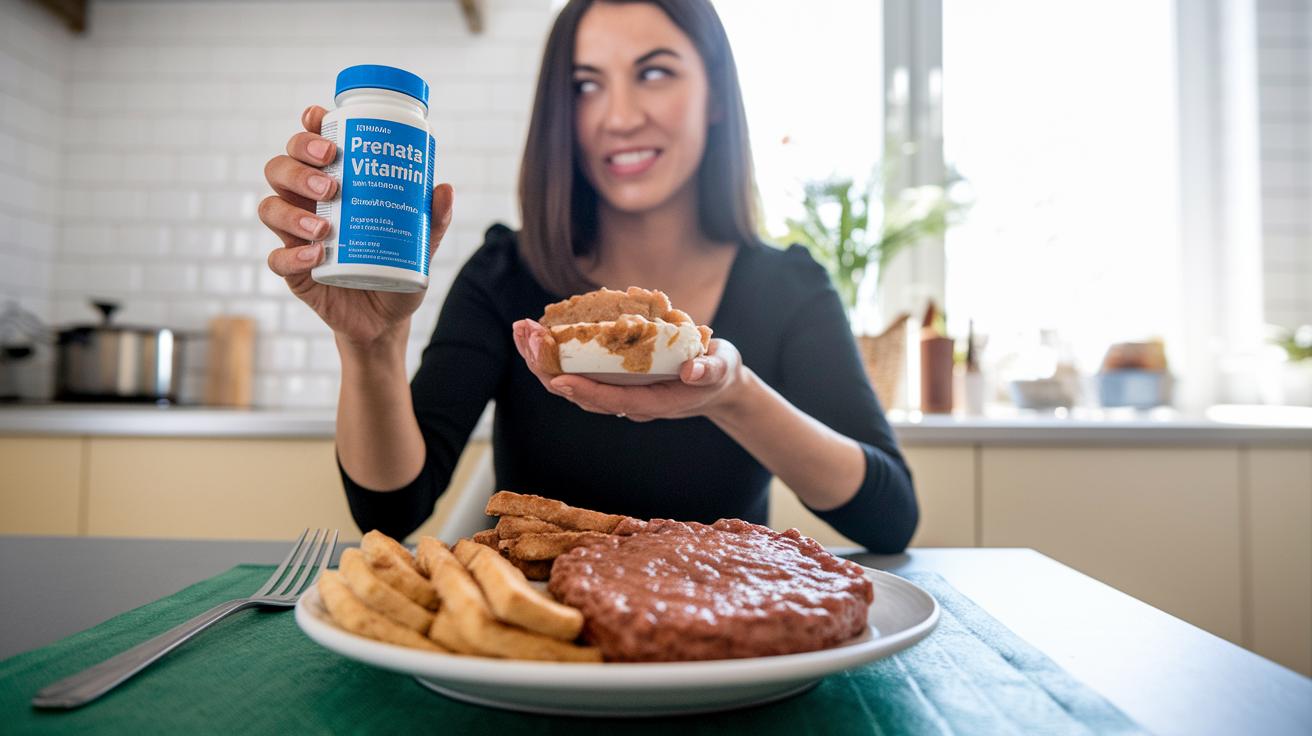
Integrating Folic Acid Supplements with a Balanced Prenatal Diet

Taking your folic acid supplement alongside a nutrient-packed diet can really help you and your baby. Pairing your supplement with foods rich in vitamin C, like oranges or grapefruits, boosts absorption. For example, try a glass of fresh orange juice with your supplement, it gives it an extra little push.

It also works well to eat iron-rich foods with your supplement. Think lean meats, beans, or leafy greens. These choices not only support your folic acid intake but also help your body absorb iron, which is key for healthy blood.

To keep the natural folate in your veggies, try light cooking methods like steaming or microwaving. Many moms also add fortified bread or cereal into their meals to round out their nutrition. This balanced plan helps all the good nutrients work together for you.

For more meal ideas, take a look at maternal diet and wellness tips. Have you ever noticed how a simple change in your meal can brighten your whole day?

Final Words

In the action of exploring folic acid supplements for pregnancy, our guide highlighted key points on proper dosage, timing, and safety. We reviewed ways to combine supplements with nutrient-rich meals and tips for choosing quality products.

Every insight is a reminder that small, informed steps can lead to a healthier, happier pregnancy. Keep moving forward with confidence and the gentle support of trusted advice.

FAQ

Frequently Asked Questions

Q: What does folic acid dose in pregnancy mean, and is 5mg too much?

A: The folic acid dose in pregnancy usually means 400–600 mcg daily for most moms. For high-risk cases, a healthcare provider may advise 5mg until week 12, which is safe when used under professional guidance.

Q: What are the best folic acid supplements for pregnancy?

A: The best folic acid supplement for pregnancy combines high-quality folic acid or methylfolate with other prenatal nutrients. Look for products with third-party certifications (like USP or NSF) to be sure of their quality.

Q: When should folic acid be taken during pregnancy, and when can it be stopped?

A: The best time to take folic acid is at least one month before conception and throughout the first trimester. Some experts recommend staying on 600 mcg daily during later trimesters, though early use is most critical.

Q: How does folic acid support getting pregnant?

A: Folic acid supports getting pregnant by preparing your body for a healthy pregnancy. It helps in the early formation of your baby’s brain and spinal cord, reducing the risk of neural tube defects.

Q: How long after starting folic acid will it affect pregnancy outcomes?

A: Folic acid works by preparing your body before pregnancy. It doesn’t speed up conception but ensures that when you do conceive, your baby benefits from improved nutrient status and lower risks of birth defects.

Q: What happens if you don’t consume enough folic acid during pregnancy?

A: Not getting enough folic acid during pregnancy increases the risk of neural tube defects, congenital heart issues, and cleft lip or palate in your baby, while also potentially leading to maternal anemia and poor placental development.

Q: How much folic acid should a pregnant woman take and what does it do?

A: A pregnant woman typically takes 400–600 mcg daily. Folic acid is crucial for fetal brain and spinal cord development, cell division, DNA replication, and helps reduce the risk of birth defects early in pregnancy.

Q: What key roles does folic acid play during pregnancy?

A: Folic acid plays essential roles during pregnancy by supporting fetal neural development, promoting red blood cell formation, and aiding in DNA replication. These functions help lower the risks of neural tube defects and maternal anemia.