Thursday, June 18, 2026
Home Blog Page 16

Postpartum Depression After Miscarriage: Hope And Healing

0

Have you ever noticed that your heart can feel heavy long after a miscarriage? Losing a baby can bring a deep sadness that goes far beyond a few tears. It might feel like a shadow dims even your happiest moments. Many moms share that they struggle with constant low mood, tiring feelings that seem to come out of nowhere, and a quiet ache in their hearts. In this article, we talk about the signs that make postpartum depression different from normal grief and offer some kind and practical steps toward hope and healing. Let's chat about these feelings together so you know you're not alone.

Recognizing Postpartum Depression After Miscarriage: Key Symptoms and Risk Factors

img-1.jpg

Postpartum depression after a miscarriage isn’t just about feeling sad for a day, it’s a deep, lasting heaviness that can seep into every part of your day. It might feel like you’re quietly carrying a weight that makes even small joys seem distant. Many moms describe it as that nagging feeling that nothing is quite right.

A lot of women notice these signs, and that makes sense when you think about it, around one in five pregnancies end in miscarriage, and the emotional toll can be big. Hormonal changes after a loss can make you feel similarly drained as after childbirth, where activities that once felt fun now seem empty, almost like hearing your favorite song without its usual warmth.

There are different reasons why someone might feel this way. A sudden drop in hormones like estrogen and progesterone can work with feelings of guilt, self-blame, and uncertainty about the future to create a tough mix of emotions. And when you don’t have a strong support system around you, those feelings can grow even heavier.

These symptoms are serious because they can affect your emotional well-being and even take a toll on your physical health if left unaddressed. Recognizing even the small shifts, like noticing a dim light gradually fading, can be a helpful sign to reach out for the caring support you deserve.

Distinguishing Postpartum Depression After Miscarriage from Normal Grief

img-2.jpg

After a miscarriage, it’s completely normal to feel a mix of sadness, guilt, anger, and confusion. Grief usually comes and goes like gentle waves, softening bit by bit over time. You might notice that sometimes the pain feels strong, then it eases up, making room for healing. But if you experience clinical postpartum depression, the sadness sticks around in a heavy, unyielding way. It’s like a constant cloud of hopelessness and tiredness that makes even simple daily tasks feel overwhelming. Moms dealing with both grief and depression can find it really hard to gather the energy for things they once loved doing.

Here are some key differences to watch for:

Normal Grief Clinical Depression
Usually eases within 6-12 months Can linger much longer
Emotions come in waves, with ups and downs Feels like a constant, dull pain
Moms can often keep up with daily routines Struggling day-to-day and may feel isolated
Feelings of sorrow come and go Overwhelming inability to enjoy even small pleasures

Knowing these differences can make it easier to find the right support for how you're feeling. And remember, don’t hesitate to reach out to a mental health professional for extra care and comfort.

Biological and Psychological Contributors to Postpartum Depression After Miscarriage

img-3.jpg

After a miscarriage, your body experiences a fast drop in estrogen and progesterone. This quick change is a bit like a sunny day suddenly turning stormy, affecting your mood in ways you might not expect.

At the same time, you might also feel strong emotions like guilt, anxiety, and even self-blame. Perhaps you’ve caught yourself wondering, "Could I have done something differently?" These thoughts can make it hard to find calm when you really need it.

Social factors can add even more weight to your feelings. If you don’t have a close group of friends or family, if you have dealt with mood issues before, or if you feel isolated, everyday tasks might seem extra challenging.

Understanding these contributors can remind you that your feelings, as hard as they are, are part of your body’s natural response to loss. Taking small steps toward support can help you navigate this difficult time.

Emotional Distress Post Pregnancy Loss: Personal Narratives and Healing Validation

img-4.jpg

Sharing our stories can help lift the heavy cloud of grief. Many moms have discovered that chatting honestly about the loss of a pregnancy, and the future they once dreamed of, can ease the burden. One mom shared, "I used to feel endless guilt until I realized that the loss wasn’t my fault, I learned my body does what it needs to do." Her words remind us that sometimes, things happen even when we do nothing wrong.

Talking openly about deep feelings has brought relief to many moms. They’ve found that letting out their sadness, anger, or confusion creates a safe space for healing. When you listen to others who have walked the same path, it can make the loneliness feel a little less overwhelming. I remember one mom saying at a small support group, "When I heard how someone else navigated her grief, I began to see a way forward even in my darkest times." It’s moments like these that show we’re not alone.

Here are a few simple strategies that some moms have found helpful:

  • Open up to a trusted friend or loved one
  • Join a support group where sharing stories is encouraged
  • Show yourself kindness and let yourself grieve without judgment

These heartfelt stories and gentle tips remind us that healing may be slow, but every shared experience helps validate our pain and supports us on the path to emotional recovery.

Postpartum Depression After Miscarriage: Hope and Healing

img-5.jpg

Sometimes it can feel like you're caught in a storm when dealing with postpartum depression after a miscarriage. Finding someone who truly gets what you’re going through is so important. Professionals who specialize in mood changes during and after pregnancy can offer treatments that help you gently move from darkness toward a place of hope.

When you try therapy, you might explore cognitive behavioral therapy, a friendly approach that helps shift the way you think and react to tough emotions. It guides you to set small, kind goals for yourself. Imagine replacing feelings of deep sadness with little steps that bring a bit of light into your day, maybe starting with a quiet, peaceful walk after a good night’s rest.

Cognitive Behavioral Therapy

These sessions help you notice negative thoughts and kindly challenge them. By setting simple, personal goals and swapping out harsh thinking for more caring thoughts, you gradually build a clearer, steadier path back to feeling better.

Medication Options

At times, medications play an important role alongside therapy. Your doctor might suggest antidepressants to help ease those persistent, draining feelings. They’ll carefully monitor your treatment to ensure the right dosage supports your recovery without causing extra worries.

Intensive Outpatient Programs

If you feel you need a little extra care, an Intensive Outpatient Program might be a good option. These programs mix one-on-one therapy, group sessions, and professional guidance over several weeks. This supportive environment gives you a safe space to work through your feelings, build new coping skills, and find balance again.

Community Support Networks and Self-Care Methods to Support Post-Miscarriage Recovery

img-6.jpg

Sometimes healing after a miscarriage feels like trying to find little sparks of light during a very dark moment. You know, talking with others who understand can make a huge difference. Joining a support group or chatting online with moms who have felt the same kind of pain reminds you that you're not alone, kind of like getting a warm hug on a rough day.

Taking gentle care of yourself can soothe both your mind and body. For example, practicing mindfulness meditation or a soft yoga session can give you a quiet corner to catch your breath when emotions are overwhelming. Even simple moments, a short stretch in the morning or a few mindful deep breaths, can lift your spirits, much like enjoying a comforting cup of tea when it’s chilly outside.

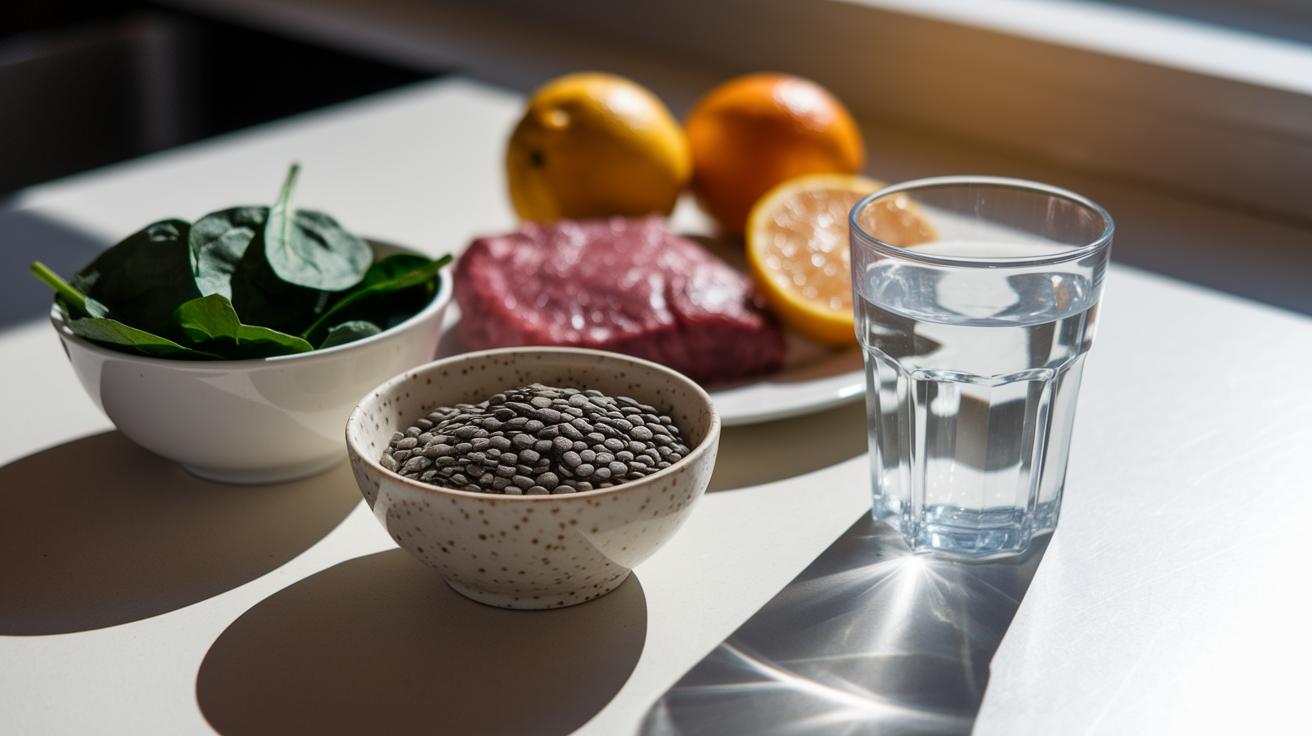
Eating a balanced diet also plays an important part in letting your body heal while keeping your mind clear. Choosing foods with omega-3s and B-vitamins is like giving your brain the steady fuel it needs during tough times. Plus, setting a regular sleep schedule and using methods to relax can help you feel stronger every day.

Here are some self-care ideas that might help:

Practice How It Helps Journaling Clears your mind and eases emotions Mindfulness or Meditation Creates a calm space for regaining focus Gentle Exercise (Walking, Yoga) Boosts mood and helps release stress Balanced Nutrition (Omega-3, B-vitamins) Nourishes your body and brain Sleep Hygiene Practices Improves resilience against stress Art or Music Therapy Provides creative ways to express and heal

Long-Term Mental Well-Being After Fetal Loss: Recovery Journey and Follow-Up Care

img-7.jpg

When postpartum depression isn't treated, it can quietly impact your relationships, your work, and even how you feel physically. Recovering from a pregnancy loss is a very personal journey, and keeping an eye on how you feel each day can really help you see the little steps you’re taking forward.

Sometimes, figuring out if you're truly making progress or if you've hit a bump can feel confusing. Your healing journey doesn't follow a strict schedule, it’s unique to you. It might remind you of checking the weather each morning to decide whether you need an umbrella for your mood.

A good idea is to have regular chats with a mental health professional. These check-ins can help spot any returning symptoms early on, almost like a friendly reminder that your well-being matters. Simple practices, like jotting down your feelings or rating your mood at the end of the day, can offer gentle clues about your progress.

Another way to see how you’re healing is by setting small goals. It could be as simple as taking a quiet walk or catching up with a caring friend. Each little act is a sign that recovery is happening, step by step. And even if there are setbacks, remember that it’s perfectly okay. Being kind to yourself and knowing you have support can really help you keep steady as you move forward.

Final Words

In the action, we unpack key signs and symptoms of postpartum depression after miscarriage and note how hormonal shifts play a big role. We talked about finding the line between normal grief and deep-seated sadness. We also reviewed practical ways to seek expert help, from therapy to community support, and self-care tips that bring comfort. Each part of the piece reminds us that support is close by and every step toward healing counts. Stay hopeful and kind to yourself.

FAQ

Can you get postpartum depression from a miscarriage?

The question shows that a miscarriage can trigger postpartum depression. Hormonal shifts and deep emotional stress may lead to lingering depressive symptoms, making it important to seek support if you experience persistent sadness after loss.

How long can depression last after a miscarriage?

The question suggests that depression after a miscarriage can linger from several months to even longer if not addressed. Persistent symptoms may indicate the need for professional help to manage and overcome this emotional challenge.

Is it normal to feel depressed after an abortion?

The question reveals that experiencing depression after an abortion is a common emotional response. While many feel temporary grief, ongoing depressive symptoms might require counseling or professional support for better recovery.

How long after a miscarriage do hormones go back to normal?

The question explains that hormone levels usually begin stabilizing within a few weeks after a miscarriage, though complete normalization may take a month or longer, with individual experiences varying widely.

Safe Exercises During Pregnancy Feel Empowered

0

Have you ever wondered if it’s safe to exercise while you’re expecting? Many moms worry about finding the right ways to care for both themselves and their little one. A peaceful walk or a few gentle stretches can feel like a warm hug from nature, giving you a burst of energy and a sense of control. With your OB-GYN (your doctor who guides you during pregnancy) alongside you, these simple activities can make you feel strong and confident. Today, we’re sharing some tried-and-true ways to move safely, so you can enjoy the benefits of exercise and feel great during this special time.

Essential Medical Guidelines for Prenatal Fitness

img-1.jpg

Your OB-GYN may suggest that you aim for about 150 minutes of gentle exercise every week. That could mean taking a comfortable walk or joining a low-impact prenatal aerobics class (a light exercise routine designed for pregnancy). Think of it like setting a steady heartbeat for your week, a routine that supports you and your baby. For instance, you might decide to fit in a brisk walk five days a week, easily reaching that goal in no time!

Brisk walking is a wonderful way to start if you're new to exercise. In early pregnancy, a quicker pace can boost circulation and energy. But as you move into later stages, you might find that slowing down helps keep you comfortable. Picture yourself stepping outside for a morning walk, feeling the cool air, reminding you of a gentle hug from nature.

It’s also important to skip hot exercise classes like hot Pilates or hot yoga. These can raise your body temperature too much, which isn’t safe when you’re pregnant. Instead, choose a space that is cool and well-ventilated, so you feel at ease while working out.

Before you try any new workout, make sure to get a quick check-up first. Your doctor will want to check for things like high blood pressure or placenta previa (a condition affecting the placenta), just to be sure that any activity you choose is safe for both you and your baby.

Regular exercise can work wonders, it might lower your risk of gestational diabetes by about 50% and reduce the chance of pre-eclampsia by around 40%. This isn’t just advice; it’s a way to boost the well-being of both you and your little one every day.

Low-Impact Cardiovascular Routines for Expectant Mothers

img-2.jpg

Walking is a gentle and effective way to get your heart working. When you're in the early days of pregnancy, keeping a brisk pace can help boost your blood flow and energy. Later on, you might switch to a slower, more relaxed walk to feel comfortable yet still active. Picture yourself on a quiet morning stroll, the sun just beginning to rise and a refreshing breeze nudging you forward.

Swimming is another lovely choice. The water supports your body in just the right way, easing the pressure on your joints. It helps strengthen your back, arms, and legs while wrapping you in a calming, almost hug-like environment.

Using a stationary bike or an elliptical machine gives you the chance to enjoy aerobic exercise safely. By setting a moderate resistance, you can work out without worrying too much about balance.

Online prenatal aerobics classes offer routines made specifically for moms-to-be. These classes can feel just like joining a friendly group, even if you're at home. It’s like having a little community right there with you.

Each exercise is gentle enough to change with your body, helping you feel strong and active through every stage of your pregnancy.

Strength Training and Core Stabilization for Pregnant Women

img-3.jpg

Strength training can help you feel strong and supported as you go through every trimester. Squats, for example, do wonders for building lower-body strength and keeping your posture in check. You can simply use your body weight or try light hand weights if you're up for it. Imagine slowly lowering into a squat like you’re about to sit on a low bench, finding that natural, comfy rhythm.

Wall pushups offer another gentle option. Stand a step away from a wall and slowly lower yourself as if you’re giving the wall a warm hug. This move helps ease pressure on your back and core, making it a friendly alternative for a safe exercise.

A stability ball can be a really helpful tool, too. Using the ball, try arm curls or tricep curls that support your pelvis while working your upper body. You can also do pelvic tilts and even march on the ball to engage your deep core and pelvic-floor muscles in a controlled way.

Planks are a safe choice during the first trimester. As your bump grows, consider widening your stance or switching to a plank on your knees to ease the load on your tummy. It’s best to skip crunches or sit-ups after 12 weeks since they might press on a major vein. These small tweaks help keep your workout both safe and effective.

Trimester-Specific Modifications and Precautions in Prenatal Exercise

img-4.jpg

When you're starting out in early pregnancy, take it slow with gentle workouts. Go for a light walk or try some easy stretching. For example, you might begin with a simple 10-minute walk and then add a few extra minutes as you go. This helps your body adjust comfortably.

As you reach mid-pregnancy (weeks 14–28), your body might need a little extra care. Try swapping standard pushups for wall pushups; it's like giving the wall a warm, friendly greeting while easing pressure on your back and tummy. Around week 16, steer clear of lying flat on your back to keep things comfy. You can still enjoy moderate cardio, like a relaxed session on a stationary bike or low-impact aerobics, simple, steady, and safe routines that feel just right.

In the third trimester (weeks 29–40), focus on keeping your balance and stability. Stick to exercises that have a smaller range of motion and add in some pelvic-floor work. If you ever feel dizzy or sense some pelvic pain, it’s perfectly okay to take a break. Even gentle squats and soft stretches can help you stay strong while you adjust to the changes in your body.

Remember, every little change in your workout routine is a way of saying, “I care for you,” to your body. Enjoy these moments of gentle care at every stage.

Exercises to Avoid and Risk Management during Pregnancy Workouts

img-5.jpg

When you're expecting, it’s best to skip activities that could be risky for you or your little one. Sports like contact games, skydiving, and scuba diving might look exciting, but they can pose dangers during pregnancy. Also, exercises in very warm settings, like hot yoga or heated Pilates, might not be a good idea because the heat can affect your body. And those movements that could lead to falls? It's safer to leave them out of your workout.

After your first trimester, it’s important not to do exercises that have you lying on your back. This helps avoid pressure on a major vein, much like keeping a steady pace on a long walk so that every step feels safe. If you ever feel dizzy, short of breath, or notice any pain in your pelvic area or back, take that as your cue to stop for a moment and check in with how you're feeling. For instance, if a wall pushup suddenly feels off because your balance seems uneven, it’s okay to pause and assess.

Listening to your body is key. By taking a little extra care in your exercise routine, you help create a safe and gentle space for both you and your baby.

Evidence-Based Benefits of Maintaining Prenatal Exercise Routines

img-6.jpg

Staying active while you’re pregnant can really help. It can cut your chances of getting gestational diabetes by about half and lower the chance of developing high blood pressure problems by nearly 40%. Simple activities like a brisk walk, a swim, or some gentle prenatal yoga can lift your mood and take the edge off stress. Imagine a quiet 30-minute walk that leaves you feeling calm and refreshed.

Moving regularly can also keep your heart strong, ease back pain, and even help you sleep better at night. Many studies show that safe exercises may make labor a bit smoother and help you bounce back faster after birth. Each stage of pregnancy can enjoy its own benefits, like clearer thinking and less discomfort, when you follow a routine that fits your needs.

Before you dive into any new exercise plan, have a chat with your OB-GYN to make sure it works well with the changes in your body.

Final Words

In the action, the article walked through how to keep active safely while pregnant. We covered the basics of low-intensity workouts, strength-building moves, and tailored adjustments for each trimester. It highlighted the need for medical clearance before starting and offered advice on what moves to avoid. All the tips work together to support a healthy pregnancy for mom and baby. Remember, embracing safe exercises during pregnancy can bring you added confidence and comfort every step of the way.

FAQ

What are safe exercises during pregnancy in the third trimester?

Safe exercises during the third trimester include low-impact activities like walking, water aerobics, and gentle stretching. These moves help improve balance and flexibility without overexertion.

What are pregnancy exercises during the first trimester?

Pregnancy exercises during the first trimester can be gentle routines such as brisk walking, light stretching, or modified strength training. Start slowly and listen to your body while you adjust to pregnancy.

Which month should I start exercising during pregnancy?

The month to start exercising during pregnancy varies by individual. Many mothers begin with low-impact activities early after getting a doctor’s go-ahead during the first trimester and progress gradually.

What are safe exercises during the second trimester?

Safe exercises during the second trimester include brisk walking, light strength training with modifications, swimming, and pelvic floor routines. These activities help maintain fitness while keeping discomfort and strain minimal.

What exercises should be avoided during the first trimester?

Exercises to avoid in the first trimester are those that are very high-impact or overly strenuous without proper modifications. It’s best to steer clear of moves that might strain the body as you adjust to pregnancy.

Which month should I start exercising for a normal delivery?

The timing to begin exercising for a normal delivery can differ, but many mothers start low-impact routines early. It is wise to consult your doctor so that the plan suits your personal health needs.

What exercises should be avoided at 4 weeks pregnant?

At 4 weeks pregnant, it is best to avoid overly strenuous activities and high-risk exercises. Keep your routine gentle until you receive personalized guidance from your healthcare provider.

What is available in a safe exercises during pregnancy PDF?

A safe exercises during pregnancy PDF typically outlines routines, duration, intensity, and trimester-based modifications. It offers medically backed guidance to help expectant mothers maintain safe and effective workouts.

What exercises should be avoided during pregnancy overall?

Exercises to avoid during pregnancy include high fall-risk activities, routines that cause overheating like hot yoga, and moves that put too much strain on the core. Always check with your doctor if you’re unsure.

What kind of exercise is safe while pregnant?

Safe exercises while pregnant typically involve low-impact activities such as walking, swimming, stationary cycling, and gentle strength training. These help maintain fitness without causing undue strain.

Can I do squats while pregnant?

You can do squats while pregnant if you make modifications, like using a wall for support or limiting the range of motion. They help build lower body strength but require clearance from your doctor.

How can I target back fat while pregnant?

Targeting back fat while pregnant is best approached with gentle core exercises, posture routines, and light strength training. These moves support overall fitness without stressing your body, and a doctor-approved plan is ideal.

Postpartum Depression And Breastfeeding: Hope And Support

0

Have you ever wondered why some moms find breastfeeding tougher even when they feel happy about their new baby? Sometimes, up to one in seven moms may feel a deep sadness during the first year after giving birth, and that sadness can make feeding feel even more challenging.

Breastfeeding is not just about physical health. It is also very connected to how a mom feels inside. When you're feeling down, it can be hard to enjoy those precious moments with your baby. In this post, we chat about how postpartum depression can affect breastfeeding. We share hopeful, practical tips to help you feel supported during these trying times.

How Postpartum Depression Influences Breastfeeding Success

img-1.jpg

Many new moms are juggling physical recovery and big emotional changes. Research shows that about 1 in 7 women can feel very down (postpartum depression) during the first year after birth. When a mom feels overwhelmed, starting and continuing breastfeeding can become even more difficult.

Studies have found that moms who are depressed often struggle with getting breastfeeding off the ground or keeping it going. For example, one study with 217 breastfeeding moms showed that those who stopped breastfeeding before six months, because of pain, infections, low milk supply, or baby latch troubles, had twice the risk of later feeling depressed. This tells us that issues with feeding and feelings of sadness are closely linked.

It works both ways. Low milk supply or painful nipples can make a mom feel even more unsure and sad, which makes breastfeeding harder. And when stress or anxiety kicks in, it can lower important helpers in breast milk, like IgA (an antibody that protects your baby). Lower IgA means fewer health benefits for the little one.

When feelings of sadness and feeding issues happen together, it can feel like a loop that keeps getting worse. Taking care of both feelings and physical needs can help break that cycle and give moms hope, along with practical support to make breastfeeding a smoother journey.

Postpartum Depression and Breastfeeding: Hope and Support

img-2.jpg

After having a baby, many new moms feel a mix of emotions. It’s common to feel a bit down, especially around day five after birth, and these feelings usually fade within about two weeks. But if these feelings stick around for more than 14 days, they might be signs of clinical postpartum depression, which brings deeper emotional challenges.

It’s important to notice the warning signs early. Some moms with postpartum depression may experience:

  • Deep sadness that lingers for weeks
  • Uncontrollable crying or constant worry about their baby
  • Trouble sleeping that isn’t just from taking care of a newborn
  • Losing interest in things that once brought joy

One mom shared, “I couldn’t shake off the constant worry, and even during moments of rest, my mind wouldn’t let go of my concerns.” Her words remind us that if these feelings continue past two weeks, it might be time to get some extra support.

Doctors and experts suggest that moms get screened for depression about 4 to 6 weeks after giving birth. This helps to tell the difference between normal baby blues and more serious issues. If you want to learn more about mood and behavior changes, you can check out this link: postpartum depression symptoms.

Talking openly about these feelings and getting regular screenings can help turn difficult moments into chances for hope and healing. Every mom deserves support and care as she navigates this challenging time.

Common Breastfeeding Barriers Tied to Postpartum Depression

img-3.jpg

Experts now suggest mixing practical help with emotional support instead of just focusing on the tough cycle. It helps to start by scheduling early chats with lactation specialists. One mom mentioned that a relaxed position along with more skin-to-skin time lightened both her pain and worries during feedings.

Here are some simple ideas:

  • Chat regularly with lactation experts.
  • Join groups where you can share stories and learn from other moms.
  • Try easy home fixes like warm compresses and soft massages.
  • Use stress relief methods such as deep breathing when feeding.

One lactation consultant shared, "Moms who combine expert advice with small self-care steps usually see improvements both in feeding and in their mood." Sometimes, just a minute of deep breathing can turn a stressful feeding into a more calm, kind moment.

Strategy Example
Hands-on lactation help “Using a relaxed position helped with my latch issues.”
Peer support groups “Hearing other moms share made me feel less alone.”

Evidence-Based Management Strategies for Postpartum Depression During Breastfeeding

img-4.jpg

When moms face postpartum challenges, combining mental health counseling with lactation support can really make a difference. It’s like having a caring friend who helps with both the nerves and the practical side of breastfeeding. Experts have found that a personalized plan, one that includes regular checkups for mental health along with timely lactation advice, can boost both mood and breastfeeding success.

Joint appointments with a lactation consultant and a mental health counselor have shown great promise. One mom shared, "Meeting with both experts made me feel so supported; my worries eased while I learned new feeding tips." These combined visits have been linked to lower depression scores and a longer breastfeeding journey, reminding us that a little extra support can go a long way.

Research tells us that early help makes a big difference. By addressing concerns right when they start, moms feel more secure on their feeding journey. This early support not only eases worries but also strengthens the special bond between mother and baby. When moms feel more confident and calm, feeding time turns into a nurturing moment they can truly enjoy.

Health professionals recommend that each mom has a care plan that regularly checks in on both her emotional well-being and her breastfeeding progress. Simple steps, like brief, regular check-ins and small adjustments to feeding routines, can make everyday challenges feel more manageable. For example:

Quick Tip What to Do
Regular Sessions Plan meet-ups with both a mental health counselor and a lactation consultant.
Consistent Check-Ins Have short conversations to notice any early mood changes.
Adjust As Needed Tailor the care plan to fit each mom’s evolving needs.

These caring strategies show that when professional lactation support and mental health counseling work hand in hand, they build a brighter, more hopeful path for moms dealing with postpartum depression.

Postpartum Depression: Antidepressant Use and Medication Safety in Lactation

img-5.jpg

Many moms and their doctors sometimes face tough choices when it comes to managing postpartum depression with medicine. One common approach is using SSRIs (medications that help balance mood). For example, sertraline and paroxetine are popular choices since they pass very little into breast milk (with sertraline’s milk/plasma ratio at less than 0.1). One mom shared, "Finding a medication that supported my mood while keeping my baby safe made all the difference."

Sometimes, fluoxetine is used too, but its longer half-life means it stays in the body longer and appears in milk at higher levels. This extra concern often leads doctors to have a detailed chat about the risks and benefits. They look at how strong your symptoms are, explore other therapy options, and consider what’s best for both you and your baby.

Guidelines suggest that if you stay on antidepressants, it’s really important to keep a close watch on your baby’s growth and development. Regular check-ups help ensure that your little one is processing any medication exposure well. Sometimes, your provider might adjust the dose or consider switching medicines to support both your mental health and your breastfeeding journey.

Health experts really stress taking a careful, personalized approach to these decisions. By weighing the chance of baby exposure against the seriousness of your symptoms and exploring alternative options, moms and doctors can make choices that keep both you and your baby safe and well.

Nonpharmacological and Lifestyle Supports for Postpartum Depression During Breastfeeding

img-6.jpg

Many new moms find comfort in non-drug ways to ease tough feelings while they continue breastfeeding. Therapies like cognitive behavioral therapy (CBT) and interpersonal therapy (IPT) offer practical tips and new perspectives to help manage emotions. One mom shared how talking with a caring professional brought small changes that turned feeding time into a calmer, more nurturing experience.

Connecting with other mothers is also a big help. Local peer groups and community workshops let you share little successes and talk through the everyday ups and downs. Here are some ideas that might brighten your mood and even support your milk supply:

  • Join a local group where you can chat with moms who truly understand your daily challenges.
  • Attend community workshops that give hands-on tips in a friendly, open space.
  • Consider counseling with a professional who really gets the ins and outs of new motherhood.

Sometimes, taking a few quiet moments with mindfulness exercises or guided relaxation feels like a gentle reset for your mind. Imagine pausing to breathe deeply, easing those overwhelming thoughts, just like a soft lullaby at bedtime. Many moms find that these simple practices, along with exploring stress management techniques, can really lighten the daily load.

New research is also pointing towards benefits from adding things like probiotics and omega-3 supplements to your routine. One mom mentioned that a few mindful moments paired with thoughtful diet choices helped her feel more balanced, both emotionally and physically.

Professional and Peer Support for Postpartum Depression and Breastfeeding

img-7.jpg

Family support and connection with community resources can bring extra comfort during the time after birth. Imagine a family member joining you at a drop-in breastfeeding clinic, sharing a warm smile just when you need it.

Some programs help link the care you need for your baby with support for your own feelings. One mom said, "When I joined a program that took care of both my baby’s needs and my own, I never felt alone again."

  • Get your family involved by inviting them to join you at nearby community centers.
  • Visit local drop-in clinics where you can gain extra support and feel more confident.
  • Follow the clear referral steps that combine help for both childcare and emotional health.

These simple steps bring together the love and strength of family and community support, along with the care of professionals, to help you feel understood and supported.

Final Words

In the action, our discussion showcased how postpartum depression and breastfeeding are intertwined. We explored how recognizing mood shifts and addressing feeding challenges early can make a big difference. By sharing expert insights, lifestyle supports, and safe medication guidance, the goal is to help mothers feel more confident in their care plans. Every bit of knowledge adds to the warmth and strength needed in everyday routines. Stay empowered as you embrace informed care and the comfort of community support.

FAQ

Is postpartum depression linked to breastfeeding?

Postpartum depression is linked to breastfeeding as mothers experiencing mood changes may face challenges like latch issues and early cessation. Research shows these emotional struggles can affect a woman’s ability to sustain breastfeeding.

How long does postpartum depression last?

Postpartum depression typically lasts longer than the baby blues, which resolve within two weeks. Depending on the individual, symptoms may persist for several months, making early support and treatment very important.

What is the 4 4 4 rule for breastfeeding?

The 4 4 4 rule for breastfeeding means nursing every four hours for about four minutes on each breast. This routine helps maintain milk supply and provides a simple schedule for moms managing feeding routines.

When is PPD most likely to occur?

Postpartum depression is most likely to occur within the first year after birth, with many mothers noticing signs around one month postpartum. Early symptoms highlight the need for timely check-ups and supportive care.

Pregnancy Without Health Insurance: Hopeful Support Choices

0

Have you ever felt anxious about handling pregnancy when you don’t have health insurance? It can seem overwhelming when medical bills pile up like that. But there’s hope, even without insurance, you can find help to ease the money worries.

There are laws for affordable care that include help for moms during pregnancy (this means support like maternity care), and programs like Medicaid, CHIP, or even local health clinics ready to lend a hand.

In this post, we’ll walk you through some simple steps to get the care you need. We really hope this helps bring a little comfort during such an important time in your life.

img-1.jpg

Facing pregnancy without health insurance can feel really scary, especially when the cost of giving birth might run about $10,000 to $12,000. But even if you're not covered by work or a government plan, there are ways to ease these worries. Under the Affordable Care Act, all qualified health plans include help for maternity and childbirth, which can be a lifeline for many families.

There are a few clear options to consider. You might be eligible for Medicaid or CHIP, which are available based on your state's income rules. There are even discount programs, like AmeriPlan, that can cut costs by 50% or more in many areas. Local community clinics can also be a great resource, sometimes offering care on a sliding scale. Some hospitals even provide payment plans or charity care to help manage the bills.

  • Apply for Medicaid or CHIP if you meet your state’s income guidelines.
  • Ask about sliding-scale services at nearby community clinics.
  • Check out discount programs like AmeriPlan where available.
  • Talk to hospitals about charity care or flexible payment plans.
  • Reach out to patient advocate offices for help with medical expenses.
  • Review your state’s rules for accelerated Medicaid programs.
  • Explore local nonprofit groups that offer prenatal financial assistance.
  • Connect with community health departments for more prenatal support.

Taking the next steps is all about getting organized. Gather the necessary paperwork and then set up a time to talk with a local health clinic about your options. This plan helps you find the care you need while easing financial worry. Have you ever noticed how taking one small step can really help clear up the confusion during such an important time?

Cost Analysis of Pregnancy Without Insurance

img-2.jpg

If you’re expecting and don’t have health insurance, the cost of pregnancy can really seem overwhelming. Back in 2011, a typical vaginal delivery cost about $10,657. And if you needed a scheduled or emergency C-section, the price jumped by 50% or more, averaging around $16,000. On top of that, expenses for prenatal check-ups, tests, and delivery usually add up to anywhere between $10,000 and $12,000.

Delivery Type Average Cost
Vaginal Delivery $10,657
C-section Delivery $16,000

Understanding these expenses is a key step in planning your finances. When you break down the numbers, you can look into payment plans, find community support, or even explore assistance programs. This clear view helps you set up a budget that covers your routine prenatal care as well as any unexpected costs during delivery, turning a big hurdle into manageable parts.

Alternative Prenatal Care Options for Uninsured Pregnant Women

img-3.jpg

If you’re expecting without health insurance, finding free prenatal care clinics and affordable care might be a huge relief. Many areas offer care where fees are based on what you can afford, or even free services. You could visit a Federally Qualified Health Center, Planned Parenthood, or your local health department, all known for offering quality prenatal services without the full cost. It’s all about getting you the help you need for you and your baby without adding extra stress.


Local clinics might have special programs just for you. For instance, Planned Parenthood sometimes holds days for low-cost or free services, and community health departments may set up prenatal care days open to everyone. Even discount programs, like AmeriPlan, can cut lab and visit costs by up to 50%, though they might not be available in every state. Some hospitals and nonprofit clinics also organize community prenatal care days so that cost never keeps you from important check-ups.

When you’re looking for care, try calling your local Federally Qualified Health Center or health department. Ask if they have community days or outreach programs for free prenatal services. A few clinics might even help guide you through applying for Medicaid or CHIP. These steps can connect you with caring professionals who are ready to support you during this special time.

Understanding Medicaid and CHIP Eligibility for Pregnant Women Without Health Insurance

img-4.jpg

Medicaid and CHIP guidelines depend on your household income, and these rules can change from state to state. States sometimes update their guidelines – even with new changes coming as soon as 2025. For a lot of pregnant women without health insurance, figuring out your income limits is the first step to getting the care you need. The system works on a sliding scale: the lower your income, the easier it is to qualify, almost like turning down the volume on high costs so everything feels just right.

Some states, such as New Mexico, Virginia, Louisiana, and Alabama, have set higher income ceilings to help more moms in this important time. In many areas, there are even programs that provide immediate eligibility, so you can start receiving care right away while your full application is being completed. It’s a little like getting an instant hug – ensuring you feel supported from the very beginning of your care.

If you’re not sure whether you qualify, there are friendly phone lines and navigator programs in many states ready to help. Think of these services as a trusted friend walking you through which documents you need and explaining how your income fits into the picture. Reaching out for this kind of personal help can make the whole process feel a lot less scary, getting you the support you need to care for yourself and your baby.

Applying for Medicaid While Pregnant Without Health Insurance: Step-by-Step Guide

img-5.jpg

When you're expecting and need help with health care, applying for Medicaid is a great option. Here’s a simple, caring guide to walking you through the process.

First, decide how you want to apply. You can visit your state's Medicaid portal on your computer, call their phone line, or even stop by a local office. Pick the way that feels easiest and most comfortable for you.

Next, gather the documents you need. You’ll want to have proof of your pregnancy, some form of identification, your Social Security number, and recent financial statements handy. Having these papers ready can make the process a lot quicker and smoother.

Then, be prepared to wait a little while for processing, usually from about 7 to 45 days. Some states might even speed things up if you qualify, so don't worry if it takes a bit of time.

It’s also a good idea to check in on your application. If you haven’t heard back within the expected time, give your local Medicaid office a call. Keeping a note of your calls can really help keep things on track.

And finally, if your application gets denied or if they ask for more information, don’t be discouraged. Be ready to reapply or to appeal the decision. Acting quickly can help ensure you get the support you need during this important time.

Managing Out-of-Pocket Expenses During Pregnancy Without Insurance

img-6.jpg

Sometimes tests like ultrasounds and prenatal blood work come with extra costs. If you see these fees on your bill, ask for a detailed list so you know exactly what you're being charged. For example, you could say, "Can you show me a breakdown of this ultrasound fee?" This simple question might reveal a charge you can adjust.

Some providers offer discount programs that might cut test costs by up to 50%. It never hurts to ask, so try saying, "Is there a discount available for my ultrasound?" That kind of focused question could help you save money in the long run.

When you review your bill, reach out to the billing department about flexible payment options. Many hospitals provide charity care or sliding-scale plans to help ease the burden if test costs, like prenatal blood work, are hard on your budget. For instance, ask, "Do you have a payment plan that covers these prenatal testing charges?" It might open up some easier payment choices.

Also, check with local nonprofits or temporary assistance programs. They sometimes offer small grants or vouchers for extra costs on services such as ultrasounds or specialized blood work. A quick call to your community health center could connect you with support that lightens the financial load.

Emergency Medicaid Coverage for Pregnancies Without Insurance

img-7.jpg

If you find yourself in an unexpected labor emergency and don’t have insurance or qualify for regular Medicaid, Emergency Medicaid is here to help. This special program steps in during urgent situations, offering support for hospital care when you need it most.

Keep in mind that Emergency Medicaid is meant for sudden, unplanned hospital admissions during labor. It doesn’t cover your usual prenatal visits or ongoing pregnancy care. You’ll need to show proof of your citizenship and clear evidence of an emergency to qualify.

Before agreeing to any extra tests or treatments, have a quick chat with your care provider to see if they’re covered by Emergency Medicaid. It’s also a smart move to check with hospital billing to make sure non-emergency procedures aren’t mistakenly included. This way, you can avoid any unexpected costs during a really challenging time.

Support Networks for Pregnancy Without Health Insurance

img-8.jpg

Online forums and Facebook groups are like friendly circles where uninsured moms come together to share their stories and practical tips. It feels like having a heart-to-heart with friends about managing pregnancy expenses and finding that comforting support when you need it most.

Local community clinics, Planned Parenthood, and organizations such as March of Dimes are great places to turn to for free services and prenatal help (care during pregnancy). Many hospitals even have patient advocate offices that help you navigate charity care and affordable payment plans, making your journey a little easier.

It all starts by reaching out and asking for help. Begin by checking out local resource directories from community health coalitions or nonprofit groups. Then, try joining online communities where you can get advice tailored to your situation. And why not set up an appointment at a low-cost clinic to see if they offer additional free insurance resources? Connecting with different supports like this builds a well-rounded network, one that helps with both your health and your finances during your pregnancy.

Final Words

In the action, this article lays out a clear guide for helping you handle key aspects of pregnancy without health insurance. We shared insights on cost planning, exploring alternative care options, and understanding Medicaid, CHIP, and emergency coverage. Each section aims to offer a simple plan to help ease financial worries while guiding you to trusted local clinics and support networks.

Step by step, you can take charge of your care, feel confident in your choices, and move forward positively.

FAQ

What does “pregnancy without health insurance reddit” refer to?

The phrase highlights online discussions where expectant mothers share their real-life experiences and advice about managing prenatal care and costs without the help of insurance.

What does “pregnancy without health insurance cost” mean?

The phrase explains that uninsured prenatal care and delivery can cost about $10,000 to $12,000, with extra charges possible for additional services or complications during childbirth.

What should you do if you don’t qualify for Medicaid while pregnant without insurance?

The question suggests that if Medicaid eligibility isn’t met, you might look into community clinics, hospital payment plans, or discount programs to help manage prenatal care and delivery expenses.

Where can you get free prenatal care if you don’t have insurance?

This question means that free or low-cost prenatal care is available at community health centers, Planned Parenthood, and local health departments, which often offer sliding-scale fees or no-cost services.

What should you know about Blue Cross Blue Shield and supplemental insurance for pregnancy?

The inquiry explains that many health plans, including those from Blue Cross Blue Shield, cover maternity care, and supplemental plans may reduce extra costs; it’s wise to review details before deciding.

What happens if you get pregnant without insurance and what steps should you take?

The question indicates that being uninsured may lead to high out-of-pocket costs for prenatal care and delivery, so it’s important to seek available programs like Medicaid, community clinics, and hospital payment plans right away.

Natural Remedies For Postpartum Depression: Uplifting Relief

0

Have you ever thought that a little natural care might brighten a tough time after birth? Sometimes the feelings go beyond the usual baby blues and stick around longer than we'd like.

Today, let's chat about some gentle ideas to help lift your spirits. Think about a warm herbal tea, a short walk outdoors, or a few slow breaths that calm your body and mind. These simple, caring steps could bring you a bit of relief when things feel heavy.

Effective Natural Remedies for Postpartum Depression

img-1.jpg

Right after birth, many moms feel what we call the baby blues. You might feel a bit sad, tearful, or even a little anxious, but these feelings usually fade in about 10 days. If you find yourself feeling constantly exhausted, easily irritated, or struggling to sleep for more than two weeks, it could be postpartum depression. These deeper feelings aren’t just a passing mood, they might mean you need a bit more support. When you're unsure, it’s really helpful to check trusted guides on postpartum depression.

It’s so important to tell the difference between baby blues and something more serious. Most moms might face a few low moments, but if you’re dealing with strong anxiety, marked mood swings, or losing interest in the things you usually love doing, it might be time to chat with a professional. And remember, if your feelings ever include thoughts of self-harm, please seek help right away.

In this article, we’re looking at natural ways to help support your emotional well-being. Think of simple methods like gentle exercise, omega-3 supplements, and even acupuncture as great starting points. Other ideas include herbal treatments and mind-body practices that can help bring balance and care into your life. These natural approaches offer support without medication and encourage you to embrace practices that nurture your well-being during this very important time.

Herbal Therapies and Supplements for Mood Balance in Postpartum

img-2.jpg

Before you try any new herbal remedy, have a quick chat with your healthcare provider. It’s important to make sure the supplement works well with your health plan and fits your personal needs.

Here are a few popular options:

  • Saffron: Take 15 mg two times a day, usually in a capsule. Just follow the dosage from the study, especially if you're on other medications.
  • St. John’s Wort: Often taken as a 300 mg capsule. If you're breastfeeding or taking other meds, use this carefully.
  • Chamomile: Enjoy this as a warm cup of tea or as an extract, about one cup or the measured dose each day. Keep an eye out for any allergies.
  • Ashwagandha: Typically, a dose of 300–500 mg of a standard extract once per day works best. Check with your provider about the right time and dose because it can change your stress hormone levels.
  • Lavender: Use diluted essential oil either by inhaling it or putting it on the skin. Always mix it with a carrier oil or water to avoid irritation.

It’s really important to watch for any side effects. Some herbal supplements might interact with other medications or affect your hormones. If you start noticing any changes in your mood or health, have a talk with your healthcare provider about adjusting your routine.

Nutritional Strategies: Omega-3 Benefits and Balanced Postnatal Diet

img-3.jpg

Eating foods rich in omega-3 fats can help your brain work better and ease the mood ups and downs after having a baby. EPA and DHA are two key types that help your brain cells communicate better, and some studies even connect them to lower signs of postpartum blues. A few small changes in your daily eating can make a real difference in how balanced you feel.

When you add omega-3-rich foods along with other nutrient-packed choices, you're giving your body a gentle boost during this special time. It’s like giving yourself a little love with every meal.

Food Source Omega-3 Type Typical Serving
Salmon EPA/DHA 3 oz (≈1 g EPA/DHA)
Flaxseeds ALA 1 tbsp (≈2.4 g ALA)
Walnuts ALA 1 oz (≈2.5 g ALA)
Chia Seeds ALA 1 oz (≈5 g ALA)

Focusing on a gentle, anti-inflammatory diet after birth can also help keep your mood steady. Simple foods like leafy greens and berries work hard to calm inflammation and boost overall well-being. And don’t forget to drink plenty of water throughout the day. Little adjustments in how you plan your meals or snacks can be a simple yet effective way to take care of yourself while you recover and bond with your new baby.

Mind-Body Practices: Yoga, Meditation, and Mindfulness for Postpartum Emotional Wellness

img-4.jpg

After having your baby, a gentle walk in the pram can really lift your mood. Even a slow, mindful stroll helps ease tension and sets a lovely pace for your day. It gives you a moment to clear your head and enjoy some precious self-care time.

Restorative Yoga Poses

You might try some yoga poses that feel as comforting as a warm hug. For example, child’s pose offers a gentle stretch for your back and hips, legs-up-the-wall helps soothe tired legs, and cat-cow lets your spine move in a natural, flowing way. Just breathe steadily and move slowly, letting each pose help ease your stress.

Guided Meditation Techniques

Sometimes a short, guided meditation is all you need to calm your worries. Why not try a body-scan meditation for about 10 minutes, letting each part of your body melt into relaxation? Or spend 5-7 minutes on a loving-kindness practice to fill your heart with warmth and connection. It’s amazing how these simple techniques can open the door to healing.

Daily Mindfulness Exercises

You can easily add a bit of mindfulness to your day. Try taking a mindful walk where you really notice every step you take and the gentle sounds all around you. And if you have five minutes, take a gratitude pause, think of one bright spot from your day to boost your mood and center your thoughts.

Sleep Hygiene and Natural Stress Reduction After Birth

img-5.jpg

Creating a calm sleep space after your baby arrives can really help you feel better. Going to bed at the same time every night can reset your body clock, and keeping your room dark and quiet cuts out distractions. Maybe try turning off all screens about an hour before bed and dimming the lights as you get ready to sleep. These small habits might lift your mood and help you enjoy a deeper, more refreshing sleep.

Adding gentle evening routines can help you settle down after birth. For instance, treat yourself to a warm bath with a drop or two of a safe essential oil or make a cozy cup of chamomile tea as you wind down. Not only do these little rituals relax your muscles, they create a peaceful transition into sleep, making it easier to rest well.

Taking breaks during the day to be outdoors can also ease stress. A short walk or even a few minutes sitting in a quiet green space gives you fresh air and a little moment of clarity. While you're outside, try taking slow, deep breaths. It’s a simple way to lower stress and set a gentle, positive tone for both your day and your night.

Safety Considerations and When to Seek Professional Support

img-6.jpg

Before you try any herbal remedies, supplements, or alternative treatments like acupuncture, have a chat with your healthcare provider. Even natural options can sometimes mix with medications or affect breastfeeding (feeding your baby with breast milk). For example, acupuncture might give you a little bruise that you didn't expect. By talking with your provider, you can create a postnatal care plan that truly fits your needs while keeping you and your little one safe.

It’s important to pay close attention to how your body feels. If you begin to notice any new or worrying reactions, let your healthcare provider know right away. Staying in tune with your body helps you choose natural support that works for you.

At the same time, keep an eye on your emotional well-being. If you start having thoughts of self-harm, feel overwhelmed by anxiety, or find it hard to care for your baby, these are signs that you need some extra help.

In those tough moments, reach out to a mental health professional or a crisis service as soon as possible. Trusting your gut and seeking support early can make a big difference in your recovery and help ensure you feel stronger every day.

Building a Personalized Self-Care Routine for Postpartum Recovery

img-7.jpg

It can really help to set up a weekly self-care plan that gently nudges you toward feeling more balanced and strong. Think about mixing in playful exercise, maybe even trying a beginner fitness routine like the postpartum balance workout, with wholesome meals and some quiet time for herbal and mind-body practices. Picking a set time for each activity, whether it’s a brisk walk, a few easy yoga stretches, or a calm moment with a cup of herbal tea, lays a solid foundation for your recovery and well-being.

Keeping a simple journal of your mood and daily habits can show you what truly works for you. Writing down small wins and little adjustments feels like chatting with a good friend, doesn’t it? Over time, these nurturing habits help you fine-tune your routine and remind you to lean on support groups or join workshops on holistic health. And as you discover what feels best, you empower yourself to grow stronger while you care for your little one.

Final Words

In the action, this article has taken a close look at the differences between baby blues and postpartum depression while breaking down signs and offering natural approaches like moderate exercise, herbal therapies, nutrition tips, and mind-body practices. We also shared clear safety tips and ideas for creating a supportive self-care routine.

Remember, combining these natural remedies for postpartum depression with professional advice can help you feel balanced and cared for. Keep embracing every step with hope and warmth.

FAQ

What helps with postpartum depression?

The answer shows that natural methods like moderate exercise, omega-3 supplements, herbal therapies, and mind-body techniques can support emotional recovery and boost overall well-being after birth.

How can I heal my postpartum naturally?

The answer indicates that embracing a routine combining gentle exercise, balanced nutrition, herbal support, and mindfulness practices can work together to ease postpartum mood shifts and foster self-care.

What vitamins are good for postpartum depression?

The answer points to nutrients like omega-3 fatty acids, vitamin D, and B vitamins, which are known to support brain health and sustain energy levels during postpartum emotional recovery.

How can I self help my postnatal depression?

The answer suggests that self-help steps such as establishing healthy routines, engaging in light physical activity, eating a balanced diet, and practicing mindfulness can encourage natural improvement and resilience.

3 Health Drinks For Pregnancy Spark Prenatal Bliss

0

Ever wondered if a simple drink could change your pregnancy journey? Imagine cool, refreshing water that steadies you, lemon water that offers a zesty kick, and coconut water that gently eases cramps with natural electrolytes.

These three drinks do more than just quench your thirst. They add a soothing little ritual to your day that cares for both body and spirit during your pregnancy (prenatal care).

Keep reading to learn how these nurturing beverages can bring a bit of gentle bliss to your everyday life.

Essential Health Drinks for Pregnancy

img-1.jpg

Water is a true hero when it comes to staying hydrated during pregnancy. This pure, sugar-free drink carries no extra calories and helps keep your blood pressure steady, eases tiredness, and even helps with small issues like UTIs and constipation. When you choose water over sugary drinks, every sip helps your body find its natural balance. Imagine taking slow, steady sips all day, it feels like a gentle, comforting hug for your body.

Lemon water brings a bright twist to hydration. Enjoying a glass in the morning gives you a good boost of vitamin C, which helps your body absorb iron and can lessen feelings of morning sickness and headaches. Just one glass can set a positive tone for your day. It’s a small, simple ritual that offers a refreshing burst of natural energy when you need it most.

Coconut water is nature’s way to support you with a mix of essential electrolytes. It has sodium, potassium, and calcium, along with vitamins B and C. Think of these as little helpers working quietly to ease muscle cramps and keep you well-hydrated. Pour yourself a glass after a light activity or on a warm afternoon, and it might just feel like a mini spa moment that nurtures and energizes your body.

  • Water: Helps keep blood pressure steady and eases fatigue
  • Lemon Water: Provides vitamin C to help with iron absorption and soothes morning sickness
  • Coconut Water: Offers natural electrolytes and vitamins to support muscle function

Hydration Essentials: Water and Electrolyte-Rich Pregnancy Drinks

img-2.jpg

When you're pregnant, staying hydrated is so important. Pure water is a great choice because it has no calories and helps keep your blood pressure steady. Coconut water is special too, it comes with natural electrolytes like sodium, potassium, and calcium to ease those annoying muscle cramps while giving you some needed vitamins. And if you add chia seed water into the mix, you'll get extra fiber and omega-3s to help with digestion and boost your hydration even more.

Sometimes, commercial electrolyte drinks can replace minerals lost during those extra trips to the bathroom, but natural options tend to be gentler and more supportive on your body.

Drink Key Electrolytes Primary Benefit
Water None Keeps blood pressure stable without adding calories
Coconut Water Sodium, potassium, calcium Helps relax muscles and supplies natural vitamins
Chia Seed Water Fiber, omega-3s Boosts digestion and overall hydration

Nutritious Homemade Pregnancy Smoothies and Shakes

img-3.jpg

Spinach and Banana Green Smoothie

Blend one cup of fresh spinach, one ripe banana, a half cup of Greek yogurt, and one cup of water until the mix is smooth. This yummy drink gives you a boost of iron from the spinach, potassium from the banana, and protein plus healthy bacteria from the yogurt. It’s an easy way to enjoy all the fiber, vitamins, and minerals from fruits and veggies. Fun fact: a green smoothie can feel like a garden in a glass, nurturing you with every sip!

Raw Mango Pulp Prenatal Juice

Mix half a cup of raw mango pulp with water, a pinch of salt, and a little drizzle of honey. Blend it until it’s smooth with just a bit of pulp left for texture. This tasty juice is best enjoyed before 4 pm to help ease nausea while giving you a refreshing dose of folic acid, vitamin C, and vitamin A. Imagine a sunny afternoon with a glass of tangy mango juice that lifts your spirits and supports your body.

Protein-Packed Yogurt Kefir Shake

Try blending one cup of kefir (or Greek yogurt if you like) with a handful of mixed berries and a tablespoon of chia seeds. This shake is full of protein, calcium, and probiotics that taste delicious and help keep you strong. Think of it as a family favorite that gently boosts your strength with natural, wholesome ingredients.

Herbal and Natural Infusions for Pregnancy Wellness

img-4.jpg

Mint tea can be your gentle helper during pregnancy. It works to ease tummy troubles by helping digestion, reducing nausea, calming heartburn, soothing headaches, and even cutting down on sleepless nights. Imagine treating yourself to a warm cup after meals and feeling your stomach get lighter, like a quick reset for your digestive system. Picture this: "Imagine a soothing sip that feels like a fresh breeze on a warm day."

Ginger lemon infusion is another lovely choice for easing morning sickness while giving your body an extra boost. It can help improve your blood flow and strengthen your body's natural defenses. To make it, simply steep a few thin slices of fresh ginger with some lemon wedges in hot water. Let it sit for about five minutes, then enjoy a refreshing cup that may brighten your morning as much as a smile does.

Caffeine-free chamomile tea is a sweet way to calm your nerves and help you get a good night's sleep. Just use good-quality chamomile leaves and keep your daily cup small. Imagine a soft, gentle aroma that wraps you in calm and leads you into peaceful rest, a trusted, nightly treat during your pregnancy.

Quick Pregnancy Drink Recipes to Relieve Morning Sickness

img-5.jpg

When nausea strikes, a simple drink can help you feel better. Here are three gentle, quick recipes that blend natural flavors and nutrients to calm your stomach and ease those uneasy moments.

Lemon water is a timeless pick-me-up. Mix fresh lemon juice with an 8 oz glass of water to get a boost of vitamin C while soothing headaches and nausea. Imagine taking a sip that feels like a gentle ray of morning sunshine, a small ritual to brighten your day.

The Jaljeera drink offers a tangy surprise. Simply stir a teaspoon of jaljeera powder into cold water with a pinch of salt, chill it, and enjoy. Its mild spices help hydrate you and soothe digestion, giving you a refreshing reset when you need it most.

Ginger turmeric broth combines zingy ginger with comforting turmeric. Simmer ginger slices and a pinch of turmeric in bone broth (or your favorite broth) for about 10 minutes. Strain the mixture and sip slowly for a warm, nurturing cup that supports your stomach.

Drink Instructions
Lemon Water Mix fresh lemon juice with 8 oz water and sip slowly.
Jaljeera Drink Stir 1 teaspoon of jaljeera powder into cold water with a pinch of salt; chill and serve.
Ginger Turmeric Broth Simmer ginger slices and a pinch of turmeric in bone broth for 10 minutes, then strain and sip warm.

Safe Prenatal Drink Guidelines and Precautions

img-6.jpg

When you're pregnant, it's important to choose your drinks with care. For example, caffeine from coffee or true tea can sometimes make you feel jittery or keep you up later, so it might be wise to avoid them, especially in the afternoon. Also, unpasteurized juices can bring unwanted bacteria, so it's best to go with pasteurized ones instead. High-sugar fruit juices may also raise your blood sugar, which isn't ideal if you're watching for signs of gestational diabetes.

Sometimes, non-alcoholic wines and kombuchas include up to 0.5% alcohol. If you're looking for complete peace of mind during early pregnancy, you might want to opt for drinks that clearly list their ingredients. Pasteurized vegetable juices and calcium-fortified plant milks, like those made from soy or oats, can be a smart choice because they offer protein, vitamins, and essential minerals.

When you're trying something new, start with a small serving and notice how your body reacts. Adjusting slowly can help you mix taste with safety. And remember, if you're ever in doubt about a new drink, chatting with your healthcare provider is always a good move.

Final Words

In the action, we looked at ways to support both mom and baby through evidence-based health drinks for pregnancy. We talked about water, electrolyte mixes, nutritious homemade smoothies, and gentle herbal teas that ease discomfort and boost hydration. Each option is paired with simple guidelines to help meet your daily needs while keeping safety in mind. Small, careful choices can make a big difference in nurturing your well-being. Enjoy these refreshing options and feel confident every day.

FAQ

What are the healthiest drinks for pregnant women?

The healthiest drinks for pregnant women include water for balanced hydration, lemon water for vitamin C and morning sickness relief, and coconut water for natural electrolytes that help maintain energy and ease cramps.

What nutritious homemade drinks can support pregnancy wellness?

Nutritious homemade drinks like spinach and banana green smoothies, raw mango prenatal juice, and protein-packed yogurt kefir shakes offer vitamins, proteins, and minerals essential for fetal growth and easing pregnancy symptoms.

What herbal drinks are safe and beneficial during pregnancy?

Safe herbal drinks such as mint tea, ginger lemon infusions, and caffeine-free chamomile support digestion, soothe nausea, and promote restful sleep when prepared with food-grade ingredients and enjoyed in moderation.

What quick drink recipes can help ease morning sickness?

Quick recipes like lemon water, jaljeera drinks, and ginger turmeric bone broth provide soothing warmth, reduce nausea, and help settle the stomach with a blend of natural flavors and essential nutrients.

Which drinks should pregnant women avoid?

Pregnant women should avoid high-caffeine beverages, unpasteurized juices, sugary fruit juices, and drinks with even low levels of alcohol to reduce risks and prioritize safe nutritional choices during pregnancy.

Sertraline For Postpartum Depression: Safe, Effective Relief

0

Have you ever felt overwhelmed by the postpartum blues? After giving birth, your hormones drop quickly, leaving many moms feeling deep sadness and constant tiredness. It can be really hard to shake off. Researchers have found that sertraline helps boost your mood by keeping helpful brain chemicals available, and online check-ups now make getting support easier than ever.

In this conversation, we look at how sertraline offers a safe and effective option for moms dealing with postpartum depression. Even during those challenging first months, remember that finding relief is possible and help is just a click away.

sertraline for postpartum depression: Safe, Effective Relief

img-1.jpg

Many moms experience postpartum depression when their hormones drop quickly after birth. This sudden change can upset the balance of brain chemicals and lead to feelings like deep sadness, irritability, or constant tiredness, symptoms that hit home for many new mothers. Recognizing these signs early can really help, and now with telemedicine appointments, getting care without leaving home is easier than ever.

Sertraline is a type of medication that moms can try when their mood takes a downturn. It works by keeping more of a brain chemical called serotonin around, which helps lift mood and ease those heavy feelings. Doctors have found sertraline to be a trusted choice for treating the mood swings that come with the hormonal changes after giving birth. The convenience of online check-ups means professionals can keep a close eye on how you’re doing, adjust your dose if needed, and make sure you’re getting care that feels right for you.

Early use of sertraline has shown some really promising results. Many moms have noticed a steady improvement in how they feel, getting back to their daily routines with more ease. Regular virtual follow-ups help track progress and make timely changes to treatment. This caring, evidence-based approach offers a reassuring option that combines helpful medicine with ongoing support, guiding you gently towards recovery.

How Sertraline Works to Restore Mood Balance After Childbirth

img-2.jpg

After giving birth, many moms notice that their estrogen and progesterone levels drop quickly. This change can affect how serotonin (a brain chemical that lifts your mood) is shared between brain cells. As a result, you might experience mood swings and feel less energetic when you need those encouraging signals the most.

Sertraline works by keeping more serotonin available between your brain cells instead of letting it disappear too fast. By doing this, it helps smooth out those ups and downs, gently mending the gap left by the hormone drop.

Doctors often suggest sertraline as a trusted treatment for postnatal depression. When taken regularly, it lifts serotonin levels in your brain, gradually helping to bring back the balance that might have been thrown off after childbirth. Many moms begin noticing a brighter mood and more energy within just a few weeks, and regular check-ins allow your healthcare provider to adjust the dose as needed. This careful, evidence-based approach offers a clear and comforting road back to feeling like yourself again.

Safe Dosing and Treatment Protocols for Postpartum Sertraline Use

img-3.jpg

When treating postpartum depression, doctors rely on proven guidelines to help new mothers feel better safely. Most health experts suggest starting sertraline at a gentle dose and then adjusting it slowly, based on how each person responds. This careful approach makes sure you get care that fits your needs.

Usually, treatment begins with a small dose of 25 mg once each day. This lets your body ease into the medicine while you and your doctor watch out for any changes in your mood or any side effects. It’s like setting a sturdy, small foundation before adding more to build on.

After you and your healthcare provider see that you’re handling the dose well, the amount can be increased a little bit at a time, about 25 mg every 2 to 4 weeks. Your progress is checked with simple mood rating scales every 4 to 6 weeks. This step-by-step plan helps find that just-right dosage, usually somewhere between 50 and 200 mg each day, so you feel safe and supported.

Even once you start feeling better, it’s important to stick with the treatment. Most guidelines recommend keeping up with sertraline for at least six months after your symptoms ease. Regular check-ins with your provider make sure the treatment continues to work well and keeps any worries in check.

Assessing the Safety and Side Effects of Sertraline During Breastfeeding

img-4.jpg

Sertraline is seen as one of the safest options for moms who are breastfeeding. Studies show that the levels of this medicine in breastmilk are very low, about 0.28 µg/L, so hardly any reaches your baby. This means that the amount your baby gets is minimal, and tests often don’t even detect it in an infant’s blood. While some moms might feel a bit off with nausea, trouble sleeping, or mild headaches, long-term studies haven’t found any serious effects on a baby's growth. When taken with careful guidance from your doctor, sertraline remains a supportive choice for managing postpartum mental health.

  • Regularly check your baby’s weight during pediatric visits
  • Watch for any signs of sleepiness or unusual behavior in your baby
  • Keep track of any side effects you might experience so your treatment can be adjusted if needed
  • Schedule regular lactation appointments to keep breastfeeding comfortable
  • Work with your pediatrician to monitor your baby’s overall health

Regular check-ups play a big part in keeping both you and your baby safe. Doctors usually set up follow-up appointments at steady intervals to see how you’re feeling and to watch your baby’s development. These meetings help catch any small changes early on, whether it’s a need to tweak your dose or a slight change in your baby’s behavior. By using trusted screening tools and growth checks, healthcare providers can balance your recovery with your baby’s well-being. This careful, personalized care helps families feel confident that the benefits of sertraline for postpartum mental health can be enjoyed safely during breastfeeding.

Sertraline vs. Alternative Antidepressants in Postnatal Depression Care

img-5.jpg

When choosing a medicine for postnatal depression, the right choice can really make a difference. Every medicine works in its own way, and knowing these differences helps moms and their doctors pick the best support for recovery.

Medication Class Half-Life Breastfeeding Safety Common Side Effects
Sertraline SSRI 26 hours Low infant exposure Nausea, headache, insomnia
Escitalopram SSRI 27–32 hours Moderate Nausea, sleep changes, fatigue
Zuranolone GABA-A modulator N/A Limited data Drowsiness, dizziness

Sertraline really shines among these options. It has a 26-hour half-life and very few active leftovers, which usually means a smoother dosing routine. With its low infant exposure, it can be a gentle choice for breastfeeding moms. While meds like escitalopram or zuranolone offer other ways to approach postnatal depression, sertraline often gives steady mood support with fewer worries about baby safety.

Integrating Sertraline with Psychotherapy and Support for Postnatal Recovery

img-6.jpg

Many moms discover that combining sertraline with therapy, like cognitive behavioral therapy (CBT for short), can help ease postnatal depression sooner. This mix gently shifts unhelpful thoughts and builds simple coping skills to handle mood swings. Imagine every therapy session as a small step towards reclaiming your confidence, like fitting together pieces of a reassuring puzzle.

Regular online check-ins also play a big role in keeping your treatment on track. These virtual visits let you chat with your care provider about any changes in your mood or side effects quickly and easily. One mom shared that her online check-in was the perfect moment to adjust her treatment, making her feel truly understood.

The support of family and friends adds an extra layer to your recovery journey. Sharing your experiences and receiving encouragement not only helps you stick with your treatment plan, but also eases feelings of isolation. Think of it like gathering around a warm table with friends who really get you, where every conversation offers a little more hope and makes the path to recovery feel a bit lighter.

Monitoring Progress and Preventing Relapse with Postpartum Sertraline Therapy

img-7.jpg

If you have battled postpartum depression, you know how concerning it is to think it might come back. Studies show that up to half of moms could face a relapse, and even if you've only had depression before, there’s a 30% to 50% chance it might return after your baby is born.

Because of these risks, your doctor usually sets up follow-up visits after you start sertraline. They often recommend meetings at 2, 6, and 12 weeks to see if any gentle shifts in your mood are occurring. It’s like keeping an eye out for small signs that need attention so help can be given quickly.

Your doctor also uses trusted tools, like the Edinburgh Postnatal Depression Scale (a simple questionnaire to check on your mood), to see how you’re doing. These tools help figure out if your symptoms are getting worse, if a change in your dosage is needed, or if you might benefit from even more help.

All of this careful check-in and adjustment not only gives clear facts about your progress but also helps you feel looked after. With this steady approach, your treatment can be tweaked to lower the chance of depression coming back and guide you gently on the road to long-term feeling better.

Practical Considerations and Lifestyle Tips for Mothers on Sertraline

img-8.jpg

Many moms find that having a regular sleep routine makes a huge difference when it comes to handling anxiety and lifting our moods. A calming bedtime ritual, think a warm bath or a few minutes of quiet reading, can gently remind your body that it’s time to relax. Have you ever thought about turning off your screens and dimming the lights just before bed? It might sound small, but it helps a lot on those restless nights. And during the day, taking a moment for a few deep breaths or some gentle stretches can ease the day’s little stresses.

Eating well and moving a bit also play a big part in feeling your best. A balanced diet, with foods rich in omega-3s (like salmon or walnuts), supports great brain health and keeps your mood steady. Even light exercise, maybe a brisk walk or an easy yoga session, can lift your spirits and help you sleep better at night. Plus, staying connected with a trusted friend or joining a local mom group is a sweet way to feel less alone and more supported every day.

Final Words

In the action of understanding maternal mood changes, we explored how a drop in hormones triggers postpartum depression and reviewed the role of sertraline in balancing brain chemistry. We talked about safe dosing, managing side effects, and even how sertraline for postpartum depression compares to other options.

Every step, from integrating therapy to practical lifestyle tips, reminds us that care and expert advice can truly brighten your days. Embrace these insights and feel hopeful for a calm, balanced future.

FAQ

FAQ

Can sertraline help with postpartum depression?

The answer is that sertraline can help with postpartum depression by restoring serotonin balance disrupted by hormonal changes. It is an SSRI often recommended to support mood stabilization in new mothers.

How long does Zoloft take to work for postpartum anxiety?

The answer is that Zoloft typically begins to ease postpartum anxiety symptoms within 4 to 6 weeks. Some mothers may notice subtle improvements sooner as the medication gradually builds its effect.

What medication is used for postpartum anxiety?

The answer is that medications like sertraline, known as an SSRI, are commonly used for postpartum anxiety. They work by balancing serotonin levels to help ease anxiety after childbirth.

How do you treat postpartum depression?

The answer is that postpartum depression is treated by combining medications, such as SSRIs like sertraline, with supportive therapies and regular follow-ups to monitor progress and adjustment of treatment.

Oral Health And Pregnancy: Radiant, Safe Smiles

0

Have you ever noticed that your smile might change when you're expecting? A lot of moms see that their gums become red or puffy, and sometimes little bumps show up that can feel worrying. Today, we're chatting about how your body’s hormones can change your mouth and what gentle dental care can do to help protect both you and your baby. Think of a dental check-up like a tiny tune-up for your smile, it helps keep infections away and keeps you feeling confident. Let’s explore how a few simple steps can keep your smile healthy and bright during one of life's most special times.

Overview of Oral Health Risks and Safe Dental Care in Pregnancy

img-1.jpg

Pregnancy brings many changes to your body, including your smile. With higher hormone levels, your gums can get extra blood flow, making them red, puffy, and sore. You might notice signs of pregnancy gingivitis (gum irritation) or even little bumps sometimes called pregnancy tumors. If these issues don’t get the care they need, they could turn into bigger problems and even affect your baby’s arrival.

It’s really important to keep your dentist or hygienist in the loop about your pregnancy and how far along you are. This way, they can tweak your care to fit your special needs during pregnancy. Regular dental check-ups, cleanings, and exams help keep plaque in check and lower the chance for infections that might cause complications.

Dental x-rays are generally safe when you wear a lead apron, as the American Dental Association guidelines say. Still, it’s smart to talk with your dentist about any worries you might have. Staying on top of these preventive steps not only protects your smile but also helps ensure both you and your baby have a healthy start.

Hormonal Influences & Gingivitis Prevention in Pregnancy

img-2.jpg

During pregnancy, your body makes more estrogen and progesterone, which boosts blood flow to your gums. This extra flow can sometimes make your gums red, swollen, and even bleed a bit, kind of like a garden that's gotten a little too much water. When gingivitis isn't taken care of, it can lead to more serious issues like periodontitis, and some studies even link it with early labor.

Regular dental check-ups and cleanings work like a reset button for your mouth, helping to keep plaque and bacteria at bay. At home, small changes in your routine go a long way. Brushing gently and flossing each day can lower inflammation and help prevent those little bumps (called pregnancy tumors or pyogenic granulomas) from forming. Imagine your toothbrush as a trusty helper, working every day to keep your smile healthy! And if you ever notice extra sensitivity, discomfort, or changes in your gum color or texture, it’s a good idea to reach out to your dentist.

Early Signs of Pregnancy Gingivitis

  • Gums that bleed during brushing
  • Gums that stay red or feel sore
  • Noticeable swelling in the gums

If you spot any of these signs, be sure to chat with your dental provider about the best care for your gums.

Safe Dental Procedures & Timing During Pregnancy

img-3.jpg

When you're expecting, it’s important to keep up with your regular dental checkups. Cleanings and exams are safe and help control plaque and gum swelling. Your dentist will chat with you about the best care for your changing needs. X-rays can be done safely if you need them, as long as you wear a lead apron. Medicines like lidocaine are fine in the right doses, so any needed work can go ahead. Sometimes, treatments done just for looks might be delayed so you can relax a bit more during this special time.

Your dental team looks at every case on its own. They consider when you are in your pregnancy and how urgent your dental issue may be. Treatments that ease pain or stop infections, like fillings and even an emergency root canal, are seen as safe and really important. On the other hand, treatments for cosmetic reasons might wait until after your baby is born to help keep both of you comfortable.

Procedure Recommendation Prophylaxis cleanings Recommended Basic fillings Recommended Emergency root canal Recommended Safe use of nitrous oxide with caution Recommended Elective whitening Deferred Cosmetic bonding and nonurgent crown placements Deferred

Regular dental visits can keep your smile bright and help your overall health. Even if you’re feeling some discomfort, taking care of your teeth now can stop bigger problems later. This way, you reduce risks without affecting your pregnancy. If you have any worries, share them with your dental provider. They can give you advice that fits with where you are in your pregnancy and how your mouth is doing. Keeping up with safe dental work is a little step that helps you shine and prepares you for a healthy start with your baby.

Preventive Oral Hygiene Routines During Pregnancy

img-4.jpg

Taking care of your teeth while you're expecting means having a simple daily routine that works. You really want to brush with fluoride toothpaste at least twice a day, ideally after every meal. For example, you might say, "After lunch, I spend a few extra minutes brushing, knowing it keeps my smile fresh." This little habit helps keep your mouth clean and free of irritation.

Flossing every day is like giving your mouth a gentle sweep to clear away tiny bits of food and bacteria. Even a quick floss can help keep gum swelling or gingivitis at bay, leaving your mouth feeling healthier.

Don’t forget those regular dental check-ups every 3 to 4 months. Professional cleanings can remove buildup that brushing and flossing might miss. Plus, your dentist can catch any problems early, which keeps both you and your baby safe.

Time of Day Recommended Action Frequency Morning Brush with fluoride toothpaste 2x/day After meals Rinse or brush As possible Evening Floss and brush 1x/day Dental Visit Professional cleaning/exam Every 3–4 months

Stick with this routine, and you'll keep plaque away while shining with a safe, beautiful smile during your pregnancy.

Nutritional & Lifestyle Strategies for Strong Teeth During Pregnancy

img-5.jpg

Eating well not only fills you up but also keeps your teeth strong as your body nurtures your little one. One neat trick is to include dairy foods like milk, cheese, or yogurt, and even their fortified versions, in your diet. They give you that extra calcium that helps build sturdy teeth and supports your baby’s growing bones. Imagine saying, "My low-fat yogurt not only tastes great but really boosts my calcium!"

Cutting back on acidic and sugary snacks can really help protect your smile. Instead of reaching for a soda or some candy, try enjoying a crisp apple or crunchy veggie sticks. One mom I talked to mentioned, "I swapped my sugary drink for an apple, and even my dentist noticed my brighter smile!" Isn’t it amazing how a little change can go a long way?

And don’t forget to keep hydrated. Sipping water after meals helps wash away any lingering food bits and keeps your mouth’s pH balanced. Such a simple habit makes your mouth feel fresh and clean.

When you combine these small tweaks with regular oral care, you’re setting the stage for a healthy, bright smile throughout your pregnancy. It’s all about taking little steps that add up to a really big difference.

Managing Dental Discomfort & Emergencies in Pregnancy

img-6.jpg

Morning sickness can be hard on both your tummy and your teeth. When you vomit, the acid can slowly wear away the protective layer on your teeth. One easy trick is to rinse your mouth with a mix of water and a small pinch of baking soda after you throw up. This gentle rinse can help wash away the acid and keep your teeth a little safer.

Using a soft toothbrush along with a simple fluoride toothpaste can also help. Your soft brush cleans off food bits without upsetting your gums, and many moms have noticed that this small change can ease discomfort after a bout of nausea.

If you find yourself vomiting more than usual, consider using a protective mouthguard. Think of it as a shield for your teeth, it stops the acid from making direct contact with them. It might sound a bit unusual, but if your morning sickness is really severe, this could be a helpful option.

Keep an eye out for any worrisome signs too. If you notice ongoing pain, swollen gums, or even a fever, these might be hints of an infection starting. When that happens, don’t hesitate to call your dentist. Seeing a professional early can help keep both you and your baby as healthy as possible.

Remember, a bit of gentle care at home goes a long way, and by watching for these warning signs, you’ll know when it’s time to get a little extra help.

Impact of Maternal Oral Health on Pregnancy Outcomes

img-7.jpg

Taking care of your gums is more than just keeping a bright smile, it can actually help protect your baby. Research shows that if gum disease goes untreated during pregnancy, it might be linked to babies being born too early or with a lower birth weight. When your gums are swollen, tiny germs can slip into your blood and send out signals that might kick off labor sooner than expected.

Keeping your teeth and gums healthy with regular brushing, flossing, and dental checkups is like creating a little safety net. One mom even mentioned that when she put in that extra care, she felt a reassuring calm knowing she was doing her best for her baby. This care helps stop bacteria from building up and reduces swelling, which lowers the chances of both you and your little one having problems.

Moreover, healthy gums today could mean fewer dental issues for your child later on. A consistent tooth care routine during pregnancy sets your baby up for a healthier future, even before they take their first breath. So, taking a few extra moments for your oral health now might make a big difference for both of you.

Final Words

In the action, this article highlights the importance of keeping up with oral health during pregnancy. It covers how pregnancy can bring changes to your gums and offers safe dental care advice, from routine check-ups and preventive hygiene routines to managing discomfort and emergencies. It also shares tips on nutritional choices that support both mother and child. Staying informed and proactive with oral health and pregnancy care gives you greater confidence and peace of mind. Keep smiling, the future is bright for you and your little one.

FAQ

What are some resources available for pregnancy and oral health?

The pregnancy and oral health resources, including PDFs, articles, and presentations, offer clear guidance on safe dental care and tips for managing changes during pregnancy.

How common is it to lose teeth during pregnancy?

Losing teeth during pregnancy isn’t common. Hormonal changes can increase gum sensitivity, so regular dental care and proper hygiene are essential to protect your smile.

Why is oral health important during pregnancy?

Maintaining oral health during pregnancy matters because healthy gums help reduce the risk of complications like pre-term labor, keeping both you and your baby safe.

How does calcium deficiency affect teeth during pregnancy?

Calcium deficiency during pregnancy can weaken tooth enamel and raise cavity risks, which is why a balanced diet rich in calcium is important for dental strength.

What oral changes occur during pregnancy?

Hormonal shifts may lead to swollen, tender gums and mild bleeding during brushing, which are early signs of pregnancy gingivitis and a cue to see your dentist.

What does the CDC say about oral health during pregnancy?

The CDC advises that routine dental care, including cleanings and examinations, is safe for expectant mothers and helps prevent complications linked to gum disease.

What is the 2 2 2 rule for teeth?

The 2 2 2 rule means brushing twice a day, flossing twice a day, and visiting the dentist twice yearly to help keep your teeth healthy and strong.

Can gum disease affect an unborn baby?

Yes, gum disease can raise the risk of pre-term delivery and low birth weight, so managing your oral health is important for both your well-being and your baby’s.

How can dental issues be prevented during pregnancy?

Preventing dental issues during pregnancy is achieved by brushing, flossing daily, and scheduling regular cleanings, which help control plaque and reduce gum inflammation.

Do pregnant women get more cavities?

Pregnant women might develop more cavities due to hormonal changes that increase sensitivity and plaque buildup, making diligent oral care especially important.

Health Care For Pregnancy: Caring And Reliable Advice

0

Ever wondered if one little checkup can really change your pregnancy experience? It’s a bit like checking your car’s engine before a long drive. A quick check helps everything run smoothly.

We’re here to share simple, caring advice on regular prenatal (check-ups during pregnancy) visits and finding a great health provider. You deserve support and peace of mind during this special time. A clear, steady plan can make a big difference.

Structured Prenatal Care Schedule for Healthy Pregnancy

img-1.jpg

Prenatal care means seeing a doctor regularly while you’re pregnant to keep you and your baby healthy. These visits let your doctor watch for any changes in your body and in your baby’s growth, much like checking your car’s engine to avoid a breakdown. A few small steps now can make your journey much smoother later on.

When you learn you're pregnant, try to book your first checkup as soon as you can. That early visit in the first trimester really sets the stage for a healthy pregnancy. Next, plan for a visit every month until you reach about 28 weeks. Then you’ll shift to visits every two weeks until 36 weeks, and after that, weekly checkups until your baby is ready to arrive. This simple plan helps keep track of important health signs and gives you the care you need along the way.

  • Blood pressure checks
  • Weight updates
  • Measuring your tummy’s growth (fundal height)
  • Checking your baby’s heartbeat
  • Urine tests for protein and sugar
  • Standard labs and ultrasound scans

Keeping up with these regular checkups can really lower the chances of problems by spotting them early. This structured schedule not only helps your baby grow the best it can but also gives you the support and peace of mind every mom deserves.

Selecting Quality Providers for Prenatal Health Care

img-2.jpg

When you're on the lookout for a provider, start by checking their background. Look for obstetricians or midwives who hold board certification and work with trusted hospitals. This tells you they meet high standards and truly care about expectant mothers. You can also check facility accreditation, patient satisfaction scores, and clinical outcomes, kind of like reading reviews before trying out a new restaurant. And if you're juggling a busy day, it's great to ask if they offer home-based support or telehealth visits.

Next, think of picking the right provider like selecting ingredients for a special recipe. Every pregnancy is unique, so ask about the support they offer and find out which programs you can join. A caring provider will coordinate with both public and private services to fit your personal needs. Taking a little extra time to explore these options can boost your confidence and help you feel supported as you care for yourself and your baby.

Nutrition and Essential Supplements in Pregnancy Care

img-3.jpg

Eating a mix of colorful fruits, crunchy vegetables, whole grains, lean proteins, and healthy fats does more than help your baby grow, it gives you the energy to enjoy everyday moments. Think of your meals as little celebrations where each bite brings important vitamins to support both you and your baby. For example, why not plan a lunch with a bright, rainbow salad and some grilled chicken? It’s an easy way to get the nutrition you need while enjoying something tasty. You can also check out some pregnancy health diet tips for ideas on mixing foods in a fun way.

Prenatal multivitamins can fill in any gaps your diet might have. They usually include folic acid (400–800 mcg) to help lower the chance of neural tube issues, 27 mg of iron to keep anemia at bay, 1,000 mg of calcium for strong bones, and 200–300 mg of DHA to help your baby’s brain and eyes develop well. Taking these with a meal can improve absorption, kind of like soaking dry beans before you cook them helps them soften. A few small changes like this can make a big difference in getting the most out of your daily nutrients.

img-4.jpg

Figuring out your health insurance during pregnancy can seem a bit tricky, but there are options that help each family in its own way. Private plans often give you faster appointments and access to more specialists, while public programs provide a solid safety net with affordable care. Some moms really appreciate the flexibility and wide network of private plans, whereas others choose public plans because they can be easier on the budget.

It’s a smart idea to explore if you qualify for public programs like Medicaid and CHIP, which offer affordable care during pregnancy. Many local community health centers even provide sliding-scale fees and extra help with insurance. This can be a big relief when private plans don’t line up with what you need.

Looking at costs like premiums, deductibles, and out-of-pocket limits is important. Comparing these details can help ensure that your chosen plan fits well with your family’s budget. Make sure to check enrollment deadlines and gather all the documents you might need since employer benefits and state rules can vary. Taking a little time to understand these points makes it easier to get the right care and support for a healthy pregnancy.

Monitoring and Managing Common Pregnancy Health Care Concerns

img-5.jpg

During pregnancy it’s important to check for gestational diabetes with a simple glucose tolerance test around 24 to 28 weeks. At each appointment, your doctor will also keep an eye on your blood pressure to spot any early signs of preeclampsia. They consider factors like your age, weight (body mass index), and any past pregnancy details to see if there might be any challenges. This caring approach makes a big difference in managing any complications. For more details on these screening steps, please take a look at the link to the current prenatal screening guidelines. Regular check-ups and clear guidelines help every expecting family feel reassured.

If there are more risk factors, your healthcare provider might suggest seeing a maternal-fetal specialist. They may adjust your appointment schedule or recommend extra tests to keep you safe. And if you ever notice emergency symptoms like bleeding, a bad headache, or less movement from your baby, follow the emergency instructions right away. This thoughtful care with diabetes checks and blood pressure monitoring is all about managing any issues and keeping you and your little one safe. Stay alert to changes, and remember, taking care of yourself is the first step to taking care of your baby.

Preparing for Childbirth and Postnatal Care in Pregnancy Health Care

img-6.jpg

Getting ready for your baby's arrival can feel less scary when you have a simple birth plan in place. Think about jotting down your pain relief options, picturing your ideal delivery space, and making a list of the people who will cheer you on during labor. It’s a bit like having a friendly heart-to-heart over coffee, where every little idea helps you shape the perfect experience.

After your little one is born, taking care of yourself is just as important. Scheduling a checkup for yourself around six weeks after birth and a visit for your baby at about two weeks can go a long way in keeping both of you healthy. Early advice on breastfeeding and connecting with a group of supportive moms can really smooth out this new chapter. Remember, taking time for a little rest, doing gentle pelvic floor exercises, and reaching out for emotional support are all key steps on your recovery journey.

Final Words

In the action of planning your prenatal care schedule, this article explained how to set up regular checkups, pick the right provider, and make healthy eating choices. It showed you how to review insurance options, keep an eye on common concerns, and get ready for labor and postnatal care.

Each step brings you closer to feeling confident and supported in your health care for pregnancy. We're here to help make every stage of this experience a little easier.

FAQ

What health insurance options and steps should I consider for pregnancy care?

The question about health insurance for pregnant women covers options like Medicaid, CHIP, or private plans. It explains applying by contacting local health centers and reviewing eligibility to cover prenatal and delivery care.

What essential checkup components and care should I expect during pregnancy, including early care?

The inquiry about medical care during pregnancy shows that early visits are critical. Prenatal care covers monitoring blood pressure, weight, fundal height, fetal heartbeat, urine testing, and routine screenings to support a healthy pregnancy.

What is the 5 5 5 rule in pregnancy?

The question about the 5 5 5 rule in pregnancy refers to a set of wellness guidelines. It often highlights practices like balanced meals, consistent exercise, and regular checkups, but it’s best to consult your provider for an exact explanation.

Support Groups For Postpartum Depression: Empowering Hope

0

Have you ever felt like you were stuck in a shadow when your baby's arrival should be a time of joy? Many new moms sometimes feel a deep sadness that lingers longer than the usual baby blues. It can be hard to shake off, and you might wonder if things will ever feel better.

There are support groups for postpartum depression (a deep, lasting sadness new moms may feel after childbirth) where you can share your struggles and feel truly heard. These groups offer gentle, caring guidance along with a warm, friendly community.

Imagine sitting down with other moms, sharing your day, and realizing a listening ear can make all the difference. When you come together, the load might feel a little lighter and you may find the hope you need to move forward.

Support groups for postpartum depression: Empowering Hope

img-1.jpg

Many new parents notice that a few days after birth, feelings of baby blues can appear and then fade within two weeks. But sometimes, these feelings linger and grow into something more challenging, like postpartum depression. It can be really hard. Have you ever felt like you were in a deep, confusing fog with no clear way out?

In these warm support groups, you'll meet people who truly understand the rollercoaster ride of early parenthood. They’re there with open hearts, ready to share advice and kind words. National resources, such as the National Maternal Mental Health Hotline, offer free and confidential help any time of day, while Postpartum Support International provides guidance if you’re feeling overwhelmed. This list of helpful options, from quick phone calls to friendly, face-to-face sessions, is a reminder that asking for help shows strength, not weakness.

Local and community-based options add even more comfort. For instance, Community Behavioral Health helps Medicaid recipients connect with caring friends and professionals who truly listen. Centers like the Postpartum Stress Center and Penn Center for Women’s Behavioral Wellness offer group and one-on-one sessions with caring experts. If you’re searching for a community that respects cultural experiences, Maternal Wellness Village provides peer support especially for Black women. And if you prefer virtual meetings, The Motherhood Center hosts weekly online groups led by licensed perinatal therapists, including a free initial screening to help you find your best fit.

Organization Format Eligibility Facilitator Credentials Meeting Times
National Maternal Mental Health Hotline Phone Hotline Anyone seeking support Crisis support trained 24/7
Postpartum Support International Helpline/Virtual New parents with PPD Perinatal mental health experts Varies
Community Behavioral Health In-person groups Medicaid recipients Licensed therapists Local sessions
Postpartum Stress Center In-person & Virtual Therapy Individuals with PPD symptoms Trained mental health providers Appointment-based
Penn Center for Women’s Behavioral Wellness Group and Individual Therapy Pregnant and postpartum individuals Specialists and researchers Scheduled sessions
Maternal Wellness Village Peer Support Groups Black women, all incomes Peer facilitators with clinical oversight Weekly sessions

Comparing Online and In-Person Support Groups for Postpartum Depression

img-2.jpg

Online support groups can be a gentle and flexible choice, especially when you’re busy or prefer the comfort of your home. For example, The Motherhood Center hosts virtual sessions every week in Eastern Time, led by caring, licensed perinatal therapists (experts who help new moms feel supported during and after pregnancy). Imagine joining a warm conversation from your living room, where your voice is heard quietly and privately, almost like chatting with a close friend over a cozy cup of tea. This online approach makes it easy to connect, no matter where you are, and helps ease the loneliness that sometimes comes with new motherhood.

On the other hand, in-person meetings, often run by community resources like Community Behavioral Health, provide the kind of face-to-face interaction that can feel more personal and nurturing. When moms meet in a room, it’s like gathering around a table with friends, sharing laughs and heartfelt hugs. There’s something really comforting about that direct connection that online groups just can’t always capture.

Both types of support have their own special benefits. Online groups offer flexible times and a safe space to share your feelings without any interruptions, while in-person meetings give you the chance to build deeper, more tangible bonds with other moms. Each setting usually also provides helpful tips and links to extra support, like 24/7 crisis hotlines or resources for Mental Health First Aid training, so you can choose the kind of help that feels best for you.

What to Expect in Support Groups for Postpartum Depression

img-3.jpg

At the start of a session, you’ll join a warm check-in with other moms and birthing parents. Everyone shares how they’re feeling, mentions any challenges they’ve faced, or celebrates small wins, like saying, “This morning, I managed a short walk even when I felt overwhelmed.” This sharing sets an inviting, caring tone right away.

Next comes a light talk where a friendly facilitator introduces simple tips on coping, self-care, and noticing signs of mood changes (for example, mood swings that can happen after childbirth). It feels less like a lecture and more like a helpful workshop, giving you easy ideas to try throughout your week.

After that, the group spends time in a relaxed discussion. Everyone has a chance to share their experiences and offer supportive advice, brainstorming small, practical ways to handle difficult moments.

The session usually wraps up with sharing useful resources, such as hotline numbers or details about local programs, along with a short, comforting closing ritual. This final moment helps everyone feel connected and leaves your heart a little lighter.

Facilitator Credentials in Support Groups for Postpartum Depression

img-4.jpg

When you join these groups, you'll find that the facilitators are both skilled and kind. Many of the groups are led by caring professionals like LCSWs, LMSWs, and PMH-Cs. For example, friendly experts such as Grace Burke, Leah Gooen, Paige Bellenbaum, and Mia Nalic often lead sessions at The Motherhood Center. They use proven, evidence-based methods to create a safe and supportive space for all parents. Imagine sitting in a circle where a knowledgeable yet warm facilitator checks in with everyone, sharing both helpful advice and a genuine listening ear.

In other settings, places like the Penn Center for Women’s Behavioral Wellness and the Postpartum Stress Center have therapists trained in trauma-informed perinatal (care during pregnancy) support. This means they really know how to help you feel secure and understood. And sometimes, you'll see peer-led groups like Maternal Wellness Village where the blend of personal experience and professional guidance makes empathy a central part of the conversation.

How to Access and Join Support Groups for Postpartum Depression

img-5.jpg

If you’ve been feeling down for a long time, worried, or noticing changes in your sleep and eating habits, try these simple steps to find support:

  • Chat with your doctor or nurse about how you are feeling.
  • Sign up for a free screening at The Motherhood Center to see which group might be the best fit for you.
  • Look into local community services for in-person meetings that have sliding payments, so there’s an option for everyone.
  • Listen to the stories of other moms. One mom said, "After my free screening, I joined a group and finally felt understood."

Following these steps can help you find a support group that feels just right and meets your needs.

Final Words

In the action, we covered ways to join support groups for postpartum depression. We explored national and community options, compared online and in-person meetings, and highlighted what to expect during sessions.

We also shared how expert-led groups work and offered simple steps to get started. With clear advice and caring tips, every mom can take a small step toward feeling supported and hopeful.

FAQ

Are there support groups for postpartum depression?

The existence of support groups for postpartum depression means moms can join a caring community. These groups offer both professional guidance and peer support, available as in-person or online sessions.

How to support postpartum depression?

Supporting postpartum depression involves offering empathy, listening, and helping connect those in need to support groups and healthcare professionals. This approach focuses on care, understanding, and practical help.

How long can postpartum depression last after having a baby?

The duration of postpartum depression varies. While the baby blues typically fade within two weeks, postpartum depression may last several months and, in some cases, extend throughout the baby’s first year.

What is the 5 5 5 rule for new moms?

The 5 5 5 rule for new moms provides a simple self-care method. It encourages breaking tasks into five-minute steps and taking short breaks, helping moms feel less overwhelmed while caring for themselves.