Saturday, June 20, 2026
Home Blog Page 27

Stress Relief: Easy Ways For Calm Moments

0

Do you ever feel overwhelmed like a heavy storm cloud about to burst? When just a few minutes of calm can ease your heart rate and lift your mood, why not try some simple ways to relax?

Research shows that slow, deep breaths and quick meditations can melt away tension pretty fast. Imagine pausing just for a moment to let go of your worries and welcome a sense of balance back into your day.

This guide shares easy tips to help you carve out those gentle, peaceful moments you truly deserve, even on your busiest days.

Stress Relief Techniques for Immediate Calm

img-1.jpg

The relaxation response is a quick, natural way to ease stress and boost your mood. Studies show that a brief practice can lower your stress hormone levels by as much as 25%, and even help slow your heart rate within five minutes. It’s like giving your body a gentle reset when stress catches you off guard.

We all know our days are busy, so finding time for long breaks isn’t always possible. That’s why these fast techniques are so handy. For example, a short audio meditation can cut your feeling of stress in half in just 10 minutes! By adding these simple habits into your day, you can keep your mind clear and your body balanced.

Technique How to Do It
Diaphragmatic Breathing Take 5 deep breaths slowly to help lower your heart rate.
1-Minute Progressive Muscle Relaxation Focus on letting go of tension around your shoulders and jaw.
Quick Guided Imagery Imagine a calm, peaceful place to bring in soothing feelings.
Micro Break Desk Stretches Do some neck rolls and shoulder shrugs for a quick refresh.
Simple Standing Yoga Posture Practice the mountain pose to help you feel grounded.
2-Minute Mindfulness Pause Focus on the sounds, sights, and smells around you to center your thoughts.

Even just a few minutes of these practices can spark a chain reaction that relaxes your body and lifts your mood. When you take a moment to breathe deeply, relax your muscles, or picture a serene scene, you help ease tension and lower your stress levels. And over time, these little steps can build a habit that brings lasting calm into your busy day.

Cognitive Strategies: Applying the 4 A’s for Stress Relief

img-2.jpg

The 4 A’s, Avoid, Alter, Accept, and Adapt, give you easy, everyday ways to ease stress. Small changes, like tweaking how you communicate or your expectations, can help you feel much calmer.

First, try to avoid stress by noticing what makes your day heavy, such as long traffic jams or tough phone calls. For example, if you play some soft music during your commute, you might feel up to 30% less stressed. When you spot these stress triggers, you can choose gentler ways to move through your day.

Next, work on altering stressful situations by using “I feel” statements. Saying things like “I feel overwhelmed” shifts your conversations into a more caring space and helps lower the chance of conflict. It’s amazing how sharing your feelings can make things a lot smoother.

Then, accept the things you can’t change, like a rainy day or a past mistake, with a calm heart. Accepting these moments lets you ease your frustration instead of fighting against what is. It can feel like letting go of a little extra weight every day.

Lastly, try to adapt by adjusting your expectations. Being flexible builds up your strength and makes you more resilient. Studies have shown that when you change your personal goals a little, your ability to deal with tough times can improve by about 20%. A flexible mindset helps bring more calm into your life.

Imagine a busy office where a manager had too many deadlines. She avoided extra pressure by sharing some tasks, altered her conversations by saying, “I feel overwhelmed,” accepted that some things were beyond her control, and adjusted her project goals. By using the 4 A’s, she turned stress into a chance for her team to work better together.

Mindful Lifestyle Adjustments for Stress Relief

img-3.jpg

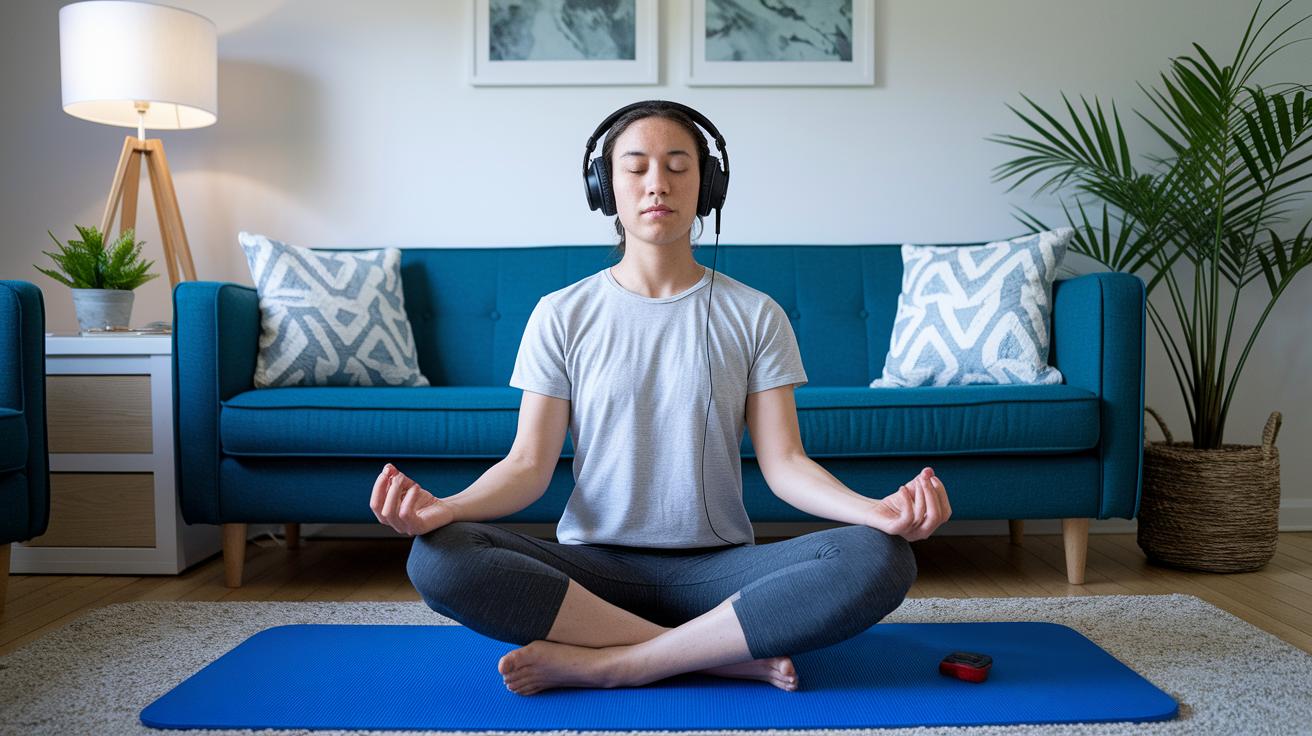
Every day, adding little mindful habits can really help you feel calmer over time. Just spending ten minutes paying attention to your thoughts in the morning can make a big difference. These tiny steps work together to bring a sense of balance to your busy day.

Starting your day with a short, quiet mindfulness session can gently set the tone. Sit somewhere peaceful, focus on your breathing, and let your thoughts float away like soft clouds. It really helps to ease your worries and prepare you for whatever comes next.

Later in the day, try doing some gentle yoga stretches in the evening. Moves like the child’s pose or placing your legs against a wall for about 20 minutes can soothe your body. This calming practice not only makes it easier to sleep at night but also tells your body it’s time to relax and unwind.

Simple self-care rituals, like writing in a journal, enjoying a warm bath, or taking a break from screens, create special pockets of peace in your day. These habits can help you feel lighter and more connected to your inner calm, almost like pausing to enjoy a quiet, comforting moment just for you.

Lastly, remember to take a short break, maybe every 90 minutes. These little pauses help you clear your mind and prevent that overwhelming feeling of burnout. It’s a small act that can really recharge your energy for the rest of the day.

Stress relief: Easy ways for calm moments

img-4.jpg

Holistic methods offer gentle, natural ways to help your body unwind. Research shows that a warm cup of chamomile tea might ease anxiety by about 20%, while spending just five minutes immersed in nature can lower stress hormones by roughly 13%. These trusted, evidence-based practices provide a safe break from everyday pressures.

Herbal remedies like chamomile and ashwagandha have been popular for generations. Imagine brewing a cup of chamomile tea for about five minutes to give yourself a soothing pause, it might just melt your stress away. Some moms even add ashwagandha supplements into their daily routine to support natural wellness.

Another simple tip is to use essential oils. A few drops of lavender oil in your diffuser can help relax you, potentially lowering stress levels by around 15%. You might also try inhaling a diluted blend from your wrist or a small handkerchief for that quick, calming moment during a busy day.

Listening to your favorite calming music or taking a short walk in a nearby park can also bring inner peace by reconnecting you with nature’s soothing energy. Together, these herbal, oil-based, and sensory techniques create a refreshing experience that nurtures both mind and body.

Stress Relief at Work: Office Calm Strategies

img-5.jpg

Every day at work can feel a bit like a whirlwind with endless emails, constant notifications, and hours spent at a desk that sometimes leave you with a sore back. It’s normal to feel overwhelmed when your day is packed and your body starts to feel the strain. Taking short, mindful breaks can help clear your head and ease the built-up tension.

Technique Duration Benefit
2-Minute Stretch Pause 2 min Helps ease muscle tension by about 30%
Guided Breathing Break 3 min Can slow your heart rate by roughly 15%
Posture Reset Exercise 1 min Improves how your back feels
Curated Calm Playlist 10 min Lifts your mood by around 20%
Digital Detox Interval 1 hr Reduces eye strain and screen fatigue by about 25%

When you weave these simple strategies into your work routine, you really start to feel a shift. Even a short pause for a stretch or a few deep breaths can act like a mini-vacation, refreshing both your mind and body. A quick posture fix might ease that nagging neck tension, and a few moments listening to calming music could brighten a stressful deadline. Stepping away from screens for a little while can also give your eyes and brain a well-deserved break. These small, thoughtful moments help turn stress into something you can handle, making your day just a bit more relaxed and productive.

Building a Personal Stress Relief Routine

img-6.jpg

Managing stress works best when you stick with it every day. Setting aside a little time just for you can help clear your mind and build inner strength. You might even grab a simple notebook and jot down your progress, perhaps a kind thought or that peaceful moment during a busy day.

Think of your routine in three easy parts. First, try a short daily journaling session; even 10 minutes of reflecting can help ease your worries. Then, plan a couple of guided imagery sessions each week to feel a bit more resilient. And finally, add in a gentle mind–body activity like tai chi or qigong for around 20 minutes daily. Writing something like "Today, I am grateful for a quiet moment" can serve as a nice little anchor.

As you make this routine a part of your day, feel free to change it up based on how you feel. If something isn’t clicking, try a new activity that fits your current energy and needs.

Every two weeks, take a moment to check your sleep and mood notes. This simple review can show you how well your routine is helping you unwind after work and calm your evenings.

Final Words

We jumped right in with quick techniques for immediate calm, using deep breaths, muscle relaxation, and mini mindfulness breaks to trigger the relaxation response. The article shared hands-on methods along with cognitive and natural approaches.

It also outlined ways to bring these practices into work and home routines. Even small practices can work wonders for stress relief. Keep experimenting with these tips and feel the steady lift in your mood.

FAQ

What are some effective stress relief products?

Effective stress relief products include items like aromatherapy diffusers, calming teas, and guided meditation apps that help ease tension and promote a relaxed state in your daily routine.

How can I relieve stress quickly?

Quick stress relief is achievable by practicing a few deep breaths, engaging in a short guided meditation, or taking a micro-break. These methods work fast to lower heart rate and ease tension.

What stress relief activities work best?

Effective stress relief activities include deep breathing exercises, progressive muscle relaxation, and brief mindfulness pauses. These techniques quickly lower tension and boost calm in moments of strain.

How can a woman relieve stress?

A woman can relieve stress through mindful self-care routines like gentle yoga, short meditation sessions, or calming journaling. These practices are adaptable to personal needs and promote overall well-being.

What does Stress Relief The Office refer to?

Stress Relief The Office focuses on simple workplace practices—like desk stretches, posture resets, and digital detox breaks—that reduce office tension and improve focus during busy workdays.

What are Stress Relief Tablets?

Stress Relief Tablets are medications or supplements aimed at easing anxiety. It’s wise to consult a healthcare provider to choose safe options that complement your overall stress management routine.

Can a Stress Relief song help reduce anxiety?

A Stress Relief song is designed to provide calming background music, often through curated playlists or ambient tunes, which can soothe the mind and lower feelings of stress during a hectic day.

What stress relief exercises can lower tension?

Stress relief exercises such as diaphragmatic breathing, progressive muscle release, and simple standing yoga postures work to lower muscle tension and increase calm by enhancing oxygen flow in the body.

How do I quickly lower stress?

Quickly lowering stress is possible with a few deep breathing cycles, a short guided imagery session, or a 2-minute mindfulness pause—each reducing heart rate and bringing immediate relief.

What are five warning signs of stress?

Five warning signs of stress include physical tension, irritability, difficulty sleeping, changes in eating habits, and trouble focusing. Recognizing these signs can help you take action promptly.

Is it “stress relief” or “relieve” stress?

Stress relief refers to methods that reduce stress, while “relieve” is the action of easing the tension. Both terms relate to the process of lowering stress but are used differently in context.

What is the greatest stress reliever?

The greatest stress reliever is a personal choice; many find that deep breathing exercises or brief mindfulness sessions provide immediate calm, making them a powerful tool tailored to individual needs.

Early Intervention For Motor Development Delays: Fast Gains

0

Have you ever noticed how a little change can bring such big benefits? Early help for motor delays can really brighten a child’s world. When little ones under three get gentle support to roll, crawl, and walk, they often make great progress. It’s like giving their little brains a friendly tune-up. This early support builds strong muscles, balance, and confidence for everyday tasks, setting them up for a smoother journey through childhood.

Understanding the Impact of Early Intervention on Motor Development Delays

img-1.jpg

Early intervention is all about helping little ones who may be having trouble with their movements. This gentle support is for kids under age 3 who need a little extra boost in building skills like rolling, crawling, and walking. It feels a bit like giving a friendly nudge toward more independence in daily life.

Imagine the young brain as a very flexible sponge that’s ready to learn when cared for properly. With the right kind of playful therapy, it can form the right connections for moving smoothly. It's like tuning up a musical instrument that’s still being built. Even small signs of delay can be met with warm, timely help, allowing children to enjoy better coordination and strength as they grow.

Here’s a look at what early intervention can do:

Benefit Description
Muscle Strength & Tone Helps build sturdy muscles that support movement
Balance & Coordination Makes everyday activities like crawling or walking feel safer
Posture & Range of Motion Encourages a healthy way to sit, stand, and move
Motor Milestones Supports key steps in growth such as rolling, crawling, and walking
Long-Term Independence Reduces future challenges and builds confidence

Starting this gentle care before age 3 lays a strong foundation for ongoing development. Quick, thoughtful action can make all the difference, setting your child on a smoother path to everyday independence.

Detecting Motor Development Delays with Screening Assessments

img-2.jpg

Regular checkups help us notice if a child is having trouble with motor skills. During these visits, simple tests compare a child's progress to common milestones. For instance, if a 9-month-old still can’t sit without support, parents and professionals might spot this early on. Parents fill out checklists while experts watch how the child moves, making it easier to find and address any issues early.

Tool Name Target Age Range Purpose
Ages and Stages Questionnaires 0 – 5 years Assess overall developmental progress
Denver Developmental Screening Test II 0 – 6 years Detect delays in fine and gross motor skills
Peabody Developmental Motor Scales 0 – 5 years Evaluate motor skill milestones
Bayley Scales of Infant Development 1 – 42 months Measure cognitive, motor, and language abilities

If screenings show a child isn’t meeting motor milestones, extra steps are taken. When a child consistently struggles with skills like balance or coordination, professionals will suggest more tests and a detailed review of their development.

Pediatric Physical Therapy Strategies for Motor Development Delays

img-3.jpg

Physical therapy can really help little ones improve their movements when they face delays. We use fun, proven exercises that help build strength, coordination, and fine motor skills. Therapists create routines with activities that match each child’s needs. This caring approach not only focuses on big moves like crawling and walking but also includes fun activities for everyday tasks that boost independence.

Building strength is a major part of pediatric physical therapy. Age-appropriate exercises help strengthen the core and leg muscles, which are important for standing, crawling, and walking. For instance, a therapist might lead a playful push-up game on a soft mat, making exercise feel like a fun game of mimic-and-move.

Coordination drills are another key area in therapy sessions. Simple balance exercises, like standing on one foot or walking along a short line, help smooth out movements and lower the chance of falls. Imagine a child practicing a little dance routine, where each step builds confidence and better balance.

Therapy also pays close attention to fine motor skills. Sessions may include activities that improve a child’s ability to grasp small objects and coordinate their hands and eyes. Therapists provide clear, easy routines that families can enjoy together at home. This makes everyday practice a fun way to build on the progress made during clinic sessions.

Multidisciplinary Care Approaches in Motor Delay Intervention

img-4.jpg

A caring team of experts, like physical and occupational therapists, speech-language pathologists, and pediatric neurologists, come together to create one clear plan for each child. They use simple, trusted tests to check a child's progress and make sure every part of their motor skills gets attention. This child-first approach brings different strengths together to focus on each little challenge.


One of the key ideas is to mix sensory activities with movement tasks. These activities help the child learn to plan and control their movements in a fun but organized way. Each team member shares their unique skills, making sure every activity helps the child move more smoothly and confidently.

When everyone works toward the same goals, the child often makes quick progress. It’s wonderful how clear, steady steps can really change everyday life. Families see the benefits when home and clinic techniques fit together so nicely. This friendly, team effort not only helps children reach important motor milestones, but it also builds a strong base for lasting independence and natural, healthy growth.

Home-Based Activities and Caregiver Support for Motor Skill Development

img-5.jpg

Caregiver training is key in early care. Hands-on workshops and guidance sessions help families pick up fun techniques to boost motor planning. This practical approach shows parents how to weave simple balance drills and gentle stretching into everyday activities. For example, a caregiver might roll a ball gently to help a child move more smoothly. Imagine setting aside a few minutes each day for a fun game that doubles as exercise for your little one. These ideas build confidence and make you a true partner in your child's progress.

Therapeutic play sparks creativity. Parents can set up a small obstacle course with cushions, have a rolling game with a soft ball, or create a little pretend-play routine that gets your child moving from one spot to another. These fun activities really work wonders in boosting both big movements and fine motor skills. Think about a lively course in the living room that turns an ordinary day into a mini adventure of balance and movement, filling the room with joy and natural progress.

Using simple adaptive equipment at home offers even more support. Tools like foam wedges, therapy balls, or adaptive seating create a safe way to improve posture and coordination. One great tip is to use a therapy ball as a playful seat. Picture your child giggling while trying to keep balance on a bright, bouncy ball. These handy tools help reinforce small wins in daily movement, making home a nurturing place for growth.

Monitoring Outcomes and Long-Term Benefits of Early Motor Intervention

img-6.jpg

We keep track of a child’s motor skills using simple checklists along with easy outcome measures. Therapists note important milestones like how long it takes a child to stand, how many steps they take, and how well they handle fine motor tasks such as holding small objects. Assessments happen every 3 to 6 months, comparing a child’s progress to well-known growth benchmarks. For instance, a therapist might observe when a child begins to stand on their own, then use that insight to adjust the therapy plan.

Standard tests and observation checklists work hand in hand to show just how much a child is improving. These evaluations look at changes in balance, coordination, and muscle strength over time. This way, both families and professionals can clearly see progress and make adjustments if a child needs extra help at any step. It really cuts down on guesswork and creates a clear record of every little mobility milestone.

Kids who get early help often end up needing fewer intensive services as they grow. They become more independent and gain confidence when taking part in everyday activities. When it’s time to start school, many of these children find it easier to adjust in class and with their friends. The early progress really sets a strong foundation for a smooth journey through the different stages of growing up.

Final Words

In the action of supporting early intervention for motor development delays, this article explored how physical therapy, screening assessments, and a collaborative approach can create strong support for growing children. We discussed practical caregiver ideas and hands-on activities that make a real difference. Tracking milestones and using evidence-based strategies highlights how each step matters. Every small improvement builds confidence, enriching both the child’s and the family’s daily life. Positive progress in these early stages paves the way for brighter, more enjoyable future outcomes.

FAQ

How to help a child with developmental delay, including at home?

Helping a child with developmental delay involves using early intervention steps like physical therapy sessions and simple home‐based activities. This supports motor and social skills while building confidence through daily play and routine observations.

What are examples and types of developmental delays and conditions, including motor delay?

Examples of developmental delays include motor delays (affecting movement), language delays, and social delays. These conditions can present in various forms, each influencing how a child learns and explores their world.

What are some of the causes of developmental delays?

The causes of developmental delays often include genetic factors, prenatal conditions, and complications during birth. Environmental factors and early health issues may also influence a child’s developmental progress.

How is developmental delay diagnosed?

Developmental delay diagnosis involves using milestone checklists and professional evaluations during routine pediatric visits. Experts compare a child’s progress with age‐specific benchmarks to determine if further intervention is needed.

Stress Management Techniques For Anxiety Spark Hope

0

Are you feeling overwhelmed by stress? You’re not alone. Many of us feel anxious and wonder if relief is within reach. Sometimes, simple actions like taking a slow, deep breath or moving gently can bring a little hope, even on hard days.

Studies show that mixing a few everyday methods, like easing your muscles, spending a few minutes in quiet meditation, or jotting down your thoughts, can help bring a sense of calm back to your day. This guide is filled with real ideas designed to help you ease stress quickly and create a plan to keep anxiety in check.

Let’s dive in and explore these steps together. Who knows? A small change might be just what you need to find the balance you truly deserve.

Top Evidence-Based Stress Management Techniques to Ease Anxiety

img-1.jpg

When you're overwhelmed by stress, it can lead to problems like anxiety, depression, high blood pressure, a weak immune system, or even burnout. The good news is that proven techniques can help ease your anxiety and boost your overall health. Research shows that small changes to your lifestyle and a few mindful practices can quickly lessen the harmful side effects of stress.

Using these tried-and-true methods gives you fast relief and helps keep your mind healthy for the long run. Techniques like taking deep breaths and doing aerobic exercise can calm you in a pinch, while practices like progressive muscle relaxation and mindfulness work to soothe anxiety right where it starts.

  • Deep breathing exercises
  • Progressive muscle relaxation
  • Guided imagery meditation
  • Brief meditation sessions
  • Aerobic exercise
  • Restorative yoga practice
  • Journaling for self-awareness
  • Setting healthy boundaries

Mixing a few different approaches lets you build a calm plan that fits right into your everyday life. Even if one method feels easier than others, slowly adding a variety of practices can spark hope and help you feel more in control of your anxiety. By combining quick relief techniques with regular self-care, you create a space where stress doesn’t have the chance to take over your body or your feelings. This blend of easy calming methods and steady lifestyle changes gives you a strong foundation to fight anxiety and bring balance back to your day.

Deep Breathing and Progressive Muscle Relaxation Practices for Anxiety

img-2.jpg

When you’re feeling anxious, taking a few mindful moments to focus on your breath and relax your muscles can work wonders. Deep breathing helps tell your body to slow down, and easing muscle tension gently dissolves stress. Experts and many friends in our community agree that these simple practices can really lower stress levels.

  1. Deep Breathing Steps

    1. Sit comfortably with your back straight.
    2. Breathe in slowly through your nose, filling your lungs with calm air.
    3. Hold that breath for a count of three (letting the oxygen do its magic).
    4. Now, exhale slowly through your mouth and feel the tension melt away.
  2. Progressive Muscle Relaxation Steps

    1. Start by gently tensing the muscles in your toes for a few seconds.
    2. Next, move to your leg muscles, squeezing them briefly before letting go.
    3. Tighten your tummy muscles to notice the tension building, then relax.
    4. Clench your hand and forearm, then allow the tightness to fade.
    5. Squeeze your shoulders gently, and then let them drop as the tension releases.
    6. Lastly, tense your jaw muscles for a moment and then relax to feel the difference.

Even spending just five to ten minutes each day on these practices can quickly bring calm and boost your confidence to manage stress. Have you ever felt a little more at ease just by taking a deep, mindful breath?

Mindful Stress Reduction Through Meditation and Guided Imagery

img-3.jpg

Taking a little time each day to practice mindfulness can really help ease your worries and build up a sense of hope. Even a few minutes of meditation or guided imagery invites a calm, quiet space where your mind can breathe and reset. These gentle techniques can become a powerful way to lower anxiety and bring a soothing sense of balance.

Brief Meditation Sessions

Try setting aside just five minutes each day for a quiet moment. Find a cozy spot, close your eyes, and focus on your breathing. You might even repeat a simple word like "peace" to help steady your thoughts. Over time, this small daily routine can help quiet your mind and nurture a calm inner strength.

Guided Imagery Meditation

Consider trying a guided imagery exercise called “Leaves on a Stream.” Picture each thought as a little leaf floating gently down a stream, drifting away with the current. If you need a bit of extra help, there are plenty of mental wellness apps available that guide you through calming, visual meditations. This exercise can help you let go of tension and invite clear, fresh thoughts.

Body Scan Mindful Awareness Drill

Start by noticing sensations in your feet and move slowly upward. As you check in with your legs, waist, chest, and head, take a moment to relax each area. This simple body scan helps you see where you might be holding stress and teaches you to treat your body with kindness and care.

Mixing these mindful practices into your daily routine can become a gentle source of comfort and help ease anxiety, making each day a bit lighter and more hopeful.

Movement and Tension Release Workouts to Reduce Anxiety

img-4.jpg

Moving your body often can really help lower stress and ease anxious feelings. A study with college students found that just two aerobic workouts a week can reduce stress and worry. Yoga is well-loved for its calming benefits because it gently eases tension and helps you relax. Even a quick, 10-minute walk in nature can lift your mood and clear your mind.

  • Quick 10-minute nature walk
  • 20-minute home yoga routine
  • 15-minute tension-release stretching series
  • Moderate cardio session
  • Short guided movement flow

Taking small movement breaks throughout the day helps keep stress hormones in check and makes you feel more balanced. Setting aside a little time for these workouts not only boosts your physical health but lightens the mental load of anxiety. By planning moments to move, you give your body a chance to reset and lower stress levels. Whether you're at home, outside, or in a nearby park, these simple exercises can become part of your daily routine and help keep anxiety at bay.

Lifestyle Adjustments and Self-Care Routines for Sustained Anxiety Control

img-5.jpg

Having a daily routine can truly help ease anxiety and keep your mind calm. Even small shifts , like choosing healthier foods, cutting down on screen time, or setting limits on work and social activities , make a big difference over time. These little changes support both your body and mind, paving the way for long-term comfort.

Adjustment Impact Recommendation
Diet Too many processed foods can boost stress Opt for whole, healthy meals
Screen Time Can disturb your sleep Limit use 1–2 hours before bedtime
Caffeine May cause sleep issues Keep it under 200 mg per day
Boundaries Overcommitting adds stress Learn to say no when needed
Procrastination Can lead to more worry Try using timed work sessions, like the Pomodoro method
Social Support Helps create a stress buffer Plan weekly catch-ups with friends

Building a peaceful life is all about those small, steady steps. Every time you choose a nourishing meal, give yourself a break from screens, or check in with a friend, you’re strengthening your ability to handle anxiety. Over time, these habits work like a team to push stress into the background, offering a gentle reminder that growth and balance are within reach every day.

Cognitive Anxiety Regulation and Acceptance Commitment Techniques

img-6.jpg

Sometimes our thoughts spark stress faster than we expect. When we let negative ideas take over, the stress can feel overwhelming. But remember, you don't have to battle every thought. Accepting feelings that are out of your control and focusing on what truly matters can help ease that anxiety and allow you to grow.

One approach is to try ACT exercises. Think about what really matters to you, your core values, and then plan small actions that match those values. It’s a gentle way to shift your energy from fighting inner battles to moving toward meaningful goals.

Another method is using DBT radical acceptance steps. Instead of trying to control every outcome, give yourself permission to let go. Recognizing that some things are simply beyond your grasp can help ease that constant pressure.

You might also find cognitive reframing tools helpful. When you catch yourself in a loop of negative self-talk, pause and ask if there’s another way to see the situation. By gently challenging those unhelpful thoughts, you can shift toward a more balanced and positive view.

If you ever feel stuck, consider reaching out to a professional, or mix these techniques with some physical activity or mindfulness. A little expert guidance paired with everyday exercises can build a strong, well-rounded plan to care for your overall well-being.

Final Words

In the action, we covered a range of tactics, from calming deep breathing and muscle relaxation to mindful meditation and movement exercises, that truly support both body and mind. We looked at healthy lifestyle adjustments and cognitive approaches that gently shift how we handle stress. Trying these stress management techniques for anxiety can help bring a sense of balance and peace to your day. Step forward with hope, trust in these practical ideas, and embrace a calmer, more confident way of living.

FAQ

Q: What are the five stress management techniques?

A: The five stress management techniques often include deep breathing exercises, progressive muscle relaxation, guided imagery, brief meditation sessions, and aerobic activity to help ease anxiety.

Q: How do I relieve stress quickly?

A: The method relieving stress quickly often involves a brief deep breathing practice, a moment of mindfulness, or a short walk that can help lower stress right away.

Q: What are 10 ways to cope with stress and how can I manage stress in life?

A: The ways to cope with stress and manage life include practicing relaxation techniques, scheduling movement breaks, journaling, setting healthy boundaries, using mindfulness drills, and building a supportive routine.

Q: How can a woman relieve stress effectively?

A: The strategy relieving stress for women often centers on self-care routines like gentle yoga, structured relaxation methods, and setting clear boundaries that support mental and emotional balance.

Q: What are effective relaxation techniques and quick relaxation techniques for anxiety?

A: The best relaxation techniques for stress and anxiety include deep breathing, progressive muscle relaxation, guided imagery meditation, brief meditation sessions, and light stretching or movement exercises.

Q: How do I deal with extreme stress and anxiety?

A: The approach dealing with extreme stress and anxiety often combines immediate calming techniques, such as controlled breathing and mindfulness, with longer-term strategies like journaling and support from loved ones.

Q: What is the 3-3-3 rule for managing anxiety and what is the 555 rule for anxiety?

A: The 3-3-3 rule and the 555 rule for anxiety both involve grounding techniques; one uses three elements from sight, sound, and touch while the other uses five elements from each sense to bring focus and reduce anxious feelings.

Q: What are the 5 A’s of stress management?

A: The 5 A’s of stress management refer to a framework that includes Awareness, Assessment, Adjustment, Action, and Aftercare to guide effective and mindful stress handling.

Postpartum Depression Symptoms: Embrace Early Support

0

Have you ever felt a soft, lingering sadness after your baby arrives? It’s like a quiet heaviness that sticks around even when you should be happy.

Sometimes, that tired feeling might hide worries deeper than the usual baby blues. A lot of moms face feelings that go beyond being just a bit sleepy. Every day can feel more challenging when these emotions weigh you down.

Catching these feelings early can really make a difference. When you notice that you're down all the time or feeling worried a lot, chatting with a friend or professional can help you find your balance again.

Getting help early means you can take back control, and soon, you might just find that familiar spark of joy returning.

postpartum depression symptoms: Embrace Early Support

img-1.jpg

After a baby is born, it’s normal for many moms to feel a bit down for a couple of days, this is often called the baby blues. But for some moms, the feelings go much deeper and stick around longer. Postpartum depression (PPD) usually starts one to three weeks after delivery and can last for many months, sometimes up to a year. It makes everyday tasks seem overwhelming and can drain your energy and confidence, making it hard to care for your little one.

Here are some signs that you or someone you know might be experiencing PPD:

  • Constant sadness or a low mood
  • Strong feelings of anxiety or panic
  • Feeling guilty, worthless, or blaming yourself
  • Crying often, even when you can’t explain why
  • Losing interest in things you once enjoyed
  • Trouble sleeping, whether it’s insomnia or sleeping too much, beyond normal tiredness
  • Pulling away from friends and family
  • Finding it hard to bond with or connect emotionally with your baby
  • Feeling extremely tired or having very low energy even after resting
  • Sudden mood swings and irritability

It’s important to remember that while many new moms have ups and downs, these signs are different. The baby blues are usually mild and fade away as your body adjusts after birth. PPD, on the other hand, is a deeper and more persistent change in mood. It affects how you feel, how you connect with your baby, and how you handle daily life. Recognizing these symptoms early on can really help. Once you know what’s going on, you can reach out for the support you need. Early help can lighten the load and guide you back to feeling more balanced and confident every day.

Risk factors and hormonal imbalance cues for postpartum depression

img-2.jpg

After giving birth, your body goes through lots of quick changes in hormones. These changes can make your mood swing, sometimes making you feel sad or worried. When estrogen and progesterone drop fast, you might feel anxious, down, or even question your role as a mom. Noticing these signs early helps you get the care you need.

Here are some things to look out for:

  • A sudden drop in estrogen and progesterone
  • A past history of depression or anxiety
  • Big stress at home, like money troubles or health issues
  • Little support from family or friends
  • Struggles with feeling like a good mom

Talking about these factors during your postpartum visits can really help. Sharing your own experiences or family history of depression or anxiety allows your healthcare provider to offer care that fits you best. Spotting these signs early means you and your care team can work together on simple steps to help you feel better. Remember, you’re not alone in this journey.

Physical and cognitive changes tied to postpartum depression symptoms

img-3.jpg

When you're dealing with postpartum depression, it’s not just about feeling a little tired or off. Your body and mind both go through changes that can make each day feel extra challenging. You might find that no matter how much you sleep, your body still feels exhausted, or that your mind is foggy, making even simple tasks feel overwhelming.

I know it can be really tough to keep track of these shifts, especially when you’re already juggling so much. Sometimes it feels like a gentle cloud is hanging over your thoughts, and that can make concentrating or remembering things a real struggle. Here are some common examples you might notice:

Change Type Examples
Physical Tiredness Feeling extremely tired even after resting
Mental Fog Struggling to focus and forgetting things
Sleep Disruption Having trouble falling asleep or sometimes sleeping too much
Decision-Making Finding it hard to make even small choices

Keeping an eye on these changes is really important. Noticing what’s happening can help you have a clear, honest conversation with your healthcare provider. After all, finding the right support might just be the first step toward feeling like yourself again.

Effects of postpartum depression symptoms on mother-infant bonding

img-4.jpg

Bonding is all about forming a warm, loving connection with your baby. This connection helps your little one feel safe and cared for as they start exploring the world.

When a mom goes through postpartum depression, she might feel sad, numb, or irritable. These feelings can make it tough to share those important moments like eye contact and gentle hugs that build a deep bond. Sometimes, a mom may miss those little moments of closeness, which means her baby might not feel as secure right from the start.

If bonding gets disrupted, children might struggle to trust others or express their feelings later on. These early bumps in attachment can affect how they make friends and handle emotions as they grow.

There are gentle ways to help mend that vital connection. Experts suggest trying mother-infant therapy, nurturing counseling, or joining community support programs. Even setting aside a few quiet minutes together can help bring back that warmth every day.

When to seek help for postpartum depression symptoms

img-5.jpg

Postpartum depression is something we can treat, and keeping an eye on your feelings can help spot any signs early. Many new moms are encouraged to chat about how they feel during postpartum and pediatric visits so that their mental health gets the care it deserves. Knowing that help is nearby can really ease your mind.

Here are a few steps that might be useful:

  1. Watch your feelings for more than two weeks.
  2. Try a trusted self-check (like the Edinburgh Postnatal Depression Scale or another online mental wellness test).
  3. Talk about your results with your OB-GYN or pediatric provider.
  4. If it seems right, ask for a referral to a mental health specialist.
  5. Look into local support groups or community programs for extra help.

Sometimes, it can feel scary or confusing to reach out for help when your emotions seem too overwhelming. But taking these steps can not only make your recovery a bit smoother, it can also stop the symptoms from taking a stronger hold. Reaching out early to a caring healthcare professional might just help bring you back to a more balanced and supported place.

Treatment options for postpartum depression symptoms

img-6.jpg

When you’re feeling down after having your baby, a care approach that mixes medical help with emotional support can make a real difference. This means combining therapy and medicine to help you start enjoying those precious moments with your little one again.

  • Talking with a licensed therapist using techniques like CBT (cognitive behavioral therapy) or IPT (interpersonal therapy) can help guide you.
  • A psychiatrist or OB-GYN may suggest antidepressant medication to help balance your mood.
  • Joining a peer support group or a community program can give you a safe space to share and learn from others.
  • Simple self-care steps like a bit of exercise, getting enough sleep, and eating well can also lift your spirits.

It’s important to tailor your care to your own needs. Working side by side with your healthcare provider lets you adjust treatments until you feel your best. Sometimes, even a little extra support from family can really brighten a tough day.

Regular check-ins with your doctor or someone you trust can help you notice your progress, making sure you’re moving toward feeling like yourself again. Listen to your feelings and be ready to change things if you need to. Every small step helps you recover and bring back that vibrant part of you.

Final Words

In the action of exploring mood changes, risk factors, and physical or cognitive cues, this article uncovers key postpartum depression symptoms. It shows how emotional distress after delivery can affect bonding and everyday life while highlighting when to seek help. We also shared treatment options ranging from counseling to community support so new parents can feel understood and empowered. Each section offers a clear view of what signs to watch for and the care available. Small steps can help turn challenges into a positive change.

FAQ

What causes postpartum depression?

The causes of postpartum depression include rapid hormonal changes after delivery, a history of depression or anxiety, significant stress or financial strain, and limited social support that may heighten feelings of sadness and anxiety.

How to fix postpartum depression?

The approach to fixing postpartum depression involves seeking professional help, such as therapy or medication, joining support groups, and practicing self-care like balanced nutrition and sleep management to relieve emotional strain.

When do you get postpartum depression?

Postpartum depression often develops within one to three weeks after birth but can show up anytime within the first year, especially when emotional and physical demands overwhelm a new mother.

What is the 5 5 5 rule for postpartum?

The 5 5 5 rule for postpartum is a guideline suggesting that if you experience symptoms like low mood, sleep issues, or social withdrawal for five days repeatedly over a span of five weeks, you should consider consulting your healthcare provider.

Impact Of Nutrition On Motor Development Fuels Progress

0

Have you ever wondered if a little change in what your baby eats might spark big improvements in how they move? New studies show that the right food gives your baby strong muscles and helps them get better at coordinating their movements, from grasping their favorite toy to learning to use a spoon.

In this piece, we share how healthy foods build a solid foundation for those important motor milestones. It’s amazing how what you serve can boost your baby’s growth and gently lead them toward more independence.

How Nutrition Impacts Motor Development Milestones

img-1.jpg

Good nutrition in those early months really sets the stage for healthy growth. When babies get a balanced diet, it helps them build strong muscles, think better, and build a sturdy immune system. Researchers say that good food gives little ones the boost they need to hit motor skill milestones, which builds the foundation for a lifetime of movement.

Nourishment is like the building blocks for both the brain and the body. When a baby eats foods rich in key nutrients, it helps their muscles grow and improves their coordination. Imagine a baby grabbing a toy for the very first time, a raking grasp that usually starts around 6 months. It may seem small, but it shows how proper nutrition supports muscle control and early independence.

As babies grow, they naturally move toward more complex movements. Around 7 to 9 months, many develop a simple pincer grasp by using their thumb and index finger to hold things. This skill isn’t just important for feeding themselves, it also helps with problem-solving and hand-eye coordination. By the time they’re 12 months old, you might see a more refined pincer grasp, and by 15 months, many babies are even using utensils consistently. Each of these steps is closely connected to the nutritious foods they enjoy every day.

Age Motor Milestone
~6 months Raking grasp
7–9 months Crude pincer grasp
12 months Refined pincer grasp
15 months Consistent utensil use

Good nutrition now not only boosts these early motor skills but also lays a strong foundation for your child’s overall physical development as they grow. Isn’t it amazing how a little change in the diet can make such a big difference?

Macronutrients and Neuromuscular Coordination

img-2.jpg

When our little ones eat the right mix of foods, it helps their muscles and nerves work together so well. Proteins are like the building blocks that form nerve cells and muscle fibers, giving them the strength they need for every hug, grab, and step. Carbohydrates and fats, on the other hand, fuel these movements, even the tiniest ones, so babies can explore and play happily.

Ever notice how a well-oiled machine works smoothly? That’s kind of like omega-3 fatty acids in a baby's diet. They keep nerve cell membranes flexible, allowing signals to zip around quickly. When babies enjoy meals full of lean proteins, whole grains, and healthy fats, all these nutrients team up to boost their coordination. This steady energy helps the nerves and muscles repair, grow, and communicate with each other.

It’s amazing to watch as a baby goes from clumsily grasping a toy to holding it with more control. A colorful meal with lots of nutrient-rich foods can even help a child learn to use small utensils later on. Seeing these small improvements in their fine and gross motor skills is a true joy for any parent.

Role of Micronutrients in Movement Skills Acquisition

img-3.jpg

Micronutrients might be small, but they sure pack a big punch when it comes to your child's movement and exploration. Iron, for example, brings oxygen to active muscles. Without enough iron, even simple actions, like reaching for a toy, can become a real challenge. Have you ever noticed how a little lack of iron might slow things down? It’s a key nutrient for hitting those important movement milestones.

Vitamin D helps your child’s body soak up calcium, which builds strong bones and muscles. Think of it as nature’s little helper, making sure every muscle move counts. Just like trying to build a house without enough cement, without vitamin D, calcium can’t do its job properly.

Then there’s calcium itself, which is vital for muscle contractions and physical strength. It supports everything from a baby’s first sit-up to running around during play. Even a tiny shortage can slow progress by affecting balance and coordination.

Zinc is another important player that helps keep the signals between the brain and muscles clear. It makes sure fine and big movements happen smoothly and even aids tissue repair when little bumps occur during play.

By focusing on a balanced diet full of these key micronutrients, you’re giving your child the strength and coordination needed for each milestone. A little attention to nutrition today can lay a wonderful foundation for a lifetime of fun and movement.

Breastfeeding, Complementary Feeding, and Early Motor Progression

img-4.jpg

Exclusive breastfeeding for about six months gives babies a gentle, balanced blend of nutrients and growth factors that support their muscle and nerve growth. It’s a really nurturing beginning that helps them build the strength they need for early movements, kind of like giving a young plant just the right amount of water and sunlight.

Around six months, many little ones hit a milestone. They can sit with a little support and usually double their birth weight, reaching roughly 13 to 15 pounds. This is when complementary feeding usually starts. Adding solids with a mix of textures can make a big difference. It helps transition from a simple, raking grasp to a more refined pincer grasp that you often see between seven and nine months. Imagine it as stepping up from a basic tool to one that lets them pick up small bits on their own.

Parents might find it really helpful to check out resources like a beginner’s guide to weaning foods or ideas for infant first foods. These guides offer playful suggestions that link food textures with motor skill milestones, encouraging more independence and smoother overall movement as your baby grows.

Dietary Patterns Beyond Infancy: Home-Prepared Meals and Coordination

img-5.jpg

When you serve home-cooked meals, you bring a sense of comfort and care into your child’s daily routine. Preparing food at home means offering a colorful mix of proteins, carbs, and fats that help build strength and support smooth, growing motor skills. Picture a plate filled with vibrant veggies, lean meats, and hearty whole grains, simple choices that pack a punch for energy and coordination.

Healthy eating habits at home can even help keep later health issues, like obesity, at bay. And yes, school meals count too! When your child’s school serves nutritious options, it keeps their energy steady for both play and learning. It’s like building a strong foundation that supports every step they take through the day.

Benefit How it Helps
Balanced Nutrients Ensures steady strength and endurance
Vitamins and Minerals Boosts brain and motor skill development
Smart Eating Choices Promotes overall coordination and physical function

Combining home-prepared meals with nutritious school options creates a strong support system for fine and gross motor growth all day long. Have you ever noticed how a small change in daily eating can brighten your child’s mood? It’s a gentle reminder that every thoughtful choice helps them grow with strength and joy.

Hydration’s Effect on Physical Dexterity in Children

img-6.jpg

When kids drink plenty of water, their muscles and nerves work together like a caring, well-practiced team. Staying hydrated means their body sends clear signals and keeps joints moving smoothly, almost like a gentle oil on a door hinge. Think of water as a little helper that makes it easier for children to do small tasks as well as bigger movements without feeling worn out. Even a small drop in water intake can make simple actions, like picking up a tiny toy, feel a bit more difficult and slow down their quick reactions.

Imagine playing your favorite game on a hot day without taking a moment to drink water, it can really hold you back. With enough water, your child’s muscles can keep going strong, whether they're quietly coloring at a table or laughing and running around at recess. A few extra sips here and there can make every moving moment feel light and full of energy.

Public Health Nutrition Strategies for Enhanced Motor Outcomes

img-7.jpg

At the community level, there are simple ways to help every child build stronger motor skills. When nutrition lessons are a part of childcare and school programs, kids not only learn about healthy eating but also get the steady nutrients they need to move and explore. Imagine a teacher in class saying, “Food is like fuel for your body,” making the idea clear and fun. Free school breakfasts and similar programs help even out differences in food access and support important physical growth, especially in areas where healthy meals are hard to find.

Research shows that offering many essential nutrients can help children develop better agility and coordination, especially if their diets are lacking. It’s not just about the food, though, it’s also about encouraging good hydration by making water easy to reach. When programs teach families how to prepare balanced meals at home and mix in public feeding support, they create a caring, all-around approach.

  • Nutrition lessons in schools
  • Government feeding programs
  • Focus on offering a range of nutrients
  • Emphasis on drinking enough water

Together, these ideas build a system that supports every child in moving confidently towards a healthier tomorrow.

Final Words

In the action, we saw how food choices power little ones through key motor milestones, from early breastfeeding to home-prepared meals. Small amounts of macronutrients and essential vitamins set the base for coordinated movements and muscle control. We walked through how hydration and public health strategies support these efforts every day. The impact of nutrition on motor development highlights that each healthy bite fuels confidence and growth. Stay positive, every nutrient-rich meal brings a step closer to thriving, playful days ahead.

FAQ

How does nutrition affect cognitive and brain development in early childhood?

Good nutrition supports brain growth and learning by providing essential vitamins, minerals, and energy. This helps build strong neural connections and enhances overall cognitive skills in early childhood.

What is the role of nutrition in a child’s overall growth and development?

The role of nutrition in a child’s growth is to supply key nutrients that support physical, motor, and cognitive milestones. This balanced intake leads to healthy progress and everyday resilience.

How does nutrition affect motor development in children?

Nutrition affects motor development by fueling muscle growth and coordination. A balanced intake of proteins, fats, and carbohydrates helps children master milestones, like grasping and walking, effectively.

Can poor nutrition cause developmental delays in children?

Poor nutrition can lead to delays by depriving the body and brain of essential resources needed for reaching physical, motor, and cognitive milestones. Early balanced nutrition supports steady development.

What does Piaget say about nutrition in child development?

Piaget did not specifically address nutrition. His work focused on cognitive development stages, yet proper nutrition remains essential in supporting the brain growth that underlies his developmental theories.

Where can I find PDFs and detailed sources on nutrition and brain development?

PDFs and detailed studies on nutrition and brain development are available from academic institutions and trusted health websites, offering comprehensive insights for both professionals and parents.

Foods That Increase Milk Supply: Radiant Nursing Energy

0

Have you ever thought that everyday foods might help boost your milk supply? Many moms notice that foods like oats, fenugreek (an herb known for its benefits) and almonds can do more than just provide key nutrients. They can support your body in a natural way while giving you a little extra energy.

Imagine having a snack or meal that not only fills you up but also gives your baby the nourishment they need. In this guide, we’ll chat about how these wholesome choices can gently enhance milk production and make your nursing days feel a bit brighter.

It’s amazing how a few simple ingredients can make such a difference. Give it a try and see how small changes can bring a big, warm boost to your day!

Top Foods that Increase Milk Supply Naturally: Radiant Nursing Energy

img-1.jpg

When you're caring for your little one, simple foods can make a big difference in supporting your milk supply. Oats, fenugreek seeds, brewer’s yeast, fennel, spinach, and almonds all work gently with your body to help boost milk production. For example, oats are full of beta-glucan that can help your body create the right hormones for milk and also offer protein and iron that both you and your baby need. And fenugreek seeds? They might start helping in just a couple of days. Brewer’s yeast is a mom favorite because it adds extra protein and B vitamins in a natural way.

Mixing these foods into your everyday meals means you're giving both you and your baby important nutrients for making milk. Not only do these natural choices boost breast milk, they also provide steady energy and balanced nutrition during this special phase. Plus, their simple profiles mean they’re easy to include in your daily routine.

Food Benefit Key Nutrients/Info
Oats Boosts milk supply Beta-glucan; about 4 g protein and 3.8 mg iron per ½ cup cooked
Fenugreek Seeds May increase milk production quickly Contains diosgenin (a natural phytoestrogen)
Brewer’s Yeast Adds extra protein and vitamins About 8 g protein and essential B vitamins per 20 g serving
Fennel Tea Gently supports milk production Provides anethole (a compound with mild estrogen-like effects)
Spinach & Leafy Greens Support healthy milk synthesis Rich in calcium and iron
Almonds Give you energy while nursing Vitamin E, protein, and healthy fats

You might try stirring oats into your morning smoothie, baking some lactation cookies with brewer’s yeast, or enjoying a warm cup of fennel tea. Toss a handful of spinach and almonds into a fresh salad, and add a pinch of fenugreek to your favorite recipe. Every little change can naturally support your milk supply throughout the day.

Protein-Rich Foods and Lactating Mother Nutrition

img-2.jpg

Protein is super important for making milk, and it helps your body produce hormones and key milk proteins. Most moms need around 71 grams of protein a day. Foods like lean chicken, fish, eggs, and dairy give you complete proteins that have all the things your body needs. Plant options like beans, tofu, quinoa, and nuts are great too, plus they give you fiber and other good nutrients. Together, they help your milk-making process and keep you feeling energized all day long.

It’s a nice idea to spread your protein intake throughout the day. You might enjoy eggs or a yogurt parfait for breakfast, a chicken or fish wrap at lunch, and a tofu stir-fry or bean chili for dinner. And if you need a snack, try a small handful of nuts or a protein smoothie. Mixing these protein sources not only keeps your blood sugar steady but also supports a steady milk supply. It’s like giving both you and your baby a nourishing treat with every meal.

Hydration and Fluids to Support Milk Production

img-3.jpg

When you’re nursing, drinking plenty of water is really important. Try to have around 3 liters every day so your body has what it needs to keep your milk flowing. Water is the simplest way to stay hydrated, and it helps your body work naturally.

Herbal teas, like those made with fenugreek, fennel, or red raspberry leaf, are a gentle treat. They not only refresh you but also add natural plant compounds (called phytoestrogens) that might help support your milk production. It’s like adding a warm, comforting moment to your day.

You might want to skip on sugary sodas and those high-caffeine energy drinks. They can throw off your nutrient balance and might even affect how much milk you make.

Another easy option is a smoothie. A well-made smoothie can give you hydration, energy, and important vitamins, all in one tasty drink. For example, try blending oats, spinach, berries, and a little flaxseed. This drink isn’t just a way to get your fluids in; it also packs in good ingredients for a balanced lactation diet.

Mixing in these drinks throughout your day can help you feel vibrant and cared for, while giving your baby the nutrition they need.

Herbal Lactation Supplements and Spices for Improved Milk Yield

img-4.jpg

Fenugreek is a lovely, natural herb many moms turn to. It contains a special compound called diosgenin, which might help your body release more of the hormone prolactin (the hormone that helps with milk production). Some small studies suggest that 1 to 6 grams a day can boost milk quickly. But if you’re just starting out, try a little first, a pinch in your morning smoothie can be a gentle introduction, especially since some moms report diarrhea when taking too much.

Fennel offers another gentle option. Brewing fennel tea lets you enjoy nature’s gift in a warm, soothing cup. Just steep 1 to 2 teaspoons of fennel seeds in a cup of hot water for about 10 minutes. It’s a comforting ritual after a meal. Still, if your little one is prone to colic, keep an eye on reactions as you sip.

Blessed thistle is another herb that many moms use to try to improve milk flow. Typically, a dose of 500 mg twice a day is used, and while large studies haven’t confirmed its effects, many moms feel it helps. If you have allergies or health concerns, it’s wise to chat with your healthcare provider before adding it to your routine.

Moringa is a nutrient-packed leaf that supports lactation in a gentle way. Loaded with vitamins A and C, along with calcium and iron, it can enhance both the amount and quality of your milk. Early research suggests that about 5 grams each day may offer benefits. You could stir some moringa powder into your yogurt or blend it into a nutrient-rich shake, giving you that extra nourishing boost.

Lactation Meal and Snack Ideas to Maintain Supply

img-5.jpg

Adding recipes that help boost your milk supply can be really simple and fun. You can mix in special ingredients into your everyday meals to feel nourished and care for both you and your baby. These tasty ideas also pack key nutrients that support lactation.

They are quick and easy to make so you can spend more time enjoying moments with your little one. With simple prep and wholesome ingredients, these recipes help keep your milk supply steady during your busy day. It’s a little way to bring extra energy and comfort into your routine.

  • Oatmeal Cookies: Stir together 1 cup of oats, ½ cup of brewer’s yeast, 2 tbsp of flaxseed, and ¼ cup of almond butter to make 12 cookies. They add a nice boost of protein.
  • Trail Mix: Mix almonds, pumpkin seeds, and dried apricots for a snack you can take anywhere. A small ¼ cup serving gives you extra energy and minerals.
  • Red Lentil Soup: Let red lentils cook slowly with carrots, spinach, and ginger for a warm, cozy bowl. This dish is packed with protein, iron, and soothing spices.
  • Green Smoothie Bowl: Blend a banana, spinach, oats, and chia seeds to create a thick, tasty bowl. It is filled with fiber, protein, and omega-3 fats.

Mix and match these ideas to balance your energy and keep your milk supply strong. Enjoy a warm bowl of soup for lunch, a bright green smoothie bowl in the morning, a few cookies as an afternoon treat, or grab a handful of trail mix on the go. Each option gives a delicious boost for you and your baby while adding extra nutrition to your meals.

Balancing Macronutrients and Essential Nutrients in a Lactation Diet

img-6.jpg

When you’re breastfeeding, you need about 450–500 extra calories a day to help your body make enough milk. A simple way to think about this is to aim for roughly 45–65% of your calories from carbohydrates, 20–35% from fats, and about 71 grams of protein each day. These key ingredients work together to support milk production while also taking care of your body. Plus, getting around 1,000 mg of calcium, 9 mg of iron, 10 µg of vitamin D, and 550 mg of choline daily can keep your bones strong, boost your immune system, and improve your overall health.

Planning your meals with whole grains, lean proteins, healthy oils, and a rainbow of fruits and vegetables is a caring way to meet these goals. Imagine starting your day with a warm bowl of oatmeal mixed with berries and a splash of almond milk. Then enjoy a lunch of grilled chicken paired with a bright, crisp salad. Finish with a dinner featuring quinoa and steamed vegetables , a mix that not only fills you with energy but also makes planning meals feel like a little moment of self-kindness.

Final Words

In the action, this post clearly showed how a mix of galactagogue foods, protein-rich meals, and hydrating fluids can support milk production. It explained the benefits of foods that increase milk supply, highlighting natural helpers like oats and spinach for everyday use.

The article also offered practical meal ideas and smart ways to balance nutrients for both mother and baby. Enjoy these insights and remember that every small step helps nurture both your well-being and your family's happiness.

FAQ

What foods naturally help increase milk supply naturally?

The foods that help increase milk supply naturally include oats, fenugreek seeds, brewer’s yeast, fennel, spinach, and almonds. They provide key nutrients and active compounds that support milk production.

How does protein support lactation for breastfeeding mothers?

The protein in lean poultry, fish, eggs, dairy, legumes, tofu, and nuts aids in hormone production and milk synthesis. It helps maintain steady energy levels and supports the tissues needed for lactation.

How much fluid should lactating mothers drink to maintain milk production?

The recommended fluid intake is around 3 liters daily. This includes water, herbal teas, and nutrient-rich smoothies, which collectively help keep milk production steady and support overall hydration.

How do herbal lactation supplements like fenugreek, fennel, blessed thistle, and moringa aid milk yield?

These herbal supplements provide natural compounds that support milk production. Fenugreek, fennel, blessed thistle, and moringa offer ingredients linked to hormone support and enhanced milk nutrient content.

What lactation-friendly meal and snack ideas can help sustain milk supply?

Lactation-friendly recipes include oatmeal cookies with brewer’s yeast, red lentil soup with spinach, green smoothie bowls, and trail mixes with almonds and pumpkin seeds. These meals combine nutrients to support continuous milk production.

What key nutrients should be included in a balanced lactation diet?

A balanced lactation diet includes extra calories along with carbs, healthy fats, and about 71 g of protein. Key nutrients are calcium, iron, vitamin D, and choline, all of which support milk quality and maternal well-being.

Infant Constipation Juice Comforts Little Tummies

0

Have you ever noticed how a little juice can help ease your baby's tummy troubles? Many moms and doctors trust prune juice because it’s full of fiber and natural sugars that help your baby go more easily. It feels like a gentle hug from the inside. Today, we’ll talk about why prune, apple, and pear juices are popular choices for easing infant constipation. Plus, we’ll share some safe tips to serve them so your baby always feels cared for and comforted.

Infant constipation juice comforts little tummies

img-1.jpg

Prune juice is a favorite because it's full of fiber, natural sugars, and a special natural sugar called sorbitol (it gently softens poop). Pediatric experts say that using 100% prune juice works well since its natural qualities help draw water into the colon for smoother bowels. It’s like giving your baby’s tummy a soft, comforting whisper.

Apple juice is another good choice. Pure apple juice has natural sugars that help the tummy in a gentle way. Many parents also find that pear juice is helpful because its natural ingredients support a regular tummy routine without being too strong. And if you’re looking for a little extra benefit, an orange blend not only tastes refreshing but also adds a boost of vitamin while helping digestion.

Usually, you might serve about 1–2 ounces of the juice once a day and keep an eye on how your little one responds. It can take a little time, so it’s important to be patient and give the juice a chance to work its magic.

These natural juice ideas offer a calm, caring way to help your baby’s digestion, easing constipation gently one day at a time.

Safe Serving Recommendations for Infant Constipation Juice

img-2.jpg

Babies under 2 months should not have any fruit juice. Their little tummies need breast milk or formula because these give them all the nutrients they need at this early stage. Once your baby grows a bit older, especially before 12 months, it’s a good idea to chat with your pediatrician before adding any juice. Getting advice from a doctor helps make sure your baby’s delicate tummy is cared for.

When your child is 12 months old, you can offer up to 4 ounces (118 ml) of plain prune juice each day to ease constipation. Prune juice works well because it contains a natural ingredient (sorbitol) that gently supports digestion while keeping the good nutrients from breast milk or formula intact. Also, remember that water isn’t a proper substitute since it might affect how well your baby absorbs nutrients. If you’re just starting to introduce solids, you might find this guide on infant first foods really helpful in recognizing when your little one is ready.

It’s a good idea to use a clear measuring cup or a calibrated medicine syringe to ensure you give the right amount every time. Keep an eye on how your child responds, and if you ever feel unsure or notice any issues with their digestion, don’t hesitate to talk with your pediatrician.

Preparing DIY Infant Constipation Juice at Home

img-3.jpg

Start by picking whole prunes that are 100% pure and free from any chemicals. Give them a good rinse, then place them in a saucepan along with some filtered water. Let the prunes simmer for about 10 to 15 minutes, or if you prefer, simply soak them in warm water so they soften in a gentle, loving way.

Once the prunes are soft, put them and the water into a blender and blend until the mix is smooth. Then, strain the mixture through a fine mesh sieve to remove any solids. Imagine it like making a smooth dessert puree that soothes your baby's delicate tummy, it’s like preparing a naturally sweet treat that also brings comfort.

For your little one, dilute the juice by mixing 1 part juice with 3 parts filtered water. If you have a toddler, they might enjoy the juice undiluted. Lastly, store your homemade juice in a sealed container in the fridge and make sure to use it within 24 hours to keep it safe and fresh.

Safe Serving Recommendations

img-4.jpg

When it comes to giving your little one some juice, keep it simple. For infants, aim to serve 1 to 2 ounces of diluted juice each day. Once your child turns 12 months, you can offer up to 4 ounces of regular prune juice daily. Think of it like following a treasured family recipe, using a calibrated medicine syringe or a clear measuring cup makes sure every measurement is just right.

Here’s a friendly step-by-step plan:

  • First, check the recommended amount for your child’s age.
  • Then, split that amount into one or two small servings throughout the day.
  • Next, use a reliable measuring tool to make sure the dose is accurate.
  • Finally, keep a quick log noting how much juice was given, when it was served, and how your child reacted.

This guide helps you prepare and give juice with care, ensuring every serving is measured with love and precision.

Monitoring and Precautions for Infant Constipation Juice Use

img-5.jpg

Watch your baby's reactions closely when you use juice to help ease constipation. Even though ingredients like sorbitol (a mild ingredient that helps soften stools) work gently, too much can sometimes lead to loose stools or an upset tummy. It’s always a good idea to chat with your pediatrician before adding any fruit juice to your baby’s daily routine, especially if they’re under one year.

If you see signs like a swollen tummy, blood in the stool, or if the constipation sticks around for more than three days, stop giving the juice and reach out to your doctor. And don’t try using any over-the-counter laxatives or extra medications unless your healthcare provider suggests them.

  • Keep an eye out for diarrhea or stools that are softer than usual over an extended time.
  • Notice any unusual changes in your baby’s comfort, like if they seem extra fussy or cry when their tummy is upset.
  • It might help to jot down a little note each day about the juice servings and any changes you see.

Following these simple steps can help make sure that the juice stays a gentle and doctor-approved way to relieve constipation, all while keeping your baby safe and comfortable.

Troubleshooting and Tracking Progress with Infant Constipation Juice

img-6.jpg

Start by keeping a simple log where you note your baby’s bowel movements, how soft or firm the stool is, and how much effort it takes for them to pass it. For example, you might write, "Yesterday, after the juice, the stool was soft and came out easily within 24 hours." This little record can help you see if things are getting better within 24 to 48 hours after you start giving the juice.

If you don’t notice any changes after three days, it might be time to take another look at a few details. You could try changing how much you dilute the juice, how often you give it, or even use a different kind of juice. Think of it like tweaking your favorite recipe until it really works for your little one.

Also, pay attention to how your baby acts. For newborns, a bit of straining or grunting can be normal, but for older infants and toddlers, these signs might mean they are really constipated. Watching these behavior changes can help you decide if the juice is doing its job.

Here are a few key steps:

  • Write down daily details about how much juice your baby has and their bowel movements.
  • Note any changes in the stool or behavior.
  • Try a different juice type or serving size if nothing seems to be working.

By keeping track of the fluids, food, and bowel patterns, you can adjust the plan as needed, making sure your baby stays as comfortable as possible.

Final Words

In the action, this article has shown how to use infant constipation juice safely and effectively. We covered juice remedies, safe serving amounts, DIY preparation, accurate dosage, and careful tracking of your little one’s response.

These steps help turn concerns into clear, manageable actions. Remember, a few small adjustments can make a big difference, and every positive change feels like a gentle win for both you and your baby.

FAQ

Q: What are safe constipation remedies for a one-month-old or two-week-old baby?

A: For newborns under two months, the natural diet of breast milk or formula is best. Gentle tummy massage and other soothing measures are recommended, and a pediatrician should be consulted before adding any juice.

Q: What are effective constipation remedies for a two- to three-month-old baby?

A: At two to three months, a doctor’s guidance is needed before using any juice remedy. Parents should continue with regular feedings while considering gentle techniques if advised by a healthcare professional.

Q: What juice is best for easing infant constipation?

A: The best juice choices for infant constipation are 100% prune, apple, or pear juices. These juices help soften stools with natural fiber and sorbitol, and a doctor’s advice is essential before use.

Q: Is apple juice safe for a baby with constipation?

A: Apple juice can help ease constipation in older infants, but it should only be used after consulting with a pediatrician. It must be served in small, safe amounts alongside regular, nutritious feedings.

Q: Can I give my two-week-old apple juice for constipation?

A: For a two-week-old baby, apple juice is not recommended. Infants this young should rely on breast milk or formula, and any alternative remedy should be approved by a pediatrician.

Q: How can I relieve my baby’s constipation fast?

A: Quick relief may include gentle tummy massage and keeping up with regular, nourishing feedings. If a small amount of diluted juice is considered, it should only be given under strict medical supervision.

Q: How do I dilute juice for infant constipation?

A: To dilute juice safely, mix one part juice with three parts water. This ratio helps reduce the juice’s strength, making it gentler on your baby’s digestive system when used under doctor’s advice.

Tips To Improve Motor Development In Toddlers: Thrive

0

Have you ever noticed that playful moments can help your toddler go from wobbly steps to confident strides? Some moms might think motor skills just develop on their own, but a bit of fun and movement can really boost your little one’s coordination and strength. Mixing simple hand activities with active play creates a safe space where your child can explore and grow. These everyday ideas show how fun actions help raise motor skills while letting your child feel more independent. Every move is a chance for a little adventure.

Core Strategies to Boost Toddlers’ Motor Development

img-1.jpg

When you mix fun, little hand tasks with big body moves at home, it creates a great start for toddlers to learn how to move and explore. These playful activities, whether with colorful blocks or soft, textured balls, help kids grow both physically and in their thinking. Imagine your little one reaching out to explore a new toy, it's like their very own adventure right at home.

By blending simple art projects like coloring and playing with playdough with more active games such as playing catch, you create a loving space where your toddler feels safe to try new things. They learn to grip a crayon and also run or jump around, building up both hand strength and body coordination. It’s really all about balancing fun and learning in a routine that builds confidence.

  1. Let them explore with sensory toys like textured blocks and soft balls to spark curiosity and movement.
  2. Enjoy creative time with activities like drawing, coloring, or playing with playdough to boost hand-eye coordination.
  3. Have round after round of a gentle catch game with a soft ball to practice hand-to-eye focus.
  4. Encourage balancing on one foot to develop spatial awareness and better coordination.
  5. Create a little obstacle course at home where they can move, stretch, and safely navigate little challenges.

These simple activities work together, letting your toddler move freely while gently guiding them through more planned exercises. This mix of spontaneous play and little lessons teaches them to use both their tiny hands and growing bodies, helping them gain independence and everyday physical confidence.

Indoor Active Play Ideas for Gross Motor Growth in Toddlers

img-2.jpg

Active play at home is a fantastic way to help your toddler build strength and coordination while having fun together. These ideas are safe and easy to set up, turning everyday spaces into playful adventures.

Try a homemade obstacle course by arranging soft cushions, blankets, and other toddler-safe objects in a clear space. Imagine laying out a mini-slalom made of pillows that your little one can weave through as you cheer them on. Just be sure the path is free from any sharp edges.

For a fun twist, play a gentle ball toss game. Using a soft ball, gently roll it back and forth to help improve hand-eye coordination. You can adjust the distance as your child grows, making it a little more challenging over time.

Another idea is a tape path balance challenge. Use a piece of tape to draw a wide, simple line on a smooth floor and invite your child to walk along it. Picture it like a fun, safe tightrope walk, perfect for boosting balance and concentration.

You can also set up a block-stacking race. Provide building blocks with smooth, rounded edges and challenge each other to see who can stack them the fastest. Once they're built, carefully knock them down together to spark a sense of friendly competition and teamwork.

A sensory bin crawl is another creative option. Fill a shallow box with different fabric scraps or safe toys that offer varied textures. Encourage your toddler to explore the bin while you comment on the interesting textures they're feeling, it turns playtime into a sensory adventure.

Lastly, try a puzzle relay. Place a small puzzle at one end of the room and have your child run to add a piece, then dash back for the next one. This activity not only makes puzzling fun but also gets them moving, and you can change up the challenge as they improve.

These indoor activities are a gentle way to build your toddler’s coordination and confidence, all while turning your home into a safe and exciting play space.

Techniques to Stimulate Toddlers’ Fine Motor Skills

img-3.jpg

Fine motor skills help little ones work with small objects like spoons, crayons, and toys. These small movements build the confidence kids need to become more independent every day. Think about how exciting it is when your toddler finally masters holding a crayon or using a fork on their own.

Peeling stickers is a super fun way to boost a child’s pincer grasp and improve hand-eye coordination. Ripping paper helps too by strengthening tiny hand muscles and teaching both hands to work together. Imagine your child slowly peeling a sticker of their favorite cartoon character, it's like revealing a little secret!

Placing coins into a piggy bank can also be a fun game that teaches precision and helps them see details better. Playing with clothespins, on the other hand, helps develop a firmer pencil grip and a better sense of body awareness. These simple games not only keep your toddler entertained but also help them gain more control over their hand movements.

Everyday tasks can be turned into great practice sessions. Buttoning a shirt, zipping up a jacket, or using a fork at mealtime all help build these skills. It’s all about creating those little moments of practice that slowly build their independence in a caring, playful way.

Designing Structured Movement Routines for Toddlers’ Physical Development

img-4.jpg

Creating a steady routine for your little one builds trust and helps them learn new movements one step at a time. Regular, planned play not only boosts your toddler’s energy but also improves balance and coordination. Keeping a simple diary or chart to track these routines lets you notice all the small, wonderful improvements.

Try this idea: plan for three 10-minute sessions spread throughout the day, each with a fun theme. In the morning, start with a joyful dance and movement warm-up. Think of it like a playful toddler yoga session with easy stretches and simple animal walks , just imagine your child pretending to be a cuddly bear as they crawl gently on the floor. Then, around midday, take a walk outside where you can add a tiny treasure hunt. Let your toddler march and step over small, safe obstacles while exploring nature. As the day slows down, set up an indoor session focused on balance with activities like standing on one leg or doing little stretches.

As your child gets used to these sessions, you can mix things up by introducing new activities or slightly increasing the time. For example, after a week of toddler yoga, add another minute to the session or swap one familiar move for a mini animal parade , picture your toddler mimicking different animals, from hopping like a bunny to waddling like a duck. Jot down these changes to see their progress and figure out when it’s time to adjust the plan.

Blending indoor exercises with outdoor adventure gives your toddler both steady practice and the chance to explore. A mix of gentle floor movements, fun stretches, and interactive walks creates a balanced workout that builds strong motor skills and boosts their confidence in every little step.

Monitoring Milestones and Ensuring Safety During Motor Development

img-5.jpg

For children aged 1 to 2, little movement milestones feel both exciting and comforting. By around 12 to 15 months, many toddlers walk steadily. Then by 18 to 24 months, you might see them run, kick a ball, or even start to jump with both feet by age 2. Their fine motor skills shine too, think of stacking four blocks by 15 months, scribbling around 18 months, and using utensils on their own by their second birthday. These steps are not only fun to watch but also build a strong base for more growing and learning.

Creating a safe space for your little one to explore is so important. You can set up play areas with soft surfaces, clear paths, and plenty of room to move around. Adding sensory touches like textured mats or foam tiles not only gives them extra stimulation but also helps reduce the chances of falls. This kind of setup invites curious play while keeping safety front and center.

Keeping an eye on these milestones can be as simple as using a checklist and noting daily changes. Have you noticed when your child starts walking confidently, kicking a ball with joy, or even trying a little jump? Remember those small wins too, like better spoon use or a new scribble. Writing down these moments can help you pick fun activities that match their pace, mixing play with purposeful growth.

When safety and confidence go hand in hand, every new step feels like a real victory.

Encouraging Through Parent-Led Active Play and Positive Reinforcement

img-6.jpg

When you make time for daily play, your toddler feels safe and supported to try new movements. Simple tasks like picking up toys or helping with little chores can boost their motor skills and build confidence. Imagine telling them, "Look how nicely you lined up your blocks!" and seeing their proud smile, it’s these small words of cheer that slowly build independence.

Family challenges can turn playtime into a fun adventure for everyone. For example, you might set up a short obstacle course in the living room or have a quick race in the backyard. These playful activities help improve balance and coordination, all while sparking giggles and warm moments of joy. Picture your loved ones clapping as your little one dashes ahead, a memory you’ll cherish together.

Every bit of positive praise fuels your toddler’s enthusiasm. After a fun movement game, a gentle "Great job moving so fast!" encourages them to try even more new things. This kind of kind, steady reinforcement makes each play session a joyful and exciting time for you both.

Final Words

In the action, the post broke down playful ideas and routines that mix fun exercises for both fine and gross motor skills. It covered hands-on activities at home, practical indoor play ideas, and routines that help build muscle control and confidence.

These tips to improve motor development in toddlers remind us that everyday play can boost coordination and self-assurance. Each simple exercise builds on another, paving the way for joyful and confident little ones.

FAQ

What are gross motor skills and can you give examples?

Gross motor skills involve large muscle movements like crawling, walking, and jumping. They help build strength and body coordination in infants and young children.

What are fine motor skills and can you give some examples?

Fine motor skills involve small muscle movements such as using the fingers for drawing, buttoning, and grasping objects. These skills support detailed hand-eye coordination and everyday tasks.

What are fine motor skills activities for 1-2 year olds versus 3-4 year olds?

Fine motor activities differ by age; for 1-2 year olds, simple tasks like peeling stickers and using spoons work well, while for 3-4 year olds, coloring and playdough sculpting help improve precision.

What are the stages of motor development in childhood, including the seven stages?

The stages of motor development track progress from basic reflex movements to more controlled, complex actions. The seven stages outline this growth, charting early to later coordinated skills.

How can I help toddler motor development and improve poor motor skills?

Helping toddler motor development involves playful, structured exercises that mix both fine and gross motor tasks. With consistent practice and a supportive environment, challenging motor skills can improve.

What are the five motor skills for kids?

The five motor skills for kids include running, jumping, balance, hand-eye coordination, and fine manipulation. These skills form a solid base for physical growth and everyday activity.

Warming Blanket for Surgical Procedures Market Regional Analysis, Demand Analysis and Competitive Outlook 2025-2032

0

Warming blankets for surgical procedures are medical temperature management devices designed to maintain a patient’s body temperature during operations, thereby preventing perioperative hypothermia and associated complications. These blankets provide controlled thermal support through convective or conductive heating mechanisms, ensuring optimal patient comfort and safety in sterile surgical settings.

get free sample of this report at : https://www.24lifesciences.com/warming-blanket-for-surgical-procedures-market-market-3221

Common variants include half-length blankets, which cover specific areas of the body, and body blankets, which provide comprehensive thermal coverage throughout surgery. Their use is especially critical in patients undergoing cardiac, orthopedic, and oncology-related surgeries, where prolonged exposure to anesthesia can disrupt thermoregulation.

Market Size

The global Warming Blanket for Surgical Procedures market was valued at USD 2,086 million in 2024 and is projected to reach USD 3,229 million by 2031, registering a CAGR of 6.6% during the forecast period (2025–2032).

Market expansion is driven by the increasing global volume of surgical procedures, rising prevalence of cardiovascular and oncological disorders, and the aging population susceptible to hypothermia during operations. Moreover, technological advancements in smart temperature control, lightweight materials, and energy-efficient heating systems are further supporting market growth.

Recent Development

Recent years have witnessed notable innovations in warming blanket technologies, emphasizing patient comfort, infection control, and ease of integration with surgical systems:

  • 3M introduced a next-generation Bair Hugger™ system designed for precise temperature regulation with improved air filtration for infection prevention.
  • Gentherm Medical developed smart conductive warming solutions featuring automatic thermal adjustment based on patient temperature feedback.
  • Mölnlycke and The Surgical Company International launched single-use warming blankets to reduce cross-contamination risks in critical care.
  • Sunrise Medical Technology and Kolmi are focusing on eco-friendly and portable warming systems to support field hospitals and outpatient settings.

These developments reflect the industry’s push toward safety, sustainability, and technological integration in surgical care environments.

Market Dynamics

Drivers

  • Rising Surgical Procedure Volumes: Increased prevalence of chronic diseases and elective surgeries globally boosts the demand for intraoperative temperature management devices.
  • Growing Awareness of Perioperative Hypothermia Risks: Enhanced emphasis on patient safety and regulatory guidelines (such as NICE and WHO recommendations) propel adoption.
  • Technological Innovations: Integration of sensor-based temperature monitoring and AI-assisted warming systems enhances precision and reliability.

Restraints

  • High Equipment and Maintenance Costs: Advanced warming systems entail significant initial investments, posing challenges for small healthcare facilities.
  • Regulatory Complexity: Compliance with diverse international medical device standards can delay product approvals and distribution.

Opportunities

  • Emerging Markets Expansion: Growing healthcare infrastructure in Asia-Pacific and Latin America presents lucrative growth prospects.
  • Portable and Wearable Devices: Miniaturized, battery-operated warming blankets are gaining traction for ambulatory and emergency care applications.

Regional Analysis

North America

North America dominates the global warming blanket market, driven by advanced healthcare infrastructure, high surgical volumes, and strong regulatory frameworks ensuring patient safety. The U.S. leads the region with widespread adoption of convective warming systems and the presence of top manufacturers like 3M and Gentherm Medical.

Europe

Europe holds a substantial market share, supported by government-backed healthcare initiatives and the increasing number of minimally invasive surgeries. Key markets such as Germany, France, and the U.K. emphasize perioperative normothermia management as a part of patient safety standards.

Asia-Pacific

The Asia-Pacific region exhibits the fastest growth potential, fueled by rising healthcare investments, expanding hospital capacity, and increasing surgical awareness. China, India, and Japan are emerging as significant hubs for affordable warming devices and technological collaborations.

Latin America and Middle East & Africa

These regions are gradually adopting surgical warming solutions due to improving healthcare infrastructure and growing surgical procedure rates. Brazil, Mexico, and the UAE are key emerging markets showing promising growth trajectories.

Competitor Analysis

The market is moderately fragmented, with a mix of global giants and regional manufacturers striving for market presence through product innovation, strategic partnerships, and geographic expansion.

Leading Companies Include:

  • 3M
  • Primacare Medical
  • Mölnlycke
  • Chattanooga International
  • Gentherm Medical
  • Vetbot
  • Istanbul Medikal LTD. ŞTİ.
  • Franz Mensch
  • Choice One Medical
  • GRI-Alleset
  • The Surgical Company International
  • CLINIBED
  • Sunrise Medical Technology
  • Kolmi
  • Beijing Eternal Medical Technology Co., Ltd.

These companies are actively developing AI-integrated warming systems, single-use sterile blankets, and portable models tailored for both hospital and ambulatory care.

Market Segmentation (by Type)

  1. Body Blanket
    The Body Blanket segment dominates the market due to its comprehensive coverage, superior heat distribution, and compatibility with diverse surgical procedures. These blankets are highly favored in long-duration surgeries requiring consistent patient warming.
  2. Halflength Blanket
    Halflength blankets are designed for targeted warming in shorter or localized procedures. Their compact and efficient design makes them suitable for outpatient departments and specialized surgical units.

Market Segmentation (by Application)

  1. Hospitals
    The hospital segment leads the global market, accounting for the majority of demand due to high surgical case volumes and strict temperature regulation protocols. Hospitals prioritize these devices to enhance patient outcomes and comply with healthcare safety standards.
  2. Specialist Clinics
    Specialist clinics, especially those performing elective or minimally invasive surgeries, are increasingly adopting compact and portable warming systems for improved perioperative care.
  3. Others (Ambulatory Surgical Centers, Veterinary Clinics)
    Other applications include ambulatory surgical centers and veterinary practices, where lightweight and reusable warming blankets are utilized to maintain normothermia during procedures.

Key Company

3M continues to lead the market with its Bair Hugger™ brand, offering convective warming solutions that set global benchmarks for patient safety. Gentherm Medical focuses on advanced conductive warming systems with temperature feedback loops for precision control. Mölnlycke and The Surgical Company International emphasize infection prevention and sustainability, while Sunrise Medical and Kolmi are expanding their reach into emerging healthcare markets through portable and cost-efficient solutions.

Geographic Segmentation

Region Market Share (2024) Projected CAGR (2025–2032)
North America 38% 6.4%
Europe 27% 6.2%
Asia-Pacific 26% 7.8%
Latin America 5% 6.1%
Middle East & Africa 4% 6.0%

The Asia-Pacific region is expected to witness the highest CAGR, owing to the rise in surgical infrastructure and increasing healthcare awareness.

Key Innovation

Recent innovations reshaping the market include:

  • Smart Temperature Control Systems integrating AI algorithms for precision.
  • Antimicrobial and Hypoallergenic Materials ensuring patient comfort and infection prevention.
  • Battery-Powered Portable Warming Blankets designed for mobility and field use.
  • Eco-Friendly Manufacturing using recyclable and energy-efficient materials.

These innovations collectively enhance safety, sustainability, and accessibility in modern surgical environments.

Market Trend

  • Rising Adoption of Single-Use Blankets to reduce contamination risk.
  • Integration with IoT Systems for real-time temperature monitoring.
  • Growing Focus on Sustainability with eco-friendly disposable materials.
  • Expansion of Portable and Mobile Surgical Solutions for field hospitals and remote care.

These trends reflect a shift toward personalized, technology-driven surgical care, improving efficiency and safety across healthcare facilities.

Future Outlook

The future outlook for the Warming Blanket for Surgical Procedures market remains highly optimistic. As surgical volumes continue to rise globally, demand for effective temperature management solutions will strengthen. The integration of AI, IoT, and sensor-based control systems will enhance precision, while sustainable and portable designs will cater to evolving healthcare delivery models.

By 2032, warming blankets are expected to become an indispensable part of modern surgical protocols, ensuring patient safety, comfort, and compliance with international healthcare standards.

get free sample of this report at : https://www.24lifesciences.com/warming-blanket-for-surgical-procedures-market-market-3221


Age-specific Motor Development Milestones Inspire Progress

0

Have you ever noticed how a baby's gentle head lift hints at big strength to come? Every little push, grasp, or crawl shows that even small moves can set the stage for larger achievements. When we see these age-specific motor milestones, they remind us of a natural, steady growth that fills us with hope and helps our little ones become more independent. Let's take a moment to celebrate these everyday wonders, remembering that each tiny step is a part of a beautiful journey toward a thriving future.

Overview of Age-Specific Motor Development Milestones

img-1.jpg

Motor milestones show us the important steps a child takes as they grow. They help us see clear differences between big, strong movements and the smaller, careful actions. For example, when a baby lifts its head during tummy time, it’s a sign of growing strength. At birth, only about 5% of babies can do it, but by 1.5 months half of them manage, and almost all (95%) are doing it by 4 months. Similarly, pushing up onto forearms is a key marker, with 10% of babies doing it around 1.6 months and 90% by 3.8 months.

At around 2 months, babies begin to hold objects, even though their grip is still a bit wobbly. As their hand skills improve, you’ll notice them shaking a toy or even moving it from one hand to the other more steadily, only about 10% succeed at this by 4 months while most (90%) can do it by 7 months. Next, as they grow older, their big movements shine through: belly crawling starts around 7 months, then crawling on hands and knees appears around 8 months, and little kicks at a ball become more purposeful from clumsy attempts at 12 months to skillful movements by 17 months. This steady change from simple reflexes to careful and intentional actions shows how both large and small muscle moves become more refined over time.

Age Range Gross Motor Skills Fine Motor Skills
Newborn–2 mo Brief head lift; light push onto forearms Grasp reflex; brief rattle hold
3–5 mo Improved head lift; stronger push-ups Reaches for toys; begins grasping objects
6–8 mo Rolling; sitting unassisted; belly crawl starts Shakes toys; transfers objects between hands
9–11 mo Crawling on hands and knees; assisted standing Manipulates small items; emerging pincer grasp
12–14 mo Creeping and first independent steps Opens board books; holds small pieces steadily
15–18 mo Assisted stair climbing; walking backward Stacks 2–3 cubes; uses an overhand marker grip
19–24 mo Running begins; step-to stair climbing Improved stacking; turns pages one at a time
2–3 yrs Balances on one leg for seconds; alternating stairs Stacks 8–10 blocks; draws simple lines and circles
3–4 yrs Enhanced balance; kicks a ball; jumps Uses scissors; button manipulation; doodles shapes
4–5 yrs Hops, skips, and makes longer strides Draws squares; cuts simple shapes; consistent hand use

Age-Specific Motor Development Milestones: Birth to 2 Months

img-2.jpg

We've now woven in details about early head lifts during tummy time, gentle forearm push-ups, and the grasp reflex (like a quick rattle hold or bringing hands to the mouth) into our overall look at motor skills. Instead of separate sections, you'll notice a gentle note about that subtle head lift, it's a small but promising step toward better head control.

Age-Specific Motor Development Milestones: 3 to 5 Months

img-3.jpg

At this stage, babies start to show better head control. During tummy time, they push up a bit higher on their forearms, and you might see them reaching for a toy. Imagine a little hand stretching toward a dangling rattle, it’s a sweet sign that their little reflexes are turning into intentional actions.

They also begin to move objects from one hand to the other. These early experiments with grasping and shaking toys lay a gentle foundation for the fine motor skills they’ll use as they grow.

Milestone Details
Head Control Pushing up stronger on forearms during tummy time
Reaching for Toys Reaching out to a dangling rattle as a sign of growing intention
Hand-to-Hand Transfers Starting to move objects from one hand to another

Age-Specific Motor Development Milestones: 6 to 8 Months

img-4.jpg

At this stage, your little one starts to move in delightful new ways. Many babies begin by rolling from their back to their tummy, and during tummy time, they steadily push up on their hands. Around six months, you might notice your baby sitting without help for a little while, a clear sign that their core strength is growing. They also start making more purposeful movements as they play and explore with their muscles and coordination.

By seven months, many babies enjoy belly crawling, and by eight months, quite a few switch to crawling on their hands and knees. At the same time, some start pulling themselves up to stand with a bit of support. It's like they're gently saying, "Hey, I’m ready to explore!" This wonderful progress shows that their big movements are paving the way for even more exciting discoveries in their world.

Age-Specific Motor Development Milestones: 9 to 11 Months

img-5.jpg

• Furniture cruising
• Brief independent standing
• First unsupported steps

This is such an exciting time! Many little ones start showing early signs of independence during these months. You might catch your baby cruising along the furniture, gently holding on as they explore the room. It's almost like they’re on a tiny adventure, feeling everything around them. Sometimes, they even stand on their own for a few precious seconds, what a milestone!

And then, around 11 months, you may see them take their very first steps without any support. It’s a wonderful mix of cautious exploration and the burst of confidence that comes from trying something new. Just imagine the little smile on their face as they move from being careful to taking brave, independent steps.

Remember, every baby is unique. One might quickly cruise along a sofa, while another slowly learns to balance and stand. All these changes, no matter how small, are huge wins on the journey to mobility. Celebrate each moment, it’s all part of your child’s amazing growth story!

Age-Specific Motor Development Milestones: 12 to 14 Months

img-6.jpg

At 12 to 14 months, your little one starts showing big changes in both large and small movements. It’s a fun time when you might see them bear crawling around just to explore their world. They’re practicing moving from sitting to standing and back again, all of which helps build the strength they need for taking their first steps. Some even try climbing a few steps with a bit of help; it’s like they’re saying, “Look, I can move against gravity!”

Fine motor skills are getting more defined too. Babies start enjoying board books on their own and love fitting pegs or shapes into place, which is a fun way to learn how to control their fingers. Their ability to pick up tiny items with a developing pincer grasp is steadily growing. This skill is important for later on, like when they start scribbling and drawing.

Every little achievement is a step forward. It's amazing how their body and mind work together to master new challenges, one small victory at a time.

Age-Specific Motor Development Milestones: 15 to 18 Months

img-7.jpg

At this age, toddlers are showing off some really exciting improvements in how they move. Many of them start creeping down stairs on their own, a clear sign they’re getting stronger and learning balance. You might see them trying to climb stairs with a little help from a caregiver, kind of like learning the rhythm of going up and down. Some even experiment with taking a few steps backward, a playful way to work on their balance. It’s truly wonderful to watch these little bodies exploring and growing.

Their tiny hands are busy too. Stacking two or three cubes can be a fun little challenge, and soon they’re matching shapes just right. They also start to use a marker with an overhand grip, showing the early steps of drawing and scribbling. Picture a toddler carefully placing blocks one on top of the other, each tiny movement a sign of growing control. Their big movements and small hand skills are both developing, one gentle step at a time.

Age-Specific Motor Development Milestones: 19 to 24 Months

img-8.jpg

Toddlers now are making wonderful strides in their big muscle skills. They start to run with more balance and confidence, taking steps that show real progress. You might catch a glimpse of them climbing stairs using one foot at a time, building up both their balance and leg strength. Picture a little one climbing with determination, each step giving them more confidence to explore the world around them.

On the smaller motor side, these young ones are fine-tuning their hand skills too. They begin turning single pages in a book and stacking 4 to 6 cubes, showing clear signs of planning and careful coordination. Some even try drawing simple vertical lines, practicing the movements that will help later with writing. Each of these actions helps boost their independence and gently encourages them to take on new challenges.

Age-Specific Motor Development Milestones: 2 to 3 Years

img-9.jpg

At this age, little ones start to discover how to balance and move with more confidence. They can stand on one leg for a few seconds. This simple skill sets the stage for more playful activities later. They also begin to climb stairs by alternating feet and carefully step down one step at a time. Imagine your toddler taking one careful step after another, each step is a tiny win that builds their strength and awareness.

Fine motor skills also blossom during these years. Many toddlers can stack 8 to 10 blocks, which helps them understand space and planning in a fun way. They begin drawing simple horizontal lines and circles, threading 2 to 4 beads, and even use utensils a bit better. Tasks like unfastening large buttons or safely snipping with scissors show just how much their hand control is growing. Each little action is a gentle mix of practice and natural development that paves the way for more independence every day.

Age-Specific Motor Development Milestones: 3 to 4 Years

img-10.jpg

Between ages 3 and 4, little ones start to show off their growing balance and movement skills, and it’s really a joy to see. Many children can now stand on one leg for three to four seconds, which is an exciting step toward tackling even trickier balance challenges. They begin to kick a ball, run with more control, and jump with delightful energy. Picture a child dashing happily across the yard, chasing a bouncing ball, the little triumphs in each movement boost their confidence and mark their progress.

At the same time, their hand skills get better too. Kids start threading through three holes on simple toys, delicately coordinating their fingers while having fun. They also try drawing little crosses made with horizontal and vertical lines, which is an early way to practice skills they’ll need for writing later. Activities like fastening and unfastening small buttons and holding a marker with a tripod grip become playful moments of learning. Even cutting straight lines with scissors helps sharpen their hand-eye coordination. It’s a really special time where every new skill feels like a small, colorful win.

Age-Specific Motor Development Milestones: 4 to 5 Years

• Single-leg hop and balance
• Skipping pattern
• Square drawing and shape cutting
• Consistent hand preference

At this age, little ones start feeling more secure with both big movements and the little ones too. You might see a child happily hopping on one foot over a line at the playground, showing off a new sense of balance that can be built upon with simple challenges, like leaping over a small beanbag.

Their natural skipping can turn into a fun game, imagine playing “skip to the next painted circle” on the ground. Meanwhile, activities such as drawing squares and cutting shapes gently boost hand-eye coordination, kind of like following a simple recipe in the kitchen.

While most preschoolers settle on one hand for drawing and crafts, remember that each child grows at their own pace. Even small differences in these motor skills are normal, and you can help by offering plenty of playful opportunities throughout the day.

Final Words

In the action, we covered motor milestones that bring clarity to each stage. From newborn reflex integration to gross and fine dexterity skills in preschool years, each section offers insight into what to expect as your child grows. The discussion extended from head control to first steps and all the way through balance and coordination, highlighting age-specific motor development milestones. Every detail shared is here to bolster your confidence in nurturing your child’s growth. Keep smiling, and remember every small move is a victory!

FAQ

What are fine motor skills?

The fine motor skills refer to precise movements using small muscles like your fingers and hands. They help with everyday tasks such as grasping tiny objects and manipulating toys.

What is gross motor development in infants 0–12 months?

The gross motor development in infants involves large muscle movements such as head lifting, rolling, crawling, and early walking. These skills help build overall strength and coordination during the first year.

What are the stages of motor development in childhood?

The stages of motor development in childhood span from initial reflex actions at birth to coordinated movements in preschool years, progressing through early control, crawling, walking, and fine skill refinement.

How do gross motor skills change by age?

The gross motor skills change by age as children progress from basic movements like rolling and crawling in infancy to more advanced activities like walking, running, and jumping as they grow older.

Where can I find a developmental milestones pdf?

A developmental milestones pdf consolidates key markers for physical and cognitive growth. It’s often available on reputable child development websites or through pediatric health organizations.

Where can I get a gross motor developmental milestones pdf?

A gross motor developmental milestones pdf provides charts and timelines for large muscle skills. You can usually download it from trusted child health or educational portals online.

What are some examples of fine motor skills?

Examples of fine motor skills include actions like picking up small objects, stacking blocks, drawing lines, and manipulating buttons—all crucial for daily task independence.