Have you ever wondered if what you eat affects your milk flow? It might seem surprising, but even a small change in your meals can boost your energy and help keep your milk healthy.
Imagine adding more whole grains, lean proteins, and a rainbow of fruits and veggies to your plate during long feeding sessions. It’s like giving your body a gentle boost! Plus, having a few extra calories, about 300 to 400 more each day, can make a real difference for you and your baby.
Let’s explore a plan that fuels your body and keeps that milk flowing steadily. Isn't it amazing how little changes can bring such warmth and nourishment to you and your little one?
breastfeeding diet plan: Fuel Health & Milk Flow
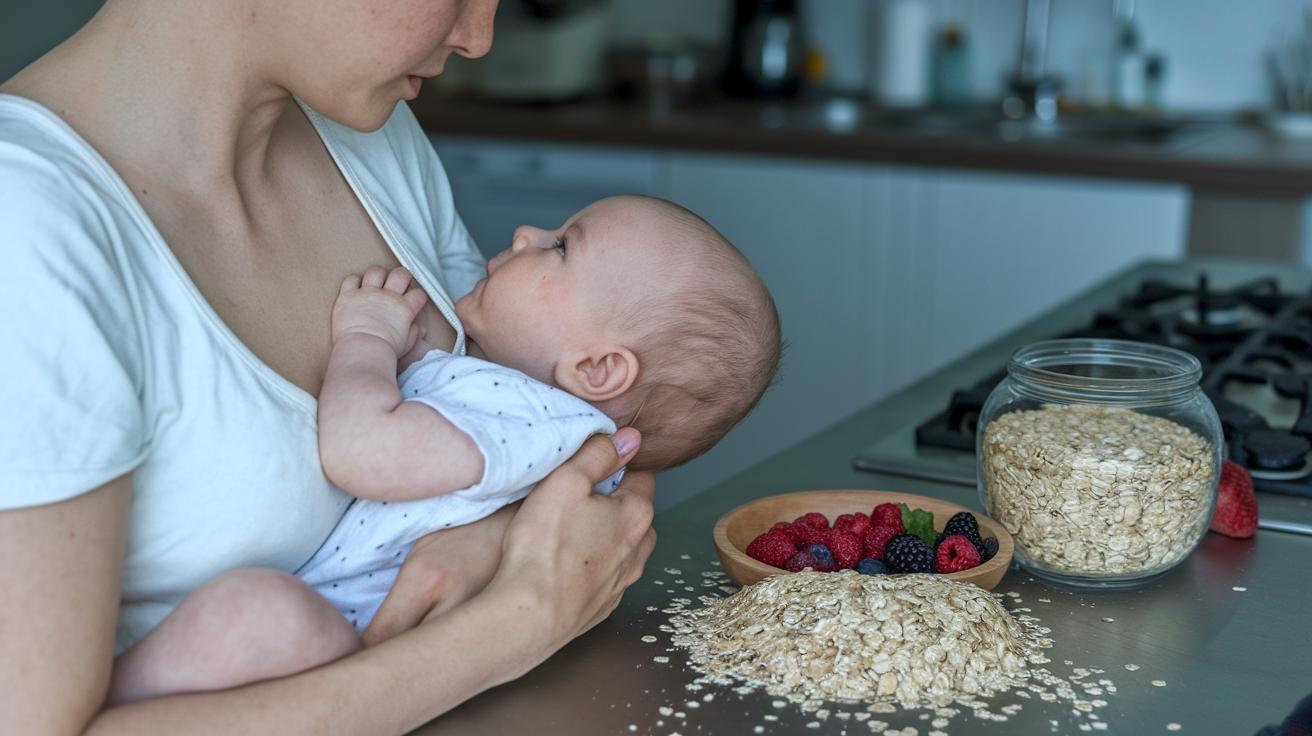
When you’re breastfeeding, it’s important to keep both you and your baby well-fed and energized. Adding an extra 300–400 calories a day not only helps with milk production but also keeps your energy up. Focusing on whole grains, lean proteins, fruits, and vegetables makes meal times feel wholesome and satisfying.
Eating meals on a regular schedule is key to keeping your body in balance. Imagine starting your day with a warm bowl of overnight oats topped with juicy berries or grabbing a lean turkey wrap when you’re on the go. These simple, healthy snacks and meals give you steady energy for those long breastfeeding sessions. It can be fun to try out new recipes and fresh foods that nourish both you and your little one.
- Extra calories to keep milk flowing
- A blend of whole grains, lean proteins, fruits, and veggies
- Eating regularly to stay energized
- Nourishing snacks to bridge mealtimes
- Advice from a dietitian to make your plan personal
Mixing it up is important, too. No single food can boost your milk supply all by itself. Instead, combining different nutrients can help you feel strong and supported. Whether you’re swapping ingredients or trying a new recipe, every small change can make a real difference. And if you ever feel unsure, chatting with a registered dietitian can help you find what works best for you.
Essential Nutrients in Your Breastfeeding Diet Plan
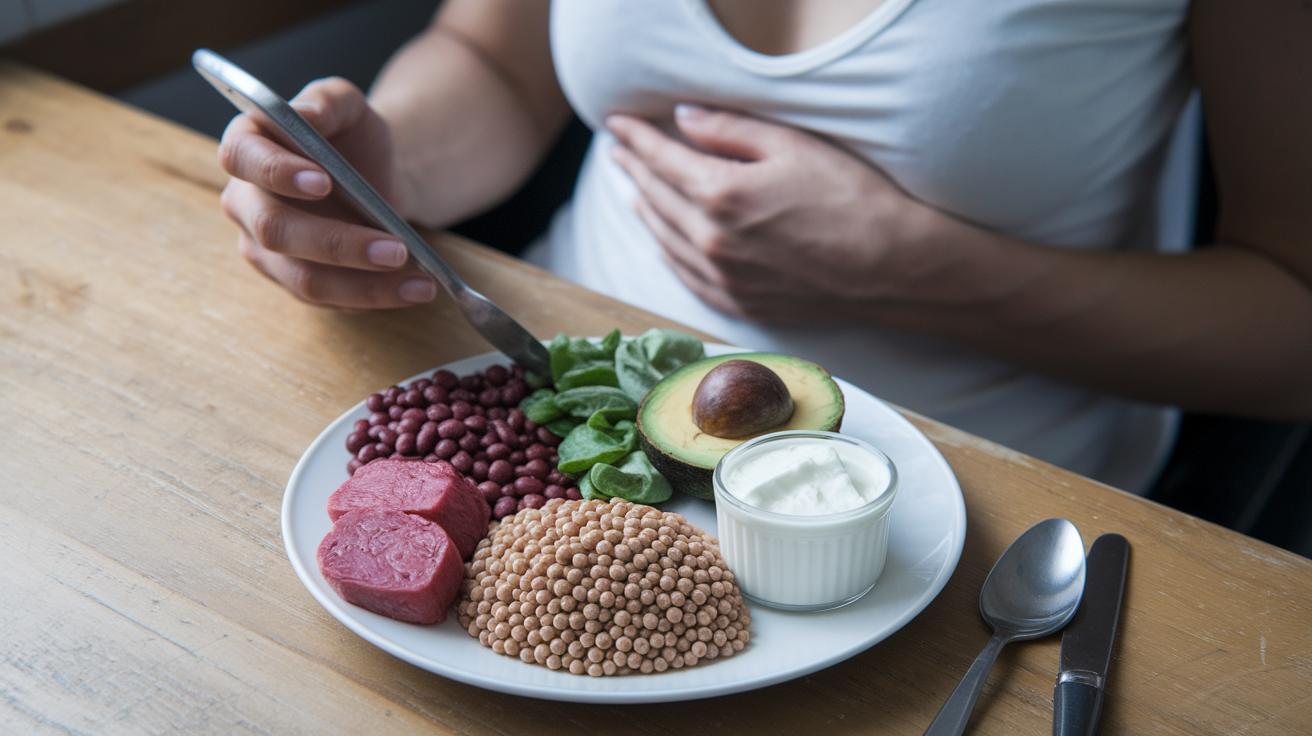
When you're breastfeeding, it’s important to treat your body with a mix of nourishing foods that help keep you and your baby happy and healthy. Think of it like preparing for a long day with your little one, having the right fuel makes all the difference. For example, aiming for about 71 g of protein a day from lean meats, legumes, or dairy can help boost your energy, while 1,000 mg of calcium (from milk, yogurt, or fortified alternatives) supports strong bones. Don’t forget about iron; around 9 mg a day from lean meats, spinach, or beans can ward off fatigue. And yes, adding healthy fats from nuts, seeds, or avocado, along with vitamins like D and zinc, gives a little extra love to your immune system and the quality of your milk.
| Nutrient | Daily Requirement | Food Sources |
|---|---|---|
| Protein | ~71 g | Chicken, tofu, legumes, Greek yogurt |
| Calcium | 1,000 mg | Milk, cheese, fortified plant-based beverages |
| Iron | 9 mg | Lean meats, spinach, beans |
| Omega-3 | Varies | Salmon, walnuts, chia seeds |
| Vitamin D | 600 IU (approx.) | Fortified milk, fatty fish, egg yolks |
A varied mix of these nutrients can really make your day smoother. Imagine starting your morning with a fresh fruit salad topped with fortified almond milk, or enjoying a colorful stir-fry packed with lean protein and plenty of greens. Mixing it up not only keeps your meals interesting but also ensures your body gets all the support it needs during every precious breastfeeding moment.
Sample Daily Breastfeeding Diet Plan Meal Schedule
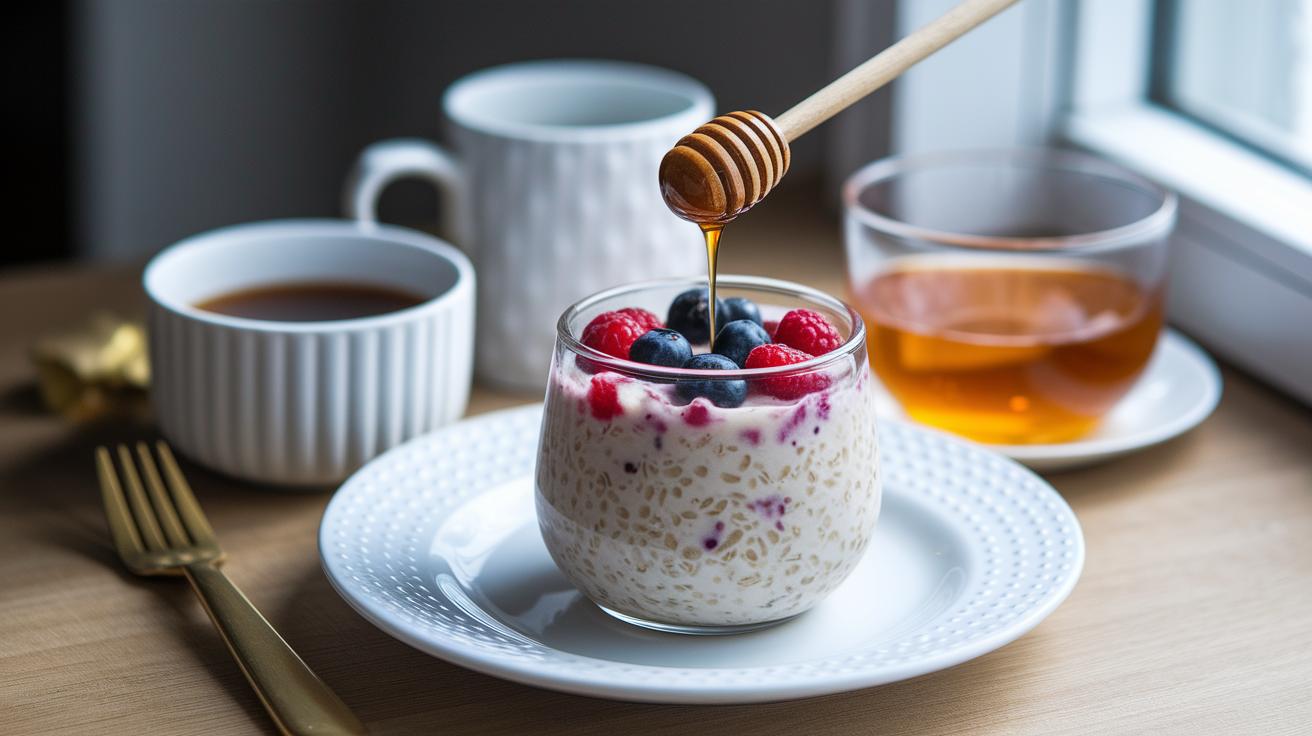
Wake up to a cozy breakfast that feels like a warm hug. Try a bowl of overnight oats mixed with a splash of milk, a drizzle of honey, and lots of juicy berries, or make some egg bites loaded with your favorite veggies. These dishes give you a gentle mix of carbs, protein, and fiber to get your day started right. Imagine stirring your oats and discovering bright berries adding a natural, sweet burst to your morning.
Around mid-morning, a small snack like a little bowl of Greek yogurt with fruit can be a nice pick-me-up to keep your energy steady.
For lunch and dinner, keep things colorful on your plate. A peanut butter and banana sandwich offers a smooth, satisfying taste, while a tuna salad wrap brings in lean protein and fresh greens. At dinner, why not try a hearty instant-pot chili mac with lean meat, beans, and tomatoes or slow-cooker shredded chicken tacos served with a lightly dressed slaw? These balanced meals help support your energy and keep your milk supply going even on busy days.
Later in the afternoon and evening, choose simple, nourishing snacks. Enjoy a few energy balls made from oats and nut butter or another small helping of Greek yogurt with fruit to smooth out your day. When it's almost bedtime, a few whole grain crackers with cheese or a small bowl of mixed fruit can be just the right choice to end your day with a light, satisfying note.
Isn't it lovely how these small, balanced choices can help you feel cared for and energized throughout your day?
Hydration Guidelines in Your Breastfeeding Diet Plan

When you're nursing, staying well hydrated is key for both you and your little one. Aim to drink about 16 cups (that’s 128 ounces) of fluids every day. Try to finish a full glass of water or sparkling water during each nursing session and meal. This little habit not only helps your milk flow but also replaces the fluids you need while caring for your baby.
You don’t have to stick with plain water alone. Instead, consider adding a warm cup of decaf, unsweetened tea throughout your day. And if you're in the mood for something bubbly, a glass of seltzer water can be a delightful change. These refreshing choices make it easier to hit your daily hydration goal, all while enjoying a mix of flavors.
For a burst of natural flavor, try making infused water at home. Take a 2-quart jar and add slices of cucumber with a few sprigs of mint, or mix in some strawberry slices with orange pieces. Gently press the ingredients with a wooden spoon to help release their taste. Then fill the jar with ice and water, and let it chill in the fridge for up to three days. Enjoy this delightful, nutrient-friendly drink as part of your everyday routine.
Meal Prep Strategies for Sustaining Your Breastfeeding Diet Plan
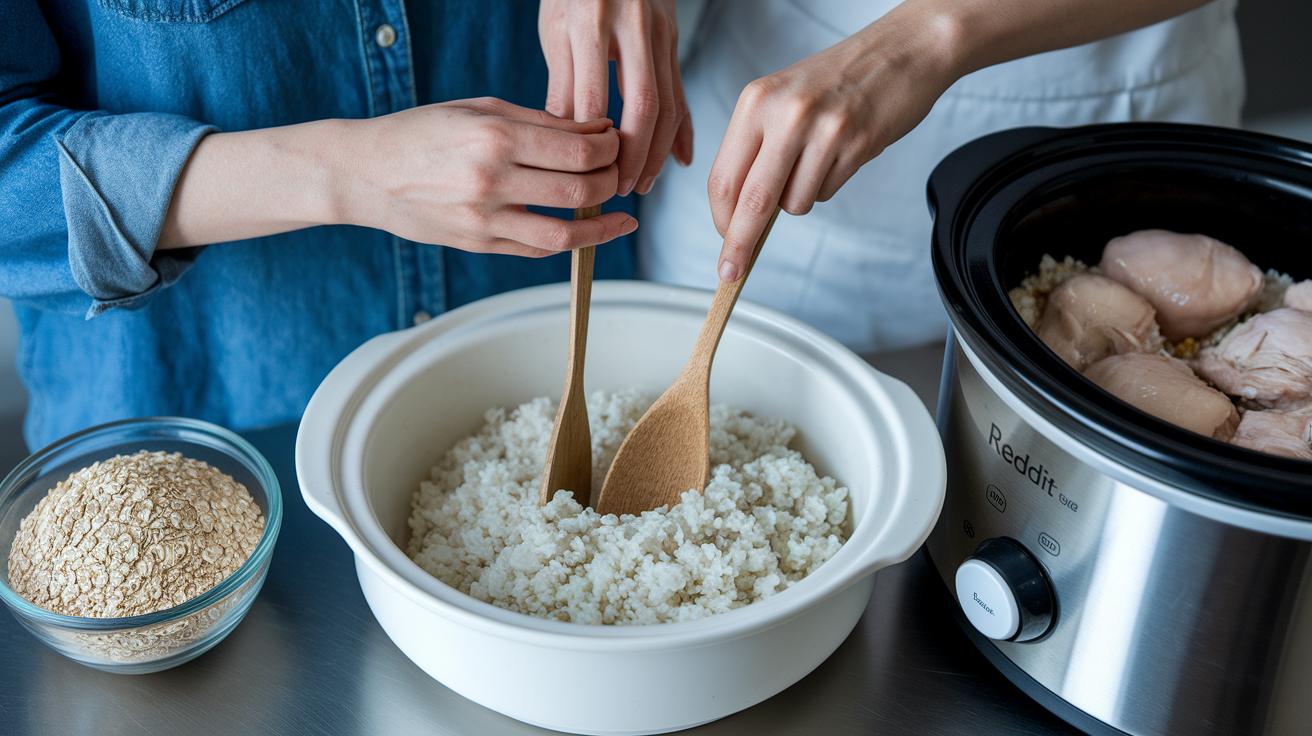
Sometimes, spending a little extra time on weekends can really help ease the stress of daily cooking. Imagine spending a Saturday afternoon in the kitchen, cooking a big batch of brown rice and baking lean chicken. With these ready-made, you can quickly throw together a bowl or wrap on busy days. And jars of overnight oats are a lifesaver too – just grab one on your way out for a healthy breakfast without the morning rush.
Using practical kitchen tools can make life even easier. A slow-cooker, for example, lets you toss in beans, veggies, and lean meat to simmer into a hearty stew while you spend some quality time with your family. Pre-cut veggies paired with a small container of hummus or some other favorite dip give you a nutritious snack option right at your fingertips. Even simple tools, like a reliable wooden spoon, add that little extra joy to meal-making.
On hectic days, having frozen, single-serve portions like burritos, soups, or stews can be a real game-changer. And sharing cooking tasks with a partner or family member? It not only lightens the load but makes meal prep a fun part of your routine.
Managing Dietary Restrictions in Your Breastfeeding Diet Plan

Choosing what to eat while breastfeeding can feel a bit overwhelming sometimes, but it’s really about treating your body gently and keeping necessary limits in mind. For instance, it's wise to avoid fish high in mercury like tuna or swordfish, limit your caffeine to under 300 mg each day, and enjoy alcohol only in small amounts. The bright side is there are plenty of delicious options that let you stick to your diet plan while still savoring nutritious meals!
Safe Substitutes and Alternatives
If you’re looking for new grain choices, try gluten-free options such as quinoa, brown rice, or millet, they add a lovely twist to your meals. When it comes to protein, plant-based choices like lentils, tofu, and tempeh can be great, whether you’re tossing them in a hearty soup or a fresh salad. Need extra calcium? Fortified dairy alternatives might be just the ticket. And if you’re sometimes bothered by gas, a warm cup of ginger or fennel tea can offer a gentle, soothing relief.
Food Safety Best Practices
During the postpartum period (the time just after childbirth), taking extra care with food is important. Always give your fruits and vegetables a good rinse and cook your meats to the right temperature. These simple habits not only help you avoid allergens but also keep your kitchen safe and clean for you and your baby. Sticking to routines like preventing cross-contamination and keeping your cooking space tidy adds that extra bit of protection we all appreciate.
Final Words
Jump right into balancing your meals with whole grains, lean proteins, and fresh fruits and veggies while keeping hydration top of mind. This guide explored dietary needs, meal prep tips, and safe substitutes for managing restrictions, all designed to support a consistent breastfeeding diet plan.
Small changes really add up. Enjoy building your daily plan with care, knowing every healthy choice helps you nurture yourself and your little one, bringing steady comfort and energy to your day.
FAQ
Q: What is a breastfeeding diet plan PDF?
A: A breastfeeding diet plan PDF is a downloadable guide that offers balanced meal suggestions, nutrient advice, and practical tips specifically designed to support the needs of nursing mothers.
Q: What is a breastfeeding diet plan to lose weight or the diet plan for breastfeeding mothers to lose weight PDF?
A: A breastfeeding diet plan for weight loss outlines safe, balanced meal ideas aimed at gradually losing weight while maintaining a steady milk supply, often provided in an easy-to-download PDF format.
Q: What are the 17 foods to avoid while breastfeeding?
A: The list of 17 foods to avoid while breastfeeding highlights items that may trigger allergies or change the taste of milk, helping moms make choices that are gentle on their baby.
Q: What is a 28-day breastfeeding diet plan menu?
A: A 28-day breastfeeding diet plan menu offers a monthly guide with daily meal suggestions to meet energy and milk production needs while keeping meals diverse and balanced.
Q: What is a breastfeeding diet plan for a gassy baby?
A: A breastfeeding diet plan for a gassy baby focuses on reducing foods known to cause gas, aiming to ease the baby’s discomfort while keeping the mother’s diet nutritious.
Q: What is a breastfeeding diet plan free version?
A: A free breastfeeding diet plan provides bite-sized ideas and meal suggestions for nursing moms without any cost, making it an accessible resource to boost lactation health.
Q: What diet helps breastfeeding mothers increase milk supply?
A: The diet designed to boost milk supply includes extra calories from whole grains, lean proteins, fruits, vegetables, and nutrient-rich snacks to naturally support lactation.
Q: What is the best diet for breastfeeding moms?
A: The best diet for breastfeeding moms is one that offers extra calories and a mix of nutrient-dense foods to support both energy levels and healthy milk production tailored to each mom’s needs.
Q: What is the 4 4 4 rule for breastfeeding?
A: The 4 4 4 rule for breastfeeding suggests a balanced meal plan structure where protein, carbohydrates, and fruits or vegetables are equally incorporated in your daily meals.
Q: What is the 3-3-3 rule for breast milk?
A: The 3-3-3 rule for breast milk refers to a guideline for balanced feeding or nutrient timing, and it’s best to consult a lactation expert for detailed, personalized advice.
Q: What is the 5 5 5 rule for breast milk?
A: The 5 5 5 rule for breast milk is a proposed guideline for evenly spaced feeding or balanced nutrients, and mothers should seek personalized recommendations from a lactation professional.