Saturday, June 20, 2026
Home Blog Page 28

Infant Teething Biscuits: Soothing & Nutritious Relief

0

Have you ever noticed how a little biscuit can help your baby through teething? These teething biscuits are designed to soften slowly in your baby’s mouth, easing those sore gums while letting them explore interesting textures and flavors. They’re usually made with rice or oat flour, so you know they’re a safe, whole-grain treat that can gently help ease some discomfort and introduce solid foods. In this post, we'll share how these biscuits can turn a tough teething phase into a calmer, more soothing experience for both you and your little one.

How infant teething biscuits provide soothing and safe relief

img-1.jpg

Infant teething biscuits are hard treats made mostly from rice or oat flour that dissolve gently. They are designed to be safe while helping to ease sore, teething gums. When your little one starts biting into one, it not only softens gum pain but also introduces them to new textures and yummy flavors during the early stages of solid food exploration.

These biscuits are usually made without extra additives. Some products out there might have added sugars that can hurt those new teeth, so it’s a good idea to always check the ingredient list. Experts often recommend giving them to babies around 6 to 8 months old, once they can sit up on their own. Think of them as a simple, whole-grain option that makes the start of solid food fun and stress-free.

Many parents notice that offering a teething biscuit brings quick relief to a fussy, teething baby. In truth, it’s a gentle way to support your baby through those early, sometimes challenging, teething moments.

DIY baby teething biscuits recipe for homemade soothing chews

img-2.jpg

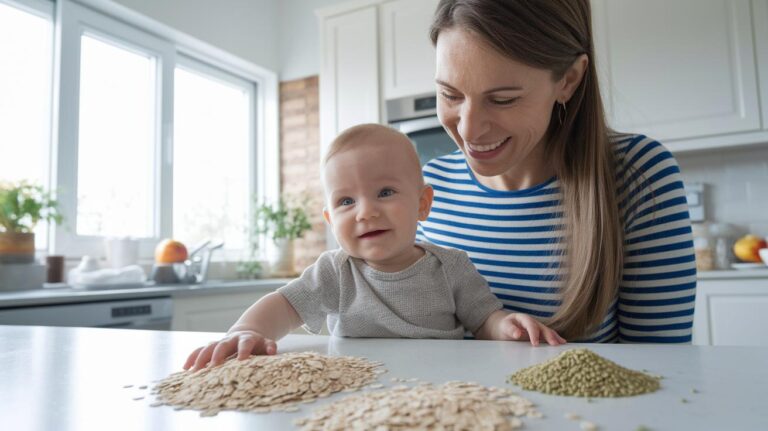
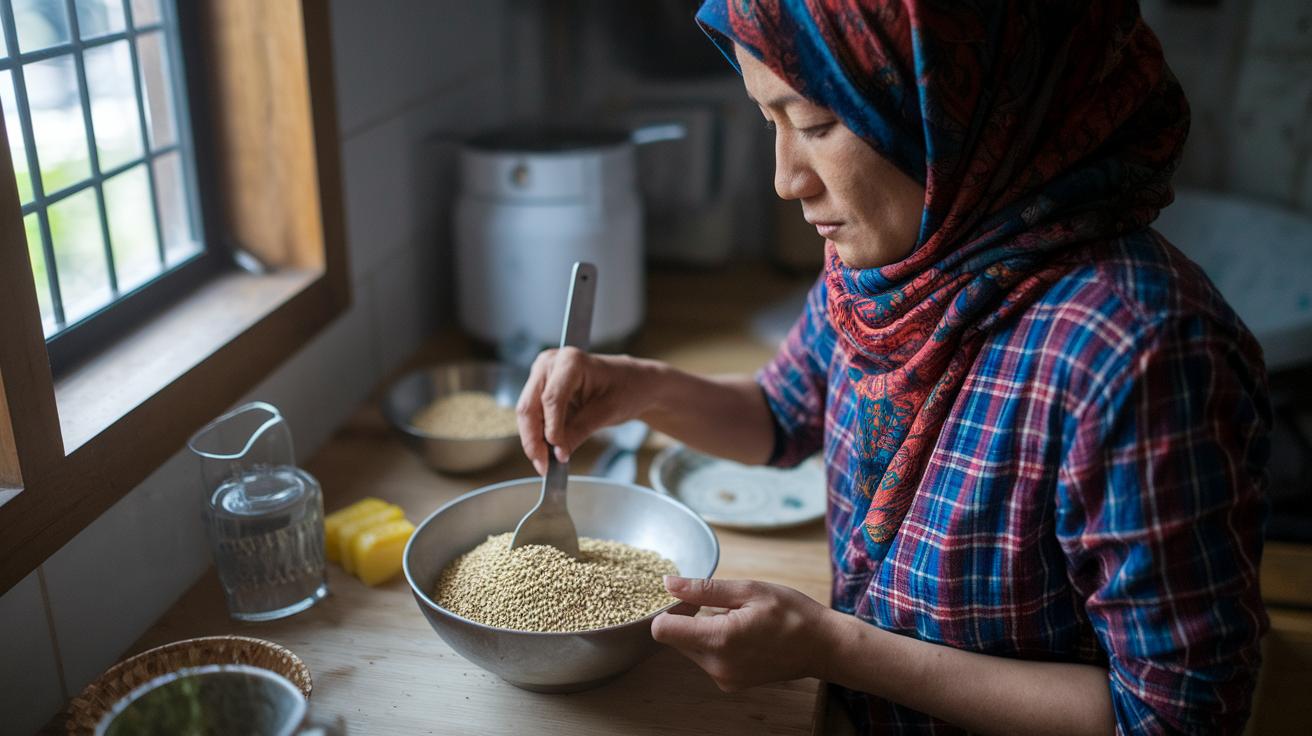
Let's gather four simple ingredients: 2 cups of rolled oats, 6 oz of ripe bananas (about two small or one large), ½ tsp of baking powder, and a pinch of cinnamon if you’d like a little extra flavor. If you’re starting your baby on solids, check out our beginner’s guide to weaning foods at https://womensconference.org?p=15467.

First, use a kitchen scale to weigh the bananas exactly to 6 oz. This little step is key because it helps the dough reach just the right texture for your baby’s safety. Next, pour the rolled oats and baking powder into your food processor, and blend them until they form a fine, smooth oat flour.

In a separate bowl, mash the ripe bananas until they turn into a smooth puree. Then, slowly stir in the oat flour mixture until you get a consistent dough. If you decide to add cinnamon, sprinkle it in now so it blends gently with the natural sweetness of the bananas.

Now it’s time to shape your dough. Form small, bite-sized discs that are easy for your little one to hold and chew. Lay them out on a baking sheet lined with parchment paper to keep them from sticking.

Preheat your oven to 350°F (170°C). Once it’s ready, pop the baking sheet into the oven and bake the biscuits for about 15–20 minutes, or until they show a lovely golden color. Trust me, the gentle aroma will fill your kitchen!

Allow the biscuits to cool completely before serving. When they’re cool, you can store them in an airtight container at room temperature. They will last for up to two weeks, perfect for soothing teething discomfort whenever your baby needs a little chew.

Comparing the best soft bite treat and commercial infant teething biscuits

img-3.jpg

Many parents often choose brands like Happy Baby, Earth's Best, and Plum Organics when looking for store-bought teething treats for their little ones. These brands focus on natural ingredients, with no added sugars, so you can feel confident giving them to your baby.

Different products have their own textures. Some treats have a firm, dissolving rice base that helps ease sore gums, while others use a softer oatmeal blend that gently massages the gums. I remember one mom saying, "I saw a real change in my baby’s comfort when I switched from a hard biscuit to a softer treat."

If you’re after an organic treat that soothes gum pain, these brands use whole, natural ingredients to help calm your little one while introducing them to new textures. Many of the treats are also made allergen-free, keeping them safe for little ones with common food sensitivities.

There are even alternatives that aren’t biscuits at all, like The Teething Egg, which uses a mix of safe textures and smart design to help soothe teething discomfort in a new way.

Ingredients in infant teething biscuits: safe choices and what to avoid

img-4.jpg

When you’re choosing or making teething biscuits for your little one, it pays to know what ingredients are gentle and safe. Start with basics like rice flour and oat flour – they’re soft on tiny gums and rarely cause allergic reactions. And instead of extra sugars, why not try pure fruit purée for natural sweetness? It’s like giving your baby a treat made with pure love and care.

Often, store-bought biscuits have extra sugars and other ingredients that might not be the best for your baby’s new teeth. Always take a close look at the label. Common allergens like wheat, dairy, eggs, nuts, and soy aren’t necessary here and can be left out. This approach means your little one enjoys a crunchy snack that’s both soothing and safe without any unwanted extras.

I remember one mom saying, “I always read the label, and since switching to biscuits made with oat flour and pure fruit purée, my baby’s gums seem much more comfortable.” That’s a small change that can really make a big difference!

Safe Ingredients Ingredients to Avoid
Rice flour, Oat flour, Pure fruit purée, Minimal baking powder Added sugars, Wheat, Dairy, Eggs, Nuts, Soy

Age-appropriate infant teething biscuits for each teething stage

img-5.jpg

Stage 1 (6–8 months)

When your baby is just starting to explore teething, these biscuits offer a gentle way to soothe those delicate gums. Pediatricians usually recommend them once your little one can sit up on their own, around 6 to 8 months. Think of them as a soft, comforting massage for sore gums, like a cool breeze on a warm day. They crumble slowly to help prevent any choking, making snack time both fun and safe for your baby.

Stage 2 (8–12 months)

As your baby’s first molars begin to peek through, the biscuits get a little softer and are packed with extra nutrients. In this stage, they’re designed to be gentle enough to ease teething discomfort while still being satisfying to chew. Imagine your baby enjoying a treat that's as comforting as a warm family recipe that's been perfected over time. This carefully balanced texture supports healthy growth and makes the teething experience a bit easier to manage.

Expert recommendations and safety tips for infant teething biscuits

img-6.jpg

Doctors and baby dentists say teething biscuits can help soothe sore gums while letting your little one try new textures for the first time. They see these treats as a fun way to begin exploring solid foods, but they remind us to always watch our babies closely during snack time. It’s important to stay nearby to prevent any choking since these biscuits are hard and break apart slowly.

Experts also point out that teething biscuits should be given in small amounts. A little nutrient-packed treat is lovely, but too many might irritate tender gums or encourage too much snacking. Always check the ingredient list because added sugars can hurt your baby's fresh teeth. One mom shared, "I learned that changing how I offered these treats made snack time so much safer for my little one."

For a bit more variety in soothing relief, some experts recommend trying something like The Teething Egg alongside biscuits. Mixing up the textures can add extra comfort during teething. And remember, always check with your pediatrician before introducing any new foods.

Final Words

In the action, this guide has shown how infant teething biscuits bring soothing relief while introducing new textures safely.
It highlighted simple homemade recipes, compared trusted commercial choices, and shared safe ingredient tips for worry-free weaning.
Step-by-step insights help caregivers foster smooth transitions through teething stages.
Expert advice rounds out practical tips to keep little ones comfy and curious.
Keep exploring the benefits of infant teething biscuits, and watch daily moments turn into nurturing experiences.

FAQ

What is the infant teething biscuits recipe?

The infant teething biscuits recipe uses mashed banana, oats, a bit of baking powder, and optional cinnamon to create a safe, dissolvable chew for easing teething pain.

How do teething biscuits for babies at 6 months work?

The teething biscuits for babies at 6 months offer gentle gum relief with dissolvable textures and safe, natural ingredients when the baby can sit up on their own.

What about teething biscuits for babies at 4 months?

The teething biscuits for babies at 4 months are generally not recommended since most experts suggest introducing them around 6 months when the baby is developmentally ready.

How can I make infant teething biscuits homemade?

The homemade infant teething biscuits let you control the ingredients by blending rolled oats, mashed banana, and baking powder into bite-sized chews baked until golden for soothing relief.

What are the best infant teething biscuits?

The best infant teething biscuits focus on organic and natural ingredients like rice or oat flour, feature minimal additives, and are designed to dissolve easily while soothing sore gums effectively.

Are Gerber teething biscuits suitable for a 6-month-old?

The Gerber teething biscuits for a 6-month-old are crafted to offer gentle gum relief with a dissolvable texture and carefully chosen ingredients, making them a safe option when used under supervision.

Are teething biscuits appropriate for a 5-month-old baby?

The teething biscuits for a 5-month-old are usually not advised, as babies at this age may lack the oral skills needed; experts often recommend waiting until around 6 months.

What are Zwieback teething biscuits?

The Zwieback teething biscuits present a crunchy texture that softens gradually, offering relief for teething discomfort while requiring careful supervision during consumption.

Are teething biscuits okay for babies?

The teething biscuits are okay for babies who can sit up without support, typically starting from 6 months, as they provide a dissolvable chew to ease teething discomfort safely.

Can a 7-month-old have teething wafers?

The teething wafers for a 7-month-old are acceptable if the baby can handle holding and chewing them, but constant supervision is needed to prevent any choking risk.

Why might teething rusks be discontinued?

The teething rusks may be discontinued because of concerns over added sugars or formulation issues that no longer meet current safety guidelines for infant teething products.

Can my 6-month-old baby safely eat biscuits?

The special biscuits made for a 6-month-old are designed to be safely dissolvable and gentle on the gums, making them a good option when provided under careful supervision.

Signs Of Delayed Motor Development: Celebrate Milestones

0

Have you ever noticed your little one taking a slow crawl or hesitant steps and wondered if it could mean something more than just a unique pace? Many parents notice these small differences and feel unsure if they point to a deeper concern. In this conversation, we’ll share some clear signs to help you recognize delayed motor skills and explain why every tiny win is worth a little celebration. Let’s explore simple ways to understand these cues and keep cheering on those precious milestones.

Recognizing Early Signs of Delayed Motor Development

img-1.jpg

Most kids hit movement milestones at around the same ages. By 6 months, many can sit on their own, and by about 9 months, you might see your little one starting to crawl. Then, between 12 and 15 months, those precious first steps usually come. These guidelines help us keep an eye on a child’s muscle development. For instance, if your baby loves tummy time but hasn’t yet tried picking up a block to drop it in a cup, it might be a good idea to chat with your doctor.

Fine motor skills matter a lot, too. When your child is stacking blocks, threading beads, or doodling with crayons, these simple activities show that hand-eye coordination is coming along nicely. If these actions seem to be a struggle, it could be a sign that things aren’t quite on track with their motor development. Watching both big movements and small, detailed actions can really help you notice if something needs extra attention.

If you see any of these signs, it might be worth mentioning to your pediatrician:

  • Not sitting unassisted by 6 months
  • Not starting to crawl by 12 months
  • Not taking first steps between 12 and 15 months
  • Difficulty stacking small objects
  • Trouble threading beads even when encouraged
  • Not reaching for toys or objects during play
  • Lack of hand-eye coordination when drawing or scribbling
  • Unsteady movements when trying to stand or walk

Keeping track of these milestones gives you a clearer picture of your child’s growth. The sooner you notice a delay, the sooner you can get help to support their developing movement skills. Remember, you're not alone, help is always available to guide you and your little one through every step.

Movement Milestone Delays: Typical vs. Delayed Development

img-2.jpg

Most children follow a similar journey when learning how to move. Babies often start rolling over around 4–5 months, then they begin sitting without help by about 6 months. Soon after, they usually start crawling by 9 months and pull themselves to stand by 12 months. Many little ones take their first steps between 12 and 15 months.

If you notice your child reaches these milestones a bit later, like rolling after 6 months, sitting after 9 months, crawling after 12 months, or walking after 18 months, it might feel a bit concerning. Keep in mind, every child moves at their own pace. Spotting these differences early on lets you gently chat with your doctor if needed.

Milestone Typical Age Range Delay Indicator Age
Rolling 4–5 months After 6 months
Sitting By 6 months After 9 months
Crawling Around 9 months After 12 months
Pulling to Stand By 12 months After 15 months
Walking 12–15 months After 18 months

These comparisons help you see the differences between normal progress and possible delays. Remember, your instinct as a parent is valuable, and a friendly chat with your doctor can bring comfort and guidance if you ever feel unsure.

Pediatric Coordination Red Flags in Motor Development

img-3.jpg

Some kids might have a hard time picking up small toys by the time they’re 15 months old, and using utensils like spoons by 18 months can be a real challenge too. One parent said, "My little one found holding a spoon really difficult, and snack time turned into a bit of a struggle." These early signs help us notice when a child might be having trouble with small hand movements.

You might also see that a child isn’t as steady with bigger movements. They could lose their balance easily, walk with a wobbly step, or seem unsure when climbing stairs or running. These unsteady steps can make parents wonder about the child’s overall coordination.

When both small movements and bigger body movements seem off, it could mean the child is having a hard time planning and doing movements smoothly. In other words, there might be a gap in how their brain and muscles work together.

Underlying Causes of Delayed Motor Development Signs

img-4.jpg

Sometimes, a child’s motor skills can take a little longer to develop because of natural body differences. Some kids have softer muscles, which can make crawling, standing, or walking a bit tougher. When their muscles aren’t very strong, even simple movements, like playing during tummy time or reaching for a favorite toy, might be more challenging. It’s like every little wiggle is a chance to slowly build up those muscles.

There are also other reasons behind these delays. For instance, some children might have neurological conditions, or they might have been born a bit early. Babies with such challenges often take longer to reach milestones like sitting up or taking their first step because the signals between their brain and muscles aren’t perfectly in tune yet.

The environment in which a child grows up also plays a part. When there isn’t much tummy time or active play, the little ones might not get the practice they need for smooth, coordinated movements. Regular play sessions on the floor with soft toys or simple movement games can really help. This extra practice gives their muscles many chances to learn and grow more confident with each move.

Developmental Delay Assessments and When to Seek Help

img-5.jpg

Catching developmental delays early gives you a head start in understanding your child's growth. Sometimes, you might notice that your little one isn’t rolling by 6 months, sitting by 9 months, or walking by 18 months. These little signals can help guide you on whether it's time for a little extra check-up. A simple screening can show how your child moves and point out areas where a bit more support might be needed. If your toddler isn’t hitting those usual milestones, mentioning your observations during a regular doctor visit can be a good idea.

Doctors often use tools like the Ages and Stages Questionnaire (ASQ) or the Denver Developmental Screening Test (DDST) to get a clear picture of your child's motor skills. It’s generally recommended to do these checks during well-child visits around 12 and 18 months, since that’s when delays may start to show. These assessments help identify any gaps in development early on, making it easier to plan the right steps for your child.

It’s always a good idea to talk to a specialist if you're feeling unsure. If a screening raises any concerns about your child's movement, a professional can offer clear advice and supportive strategies. Early assessments really set the stage for timely help, making it easier for you to celebrate every little win while ensuring your child gets the care they need.

Intervention Approaches for Signs of Delayed Motor Development

img-6.jpg

Trying playful activities at home can really boost your child's motor skills. Simple actions like stacking blocks, threading beads, or having guided tummy time are not only fun but also help build strength and coordination. Imagine your little one carefully placing colorful blocks during a morning play session. That small act shows their hand-eye coordination is growing stronger. By adding these easy activities to your daily routine, you create a warm space where every little achievement is celebrated.

Sometimes, getting help from a professional can be a big support. Physical and occupational therapists can lead fun sessions that improve balance, posture, and fine motor control. They might set up activities that mimic real-life tasks, like stepping over small obstacles or arranging different textures. Aquatic therapy is another great choice since water play builds muscle strength with less strain on joints. These expert-led sessions give a helpful boost when home exercises need a little extra guidance.

A simple, personalized intervention program that involves the entire family can really make a difference. When everyone joins in on structured play or routine exercises planned by professionals, your child’s skills improve and family confidence grows. Each little step forward becomes a moment to celebrate, turning everyday activities into chances for growth and smoother, more coordinated movement.

Final Words

We jumped right into motor milestones and explored when delays in sitting, crawling, and walking might occur. We talked about both coordination challenges and underlying factors that could affect progress. You also read about assessing these issues and using home activities or professional help to support improvement.

Keeping an eye on signs of delayed motor development gives families a chance to get the right support early. It’s a positive step toward ensuring every little one feels confident as they grow.

FAQ

How can I help a child with developmental delay?

Helping a child with developmental delay means working with healthcare professionals and using engaging home activities. These can include simple exercises, physical or occupational therapy, and daily routines that build confidence and skill.

What are examples of developmental delay?

Examples of developmental delay include slower progress with gross motor skills like sitting or walking, challenges with fine motor tasks such as stacking blocks, language delays, or differences in social interaction that may become noticeable over time.

What are common signs of developmental delay in infants and toddlers?

Signs of developmental delay in young children include missing key milestones, such as not sitting or crawling by the expected age, difficulty with fine motor skills like picking up small objects, and delayed speech or social interactions.

What does cognitive delay mean in a child?

Cognitive delay means that a child may learn, think, or process ideas at a slower pace than typical. This delay can show in areas like language acquisition, problem-solving, and social interactions.

What are the red flags for gross motor delay?

Gross motor red flags include not sitting independently by six months, not crawling by 12 months, or not walking by 18 months. They can also include poor balance and unsteady movement patterns during routine play.

What symptoms indicate motor delay?

Symptoms of motor delay can present as struggles with crawling, walking, or handling fine motor tasks. Parents might notice difficulties in grasping small items or in maintaining balanced, coordinated movements.

How can you tell if your child is developmentally delayed?

You can tell if your child might be developmentally delayed by comparing their progress to typical milestones. If they consistently struggle with motor, language, or social skills, it’s a good idea to seek advice from a healthcare professional.

Can a child show developmental delays without being autistic?

A child can have developmental delays in areas like motor skills or language that are not related to autism. These delays reflect slower progress in reaching milestones for various reasons, and each case is unique.

Home Activities For Motor Development: Spark Joy

0

Have you ever noticed how a little burst of play at home can light up your child’s day and help them grow strong? Even a quick dance or a playful toss can build lasting skills, boosting your child’s coordination and confidence.

Everyday routines can turn into small adventures. It’s amazing how simple, fun moves not only create joyful moments but also support early learning right in your living room.

Let’s chat about how these little steps today pave the way for a happier, more active tomorrow. Imagine setting aside a few playful minutes and watching your child shine with newfound strength and joy.

Foundational Home Motor Activities for Early Development

img-1.jpg

Have you ever noticed how a little bit of play can light up a day? Home motor activities offer simple, fun ways for kids to move and build strength right in your living room. Even a quick stretch or a playful dance can make a big difference. It’s amazing to think that just a few minutes of active play daily helps build the coordination that shapes future learning.

Big movements, like star jumps or a friendly scooter race, are great for using up energy and strengthening large muscles. And when little hands work on stacking blocks or threading pasta, they're getting even better control through fine motor play. Don’t forget sensory play either, setting up a small ball pit or even a rice bin invites them to explore textures and space in a hands-on way.

Every day, these little bursts of movement support important milestones. Regular play builds strength and balance and even boosts self-confidence and social skills. With each fun activity, children make progress physically and mentally, opening the door to more wonderful steps ahead.

Fine Control Games and Hand-Eye Coordination Drills at Home

img-2.jpg

These fun exercises help little ones get better at writing and everyday tasks by building up finger muscles and honing coordination. They’re a playful way to improve little skills like holding a crayon or buttoning a shirt, and they give toddlers and preschoolers the chance to master movements with care and precision.

  • Clothespin drop (Ages 2+): Gather some clothespins and a small container. Let your child pick up each clothespin and drop it into the container one by one.
  • Pasta threading (Ages 3+): Offer some dried pasta and a piece of string. Guide your child as they work on threading the pasta, which helps with hand dexterity.
  • Grape-pinch (Ages 3+): Cut a grape in half lengthwise and, with close supervision, let your child pinch each half and drop them into a bowl (always watch out for choking hazards).
  • Button sorting (Ages 2+): Collect a mix of buttons and ask your child to sort them by size or color.
  • Pom-pom tweezing (Ages 3+): Place a bowl of pom-poms and a pair of tweezers on the table. Let your child use the tweezers to pick up the pom-poms and transfer them to a cup.
  • Sticker peeling (Ages 2+): Provide a sheet of stickers and encourage your child to peel and reapply them, which helps build finger strength.
  • Coin stacking (Ages 3+): Give your child some coins and let them try stacking the coins carefully on a flat surface.
  • Sponge squeezing (Ages 2+): Wet a sponge and invite your child to squeeze it repeatedly, strengthening their hand muscles.

Small parts can sometimes be a choking risk, so always keep a close eye on your little one. Feel free to adjust how easy or hard you make these activities based on your child’s current skills.

Indoor Physical Play Exercises for Gross Movement Training

img-3.jpg

At home, gross movement exercises help kids build strength, improve their balance, and boost coordination while having a great time. These fun indoor activities get children moving their big muscles in a safe and familiar space. Plus, they offer a playful way for your little one to get fitter with creative exercises that only take a few minutes to set up.

Exercise Target Skill Materials Needed Adaptation Tips
Starfish Jumps Balance and Coordination Open floor space Lower the jump distance for beginners
Scooter Races Leg Strength and Agility Scooter or a ride-on toy Set up a non-slip track
Pillow Balance Core Stability Soft pillow Hold the balance for a shorter time if needed
Spinning-Jump Combos Coordination and Spatial Awareness Clear space Slow down the spin for younger kids
Toe-Touch Drills Flexibility Clear, flat surface Offer gentle support and prompts
Crawling Challenge Motor Planning and Strength Cushioned mats or a soft rug Create a simple, short obstacle course

Before the fun begins, make sure the play area is clear and safe from hazards. Using soft surfaces, like rugs or non-slip mats, adds extra cushioning. This way, your child can build motor skills while staying safe and enjoying every move!

Sensory Integration Play Strategies for Motor Development

img-4.jpg

Sensory play helps kids build coordination and learn how to handle their feelings. When your little one touches different textures, they work on their balance and focus. It’s a gentle way to encourage self-control while they explore the world around them. Imagine it like a fun game where every touch helps them learn a bit more about moving and feeling.

Try these playful activities: First, create a ball-pit scooping game with about 150 soft balls. This gives them plenty of texture to feel as they dig in. Next, fill a container with rice or beans to build a tactile bin where they can explore with their hands. Then, set up a simple pillow push and pull, let your child gently slide a soft pillow across a safe space to feel different levels of resistance. Finally, try a weighted towel carry by having them drag a small towel from one spot to another, which helps them sense pressure and move deliberately.

Watch how your child reacts, and if they seem a little overwhelmed, it’s perfectly okay to slow things down or shorten the activity. Sometimes, just having a few fewer balls in the pit or choosing a less stimulating bin can make all the difference in keeping playtime calm and enjoyable.

Structuring Home Activity Circuits to Build Motor Control

img-5.jpg

Circuit setups make playtime fun and full of movement. They mix different activities that help kids work on balance, strength, and coordination in an easy, exciting way. Picture your little one leaping into star jumps and then carefully threading beads, as if simple household items turned into sparks of joy!

When you're planning a circuit, try to create 4 to 6 stations in a safe, open space. Start with activities that use big muscles, like scooter sprints or jumping stars, then move on to tasks that use small muscles, like bead threading. You can even use everyday items, like laying down some masking tape to create a balance beam. This mix of big and small movements helps build all kinds of motor skills.

Have your child spend about 30 to 60 seconds at each station. They can move from station to station in a steady order, with little breaks to catch their breath in between. It’s like a mini time challenge that makes the circuit even more fun! Adjust the time or order of the stations as needed, so the circuit stays fresh and matches what your child is ready for. This playful routine turns everyday movement into an adventure, sparking joy while building lasting motor skills.

Age-Specific Home-Based Routines for Infants, Toddlers, and Preschoolers

img-6.jpg

Infant Movement Exploration
For little ones, simple activities can kickstart movement and build the basic skills for later. You might try a rattle head-turn drill, slowly moving a rattle from one side to the other so your baby turns their head. That gentle motion helps strengthen neck muscles. A bit of tummy time lets them lift their head and push up just a little bit, and when you help them shift into different sitting positions, it supports their growing core strength and comfort.

Toddler Mobility Games
Toddlers are full of curiosity, and playful games can really get them moving. Think about a fun bean bag toss where they gently toss a soft bean bag into a basket, it helps with hand-eye coordination and following simple rules. Tunnel crawling games, whether you use a play tunnel or make one with a blanket, invite them to crawl in a safe and fun space while using their whole body. You can even set up a colorful stepping stone path on the floor to turn walking into a playful challenge that boosts balance and navigation skills.

Preschool Physical Play
When it comes to preschoolers, mixing movement with a few simple steps makes play extra fun and helps develop their motor and listening skills. Try organizing star jumps so they burst into a jump with arms and legs spread out, which builds coordination and balance. Scooter races on a clear, open floor can boost leg strength and give them a sense of space while adding a friendly competitive spark. And by using painter’s tape to mark a makeshift balance beam, you create a fun challenge that helps them focus on each step. These activities not only support physical growth but also encourage listening and following directions in a playful way.

Home Activities for Motor Development: Spark Joy

img-7.jpg

Keeping the space safe matters, but today we're all about creating a fun zone that makes little ones excited to move. Start by playing soft, cheerful tunes, hanging up bright decorations, or using gentle lighting to turn a regular room into a lively playground. Imagine a cozy dance spot where every spin feels like a burst of sunshine, just like when Jamie twirled to her favorite beat.

Here are some playful ideas to spark joyful movement and help boost motor skills:

  • Movement Storytime: Tell a simple, fun story that invites your child to act out silly parts.
  • Bubble Chasing: Blow bubbles and let your child run after them, which helps with balance and hand-eye coordination.
  • Rhythm Play: Use soft fabric wands or easy shakers to encourage moving to a gentle beat.
  • Movement Charades: Act out funny actions with big, playful motions and ask your child to copy you, turning it into a fun game.

Before you get started, take a quick look around to make sure everything is safe. Then, let the fun and happy energy take over!

Monitoring Progress and Modifying Home Motor Activities

img-8.jpg

Start by noticing your child's starting skills. Keep a simple note of how many star jumps they can manage in a minute or how tightly they grip a small toy. For example, jot down the number of times they pick up a bean bag during a timed activity. A basic checklist can help you see where they stand in balance, coordination, and hand control.

Then, try making small changes to gently boost the challenge. Reduce the breaks between activities or use a narrower surface when practicing balance. You might also switch to using tinier items for pick-up tasks, which can help improve their hand control. These little adjustments let you see step-by-step improvements in handling more complex tasks.

Keep the routine steady and celebrate every small win, a new star jump or a bit more time holding a balance. Chat with your child during play and be open to tweaking the activities so they stay fun and a bit challenging as skills grow.

Final Words

In the action, this article shared simple ideas to boost early motor skills. We covered easy home setups that support gross, fine, and sensory stimulation. You read practical tips for fun activities like hand-eye coordination drills and creative indoor circuits. Safety tips and material checklists made sure every activity stays safe and engaging. These tips bring guidance for families looking to have fun while helping children grow. Give these home activities for motor development a try and enjoy the rewarding moments they create.

FAQ

What home activities can support motor development?

Home activities for motor development include engaging exercises like obstacle courses, fine motor puzzles, and sensory play that boost coordination and balance using everyday household items.

What fine motor skills activities work well for toddlers and preschoolers?

Fine motor skills activities for toddlers and preschoolers include games like grape pinching, button sorting, and pasta threading that improve hand dexterity while offering fun, safe challenges.

Which motor development games help with gross movement?

Gross motor skills games like star jumps, scooter races, and indoor obstacle courses enhance balance, strength, and coordination, making playtime both fun and beneficial for overall movement.

What is a good home activity for families with infants aged birth to 8 months?

For infants, activities such as guided tummy time and rattle head-turn exercises gently build neck strength and encourage early motor skills, offering a simple and nurturing start.

What DIY activities can I use for motor development at home?

DIY activities for motor development use common items like clothespins, pasta, and beans to create creative games that promote both fine and gross motor skills in a fun, safe way.

How can I find free home activities for motor development?

Free home activities for motor development can be set up using household objects and simple exercises that boost balance and coordination without requiring expensive materials or equipment.

Play-based Motor Development Activities: Spark Joy In Motion

0

Have you ever noticed that playtime might be a fun workout in disguise for your little one? When kids run, jump, and explore through fun games, they're not just laughing, they're also building strong muscles and growing more confident with every move.

Every game feels a bit like a mini celebration, a time when little ones learn to control their bodies while having a blast. Today, we’re going to chat about how these active moments help boost joy and develop the everyday skills kids need. Isn't it amazing how a little play can spark big growth?

Core Play-Based Motor Development Activities for Children

img-1.jpg

Playtime isn’t just about fun, it’s a gentle, natural way for little ones to learn about their bodies and the world around them. When kids jump into playful activities, they’re not only strengthening big and small muscles, but they’re also building a quiet boost of self-confidence as they explore new movements and control their bodies. Each playful step gives them a little cheer of “you got this,” making them eager to try again.

Interactive play feels like a light, friendly workout instead of a chore. When a child giggles while crawling through a tunnel or lines up colorful blocks, they're picking up important skills they’ll use later for things like writing or taking care of themselves. Think about balancing on a beam or tossing a beanbag, with every playful task, they learn better muscle control and celebrate small victories along the way. It really shows that learning can be as joyful as playing with a favorite toy.

Here are some simple activities that can make playtime both fun and developmental:

  • Tunnel crawls: Wiggle through a small tunnel to strengthen tummy muscles.
  • Stacking blocks: Build precision and focus by carefully balancing blocks.
  • Balance beam: Walk along a low beam to boost balance and teach measured steps.
  • Beanbag toss: Toss and catch beanbags to sharpen hand-eye coordination.
  • Playdough modeling: Squish and shape playdough to enhance finger dexterity and spark creativity.
  • Obstacle path: Navigate a simple course that improves overall coordination and decision-making.
  • Finger puppets: Use little puppets during imaginative play to develop fine motor skills.
  • Visual tracking games: Follow moving objects to help eyes learn to track better.

Setting Up Safe Play Spaces for Motor Skill Development

img-2.jpg

Before your little ones start exploring, take a few minutes to check the play area for any possible dangers. Walk around and look out for things like loose rugs, sharp corners, or surfaces where spills could happen. Make sure the floors are padded just right and that any furniture is steady. This simple check helps create a safe space where your child can enjoy moving around freely and confidently.

Then, pick out fun, affordable materials that help support their active play. Use non-slip mats and child-sized equipment that lets them run, jump, and crawl without worry. Picture a bright and soft play zone that not only sparks their curiosity but also gently keeps them safe during all their adventures.

Lastly, set up easy routines for keeping an eye on things and tidying up after playtime ends. Make it a habit to do quick checks while they’re playing and teach them to put things back where they belong. This small routine not only reduces accidents but also helps them learn how to care for their surroundings while they have fun.

Age-Appropriate Milestones and Play-Based Activities

img-3.jpg

Watching our little ones grow tells us so much about where they are and what they might need next. Every crawl, walk, or joyful jump shows us a bit more about a child’s progress. This playful journey lets us tailor simple activities that match their own pace, giving every toddler the chance to build important skills at the perfect moment.

Age Motor Milestone Play Activity
Age 1 Cruising Push-toy walks
Age 2 Independent walking Beanbag balance walks
Age 3 Jumping Hop-scotch squares
Age 4 Hopping One-foot beanbag transfers
Age 5 Running and directional changes Mini obstacle relay

Noticing these milestones helps us understand when a child is doing well or when they might enjoy a new, fun challenge. Simple activities like push-toy walks and hop-scotch squares let kids explore movement safely while gently building balance, coordination, and muscle control. Adding playful moments into a daily routine turns regular playtime into a joyful learning experience, where laughter and learning go hand in hand. It’s a sweet way to celebrate every little win and adjust our play routine as our children explore new ways to move and grow.

play-based motor development activities: Spark Joy in Motion

img-4.jpg

Planning the Course
Start by picking out fun items like tunnels, cones, and low beams that invite your little one to move around freely. Choose things that fit your child's abilities and work well in a cozy space like your living room or backyard. Picture it as a mini obstacle course where every piece is chosen to build balance, coordination, and strength. For example, a tunnel that is firm yet soft enough to cushion little bumps makes everything safe and comfy.

Setting Up Challenges
Next, set up different stations to encourage various kinds of movement. Create a spot for crawling, another for stepping, one for jumping, and a final zone for tossing. This gentle sequence lets your child move smoothly from one fun challenge to the next, engaging core muscles and fine-tuning their motor skills.

Monitoring and Adapting
Watch closely as your child explores each station, and be ready to make small changes if needed. If the jump zone seems too easy, try raising the beam just a bit for an extra push. Keeping a close eye helps you balance safety with a fun amount of challenge, ensuring every moment is joyful and active.

Daily Fine Motor Play-Based Exercises and Visual-Motor Integration

img-5.jpg

Try fun, hands-on activities with your little one that help build the muscles used in writing. For example, let them roll and flatten playdough on a face mat while you draw simple features for them to copy. Do it slowly so they can see each step and feel comfortable trying it on their own.

Next, use scissor strips by guiding your child along the dotted lines. Show them how to make small, careful snips and stay close by to remind them to move slowly and safely as they practice. This gentle approach helps them build control over time.

For improving hand-eye coordination, try sticker name practice and tracing templates. Start by lightly drawing the outline of their name on paper and asking them to stick a sticker along the line. First, do it together so they can see how it’s done. Then, introduce tracing templates with simple shapes or letters, and guide them step-by-step. As they get more confident, you can gradually increase the challenge while always cheering them on.

Assessing Progress in Play-Based Motor Development Activities

img-6.jpg

Watching a child play and move is like seeing little victories unfold every day. When a kid tries a new game or activity, you can see their confidence growing along with their balance and coordination. It’s amazing how small changes, like a smoother step or a steadier reach, show us that play is building strong motor skills.

Keeping a simple log can really help capture these everyday wins. Try jotting down little notes about what activities your child enjoyed and how their movements changed over time. You might even use a milestone chart to mark improvements, like tossing beanbags more accurately or taking better steps around a small obstacle course. Sometimes snapping a quick picture or video helps you see just how far they’ve come.

Regular play isn’t just fun, it helps build real physical skills like balance, muscle control, and spatial awareness. As kids become more comfortable with tasks like stacking blocks or crawling through tunnels, their body awareness grows and movements become smoother. It all adds up to more than just physical development; it also brings a warm sense of achievement and joyful exploration.

Final Words

In the action, we explored simple, research-backed play-based motor development activities that spark growth and joy. We covered setting up safe play spaces, matching activities with age milestones, designing fun obstacle courses, and practicing daily fine motor skills.

This guide shared clear, hands-on ideas to help boost muscle control, balance, and coordination. Using these practical tips, you can easily build confidence and positive progress while enjoying every playful moment with your little one.

FAQ

Play based motor development activities for 5 year olds

The play based motor development activities for 5 year olds combine running, hopping, and obstacle relays to boost balance, coordination, and confidence, making exercise both fun and engaging.

Play based motor development activities for preschoolers

The play based motor development activities for preschoolers use balance games and creative movement activities to help build both fine and gross motor skills in a playful, encouraging way.

Play based motor development activities for toddlers

The play based motor development activities for toddlers include interactive movements like crawling through tunnels and simple motion copies that gently enhance coordination and early motor skills.

Play based motor development activities for 2 year olds

The play based motor development activities for 2-year olds focus on basic, engaging tasks like push-toy walks and beanbag balance games to encourage stability and early gross motor development.

Fine motor skills activities for 3-4 year olds

Fine motor skills activities for 3-4 year olds involve playdough modeling, sorting small objects, and sticker placement to enhance finger dexterity and build coordination during play.

Play based motor development activities for adults

The play based motor development activities for adults can include balance exercises, gentle stretching, and interactive games that promote hand-eye coordination and overall well-being in a relaxed setting.

Fine motor skills activities for 7 year olds

Fine motor skills activities for 7-year olds might feature crafting projects, detailed drawing tasks, and puzzles that require precision and concentration, refining coordinated hand movements.

Play based motor development activities for 4 year olds

The play based motor development activities for 4-year olds mix creative movement with fun challenges like mini obstacle courses and beanbag tosses to build muscle control and balance.

What are some examples of play-based learning activities?

Play-based learning activities include hands-on tasks such as building with blocks, interactive storytelling, and group games that combine fun with natural learning experiences.

What are fine motor skills activities in play based learning?

Fine motor skills activities in play based learning involve hands-on tasks like playdough molding, bead stringing, and cutting paper, which naturally improve hand and finger control during play.

What is an example of a motor activity?

An example of a motor activity is a simple obstacle course where children crawl, jump, and balance along a set path, effectively building coordination and strength through playful movement.

What are some examples of play activities?

Play activities include interactive games, creative construction, and active tasks such as hopping, balancing, and throwing that support social interaction and motor skill development simultaneously.

Behind the Art with Illustrator Andy Case

0

Designing Zoodletraz for “Snoodles in Space: Escape from Zoodletraz!” 

Every unforgettable picture book location has a logic of its own. Castle corridors feel cold. Pirate coves glow with lantern light. In “Snoodles in Space: Escape from Zoodletraz!,” illustrator Andy Case builds Zoodletraz as a place that looks imposing at first glance, then reveals pockets of humor and heart. Children feel the thrill of a jailbreak while staying safely anchored by color, composition, and sight gags that invite a grin. Here is how that design magic works, and how families can spot the choices that make this world so rereadable. 

The concept: serious shape, silly spirit 

Zoodletraz reads as a maximum security showpiece. Walls lean at bold angles. Guard rails, ramps, and portals create a maze that feels tricky without turning confusing. The trick lies in contrast. Andy uses strong geometric shapes for the prison’s bones, then softens edges with rounded props, friendly curves, and visual jokes tucked into corners. The effect says big rules on the surface, playful possibility underneath. Children sense tension, then discover agency as the heroes explore and outthink the space. 

Silhouettes that tell a story 

Even before a line of text, the spreads communicate what matters. Silhouettes are legible from across the room. A high catwalk reads as danger. A low vent reads as opportunity. Characters pop against backgrounds because Andy varies scale and keeps the focal shapes simple. This helps pre-readers tell the story in their own words. Ask a child to point to the safest spot on the page, then the riskiest spot. They will find the answer through silhouette alone, which is a visual literacy win. 

A color script that guides emotion 

Color choices carry the mood without overpowering it. Cool hues suggest order and rules. Warmer notes highlight teamwork and discovery. When the plan comes together, the palette lifts, and the page almost hums. Families can play a color detective game. Where does it feel chilly. Where does it feel bright. Why. This turns looking into active attention, and it helps children link feeling to visual cues. 

Comedic timing in a world of straight lines 

Zoodletraz bristles with hard edges. Comedy breaks those edges with circles, arcs, and squiggles. A swirling motion line, a rounded door, or a bouncy sound word releases the pressure. The wide panels set up the joke, and the close-up lands it with a reaction face. Watch how page turns act like drum fills that reset the beat. The book invites caregivers to read with a gentle rhythm. Count a quiet three before a turn, then let the reveal earn its laugh. 

The rules of the world 

Convincing worlds have rules. Zoodletraz has clear lines of sight, routes that loop back on themselves, and systems that make sense to a young engineer. If there is a gate, there is a console that opens it. If there is a chute, there is a grate that catches what falls. Kids learn that paying attention to small details pays off. Invite them to spot a tool in the background that becomes important later. They will beam when they find it, then flip back to show you the proof. 

From thumbnail to final 

Designing a place like Zoodletraz begins with tiny drawings called thumbnails. These test page flow and camera angles. Rough sketches follow, where Andy blocks in bigger shapes and checks that characters have room to act. Color studies trial the palette for tension and relief. Final art adds line, texture, and the little winks that reward a second look. Children can try this process at home. Fold a paper into eight boxes. Sketch the escape route. Add arrows. Circle the moment where the plan almost fails. Color only the most important parts. Suddenly they are thinking like an illustrator. 

Clarity for young readers 

Complex settings can confuse children if attention is not carefully guided. Andy layers clarity into every spread. Foreground action gets the highest contrast. Background jokes sit a step softer. Lines of motion pull the eye left to right to support early reading. Repeated motifs, such as a stripe pattern or a warning icon, act as breadcrumbs that carry a child from page to page. The result is a space that feels big while remaining completely readable. 

Easter eggs that spark conversation 

Zoodletraz is dotted with tiny discoveries that turn families into detectives. A gadget label, a poster with a wink, or a character who appears in three places on one spread. These touches slow the read in the best way. After the first pass for laughs, try a second pass for clues. Ask, What do you see now that you missed before. Children learn to observe, infer, and share, which are the same skills that power science labs and book clubs. 

Safe tension, big payoff 

The setting must feel daunting for the victory to feel earned. At the same time, the tone stays light. Angled corridors and tall towers provide scale, while expressions and color keep fear at bay. Zoodletraz becomes the perfect stage for teamwork. Each turn of the route asks a different friend to contribute. Families can map the path on a sheet of paper, then assign roles. Who watches. Who builds. Who negotiates. Treat it like a board game you design together. 

Zoodletraz works because Andy Case blends strong architecture with playful detail, then aims every choice at young readers who are learning how to look. The world feels sturdy. The jokes feel generous. The escape feels deserved. Families can enjoy the story on the surface, then come back for the design underneath, which is the mark of a picture book that will live on the coffee table rather than the shelf. 

To keep exploring this world, Know more about Steven Joseph and Andy Case by visiting their websites. 

Toddler Motor Development Milestones: Bright Steps Ahead

0

Have you ever seen your toddler wobble and wondered if it means big things are coming? Every tiny step, like a first step or a gentle grasp, is a sign of growth. It’s amazing to watch, whether it's a cute crawl or a brave new walk.

Each little move builds confidence and independence. It’s like laying down stepping stones that lead to fun learning and new adventures. Have you ever noticed how a small change can unlock a whole world of movement and joy?

toddler motor development milestones: Bright steps ahead

img-1.jpg

By around 12 to 14 months, most little ones start walking on their own. They might even use a cute bear crawl to creep up stairs. Their tiny fingers are becoming stronger too, letting them use a pincer grasp to pick up small objects like utensils. It’s amazing how a first step can fill a home with as much joy as a baby’s first smile!

Between 15 and 18 months, toddlers may try walking backwards and even stack two or three cubes. They also get excited about exploring with crayons or markers, holding them in an overhand grip. Every little movement builds a path to greater skills, one small step at a time.

Around 19 to 24 months, many toddlers begin to run and use a step-to pattern when they go up or down stairs. They might turn three pages at once in a board book, stack four to six cubes, or try drawing a simple vertical line. These moments show just how much their big movements and hand-eye coordination are growing.

From two to three years, kids often enjoy balancing on one leg for a few seconds and climbing stairs with an alternating step pattern. They might stack eight to ten cubes, draw circles and horizontal lines, unbutton large buttons, or even use safety scissors. Then by three to four years, many children can balance on one foot for a few seconds, run smoothly, kick a ball, jump forward, lace shoes with three holes, hold a pencil with a tripod grip, and cut straight lines with scissors.

By four to five years, toddlers are usually hopping on one foot, skipping, drawing squares, and cutting out simple shapes. They might even show a clear hand preference. It’s important to watch for any concerns though, like if a child isn’t walking by 18 months, keeps toe-walking, struggles to develop a pincer grasp by 14 months, or hasn’t started scribbling by age two.

Distinguishing Gross Versus Fine Motor Skills in Toddler Milestones

img-2.jpg

Gross motor skills help little ones use the big muscles in their bodies to move around. When a toddler crawls, walks, runs, climbs, or jumps, they’re not just playing, they’re building strong muscles and learning balance. Imagine a tiny tot trying little hops in the living room; it's a fun way to show they're getting steadier and stronger.

On the flip side, fine motor skills are all about the small muscles in the hands and fingers. These skills come into play when your child picks up toys, uses a spoon (or fork) at mealtime, draws simple shapes, or even buttons up a shirt. Think about that first time your toddler held a crayon and scribbled on paper, it's a small step that helps build better hand control.

Every day, toddlers practice both sets of skills. Playing with a toy car or climbing a few steps strengthens their big muscles, while stacking blocks or turning the pages of a book works on those tiny muscles in their hands. This blend of activities supports overall growth and prepares your child for even more complex tasks as they explore and learn.

Age-Specific Toddler Milestone Chart for Motor Development

img-3.jpg

Watching your toddler grow is such a delightful journey. Around 12 to 14 months, your little one starts walking on their own, and you might even see them trying a playful bear crawl up a few steps. Their hands begin to work together, too, they start picking up small things like a spoon or match shapes on a pegboard.

Around 15 to 18 months, things get even more exciting. Your child might take a few backward steps and stand on tiptoes for a moment. They also begin stacking a couple of cubes and may even hold a marker with a basic overhand grip as they start their first drawings.

By 19 to 24 months, running becomes a fun part of their play. They might use a simple step-to way of going up or down stairs. Meanwhile, their fine motor skills let them flip through three pages at a time in a book, stack four to six cubes, and draw simple vertical lines.

As they reach 2 to 3 years, toddlers start to stand on one leg for a few seconds and alternate steps when climbing stairs. Their hand skills continue to grow, so they can stack 8 to 10 cubes, draw circles or horizontal lines, unbutton their clothes, and use utensils like forks or spoons.

For those between 3 and 4 years, you may notice your child balancing on one foot for 3 to 4 seconds, jumping, and even kicking a ball. Their hand abilities become more refined as they learn to lace through three holes, hold crayons with a tripod grip, and cut along straight lines with scissors.

Age Range Gross Motor Milestones Fine Motor Milestones
12–14 months Walks independently, playful bear crawl upstairs Develops a pincer grasp, holds a spoon, matches pegboard shapes
15–18 months Takes backward steps, stands briefly on tiptoes Stacks 2–3 cubes, holds marker with an overhand grip
19–24 months Begins running, uses a step-to pattern on stairs Flips 3 pages at a time, stacks 4–6 cubes, draws vertical lines
2–3 years Balances on one leg briefly, takes alternating stair steps Stacks 8–10 cubes, draws circles and horizontal lines, unbuttons, uses forks/spoons
3–4 years Balances for 3–4 seconds on one foot, jumps, kicks a ball Laces through three holes, uses a tripod grip for crayons, cuts straight lines with scissors

Practical Activities to Boost Toddler Gross and Fine Motor Milestones

img-4.jpg

Creating a safe and playful space can really spark your toddler’s love for exploring new moves. Here are eight friendly ideas to boost both big movements and those delicate hand skills:

  • Find a clear space with soft mats or low blocks where your little one can crawl, walk, or even climb gentle steps. Imagine spreading a blanket and watching them discover their new favorite way to move around.

  • Give them push-toys or ride-on toys. A small ride-on car can transform a simple stroll into a mini-adventure.

  • Set up a little obstacle course using pillows, tunnels, or couch cushions. It’s like a fun game where your child learns to balance as they move around everyday items.

  • Offer stacking blocks or a shape sorter to help them practice grasping and simple problem-solving. Picture them carefully lining up colorful cubes while building their hand-eye coordination.

  • Provide crayons and sidewalk chalk to let their creativity flow as they draw simple lines, circles, or shapes.

  • Encourage stringing large beads or pasta pieces to build their fine motor skills and dexterity.

  • Let them play with child-safe scissors and play-dough. These hands-on tools are great for strengthening those tiny muscles.

  • Try playful spoon-feeding games that help practice the pincer grasp and self-feeding skills.

Each activity is a warm, caring way to mix fun with learning, turning daily moments into memorable milestones for your toddler.

Tracking Motor Development: Signs of Progress and Potential Delays

img-5.jpg

Instead of just listing well-known milestones, try making a special tracking system just for your little one. You might use a digital checklist or a simple app that lets you record daily moments. For instance, you could note how your toddler reaches for a toy or how their grip changes on a snack. One week you might write, "I noticed a steadier reach when picking up blocks, what a lovely sign of growing motor control!"

Here are some ideas to get you started:

  • Try using a digital tool or a notebook to jot down small changes like reaching, grasping, or balancing.
  • Look for patterns over several days or weeks instead of only checking off age milestones.
  • Set up a simple chart where you record each tiny win or change, even if it seems small.
  • Notice little improvements in coordination, like smoother hand movements or steadier balance when standing.

Sometimes, even a brief pause before reaching for a favorite toy can tell you more than any chart. And if you start seeing some unexpected changes in your child’s motor skills, have a chat with your pediatrician. They’re there to help and can guide you with caring advice.

Safe Motor Exploration Strategies to Support Toddler Milestones

img-6.jpg

Toddlers need plenty of room to move and explore. Try giving your little one at least an hour of free play each day along with about half an hour of guided play, all in a safe, open space. Adding a soft mat or carpet can help ease any falls, and it’s a good idea to secure furniture to the wall, cover sharp corners, and clear away any small objects that could be swallowed.

When your toddler starts climbing or running, stay nearby to gently guide them through little obstacle courses. Keep things interesting by rotating their toys and play props. This not only makes playtime fun but also gets different muscles working. Ever notice how a new toy can turn a simple game into an exciting adventure?

These simple, safe play methods help build your child's confidence in moving around. Think of it as a nurturing, secure environment where they can build strength and coordination while you watch over them with care.

Resources and Tools for Parents to Track Toddler Motor Development Milestones

img-7.jpg

Downloadable milestone infographics make it easy to see your toddler's growth from birth to five years. Imagine a cheerful chart hanging in your kitchen, showing every little step your child takes, from those first wobbly steps to running and jumping. These printable progress charts, arranged by age and skill, let you mark each new achievement and celebrate even the smallest wins.

You can stick a milestone calendar on your fridge or keep one on your digital device to track daily progress. And if you ever need a bit more help, the maternal and child health nurse helpline is there for you at 1800 882 436 from 7 am to midnight AET. Many parents also use developmental screening questionnaires at home to keep an eye on their child's motor skills.

It’s comforting to have these handy tools right at your fingertips, helping you cheer on every little step your toddler takes. Have you noticed how each small win adds up to a brighter day?

Final Words

In the action, we explored how little ones grow through playful movement and safe exploration. We touched on everything from independent steps and scribbling to mastering fine and gross motor skills. Our quick guide showed how each age brings new milestones, offering hands-on activities and tips to track those toddler motor development milestones. Every small win adds up to big progress, creating a joyful experience for families. Remember, every step matters, and it's wonderful to see your child growing stronger each day.

FAQ

What are fine motor skills in young children?

Fine motor skills refer to small muscle movements in the hands and fingers that help children grasp objects, draw shapes, and manage utensils during everyday tasks.

What does gross motor development in infants involve?

Gross motor development in infants involves large muscle movements like crawling, standing, and eventually walking, all of which lay the groundwork for balanced and coordinated physical growth.

What are the key stages of motor development in childhood?

The key stages range from early movements in infancy, such as crawling and first steps, to enhanced balance and coordination in later years, including running, jumping, and playing various active games.

What gross motor skills should toddlers work on?

Toddlers should work on skills like walking steadily, running, climbing small steps, and balancing, which build their physical strength and coordination as they grow more active.

What are examples of fine motor skills for toddlers?

Examples include developing a pincer grasp for picking up small objects, stacking cubes, drawing simple lines or shapes, and using child-safe scissors during play.

Where can I find a reference for gross motor developmental milestones?

A PDF reference for gross motor developmental milestones typically provides a visual checklist organized by age, helping parents track expected physical skills from infancy through early childhood.

Why are gross motor skills important for child development?

Gross motor skills are crucial because they build physical strength, coordination, and confidence, allowing children to engage in active play while supporting overall cognitive and social growth.

Gross Motor Development Stages: Joyful Movement Milestones

0

Have you ever seen a baby kick or roll and wondered how it shapes the way they move later on? Each little push and twist is more than just a milestone, it shows their early strength and balance. From rolling over to crawling and then taking those first brave steps, every move is a little celebration for families everywhere. In this post, we talk about these special stages of movement and how each one helps build a strong base for a child's playful, active life.

Gross motor development stages: Joyful Movement Milestones

img-1.jpg

Gross motor development stages are all about the big body movements that help a child grow. They focus on the muscles that keep a child stable and strong, things like standing, walking, running, jumping, crawling, and climbing. You might be surprised to learn that before taking their first walking steps, many babies show little bursts of energy by rolling or kicking, hinting at a lifetime full of movement.

Think of these milestones as a journey that starts at birth and continues into early childhood. In the earliest months, babies work hard just to hold up their heads, and soon they start lifting their chest when lying on their tummy. By the end of their first year, many begin cruising along or taking a few independent steps. Then, as toddlers, they start to refine these skills, climbing stairs with some help, hopping in place, or even carefully walking along a low balance beam. Every step not only marks physical progress but also builds the balance, coordination, and strength needed for fun activities like throwing a ball, riding a bike, or even swimming.

Keeping an eye on these milestones is really important for knowing how a child is growing and ready for new challenges. Noticing little things, like crawling or briefly balancing on one foot, can help caregivers see if a child is developing normally. Fun, organized play, like setting up a simple obstacle course or playing a game of catch, supports these important skills. By celebrating each small victory, families can gently guide their little ones as they discover the joy of movement in their everyday lives.

Infant Gross Motor Development Stages (0–12 Months)

img-2.jpg

Caregivers can follow this simple timeline to track their baby's movement milestones and see how these moments support both brain growth and emotional well-being.

From birth to 2 months, your little one may briefly lift their head when you hold them. This early control lays the foundation for better focus as they grow.

By 3 to 5 months, babies start lifting their head and chest during tummy time. This helps strengthen their upper body and fuels their curiosity to look around.

At 6 to 8 months, you might notice your baby beginning to pivot or roll over on their tummy. Rolling helps them understand space and learn simple cause-and-effect lessons.

Between 9 and 11 months, infants typically achieve the ability to sit by themselves while gently turning their trunk. This new skill builds balance and encourages confident exploration.

Around 12 months, many babies start cruising along furniture or even take their first independent steps. These early movements boost their self-confidence and open up new chances to connect with others.

Toddler Gross Motor Development Stages (1–3 Years)

img-3.jpg

Watching your little one explore movement is such a heartwarming experience. Around 12 to 15 months, many toddlers take their very first independent steps. That moment when your child walks without your steadying hand feels like watching a tiny explorer begin a grand adventure. I remember how my own child’s eyes lit up in wonder during those first wobbly steps.

Then, between 16 and 18 months, toddlers often start climbing stairs, carefully using the railing for support. It’s a sign of growing muscle strength and a developing sense of space. Soon after, between 19 and 24 months, you might catch them joyfully jumping in place. Every little hop builds their confidence and helps them fine-tune their coordination.

By the time they reach 24 to 29 months, you may observe them gently balancing on a low beam while holding one hand for a bit of extra security. And by the age of 2 to 3 years, descending stairs, one step at a time without needing the railing, becomes a natural part of their growing skills.

Age Range Motor Skill Milestone
12–15 months Walking independently without support
16–18 months Climbing stairs one step at a time with a railing
19–24 months Jumping in place
24–29 months Walking on a low balance beam with one hand held
2–3 years Descending stairs step by step without railing

Preschooler Gross Motor Development Stages (3–6 Years)

img-4.jpg

In the preschool years, little ones show amazing changes in how they move. When children are around 3 to 4 years old, they love to try walking sideways on a balance beam. Picture a child carefully placing each foot while smiling with delight, it’s like watching a tiny, determined performer. It’s a fun way to build coordination and a love for playful exercise.

By the time they’re 4 to 5 years old, many kids try standing on one foot for about 4 to 8 seconds. This simple challenge not only makes their legs stronger but also helps them feel more confident. Imagine a playful contest where every extra second stands as a small victory, it’s a heartwarming reminder of their growing independence and strength.

Then, at ages 5 to 6, movement skills become even more refined. These preschoolers can balance on one foot for up to 10 seconds, while also getting better at throwing and catching a ball. Running starts to look smoother, and hopping on one foot becomes more controlled. Every little leap and careful step is a joyful milestone that supports both active play and interacting with friends.

Recognizing Delays in Gross Motor Development Stages

img-5.jpg

It can be tough to tell if your child is falling behind when it comes to moving and exploring. You might notice that your little one isn’t hitting one or more of those big movement milestones. For example, if your baby isn’t sitting up by 11 months or hasn’t started walking by 18 months, it’s a good idea to take a closer look at their movement skills.

You may also spot signs like frequent falls during light play or clumsiness when reaching for toys. Maybe their movements seem a bit more labored, or their muscles feel a bit soft. These everyday clues can help you see how well your child is growing and moving.

Here are some things to keep an eye on:

Missing one or more first steps (for example, not sitting by 11 months or walking by 18 months) Frequent falls during play or daily activities Clumsy coordination when grabbing toys or climbing stairs Low muscle tone that makes movements seem weaker

Sometimes, delays might happen because of things like low muscle strength (hypotonia) or other issues with the body’s control system. Picture this: you’re at the playground, and you notice your toddler taking clumsy, unsteady steps. That might be a gentle nudge to chat with a specialist. Keeping track of these little steps early on can guide you on whether it’s time to get some professional advice.

Remember, trust your feelings. If something feels a bit off, it’s always okay to ask for help. We’re all here to support you on this journey.

Strategies and Activities to Support Gross Motor Development Stages

img-6.jpg

Games like hopscotch and simple obstacle courses using hula hoops or cones are a delightful way to boost a child’s strength and sense of space. Picture a toddler happily hopping over circles drawn on the pavement, a fun, playful method that helps little ones learn to move with confidence.

Adding some structure to daily play can make things even more exciting. Imagine setting up a mini gymnastics session at home or joining a lively swimming lesson. Fun fact: spending just a few minutes on a trampoline can really improve a child’s balance, turning every jump into a burst of joy.

Activities such as martial arts classes and soccer games work wonders too. As kids take part, they naturally build skills that enhance coordination and muscle strength. A quick game of tag in the playground not only tests their speed and agility but also builds teamwork and boosts self-confidence.

Parental involvement makes all the difference. When caregivers cheer, clap, and celebrate every jump or trick on the balance beam, it fills the child with positive energy and fuels their progress. Consider these simple ideas:

Activity Benefit
Hopscotch Boosts coordination
Obstacle courses Improves agility
Trampolining Enhances balance
Swimming or Soccer Builds overall body strength

Every activity, whether indoors or outdoors, acts as a gentle building block that helps children move into more advanced stages of development. Each playful session marks a joyful milestone on their journey toward stronger muscles and smoother coordination.

When to Seek Professional Help for Gross Motor Development Delays

img-7.jpg

If your little one isn’t reaching big movement milestones, like sitting by 11 months or walking by 18 months, it might be a good idea to chat with a pediatric physical therapist or an early intervention expert. Think about it like a small plant that might need a bit more water or sun to grow strong.

A friendly check-up can help us see where your child stands compared to common movement steps. For example, if your child often struggles with crawling, balancing, or other simple moves, sharing these worries with a specialist can be really helpful. They might suggest extra support like physical therapy, occupational therapy, or even speech therapy (if needed) to help your child catch up.

I remember noticing my daughter had trouble keeping her balance, it reminded me of a delicate plant that wasn’t getting enough sunlight. By keeping an eye on these little changes, you can feel more confident about when to ask for professional advice. This way, you get clear guidance without any unnecessary worry.

Final Words

In the action, we dove into a clear picture of gross motor development stages, from infant motions to the playful strides of toddlers and the coordinated steps of preschoolers. We shared everyday activities that build balance, strength, and coordination while highlighting signs that might call for extra guidance. This overview reminds us that every new step is a moment to cherish. Keep enjoying every new milestone with hope and heart, and remember that small movements today pave the way for confident steps tomorrow.

FAQ

What are fine motor skills and fine motor development?

The query about fine motor skills indicates they involve small muscle movements like writing, while fine motor development is about improving these abilities over time. They differ from gross motor skills that use larger muscle groups.
How does gross motor development progress in infants 0–12 months?

The query regarding gross motor development in infants shows that early stages include holding the head, rolling, sitting, and taking first steps, all of which build core strength and balance.

What are the stages of gross motor development in childhood?

The question on gross motor development stages in childhood highlights distinct phases such as infancy, toddlerhood, and preschool, with each stage marked by improved balance, walking, running, and overall coordination.

What information is included in a gross motor milestones chart or PDF?

The inquiry about gross motor milestones charts reveals they provide an age-based guide outlining skills like crawling, walking, and running, which help caregivers monitor developmental progress at each stage.

What are some examples of gross motor skills?

The question on gross motor skills examples mentions activities that use large muscle groups, such as crawling, standing, running, jumping, climbing, and even throwing, which build overall strength and coordination.

What are the four stages of motor development?

The inquiry about four stages of motor development typically describes phases from infancy, toddlerhood, preschool, to early childhood, where each stage builds on basic movements with increasing coordination.

What is the typical order of gross motor skill development?

The question on the typical order of gross motor skills indicates that development begins with head control in infancy, then moves through rolling, sitting, crawling, standing, and continues to walking, running, and jumping.

What are the red flags for gross motor skills?

The query about red flags for gross motor skills highlights signs such as missing key milestones, frequent falls, and poor coordination, which may suggest delays and a potential need for professional evaluation.

What are the five types of gross motor skills?

The inquiry on five types of gross motor skills identifies walking, running, jumping, balancing, and coordination activities like throwing and catching as key areas that build strength and body control.

Childhood Development Of Fine Motor Skills: Joyful Growth

0

Have you ever noticed how a baby's first little grasp can light the spark for a lifetime of independence? It starts with something as simple as holding a rattle, and soon they're stacking blocks with care. Each tiny win builds their skills, step by step.

Kids learn about the world by touching and exploring. That curious exploration turns natural instincts into real talents. In this post, we're diving into the key moments of fine motor development and showing you how cherishing these early milestones can set the stage for a joyful, growing journey.

Childhood development of fine motor skills: Joyful Growth

img-1.jpg

Fine motor skills mean using the small muscles in our hands and fingers to do everyday things like writing, brushing teeth, and buttoning clothes. Even little babies show early signs of these skills by reflexively grabbing objects. For instance, when a baby holds a rattle during tummy time, it’s already practicing that first step in building muscle control.

As babies grow, their natural curiosity leads them to explore the world by touching different objects. In the first six months, a baby’s reflexive grasp slowly changes into intentional reaching. By the time they’re between six and twelve months old, they start to bring objects to their mouth or to their midline, which helps them fine-tune their hand-eye coordination. This early exploration sets the stage for bigger tasks later, like feeding themselves with a spoon or stacking blocks.

When toddlers hit around one to two years old, you might see them stacking three or more blocks. This is a joyful sign that their small muscle skills are growing. Then, as they reach preschool age, they begin to copy simple block designs and take part in activities that encourage both creativity and precise movements. Fun tasks like using crayons or cutting a continuous line not only introduce skills such as tying shoelaces but also prepare them for school and everyday life.

Each little achievement, from a baby’s first grasp to a preschooler’s ability to complete a simple design, builds confidence and helps children grow more independent. It’s all about celebrating every step of their journey and supporting them as they learn and explore the world around them.

Key Milestones Of Fine Motor Development In Childhood

img-2.jpg

Did you know that even before babies can hold their favorite toy properly, they show a hint of magic with a natural reflex grasp? From the very first months, little ones begin a journey of learning to control their tiny hands. These simple milestones make it easy for moms, dads, and teachers to watch their progress and cheer them on!

Age Range Fine Motor Milestones
0-6 months Uses a natural grasp when something is placed in the hand
6-12 months Starts to bring objects to the mouth or center of the body, beginning early exploration
1-2 years Stacks three blocks and practices self-feeding with spoons and forks, with minimal spills
2-3 years Strings 3-4 beads, showing better eye-hand coordination
3-4 years Mimics block designs using up to six blocks, a sign of growing spatial skills
4-5 years Cuts along a continuous line, uses utensils confidently, fastens big buttons, and pulls zippers
5-6 years Cuts out simple shapes, improving scissor skills and coordination
6-7 years Forms letters and numbers correctly, setting up a good start for school tasks
7-8 years Writes neatly, showing ongoing precision and control

It’s really amazing to see how a child’s little tactile adventures quickly turn into thoughtful, intentional actions. Every single milestone, from stacking blocks to cutting out shapes, shows a joyful growth in hand control. When kids play by stringing beads or feeding themselves, they’re not just having fun; they’re also learning how to solve problems and be independent. Each little step really adds up to big confidence in their everyday activities.

Practical Childhood Activities For Fine Motor Skill Growth

img-3.jpg

Every day offers chances to help your little one's hands grow stronger and steadier. One fun idea is to set up a coloring station. Let your toddler pick a crayon or washable marker and make some doodles on paper. You could say, “Draw a big sun, just like the one that lights up our morning.” It’s a simple, playful way to boost hand strength and control.

Puzzle games are another wonderful way to nurture hand-eye coordination. Sit together with a simple jigsaw puzzle where each piece fits just right. Watch with delight as your child carefully holds and places each piece, learning gentle control with every move.

A creative project with child-safe scissors can also be a hit. Draw a heart or another favorite shape on paper and invite your child to cut along the drawn line, kind of like tracing a soft curve in the sky. This type of activity helps them practice precision while having fun.

Tactile play is equally important. Offer playdough or clay and let your child press little toys into it, maybe making tiny star impressions with their fingers. These hands-on moments give them a chance to explore textures and sharpen their fine motor skills.

  • Coloring and drawing to build grip strength
  • Puzzle games to improve hand-eye coordination
  • Buttoning practice with small garments
  • Playdough fun for creative control

You might also try using tweezers to sort small objects or let your child turn keys in a safe lock toy. These simple, everyday activities transform routine tasks into joyful learning adventures, teaching little hands to master new skills with every small win.

Parents And Educators Tips For Encouraging Fine Motor Development

img-4.jpg

Teachers can try easy activities in class that build strong hand skills. Research shows that when kids rotate through different activity stations, they not only improve their small muscle movements but also have fun with hands-on play. Imagine a station where children explore different textures to strengthen their grip. It's a fun and tested way to boost hand coordination.

Here are some creative ideas that you can try in the classroom:

  • Set up sensory stations using materials like water beads, clay, or fabrics with interesting textures.
  • Offer art projects like cutting paper or modeling clay that help fine-tune hand movements.
  • Plan group tasks where children work together with small objects, such as beads or mini blocks, to build something together.
Classroom Activity Skill Focus
Textured Sensory Station Tactile feedback and grip strength
Creative Art Corner Precision in fine motor tasks

It's a great idea to schedule regular practice during class rotations. Teachers can also check progress along the way and adjust activities as needed, ensuring every child gets just the right support to grow their fine motor skills.

Identifying And Addressing Delays In Childhood Fine Motor Skills

img-5.jpg

About 10-15% of children might find fine motor skills a bit challenging, which can make everyday tasks like feeding, getting dressed, or starting school a bit tough. If you notice your little one constantly struggling to hold objects, spilling food while they eat, or being a bit clumsy when playing with blocks or using utensils, it might be time to take a closer look.

For example, if your toddler isn’t holding a crayon steadily during drawing time, it could be a sign to watch their hand coordination a bit more carefully. Early help can really make a difference, paving the way for extra support. You might even set up a simple progress chart to track how their hand control develops over time. And of course, having a professional like a pediatrician or an occupational therapist do a hand coordination check can be a big help. They’ll look at your child’s unique strengths and point out where some extra practice might be needed.

Keep an eye out for these clear signs:

  • Consistent difficulty in grasping or picking up small items
  • Frequent spills during meals
  • Clumsy movements during play that seem off for their age
Observation Suggested Action
Trouble holding small objects Book a hand coordination check-up
Frequent spills during mealtime Keep a progress chart for tracking hand control
Clumsy handling during play Consider early intervention for improved coordination

Early detection and a professional review can boost your child’s hand skills and help them feel more confident with everyday tasks.

Professional And Therapeutic Support For Fine Motor Skills In Childhood

img-6.jpg

Occupational therapists help children improve how they use their hands by first checking their skills with simple tests and playful activities. They then design fun, personalized exercises like small-object manipulations, tool tasks, and hand coordination drills that feel just right for each child. You might hear a parent say, “When my son tried a new coordination drill, he lit up when he managed to pick up tiny beads without dropping them. It was a little win that meant the world to us.”

Therapists often mix in extra activities such as gentle physical exercises, feeding tasks, and even music games to make progress enjoyable. They also work with parents during support sessions, giving simple home plans, like spending a few minutes each day buttoning a large shirt, to help build strength slowly and steadily. This kind partnership not only improves hand skills but also brings families together as they work on these small, meaningful steps.

Integrating Fine Motor Development Into Everyday Childhood Routines

img-7.jpg

Everyday tasks give preschoolers a fun way to work on their self-care skills. Simple routines like feeding themselves, getting dressed, or fixing a snack help them slowly get better at controlling their hands. When a child uses a spoon for their yogurt or carefully pours water from a small jug, they're not just eating, they’re building a stronger grip and better hand-eye coordination with every little win.

Home chores turn into natural practice sessions without needing extra supplies or special playtime. When parents let their kids try dressing on their own or use smaller utensils at mealtime, it sparks a growing sense of independence. Small things like fastening a button or pulling up a zipper don't just add to their abilities, they also lay the groundwork for writing skills later on.

As kids get older, parents can gently make tasks a bit more challenging by moving from larger buttons to smaller ones or switching to finer cutlery. Everyday actions, whether it's pouring a drink or tying shoelaces, steadily build a child's fine motor skills while boosting their confidence in handling daily challenges.

Final Words

In the action of nurturing little hands, we explored core milestones and playful activities that boost growth. We shared hands-on tips and ways to spot early signals, all woven into everyday routines. Each idea builds confidence and offers a gentle guide through challenges while keeping daily life simple and engaging. Remember, every small step supports the childhood development of fine motor skills, setting the stage for a bright, confident future.

FAQ

What are gross motor skills in child development?

Gross motor skills in child development refer to the large movements such as running, jumping, and climbing that help build strength and overall physical activity.

How does fine motor development occur in infants aged 0–12 months?

Fine motor development in infants begins with reflexive grasping and gradually progresses to reaching for objects, self-feeding, and basic hand control, which set the stage for later skills.

What are some examples of fine motor skills and key skill sets in early childhood?

Fine motor skills include holding crayons, buttoning clothes, cutting with scissors, and manipulating small objects. Key skills also cover pincer grip, hand-eye coordination, and using utensils.

How do fine motor skills develop during childhood?

Fine motor skills develop from early reflexive actions in infancy to improved control in toddler years and advanced tasks in preschool, supporting abilities like writing, dressing, and self-care.

What are the stages or milestones of motor development in childhood?

The stages of motor development begin with simple reflex actions, then evolve into object manipulation in toddlers, and later include more precise tasks in preschool, each marking important milestones.

What tools are available for fine motor skills assessment?

Fine motor skills assessment tools, often available as PDF checklists or standardized tests, help parents and educators track progress and identify areas where a child might need extra support.

What are some common fine motor skills used in early childhood?

Common fine motor skills involve grasping small objects, using a pincer grip, drawing, cutting, and managing everyday tasks like buttoning, which promote independence and confidence.

Motor Development Stages In Infants Inspire Thriving Milestones

0

Have you ever noticed how a little wiggle might mean a big step in your baby’s growth? In those first few months, every head lift or tiny reach is like a little building block for strength.

When your baby practices tummy time or pulls up for a look around, it’s not just cute, it’s a sign they’re getting ready to do even more. Each small move helps set the stage for bigger adventures, like taking their first steps on their own.

It’s amazing to think that these small moments add up, giving your little one the power and confidence to explore the world. So, let’s celebrate every wiggle and stretch as a spark that helps your baby grow stronger with each passing day.

Understanding the Timeline of Motor Development Stages in Infants

img-1.jpg

Watching your little one hit new milestones is truly amazing. In the early months, your baby starts by simply lifting their head during tummy time and pushing up on their forearms. Later, you might see them reaching for a favorite toy or playing with a bit of clothing. Each new movement builds muscle strength and coordination, and even the smallest progress feels like a big celebration.

Take a look at the table below that lays out common age ranges for these exciting steps. It covers both the bigger moves, like rolling or crawling, and the finer skills, such as grasping a rattle. It’s a handy guide to help you see how your baby’s skills are growing. Have you ever noticed how one cute moment of tummy time can show so much progress?

Age Range Key Gross Motor Milestones Key Fine Motor Milestones
Newborn to 2 months Lifts head during tummy time; pushes up on forearms Tight finger grasp; holds a rattle briefly; brings hands to mouth
3–5 months Lifts head higher; pushes up more firmly on forearms Reaches for toys; plays with clothes
6–8 months Rolls both ways; sits without help; belly crawls; pulls to stand with support Improves hand-eye coordination; starts grabbing with purpose
9–11 months Cruises along furniture; stands briefly; takes first independent steps Refines grasp; may begin turning pages
12–18 months Walks by themselves; bear crawls; moves from sitting to standing; even walks backward Uses pincer grasp; stacks a few cubes; opens board books
19–36 months Begins running; climbs stairs one step at a time; balances on one leg briefly Stacks 4–6 cubes; draws vertical lines; strings beads; uses utensils

Differentiating Gross and Fine Motor Development Stages in Infants

img-2.jpg

Gross motor skills help your baby make big movements to build strength and muscle. For example, when a baby lifts their head at about two months, it’s setting the stage for rolling and crawling later on. These early movements are like the first steps in gaining full body control.

Fine motor skills are all about those smaller, careful movements of the hands and fingers. A little firm grasp on a rattle at two months can lead to reaching out for toys and eventually to using a pincer grasp. This delicate work is key for developing hand-eye coordination in a really natural way.

Here’s a quick look at some milestones:

Gross Motor Activities Fine Motor Activities
Head lifting during tummy time builds neck strength A firm rattle grasp develops early hand coordination
Early rolling at six months supports balance Reaching for toys at four months encourages visual tracking
Sitting independently improves body control An emerging pincer grasp boosts precision
Crawling shows growing body coordination Stacking cubes improves fine hand movement
Standing with support marks progress in weight-bearing Self-feeding with utensils nurtures planning in hand movements
Walking independently is a major gross motor milestone Turning pages in board books refines finger manipulation

Every little milestone is a sign of growth, and it's really amazing to see how small changes build up to big achievements.

Monitoring Milestone Progression in Infants’ Motor Development Stages

img-3.jpg

Watching your baby’s first moves is both comforting and a lovely way to see their growth unfold. Using a simple checklist to note when your little one starts rolling (around 6 months), sitting up (by 9 months), crawling (around 12 months), and walking (by 18 months) gives you clear insights into their progress. Plus, using easy questionnaires from your pediatrician can help you track both big and small motor skills.

Regular visits with your doctor are a great time to share your observations. During these visits, you can review your checklist alongside milestone charts to catch any delays early on. If something seems off, your doctor might suggest a bit of extra help, like physical or occupational therapy. It’s really like having a caring partner to piece together your baby’s growth journey.

Here’s a simple guide:

Step Action
1 Write down each new move, like rolling, sitting, or crawling.
2 Note the age when your baby reaches each step.
3 Use simple questionnaires to check on both large and small movements.
4 Bring your notes to your well-child visits.
5 Talk with your doctor if any milestone seems delayed.

It’s amazing how each little step can fill your heart with joy and remind you that every moment counts.

Recognizing Signs of Delayed Motor Development Stages in Infants

img-4.jpg

When you watch your baby take a new step or move in a different way, you're really watching the start of their future skills. Every child grows at their own pace, but sometimes a few extra days or weeks in key movements can signal that your little one might need a little extra help. For example, if their motions seem uneven or not as clear as you’d expect, it might be worth a closer look. It’s normal to feel a bit uneasy when these milestones aren’t met on time, but noticing these signs early gives you a chance to chat with your doctor during regular checkups.

During a visit, your pediatrician might use simple questions or watch how your baby moves to decide if another look is needed. Sometimes, they might even refer you to a physical or occupational therapist who can help guide your baby with a little extra practice. Here are some common cues many pediatricians keep an eye on:

  • No head lift by 3 months
  • Doesn’t roll over by 6 months
  • Can’t sit without help by 9 months
  • No crawling attempts by 12 months
  • Doesn’t stand with support by 12 months
  • No independent steps by 18 months

If you spot these signs, it’s a good idea to share your thoughts with your doctor. Catching these early means that your baby can get the support they need to move confidently and enjoy every new milestone.

Encouraging and Supporting Infant Motor Development Stages

img-5.jpg

From day one, a little tummy time can make a big difference. Start with a few minutes on a soft blanket to help build your baby's neck and upper body strength. Gradually, try to work up to 20 or 30 minutes of tummy time spread out during the day. Floor play can really spark your baby’s curiosity. For example, place a fun toy just out of reach so your little explorer stretches, rolls, or even crawls to grab it, each little reach feels like a mini victory. And by making sure the play area is safe and cushioned, you give your baby a secure space to practice sitting and standing.

You can also support your child’s growth with age-appropriate toys and simple movement games. Around four months, toys like grasp rings can boost hand control, while stacking blocks at about 12 months add a fun little challenge. At around 14 months, push-toys encourage balance as your baby takes first steps, and gentle finger-feeding at nine months helps them practice using both hands. These everyday routines build strong connections in the body. Sometimes, joining an infant physical therapy class or a parent-child movement group can provide extra guidance. One mom said, "When I see my baby eagerly reaching for a toy, I know every small step is a building block for tomorrow." With a little practice every day, your baby develops key skills and a strong, confident spirit. Every tiny step truly counts.

Final Words

In the action, we've explored a clear timeline of motor development stages in infants. We touched on key milestones like tummy time, rolling, and first steps, while distinguishing between large and small movements. The post also provided simple ways to track progress and spot signs that may need extra care. Every baby grows at their own pace, so remember to celebrate each small win. Enjoy watching your little one grow and move confidently through each stage!

FAQ

What are the stages of motor development in infancy?

The stages of motor development in infancy refer to the progression from basic head control to rolling, sitting, crawling, standing, and eventually walking, creating a foundation for later movement skills.

How does gross motor development occur in infants 0-12 months?

Gross motor development in infants 0-12 months involves larger muscle movements like lifting the head, rolling, sitting up, crawling, standing, and taking early steps, which steadily build strength and coordination.

How do fine motor skills develop in infants 0-12 months?

Fine motor development in infants 0-12 months focuses on small muscle actions, beginning with grasping objects like rattles, reaching for toys, and later using a pincer grasp for precise movements.

What is the motor sequence for infants?

The motor sequence for infants typically starts with head lifting in the first few months, followed by rolling around six months, sitting and crawling by around eight months, and progressing to supported standing and independent steps.

At what age do babies develop motor skills?

Babies usually start developing motor skills early on, with head control emerging by 2 months, rolling and sitting improvements by 6 months, crawling by 7–8 months, and beginning to walk between 11 and 14 months.

What does a motor milestones chart display?

A motor milestones chart displays key gross and fine motor achievements by age, summarizing when infants should reach important movement milestones, which helps parents track developmental progress.

What are the stages of motor development in childhood?

The stages of motor development in early childhood extend from the infant stage through the toddler years, highlighting progressive skills such as crawling, walking, running, and refining coordination and balance.

Principles Of Motor Learning: Inspiring Skill Growth

0

Have you ever wondered if your repeated efforts can really change the way your brain learns? Every time you practice, your brain forms new connections that help make your movements smoother and more natural.

Even just a few correct tries can add up, kind of like perfecting your favorite recipe. It's amazing how every little bit counts.

In this chat, we’re going to explore how our muscles and brain work together through practice. We'll break down simple steps that show how focused practice can build your skills. Ready to see how science fits into your everyday life?

Essential Foundations of Motor Learning

img-1.jpg

Every time you practice a new skill, your brain works hard to build and strengthen its connections. Studies show that doing at least 50 accurate tries in one session helps a lot, but going for around 100 tries can really boost the changes in your brain. This amazing ability of the brain to change and adapt is what helps us learn and form new motor plans.

Imagine learning something new just like perfecting a favorite family recipe, you repeat each step until it becomes as natural as breathing. For instance, researchers have found that in some therapy sessions, reaching 100 correct repetitions can make a big difference in how well someone controls their movements! This steady repetition builds a strong foundation for learning skills in areas like speech therapy, rehabilitation, or even sports training.

When it comes to practicing, both speed and precision count. With every repeated move, the brain refines the motor plan, which helps reduce mistakes and boost confidence. Whether you're working on your own recovery after an injury or helping little ones learn their first sports steps, these simple, repeated actions really add up over time.

High-trial practice is just one part of the bigger picture. Each little repeated movement is a step toward building lasting motor skills, reshaping how your brain works every day.

Neurological Stages in Motor Learning

img-2.jpg

Cognitive Stage

This is where the journey begins. Here, you might notice plenty of mistakes as your brain works hard to build new movement plans. It needs a quiet, focused space so each motion can be processed clearly. Think of it like a friend gently guiding you through a new step, offering quick tips each time you try.

Associative Stage

Now, things start to smooth out. Errors become less common and not as big. Your brain is busy fine-tuning every move, and feedback comes a bit less often. Imagine practicing a dance step slowly until it feels just right, all while a bit of soft background activity helps you relax into your practice.

Autonomous Stage

At this stage, your movements feel almost automatic. You don't have to think much about them because they’ve become second nature. With varied practice sessions and fun challenges, the skill stays sharp and ready. Picture a pianist who plays effortlessly, easily adapting to new tunes, this is the beauty of motor mastery.

Practice Methods in Motor Learning

img-3.jpg

Learning a new skill can feel a bit like putting together a puzzle. Sometimes breaking tasks into smaller pieces really helps. Part practice lets you focus on one part at a time. For example, you might work on different moves of a dance separately before you put them together. It's like practicing the first line of a favorite nursery rhyme before singing the whole song, it builds a solid foundation.
Massed practice, on the other hand, means working hard for a long stretch with not many breaks. This method can give you a quick boost, just like rehearsing a speech non-stop before the big event. Then there's distributed practice, which is more gentle. It splits your practice into short sessions with frequent rests. Imagine practicing a musical instrument for a few minutes each day instead of one long session, it helps your brain hold onto what you learn.

The order in which you practice also makes a difference. Blocked practice means repeating one skill over and over until it sticks. Think of it as saying a word again and again until it feels natural. Random practice mixes different skills together so you learn to switch between them easily. It’s like tasting various fruits instead of eating just one kind, a bit like how you use a mix of skills in your day-to-day life.

Practice Method Description
Part Practice Breaks tasks into smaller pieces during early learning stages.
Whole Practice Combines all pieces to complete the task.
Massed Practice Long sessions with few stops for a quick boost.
Distributed Practice Short, spaced sessions that help you remember longer.
Blocked Practice Repeats one skill to build strong accuracy.
Random Practice Mixes different skills to mirror real-life situations.

Feedback Mechanisms in Motor Learning

img-4.jpg

When you first try a new movement, getting clear, immediate feedback can really help. A coach or therapist might step in to gently point out if you’re a bit off balance or if your timing could use a little tweak. For example, they might say, "Great start, but try shifting your weight a little more toward your left foot." This kind of friendly guidance is like a quick tune-up for your body, helping you fine-tune your motions as you learn.

As you get more comfortable with the movement, you start to rely more on what your body tells you on its own. You might begin to notice subtle feelings that guide your movements quietly, without someone constantly re-adjusting you. Think of it like learning to sense when your swing in a sport is just right. Over time, this gentle shift lets you figure out and fix little errors all by yourself.

This gradual change from needing constant feedback to trusting your own body helps build muscle memory and confidence. Your body learns to find its own pace and perfect each motion naturally, setting you up for lasting success with your new skills.

Applying Motor Learning Principles in Rehabilitation

img-5.jpg

A 70-year-old stroke survivor reminds us that a personalized approach can truly change the game. Their therapist used motor learning ideas to tailor each session to fit unique challenges. In the beginning, the focus is on understanding every small movement. The patient works in a calm, quiet room where distractions are kept to a minimum, making it easier to break tasks into simple parts. For example, the therapist might set up a table with various objects placed around and gently ask the patient to reach for each one. A kind nudge like, "Try looking left and right as you reach forward," provides clear, friendly guidance.

When the patient moves into the next phase, the associative stage, they start to grasp the movements but still need some tips to perfect them. Sessions at this point are often held in the main therapy gym during a peaceful morning. The soft background hum in the gym helps the patient focus while they practice. The therapist breaks down actions into smaller parts, like reaching for a cup or ball, so different muscles learn to work together. Repeating these careful movements helps sharpen their skill and builds confidence with less need for constant reminders.

Once the patient reaches the autonomous stage, movements become almost second nature. Therapy sessions now mix up the routine with different types of practice, sometimes even adding a bit of randomness. The setting might combine familiar surroundings with gentle new challenges, keeping things interesting. This blend of practiced routines and a few surprises helps the patient remain flexible and ready for real-life demands.

Stage Environment Setup Therapy Benefit
Cognitive Stage Calm room with few distractions Helps to reduce mistakes and learn basic movements
Associative Stage Main gym with a soft background hum Improves movement details and builds consistency
Autonomous Stage Mixed settings with gentle variations Makes movements nearly automatic and boosts adaptability

Therapists usually tweak the sessions as the patient improves, switching from simple, repeated steps to more complex, integrated actions. This gradual build-up ensures that every practice session brings the patient closer to a lasting recovery.

Designing Motor Learning Programs for Skill Retention

img-6.jpg

Planning your practice sessions over time really makes a difference in keeping skills sharp. Instead of one long session, try breaking it up into shorter, more frequent bouts, like 10 minutes in the morning, another 10 minutes in the afternoon, and 10 minutes in the evening. Each little session helps your brain remember what you learned. Fun fact: even short bursts of practice can change the way your brain works!

It also helps to gently increase challenges as you go. When you slowly make your tasks a bit tougher, you stay engaged without feeling overwhelmed. Picture it like adding a new verse to a favorite song, where each repetition is just a tiny bit harder than the last. Have you ever felt that a small extra push makes tasks way more interesting?

Mixing up how you practice is important, too. Changing the speed, distance, or direction of your movements teaches your body to adapt to different situations. This variety not only keeps things fun but also builds extra flexibility for daily activities. Consider these simple ideas:

  • Try the same task starting from different positions.
  • Use new timing cues to shake up your rhythm.
  • Change your practice environment just a little each time.

When you combine thoughtful scheduling, a gradual increase in challenge, and a touch of variety, you're setting yourself up for real success. Every little change helps your skills stick, so you can easily use them in your everyday life.

Final Words

In the action, this article explored how the brain learns new skills. You read about the essential foundations of motor learning, found out about the three neural stages, and learned effective ways to practice and get feedback. We shared how these principles guide rehabilitation and help build skill retention. Each section reminded us that frequent, focused practice brings positive outcomes. It's inspiring to see how evidence-based insights can guide us in moving forward with confidence and care. Enjoy applying these motor learning principles to everyday challenges with optimism and calm.

FAQ

Q: What are the basic principles of motor learning and motor development?

A: The basic principles of motor learning and motor development include consistent repetition, specific feedback, error correction, and gradually increasing task difficulty, all aimed at building effective movement patterns.

Q: What are the main principles of motor learning in physical therapy and occupational therapy?

A: The main principles in physical and occupational therapy emphasize repetitive practice, tailored feedback, controlled error correction, and task variability to enhance motor performance and support functional recovery.

Q: What are the recommended principles for motor relearning programs in rehabilitation?

A: The recommended principles focus on high-trial practice, step-by-step progress, adaptive feedback, and practice methods that fit the unique recovery needs of each individual in a rehabilitation setting.

Q: What are the characteristics of motor learning outlined by different principle counts?

A: The characteristics vary, with lists noting 4, 9, 10, or 15 principles, yet they consistently stress the roles of feedback, repetition, and progressive practice in honing motor skills.

Q: Where can I find a PDF for principles of motor learning?

A: A PDF on principles of motor learning is often available through academic databases, research journals, or university websites that offer insights into motor control, physical education, and rehabilitation methodologies.

Q: How do motor learning principles apply to apraxia and speech therapy?

A: The principles in apraxia and speech therapy involve repetitive, task-specific practice paired with timely feedback, which helps improve coordination of speech and movement by fostering adaptive neural changes.