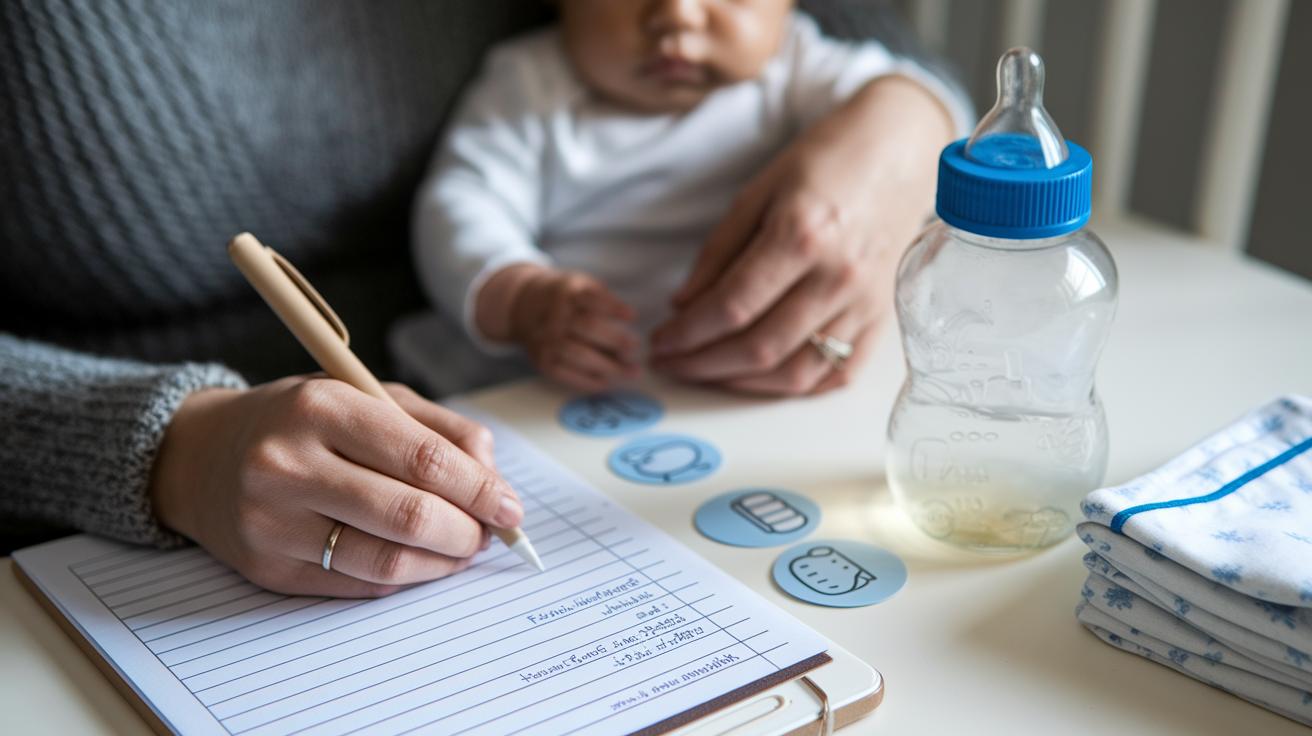
Have you ever noticed that a small change during feeding can make a big difference for your baby? In this guide, we share two simple ideas that can turn mealtime into a warm, special moment between you and your little one. We’ll talk about how a gentle hold and the right latch can help your baby get the healthy nutrition they need while feeling that loving connection with you. These friendly tips are designed to bring calm to feeding time and help your baby grow strong and happy.
Top Strategies for Infant Feeding Success

Feeding your baby the right mix of nutrients helps them grow strong and build the natural defenses they need to fight off little bugs. Plus, every feeding is a chance to share a special bond that lays the foundation for a healthy, happy future.
This guide walks you through five important steps for setting up a solid plan for your baby's nutrition. Breastfeeding offers warmth and the essential nutrients your baby needs. And if you choose to bottle-feed, keeping the bottle nearly flat and positioning your baby right can help avoid swallowing extra air, so the milk flows smoothly.
Planning a feeding schedule is also key. Newborns usually need to eat every 2 to 3 hours. Watch for signs like rooting, hand-sucking, or lip smacking, these are clues that your baby is getting hungry, so you can feed them before they get too upset.
As your baby grows, you’ll start to add solid foods and adjust feeding amounts to match their changing needs. And when little hiccups like coughing, fussiness, or food refusals pop up, a gentle trick like softly brushing the nipple against your baby's lips can encourage a better latch, almost like giving a reassuring little nudge.
Bringing all these simple steps together creates a calm, stress-free routine that supports steady growth and keeps your baby well-hydrated. Whether you’re bonding through breastfeeding or setting a routine with bottle-feeding, these clear, trusted tips help you notice when your baby is hungry or full. If your little one turns away or closes their mouth, it’s a sign they’re content. Each feeding then becomes a warm, confident step in their development.
Breastfeeding Posture and Latch Tips for Optimal Infant Feeding

Getting comfortable during feeding time starts with a good posture and a proper latch. When you find a supportive hold, it can ease any discomfort and even help boost your milk supply. A secure position makes it easier for your baby to latch deeply so that milk flows steadily, ensuring your little one feels calm and well-fed.
Ideal Positioning
Try holding your baby in a semi-upright position. This means gently supporting your baby’s head and back with even pressure, like a cozy cuddle where their hips, legs, and feet naturally line up. It’s a bit like setting up a little nest that reduces strain on both of you and helps avoid any problems that can happen with a completely flat hold.
Deep Latch Methods
For a deep latch, you want your baby’s mouth to cover most of the dark area around the nipple (the areola). The baby’s jaw should move naturally, and you might see their lip form a soft flange around your nipple. One little trick is to lightly brush your nipple against your baby’s lips. This gentle nudge can trigger their rooting reflex and help them latch on strongly and comfortably.
Managing Let-Down
It can help to place one hand at the base of your breast to gently control how the milk flows, matching it with your baby’s sucking rhythm. Taking short pauses for burping every few minutes is a good idea too, it lets out extra air and keeps feeding smooth and calm.
If you find that small changes aren’t making things easier or if you’re still having trouble with latch or discomfort, don’t hesitate to reach out to a lactation expert. They’re there to help and can share even more personal tips based on your unique experience.
Bottle Feeding Techniques for Safe and Efficient Infant Nutrition

Using the right bottle angle is key to keeping your baby safe and comfortable. Holding the bottle almost flat creates a steady milk stream that matches your baby's natural sucking rhythm, helping to reduce extra air that might cause discomfort.
Proper Positioning
When you’re feeding your little one, try holding the bottle in a semi-upright way. Support your baby's head and back so they feel secure, and keep their body nicely aligned. Hold the bottle almost horizontal so the nipple always fills with milk. This small tilt helps prevent extra air from getting in and makes sure the milk flows at just the right pace for your baby’s sucking strength.
Nipple and Flow Options
Picking the right nipple flow can really make a difference. If your baby tends to cough or sputter, consider a slow-flow nipple for a gentler milk delivery. Also, adjust the nipple size based on your baby’s signals. This simple tweak helps keep bottle feeding safe and comfy, while also reducing the risk of overfeeding.
Safe Formula Prep
Making formula with care is super important. Use water warmed to about 98°F (just a gentle warmth) and follow the label for the proper powder-to-water mix. Stir gently so the formula blends smoothly and is easy for your baby to digest.
- Use clean, sterilized bottles and nipples
- Measure water first, then add the powder
- Swirl the mixture (don’t shake) to keep it smooth
- Check the temperature on your inner wrist
- Discard any extra formula after 1 hour
Infant Feeding Schedules for Day and Night

Newborns need to feed every 2 to 3 hours in those first few weeks. You might notice your little one showing hunger signals like turning their head or gently sucking on their hands. When you see these cues, it’s a sweet reminder that it’s time for a feed.
During the day, try to plan feeding times around 45 to 90 minutes of wakefulness. This helps your baby stay alert and makes digestion easier. If your baby starts to fuss or their energy shifts, they may be ready to eat. It’s okay to follow these signs rather than sticking to a strict schedule. Think of it like you noticing a little hunger pang between meals and grabbing a quick snack, it keeps you feeling balanced.
At night, create a calm, soothing environment for feeding. Keep the room dim, speak softly, and use gentle touches. This quiet, reassuring approach can help your baby feel safe and make it easier for them to settle back to sleep peacefully.
Introducing Solids: First Foods and Finger Food Guidelines

When your little one starts showing signs of readiness, like sitting with a bit of support, keeping their head steady, or showing a spark of interest in your meal, it might be the perfect moment to introduce solids. It's like opening a new door to delicious tastes and fun textures that join breastmilk or formula.
Here are some simple food ideas to try:
| Food Option | Description |
|---|---|
| Rice or Oatmeal Cereal | Fortified with iron to boost nutrients |
| Pureed Chicken or Turkey | A soft, protein-packed introduction to meats |
| Mashed Avocado | Creamy and full of healthy fats |
| Pureed Sweet Potato | Sweet and smooth with lots of vitamins |
| Lentil Puree | A gentle way to introduce plant-based protein |
| Mashed Banana | Soft, naturally sweet, and easy to digest |
When it comes to finger foods, safety is key. Start with tiny, soft pieces, think soft-cooked vegetables cut into little chunks or perfectly ripe fruit slices. These easy-to-handle bits let your baby practice self-feeding while keeping choking risks low. And, of course, always keep a close, caring eye during mealtime.
If you're just starting out with solids, give your baby three to five days with each new food option. This gentle pace helps you watch for any mild reactions while making mealtimes calm and stress-free. It’s all about enjoying each new taste and texture together, one little bite at a time.
Troubleshooting Common Infant Feeding Challenges

Sometimes, you might notice little signs that your baby isn’t feeding comfortably. If your baby coughs a bit, seems fussy, clenches their fists, or even arches their back, it's a clue that the milk flow or latch might need a little extra attention. For instance, a brief cough might simply mean the flow is coming in too fast.
If you need help tweaking the way you feed, try a slower nipple or a paced feeding style. Holding your baby in an upright position or pausing to burp every 2 to 3 ounces can also make a difference. You can find extra tips in the Bottle Feeding Techniques and Breastfeeding Posture and Latch Tips sections – they offer straightforward ideas without repeating what you might already know.
If your little one still shows signs of colic or keeps turning away from feeding, it might be time to chat with your pediatrician for advice tailored to your baby’s needs.
Monitoring and Ensuring Adequate Infant Nutrient Intake

By two months, most babies are gaining about 5 to 7 ounces a week, and you’ll likely notice at least six wet diapers every day. These little signs can really reassure you that your baby is getting enough nourishment.
As your baby grows, you might find that the feeding amounts need a small tweak. By four months, many babies enjoy feeding around 4 to 6 ounces every 3 to 4 hours. It helps to watch for your baby’s cues, like when they become a bit more active or start rooting, which shows they’re hungry, and then slow down or turn their head when they’re full. For instance, if your baby seems happy after a shorter feed, that might mean they’re satisfied. But if they look fussy or unsatisfied, you might consider giving a little more. These little changes in appetite are a normal way for your baby to tell you what they need.
Using a simple growth chart, keeping a feeding log, and setting up regular pediatric check-ups can be really useful. These steps help you spot any changes quickly, so you can make sure your baby is growing steadily and getting the nutrients they need.
Final Words
In the action, the blog post offered a clear look at balanced feeding to support healthy growth and well-being. It highlighted key areas like breastfeeding, bottle feeding, feeding schedules, first foods, troubleshooting challenges, and monitoring growth. Each section provides practical infant feeding tips for a nurturing and safe routine that can ease daily worries.
The insights shared encourage a calm and confident approach to feeding, leaving readers with renewed hope and actionable strategies for smooth, stress-free care.
FAQ
What are some infant feeding tips for 2, 3, 4, and 6 months?
The infant feeding tips for different ages focus on how feed amounts and routines change as your baby grows. Younger infants need smaller feeds more often, while older ones may show clearer hunger signals.
What are some effective infant feeding tips at night?
The infant feeding tips at night recommend a quiet, calm setting with dim lighting and gentle handling. This helps soothe your baby during feedings and supports better sleep afterward.
What are the key signs of poor feeding in newborns?
The signs of poor feeding in newborns include trouble latching, frequent fussiness, and little response to hunger cues. Notice any of these signs and consider adjusting your feeding approach.
How do I properly feed a newborn baby with a bottle?
The proper way to feed a newborn with a bottle is to hold it nearly horizontal so the nipple remains full of milk. This method helps your baby drink smoothly while reducing air intake.
What does a newborn feeding chart (ml) usually show?
The newborn feeding chart in milliliters typically details how much milk your baby should consume per feed at various ages, helping you keep track of portions and ensure steady growth.
What do the 5 3 3, 4 4 4, and 5 8 5 feeding rules mean?
The 5 3 3, 4 4 4, and 5 8 5 rules offer simple guidelines for feed frequency, volume, and timing. They serve as general frameworks to help you plan feeds while paying close attention to your baby’s hunger cues.