Have you ever wondered if getting your strength back after having a baby might be simpler than it seems? Many moms hear so many different tips and sometimes feel lost about which ones really help. Imagine a gentle routine that not only helps rebuild your core but also brings surprising bursts of energy into your day. Instead of pushing yourself with tough workouts right away, postpartum strength training is all about easing in gradually, with care and attention. Keep reading to find out how safe, focused moves can help brighten your recovery and boost your confidence.
Postpartum Strength Training Fundamentals for Safe Recovery

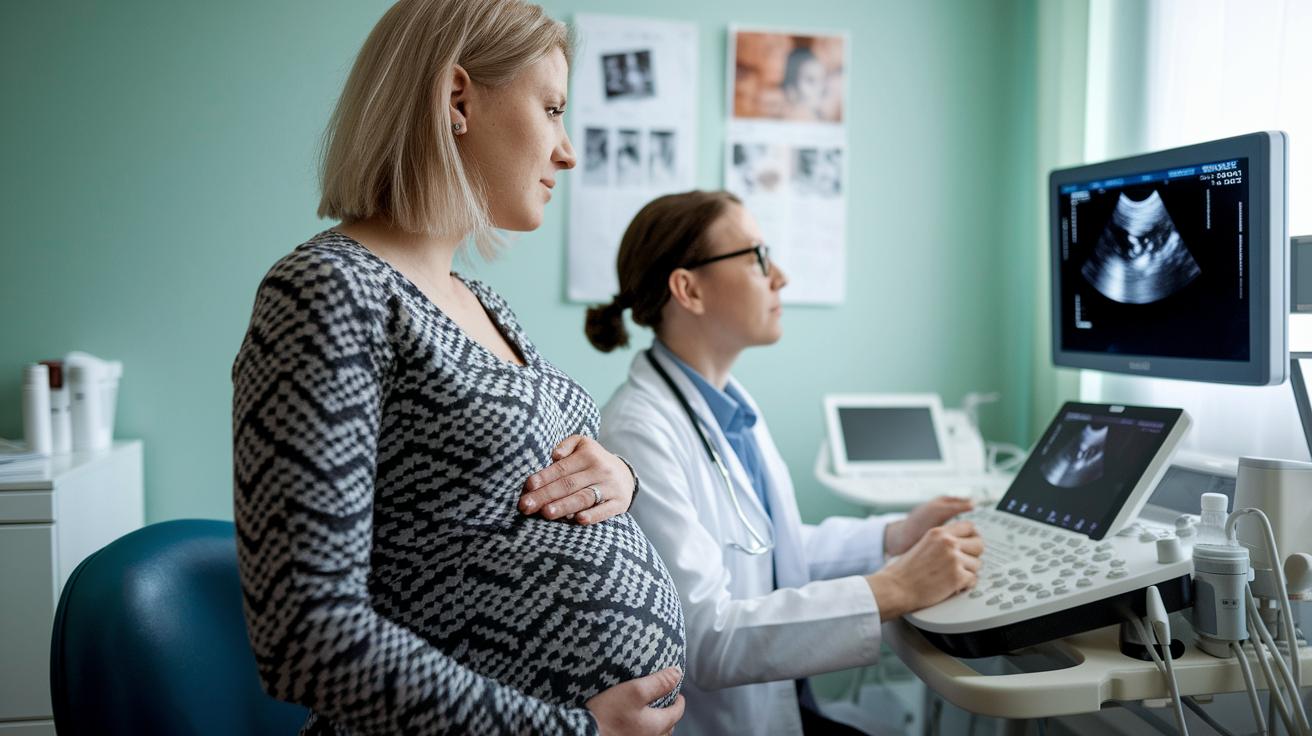
After you give birth, your body needs time to mend. For the first two weeks, take it easy and enjoy very short walks if you feel up to it. This quiet time helps your tissues rest after the hard work of birth. Once you feel ready, chat with your doctor or midwife about gentle exercises to rebuild your core. Most often, they recommend waiting until about six weeks after delivery. Starting any routine too soon could cause injury, so always get the green light first.
Every mom is different. Whether you had a vaginal delivery or a cesarean, your journey back to strength may look unique. For example, a cesarean is major surgery, so you might need extra time before trying weight-bearing moves. Start slowly with gentle exercises that rebuild your core and protect your pelvic floor. Methods like the Connection Breath help engage your deep stabilizing muscles safely.
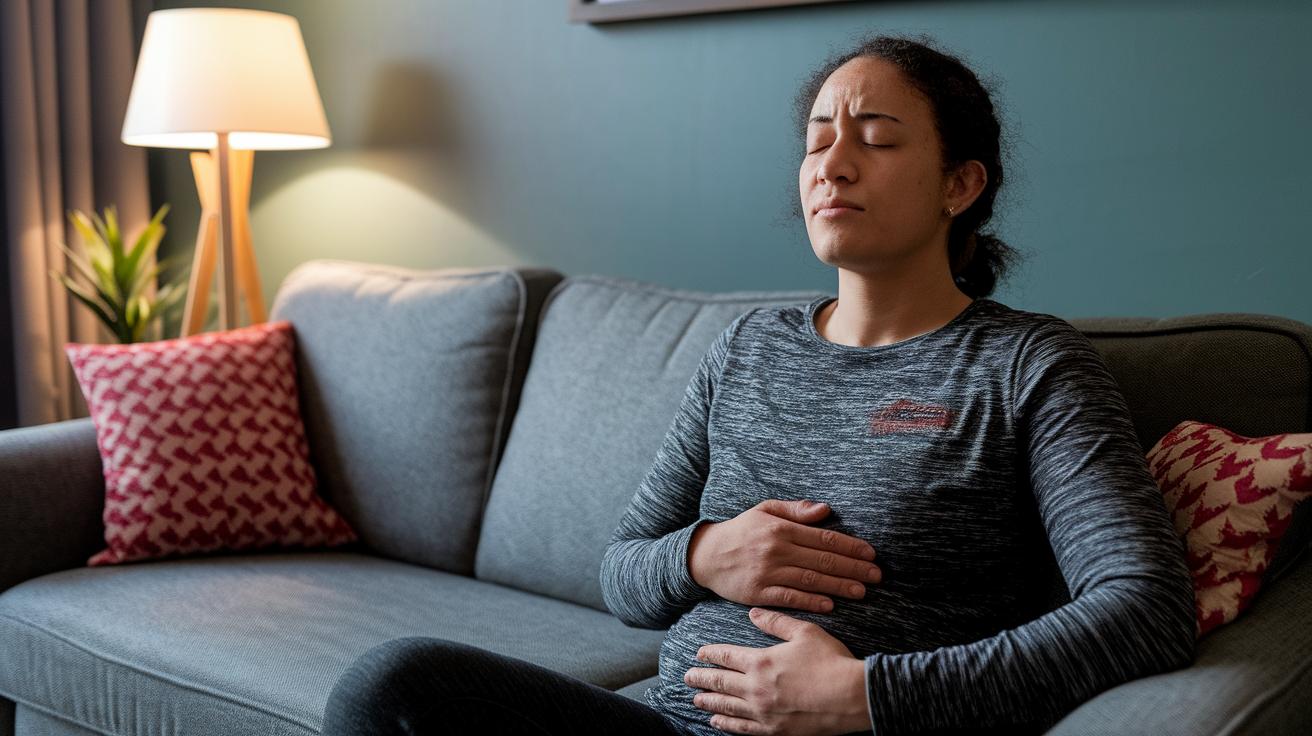
Listen closely to your body. If you notice unusual soreness around your incision or pelvic area, take a break or adjust your routine. Have you ever noticed how a small change can make a big difference in your recovery? For more detailed advice, check out the "Postpartum physical healing process" at https://womensconference.org?p=14717. This expert guide offers clear tips to keep your recovery both safe and empowering.
Postpartum Resistance Exercises After Childbirth: Getting Started Safely
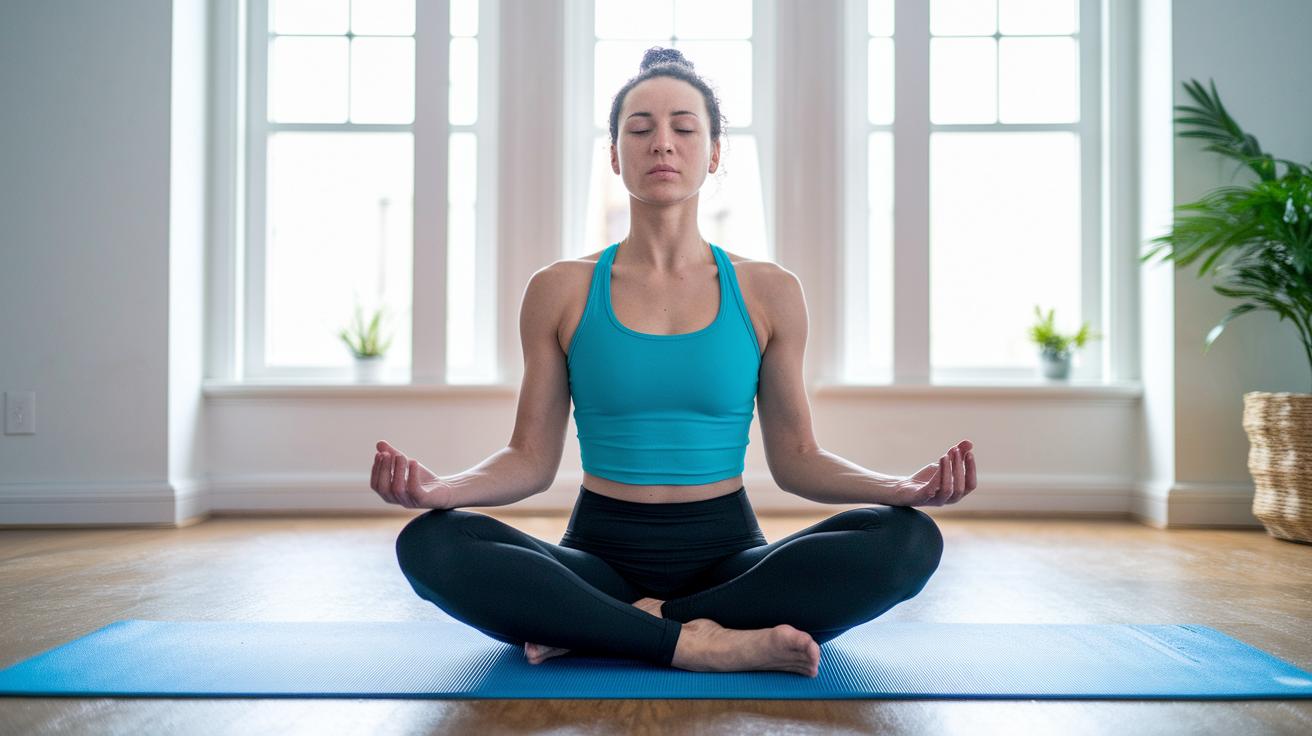
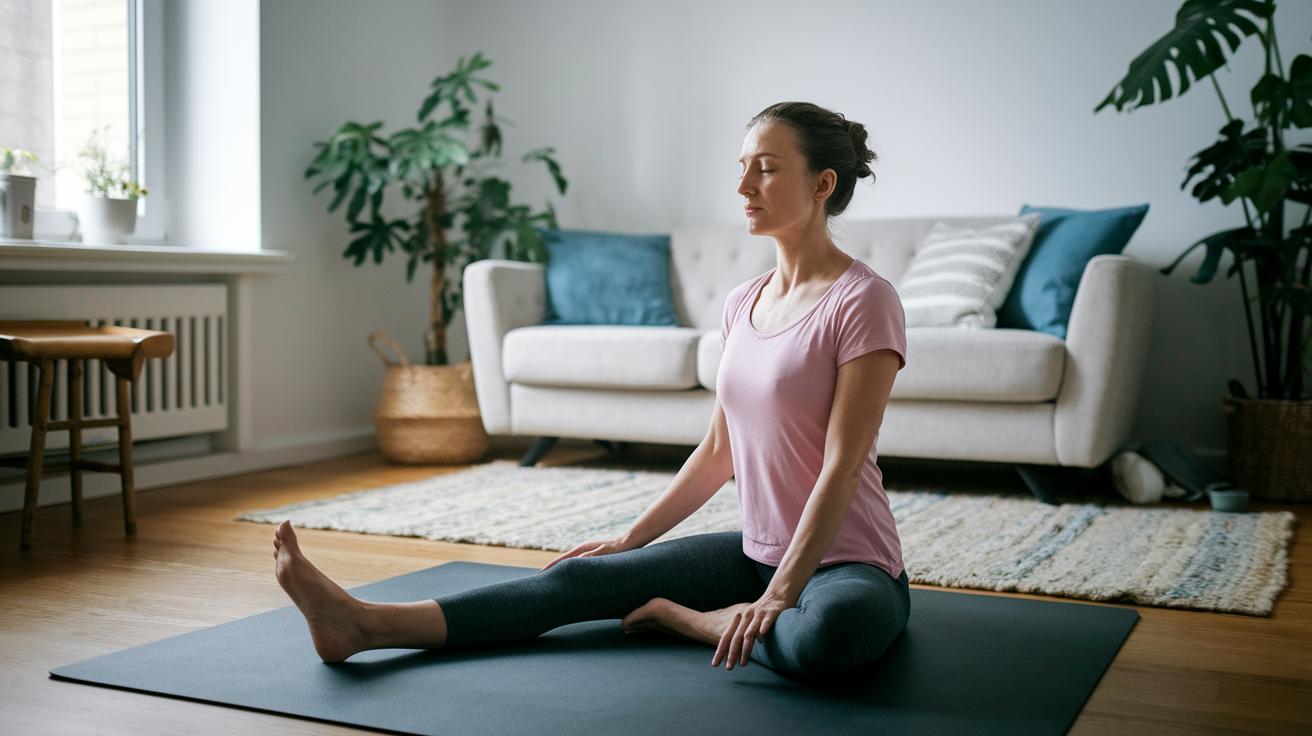
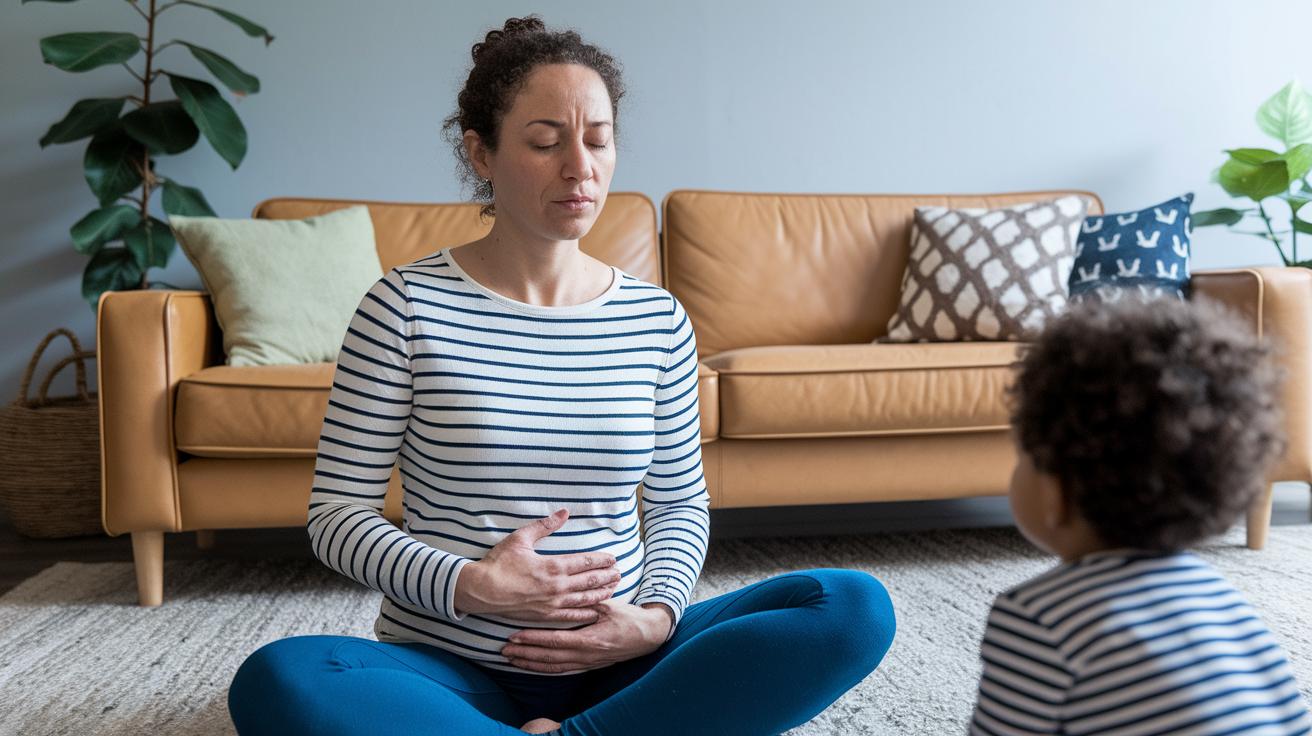
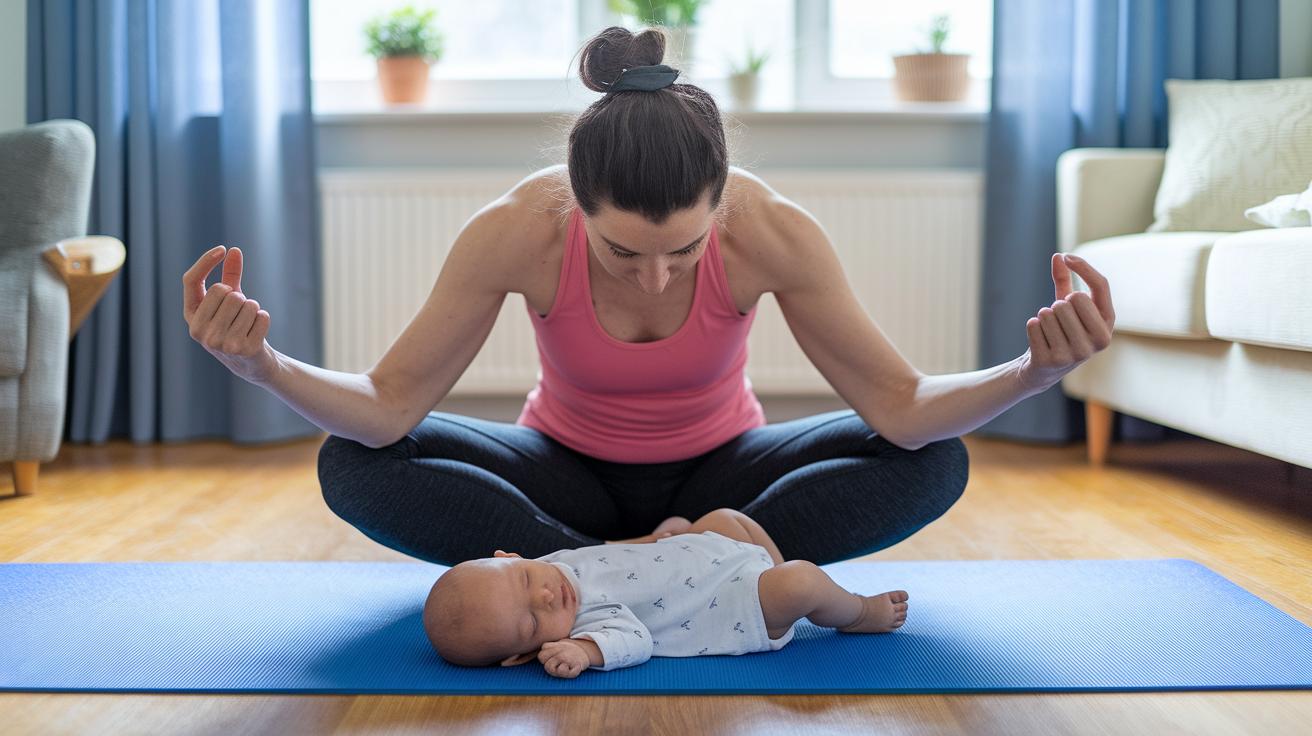
Let's begin by focusing on rebuilding your core and pelvic floor using a special breathing method called the Connection Breath (a way to breathe that supports your muscles). When you exhale as you contract your muscles, you gently work your deep stomach muscles without creating too much pressure. Imagine taking a slow, calming breath to set your body steady before each move.
A great way to start is with simple moves like pelvic tilts, heel slides, and glute bridges. Keep your motions slow and controlled, almost like gently waking up your muscles after a long rest. Each careful, deliberate movement helps reconnect your body’s natural strength.
Try to keep your workout sessions gentle, aiming for two to three times a week. Always focus on doing each exercise properly rather than adding extra load, so you protect the healing tissues as you regain strength. A few thoughtful repetitions can do wonders.
For more trusted tips and research-backed advice, check out the Evidence-based postpartum healing techniques at https://womensconference.org?p=14839. Let your body lead you as you build a strong, safe foundation for a smoother recovery.
Postpartum Strength Training: Energize Your Recovery
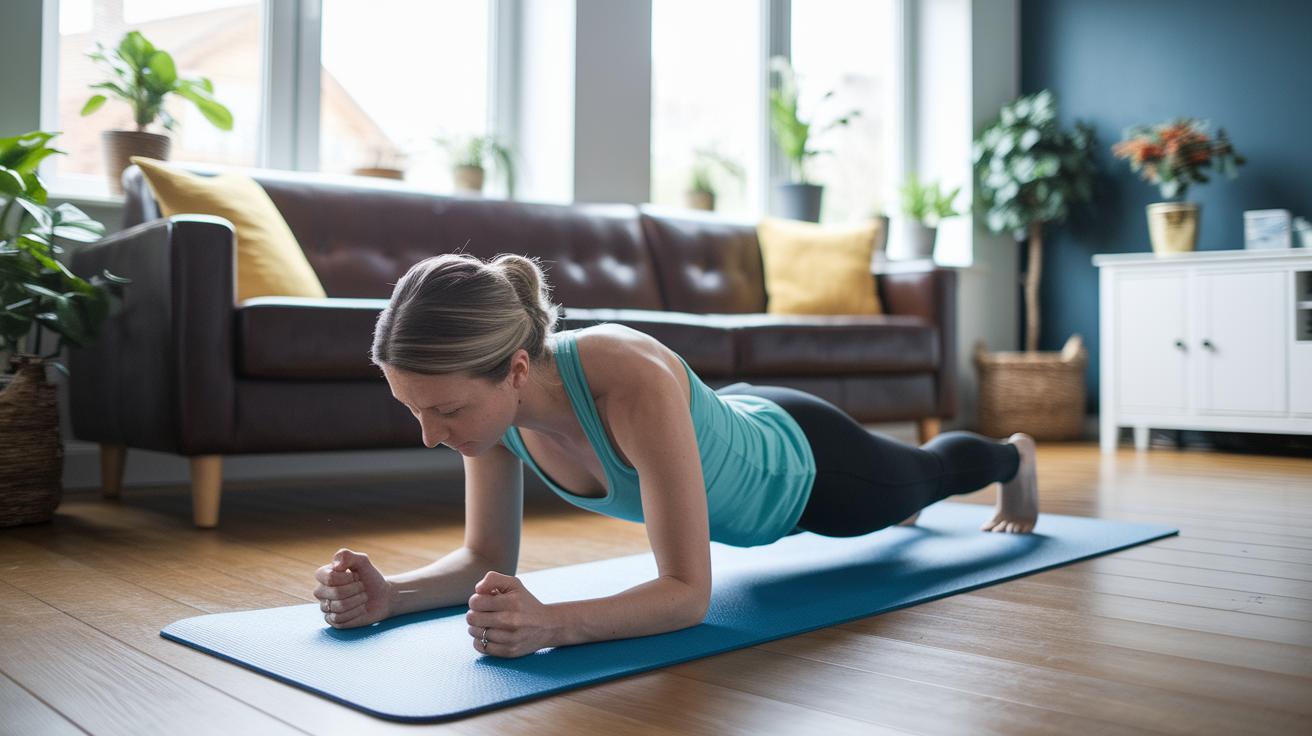
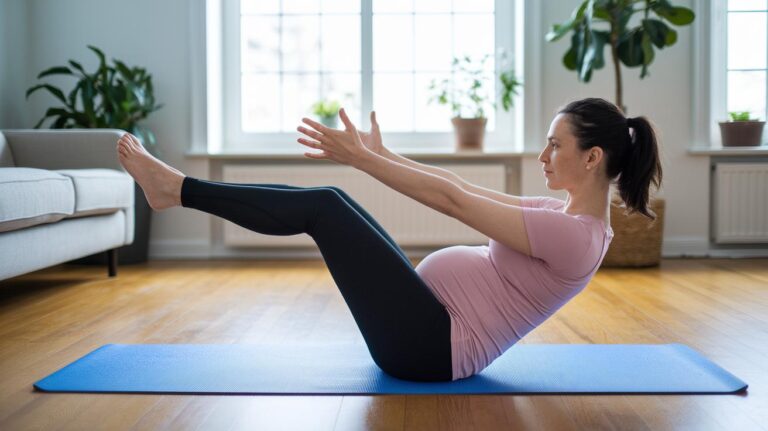
If you’re ready to rebuild your strength after having your baby, start with some gentle moves that care for your healing body. Try modified plank holds by using your knees or leaning against a raised surface. Hold for 10–20 seconds and gradually work up to 2–3 sets. Think of it like forming a calm, supportive bridge for your body, much like leaning on a close friend when you need a little extra support.
Next, give the bird-dog exercise a try while keeping your spine in a neutral, straight line. Do about 10 reps on each side, making sure your glutes and side muscles are working. It’s a fun way to help balance your body and keep your posture strong as you recover. And then there’s the glute bridge with a little twist, on your exhale, gently lift your pelvic floor. Aim for 12–15 reps. The breathing and movement together can really help you keep a steady, stable core without any extra strain.
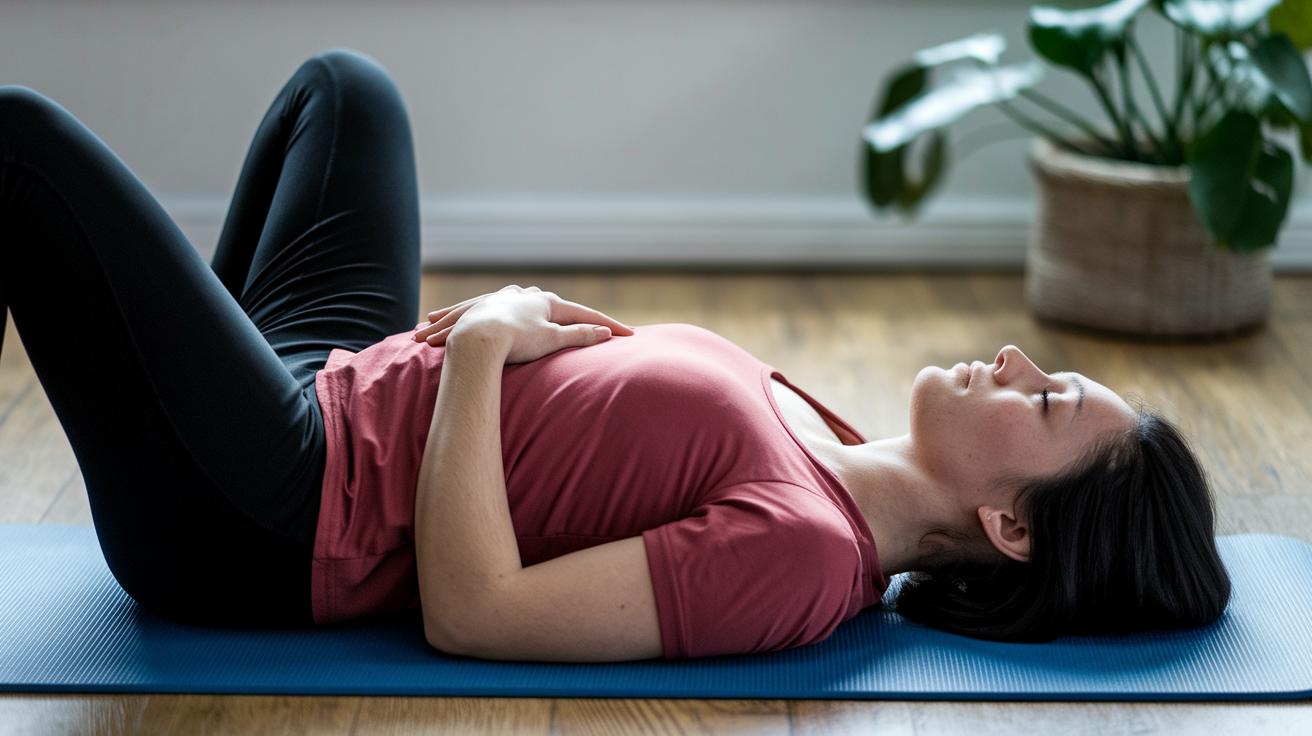
For moms with diastasis recti worries, try some abdominal draw-in exercises while lying on your back. Hold the contraction for about 5 seconds so you build strength safely while protecting your midsection. And remember, a supportive sports bra with a front closure can be a great helper in keeping your ribcage moving comfortably during these exercises. Listen to your body, and feel free to adjust the number of reps or how long you hold each one to make your recovery both nurturing and effective.
12-Week Postpartum Progress Plan for Scalable Strength Gains
This plan is here to help you build strength safely as you recover after having your baby. In the first two weeks, take it easy, focus on rest and gentle walks to give your body time to settle and heal.
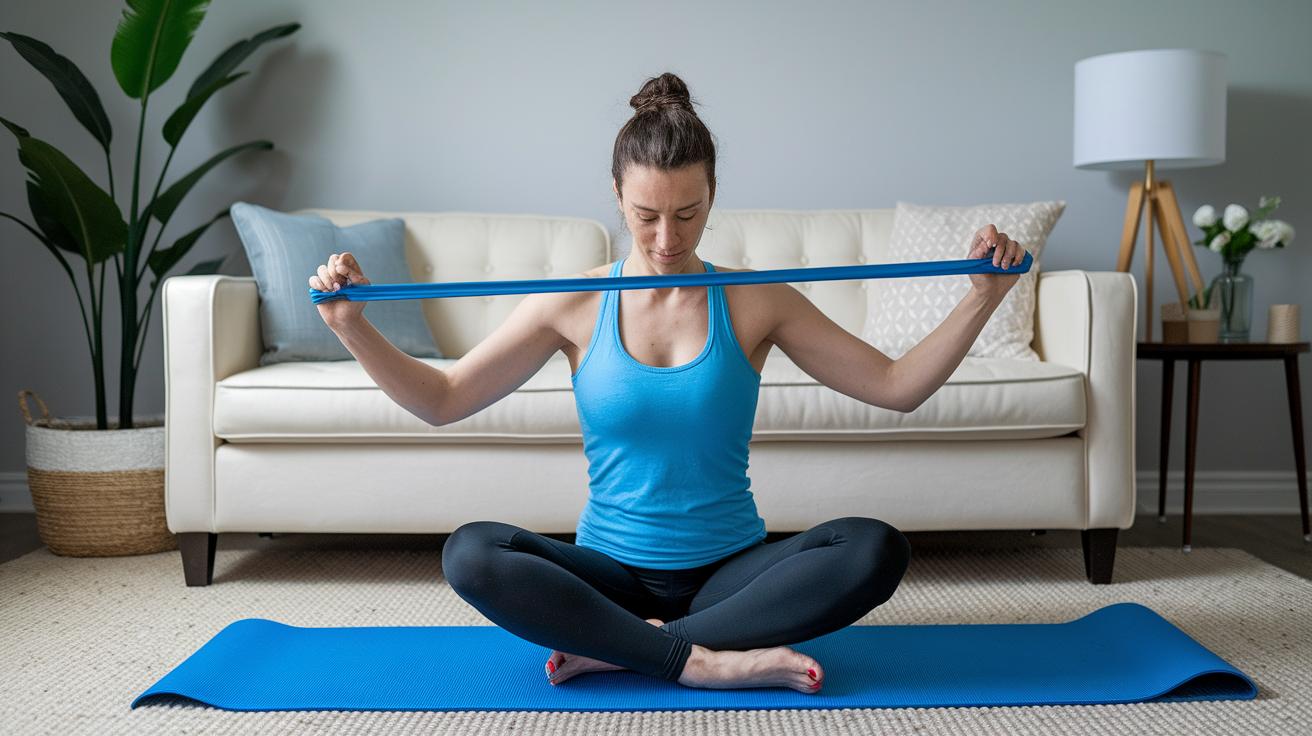
For the next few weeks, try doing bodyweight exercises and using a resistance band twice a week. These light workouts let you move gently and start reconditioning your muscles without too much strain.
Between weeks 6 and 8, you can add light dumbbells (around 5 to 10 pounds) into two or three sessions each week. This is a great way to work on those stabilizing muscles and build up your confidence in exercising again.
From weeks 8 to 12, the focus shifts to gradually increasing either the weight or the number of repetitions during three weekly sessions. This steady challenge helps your body adapt while still respecting your healing process. And if you had a C-section, you might want to extend each phase by an extra week or two. Always trust what your body is telling you, if it feels off, take it slower.
| Week Range | Focus | Key Exercises |
|---|---|---|
| 1–2 | Rest & Walks | Short walks, gentle stretches |
| 3–6 | Bodyweight Movements | Pelvic tilts, heel slides, gentle glute bridges |
| 6–8 | Light Resistance | Light dumbbell rows, squats |
| 8–12 | Gradual Progression | Increasing reps, resistance circuits |
Stick with the plan, listen to your body, and adjust if needed. Every little step is a win on your journey to a stronger, healthier you!
Postpartum Strength Modifications for Diastasis Recti and C-Section
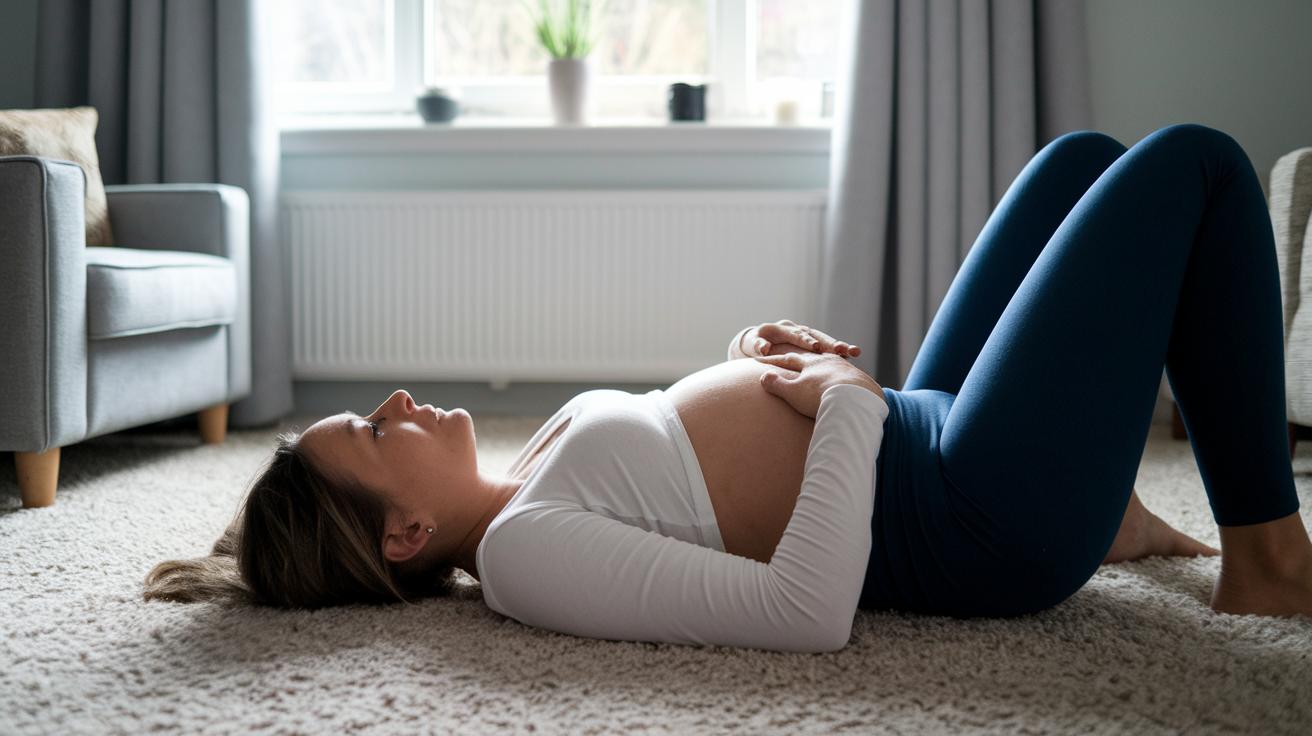
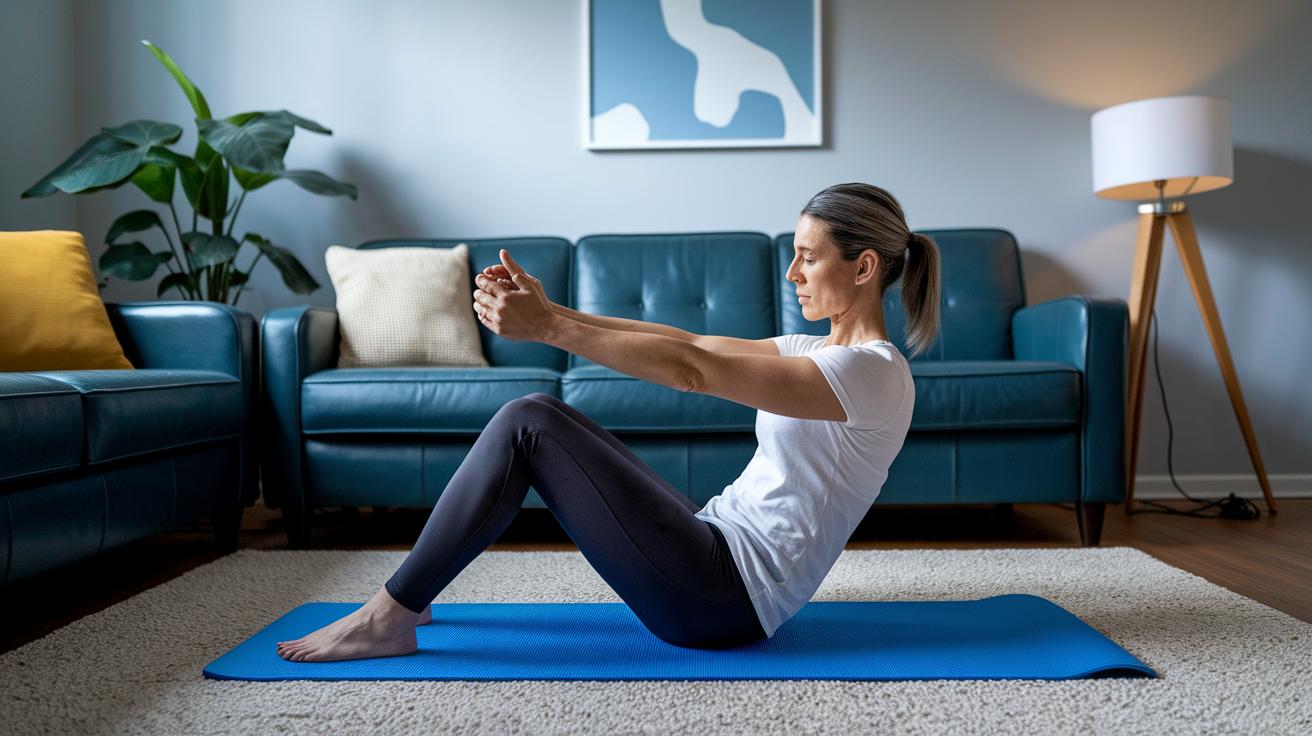
Recovering after birth is a very personal journey, so it helps to tune in to your body and adjust your exercise routine as needed. If you’re managing diastasis recti, avoid doing full sit-ups. Instead, try to wake up your deep core with gentle moves. One idea is to lie on your back and carefully pull your belly in for about 5 to 10 seconds. Imagine that calm moment when you feel your muscles softly tighten, almost like a warm hug for your body.
If you had a C-section, steer clear of heavy abdominal exercises until your doctor says it’s okay, usually around 8 to 12 weeks after giving birth. Start with some simple deep breathing to encourage movement, and add pelvic floor lifts to help reconnect with those important muscles. It’s like giving your body a gentle nudge to rebuild strength slowly.
You might also want to try lower-impact moves like Kegels paired with heel slides. These exercises can support your recovery without putting extra pressure on your healing incision. Always listen to your body: if you notice any pulling or discomfort near your incision, or see your tummy bulge in an unusual way, it’s a good idea to take a break and adjust your routine. Trust yourself, move gently, and remember that every small step counts on your path to feeling strong again.
Home-Based Postpartum Strength Workout for Moms: Equipment and Setup
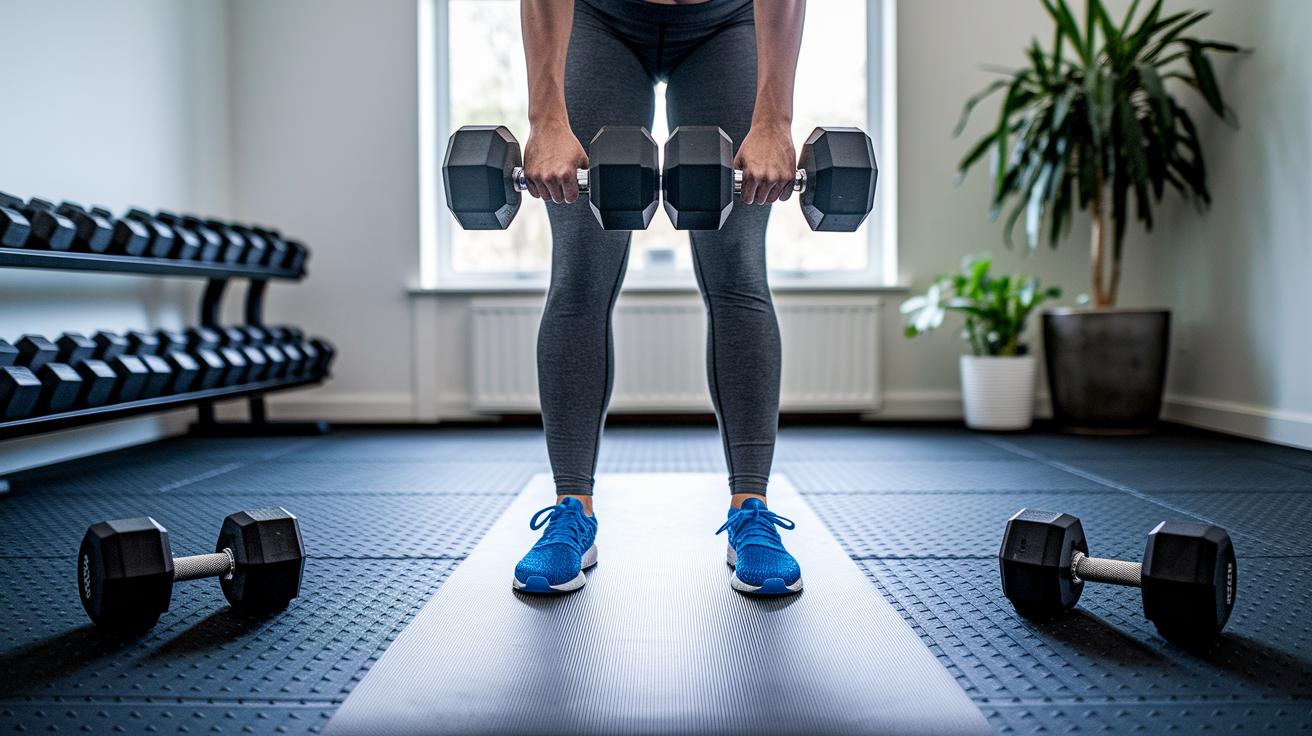
It’s easier than you think to create a safe space for your workout at home. Find a clear spot, around 4×6 feet, where you can move freely and feel comfy. This little area becomes your personal haven for boosting strength and energy, think of it as your special corner just for you.
Next, gather a few key pieces of equipment to help make your session effective. Wondering what to pick? You might consider:
- Medium dumbbells (about 5–10 lbs)
- Resistance bands
- A stability ball
- A yoga mat
Try a simple 30-minute circuit to guide your routine. Start with bent-over rows to gently work your back, then move on to bicep curls that give you a controlled squeeze in your arms. After that, do 2-pulse squats to wake up your legs, followed by half-kneeling front raises to build shoulder strength. Finish off with modified side-plank hip lifts to target your core and glutes.
Aim for two or three rounds each week, and don’t forget to give yourself rest days so you can recover fully. This routine is a gentle way to return to activity while nurturing your recovery. Enjoy turning your home into a warm hub for strength and self-care!
Postpartum Nutrition and Recovery: Synergy Tips for Strength Gains
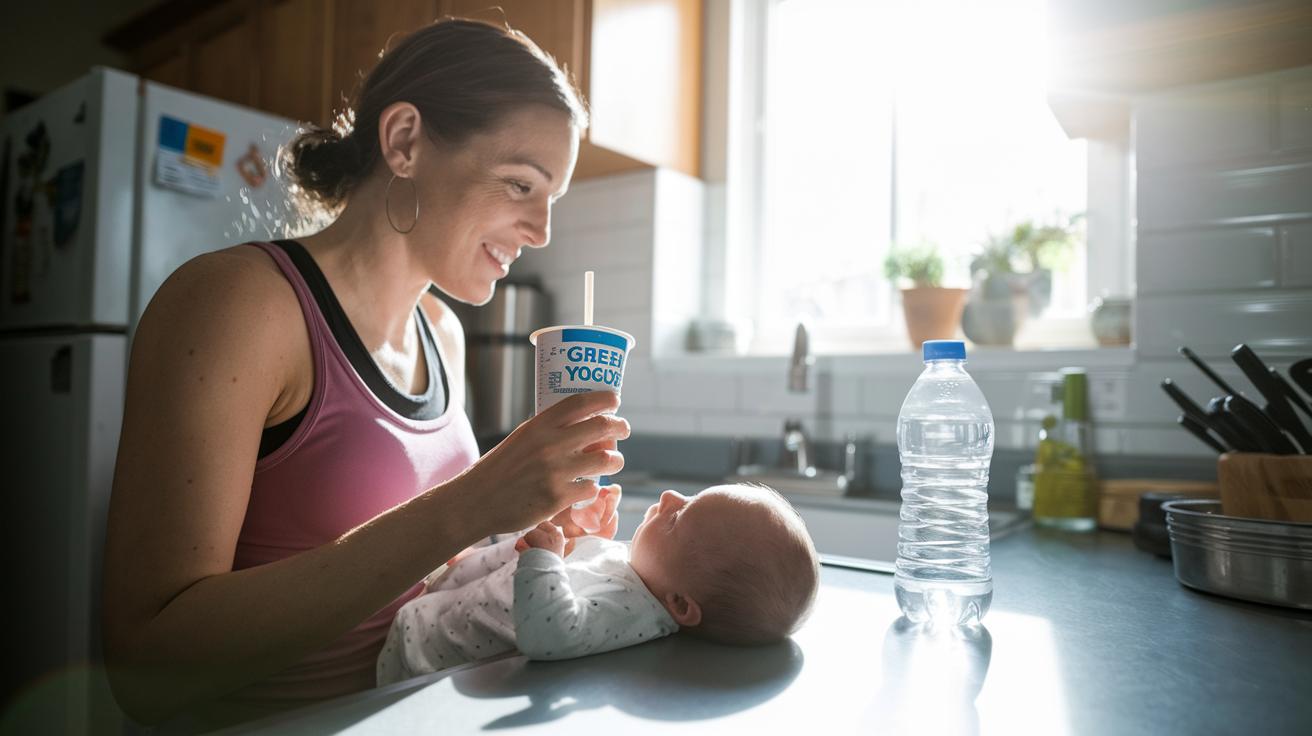
When you finish a workout, it’s a great idea to help your muscles recover by eating a protein-rich snack. New moms can aim for about 1.1 grams of protein for every kilogram of body weight each day. Right after exercising, within about 30 minutes, grab something like Greek yogurt, a protein shake, or even a lean turkey wrap. It can feel like your muscles are getting a warm, comforting hug.
Staying well-hydrated is important for recovery too. Try to drink around 2.7 liters of water every day, especially if you’re breastfeeding. Keep a water bottle close and take little sips throughout the day. This small habit not only keeps you refreshed but also helps your body heal.
Plan meals that are full of nutrients. Think of whole grains, leafy greens, and healthy fats that boost your energy and lift your mood. Imagine a colorful bowl of quinoa mixed with spinach and avocado after a workout, it’s a delicious way to work hand in hand with your strength training routine and slowly regain your energy and resilience.
Motivational Techniques and Tracking in Postpartum Strength Training

Keeping track of your progress can really brighten even the toughest days. Whether you jot things down in a journal or use a simple fitness app, recording each win, like that extra push in your workout or feeling a little more balanced, helps you see just how far you've come. It’s like creating your own little map of progress. For example, you might write, "Today I added one extra rep and felt stronger, like a spark of confidence lighting up my day."
Breaking big goals into tiny steps is a game changer. Instead of aiming for a huge leap right away, consider setting micro-goals, like adding one extra rep every week or increasing your weight by one pound every couple of weeks. These small targets add up over time and make each workout feel rewarding, almost as if you’re celebrating a little victory every time.
Try these simple tips to keep your motivation up:
- Write down your workouts and note any milestones.
- Set small, short-term targets that fit your pace of recovery.
- Chat with other new moms online to share tips and cheer each other on.
- Celebrate wins that aren’t just about numbers, such as better posture, less back pain, or improved sleep quality.
Every workout becomes a step toward a more vibrant, resilient you, and soon enough, you’ll see just how powerful those little moments can be.
Final Words
Jumping right in, this post covered safe guidelines for postpartum strength training fundamentals. We talked about rest at first and slowly reintroducing resistance with expert approval, all while keeping our focus on healing. You learned how to start with gentle resistance exercises, check your nutrition, and track small wins. We also shared modifications for diastasis recti and C-section recovery. Remember, postpartum strength training is about listening to your body, step-by-step progress, and embracing your journey to renewed strength and well-being. Stay strong and keep moving forward.
FAQ
Frequently Asked Questions
How can I access a postpartum strength training plan PDF or overall plan?
A postpartum strength training plan in PDF form provides a clear roadmap tailored to your recovery. It outlines gradual exercises focusing on core and pelvic floor strength with easy-to-follow progressions.
How can I practice postpartum strength training at home?
A home-based postpartum strength training plan guides you through simple exercises using minimal gear. It helps you build strength safely in a small space and fits easily into your day.
How does advice on postpartum strength training shared on Reddit compare?
The advice from Reddit reflects personal experiences from other moms. It offers practical tips and community support while reminding you that a plan based on professional guidance is safest for your recovery.
What is the best postpartum strength training program?
The best postpartum strength training program matches your recovery stage. It introduces resistance gradually and emphasizes core and pelvic floor safety, ensuring you build strength without overstraining.
How is a week-by-week postpartum workout plan structured?
A week-by-week plan starts with rest and gentle walks, then moves to bodyweight exercises, introducing light resistance and progressive overload. It lays out clear steps for safely increasing strength over time.
How can I incorporate my baby into my postpartum workout?
Including your baby in postpartum workouts, such as doing modified squats or gentle stretches, offers bonding time while keeping the exercises safe and accessible for your post-birth recovery.
When can I safely start strength training or return to the gym postpartum?
Many moms begin low-impact strength training or return to the gym around 6 weeks postpartum after getting medical clearance. This gradual approach protects healing tissues while helping you regain strength.
Can I do squats 2 weeks after giving birth?
Squats only 2 weeks postpartum are generally too early, as healing tissues need time. It’s wise to wait for medical clearance and begin with gentler exercises to avoid strain.
Is it safe to lift weights postpartum?
Lifting weights after childbirth is safe when you have your doctor’s approval and start slowly. Modifying exercises to safeguard your core and pelvic floor ensures your recovery stays on track.