Wednesday, June 24, 2026
Home Blog Page 48

Prenatal Yoga Boston: Embrace Calm Today

0

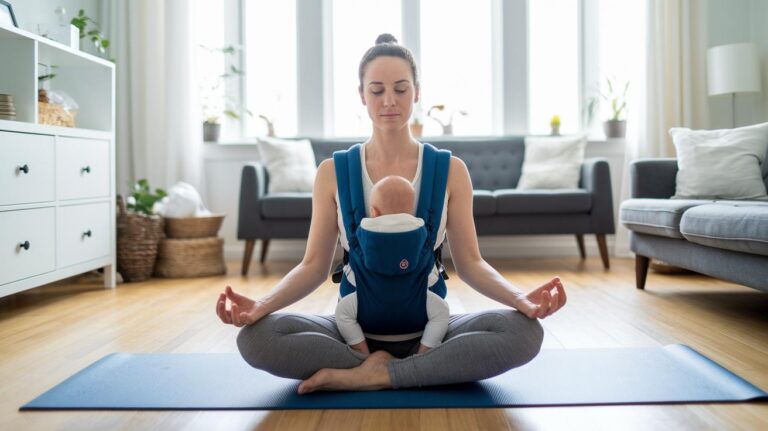
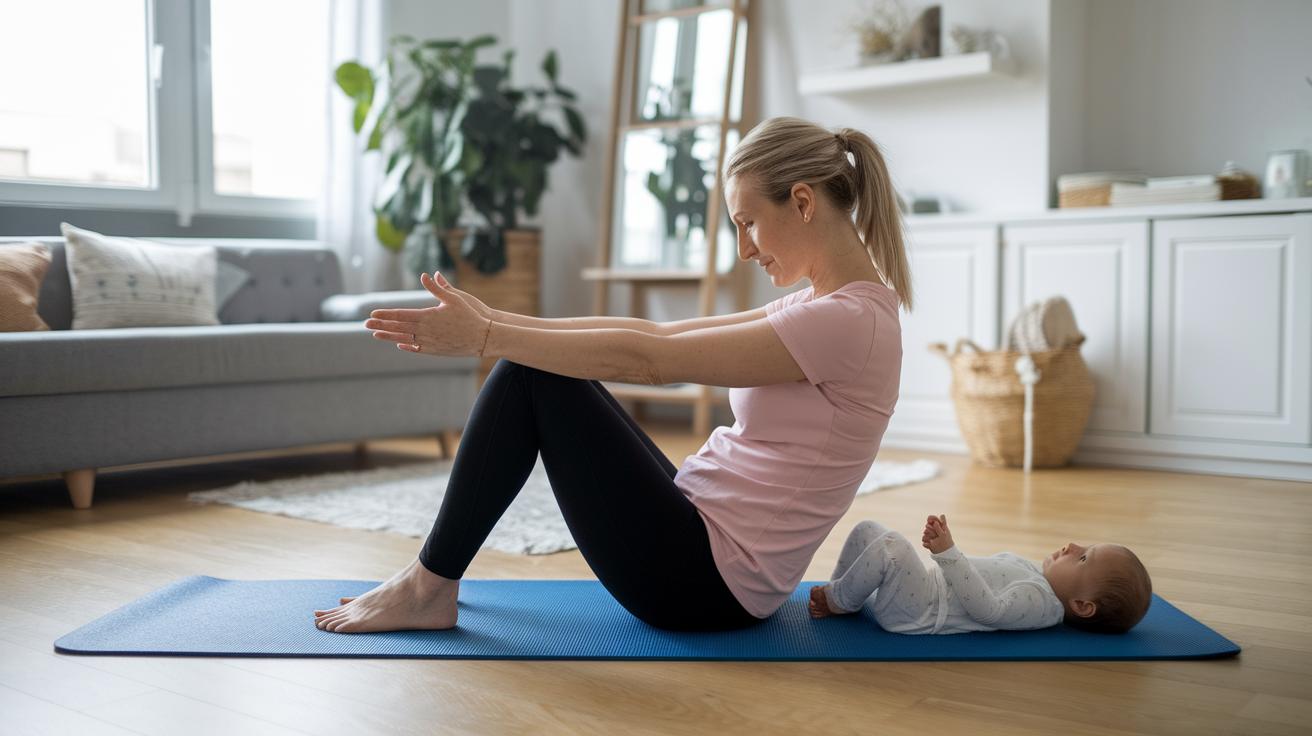
Have you ever thought a few gentle stretches might give your body and mind a little boost? In Boston, lots of moms are discovering prenatal (care during pregnancy) yoga as a simple yet powerful way to care for themselves during this special time. Local studios warmly invite you to try easy movements that feel as soothing as a warm cup of tea after a long day. Prenatal yoga here helps bring calm and confidence, turning everyday moments into a nurturing pause for you and your little one.

Explore Prenatal Yoga in Boston: Studios & Booking Overview

Prenatal yoga in Boston gives you a chance to join classes that help you feel calm and confident during this special time. These friendly studios welcome you with open arms, whether you want to visit in person or join a live class from home. Imagine settling into a gentle flow, like enjoying a warm cup of tea after a long day, while caring teachers guide you with simple movements. There are many choices, from big community sessions to a focused six-session series, so there’s a fit for everyone. No matter if you’re just starting out or have a lot of yoga experience, you’ll find a supportive space and easy booking via platforms like Mindbody.

Studio Name Location Class Options Booking Channel
Down Under School of Yoga Boston, Brookline, Cambridge, Newton In-person and Virtual Classes Mindbody Online
Radiant Yoga 840 Summer Street, South Boston Standard Prenatal Sessions Mindbody Booking
Blissful Monkey Yoga 663 Centre Street, Jamaica Plain In-Studio & Live-stream Classes with Props Mindbody App/Phone
Be. in Union Yoga 440 Somerville Avenue, Somerville Local Community Classes On-site & Mindbody
Soul City Yoga Greater Boston Area Six-Session Prenatal Series Online Booking via Website

These choices let you flow into a prenatal fitness routine that fits your everyday life. With simple steps to book your spot, whether joining in person or online, you can easily pick a class schedule that helps both your body and mind feel cared for.

Prenatal Yoga Studios in Boston: Neighborhood Guide & Studio Features

img-1.jpg

Down Under School of Yoga offers flexible classes in neighborhoods like Boston, Brookline, Cambridge, and Newton. Their space feels warm and inviting, with both in-person and online sessions that help every expecting mother relax. Imagine stepping into a room washed in soft natural light with soothing music that calms both your body and mind.

Blissful Monkey Yoga in Jamaica Plain and Radiant Yoga in South Boston add their own local charm to each session. At Blissful Monkey Yoga, you’ll find a fun but peaceful vibe with handy props and live-stream classes. In contrast, Radiant Yoga offers specific exercises that improve balance and flexibility, all while creating a friendly and supportive community feel, like being among a group of caring moms sharing smiles and encouraging nods.

Studios such as Lotus Yoga Studio and Lexington Power Yoga put a special emphasis on nurturing every level of practice. Lotus Yoga Studio welcomes beginners with gentle guidance, and Lexington Power Yoga supports women right from conception through early motherhood with classes that build strength and calm your mind. Imagine joining a class where you instantly feel part of a caring community, each breath gently guiding you toward inner peace.

prenatal yoga boston: Embrace Calm Today

In Boston, prenatal yoga brings gentle movement and mindful practice to support expectant moms. These classes are designed to help you feel relaxed and confident, whether you’re just starting out or already familiar with yoga. You can join a class in a studio or via a live-stream on Mindbody, with schedules made to work around your busy day as you care for yourself during this special time.

  • First Time classes
  • Full Schedule sessions
  • Mom & Baby Series
  • Kids Series
  • Sound Bath sessions with Suncear
  • Music classes at Blissful Monkey
  • Meditation sessions with Brennan
  • Breathwork sessions with Evan

When you choose a prenatal yoga session in Boston, you open up a world of choices that match your mood and energy. Imagine settling into a calm space where each steady breath and every gentle move helps you find peace. Whether you love the friendly buzz of an in-person class or the cozy feel of a virtual session, these offerings are flexible, simple, and full of care for you and your journey.

Prenatal Yoga Pricing in Boston: Membership & Single-Class Options

img-2.jpg

If you’re exploring prenatal yoga in Boston, you’ll find plans designed for busy moms like you. You can drop into a single class to try things out or go for a package of classes if you love the routine. Plans are set up with simple cancellation and refund rules, so you always know what to expect if your schedule changes. Plus, many studios let you join in person or live-stream your class through Mindbody, making it easy to fit yoga into your day.

Some places even offer gift cards or options to rent the studio for a private session, perfect for a little extra treat. Plans range from one-time drop-ins to unlimited memberships, so you can pick the one that works best for your pregnancy journey. It’s a flexible way to care for your body and mind while staying part of a supportive community.

Boston Prenatal Yoga Instructors: Certifications & Specialized Training

Bec Conant is a caring guide with loads of experience. She is both a doula and a HypnoBirthing teacher (a gentle way to prepare for birth) who leads pelvic floor classes and Balanced Pregnancy programs. Her warm, compassionate style makes her a trusted helper throughout your pregnancy journey.

At Soul City Yoga, the teachers offer a six-session series that focuses on simple breathing techniques and mindful movement. You’ll get hands-on advice in every class, making it easier to learn and practice each step.

Over at Lexington Power Yoga, you’ll meet a team of experienced moms who know what you need from early pregnancy right through the postpartum period. Their sessions are practical and nurturing, guiding you through gentle movements and mindful exercises. With every class, you feel supported and empowered by instructors who truly understand the journey of pregnancy in Boston.

Prenatal Yoga in Boston: Benefits & Specialized Prenatal Services

img-3.jpg

Prenatal yoga in Boston is a lovely way to care for both your body and your mind while you’re expecting. At Soul City Yoga, you can try a six-session series that gently shows you how to breathe deeply, move mindfully, and relax simply – all of which helps ease your body and spirit. These sessions offer a quiet break in your busy day, leaving you feeling calm and balanced. Each class is carefully designed to help reduce stress and build physical strength, so you feel well-supported as you get ready for labor and your new journey.

Boston has special programs that focus on every part of your prenatal wellness. For example, Boston Birth Village brings together prenatal and postpartum sessions that not only get you ready for labor but also help you feel part of a caring community. And then there’s Om Births with their Balanced Pregnancy and Mommy Sangha meditation programs, which gently lessen stress and help build up your pelvic floor muscles. These kinds of offerings in Boston don’t just improve your physical health; they also nurture a mindful, confident pathway to motherhood.

Boston Prenatal Yoga Booking, Cancellation & Contact Details

If you have questions about booking by phone, just give Blissful Monkey Yoga a call at 617-971-8608. And hey, following them on Instagram is a great way to catch the latest class updates and any changes!

Before you book, take a moment to review the cancellation and refund details on each studio’s website. This little step helps ensure your prenatal yoga experience stays relaxed and stress-free.

Final Words

In the action, this article highlighted top Boston prenatal yoga studios, flexible class options, clear pricing, and expert guidance. It offered easy-to-read comparisons, booking tips, and a look at the benefits and specialized sessions available for expecting mothers.

Everything comes together to help you feel supported while embracing a nurturing path. Enjoy the warmth and care of prenatal yoga boston, it’s a positive step toward a more confident motherhood.

FAQ

What are some of the best prenatal yoga options in Boston?

The best prenatal yoga options in Boston include Radiant Yoga in South Boston, Down Under School of Yoga in Newton, and Blissful Monkey Yoga in Jamaica Plain. They offer in-person and live-stream classes and serve various experience levels.

Which studios offer beginner prenatal yoga classes in Boston?

Beginner prenatal yoga classes in Boston are available at studios like Down Under School of Yoga and Blissful Monkey Yoga, both offering gentle sessions and helpful props for a supportive entry into prenatal fitness.

What makes Down Under Yoga a popular choice for prenatal yoga in the area?

Down Under Yoga is popular because it holds classes across Boston, Brookline, Cambridge, and Newton, and offers flexible in-person and virtual sessions that suit different schedules and levels of experience.

What benefits of prenatal yoga are shared on Reddit?

Many expectant mothers on Reddit share that prenatal yoga improves relaxation, flexibility, and stress relief, supporting both physical comfort and mental calm during pregnancy.

How can I find prenatal yoga classes throughout Massachusetts?

Prenatal yoga classes throughout Massachusetts are offered by several studios, including Radiant Yoga and Boston Birth Village, with options for different class formats that meet the needs of busy moms.

What offerings can I expect at Radiant Yoga in Boston?

Radiant Yoga in South Boston offers prenatal yoga sessions that focus on mindful movement and deep relaxation, making it a welcoming choice for expectant mothers who seek a calm and centered practice.

Are there prenatal yoga classes available in Newton, MA?

Yes, prenatal yoga classes in Newton, MA are provided by studios like Down Under School of Yoga, which offers a mix of in-person and online sessions designed to support prenatal wellness.

What prenatal yoga options can be found in South Boston?

In South Boston, studios such as Radiant Yoga offer prenatal classes that focus on gentle movements and stress relief, providing a supportive environment for expectant mothers.

Baby Meals: Fresh Ideas For Tasty Tummies

0

Have you ever wondered if a little change in your baby's meals could lead to a lifelong love of healthy eating? Many parents are surprised that adding new flavors and textures can help a baby grow in simple yet meaningful ways.

Today, let's chat about meal ideas that match your baby’s age. You might start with a smooth, single-ingredient puree, or mix things up with fun combinations that invite exploration and tasting.

I'll share some practical tips so you can create meals that not only taste great but also support healthy growth every step of the way.

Baby Meals Basics: Nutritional Foundations and Feeding Frequency

Your baby’s food journey begins around six months old. Until then, breastmilk or formula is enough to keep them happy and healthy. At six months, you can start adding in single-ingredient purees, like a smooth apple or carrot puree, so your little one can begin exploring new tastes and textures.

Between six and 24 months, it’s all about balanced nutrition. For the tiniest eaters, three meals and one or two snacks a day work great along with their usual milk feeds. For example, from three to nine months, most babies enjoy about 24 to 32 fluid ounces of breastmilk or formula daily. Then, between 10 and 11 months, that amount usually drops to around 20 to 30 fluid ounces. By the time they’re 12 to 15 months old, many are taking in about 14 to 20 fluid ounces, and once they’re 16 to 24 months, aiming for around 16 fluid ounces a day is just fine.

Feeding routines also change as babies grow. Younger infants (about three to seven months old) might nurse eight times or more each day. As they get a little older, say eight to nine months, they usually feed about six times, and by 10 to 11 months, around five feeds are common.

It’s all a gentle transition. Begin with thin purees and slowly thicken the texture as your baby’s chewing skills improve. Keep an eye on their signals during mealtime and adjust if needed, every baby is unique and finds their own pace. Isn’t it amazing how little changes can make such a big difference?

Age-Appropriate Baby Meal Ideas by Developmental Stage

img-1.jpg

At six months, your little one can start with smooth purees made from just one ingredient. Think of a nicely blended apple or a gentle carrot puree that offers a simple taste. This easy meal lets your baby explore new flavors in a soft, comforting way.

By seven months, it's fun to mix a few fruits or vegetables together. A mash of banana and avocado creates a creamy treat that surprises the taste buds. It’s almost like each spoonful shares a tiny, tasty secret with your baby.

Come eight months, babies love to bring food to their mouths on their own. Soft finger foods, like small steamed vegetable cubes or tender pieces of fruit, are perfect for their little hands. This is also a good time to carefully try common allergens like peanut, egg, or fish in tiny amounts, always following your provider’s advice. Imagine offering soft, steamed apple pieces that encourage your baby to explore self-feeding.

Between nine and twelve months, meals can gently move toward family-style eating. While milk still plays an important role, soft-cooked vegetables, mashed potatoes, or tiny bits of soft fruit help them practice picking up food. Picture a mini version of your family plate where every bite is made especially for them.

From twelve to eighteen months, your toddler can start enjoying adapted table foods. Small pieces, about a quarter-inch in size, of familiar dishes make mealtime safe and inviting. With three meals plus snacks, your child gets a good mix of nutrients. Imagine a dinner plate filled with little pieces of chicken, soft veggies, and bits of fruit that make every meal a delightful, shared experience.

Stage Texture Example Recipe
6 Months Smooth Puree Apple Puree
7 Months Mixed Puree/Mash Banana-Avocado Mash
8 Months Soft Finger Foods Steamed Sweet Potato Cubes
9–12 Months Chopped, Soft Mashed Potato & Veggie Medley
12–18 Months Diced Table Foods Chicken & Veggie Bites

Quick and Make-Ahead Baby Meals for Busy Parents

Busy parents, sometimes it feels like there aren’t enough minutes in the day. One way to ease the load is by cooking in batches, making meals that you can freeze and warm up later. Imagine biting into baby muffins filled with three kinds of produce, or enjoying the creamy taste of applesauce overnight oats. You can also try quick 60-second scrambled eggs, simple two-ingredient pancakes, and mini egg-and-cheese muffins. When you store these treats properly, dividing them into small 1–2 oz portions with ice cube trays or silicone molds and labeling each with the date, they can last in your freezer for 6–8 weeks.

  • Plan your weekly menu with recipes that move easily from pot to plate.
  • Cook in larger batches and portion them into freezer-safe servings.
  • Use ice cube trays for small, handy servings perfect for little tummies.
  • Label each container with the recipe name and date so you know exactly when you made it.
  • Freeze meals in silicone molds for extra ease when it’s time to reheat.
  • Keep a list of your favorites to simplify your meal planning.
  • Choose recipes that reheat quickly, saving time without sacrificing taste.

When you prepare meals ahead of time, you free up more precious moments with your little ones while still serving up balanced, tasty dishes. With these simple meal ideas in place, you can head into your busy days knowing a nourishing, homemade meal is always ready to help make the day a bit smoother.

Baby Meal Finger Foods and Self-Feeding Recipes for Infants

img-2.jpg

When your little one is around eight months old and starting to try self-feeding, it’s important that the food pieces are just the right size and texture. Think of soft steamed vegetable cubes cut into tiny ¼-inch pieces, they’re perfect for building fine motor skills while keeping things safe.

Here are a few ideas to mix up mealtime and help your baby explore:

  • Bite-sized waffles that are soft and easy for little hands to hold.
  • Foods shaped like small sticks or puffs that are fun and simple to manage.

Always remember to cook foods until they’re tender and easy to chew. This little step makes a big difference in keeping snack time enjoyable and safe for your baby.

Allergy-Friendly and Specialized Baby Meal Options

When it comes to making meals for babies with special dietary needs, variety is so important. By eight to ten months, many little ones can try foods that contain common allergens like peanuts, eggs, fish, and tree nuts. Try introducing these foods one at a time and in very small amounts so you can keep an eye out for any reactions over the next two days. This gentle method helps you feel confident while keeping mealtimes fun and interesting.

If you’re searching for dairy-free options, you might swap regular yogurt for oat-milk yogurt or use pureed silken tofu when you need something smooth. And if gluten-free meals are on your list, quinoa or rice cereals are great choices that still give your baby important nutrients.

Vegan recipes are wonderful too! Simple dishes like lentil or bean purees are not only full of nutrition but are also easy for little tummies to digest. Once your baby is around ten months old, you can add a tiny pinch of mild spices like cinnamon or basil. They add a gentle boost of flavor without being too strong, keeping meals safe and tasty for every baby.

Family-Style Baby Meals and Feeding Schedules

img-3.jpg

Family meals are a wonderful way to bring everyone together, and that includes your little one. You can take a dish you already love, like Instant Pot butter chicken or Italian lentils & rice, and gently mash or chop it into soft, bite-size pieces. Imagine small chunks of chicken that fit perfectly into tiny hands, making self-feeding a fun experience.

If you're looking for tips on doing this safely, check out our Age-Appropriate Baby Meal Ideas and Baby Meal Finger Foods and Self-Feeding Recipes sections. For instance, try serving a small bowl of finely chopped pasta with mixed vegetables next to your own meal. It’s an easy way for your baby to dip and explore different textures.

We also chat about noticing your baby’s hunger cues, without having to stick to a strict feeding schedule.

Tip Description
Easy Textures Offer food with soft textures that are gentle on little mouths.
Family Favorites Adapt your favorite family meals into baby-friendly dishes by mashing or chopping them.

Overcoming Common Baby Meal Challenges

Sometimes it can feel like your baby’s hunger signals are all over the place. It’s best to watch their cues and let them guide you rather than pushing food on them. When your little one goes through a picky phase, try pairing a food they love with one that’s new. For example, if mashed sweet potato is their favorite, add a spoonful of pureed peas to gently introduce a new taste. Imagine your baby’s surprise when a little bit of avocado mixes with carrot!

Busy days call for snacks that are quick and easy. Keep handy treats like banana halves or avocado slices ready to grab. These no-prep snacks offer nutrition without much fuss, perfect for when hunger suddenly strikes.

Keeping mealtime neat can also make a big difference. Use silicone placemats and easy-clean bibs so cleanup is a breeze. Bright, colorful plates can even make mealtime more fun. Picture a vibrant plate filled with small servings of soft-cooked veggies and fruit, each bite appealing in both taste and look. These simple tips can make mealtime a warm, enjoyable experience for both you and your little one.

Final Words

In the action, this article touched on everything from the basics of baby meals to age-specific ideas, quick make-ahead recipes, fun finger foods, and allergy-friendly options. We shared practical tips on adapting family dinners to support balanced nutrition for little ones. Each section gave useful, step-by-step advice so moms feel more confident in shaping essential eating habits. Enjoy the process, keep experimenting, and celebrate the progress you make with those happy, healthy baby meals.

FAQ

What do baby meals for 9 to 12 months typically include?

The baby meals for 9 to 12 months mean soft, chopped foods that mix purees with finger foods. They offer various textures and nutrients while still relying on milk feeds as the main nutrient source.

What are some healthy and easy baby meals for a 6-month-old?

The baby meals for 6 months focus on smooth, single-ingredient purees like apple or carrot. These dinner options help gently introduce solids while still following a milk-first approach.

How many solid meals should an 8-month-old have daily?

An 8-month-old usually has three solid meals daily, along with one or two healthy snacks. This routine adds variety to their diet as they continue to drink breastmilk or formula throughout the day.

Can my 7-month-old have dinner?

A 7-month-old can have dinner by trying mashed or mixed-ingredient purees. They may enjoy a meal that is a bit thicker than early purees while still relying on milk feeds as the staple.

What are the three main meals a baby should eat daily?

The three main meals usually include breakfast, lunch, and dinner, with each meal featuring age-appropriate textures and balanced nutrients combined with ongoing milk feedings.

Prenatal Yoga Houston: Relaxing Classes For Expecting Moms

0

Have you ever thought that prenatal yoga might be your secret to a calmer pregnancy? In Houston, lots of moms-to-be are discovering a friendly space to relax, gently stretch, and feel more prepared for labor.

The local classes keep it simple with easy moves like cat-cow stretches (a gentle back and forth motion) and hip openers (moves that help release tension). These sessions not only strengthen your body but also create a warm, supportive community where every mom feels cared for.

If you’re looking for a way to make your pregnancy a bit easier, consider how prenatal yoga might become a key part of your care routine. Have you ever tried something new that made all the difference?

Discover Prenatal Yoga Classes Across Houston

img-1.jpg

Expecting moms in Houston can enjoy prenatal (care during pregnancy) yoga as a warm, supportive way to stay active, reduce stress, and feel ready for labor. This welcoming city offers many local workshops designed to suit every comfort level, where gentle moves like cat-cow stretches and hip openers help build strength and balance.

At Joy Yoga Center, you can easily sign up for Level 1 prenatal classes at popular Houston locations with online booking. Over at Namaste Yoga Houston, every stage of your pregnancy is celebrated through mindful exercises and calming breath practices. Pralaya Yoga offers sessions that support both labor preparation and recovery by focusing on prenatal and postpartum well-being. And if you’re looking for flexibility, Yoga West provides prenatal passes for classes held on Saturdays at Green Trails and on Tuesday and Wednesday evenings at Cinco Ranch.

A favorite among many moms is The Motherhood Center, which offers a mix of prenatal, postpartum, and mommy-and-me sessions. With options for private classes and discounted packages, this center draws on decades of experience to guide you gently through your motherhood journey.

Studio Name Location Class Type Schedule Price Range
Joy Yoga Center Multiple locations in Houston Level 1 Prenatal Yoga Various times, online booking $18 & up
Namaste Yoga Houston Houston Holistic Prenatal Classes Weekday mornings & weekends $25/session
Pralaya Yoga Houston Prenatal + Postpartum Sessions Flexible scheduling $20-$22
Yoga West Green Trails, Cinco Ranch, Houston Prenatal Class Pass Saturdays & Tues/Wed evenings $160 (10 class pass)
The Motherhood Center 3701 W. Alabama, Houston, TX 77027 Varied Prenatal & Mommy-and-Me Drop-in & class packages $15-$120

Key Benefits of Prenatal Yoga Houston Programs

img-2.jpg

Prenatal yoga in Houston offers a gentle mix of movements and mindful techniques that help expecting moms get ready for labor while staying active. It makes you feel refreshed, like when you do a simple cat-cow stretch and notice that little reset right as the warm Houston sun starts the day. I remember the first time I tried it; I felt calm and prepared for anything.

These classes include gentle hip opener stretches that not only improve your posture but also make everyday movements easier and more natural. They also focus on building a strong core, which is a great foundation for labor. Plus, the breathing exercises help quiet your mind and ease stress. Imagine sitting quietly and feeling your worries melt away as each breath connects you closer to your baby.

Many moms say that after a yoga session, they feel less tense and more energized. It’s a wonderful way to build both physical strength and mental peace. This balanced approach creates confidence, making you feel ready to welcome your baby with strength and grace.

How to Select the Right Prenatal Yoga Houston Studio

img-3.jpg

Finding a prenatal yoga studio in Houston can feel like stepping into a warm, welcoming space. When you're pregnant, it's important to choose a studio where you feel safe and cared for. Look for a place with an instructor certified in prenatal yoga, so they know the gentle movements that protect your back and help build strength for labor, kind of like a dear friend showing you the easiest way to stretch.

Smaller classes can make a big difference, giving each mom-to-be the personal attention she deserves. A cozy, supportive atmosphere can help ease any feelings of loneliness while building a close community of shared experiences.

Here are a few things to think about:

What to Look For Why It’s Helpful
Instructor certified in prenatal yoga Ensures safe, gentle movements tailored for pregnancy
Accessible studio environment (in-person and online) Makes it easier to find classes that fit your everyday routine
Flexible class schedules and easy online registration Holds space for busy moms needing convenience
Small group sessions Offers personal tips and extra care just for you

It’s a bit like planning a family meal, choosing the best ingredients for a nourishing, balanced experience. Each session not only supports better posture and balance but also gives you a moment to relax and rejuvenate. Have you ever noticed how one small change can make your whole day feel a little brighter?

Meet Houston’s Certified Prenatal Yoga Instructors

img-4.jpg

In Houston, our prenatal yoga classes are led by caring experts who mix professional training with a warm, supportive vibe. They’ve got real experience in helping moms move comfortably during pregnancy (think safe and gentle exercises) and use loving breathing techniques to keep you feeling at ease, no matter how far along you are. Their goal is always to make moms feel relaxed, safe, and empowered.

Katie Griffin: RN, Lamaze-Certified Childbirth Educator

Katie Griffin is a beloved guide in our local prenatal community. As a registered nurse and a Lamaze-certified childbirth educator, and a mom of seven, she really gets the ups and downs of pregnancy. Her classes gently ease worry and help prepare you for a natural birth using easy, comforting movements and mindful breathing. Katie offers hands-on help that's as warm as a friendly chat, showing you how simple actions can boost your strength and calm your mind. Other studios in Houston also welcome certified prenatal yoga teachers who share these safe, nurturing methods, building a network of care that leaves every expecting mom feeling well-prepared and cherished.

Class Schedules, Pricing, and Registration Details for Prenatal Yoga Houston

img-5.jpg

Prenatal yoga in Houston just got even friendlier with new registration perks that make signing up a breeze. Joy Yoga Center offers online booking that not only grabs your spot quickly but also keeps you updated on session details. Moms love Namaste Yoga Houston for its steady weekday and weekend classes, which foster a warm, supportive environment. At Pralaya Yoga, you get to book in person for a more personal touch that feels reassuring. Meanwhile, Yoga West’s prepaid pass means you don’t need to book each session, which saves you time. And The Motherhood Center stands out by giving you the option to register either by phone or online, perfect for those who like a more personal approach.

Studio Name Class Type Schedule Price Range Registration Method Unique Benefit
Joy Yoga Center Level 1 Prenatal Various Times $18 Drop-In Online Quick, clear sign-up
Namaste Yoga Houston Holistic Prenatal Weekday Mornings & Weekends $25/Session Online Consistent support
Pralaya Yoga Prenatal Sessions Flexible $20-$22 In-Studio Personal in-person guidance
Yoga West Class Pass Saturdays & Tues/Wed Evenings $160 (10 Classes) Online No daily booking needed
The Motherhood Center Varied Prenatal Drop-In & Monthly Options $15-$120 Phone/Online Flexible registration options

Essential Health and Safety Guidelines for Prenatal Yoga Houston

img-6.jpg

When you join a prenatal yoga class in Houston, it’s good to keep safety and comfort in mind. This way, you and your baby can relax while you enjoy your session.

Here are some friendly tips to help you feel your best during class:

  • Skip deep twists and avoid hot studio settings.
  • Chat with your doctor before you start your yoga practice.
  • Drink plenty of water and wear loose, comfy clothes.
  • After 16 weeks, change any poses you do on your back to support your lower back.
  • Take breaks between sets so your heart feels good and you don’t get too tired.

If you ever feel a bit off during a pose, just pause or ask your instructor for a soft adjustment. By keeping these tips in mind, you can have a calm and safe prenatal yoga session that helps your body and your mind feel cared for.

Houston Moms Share Their Prenatal Yoga Experiences

img-7.jpg

Moms in Houston share heartfelt stories about their prenatal yoga adventures. They tell us that these gentle classes have quietly changed their everyday lives. One mom at Joy Yoga mentioned how her posture got better and her back pain slowly faded after each session. And another mom at The Motherhood Center said she left every class feeling lighter and more confident, with her worries melting away.

At Yoga West, a participant felt deeply supported by a warm community. She explained that knowing she wasn’t on her own made the worries about labor seem much smaller. The shared smiles and encouraging words felt like a cozy blanket on a chilly day.

  • A mom at Joy Yoga noticed she stood taller and felt less back pain.
  • A client at The Motherhood Center discovered a boost in confidence and relief from stress.
  • A participant at Yoga West cherished the caring community for easing her labor concerns.

These true stories remind us that prenatal yoga not only nurtures the body but also builds a caring circle among moms. Isn’t it amazing how a little practice can spark such comfort and connection?

Final Words

In the action of exploring Houston’s prenatal yoga studios, useful class details and helpful safety tips came together to guide expectant moms along a smoother path. We touched on flexible schedules, certified instructors like Katie Griffin, and real voices from the community.

This gentle guide shows how prenatal yoga houston can boost strength, balance, and calm. Embrace these ideas and feel inspired to experience the supportive benefits for yourself.

FAQ

What are the best prenatal yoga Houston studios?

The best prenatal yoga Houston studios include Joy Yoga Center, Namaste Yoga Houston, Pralaya Yoga, Yoga West, and The Motherhood Center, all known for their supportive classes and experienced instructors.

Are there free prenatal yoga Houston options?

Free prenatal yoga Houston options sometimes include trial sessions or promotional drop-in classes at local studios, allowing new moms to experience the benefits without a full commitment.

Does Houston offer prenatal Pilates classes?

Prenatal Pilates Houston classes complement yoga sessions by focusing on core strength and posture, offering gentle exercises designed to suit expectant mothers and their changing bodies.

What options exist for beginner prenatal yoga in Houston?

Beginner prenatal yoga Houston classes are designed for first-timers, providing simple poses and gentle routines in a nurturing environment that helps build confidence and flexibility.

Where can I find prenatal yoga in Katy?

Prenatal yoga sessions in Katy are available through studios in the greater Houston area, offering supportive classes led by trained instructors who cater to the needs of expecting moms.

How do I find prenatal yoga near me?

Finding prenatal yoga near you is easier by checking local community centers or studio directories, which list nearby classes designed to meet the needs of expectant mothers.

What about prenatal yoga classes in Sugar Land?

Prenatal yoga classes in Sugar Land offer a safe and soothing environment, with sessions tailored to improve flexibility and ease discomfort during pregnancy for local moms.

Are there prenatal yoga classes in Pearland?

Prenatal yoga Pearland options provide nurturing classes with certified instructors, ensuring moms-to-be receive expert guidance for a balanced and gentle workout experience.

At what week should I start prenatal yoga?

Many experts suggest starting prenatal yoga in the first trimester, as long as you feel ready and have your clinician’s approval for gentle exercise routines.

How many times a week should I do yoga while pregnant?

It is recommended to attend prenatal yoga classes one to two times per week, which helps maintain flexibility, strength, and stress relief while respecting your body’s needs.

What type of yoga is best when pregnant?

The type of yoga best when pregnant includes gentle styles like Hatha or restorative yoga, which focus on slow movements, breathing techniques, and safe postures tailored for expecting moms.

Can I do prenatal yoga in the first trimester?

Prenatal yoga in the first trimester is safe for most expectant moms, provided you practice with a certified instructor and have consulted your healthcare provider about your exercise routine.

Easy Food For Infants: Happy, Nutritious Bites

0

Have you ever thought feeding your little one could be both fun and good for them? Simple, soft foods let your baby explore new flavors and get a strong start.

In this post, we share easy recipes that turn everyday ingredients into happy, nutritious bites. Imagine your baby enjoying creamy textures and fresh tastes, making mealtime a calm, cozy time for both of you.

Let's take a look at how these gentle first foods help pave the way for healthy eating from day one.

Easy Food for Infants: Essential First Foods to Begin Solids

img-1.jpg

When it's time to start solids, choosing gentle, balanced foods makes the whole experience fun and relaxed. These first foods are special because they have soft, smooth textures along with clear benefits for your little one’s growing body. They’re packed with healthy fats, proteins, vitamins, and fiber – the building blocks that help your baby grow strong.

Offering your baby a mix of creamy, soft, and easy-to-scoop foods lets them enjoy familiar flavors while slowly discovering new tastes. Imagine setting up a small, tasty adventure with ingredients you can easily find at home. These simple recipes support both brain and body development during those important early months.

  • Organic plain Greek yogurt with nut butter
  • Mashed avocado paired with shredded chicken
  • Pureed sweet potato and apple mix
  • Scrambled eggs mixed with oatmeal
  • Cottage cheese pancakes
  • Quinoa pudding
  • Soft blended banana and pear mash
  • Iron-fortified oatmeal with mashed berries

Each food on this list has its own little magic. For example, Greek yogurt with nut butter offers a good mix of protein and healthy fats, while mashed avocado with shredded chicken gives essential nutrients with a creamy feel. The puree of sweet potato and apple serves up vitamins, and eggs mixed with oatmeal add iron and fiber. Cottage cheese pancakes and quinoa pudding bring extra protein and whole grains, and a banana-pear mash gives natural sweetness along with extra nutrients. Finally, iron-fortified oatmeal with mashed berries rounds out the meal with a boost in fiber and antioxidants. Enjoy watching your baby explore these diverse and nutrient-rich foods that help lay a strong foundation for healthy eating.

Easy Food for Infants: Simple Pureed Recipes

img-2.jpg

Purees are a gentle way to introduce your little one to solid foods. They use one or two ingredients and need only a blender or food processor. Making your own purees means you can choose the textures and flavors that work best for your busy day. Plus, preparing batches ahead of time can save both time and money. Imagine soft fruits and veggies turning into a smooth, comforting treat for your baby.

For the first recipe, pureed apple, start by peeling and chopping an apple. Cook the apple until it’s soft. Then blend it with a little breast milk or formula (if you use that) until it’s silky and smooth. It’s like turning warm apple pieces into a gentle, tasty introduction to new flavors.

Next is the carrot puree. Peel and slice your carrots, then steam them until they’re soft. Let them cool a bit, then blend until there are no lumps left. The natural sweetness of the carrots makes this puree not only easy to digest but also a lovely way to bring some color and vitamins into your baby’s meal.

For a fun twist, try the banana-cinnamon puree. Mash a ripe banana until it’s smooth, then stir in just a pinch of cinnamon. Add a bit of water if needed to get the right consistency. This recipe brings a warm, lightly spiced flavor to mealtime that feels like a little treat for both you and your baby.

Easy Food for Infants: Nutritious Spoonable Bites

img-3.jpg

Feeding your little one can be so simple and comforting. These spoonable bites offer bite-sized pieces packed with protein, fiber, and vitamins that help keep your baby happy and healthy. Picture smooth, warm scrambled eggs or a fluffy pancake cut into small, manageable pieces, each one is a gently tasty treat.

Try out a few of these quick recipes for a stress-free meal. You can make scrambled eggs in just 60 seconds, offering a fast boost of protein and iron. Mix a little cottage cheese into your pancake batter so you get dairy and protein in one fun bite. You might also enjoy blending applesauce with overnight oats for a breakfast full of fiber. And for an extra-simple option, whip up two-ingredient pancakes with just banana and egg, cooked slowly on low heat until they are soft and tender.

On busy days, make-ahead egg and cheese mini muffins are a lifesaver. Prepare them in advance, freeze, and simply warm them when needed. This easy choice meets your baby’s hunger cues while delivering balanced, nourishing nutrition.

Easy Food for Infants: Soft Blended Dish Ideas

img-4.jpg

When you want to share family favorites with your little one, a quick blend can turn hearty meals into soft, smooth bites. It’s a gentle way to introduce nutritious foods so your baby can enjoy familiar flavors while still getting the support they need for new chewing skills. Imagine it as transforming a regular dinner into a warm, comforting nibble.

Try mixing up your meals by blending recipes you already love. For instance, you might combine cauliflower cheesy rice with a little extra cheese to make a creamy side dish, or pulse some sweet potato mac and cheese until it turns soft and velvety. You can also whip up extra-veggie pasta by blending cooked noodles with tender vegetables and a dash of sauce. Another idea is to roast sweet potato cubes until they’re tender, then mix them with a bit of breast milk or broth for a mild, smooth hash. And if you’re feeling adventurous, blend Instant Pot butter chicken until the sauce and meat form a gentle puree, or try Italian lentils with rice that’s been cooked and blended into a creamy mix.

If you ever need to change the texture as your baby grows, simply thin out the blend with a little more liquid like breast milk, formula, or broth. This easy trick helps you find the perfect consistency while keeping every bite full of the nutrients your baby needs.

Easy Food for Infants: Wholesome Starter Mixes and Cereal Blends

img-5.jpg

Homemade starter mixes are a warm and gentle way to introduce your baby to a variety of fruits, veggies, and grains. Imagine creating a simple fruit mix by blending pear, apple, and peach purees with just a splash of water. Sometimes, you can even use applesauce overnight oats as a smooth, mildly sweet starter! It’s a welcoming first food that offers familiar flavors along with the nutrients your little one needs.

You might also try mixing iron-fortified cereal with pureed banana. It makes a tasty cereal alternative that brings together flavor and nutrition. And if you’re in the mood for a little extra, why not blend a bit of pumpkin or carrot puree with oats? This not only adds extra fiber and vitamins but also helps your baby learn to feed themselves. Plus, you can easily adjust the texture by adding a bit more formula or water until it feels just right.

Making these mixes in batches can save you time and money. Preparing several servings at once can simplify your daily meal routine, cut down on waste, and let you tweak recipes as needed. With these handy, nutrient-rich meals ready to go, you’re set to quickly offer your baby balanced meals that help them grow strong and happy.

Easy Food for Infants: Rapid Prep Dining Options

img-6.jpg

If you’re juggling a busy day with your little one, quick and healthy meals can be a real lifesaver. One-pot chicken sweet potato meatballs, for example, not only save you time on cooking and cleaning but also let you focus on those precious moments with your baby. It really makes mealtime feel simple, safe, and full of care!

Planning ahead is a game changer. Imagine using easy methods like steaming, blending, and even portioning out meals in ice cube trays or silicone molds. You can make several servings at one go, so you’re ready whenever hunger strikes. There’s even a free 5-day meal prep email series with handy meal ideas and tips to help organize your day.

Remember to tune into your baby’s cues when deciding on portions. Once you’ve got your delicious meatballs or mini muffins ready, keep them in the fridge for up to three days. And when things get hectic, just warm a serving on the stove or in the microwave. This way, every bite stays fresh, cozy, and packed with the right nutrients your baby needs.

Easy Food for Infants: Age Recommendations and Safety Tips

img-7.jpg

For little ones between 9 and 12 months, it’s all about making foods safe and easy to handle. Make sure any solids you serve are fully cooked, cooled down, and cut into small, easy-to-manage pieces. When your baby’s about a year old, breaking down Stage 3 purees into tiny bits can really help them as they learn to eat on their own.

Try introducing one new food every 3 to 5 days. This way, you can quickly spot any reactions or allergies. Stick to mild flavors by avoiding extra sugar, salt, or strong spices. Keeping the textures soft and familiar minimizes any choking risks, so you can relax a bit during mealtime.

Always watch how your baby reacts while eating. If you notice they turn away or seem a bit uncomfortable, it might be a good idea to change the texture or adjust the portion size. And don’t forget to offer a little water with the meal, so every feeding moment feels safe and caring.

Final Words

In the action, you’ve explored practical ideas for creating healthy, simple dishes that work perfectly for little ones. The suggestions range from nutrient-rich purees, balanced spoonable bites, and soft blended dishes to creative starter mixes and rapid-prep options.

Each tip comes with clear steps and safety guidelines that help simplify mealtime and keep nutrition in focus. Every strategy is designed to boost confidence in preparing meals that support growth and well-being with easy food for infants. Enjoy making each meal a warm, loving experience!

FAQ

What are some easy food ideas for infants at 6 months?

Easy food for infants at 6 months includes smooth purees like cooked apples, mashed bananas, or blended sweet potato, offering gentle textures and balanced nutrients for a safe introduction to solids.

What are some helpful food options for infants between 6 and 12 months and one-year-olds?

Easy food for infants from 6 to 12 months and one-year-olds features mashed avocado with shredded chicken, scrambled eggs, and cottage cheese pancakes, providing soft, nutritious choices that support growing independence.

What are the easiest foods for babies to eat?

The easiest foods for babies to eat are soft purees such as pureed apple, mashed avocado, or blended sweet potato, which allow for safe, manageable textures that mold easily with a baby’s developing eating skills.

What is the #1 food for infants to choke on?

The #1 food for infants to choke on is whole grapes, which can block airways if not cut into small pieces; caregivers should always modify textures to minimize choking hazards.

What is the 3 day rule for baby food?

The 3 day rule for baby food means that freshly made baby food should be used within three days to keep its quality and safety, preventing spoilage and maintaining its nutritional value.

What are easy first finger foods for babies?

Easy first finger foods for babies include soft pieces of ripe banana, avocado slices, and lightly steamed vegetable sticks that are cut into small bits, allowing little hands to practice self-feeding safely.

Postpartum Immune Healing Tips: Boost Recovery Naturally

0

Have you ever wondered why it seems to take a while for your body to feel like itself again after birth? Many moms describe healing as slowly putting together a gentle puzzle. In the months after your little one arrives, small habits, like eating wholesome foods and trying to get a bit more sleep, can really help boost your recovery. In this post, I share easy, caring tips to support your healing process. I hope you find them as comforting as a warm, reassuring hug during these special early days of motherhood.

postpartum immune healing tips: Boost recovery naturally

After you have your baby, your body starts its healing journey. It might take around 3 to 4 months for your immune system to bounce back. During pregnancy, your body naturally eases off some immune responses, and if you need antibiotics during delivery, especially with surgical births, it can change the good bacteria in your gut where most of your immune cells live.

Focusing on a few key things early on can really help your recovery. A great place to start is your gut. A balanced gut helps support your immune system and overall healing. Try adding probiotics with Lactobacillus and Bifidobacterium, and enjoy fermented foods like yogurt, kefir, sauerkraut, or kimchi. Think of these foods as little helpers, rebuilding your body’s defenses as gently as a warm hug.

Sleep is another important part of healing. New moms often find sleep hard to come by, and not getting enough can raise inflammation and lower key immune cells. Consider small changes that make a big difference, like darkening your room, turning off screens an hour before bed, and keeping your sleeping space cool. These tweaks might seem simple, but they can really help you feel more rested.

Good nutrition and managing stress are key, too. Eating whole, nutrient-rich meals gives your body the fuel it needs to rebuild and repair. And when stress pops up, even a few minutes of deep breathing or a mini meditation break can help keep your stress hormones in check. It’s all about taking those little moments for yourself, just like you’d savor a favorite cup of tea on a busy day.

Each of these steps, caring for your gut, improving your sleep, eating well, and managing stress, is like a brick in the foundation of your postpartum recovery. Remember, healing is a gentle process, and each small change can help you feel a little bit better every day.

Optimizing Gut Health for Postpartum Immune Recovery

img-1.jpg

About 80% of your immune cells live in your gut, and that's pretty amazing. After giving birth, especially if you needed antibiotics after a C-section, it's a good idea to help your body rebuild its friendly bacteria. Probiotics, like those with Lactobacillus and Bifidobacterium, can be great allies during this time.

Fermented foods such as yogurt, kefir, kimchi, and sauerkraut help create short-chain fatty acids that your body needs for tissue repair and keeping your gut balanced. Imagine stirring a spoonful of plain yogurt into your morning smoothie, it’s like adding a little burst of sunshine to your day. Or why not try a kefir smoothie for breakfast, and add a small side of kimchi or sauerkraut at lunch? These simple choices can add a fun twist to your meals while supporting your digestive wellness.

If you’d like more tips on foods and nutrients that help your gut, take a look at "Maternal nutrition and gut health" at https://womensconference.org?p=14299.

Vitamin D and Sunlight Strategies for Postpartum Immunity

Vitamin D plays a big part in keeping your immune system strong after childbirth. It helps wake up T-cells (the little warriors that protect your body) and supports the making of antibodies that keep you well.

Natural sunlight is one of the easiest ways to boost your vitamin D. Try spending about 10 to 15 minutes in the sun a few times each week. It’s like a little gift from nature that refreshes you and gives your healing body a gentle nudge.

If you’re a new mom who is breastfeeding or live somewhere with not much sun, a vitamin D supplement might be just what you need. Keeping your levels above 30 ng/mL helps build a strong line of defense in your body. Taking a supplement each morning can remind you that every small step is important for boosting your immunity.

It might also be a good idea to check your vitamin D levels with your healthcare provider. That way, you’ll know you’re giving your body what it needs during this delicate time. A bit of sunshine and a mindful supplement can really go a long way in helping you feel your best.

Sleep Restoration and Stress Management for Immune Recovery

img-2.jpg

Let’s talk about sleep habits first. When we don’t get enough sleep, our bodies get stressed out and our defenses can weaken. Try making your bedroom darker and cooler, and turn off screens at least one hour before you plan to sleep. Even little changes can help, a soft dim of the lights while you wind down creates a cozy spot for your body to relax.

Some moms find that taking a little extra magnesium (about 200–400 mg each night) can help calm the nerves. Think of it as a gentle way to help your body ease into a peaceful night’s rest.

Now, onto stress. When stress sticks around, our bodies produce more of a hormone called cortisol, and that can slow down our antibodies. Even a few minutes of deep breathing or a little mindfulness can lower those stress chemicals. It’s a bit like pressing a reset button during a busy day. If you’re curious for more ideas, check out the "Guide to mental wellbeing after childbirth" at https://womensconference.org?p=14240.

Here are some simple ideas to try:

What to Do How It Helps
Create a calm bedtime routine Helps your body wind down for sleep
Keep your sleep space cool and dark Encourages deep, refreshing sleep
Make time for mindfulness or deep breathing Reduces stress and boosts your body’s defenses

These small changes can help lower inflammation and support your immune system, especially during the postpartum period.

Anti-Inflammatory Diet and Recovery Nutrition Guidelines

Eating a mix of nutrient-rich foods can gently calm inflammation and help your body repair itself. This kind of balanced eating can bring tissue repair and immune responses in harmony, like a warm, healing embrace. For example, adding fatty fish such as salmon or mackerel gives you a boost of omega-3 fatty acids, a natural way to support your cells.

Berries, bursting with color and anthocyanins, can brighten your plate and bolster your body’s defenses. Pair them with leafy greens rich in vitamins A, C, and K for a meal that feels as vibrant as it tastes. Nuts and seeds add a touch of magnesium and zinc, while whole grains offer fiber that helps maintain healthy short-chain fatty acid production. Imagine a cozy bowl filled with quinoa, a handful of almonds, fresh berries, and a drizzle of olive oil, simple, nutritious, and truly satisfying.

It also helps to keep processed and sugary treats to a minimum, as they might encourage unwanted bacteria in your gut. A little meal prep can be a true lifesaver. Try batch cooking on a quiet afternoon and storing balanced meals in the freezer. This way, on hectic days, you can simply reheat a healthy dish instead of reaching for a quick but less nourishing option.

In truth, planning your meals and making mindful, nutritious choices not only supports your body’s natural healing process but also helps you gradually rebuild your strength day by day.

Herbal Remedies and Supplement Guidance for New-Mom Immunity

img-3.jpg

When you’re in postpartum recovery, natural remedies and special supplements can really be your best friends. Research suggests that probiotics and magnesium can help improve sleep and support your gut (the digestive system). Taking around 200–400 mg of magnesium each evening works like a soft, calming whisper to your nerves when sleep is hard to come by.

Herbal adaptogens are another great option. For example, many moms find that taking ashwagandha (about 300–500 mg a day) and holy basil (around 500 mg daily) helps keep cortisol levels steady, letting your body handle everyday stress a bit better. It’s like having gentle coaches by your side, guiding your body through tough days. Have you ever noticed how a small change can really brighten your day?

Micronutrients also boost your immune system. Vitamin C, 500 mg twice a day, helps your body produce antibodies, while zinc (15–30 mg per day) supports healthy cells. Selenium, taken at 55 µg per day, adds a little extra balance to support your overall immunity.

Always chat with your healthcare provider before starting any new supplements, just to be safe. This thoughtful blend of herbs and nutrients offers a gentle boost to your immune system during that important postpartum period.

Self-Care Rituals and Gentle Postnatal Workouts for Immunity

Starting your day with a bit of light movement can give you an energy boost and lend a hand to your immune system. Try a gentle postpartum yoga flow or a simple 10- to 15-minute walk. Imagine stepping out for a quiet stroll and feeling the fresh air wrap around you, it shows that little steps truly add up.

Remember to drink plenty of water during your moves. Since breastmilk is mostly water, sipping before, during, and after your activities can help your body perform its best. It’s like giving your body that refreshing drink it needs to keep going strong.

You might also enjoy a few deep breaths or short breaks for mindfulness. Even taking slow, mindful breaths during your yoga can calm your stress and boost the helpful antibodies your body needs.

When trying out new exercises, focus on moving at your own pace rather than pushing too hard. If a movement ever causes pain or dizziness, it’s completely fine to pause and take it easier. For more tips on safe workout steps, check out Postpartum lifestyle adjustment tips.

By weaving these simple self-care habits into your day, you create a nurturing routine that supports recovery and leaves you feeling balanced and refreshed with every mindful move.

Integrative Holistic Care for Sustained Postpartum Immunity

img-4.jpg

Taking care of yourself after having a baby might seem overwhelming, but a few small steps can make a big difference. Start by mixing gentle movement with short moments of mindfulness. For example, find a quiet spot, close your eyes, and take slow breaths, feel how each exhale relaxes your body.

Next, support your mental well-being with daily routines that work for you. It might be as simple as setting a timer for five minutes, closing your eyes, and picturing your inner calm like a soft, steady glow. This small pause can help ease your anxiety and connect you with your feelings.

It’s also important to care for your vaginal health. Try using warm water and a soft washcloth during your shower, and steer clear of products that might upset your body’s natural balance. Keeping things simple and gentle can help maintain comfort and health.

Now, think of these techniques as pieces of a puzzle that blend with your usual habits like eating well, getting enough sleep, and taking care of your gut. Each step is like a little block that builds a routine filled with care and comfort.

Step Practice
1 Mindful breathing with gentle movement
2 Short daily meditation or guided imagery
3 Warm-water cleansing with a soft washcloth
4 Mixing with routines for sleep, nutrition, and gut care

Each of these steps is a little act of self-love that builds your strength and brings more calm into your day.

Final Words

In the action, mothers can start by focusing on gut health, sleep, and nutrition to support their recovery. The article shared practical tips on using targeted nutrition, probiotic-rich foods, gentle exercises, and safe herbal supplements that all work together. Each postpartum immune healing tip is designed to help strengthen your system after childbirth. Small, steady changes can make a big difference in your well-being. Keep nurturing yourself and remember that progress, bit by bit, brings renewed strength and hope.

FAQ

How long after birth does your immune system return to normal, and how long does it take your immune system to recover after having a baby?

The immune system often returns to normal within three to four months postpartum as your body recovers from pregnancy-related changes and the stress of delivery.

Is your immune system weaker postpartum and does pregnancy lower your immune system?

Pregnancy naturally lowers your immune system to protect your baby, and after birth, you might feel more vulnerable as your body adjusts and heals.

How do you boost your immune system after pregnancy or postpartum?

Boosting your immunity postpartum involves eating balanced meals, supporting gut health, getting proper sleep, using targeted supplements, and managing stress through gentle relaxation techniques.

Do breastfeeding moms get sick more often?

Breastfeeding moms often benefit from antibodies in breastmilk, which can protect them, though factors like sleep loss and nutritional gaps may sometimes impact their overall well-being.

Why does my immune system suck?

A weakened immune system can be due to the stress and physical demands of childbirth, along with sleep loss and nutritional gaps during recovery, making self-care essential for improvement.

What is the 5 5 5 rule postpartum?

The 5 5 5 rule postpartum suggests taking five minutes for deep breathing every five hours over five days, offering a simple way to reduce stress and support overall recovery.

How can I help my body heal faster after giving birth?

Supporting healing after birth means focusing on restorative sleep, nutrient-rich meals, gentle exercise, stress reduction, and following any supplementation advice from your healthcare provider.

Postpartum Stress Relief Healing Techniques: Embrace Calm

0

Are you a new mom feeling like everything is moving too fast? It’s completely normal to feel stressed after having a baby, and sometimes it feels like there’s simply no time to stop and breathe.

I want to share a few easy ways to help bring some calm to your day. Try taking slow, deep breaths or even pausing for a quick mindfulness break. These gentle techniques can help center your thoughts and lift your mood.

Sometimes, a small change can make a big difference in how you feel. Ready to give it a try?

Postpartum Stress Relief Healing Techniques: Embrace Calm

Let’s explore a few gentle steps from our guide to mental wellbeing after childbirth that can help you find some calm in your day. These ideas are simple enough to slip into even the busiest of schedules.

  • Deep breathing exercises – Take slow, deep breaths. They help you settle your mind, whether you’re soothing your baby or stealing a quiet moment for yourself.
  • Brief mindfulness breaks – Try pausing for just a minute to center your thoughts. Focus on the here and now and let the stress of the day fade away.
  • Quick low-impact movement – A brief stroll with your stroller can give you a burst of fresh air and lift your mood, all while getting your heart moving a little.
  • Music snippets for mood shift – Play a favorite tune for a few moments. That familiar sound can brighten a cloudy day or give you a boost when you really need it.
  • One-minute journaling prompts – Spend one minute jotting down a thought or a moment of gratitude. It’s a small step that can offer a big burst of insight and comfort.

These little techniques are designed with busy moms in mind. They offer easy, effective ways to manage stress while you care for yourself and your family. Have you ever noticed how a small change like taking a short break can make your day just a little bit brighter?

Holistic Postpartum Stress Relief Strategies

img-1.jpg

Right after your baby arrives, during those first 1–2 weeks, many moms need lots of rest and gentle self-care. This is the perfect time to try supports like pelvic floor physical therapy (helping with muscle strength and comfort) to ease soreness and build a smooth path for recovery.

In the next few weeks, up to about 3 weeks, when emotions can feel all over the place, it helps to lean on lactation support and connect with other moms in peer groups. These kinds of resources offer handy tips and a warm community feel when you might be feeling extra overwhelmed.

By the six-week checkup, many moms start to notice little improvements. Guided exercise classes, with low-impact moves, can help you gently get back into activity while keeping your recovery safe and steady.

Around the three-month mark, if you’re still feeling a bit of aches, trying a postpartum massage might be just the thing. It can soothe lingering soreness and help you relax as your energy slowly comes back. And as you settle into new daily habits, you might find some useful ideas in postpartum lifestyle tips (https://womensconference.org?p=14221).

Finally, remember that full recovery can take anywhere from 6 to 12 months. A balanced mix of physical therapy and leaning on community support can be a caring way to nurture both your body and mind every step of the way.

Nutrition and Physical Recovery for Postpartum Stress Relief

Taking care of your body after childbirth is all about gentle nutrition and easy movement. Drinking plenty of water each day is a simple yet effective way to keep your body happy and healthy. Eat balanced meals filled with lean proteins, whole grains, and lots of fruits and vegetables. Think of it like making a colorful plate with grilled chicken, vibrant veggies, and a side of brown rice to help your body feel loved and to ease stress.

Light exercise can make a big difference in your recovery too. A daily 20-30 minute walk around your neighborhood or at the park not only gets your blood flowing but also lifts your spirits. You might even add some pelvic floor exercises to gently strengthen your muscles and help prevent issues later on.

If you’ve had a c-section or an episiotomy, a little extra care goes a long way. Listen to your doctor’s advice about taking care of scars and watching for signs of infection. Even small changes in your diet and daily routine can reduce stress and boost your overall recovery. Balancing yummy, healthy food with gentle movement supports both your body and your feelings during this special time.

Mindfulness and Relaxation for Postpartum Stress Relief

img-2.jpg

Take a moment for deep, belly-breathing. Sit or stand in a comfy spot with your body relaxed. Breathe in slowly through your nose while counting to four, hold just a bit, then breathe out through your mouth for a count of eight. You can even include your little one, hold them close and take these mindful breaths together. It might help to say quietly to yourself, "Breathe in calm, breathe out stress."

Next, try some guided visualization. Find a quiet space, close your eyes, and picture a gentle scene. Maybe imagine the soft glow of a sunrise or little ripples on a calm lake. You could start with words like, "I see warmth and light wrapping me like a soft blanket," and let that image comfort you during stressful moments.

Another loving practice is gratitude journaling. Each day, write down one thing you appreciate, maybe it’s the sweet look in your baby’s eyes or a quiet moment at the end of the day. These small notes can add up to a big reminder of joy through the ups and downs of the postpartum period.

Expressive writing is a nice way to go deeper. Give yourself a few minutes to write down whatever comes to mind, even if it feels like random scribbles. You might use a digital journaling app or simply a notebook. These quick sessions can help you track your feelings and notice small wins along the way.

Finally, mix in some music with gentle movement. Create a calm playlist and let the soothing tunes guide you. Whether you take slow steps or stretch softly, the music can turn a simple moment into a time for mindful relaxation.

Professional Support Options for Postpartum Stress Relief

Sometimes, you might notice that you're feeling really down, not sleeping well, or your eating habits seem off. When these changes start to pile up, it could be a good idea to talk with a mental health expert who understands what you’re going through. A caring conversation can bring a sense of relief when everything feels heavy.

Many moms find that different types of help work well for them. For example:

  • CBT is great for changing negative thoughts into more hopeful ones.
  • Holistic therapies care for both your mind and body.
  • Somatic therapies focus on body sensations to help ease emotional pain.

Also, connecting with other moms can be so comforting. Joining a support group or finding postnatal emotional support creates a safe space where you share your ups and downs. And if meeting in person is too much right now, telehealth counseling is a simple way to chat with someone who cares.

Don’t forget about self-help tools, too. Short guides for anxiety relief, easy goal-setting worksheets, or postpartum care tips can offer little practices to boost your daily well-being. Even just five minutes a day might help you feel a little more like yourself.

Cultivating Self-Compassion in Postpartum Stress Relief

img-3.jpg

After childbirth, life can feel unpredictable. There are nights when sleep seems out of reach and moments when feeding and shifting emotions catch you off guard. It’s okay to feel tired or even overwhelmed. Remember, even the smallest victories, like a quiet minute to yourself, are important.

Give yourself credit by saying, "I'm doing my best." For example, you might tell yourself, "I enjoyed a quiet minute with my baby today," and celebrate that achievement. It’s a gentle reminder that every little step matters.

Here are a few simple practices to help you through this new chapter:

    Accept that recovery happens at its own pace. Treasure each burst of joy, no matter how brief. Seek moments to rest or ask for help when you need it.

Each small act of self-kindness builds your inner strength. Recovery is a gradual journey, and every little bit of compassion you share with yourself helps lay a strong, loving foundation for the days ahead. Have you ever noticed how even a tiny moment of care can brighten your day?

Final Words

In the action of taking care of yourself, this guide offered five quick techniques to ease stress and boost calm. It shared strategies from deep breathing and mindfulness moments to gentle movement and simple journaling steps. There’s also practical advice on nutrition, gentle exercise, and seeking support when needed. Each tip is designed to help you relax, grow, and feel more confident. Embracing these postpartum stress relief healing techniques can make every day feel a little lighter and more hopeful.

FAQ

What insights does Reddit offer about postpartum anxiety?

Insights from Reddit reveal that many mothers share feelings of deep worry and isolation. They openly discuss their struggles, offering real-life coping tips that emphasize self-care and support from their community.

What are common symptoms of postpartum anxiety?

The common signs of postpartum anxiety include constant worry, difficulty sleeping, racing thoughts, and physical tension. These symptoms often surface soon after childbirth and can be managed with early self-help and support.

How can a postpartum anxiety quiz help?

A postpartum anxiety quiz helps by guiding you to notice signs of anxiety. It offers a quick self-check to determine if your feelings may need extra support or professional guidance.

What treatment options help manage postpartum anxiety?

Treatment options for postpartum anxiety include counseling, supportive groups, and sometimes medication. Many new mothers benefit from therapy that provides strategies to manage intrusive thoughts and adjust to motherhood.

How long does postpartum anxiety typically last?

The duration of postpartum anxiety changes for each person. Some moms notice improvements within weeks, while others may experience symptoms for several months before finding relief.

What are ways to ease postpartum anxiety at night?

Easing postpartum anxiety at night might involve deep breathing, calming music, a warm routine, or a quiet space. These simple steps help soothe your mind and prepare you for a more restful sleep.

What is the 5 5 5 rule postpartum?

The 5 5 5 rule postpartum is a quick method to ease stress. It suggests taking five minutes to practice deep breathing, list five things you’re grateful for, and perform five gentle stretches for a fast reset.

What practices may help you heal faster after giving birth?

Healing faster after birth often includes plenty of rest, balanced nutrition, gentle movement, and mindfulness. These practices support both physical recovery and emotional peace as you adjust to motherhood.

What are the signs of postpartum depression and panic attacks?

The signs of postpartum depression and panic attacks include overwhelming sadness, a loss of interest in activities, sudden feelings of panic, and persistent anxiety. Recognizing these signals early can lead to timely professional help.

How can you calm your nervous system postpartum?

Calming your nervous system postpartum can be achieved through deep breathing, mindfulness exercises, light yoga, or taking short walks. These actions help lower stress and bring a comforting sense of calm.

How Will the Reactive Blue 19 Market Evolve by 2032? Key Trends, Demand Drivers & Revenue Insights

0

Download FREE Sample Report: https://www.24chemicalresearch.com/download-sample/204806/reactive-blue-19-market 

Global Reactive Blue 19 Market is projected to grow from USD 168.4 million in 2025 to USD 242.9 million by 2032, expanding at a CAGR of 5.3% during the forecast period. This vinyl sulfone-based reactive dye (C22H16N2Na2O11S3) has become indispensable in textile manufacturing due to its exceptional colorfastness properties on cellulose fibers like cotton and viscose. The market expansion mirrors the accelerating global textile trade, particularly in Asia where industrialization and fast fashion trends continue reshaping production landscapes.

Reactive Blue 19 distinguishes itself chemically through covalent bonding with fabric substrates, offering superior wash and light fastness compared to direct dyes. Beyond textiles, emerging applications in paper coloration and leather finishing are creating new demand channels. While environmental concerns persist regarding dye effluents, industry innovations in wastewater treatment and low-impact formulations are reshaping the sustainability profile of this anthraquinone derivative.


Market Overview & Regional Analysis

Asia-Pacific commands nearly 65% of global consumption, with China’s dominance rooted in its vertically integrated textile ecosystem. The country’s synthetic fiber production grew 8% year-over-year in 2024, directly fueling dye demand. India follows as the second-largest market, where government initiatives like the Production Linked Incentive (PLI) scheme are boosting textile exports. Southeast Asian nations, particularly Vietnam and Bangladesh, are emerging as strategic production hubs, leveraging trade agreements and competitive labor costs.

In Europe, stringent REACH regulations are reshaping formulations, with manufacturers investing heavily in high-purity (98%+) variants to comply with heavy metal restrictions. North America’s market remains innovation-driven, focusing on sustainable application technologies. Meanwhile, Africa’s nascent textile industry presents long-term growth potential, though infrastructure limitations currently constrain market penetration.

Key Market Drivers and Opportunities

The market’s trajectory hinges on three transformative trends: First, the fast fashion revolution has shortened product cycles, increasing dye consumption per unit time. Second, sustainability mandates are pushing manufacturers toward closed-loop water systems – innovations that reduce water usage by 18-22% during dyeing processes now command premium pricing. Third, technical textile applications (medical, automotive, protective gear) are adopting Reactive Blue 19 for its UV stability, opening a USD 220 billion addressable market.

Digital textile printing represents another frontier, with optimized Reactive Blue 19 formulations demonstrating 30% better color yield in digital systems compared to conventional methods. This aligns with the industry’s shift toward automation and just-in-time production models.

Challenges & Restraints

Raw material volatility poses persistent challenges, as anthraquinone prices fluctuated 22-25% in 2024 due to petrochemical market instability. Smaller manufacturers face existential pressures, with at least 12 regional producers exiting the market last year. Environmental compliance costs have become prohibitive for some, with wastewater treatment system investments exceeding $5 million per facility in regulated markets.

Counterfeit products account for an estimated 8% of market volume, undermining quality standards and brand reputations. The talent shortage compounds these issues – 42% of manufacturers report difficulties hiring skilled dye chemists, leading to inconsistent product quality across batches.

Market Segmentation by Type

  • 95% Purity
  • 98% Purity

Download FREE Sample Report: https://www.24chemicalresearch.com/download-sample/204806/reactive-blue-19-market

Market Segmentation by Application

  • Cotton
  • Flax
  • Viscose Fiber
  • Silk
  • Other

Market Segmentation and Key Players

  • Chemzzo Dyestuffs
  • DCC GROUP COMPANY LIMITED
  • Dynasty Chemicals (Ningbo)
  • ER CHEM
  • HANGZHOU FUCAI CHEM
  • Hangzhou Keying Chem
  • NANO INTERNATIONAL GROUP LTD
  • Newtop Chemical Materials (Shanghai)
  • Perfect Dye Chem
  • Sanchi Chemicals Pvt
  • Shijiazhuang Yanhui Dye

Report Scope

This comprehensive analysis covers the global Reactive Blue 19 market from 2024 to 2032, providing granular insights into:

  • Historical data and forward-looking projections for sales volume and revenue
  • Detailed segmentation by product type, application, and region
  • Competitive intelligence on market share, capacity expansions, and strategic initiatives

The report incorporates primary research with industry stakeholders, including:

  • Manufacturing capacity assessments across key production bases
  • Regulatory impact analysis of evolving environmental policies
  • Supply chain mapping from raw materials to end-use industries

Get Full Report Here: https://www.24chemicalresearch.com/reports/204806/reactive-blue-19-market

About 24chemicalresearch

Founded in 2015, 24chemicalresearch has rapidly established itself as a leader in chemical market intelligence, serving clients including over 30 Fortune 500 companies. We provide data-driven insights through rigorous research methodologies, addressing key industry factors such as government policy, emerging technologies, and competitive landscapes.

  • Plant-level capacity tracking
  • Real-time price monitoring
  • Techno-economic feasibility studies

With a dedicated team of researchers possessing over a decade of experience, we focus on delivering actionable, timely, and high-quality reports to help clients achieve their strategic goals. Our mission is to be the most trusted resource for market insights in the chemical and materials industries.

International: +1(332) 2424 294 | Asia: +91 9169162030

Website: https://www.24chemicalresearch.com/

Follow us on LinkedIn: https://www.linkedin.com/company/24chemicalresearch

Teething Food: Soothing Nutritious Baby Bites

0

Have you ever thought that your baby's snack might also help soothe teething pain? Imagine offering small, cool bites like soft cucumber slices or almost frozen banana chunks. They help calm sore gums while giving your little one important nutrients.

Feeding becomes a caring moment filled with comfort and love. And really, have you noticed how a small change can make a big difference in your baby's day? Here, we share some balanced food choices that both nurture and ease teething for your baby.

Essential Teething Food Picks for Soothing Baby Gums

img-1.jpg

When your little one starts teething, food becomes more than just a meal, it can gently soothe those tender gums. Soft, cool treats help ease the discomfort and can even cut down on fussiness. It’s like offering a tiny, comforting break that nourishes at the same time.

Teething usually begins around 6 months and can stretch on until about 18 months, with little bouts of sore gums, lots of drooling, and even some crankiness along the way. Offering bite-sized, textured foods is a warm, caring way to support your baby as they learn to chew.

  • Chilled cucumber rings: Slice up cucumbers, dip them in natural purée, and freeze for a cool, soother.
  • Nearly frozen banana slices: These smooth slices are packed with potassium, magnesium, and pectin.
  • Steamed mashed potatoes: A mild, creamy treat that’s gentle on delicate gums.
  • Chilled celery sticks: Wash well, peel if you need to, and keep them chilled to give a soothing, numbing feel.
  • Whole carrot chunks: A firm yet soft option ideal for older babes practicing their chewing.
  • Grain-free teething biscuits: Light, dissolvable chews that massage little, sore gums.

These choices are safe snacks made with natural ingredients and few additives. Their cool and soft textures help soothe discomfort, while the nutrients support your baby’s growth. Each option is easy to handle, ensuring that as your baby explores new tastes, they stay both comforted and nourished.

Teething Food: Nutritional Benefits and Safety Guidelines

img-2.jpg

Soft, nutrient-rich bites can help your baby feel more comfortable during teething, while also providing important vitamins and minerals for growing bodies. Did you know that ripe bananas have a bit of natural pectin that may help calm sore gums? It’s a little fact that might surprise you!

For example, bananas are known to pack potassium, magnesium, and pectin, which together create a smooth texture that can ease discomfort when little gums are tender.

Food Item Key Nutrients Soothing Effect
Banana Potassium, magnesium, pectin Its soft texture helps ease gum pain
Cucumber Hydration A cool bite that soothes inflamed gums
Carrot Vitamin A Its firm feel gently massages the gums
Potato Carbohydrates A soft, mashed form that comforts sore gums
Grain-Free Biscuit Fiber A dissolvable chew that gives mild relief

Before you serve these little bites, make sure to wash and peel the fruits or vegetables. Cutting them into larger pieces makes it easier for your baby to hold. You can serve them chilled or at room temperature for an extra cool, soothing effect on tender gums. And it’s best to avoid extra sugars or additives so the benefits remain clear and natural.

DIY Teething Food Recipes and Frozen Infant Chews at Home

img-3.jpg

Making your own teething treats is a wonderful way to keep ingredients simple and natural while soothing your little one’s sore gums. It feels great knowing you’re avoiding extra sugars and additives found in some store-bought snacks. With a few easy techniques and real foods, you can whip up frozen chews that cool and comfort, plus explore creative recipes as your baby’s tastes change.

Imagine blending fresh fruit purée and pouring it into small silicone molds. Freeze until the mixture is firm enough to hold its shape. These frozen fruit pops offer a cool, numbing sensation that helps ease swollen gums. Picture mixing mango and pear for a naturally sweet and icy snack that both calms and nourishes.

Another idea is to mix coconut flour with a pinch of cinnamon, a little ginger, and a dash of cloves, then stir in some unsweetened applesauce. Once your dough comes together, shape it into small biscuits. Bake them until they’re just firm and let them cool completely. These grain-free teething biscuits offer a soft, dissolve-on-contact chew that gently massages tender gums, with a cozy hint of spice to warm your heart.

For a veggie twist, try slicing a fresh cucumber into thick rounds. Spread a thin layer of your homemade vegetable purée (like carrot or sweet potato) over each slice and freeze until solid. The chilly texture and natural flavors give a hydrating, counter-pressure relief that’s especially nice for babies who are just starting to try solids.

If you make a big batch, store extra treats in an airtight container in the freezer and use them within a week. Feel free to experiment with different fruit or veggie combos to match your baby’s growing palate, always keeping things simple and free of added sugars.

Allergen-Conscious and Dairy-Free Teething Food Alternatives

img-4.jpg

When your baby is teething, choosing low-sugar, grain-free treats can really help soothe their discomfort. These gentle options lower inflammation and protect their tender tummy. Try introducing one new ingredient at a time so you can see how your little one reacts. Using organic produce is a nice bonus, too, it cuts down on pesticides and extra chemicals. These bite-sized treats calm sore gums and offer soft, nourishing support as your baby starts to explore new flavors.

Dairy-free baby chews bring a fun and safe twist to teething treats. Imagine a smooth avocado mash mixed with a bit of olive oil to give that creamy feel, or a banana pop made with plant-based milk for a sweet lift. Peeled and chilled apple or pear slices add a refreshing crunch, while soft cauliflower puree pouches or room-temperature sweet potato sticks offer tender bites. Each of these ideas brings tasty nutrition and a little adventure in flavor, giving your baby a comforting, allergen-friendly experience while they navigate teething.

Teething Food Feeding Tips: Serving Size and Texture Progression

img-5.jpg

When your baby is teething, changing up food sizes and textures can make meals both easier and safer. For little ones aged 6 to 8 months, start with about 2 to 3 tablespoons of a smooth puree. This gentle food with soft flavors is kind to tender gums. Have you noticed how a small change can brighten your baby's day?

As your little one grows (around 8 to 10 months), try giving 4 to 5 tablespoons of softly mashed foods. This step introduces a bit more texture while still being easy on the gums. It’s a gradual step that shows care for their comfort.

By the time your baby reaches 10 to 12 months, you can start offering tiny soft finger foods while keeping a close eye on them. These little pieces help your child practice chewing safely. And for babies between 12 and 18 months, offer slightly larger soft pieces that they can hold and chew carefully. Just gently press a piece to see if it yields to a soft touch before serving.

Remember, finger foods should be small enough for tiny hands to hold easily, and you’ll want to check that the food isn’t too hot. Keeping meals small and frequent can help, especially since teething might lower your baby’s appetite. Always supervise meals to keep things safe and adjust serving sizes as your baby grows.

Final Words

In the action, this post shared practical tips for soothing baby gums with gentle, nutrient-packed options. We looked at cold and mashed treats that calm discomfort while supporting growth.

Each section offered clear steps, from easy DIY recipes to safe serving tips designed for teething food relief. Every piece of advice is meant to help transform mealtime into a comforting, nurturing moment.

Remember, a little care in choosing the right food can bring a big smile to your little one.

FAQ

What food options work best for teething babies around 4 to 6 months?

Food for teething infants around 4 to 6 months typically includes cool, soft purees, mashed bananas, or teething biscuits. These gentle options help soothe sensitive gums while introducing early solids safely.

What food options are suitable for a teething one-year-old?

For a teething one-year-old, small, soft finger foods like steamed vegetables, ripe fruits, and dissolvable teething biscuits offer both soothing textures and support for self-feeding skills.

What foods help with teething?

Foods that help with teething include chilled cucumber slices, mashed bananas, and soft grain-free biscuits. These choices provide a cooling, gentle texture that eases discomfort and nourishes your baby.

What foods should I avoid when my baby is teething?

Foods to avoid during teething are hard, sugary, or sticky options that may increase gum irritation or pose choking risks. Instead, choose mild and naturally softened foods for your baby.

How long do babies usually lose their appetite during teething?

Babies often lose their appetite for a few days when teething, as the gum discomfort can lessen their interest in eating. This temporary change typically improves as the pain eases.

What should I feed a teething baby who has no appetite?

When a teething baby has little appetite, try offering small portions of cool purées or mashed vegetables. These mild, soothing options can help ease discomfort and gently encourage eating.

What are some DIY teething food recipes and edible teething sticks I can try?

Homemade teething foods like frozen fruit pops, cucumber puree rings, and grain-free biscuits double as edible teething sticks. These easy recipes use natural ingredients to help calm sore gums while providing nourishment.

What are teething hard foods?

Teething hard foods refer to firmer items like lightly steamed carrot pieces or grain-free biscuits that provide a gentle chew. They offer a safe, mild massage for your baby’s tender gums.

Prenatal Hot Yoga Sparks Radiant Wellness

0

Have you ever wondered if cranking up the heat during your yoga session could be both a little risky and surprisingly refreshing when you're expecting? When done the right way, prenatal (care during pregnancy) hot yoga might help you feel that special glow. Experts say that the key is to practice in a snug, controlled setting where you can stay cool, drink lots of water, and really listen to your body. In this post, we'll share some simple safety tips to help you enjoy a warm, comforting practice that supports you and your baby every step of the way.

Key Safety Protocols for Prenatal Hot Yoga

img-1.jpg

Imagine stepping into a heated yoga studio where the temperature can reach around 38 °C (100 °F) or more. This extra warmth may push your core temperature above 32 °C (89.6 °F), which isn't ideal for your baby’s developing nervous system, especially in the first trimester (the first 12 weeks). If you learn you’re pregnant during or after a session, it’s best to stop and chat with your OB-GYN for advice tailored just for you.

It’s really important to keep the studio environment just right. Experts suggest that the room temperature should be set between 32 and 35 °C (90–95 °F) with less than 40% humidity. Picture a space that feels like a warm hug, cozy yet not overly hot, so you can focus on your breath and gentle movements without worry.

Staying well-hydrated is another key part of staying safe. With all that sweating, dehydration can sneak up on you, reducing the support your body and baby need. Try sipping about 250 ml of water before class, then take small sips every 10 minutes during your session, and finish off with another drink afterward. It’s a simple habit that makes a big difference.

Keep in mind that the length of your yoga session matters too. Most experts recommend sticking to sessions of about 30–45 minutes. This helps keep your heart rate below 140 beats per minute and avoids too much heat buildup. Think of it as giving your body little breaks throughout your practice to stay relaxed and safe.

Before you dive into your routine, be sure to get the ok from your OB-GYN. Having written clearance from a doctor who knows about prenatal exercise is essential to ensure that your yoga practice fits your personal health needs and how far along you are in your pregnancy.

Finally, choose light, moisture-wicking clothes to help keep your body cool during the session. After class, remove any heavy layers right away so your body doesn’t trap extra heat. These small adjustments can make a big difference in keeping both you and your baby safe.

In short, safe prenatal hot yoga is all about a few key points: a controlled studio environment, regular hydration, shorter session times, and paying attention to your body. By keeping your heart rate down and sticking to a 30–45-minute session, along with the guidance of your OB-GYN, you can enjoy the warm exercise benefits with peace of mind.

Prenatal Hot Yoga by Trimester: Timing and Thermal Implications

img-2.jpg

In your first trimester (0–12 weeks), it’s really important to take it easy. If your core body heat goes above 38 °C (around 100 °F), it might increase the risk for neural tube defects. Imagine checking the forecast before a big hike, this is just as important now to help create a gentle, safe space for both you and your baby.

Moving into the second trimester, while the risks lessen a bit for your little one, it's still wise to steer clear of high humidity. Keeping the room cooler than 85 °F (29 °C) can help you manage your heat better. This way, you stay comfortably warm without overdoing it.

By the third trimester, your body works harder, and extra care becomes essential. Avoid long poses on your back and try to keep your sessions under 45 minutes. Think of it like taking short breaks on a long road trip to stay refreshed and safe.

These tips by trimester help you enjoy the warm benefits of hot yoga while keeping you and your baby safe. Remember to adjust how long you practice, watch the heat levels, and be mindful of your poses. And, of course, always chat with your OB-GYN to make sure you’re doing what’s best for you both.

Modifying Prenatal Hot Yoga Poses for Pregnancy

img-3.jpg

When you’re doing warm stretching exercises during pregnancy, it’s a good idea to adjust your poses to match what your body needs right now. In a heated room, you might want to skip moves that put too much pressure on your tummy, things like deep twists, strong backbends, inversions, or lying flat on your belly. Instead, try softer options that still let you enjoy the warmth and movement.

For instance, if you really want to do a twist, switch to a seated version that avoids too much rotation. I remember when I first tried these modified poses, I felt a surprising sense of calm knowing I was keeping my baby safe even in a warm room. Moves like the cat-cow stretch gently ease tension in the back and give your spine a nice stretch. And poses like the butterfly and supported squats help open your hips and build strength without overworking your core. Warrior II and goddess pose can also help you balance and feel stable while being gentle on your body, even when the temperature fluctuates.

It also helps to shorten the time you hold each pose compared to your usual routine. Try taking a short break every 5 to 7 minutes so your heart rate can settle, and enjoy a cool-down, either seated or standing, between sequences. If you’re comfortable with a gentle flow, you might even want to lower the heat by 5 to 10°F and keep the pace moderate.

Here are six simple tips to make your prenatal practice safer and more enjoyable:

  • Skip moves like deep abdominal twists, intense backbends, inversions, and belly-down positions.
  • Use the cat-cow stretch to gently move your spine.
  • Add the butterfly pose to help open your hips.
  • Try warrior II and goddess poses for balance and strength.
  • Hold each position for a shorter time and take breaks every 5–7 minutes.
  • If you go for gentle flows, cut back the heat by 5–10°F and keep the intensity moderate.

Weighing the Benefits and Risks of Heated Maternity Yoga

img-4.jpg

We cover key safety hints like keeping the room at a comfy temperature, staying hydrated, and not overdoing the session in other parts of this article. Here, we offer a simple side-by-side look at what you might gain and what to watch out for. Think of it like savoring a warm cup of tea, you enjoy the soothing warmth but always check to make sure it’s not too hot.

Benefits Risks
Enhanced joint flexibility Session longer than recommended may cause overheating
Boosted circulation with a calming warmth Increased chance of dizziness
Stress relief and muscle relaxation Dehydration from excessive sweating
Gentle thermal flow that soothes like a mild embrace Potential rise in core temperature at high humidity over 45 minutes

Finding and Choosing Prenatal Hot Yoga Classes

img-5.jpg

When you're exploring prenatal hot yoga, look for studios that let you adjust the heat between 85°F and 95°F. This helps set a warm, safe space so you can relax into gentle stretches without getting too hot. It also helps if the studio offers classes designed for each trimester, ensuring your needs change with your body.

Smaller classes, around 8 to 10 moms, mean the teacher can really focus on you. One mom even mentioned how her teacher noticed she needed a break, making the experience feel personal and caring.

Also, consider online options like live-streamed sessions where you can get real-time tips. This gives you the freedom to exercise from home. Be sure to ask about safety steps like emergency plans, good ventilation, and how experienced the teacher is with prenatal modifications. These questions help ensure your class is both thoughtful and safe.

Instructor Expertise and Safety Considerations in Prenatal Hot Yoga

img-6.jpg

When you're choosing a prenatal hot yoga class, it's really important to pick an instructor with the right certifications. Your teacher should have a prenatal-yoga certificate along with a trusted hot-yoga credential. This means they know how to safely adjust the poses as your body changes and are aware of any pregnancy-related concerns.

A caring teacher will also be ready to spot any risks for your baby and make safe modifications as needed. They can guide you through exercising in a warm room so you feel looked after every step of the way. Having about eight students per instructor is ideal because it allows for personal attention to check your form and observe how your body reacts to the heat. Plus, it’s a good idea to make sure your instructor has up-to-date CPR and emergency training, just in case something unexpected comes up.

Alternatives to Prenatal Hot Yoga: Safer Warm Exercise Options

img-7.jpg

If you’re seeking a workout that offers prenatal fitness benefits without the extra heat, try room-temperature prenatal yoga. This gentle practice happens in rooms kept between 24 and 26 °C, so you can focus on deep breathing and easy stretches without feeling overheated. Picture yourself in a calm space, stretching softly in a room that feels just a bit warmer than usual, letting both your body and baby relax.

Another option you might love is swimming or water aerobics. The cool water naturally keeps you comfortable, and every stroke in the pool supports your joints while easing any tension. A brisk walk indoors, where the climate is kept just right, can also boost your circulation without putting too much strain on your body.

If staying in one spot sounds more like you, consider low-intensity cycling or a gentle walk on a treadmill. Keeping the room temperature below 30 °C means you get all the benefits of moving without the worry of overheating.

  • Room-temperature prenatal yoga (24–26 °C) with deep-breathing exercises
  • Swimming or water aerobics for a cool, buoyant workout
  • Brisk walking indoors with a controlled climate
  • Low-intensity stationary cycling or treadmill walking in moderate heat

Final Words

In the action, we explored safety protocols and gentle modifications for practicing warm prenatal hot yoga. We broke down how overseeing room temperature, hydration, and session length can help keep both mom and baby safe. We also shared trimester-based tips and pose adaptations to guide your practice. Choosing the right class and qualified instructor stands out as a key part of a safe experience. Every step here aims to support a comforting and informed approach, letting you enjoy prenatal hot yoga with confidence and care.

FAQ

Q: What are the benefits and recommended exercises for prenatal hot yoga?

A: The benefits of prenatal hot yoga include improved circulation and muscle relaxation. Recommended exercises are gentle poses like cat-cow, butterfly, and supported squats that help maintain movement safety during pregnancy.

Q: Is it safe to do hot yoga while pregnant?

A: It is safe to do hot yoga while pregnant if you have a doctor’s clearance and the studio follows strict temperature and duration limits. Always monitor your body and stop if you feel unwell.

Q: What temperature is too hot during prenatal hot yoga?

A: Prenatal hot yoga should be done in a controlled environment. When the studio exceeds a safe range, such as above 95°F, it may raise core temperature too high, posing risks for both mother and baby.

Q: When should I start prenatal yoga during pregnancy?

A: You can start prenatal yoga once your OB-GYN gives you the green light, often early in the pregnancy, with gentle poses and shorter sessions to ensure your body adjusts safely.

Q: How do the trimesters affect hot yoga practices?

A: In the first trimester, be extra cautious with heat. In the second trimester, keep the room cool and avoid high humidity. In the third trimester, limit session time to reduce strain and watch for any signs of overheating.

Q: I did hot yoga before I knew I was pregnant. Should I be concerned?

A: If you did hot yoga before knowing you were pregnant, stop the practice immediately and consult your OB-GYN. They can provide personalized advice on whether any follow-up is necessary.

Q: What should I look for in prenatal hot yoga classes?

A: Look for classes with qualified instructors holding prenatal yoga credentials, controlled room temperature and humidity, small class sizes for attention, clear modification guidelines, and proper hydration reminders.

Lunch For 8 Month Old: Yummy Healthy Meals

0

Have you ever thought about making lunchtime a little adventure for your baby? At eight months old, each bite is a chance to help them grow and learn new eating habits. In this post, you'll find some delicious meal ideas that mix in protein, healthy fats, and fresh veggies in easy recipes like scrambled eggs paired with avocado or shredded chicken served with a bit of sweet fruit. These dishes give your little one a fun mix of tastes and textures to explore. Let’s make lunch a joyful part of your baby’s daily adventure!

Lunch Ideas to Keep Your 8-Month-Old Nourished

img-1.jpg

At this stage, a balanced meal really sets the tone for healthy growth and building new eating skills. When you mix proteins, good fats, and vegetables, you help your little one enjoy both tasty treats and important nutrients. These lunches bring together flavors and textures designed to suit tiny mouths.

  • Scrambled egg with avocado and homemade bread spread lightly with cream cheese – Think of it as a mini breakfast treat at lunchtime. It gives a nice boost of protein plus healthy fats.
  • Shredded chicken with pear slices and black olives – This mix offers lean protein, a hint of sweet fruit, and a bit of savory flavor from olives, making mealtime fun and varied.
  • Lentils mixed with avocado and red pepper strips – A warm, nutrient-packed dish that brings in fiber, iron, and a mild, friendly kick.
  • Ground beef served with guacamole and steamed broccoli – A hearty meal that pairs protein and healthy fats, perfect for nurturing growing brain cells.
  • Baked sweet potato pieces with black beans and broccoli florets – A colorful plate filled with naturally sweet flavors and plant-based proteins that delight the senses.
  • Chicken and veggie puree – A softly textured option, giving a gentle introduction to balanced protein and fiber for those transitioning from purees to more textured foods.

Each of these ideas uses simple, wholesome ingredients known to support brain growth, good digestion, and safe, comfortable textures. When your baby enjoys these varied options, they not only get key nutrients but also build those early self-feeding skills, all while fitting perfectly into your day’s routine.

Lunch Textures and Finger Foods for 8-Month-Olds

img-2.jpg

At eight months, many little ones start to enjoy new textures at lunch. Their growing pincer grip makes it so fun and easy to pick up soft finger foods. A mix of smooth, creamy purees with tiny soft lumps and small bits of mashed fruits or veggies can boost their confidence and encourage them to feed themselves.

Purees vs Soft Solids

Purees still feel familiar and gentle, giving your baby a safe start with smooth textures. When you add mashed foods with little soft lumps, it introduces a bit more variety without being too overwhelming. For example, mashing avocado with a few tiny pieces of steamed carrot offers a light, fun mouth feel that helps them practice new oral skills. It’s like taking a small step up in the texture ladder while keeping their meals safe and comforting.

Finger-Sized Options

Finger-sized foods are just right as your baby’s grasp skills continue to develop. Think of soft-cooked, bite-sized pieces of sweet potato or tender broccoli florets, they’re easy for little hands to hold and safe to chew. The shapes and sizes work perfectly for practicing self-feeding, making each bite both fun and secure.

Mixing up these textures can really boost your baby’s self-feeding skills while supporting their developing oral muscles in a playful, nutritious way.

Quick Midday Lunch Combos for Your 8-Month-Old

img-3.jpg

When days feel non-stop and you're juggling everything, a few quick lunch ideas can really help. These simple ideas keep mealtime stress low while giving your baby tasty, homemade meals that are just as nutritious as they are yummy.

Try using crockpot pulled pork with frozen peas. All you need to do is pop the pork in the slow cooker, stir in some peas, and let it cook until it's tender and ready to serve.

Another option is shredded roasted chicken mixed with avocado. Warm the chicken, mash in some avocado, and you’ve got a creamy treat full of lean protein and healthy fats. It comes together fast when you’re in a rush.

You might also make a batch of lentil and vegetable mash. Freeze small cubes of it so you can quickly warm up a meal packed with fiber and vitamins when needed.

For a fun, carb-packed dish, try mini pasta shapes tossed in olive oil and a smooth pea puree. These bite-sized noodles let your little one explore new textures as they learn to pick them up.

French toast sticks with a thin yogurt dip are another great idea. This mix of sweet and tangy flavors comes in a fun, easy-to-hold form that might remind your baby of familiar tastes.

And don’t worry about leftovers, just reheat them in the microwave and store in airtight containers. It's a cozy, simple approach for any busy mom on the go.

Portioning, Nutrient Balance, and Safety in 8-Month Lunches

img-4.jpg

Getting lunchtime just right for your 8-month-old is all about timing and the right portion sizes. About an hour after nursing, your little one is usually ready for a bite. Try offering 2 to 3 spoonfuls at first and then add just a bit more as you see those hungry cues.

When you start a new food, introduce it on its own over a few days so you can watch for any reactions. Keep meals simple, no added salt or sugar, to make sure your baby stays safe from choking hazards. And when your baby begins to explore self-feeding with soft finger foods, keep a close eye on them for extra peace of mind.

Portion Type Recommended Amount Key Safety Note
Spoon-fed purees 2-3 spoonfuls to start Watch for hunger cues
Soft finger foods Small, easy-to-handle pieces Prevent choking risks
New food items Introduce gradually One at a time

Watch for any allergy signs and adjust the amount based on your baby’s appetite. Noticing those little hunger cues helps you make sure your baby gets a balanced meal packed with proteins, healthy fats, and fiber-rich veggies, all while building self-feeding confidence.

Final Words

In the action, we shared six practical meal options that blend wholesome proteins, veggies, and soft textures to help strengthen little feeding skills. We outlined everything from simple baby lunch ideas to quick, hands-on recipes that fit any busy mom’s day.

This guide blends ideas for balanced nutrition with safety tips and fun textures. With these lunch for 8 month old suggestions, every bite supports growth while creating mealtime moments full of care and warmth.

FAQ

Q: What should my 8-month-old baby be eating in a day?

A: An 8-month-old baby benefits from a mix of purees, mashed foods, and small finger foods that include proteins, fruits, vegetables, and grains to support growth and skill development.

Q: How can I create an 8-month baby food chart and feeding schedule?

A: An effective food chart details when to serve small portions of purees and soft solids, and pairs formula or breast milk with meals served about an hour after nursing to match baby’s hunger cues.

Q: What healthy homemade lunch ideas work best for an 8-month-old?

A: Healthy lunch ideas include soft scrambled eggs with avocado, shredded chicken with fruit slices, mashed lentils with red pepper, and mini pasta in pea puree, each offering balanced nutrients.

Q: What lunch options support baby-led weaning for an 8-month-old?

A: Options for baby-led weaning include small, soft finger foods like avocado cubes, steamed broccoli, and baked sweet potato pieces that encourage self-feeding and help develop pincer grip skills.

Q: How do I plan balanced meals for babies 6–12 months old?

A: Meal plans for babies 6–12 months old should mix purees with soft solids, introduce new foods gradually, and adjust portion sizes based on hunger while keeping textures safe and developmentally appropriate.