Ever wondered if meal prepping could turn a hectic day into something a bit easier? Imagine coming home to a kitchen where meals have already been made, inviting your little one to try new tastes and textures. Batch cooking lets you plan a mix of proteins, fruits, veggies, and grains ahead of time. It really cuts down on daily stress and gives you extra moments to share with your family.
This post shares simple recipes that keep mealtimes relaxed and healthy. It’s like having a little helper on busy days.
Quick Make-Ahead Batch Recipes for Weaning Meal Prep Ideas
Cooking in large batches can really take the edge off those busy days. When you cook once and have ready-to-eat meals for the week, life feels a little less hectic. Plus, you save time on clean-up and even cut back on grocery costs by buying in bulk.
It’s not just about saving time, though. Planning your meals in advance helps you blend proteins, fruits, veggies, and grains just right. That way, as your little one begins to explore new textures and flavors, you know they’re getting a balanced mix of ingredients.
Here are some friendly, easy recipes to try:
- Blueberry Oatmeal Pancakes – Mix fresh blueberries, oats, eggs, and a splash of milk. Cook until just golden, let them cool, and then freeze in airtight freezer bags.
- French Toast Squares – Dip slices of whole-wheat bread in a mix of eggs and cinnamon. Bake them until firm, cut into bite-sized pieces, and store in a freezer-safe container.
- Chocolate Chip Pumpkin Quinoa Muffins – Blend pureed pumpkin with quinoa flour, eggs, and chocolate chips. Pour the mix into muffin molds, bake, and then store in a silicone tray before moving them into the freezer.
- Oven Potato Wedges – Toss red potatoes with a little olive oil and seasoning, roast until they’re tender, let them cool completely, and freeze in glass jars.
- Rice Cracker Pizza Bites – Place tomato sauce, shredded cheese, and red bell pepper slices on rice crackers. Once assembled and cooled, pop them into portioned freezer bags.
- Mini Turkey Pinwheels – Roll soft whole-wheat tortillas around turkey slices, cucumber strips, and a light yogurt spread. Slice them up, freeze on a parchment-lined tray, and then bag them for later.
Each of these recipes is designed to support your baby’s shift to more textured, self-fed foods while keeping meal prep stress-free and nutritious. Enjoy making these simple, tasty dishes that help you keep a balanced approach to your baby’s meals!
Structuring Weekly Infant Meal Prep Plans

Planning a whole week of weaning meals can make mealtimes smoother and more exciting. When you set up 7 different breakfasts, lunches, and dinners, you get the chance to mix proteins, whole grains, fruits, and veggies in a fun, family-style way. This variety keeps your little one curious about new tastes and helps encourage self-feeding.
- Begin by writing down your favorite recipes for breakfast, lunch, and dinner.
- Pick recipes that offer a good mix of proteins, whole grains, fruits, and vegetables.
- Decide which recipe works best for each day so that you have a balanced meal plan for the week.
- Think about portion sizes and how long it takes to prepare each meal, matching them with your daily routine.
- Jot down your meal ideas and any tips for storing meals that work well in the freezer.
This easy plan helps you keep meals fresh and stress-free. Rotating recipes means your baby will always look forward to a new bite, and matching portion sizes can support their healthy growth. Plus, when you include everyone, from family members to babysitters, in the planning, mealtime becomes a warm, shared experience.
Essential Food Safety and Storage Solutions for Homemade Weaning Meal Prep
When you’re making weaning meals, picking the right container really makes a difference. I prefer using glass jars that can go in the microwave and are a breeze to clean. But if BPA-free plastic works better for you, that’s just fine too. Just remember to jot down the storage date on each container, this small step helps you know when it’s time to use them and keeps everything safe for your little one.
Think about it this way: purees usually last up to 3 months in the freezer or 24–48 hours in the fridge. This kind of planning makes sure that every meal, from smooth veggie purees to soft steamed finger foods, is ready for a gentle reheat, whether you’re using a low microwave setting or a quick warm-up on the stovetop.
| Food Type | Storage Method | Shelf Life | Reheating Tip |
|---|---|---|---|
| Pureed Carrots | Glass Jar, Freezer | 3 months | Microwave on low |
| Steamed Broccoli | Plastic Container, Fridge | 48 hours | Stovetop steam |
| Butternut Squash Mash | Glass Jar, Freezer | 3 months | Add water when microwaving |
| Avocado Puree | Freezer Bag | 2 months | Thaw gradually and stir |
By following these simple steps, you choose storage that fits your baby’s needs and keeps things safe. Clear labeling and proper storage mean every meal is not only nutritious, but made with lots of care for your family.
Weaning Texture Progression and Self-Feeding Preparation
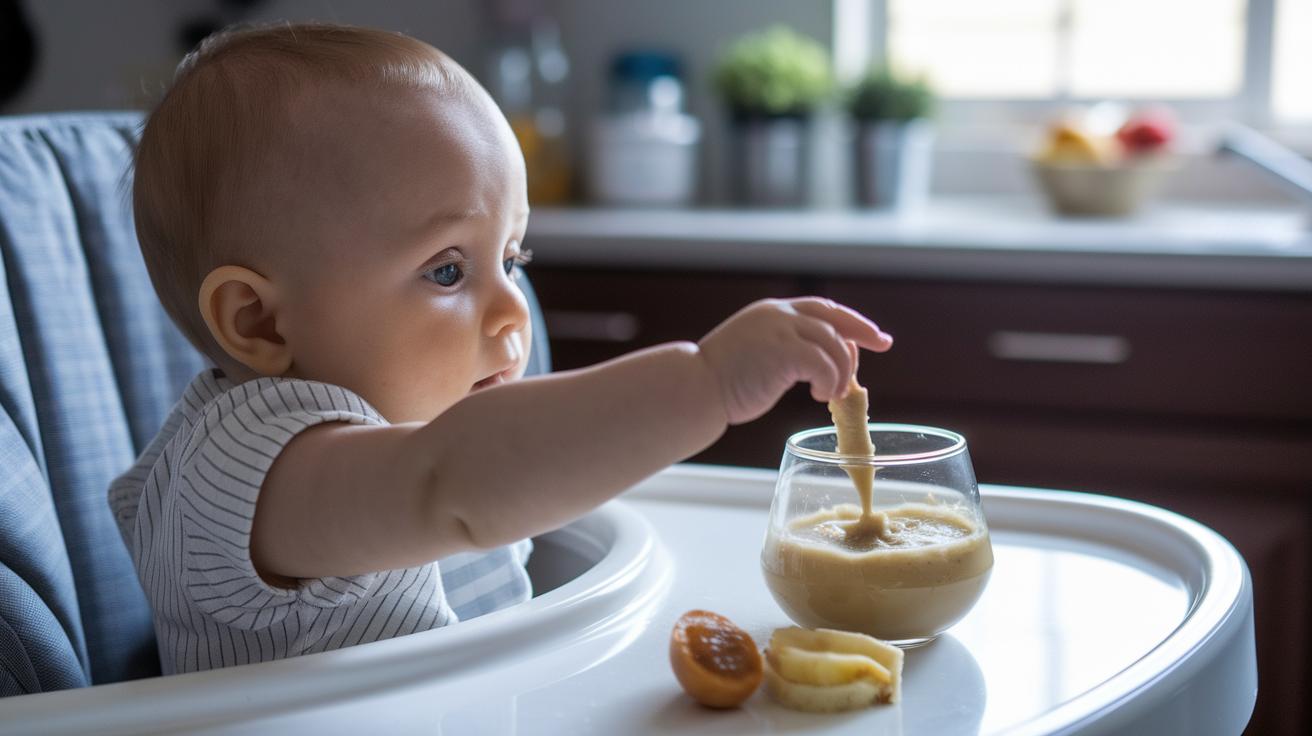
When you see your baby holding their food with a firm grasp and keeping their head steady, it might be time to explore new textures. You know, when they start reaching for their plate or showing a little extra interest in feeding themselves, it's a gentle hint that they're ready for what comes next.
Stage 1: Smooth Purees
Begin with smooth purees by carefully blending fruits or veggies until the mixture is completely smooth. If it feels a bit thick, stir in a little breastmilk or formula to help them swallow more easily.
Stage 2: Lumpy Mashes
Next, try mashing soft fruits and veggies just enough so a few tiny lumps remain. Using a fork can create this lumpy texture, inviting your baby to discover how different textures feel.
Stage 3: Soft Finger Foods
Then, move on to soft finger foods. Think of small pieces like roasted sweet potato wedges or lightly steamed vegetables that are soft enough for your little one to handle on their own.
Each step builds on the last, matching your baby's growing skills and making mealtime a fun, safe, and tasty adventure.
Budget-Friendly and Seasonal Weaning Meal Inspirations
Using seasonal ingredients is a smart and fun way to make meals that are both healthy for your little one and kind to your wallet. When the season is right, fruits and veggies like pumpkin, apples, and winter squash come at a great price and are packed with vitamins. Even simple staples like oats and lentils can create hearty, fiber-rich purees that are delicious, help prevent waste, and save money when made in batches.
Here are a few ideas to try:
- Pumpkin-Pear Puree – Steam pumpkin and pear until soft, then blend until smooth. Add a tiny bit of spice if you like. You can freeze small portions in glass jars for later.
- Apple-Cinnamon Oatmeal – Steam apple pieces and mix with oats and a light sprinkle of cinnamon. Cook until the mix is soft and warm, a cozy meal for your child.
- Butternut Squash Muffins – Combine mashed baked butternut squash with whole-wheat flour and an egg, then bake until the muffins are light and soft.
- Lentil Veggie Stew – Simmer lentils with carrots, celery, and a few mild herbs to make a filling, fiber-rich stew.
- Winter Squash & Berry Blend – Roast winter squash and blend it with your favorite berries. The result is a naturally sweet, nutritious puree.
You can easily prepare these recipes in larger batches. Cooking in bulk not only saves time during busy weeks but also helps keep meal costs down. Enjoy the process and have fun trying something new each season!
Allergy-Conscious and Nutrient-Focused Weaning Recipe Strategies
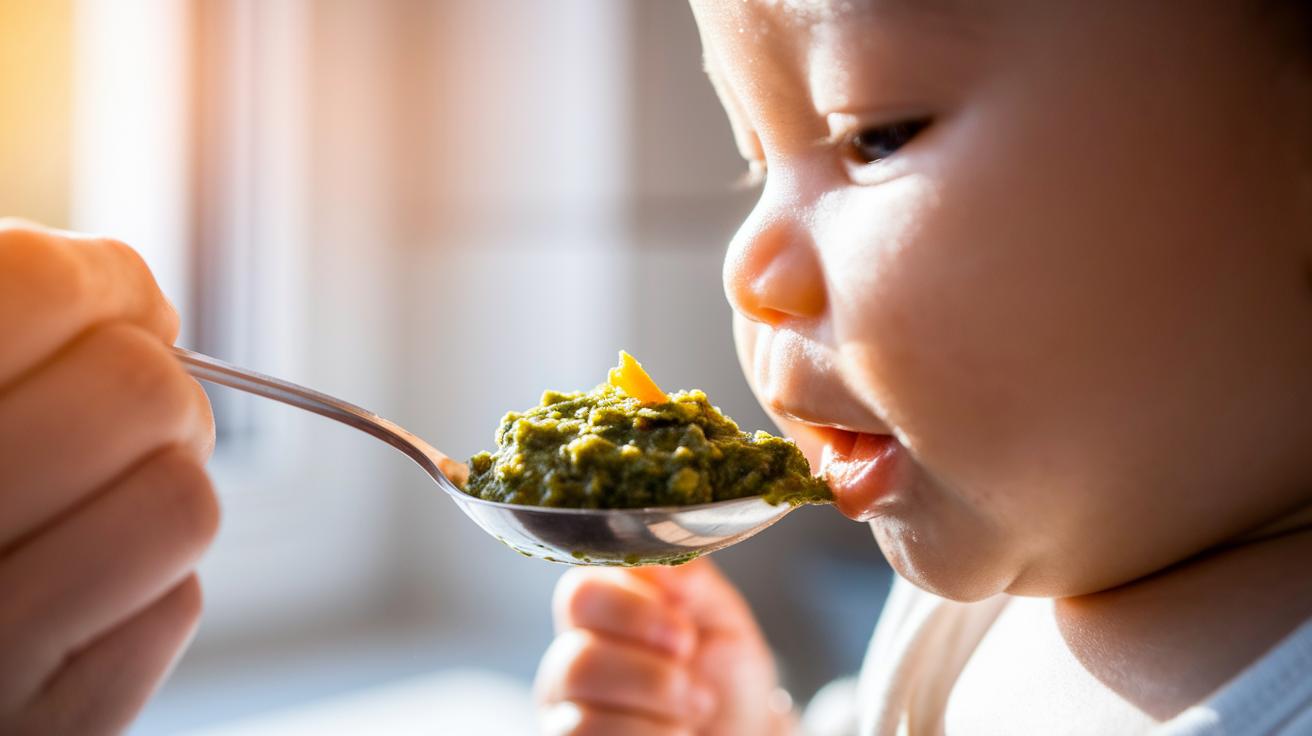
Introducing new foods for your little one means adding one allergen at a time. Try waiting 3 to 5 days between new foods so you can keep an eye out for any reactions. It’s a careful way to make sure your baby enjoys new flavors safely and comfortably. Plus, pairing iron-rich purees with foods high in vitamin C can help your baby absorb those important nutrients better.
Imagine mixing a full-fat yogurt with a bit of finely grated mild cheese, or offering a small piece of mild fish or tender poultry. These options gently boost protein and calcium without overwhelming your baby’s delicate tummy.
Here are some ideas for you to try:
- Spinach-Lentil Puree with Orange Zest: A tasty blend of iron-packed spinach and lentils, brightened with a touch of fresh orange for vitamin C.
- Beef-Pea Mash: A comforting mix of beef and peas that gives a smooth, iron-enhanced start to introducing meat.
- Mild Fish and Sweet Potato: Soft, mild white fish paired with steamed sweet potato offers a balance of protein and iron.
- Yogurt and Cheese Spread: Creamy full-fat plain yogurt blended with a little mild cheese, perfect to serve with soft, steamed vegetable fingers.
These recipes create a little nutrient synergy that supports healthy growth while gently introducing your baby to new foods. As you mix these ingredients, keep a gentle watch for any unusual signs and talk to your child’s doctor if you have any worries about the new additions.
Tools and Smart Workflow for Efficient Weaning Meal Prep
When you have the right tools, preparing meals for weaning can feel much easier. A slow cooker, a pressure cooker, and silicone ice-cube trays can really help you batch-cook by making it simple to split meals into perfect portions. Digital meal-planning apps and printed schedules keep your day running smoothly, and clear labels on uniform, stackable containers make storing and rotating your meals a breeze.
- Cook your recipes in one big batch.
- Divide meals into small, ready-to-eat portions.
- Write the date on every container.
- Freeze meals in stackable containers.
- Use older servings before newer ones.
Following these steps helps keep your routine steady and cuts down on waste. When your cooking plan fits your family’s rhythm, you free up extra moments for those cherished times. With a reliable set of tools, meal prep becomes simpler, giving everyone more time to enjoy family life and a bit of self-care.
Final Words
In the action, the blog shared easy batch recipes, a one-week meal plan, food safety tips, steps for texture progression, budget-friendly recipe ideas, allergy-conscious suggestions, and smart kitchen tools.
These insights give a simple guide for preparing healthy baby meals that are both practical and reassuring. With clear steps and creative ideas like weaning meal prep ideas, every mom can bring comfort and care to daily meal planning. Keep moving forward, and enjoy each step of the process.
FAQ
Frequently Asked Questions
What are some weaning meal prep ideas for babies 6 to 12 months?
The weaning meal prep ideas for babies around 6 to 12 months focus on balanced, age-appropriate meals that offer a mix of textures while gradually introducing real, non-pureed foods for developmental growth.
How can baby-led weaning meal prep ideas support a 7-month-old?
The baby-led weaning meal prep ideas for a 7-month-old encourage self-feeding through soft finger foods and lumpy textures that help build motor skills while ensuring safe, gradual exposure to solid food.
What freezable baby food recipes work well for 8- to 10-month-olds?
The freezable baby food recipes for 8- to 10-month-olds prioritize nutrient-rich purees and soft mashes, making it easy to prepare in batches and store safely in labeled containers for quick, healthy meals.
How does using a freezer for baby meal prep benefit a 1-year-old’s diet?
The baby meal prep freezer approach for a 1-year-old offers a convenient way to provide balanced meals, saving time and stress while ensuring that wholesome, ready-to-eat foods meet both nutritional needs and taste preferences.