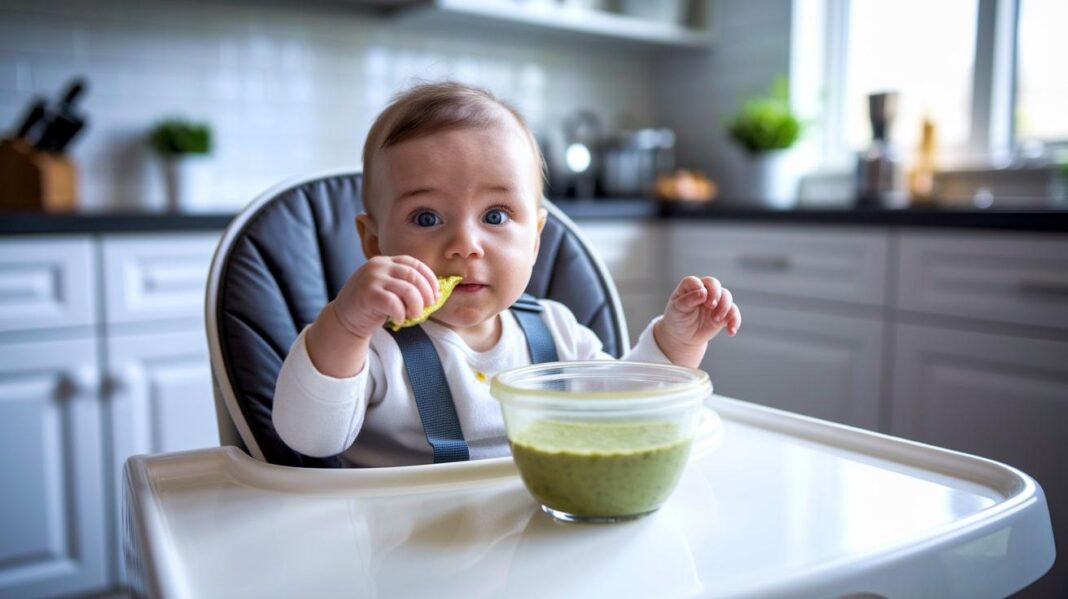
Have you ever thought about giving your baby a plant-powered start? Lots of parents are trying out plant-based foods as a gentle way to introduce new flavors. When your little one is around six months old and starts sitting up and showing interest in food, even a tiny taste can spark something wonderful. Think of these first bites as little building blocks to a lifetime of good eating habits. In this post, I share simple, friendly ideas and recipes to help make plant-based weaning fun and tasty.
vegan weaning foods for babies: Nutritious First Bites
When it's around 6 months old, many experts suggest that babies try their first plant-based solids (never before 4 months) to help lower the chance of infections and allergies. A clear sign your little one is ready is when they can sit up by themselves for at least 60 seconds. Start with just 1–2 teaspoons of a mild puree once a day and slowly move to three small meals by the time they reach 12 months, keeping breastmilk or formula as their main source of nutrition.
There are three friendly ways to introduce new foods. Spoon-led weaning means you start with smooth purees and gradually make them a bit chunkier, helping your baby get used to new textures. Baby-led weaning lets your baby try soft finger foods, like slices of a ripe banana, so they can feed themselves. And then there’s a mix of both – for example, after a calm milk feed, you might offer a tiny spoonful of sweet potato puree as a gentle invite to explore new tastes.
Feeding works best when both you and your baby are relaxed. Serving solids after a milk feed means your baby is usually hungrier and more interested. You can try a simple blend, like carrots mixed with peas, or even soft chunks of avocado served with a spoon. It turns mealtime into a fun, interactive experience.
Every step is about carefully guiding your little one towards new tastes. Whether you decide on spoon-led, baby-led, or a mix of both, just be patient and enjoy the process as your baby discovers these nutritious first bites.
Iron-Boosted Vegan Weaning Foods for Babies
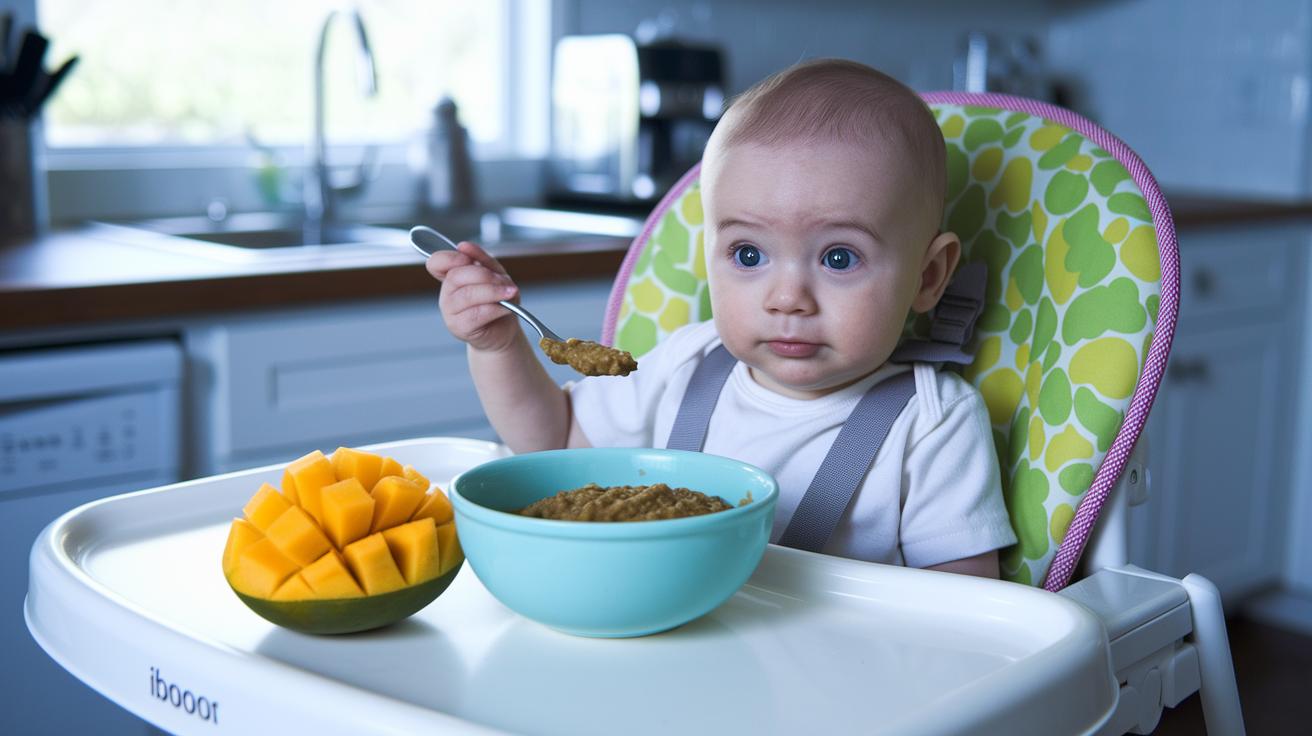
When your little one is between 6 and 12 months, their body starts using up the iron they were born with, so it's a great idea to serve meals rich in iron. You can mix in different plant-based iron sources to help meet your baby's growing needs. And here’s a neat trick: add a fruit or veggie rich in vitamin C (like mango or bell pepper) to help the iron absorb better.
Try adding foods like these:
- beans, lentils, and pulses – These are super iron-rich and taste even better with a splash of lemon or orange juice.
- quinoa and tofu – They not only pack in iron but also give a fun texture to purees.
- dried fruits like apricots or figs – You can chop them up finely or cook them gently till they’re soft.
- leafy greens and ground nuts or seeds – A little puree of spinach or some lightly ground almonds can add another layer of nutrition.
One yummy idea is a lentil-carrot mash. The sweet taste of carrots works nicely with the earthy flavor of lentils. Or you might enjoy a creamy spinach-quinoa blend that’s easy for your baby to eat with a spoon.
A little tip: play around with different flavors and textures when you’re making these meals. Start with a small portion and add a bit more as your baby shows interest. Every bite is a step toward healthy, happy growth!
Protein-Rich Vegan Weaning Foods for Babies
Protein is so important for your growing baby. A vegan diet can still give your little one plenty of protein with foods like beans, lentils, and hearty grains such as quinoa. Imagine a smooth chickpea carrot puree that offers both protein and a burst of energy in every spoonful. A warm lentil sweet potato mix is another tasty choice, combining a gentle sweetness with comforting, familiar flavors.
Legumes are high in fiber and can fill a tiny tummy quickly. That’s why it can be a good idea to add energy-boosting ingredients like mashed avocado or a little nut butter (if allergies aren’t a concern) to give extra calories and a creamy texture. Around 8 months old, introducing soft tofu or tempeh strips gives your baby fun, safe finger foods to explore self-feeding.
Here are a few ideas to try:
| Dish | Description |
|---|---|
| Chickpea-Carrot Puree | A light, protein-packed blend that feels silky and smooth. |
| Lentil-Sweet Potato Puree | A warm mix with a subtle sweetness perfect for tiny taste buds. |
| Tofu or Tempeh Strips | Soft finger foods that invite your baby to try self-feeding. |
Each pureed dish and little finger food is a wonderful way for your baby to enjoy both taste and nourishment.
Essential Fatty Acids and Calcium in Vegan Weaning Foods for Babies
DHA helps support your baby’s brain and vision as they grow, so it’s really smart to add something like algal DHA supplements or stir in a bit of ground flaxseed or chia seeds into their purees. Imagine mixing a teaspoon of ground flaxseed into a smooth apple and carrot blend – it gives your little one a gentle boost of brain-building nutrients.
Fortified plant milks like soya, oat, pea, or coconut can be a great way to add calcium into your baby’s diet. These milks usually offer about 120–180 mg of calcium per 100 ml, which is important for growing strong bones. You might also try fortified yogurt or cheese alternatives made just for little ones. For example, imagine a spoonful of fortified coconut milk swirled into a fruit puree, adding a creamy texture while giving a good dose of calcium.
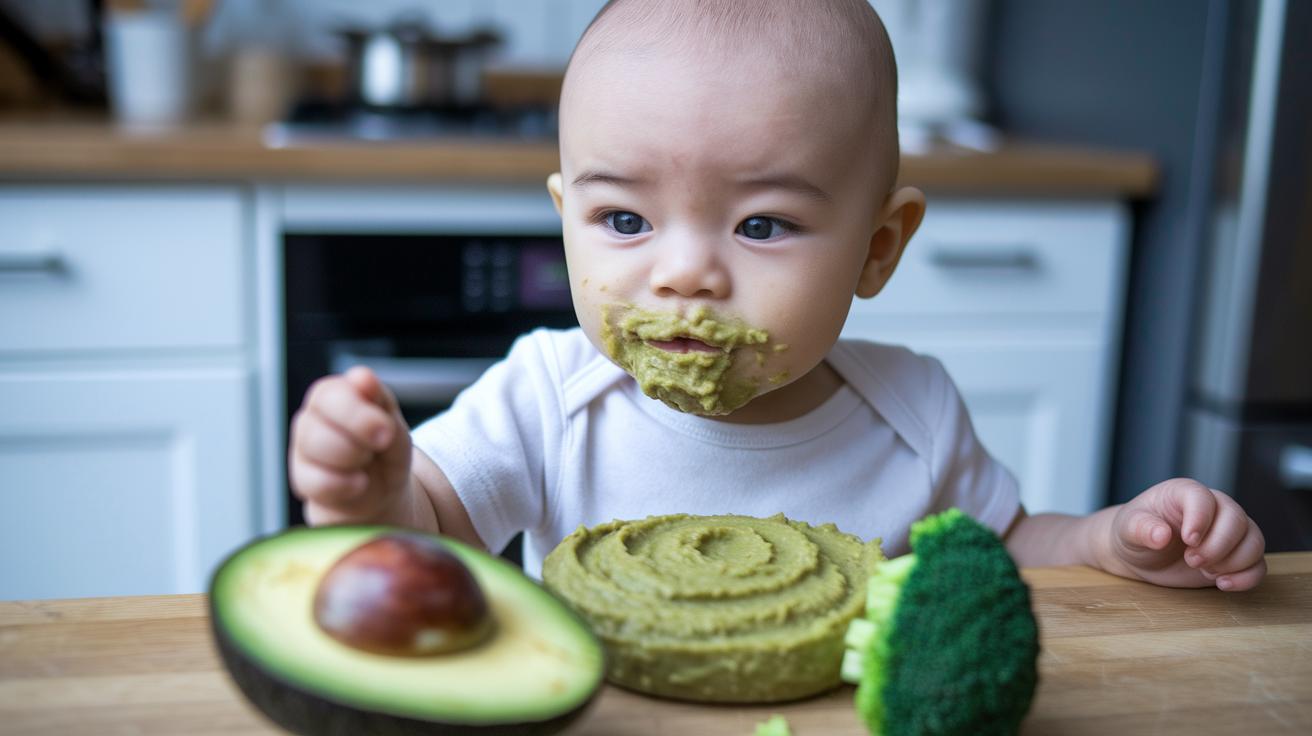
Whole foods are another wonderful way to pack in nutrients. Think of combining broccoli florets or soft tofu with a fruity puree – perhaps pear or mango – that not only supplies calcium but also offers a mix of vitamins. And to make the meal extra energy dense, try mashing in some healthy fats like avocado. Picture creamy avocado blended into a silky tofu and spinach puree that feels both rich in nutrients and satisfying for those tiny taste buds.
Every spoonful can help build strong bones and support a growing brain when essential fatty acids and calcium come together in these tasty meals.
Vitamin and Supplement Guidance for Vegan Weaning Foods for Babies
Vitamin B12 doesn’t show up in plants, so it’s really important to add a small supplement to keep your baby’s brain growing strong. Think of it like a tiny helper that makes sure your little one gets the B12 needed while enjoying delicious plant-based meals. Iodine also gives a boost to brain power and helps with how the body uses energy. Instead of using iodized salt (which isn’t safe for babies), try a pediatric vegan multivitamin that gently provides just the right amount of iodine.
Vitamin D, often called the sunshine vitamin, is great for building strong bones and keeping the immune system happy. In places where the sun isn’t very bright, adding a little vitamin D supplement to your baby’s daily routine can really help, even on those cloudy days. It’s all about making sure your baby’s bones stay strong and healthy.
As you start introducing new foods, remember that breastmilk or formula should still be the main food source for now. And it’s always a good idea to chat with a pediatric dietitian about the right doses for your baby. This thoughtful, balanced approach helps ensure your little one gets all the nutrients needed for a happy, healthy growth journey.
Recipe Inspirations and Techniques for Vegan Weaning Foods for Babies
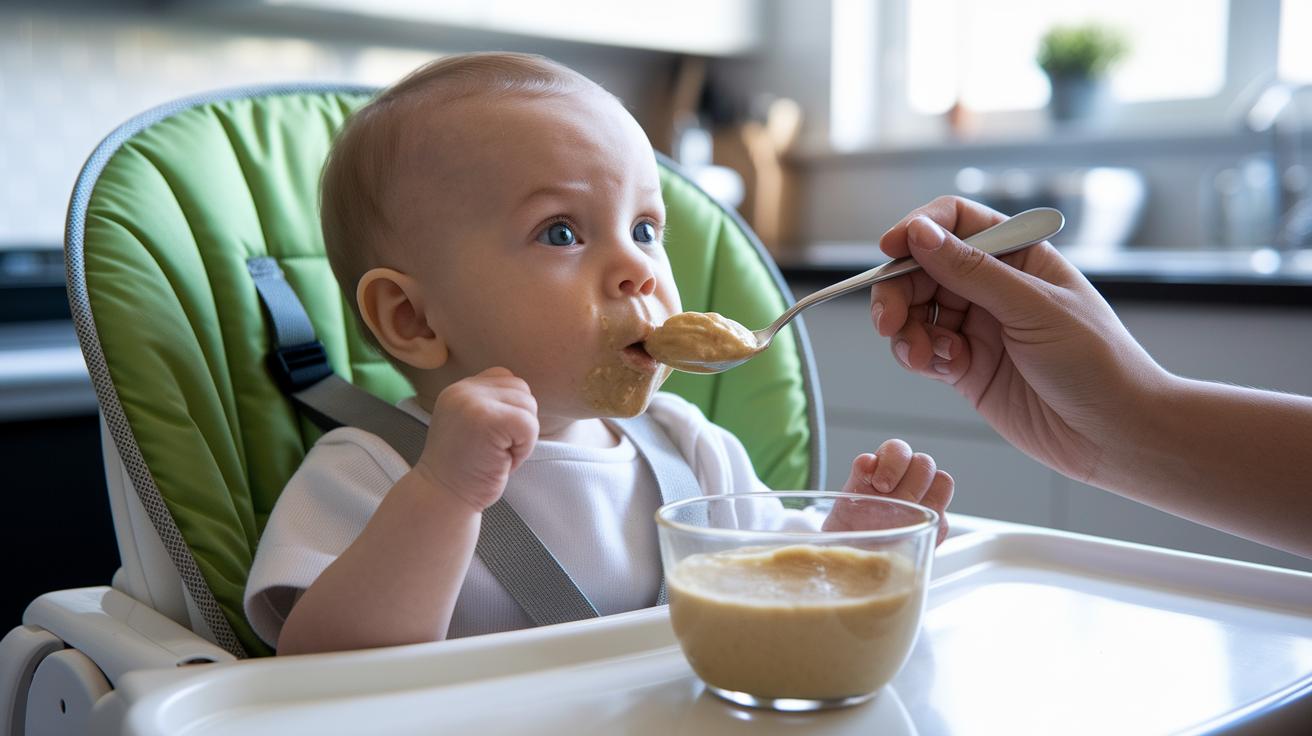
Letting your baby explore new textures can be a fun, healthy journey. Start with smooth purees and gradually introduce slightly thicker blends that surprise and delight your little one.
Single-Ingredient Purees
Imagine steaming carrots until they’re soft and then blending them into a silky puree. Start by offering just a teaspoon or two to gently introduce that lovely flavor. A banana mash works just as well, it's soft, naturally sweet, and easy to swallow. Begin small and, if needed, stir in a little water or plant milk until it feels just right.
Mixed-Ingredient Blends
Once your baby is comfortable with a single flavor, you might try mixing fruits and vegetables for extra variety. For example, combine apple with sweet potato or blend pear with kale to create a mix of flavors that complement each other. A pear–spinach blend, thinned with a splash of plant milk, makes a smooth puree with a bit of texture. This combo not only diversifies taste but also helps pack in nutrients for your growing baby.
Finger Food Introductions
Around eight months, your baby might be ready for soft, self-feeding finger foods. Try offering small pieces like ripe avocado wedges, soft tofu strips, or well-cooked vegetable sticks. These bite-sized treats build motor skills and encourage independence, one tasty bite at a time.
Batch Cooking Techniques
For busy moms, batch cooking can be a helpful lifesaver. You can make a big pot of lentil and vegetable puree, then portion it into ice cube trays. Freeze the cubes for up to a month, and when it's time to serve, thaw them overnight in the fridge or gently warm in a water bath until they reach a safe temperature of 165°F. And don’t forget to clean your blending equipment right away to keep everything fresh and safe.
Final Words
In the action of trying new vegan weaning foods for babies, we explored various techniques for a healthy start. We discussed when to introduce solids, compared spoon-led and self-feeding methods, and shared simple recipes that build essential nutrients. Tips on iron-rich foods, protein sources, and careful supplementation make the transition easier. Every little step helps create a nourishing feeding routine while keeping mealtimes relaxed and enjoyable. Enjoy the process and celebrate small wins as your baby discovers new tastes and textures.
FAQ
What are vegan weaning foods for babies at 9 months?
Vegan weaning foods for babies at 9 months include soft, mashable purees and small finger foods that are easy to gum, such as mashed vegetables and soft fruits, alongside continued breastmilk or formula.
What information does a vegan weaning foods for babies PDF provide?
A vegan weaning foods for babies PDF offers detailed guides, nutritional tips, sample recipes, and safe texture progressions to support you as you introduce plant-based solids to your baby.
What vegan weaning foods work well for babies at 12 months?
At 12 months, vegan weaning foods can include a mix of chunky purees and soft finger foods like tofu strips, avocado pieces, and small veggie sticks to support self-feeding and growing nutritional needs.
What vegan weaning foods are suitable for babies at 6 months?
Vegan weaning foods for 6-month-olds start with smooth, single-ingredient purees such as blended fruits or cooked vegetables, introduced gradually once your baby shows signs of readiness.
What do NHS guidelines say about vegan weaning foods for babies?
NHS guidelines for vegan weaning foods advise starting after 6 months with pureed plant-based meals, focusing on safe textures and gradual progression to more varied foods while maintaining milk feeds.
What are the best vegan weaning foods for babies?
The best vegan weaning foods include nutrient-rich purees like lentil-carrot mash, spinach-quinoa blends, and easy-to-handle finger foods such as avocado chunks, ensuring a balanced diet for your baby.
What vegan baby food recipes work for a 1-year-old?
Vegan baby food recipes for one-year-olds often feature chunky textures with combinations of fruits, vegetables, beans, and soft tofu that encourage self-feeding and support developing motor skills.
What vegan baby food recipes are ideal for a 6-month-old?
Vegan baby food recipes for a 6-month-old focus on smooth, single-ingredient purees made from fruits or vegetables, providing a gentle start to solids without added salt or sugar.
How do you wean a vegan baby?
Weaning a vegan baby involves gradually introducing plant-based purees and finger foods with safe textures while balancing nutritional needs, all while continuing breastmilk or formula as the main source of nutrition.
What should you feed a baby if you’re following a vegan diet?
When following a vegan diet, offer your baby plant-based purees and finger foods rich in iron, protein, healthy fats, and calcium, paired with continued use of breastmilk or formula.
What three foods should be avoided when weaning a baby?
When weaning, avoid honey, cow’s milk, and added sugars because these items can pose safety risks and are not suitable for your baby’s developing digestive and immune system.
What does the 80/20 rule for vegans mean?
The 80/20 rule for vegans means that most of your diet should be whole, plant-based foods while occasionally including processed vegan alternatives, promoting a balanced yet flexible eating pattern.