Thursday, June 25, 2026
Home Blog Page 56

Postpartum Retreat: Uplifting Wellness For New Moms

0

Have you ever felt like a little getaway might lift your spirit after having your baby? A postpartum retreat offers a warm, friendly space where caring experts help you rest and heal. In these calm places, you'll enjoy gentle support, comfy rooms, and healthy meals made just for you during early motherhood.

Think of it as a kind, refreshing pause that nurtures both your body and your heart. This thoughtful retreat transforms the hustle and overwhelm of new motherhood into quiet moments of calm, giving you the strength to welcome a new day.

Why Postpartum Retreats Are Essential for New Moms

Postpartum retreats are a welcoming haven where new moms can truly rest and recover after childbirth. These retreats bring together gentle, around-the-clock care and soothing rest in a way that feels both special and caring. They remind us of the 3-week care centers in South Korea, where many new mothers find strength through consistent support.

  • Quiet, cozy spaces perfect for deep rest.
  • Recovery programs made just for you.
  • 24/7 nursing care in rooms turned into loving nurseries.
  • Healthy, chef-prepared meals designed to help you heal.

Most retreats are set in high-end hotels that welcome 3 to 5 families at a time. They include nurturing nursery rooms and shared spaces where moms can join interactive workshops. You'll find guided sessions on newborn care and gentle classes to slowly build your strength and confidence after giving birth. The whole setup blends expert advice with a relaxed, community feel, easing daily stresses while truly supporting you.

Every detail, from the caring professionals to the thoughtfully planned meals, is focused on making early motherhood a bit easier. These retreats provide a warm, healing space that cares for your body and lifts your spirit, turning the early days of motherhood into a more peaceful and joyful experience.

Accommodations and Amenities in a Postpartum Retreat

img-1.jpg

New moms will feel truly cared for in places designed for healing and rest. At these retreats, you’ll discover cozy private suites in boutique centers or upscale hotels where every detail is arranged with your comfort and recovery in mind. It’s like having a little sanctuary where modern style meets gentle touches that help you unwind after childbirth, and you always know support is close by.

  • Enjoy a private suite with its own bathroom in a warm and elegant setting.
  • Benefit from in-room postpartum doula support along with help for your newborn at night.
  • Have access to a nursery that’s open around the clock and a friendly lounge where you can chat with other parents.
  • Savor three chef-prepared meals each day that focus on recovery and boosting your energy.
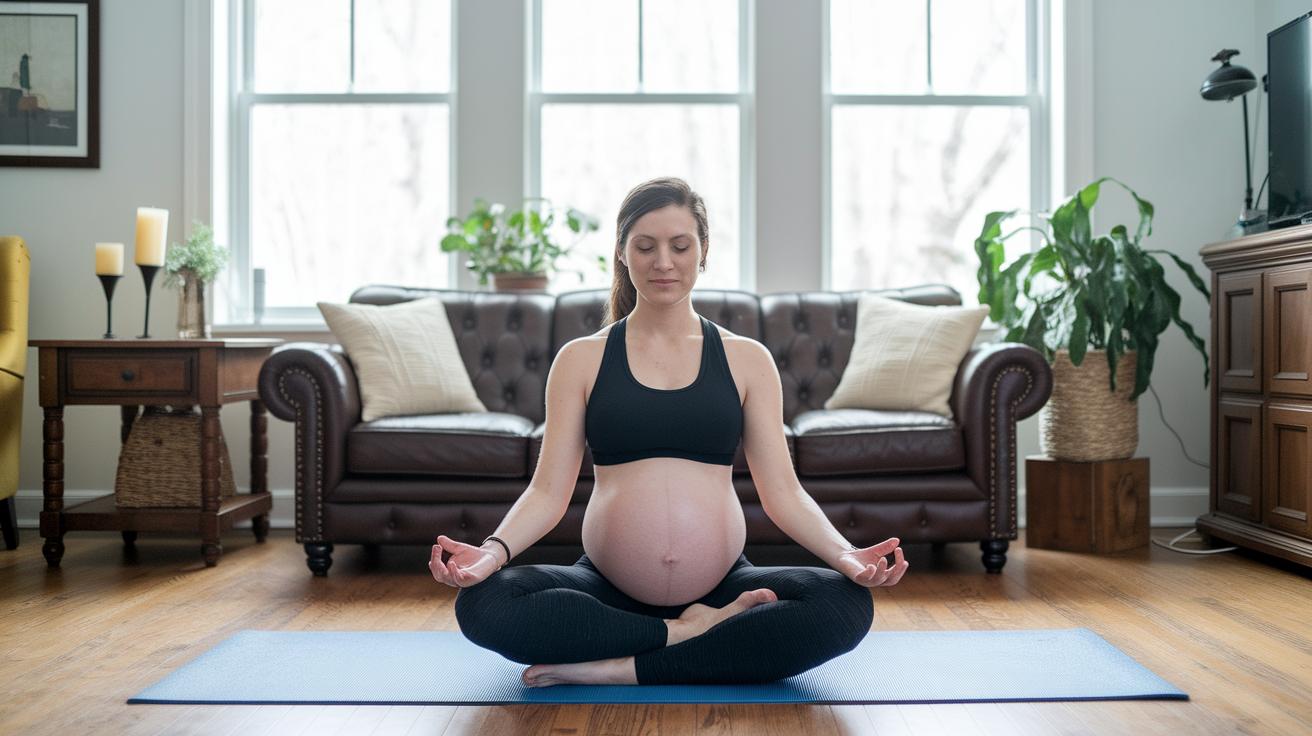
  • Relax in peaceful outdoor gardens or visit a dedicated meditation space for some quiet reflection.

Every amenity works hand in hand to nurture both your body and your spirit. You get a perfect balance, you can retreat into your private space while also enjoying the shared areas designed for connection. Whether you’re settling into a restorative night’s sleep or taking a mindful stroll in the garden, each moment is set up to boost your well-being and help you step confidently into the joys of new motherhood.

Recovery Programs and Wellness Therapies at a Postpartum Retreat

New moms step into a warm space designed to help them heal in many ways. At these retreats, you can join easy classes on caring for your newborn, setting up sleep routines, and learning about childbirth, all in an atmosphere that feels just like a second home, where expert advice comes with a comforting smile.

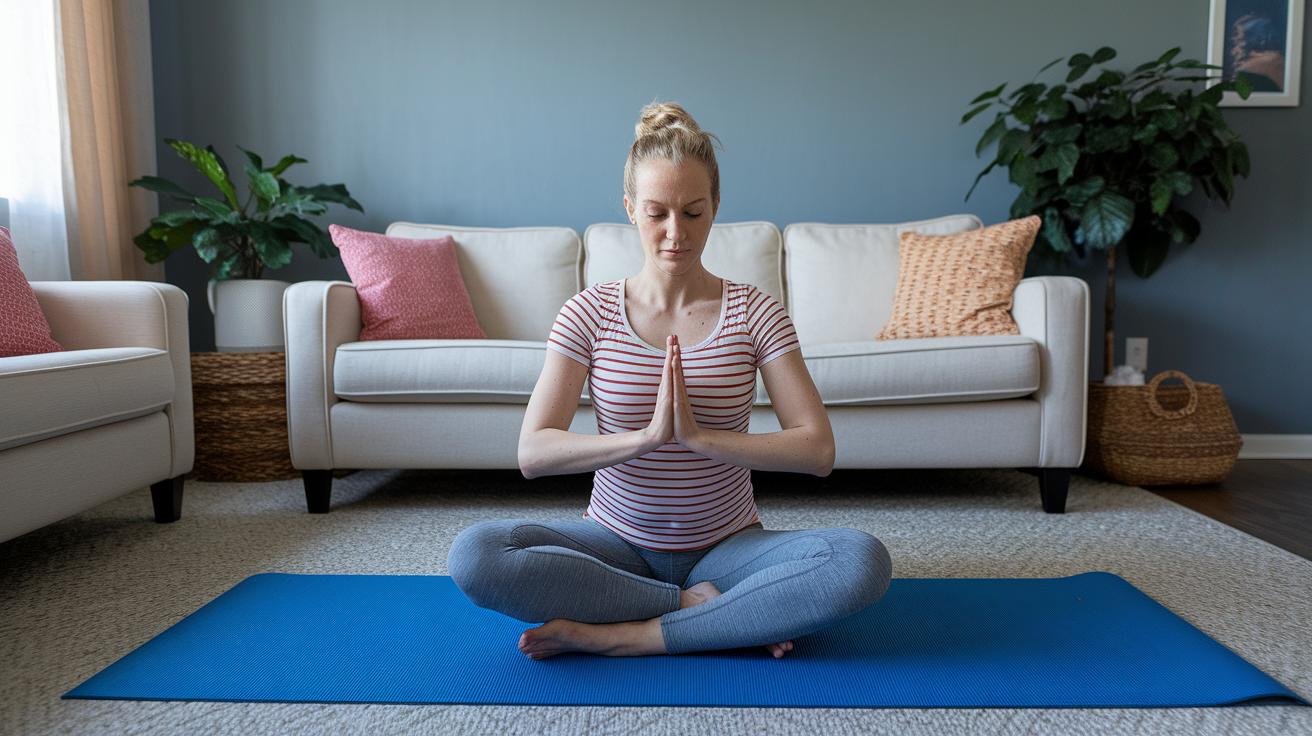
The retreat also offers a mix of gentle therapies to calm your body and mind. Imagine taking part in a mommy mindfulness session with soft, soothing music in the background or enjoying a baby massage that melts away tension. There are also simple yoga sessions, pelvic floor exercises, and hands-on therapies for your baby. Nutritional counseling is part of the package too, offering meal plans that support breastfeeding and boost your energy, so every bite feels like a little act of care.

To help with the emotional ups and downs, the retreat hosts workshops and coaching sessions where you can connect with other moms. Each class and therapy is a chance to learn and share in a safe, supportive setting. Ultimately, the experience is all about taking care of your physical, emotional, and nutritional needs as you navigate the wonderful, sometimes challenging, early days of motherhood.

Expert Care Teams and 24/7 Support in a Postpartum Retreat

img-2.jpg

New moms can feel at ease with a caring team that’s always there for you. Imagine having certified postpartum doulas, lactation helpers, and baby care experts available all day and night. They offer onsite care for both you and your little one, so if you’re dealing with a breastfeeding hiccup or wondering about a gentle baby massage, you’re never alone in your journey.

Every team member knows how important it is to tailor support just for you. With help always just a call away, any new challenge, whether it's setting up a sleep routine or figuring out everyday baby care, gets handled quickly and kindly. It’s like having a warm friend guide you through those early days, letting you focus on the joy of motherhood while worries gently fade away.

Scheduling, Pricing, and Booking Your Postpartum Retreat

New moms, if you're searching for a warm, caring space to recover, there are lots of options that can fit your lifestyle and budget. In the United States, retreats usually start at about $1,000 per night with a minimum stay of three nights. If you choose a longer stay, you'll often enjoy a lower nightly rate, making extra care a bit more affordable. Some retreats even let you use FSA/HSA funds for services and consultations that are eligible (like certain postpartum care).

Because these retreats welcome only 3 to 5 families, you get a private, comforting environment where you can relax and feel supported. And if you'd like a plan that's just right for you, you can easily get in touch by texting (820) 732-2625 for personalized booking assistance.

Option Price per Night Minimum Stay What’s Included
Standard Retreat Package $1,000 3 nights Maternal care, newborn support, healthy meals
Extended Stay Retreat $900 7 nights Full care, in-room doula, nutritional plans
Luxury Retreat Package $1,200 3 nights Charming setting, extra childcare, guided workshops

Booking your retreat is simple and designed with your comfort in mind. With clear pricing and special funding options available, you can focus on healing while every little detail is cared for. So if you're ready to learn more about what suits you best, just send a text to (820) 732-2625 and start a friendly chat about your recovery plans.

Real Participant Testimonials from Postpartum Retreat Experiences

img-3.jpg

Going to the retreat changed everything for me. Every single moment was filled with gentle guidance and warm encouragement. I left feeling more confident caring for my newborn and better prepared for the days ahead. It was like stepping into a brand-new chapter of strength and support.

One mom said it was "essential for my mental health." The meals were nutritious, the setting was calm, and the expert advice was exactly what I needed to ease my worries. I felt a real boost in my breastfeeding skills and learned new ways to handle daily challenges with grace.

I also heard a participant say, "I finally felt seen and supported." The retreat offered more than just expert newborn care techniques, it included gentle therapies that soothed both my body and mind. Every session, from the basic sleep training to the simple mindfulness tips, made me feel safe and cared for.

Another mom shared, "My retreat experience renewed my spirit." With one-on-one support from caring postpartum doulas and round-the-clock help, I discovered new strength and resilience in myself. These heartfelt stories from over 400 families celebrate just how life-changing this retreat can be.

FAQs: Choosing the Right Postpartum Retreat

Retreat programs can last anywhere between 3 and 21 days. You can pick a stay that works for your recovery and fits into your daily life. For a quick boost, a shorter retreat might be just right. But if you need more time to really recharge, a longer stay could be a better choice. Think about what feels comfortable for you, and don’t hesitate to check the guidelines beforehand.

Most standard packages come with helpful services like lactation support, newborn classes, and round-the-clock nursing care. They also offer wellness therapies to nurture both your body and spirit. Sometimes, you can even choose extra options like added childcare or additional counseling. It’s all about getting a mix of care that fits your unique needs.

Many centers make it easier on your budget by accepting FSA/HSA funds for eligible services. They might also have payment plans or package deals so you can choose what works best for your wallet. This way, you can focus on taking care of yourself and your baby without extra worry.

If you’d rather stay at home, you might consider hiring a newborn care specialist, night nanny, or doula. This approach can bring a similar retreat experience right into your home by offering expert support tailored to your family’s needs.

Final Words

In the action, new moms find real relief and guidance as they absorb the practical advice, healing therapies, and expert care shared here. The post explored specialized accommodations, nourishing meals, and supportive wellness programs that bring gentle care when it matters most. It highlighted how hands-on classes, rest-focused recovery, and 24/7 support make a postpartum retreat a comforting choice. Embrace a nurturing postpartum retreat to boost your well-being and enjoy the confidence that comes from thoughtful, expert care.

FAQ

Where can I find a postpartum retreat near me, in Ohio, Philadelphia, Chicago, NJ, Europe, San Diego, or Texas?

The question about postpartum retreat locations indicates that many regions now offer unique, supportive spaces for new moms, providing restorative care and healing environments. Check local listings for the best option for you.

What is the minimum stay and ideal duration for a postpartum retreat?

The question regarding minimum stay shows that retreats typically recommend a duration between three and twenty-one days to give new moms adequate time for rest, guided recovery, and personalized care.

What services are typically included at a postpartum retreat?

The question about included services highlights that most retreats provide lactation support, newborn care classes, 24/7 nursing, and wellness therapies, with additional personalized options often available.

How can payment and funding options ease the cost of a postpartum retreat?

The question on payment methods reveals that many centers accept FSA/HSA funds, deposits, and offer package deals, which can help manage the expense while making essential support more accessible.

How can I create an at-home retreat alternative for postpartum care?

The question about at-home alternatives shows that you can hire postpartum doulas, newborn care specialists, and other support staff to design your own nurturing, healing experience in the comfort of your home.


Cosmetic Laminated Tube Packaging Market Analysis 2025–2032 | Growth Trends, Innovations & Forecast

0

The global Cosmetic Laminated Tube Packaging market was valued at 1351 million in 2024 and is projected to reach US$ 2106 million by 2032, at a CAGR of 6.5% during the forecast period.

Patent translation services involve specialized linguistic conversion of technical and legal patent documents including specifications, claims, abstracts, and examination notices. These services ensure accurate interpretation of intellectual property rights across jurisdictions, facilitating global patent protection and commercialization. The process requires deep subject matter expertise in both technical fields (biotechnology, pharmaceuticals, computing) and patent law terminology.

What is Cosmetic Laminated Tube Packaging?

Cosmetic laminated tube packaging refers to multi-layer tubes made from plastic, aluminum, or hybrid materials, designed specifically for cosmetic products. These tubes provide excellent barrier properties against oxygen and moisture while offering superior printability for brand customization. Widely used for creams, lotions, gels, and other viscous cosmetic products, laminated tubes are increasingly favored for their eco-friendly innovations and compatibility with various cosmetic formulations.

Industry Driver 

Rising Demand for Sustainable and Eco-Friendly Packaging

As sustainability becomes a core focus for consumers and brands alike, the cosmetic industry is shifting toward eco-conscious packaging solutions. Laminated tubes made from recyclable and biodegradable materials are gaining traction due to their reduced environmental impact compared to traditional plastic containers. Major brands like L’Oréal and Unilever have launched recyclable laminated tubes to align with their sustainability goals, while startups are adopting PCR (post-consumer recycled) content and bio-based materials. According to industry insights, over 65% of consumers in North America and Europe now consider sustainability a deciding factor when purchasing beauty products, propelling manufacturers to invest in green packaging technologies

Growth in Skincare and Personal Care Product Consumption

The global surge in skincare routines, fueled by rising beauty consciousness, social media influence, and self-care trends, is significantly boosting the demand for cosmetic packaging, especially laminated tubes. These tubes offer superior product protection, extended shelf life, and a premium look ideal for creams, lotions, and serums. The Asia-Pacific region, led by countries like China, South Korea, and India, is witnessing rapid growth in personal care consumption, which directly drives the laminated tube market.

Industry Opportunity 

Expansion of E-commerce and Direct-to-Consumer (DTC) Beauty Brands

The rapid rise of e-commerce and DTC cosmetic brands is creating a strong opportunity for laminated tube packaging. These tubes are lightweight, tamper-evident, and leak-proof, making them ideal for online shipping. Their ability to retain product integrity over long distances and diverse climates makes them a preferred choice for digitally native brands. With more beauty consumers shopping online particularly for skincare, haircare, and wellness products packaging that ensures both performance and shelf appeal is in high demand. Global B2C ecommerce revenue is expected to grow to USD$5.5 trillion by 2027 at a steady 14.4% compound annual growth rate

Technological Advancements in Digital Printing and Customization

Advances in digital printing technologies are enabling high-quality, cost-effective customization of laminated tubes, allowing brands to rapidly prototype and personalize packaging. This is especially valuable for limited editions, influencer collaborations, and seasonal product lines. With consumer demand shifting toward unique, premium, and visually appealing products, brands are leveraging digitally printed tubes to enhance shelf impact and brand recall. Furthermore, new flexographic and hybrid printing methods reduce lead time and waste, aligning with sustainability goals. According to Smithers Pira, the global digitally printed packaging market is expected to grow at a CAGR of 13% through 2026, directly benefiting laminated tube adoption in the cosmetics sector.

List of Key Amines Flash Rust Inhibitor Companies Profiled

  • Albea
  • Essel-Propack
  • Berry
  • BeautyStar
  • Kimpai
  • Neopac
  • SUNA
  • Rego
  • Abdos
  • Kyodo Printing
  • DNP
  • Montebello
  • Bell Packaging Group
  • LeanGroup

Segment Analysis:

By Material Type

The market is segmented based on Material Type into:

  • Plastic Barrier Laminates (PBL).
  • Aluminum Barrier Laminates (ABL)
  • Hybrid Laminates (PCR or Bio-based Layers)

By Capacity

The market is segmented based on Capacity into:

  • Less than 50 ml
  • 50 ml to 100 ml
  • More than 100 ml

By Printing Technology

The market is segmented based on Printing Technology into:

  • Flexographic Printing
  • Offset Printing
  • Digital Printing

By Application

The market is segmented based on Application into:

  • Skin Care
  • Hair Care
  • Oral Care
  • Makeup and Beauty Cosmetics
  • Body Care & Wellness
  • Others

Recent Developments and Market Trends in the Cosmetic Laminated Tube Packaging Market (2025–2032)

  1. Surge in Demand for Sustainable Packaging Solutions
    Growing environmental awareness is pushing brands toward eco-friendly laminated tubes made from recyclable, biodegradable, and PCR (post-consumer recycled) materials. Manufacturers are introducing mono-material tubes that are easier to recycle and meet evolving regulations.

  2. Rise of Premium and Customized Packaging
    The booming luxury skincare and cosmetic sector is fueling demand for aesthetically appealing, high-barrier laminated tubes. Companies are investing in advanced printing technologies, including digital, metallic, and tactile effects, to boost brand identity and shelf appeal.

  3. Expansion of Airless Tube Technology
    Airless laminated tubes are gaining popularity for high-performance cosmetic formulations like anti-aging creams, serums, and sunscreens. These tubes extend shelf life, preserve ingredient efficacy, and offer precise dosing.

  4. Growth in Asia-Pacific and Latin America
    Rising disposable incomes and a growing beauty-conscious population in Asia-Pacific and Latin America are driving robust market growth. Regional manufacturers are expanding production capacity and localizing product offerings to cater to demand.

  5. Smart and Connected Packaging Solutions
    Brands are integrating QR codes, AR experiences, and traceability features into laminated tube packaging to enhance consumer engagement, product authentication, and post-purchase interactivity.

  6. Strategic Collaborations and M&A Activity
    Key industry players are engaging in strategic partnerships, acquisitions, and joint ventures to expand their global footprint and adopt cutting-edge sustainable materials and technologies.

Download FREE Sample Report: Cosmetic Laminated Tube Packaging Market Sample

Explore Art Therapy Service Market

About Intel Market Research

Intel Market Research delivers actionable insights in packaging and materials markets across 100+ countries. Our analysis combines:

  • Primary interviews with industry stakeholders
  • Supply chain evaluations
  • Emerging technology tracking

Trusted by Fortune 500 companies, our research empowers strategic decisions with data-driven precision.

International: +1(332) 2424 294 | Asia: +91 9169164321

Website: https://www.intelmarketresearch.com

Follow us: LinkedInCosmetic Packaging, Laminated Tubes, Market Forecast

Healing Diastasis Recti Postpartum: Recover With Confidence

0

Have you ever wondered if your belly muscles can fix themselves after having your baby? Healing diastasis recti is more than just closing a gap, it's about gently building up your strength from within.

Your body is pretty amazing. It can recover a bit like your favorite t-shirt that gets mended with a lot of care. In this guide, we share gentle breathing techniques and soft core exercises that help your muscles reconnect. Plus, they support a smoother recovery so you can feel confident every step of the way.

Key Strategies for Healing Diastasis Recti Postpartum

img-1.jpg

Diastasis recti happens when the two sides of your belly muscle separate during pregnancy. It’s a natural part of making room for your baby, so there’s no need to worry. Our bodies are pretty amazing, they can heal over time, much like a small tear in your favorite sweater can mend with a little care. I once heard about Sarah, who was amazed to see her midsection getting stronger gradually with gentle practice.

The path to recovery really centers on two things: mindful breathing and gentle core exercises. When you breathe, try taking a slow, deep breath in through your nose and exhale with a soft “ahh,” while gently engaging your lower belly. Imagine it like catching a cool, refreshing breeze on a crisp morning. Then, mix in simple exercises that work on your deep core muscles, like heel slides or soft contractions, to build strength without any strain. Every movement should feel slow, letting your muscles work in harmony with your breath.

Take your time with these steps. Start with very light movements and minimal resistance, only adding more when everything feels smooth and pain-free. By practicing regularly and with care, you give your body the chance to heal naturally, gradually building up a stronger, flatter midsection. Remember, healing diastasis recti is a gentle journey that unfolds slowly, so be kind to yourself as you progress.

Understanding Postpartum Diastasis Recti: Definition, Causes and Self-Assessment

img-2.jpg

Diastasis recti is a normal change where your abdominal muscles split down the middle. When you’re pregnant, your body produces hormones that soften your tissues, and your growing uterus gently stretches your belly. This widening helps create room for your little one. After your baby is born, you might notice a soft bulge or a slight gap when you press along the center of your tummy. Knowing that a little separation is normal can boost your confidence as you heal, because your body is built to recover with time.

You can try a simple test at home to see how you’re healing. Here’s how:

  • Lie on your back comfortably.
  • Gently place your fingers just above your belly button.
  • Then, slide your fingers just below it.
  • Lift your head slightly while still lying down.
  • Feel for a soft gap or slight bulge along your middle.
  • If you notice about a two-finger gap, that might mean there’s some separation.

This gentle check isn’t meant to replace a visit to your doctor, it’s just a way to help you monitor your progress. Pairing this with gentle core exercises and mindful breathing can slowly build up a firmer, more stable tummy over time. Remember, every little step counts, and it’s okay to go at your own pace while you take care of yourself.

Top At-Home Exercises for Postnatal Core Restoration

img-3.jpg

Getting back into exercise after having a baby can feel a bit daunting, so take it slow and listen to your body. Begin each move gently, letting your core engage lightly as you ease into it. Always pay attention to how you feel, each step should feel smooth and free of any discomfort.

  • Transverse Abdominis Activation: Lie on your back with your knees bent and feet flat. Imagine you’re bracing for a soft tap on your tummy. Gently pull your lower belly in and hold for a few seconds as you breathe calmly. Only try holding it a bit longer once it feels really natural.

  • Brace Heel Slides: While resting comfortably on your back with your knees bent, lightly tighten your tummy. Slowly slide one heel out to the side, extending your leg without arching your back. Bring it back gently and switch to the other leg. As you grow stronger, you can gradually allow the heel to slide a bit further.

  • Brace Marching: Keep that gentle core engagement as you lift one foot off the floor in a calm, alternating rhythm. Think of it as a soft, comforting march that helps keep your lower back safe and your core feeling supported.

  • Brace Single Knee Extension: With your feet flat and your knees comfortably bent, engage your core and lift one knee to slightly straighten your leg. Carefully lower it back down and repeat on the other side. Aim for smooth, coordinated moves that build strength without any strain.

Try doing these exercises three or four times a week. Start with just a few repetitions and gradually increase them as your confidence grows. A slow and steady approach can make a big difference in your journey to a safe, gentle recovery.

Progression and Timeline for Healing Diastasis Recti Postpartum

img-4.jpg

In the first 1–8 weeks after your baby arrives, focus on gentle movements and mindful breathing. Each exercise should feel soft and free of pain since your body is working hard to repair and stabilize itself. Think of it like easing into a warm bath after a long day, each slow, controlled breath is a little victory on your path to recovery.

Between months 3 and 6, you might notice some clear milestones. This is a sign that your body is ready for a slight increase in activity. You can carefully add a few more repetitions or hold a gentle contraction a bit longer, always making sure the movements stay comfortable. It’s a bit like adjusting the volume on your favorite song, gradually raising it until it sounds just right without being too loud. Every step builds your confidence and helps you feel stronger.

Even after these early months, keeping up a regular, gentle exercise routine is key. Your body’s connective tissue can continue to change and strengthen for up to three years after birth. Each mindful practice, no matter how small, supports your journey toward a firmer and more resilient midsection. Keep celebrating those small wins, they truly add up!

Lifestyle and Nutrition to Support Core Recovery After Birth

img-5.jpg

Every day, you can make little changes that help your body heal after birth. Try adding some gentle breathing exercises and be mindful of how you use your tummy muscles. When you're lifting or bending, let your core relax so it doesn't work too hard. And don’t forget about your posture, the way you sit with a straight back or stand during your chores matters. Picture yourself taking slow, calming breaths and feeling your core softly support you like a warm, cushioned hug. These mindful steps go a long way in easing you into recovery.

Good nutrition is just as important for healing. Eating enough protein, vitamin C, and collagen-rich foods (these help repair your tissues) can really boost your recovery. Drinking plenty of water also helps your muscles mend and keeps your digestion smooth. You might even try a few easy meal ideas from a postpartum nutrition guide. This kind of balanced eating not only supports your body but also gives you the strength and confidence to step into each new day.

When to Seek Professional Help for Diastasis Recti Postpartum

img-6.jpg

If you're experiencing sharp pain, noticing a stubborn bulge, or feeling like something's pushing out in your tummy, these might be warning signs. Sometimes, what seems like a simple postpartum change can turn into a more serious issue, such as a hernia (when organs push through), which might lead to tissue damage. And if the discomfort sticks around or the gap appears to grow despite your gentle care, it could be more than just a normal part of recovery. Trust your body and see these signals as clear reminders to get expert advice quickly.

So, why not give your OB-GYN a call for an evaluation? They can check things out and let you know if additional care is needed. In many cases, your doctor might even refer you to a specialist who focuses on post-delivery physical therapy or physiotherapy to help with gap repair. These experts can create a personalized recovery plan just for you. And if you’re curious for more support, there are plenty of postpartum strategies out there built just for new moms.

Inspirational Success Stories and Real-Life Testimonials of Postnatal Gap Repair

img-7.jpg

Emily, one mom, found that gentle, guided exercises helped her midsection change in a way she hadn’t expected. “In just three months, I felt my core tighten and grew more confident playing with my little one,” she shared with a warm smile.

Lisa experienced her own small victories along the way. By sticking with simple breathwork and core routines, she watched her strength build slowly but surely. “I remember when I first noticed my belly looking smoother. It felt like I was slowly finding my strength again,” she recalled.

Then there's Sarah, who started her core healing journey three years after giving birth. She was amazed to discover that her core was even stronger than before her pregnancy. Imagine feeling empowered every day, like a fuzzy photo coming into clear view little by little.

These true stories remind us that with some patience and regular practice, feeling healthy and strong is totally within reach.

Final Words

In the action of embracing postpartum recovery, this piece walked you through natural healing and gentle core engagement. You learned about simple self-assessments, safe exercises, and the importance of balanced nutrition to support abdominal recovery. The guide also touched on recognizing when to reach out for professional advice, with uplifting testimonials reminding you that progress is possible at your own pace. Stay motivated on your path, and keep focusing on healing diastasis recti postpartum so that each step brings renewed strength and comfort.

FAQ

What experiences do mothers share about healing diastasis recti postpartum on Reddit?

Mothers on Reddit share that healing diastasis recti postpartum works best with gentle core exercises, careful breathwork, and steady practice that helps rebuild the abdominal muscles.

What treatment methods help heal diastasis recti after childbirth?

Healing diastasis recti after childbirth involves safe methods like focused core strengthening and deep breathing to gradually bring the abdominal muscles back together without invasive procedures.

What are safe diastasis recti exercises postpartum?

Safe diastasis recti exercises include gentle core contractions and controlled movements with proper breathwork that support muscle recovery and help close the gap over time.

What do pictures of severe diastasis recti show?

Pictures of severe diastasis recti display a clear separation between the abdominal muscles and often a noticeable bulge along the center of the stomach, highlighting the importance of proper care.

How can diastasis recti be fixed years after delivery?

Fixing diastasis recti years later can be achieved through consistent, gentle core exercises and targeted strengthening, which may help tighten the muscles even long after childbirth.

What is involved in diastasis recti surgery?

Diastasis recti surgery involves a procedure to repair the separated abdominal muscles, though many women choose noninvasive exercises and breathwork before considering surgical options.

How can you check for diastasis recti at home?

You check for diastasis recti by placing your fingers above and below your belly button while gently lifting your head to feel for any gap or bulge in the midline of your abdomen.

What is the fastest way to heal diastasis recti?

The fastest way to heal diastasis recti focuses on consistent, gentle exercises that engage the core, combined with deep breathing to support natural muscle repair over time.

Can you regain a flat stomach after experiencing diastasis recti?

Many moms report regaining a flatter stomach with regular, gentle core exercises, proper posture, and mindful breathwork, though progress depends on individual healing and practice.

Does diastasis recti cause diarrhea?

Diastasis recti affects the abdominal muscle structure and does not typically cause digestive issues such as diarrhea, which are usually related to other factors.

What should be avoided during the healing process of diastasis recti?

When healing diastasis recti, avoid high-impact exercises, heavy lifting, and movements that strain the abdominal muscles, as these can worsen the separation and slow recovery.

Prenatal Yoga: Uplifting Wellness For Expecting Moms

0

Have you ever noticed how a simple practice can bring calm and strength during pregnancy? Prenatal (care during pregnancy) yoga offers moms a gentle way to ease tension, brighten their mood, and feel more comfortable. One mom shared that her session felt like a warm hug during a long, tiring day. With perks like better sleep and less body pain, prenatal yoga becomes a caring resource for both you and your baby. Let’s take a look at these safe and uplifting practices together.

Safe and Effective Prenatal Yoga Practices

img-1.jpg

Before you start prenatal yoga, it’s a great idea to chat with your doctor. This way, you know the practice fits your unique needs. Many experts say that prenatal yoga is a gentle, low-impact exercise made just for pregnancy. One mom shared, "I always check with my doctor first, and that extra step gives me peace of mind before I step onto the mat."

It’s important to skip poses that press on your tummy or might squeeze your large vein (vena cava). Instead, focus on moves that feel comfortable and keep you steady. Simple props like blocks, bolsters, and blankets can really help. A little tip: start with a good mat and cozy clothes if you’re new. Later, you can try a yoga strap to ease into tougher moves.

In your first trimester, you might stick with a familiar routine, with a few careful tweaks if you’re feeling a bit off, like with some nausea or tiredness. As you feel more energetic in your second trimester, it’s a lovely time to slowly build up your strength and flexibility. When you reach the third trimester, using props and adjusting your moves can help you stay balanced while your belly grows.

If you’re at risk for early labor, make sure you get extra advice from your doctor before beginning. Taking these simple precautions and enjoying gentle changes helps make prenatal yoga a safe, nurturing practice for both your body and mind.

Top Prenatal Yoga Benefits for Mother and Baby

img-2.jpg

Prenatal yoga is a gentle way to boost your strength and find peace during pregnancy. It can help you sleep better and ease your worries, making it a great option for moms-to-be who need a moment to unwind. I remember one mom saying, "After a session, I felt a wave of calm wash over me, it reminded me I was right where I needed to be."

When you do prenatal yoga, you might notice your body becoming more flexible and your posture improving, which can ease those nagging lower back and hip aches. The playful breathing techniques you learn can open up your diaphragm, help reduce nausea in early pregnancy (that queasy feeling early on), and bring more comfort into your day. It’s like sharing a quiet secret with your baby through every gentle breath.

Making prenatal yoga part of your routine can also build muscle strength and endurance that might come in handy during labor. Many moms have found that regular practice supports them both physically and mentally, deepening that special bond with their little one. With each mindful session, you’re taking care of your body and spirit as you prepare for the big day.

Essential Prenatal Yoga Poses and Sequences by Trimester

img-3.jpg

In the first trimester, your usual routine can mostly stay the same, with just a few gentle adjustments to help with nausea and fatigue. For example, try adding the Cat-Cow pose. Many moms say that a few rounds of this pose left them feeling refreshed and even more connected to their baby. It’s a simple way to warm up your spine and relax your breathing with slow, mindful movements.

In the second trimester, often known as the “sweet spot,” you might notice an increase in energy, making it a good time to explore moves that build strength and flexibility. Consider trying Hip Circles to boost pelvic mobility and prepare for labor. You can also practice Warrior I with a wider stance to build leg strength and stability, and try a modified Warrior II with a slightly narrower stance if your pelvis needs a bit more comfort. A seasoned practitioner once said, “Shift into a modified Warrior II with care and notice how your body finds its steady rhythm.”

As you move into the third trimester, using props can really help you feel supported. For instance, during a Wide-Leg Standing Forward Fold, resting your hands on blocks can keep you balanced and reduce any strain. Using a bolster in Supine Bound Angle Pose gives extra comfort while your body adapts to the many changes. A wider feet stance in standing poses is often a smart choice for added stability. You might also find it helpful to include supportive poses like Goddess Pose and Dynamic Squats to maintain lower body strength. And for balance, Tree Pose can be a great option, while a side-lying version of Savasana allows for a more comfortable, relaxing finish.

Other effective prenatal yoga asanas mix these moves into a full routine, designed to boost both flexibility and endurance. Each step is made to nurture you at any stage of pregnancy, as long as you listen to your body and adjust as needed.

Choosing the Right Prenatal Yoga Class: In-Person and Online Options

img-4.jpg

Looking for a prenatal yoga class that fits into your busy life can feel like a gentle, exciting discovery. When you join a local studio, community center, or even a hospital class, you’re signing up for sessions with caring instructors who guide you through gentle stretches, calming breathing, and quiet meditation. One mom shared, "Stepping into a local class gave me the support I needed with the proper use of props like blocks and bolsters." These classes come with handy tools, like blankets, straps, and other supports, to help you practice safely.

If you’d rather stay in the comfort of your own home, free prenatal yoga sessions online might be perfect for you. Many moms love the free livestream every Monday at 7 pm EST, which creates a warm, community vibe on a virtual platform. And if that time doesn’t work, you can always check out pre-recorded videos so that you can practice at your own pace.

When you search for prenatal yoga near me or online, it helps to check if the instructor is certified and if the session includes tips on using props. That little bit of extra attention will help you pick the class that fits best with your schedule and comfort level.

Choose wisely for balance.

Expert Tips for a Successful Prenatal Yoga Practice

img-5.jpg

When you're doing prenatal yoga, remember to take deep, slow breaths. Imagine your chest expanding with each inhale and feel your belly ease on the way out. One mom once said she pictured her chest filling with calm as every breath gently swept away any tension. And don’t forget to keep a water bottle close by to stay refreshed.

Try to fit in two or three yoga sessions every week. With a bit of regular practice, you'll build gentle strength and boost your flexibility. Think of it like watering a little plant, a little care every day really does make a big difference.

After your first trimester, it's best to avoid lying flat on your back so you can keep your blood flowing well. Wear loose, breathable clothes and use a non-slip mat to help you move safely and comfortably.

Lastly, try engaging your pelvic floor during poses to support your core, and take a short break for a bit of meditation. Close your eyes, take slow breaths, and let your body relax into a peaceful rhythm. These small, mindful moments not only ease your body but also help create a special bond with your baby.

Common Prenatal Yoga Questions and Answers

img-6.jpg

What are common beginner mistakes in prenatal yoga?
Many beginners tend to push too hard or stick to poses that might not suit their unique bodies. For example, trying to dive straight into a deep squat without easing into it can cause discomfort. It’s best to take it slow and adjust the pose until it feels just right for you.

How can moms tailor prenatal yoga for different body shapes or flexibility levels?
Every body is different, so don’t worry about following one rigid way of doing things. You might find that using a block for extra support or slightly reducing a pose can make it a lot more comfortable. If reaching overhead feels too intense, why not try lifting your arms just to shoulder height? It’s all about finding your personal rhythm.

What can you do to build lasting confidence in your prenatal yoga practice?
Start small and celebrate every little improvement along the way. I once heard a mom share that keeping a simple journal of what felt good during each session really boosted her confidence. Those little victories add up, and before you know it, you’re feeling even more comfortable on your mat.

Building Community: Prenatal Yoga Testimonials and Support Groups

img-7.jpg

Many moms-to-be have discovered a kind of magic in joining prenatal yoga groups. Whether it’s attending a workshop, joining a free livestream on Monday evenings at 7 pm EST, or chatting with other moms in a friendly Facebook community, these moments of connection can make your day feel a little brighter. One participant shared, "After joining the free Monday livestream at 7 pm EST, I felt an instant bond with other moms. My sleep improved and my worries felt lighter." Isn’t it amazing how support from others can ease your mind?

These real stories aren’t just words, they show how participating can truly change your experience. Regular practice helps many moms ease back pain, calm their nerves, and feel more confident as they prepare for labor. It’s not only about feeling better physically; it’s also about finding emotional comfort in a caring group.

Listening to one mom’s story, "I finally found a space where I felt understood and supported," reminds us of the gentle power of sharing. It might even encourage you to take a step and explore prenatal yoga with peace of mind, knowing that a group full of genuine care is there for you.

Every session brings a chance to share your unique journey and receive heartfelt encouragement. Here’s what many moms experience:

Benefit Detail
Lasting Connections Building bonds that continue beyond class
Shared Insights Exchanging practical advice and personal stories
Network of Care Creating a warm, supportive community

Each shared experience is a gentle reminder that you’re never alone on this wonderful journey.

Final Words

In the action, this post brought together safe prenatal yoga practices, personalized poses for each trimester, and expert tips on mindful breath work. The piece shared practical advice on modifications, equipment suggestions, and supportive community connections. It highlighted how thoughtful changes in your routine can boost comfort and confidence. Remember, incorporating a bit of prenatal yoga into your weekly self-care can uplift both body and mind. Enjoy the positive momentum and feel supported every step of the way!

FAQ

Where can I find prenatal yoga classes and resources?

Looking for prenatal yoga options means exploring nearby classes, online sessions, YouTube channels, apps, and even discussion threads on Reddit. This mix helps you choose a format that fits your schedule and comfort.

What are some common prenatal yoga poses?

Common prenatal yoga poses include gentle options like Cat-Cow, Hip Circles, and modified Warrior postures. These moves adapt to each trimester and often use props like blocks or bolsters to keep you supported.

What benefits does prenatal yoga offer?

Prenatal yoga benefits both mom and baby by reducing stress, easing back pain, and improving sleep quality. It also helps build strength, enhance flexibility, and encourage a relaxed, mindful state.

When should I start prenatal yoga?

Starting prenatal yoga is ideal once your doctor gives the go-ahead. Many moms begin in any trimester using gentle, modified poses that suit their changing body and energy levels.

Is prenatal yoga safe during pregnancy?

Prenatal yoga is safe during pregnancy when your doctor approves it. It focuses on low-impact movements and adaptations that protect you and your baby, keeping sessions both gentle and effective.

What type of prenatal yoga is safe for pregnancy?

Safe prenatal yoga emphasizes low-impact exercises, modified postures, and mindful breathing. This approach avoids poses that put pressure on your abdomen and focuses on gentle stretches suited to each stage.

How often should I practice prenatal yoga?

Practicing prenatal yoga two to five times a week is common and can help build strength and flexibility. Always check with your healthcare provider to tailor a safe routine that works for you.

Emotional Memory: Radiate Positive Mindful Moments

0

Have you ever wondered why a happy memory can still make you smile years later? Our brain keeps these special moments in a tiny, cashew-shaped spot that quietly holds all the little details.

When we remember a joyful day, our feelings gently shift into a warm, calming glow. Research even shows that thinking about these times can boost our mood.

In this post, I’ll share how our memory and emotions work together to bring comfort and inspire more mindful, positive moments.

emotional memory: Radiate Positive Mindful Moments

The hippocampus is a small, cashew-shaped part of our brain that holds special memories. It gathers bits of our experiences into little networks called memory engrams. In studies with mice, researchers saw that happy times, like sharing a bit of cheese or playing with friends, make blue dots on these networks. Not-so-happy moments, like a little shock to the feet, create red dots instead.

When we remember these moments, they nudge our feelings through the limbic system, the part responsible for emotions. At the same time, the prefrontal cortex helps keep those feelings gentle, a process we can think of as vibe regulation. So, even when we recall a wonderfully joyful day, that memory might bring a calm, warm smile rather than overwhelming us.

Studies by Lerner & Keltner (2000) and Lewis (2008) tell us that our thoughts and feelings work together in a two-way dance. When we think about a memory, it lights up emotions in the limbic system, and then the prefrontal cortex steps in to soften the intensity. This mix means that remembering something truly joyful often feels more relaxed than when it first happened.

In everyday terms, this means that our brain helps us re-experience memories in a gentler way. That calming influence of the prefrontal cortex allows us to see past experiences in a kinder, more mindful light.

Brain Structure Role
Hippocampus Gathers and stores our sensory and emotional memories
Limbic System Lights up when we recall emotional events
Prefrontal Cortex Helps calm and balance our emotions during recall

Psychological Foundations of Emotional Memory

img-1.jpg

Emotional memory is how our brain connects past events with the feelings they bring. It sorts memories into two groups: those that work quietly in the background and those we actively recall. Think of it like a little diary in your brain, some pages flip on their own, while others you look at on purpose. This means that not every memory comes with a clear "I remember" moment, even though they all influence how we feel.

Psychological models see these stored moments as a kind of archive where feelings and thoughts mix together. In other words, our emotions and ideas weave a natural record that affects us every day. For example, a happy memory that surfaces without effort can light up your day, while a memory you recall deliberately might bring a mix of emotions. This shows that emotional memory isn’t just a simple record, it’s a dynamic exchange between past experiences and our current feelings. Every memory, whether it pops up automatically or is brought to mind on purpose, plays a part in shaping our mood and behavior.

Emotional Memory and Mental Health Conditions

Scientists have found that when mice receive a small shock, it creates a negative memory – think of these as red dots marking a rough moment. But here’s something surprising: when those same mice later experience something positive, like a tasty treat or a kind interaction, the sting of that bad memory fades a bit. In one study, just by sparking a happy memory, the mice felt much less hurt by what had happened before.

This research shows us that changing the way we remember things might help lower the symptoms of conditions like PTSD and depression. It’s a bit like turning down the volume on a loud, unsettling radio station and letting the soft, positive sounds come through. New treatments are being tested, including gentle magnets on the head (transcranial magnetic stimulation), careful brain stimulation, and even controlled use of substances like MDMA. Each of these ideas is being looked at for how they might help balance the way our minds react after hard times.

  • Some scientists are looking at ways to make painful memories feel less intense over time.
  • Other studies are exploring how small shocks can actually help fade the strength of bad memories.
  • There’s also research into how bursts of activity might help reset our memories after a trauma.

If you or someone you know is looking for help with mood issues, helpful guidance and support can be found through resources like the post-birth mental health support page. Isn't it comforting to know that new ideas are making a real difference?

Therapeutic Techniques for Modulating Emotional Memory

img-2.jpg

Imagine if you could ease the pain of a tough memory simply by linking it to a calm, everyday sound. Researchers have found that gentle signals, like a soft chime or a warm glow, can be paired with soothing experiences to help lessen emotional hurt. One interesting study even showed that when a neutral sound was combined with happy images, it could take some of the weight off a distressing memory. Scientists are now using methods like optogenetics (a way to turn on specific memories with light) to explore how these signals might change the way our brains react to past events.

Our brain chemicals also play an important role in blending our feelings with our memories. Chemicals such as serotonin and dopamine help mix our mood with the way we remember things. When these chemicals work well together, they can ease intense feelings and help us recall more gentle, comforting moments. By focusing on the brain circuits that hold our emotional memories, these new strategies try to rewrite our responses, making old memories feel less painful and easier to handle.

  • Conditioning techniques link calm cues with our emotions.
  • Advanced methods let experts activate specific memory clusters with precision.
  • Brain chemistry works to blend how we feel with what we remember, creating a more nurturing response.

Self-Assessment Tools for Emotional Memory Insights

Self-assessment tools can help you see how your memories and feelings connect. Think of them as simple quizzes that reveal hidden patterns in your everyday reactions. They show how emotions like joy, worry, or even a quiet sadness can come from special memories.

By writing down these moments, you begin to notice what might be triggering certain moods. For instance, a quick note about a happy memory could lift your spirits on a difficult day. And if you feel like you need a little extra support, check out resources for postpartum mental wellness. These tools offer a gentle way to reflect on your past and guide you toward a better understanding of yourself.

Future Directions in Emotional Memory Research

img-3.jpg

New advances in brain scanning are like turning on a high-definition light in a quiet room. Researchers can now see tiny details of how our memories are stored, much like how an old, fuzzy family photo suddenly gains crisp clarity. It’s amazing to think of our memory networks this way, as if we could zoom in to see every little part and learn more about how our minds work.

At the same time, scientists are starting to explore our personal feelings in a fresh, deeper way. They’re beginning to use these new methods to understand our unique emotional memories. Imagine having a special map that shows the ways you store happy, sad, or even thoughtful moments. This means we might soon have custom plans to help us manage our feelings based on how our brains are wired. It’s a heartwarming step toward understanding not just our memories, but also the emotions that shape our everyday lives.

Final Words

In the action, we explored how our brain forms emotional memory by linking feelings to events. We looked at brain circuits, self-assessment tools, and practical therapies that help ease emotional intensity. We also touched on future research that promises to shine light on these connections.

Each step of our guide was meant to bring you clear insights, supportive advice, and hope. Keep embracing your strength, emotional memory is just one part of the puzzle in nurturing well-being.

FAQ

What is the meaning of emotional memory?

The meaning of emotional memory is the way we link past experiences with feelings, helping us form lasting impressions that shape our moods and behavior.

What is an example of emotional memory?

An example of emotional memory is recalling the warmth of a favorite family hug, where the feeling connects you to a soothing memory from the past.

How does emotional memory apply in acting, like in Stanislavski’s approach?

Emotional memory in acting involves tapping into real feelings from past events to create sincere, believable performances, much like how Stanislavski encouraged actors to draw from their own lives.

Which brain parts are involved in emotional memory?

Emotional memory involves brain areas such as the hippocampus, limbic system, and prefrontal regions, which work together to encode, store, and later retrieve emotional experiences.

What is the difference between emotional memory and sense memory?

The difference is that emotional memory connects past events with feelings, while sense memory engages detailed sensory data like sights or sounds, each offering distinct ways to recall memories.

Is emotional memory implicit?

Emotional memory can be implicit, meaning it often influences our behavior without us being aware of it, as these memories form and act beneath our conscious thoughts.

How can one test for emotional memory?

Testing for emotional memory can be done through self-assessment tools or quizzes that help identify how past experiences trigger specific emotions and behavioral responses.

Emotional Sensitivity: Embrace Your Deep Insight

0

Have you ever thought that feeling deeply might be a secret gift instead of a heavy load? Our emotions give us a special way to see the world, making even small moments full of meaning.

When we smile, our joy lights up our day. And when things get tough, our feelings help us learn and grow. They can spark creativity, build lasting bonds, and show us new ways to look at life.

Let’s take a moment to see how welcoming your deep feelings can turn everyday moments into real strengths. Ready to view your emotions in a fresh, encouraging light?

Core Understanding of Emotional Sensitivity

Emotional sensitivity is all about how quickly and deeply we feel things. It comes from the way our brains work (think of the amygdala and the prefrontal cortex doing their part) and how our brain chemicals send signals. This means that even ordinary moments, whether joyful or challenging, can spark strong emotions.

For many moms, this sensitivity can feel like both a gift and a challenge. It brings out beautiful creativity and deep empathy, yet it can also make tough moments and stress feel even harder. When we understand this as a natural part of who we are, it helps us see both the benefits and the bumps along the way.

Here are a few ways emotional sensitivity might show up:

  • Quick, strong feelings that seem to come in a flash.
  • Deep reflection on both happy and sad moments, leaving lasting impressions.
  • A careful notice of small details in conversations and everyday life.
  • Growing empathy that builds nurturing relationships.
  • A surge in creativity where feelings turn into insightful ideas.
  • A slower return to calm after being upset, with emotions lingering a bit longer.
  • A natural habit of reacting vividly to everyday events.

Emotional sensitivity offers amazing gifts like strong bonds and genuine understanding, yet its deep impact can also bring challenges like lasting distress or difficulty handling stress. Finding a balance between enjoying these benefits and taking extra care during hard times is key to embracing this very personal part of who we are.

Emotional Sensitivity: Embrace Your Deep Insight

img-1.jpg

Our bodies come with their own blueprint that shapes how we feel. Our brain has parts like the amygdala and prefrontal cortex that quietly work together to help us sense and manage our emotions. Little differences in brain chemicals, such as serotonin and dopamine, plus those cortisol spikes when we’re under stress, can make our feelings stronger. It’s why a joyful moment or a stressful day might hit us a bit harder sometimes.

Brain Region Role in Emotion What Researchers Notice
Amygdala Helps pick up and boost emotional signals Lights up more in people who feel deeply
Prefrontal Cortex Helps calm and control our emotions May take a bit longer to settle things in sensitive folks
Hypothalamus Manages stress hormones Changes here can lead to more reactive moods

These natural differences in our biology show why some of us are more in tune with our feelings. The mix of hormones and brain chemicals explains why moments of joy or stress can feel so strong and personal. When we understand these processes, it’s like seeing the beautiful way our bodies make each emotional experience unique.

Psychological Dimensions of Emotional Sensitivity

Sometimes when we feel emotions deeply, our moods can flip in a flash, making it really hard to settle down after a strong feeling. One minute might bring joy, and the next, distress, and it can take a little extra time to find calm again. These quick mood changes often make everyday feelings seem a bit unpredictable.

In families where ADHD is part of life, these sensitive emotions can feel even stronger. Often, even a small bit of criticism or a simple remark might spark a big reaction. It’s like one tiny word can set off an overwhelming response, and all that distraction can really throw a wrench into daily routines.

Doctors and clinicians have a neat way to understand this by using a simple one-to-five scale. This method helps note when someone’s reaction goes beyond what’s typical, signaling that they might need a bit more help. In this way, families can tailor their support, working together to keep emotional well-being on track.

Everyday Examples of Emotional Sensitivity

img-2.jpg

At a busy family reunion, some people who feel things deeply can get overwhelmed by all the noise and movement. All the fast conversations, joyful laughter, and sudden changes in what's happening can be a lot to handle. Sometimes, they just need a quiet moment away from everyone to catch their breath, showing how powerfully they feel every little detail.

In quiet, one-on-one moments, this sensitivity reveals its gentle beauty. A friend might notice a small change in your voice or expression, then check in with a kind word or a warm smile. These caring moments not only comfort you but also help build a strong connection. It shows how thoughtful and healing a simple conversation can be.

Even a small offhand comment can spark a big emotional reaction. A joke meant in fun might still sting deeply, leaving someone thinking about it long after it’s said. This kind of sensitivity can lead to self-doubt and make criticism feel extra hard to handle, reminding us just how raw and real our feelings can be.

Self-Assessment Approaches for Emotional Sensitivity

Online self-assessment tools help you get a clear picture of your emotions. They ask simple questions about how you handle stress, show empathy, and recover from strong feelings. It’s like having a friendly chat that reveals where you feel things most deeply.

Taking an Online Sensitivity Quiz

When you take one of these quizzes, you’ll answer a mix of multiple-choice questions and rate your feelings on a scale from one to five. This method makes it easy to spot patterns in how often you feel overwhelmed and how quickly you bounce back.

Interpreting Your Results

Your score usually falls into one of three groups: low, moderate, or high sensitivity. A low score might mean you manage your feelings without much fuss, while a high score shows you experience emotions very intensely. A moderate score suggests a balanced mix, and that’s completely okay.

These insights can help you choose stress-management methods and self-care routines that fit you perfectly. By taking the quiz and looking at your results, you might discover ways to handle everyday challenges a bit more smoothly.

Techniques for Managing Intense Emotional Sensitivity

img-3.jpg

Sometimes our feelings come on strong and can feel overwhelming. It’s during those moments that having a few simple techniques can really help bring things back into balance. Taking a moment to refocus can ease that storm and let you handle your day a little easier.

Mindfulness is a gentle way to help you come back to the present. A few deep breaths or a short meditation session can work wonders by lowering stress and easing your mind. Think of it like hitting a reset button that gives you a moment to reconnect with yourself.

There’s also a lot to gain from taking a different look at your thoughts. Simple cognitive-behavioral tricks, like rethinking negative ideas, can change how you see tough situations. Therapies such as dialectical behavior therapy show us ways to process feelings better, helping clear our path when emotions run high.

And remember, you’re not alone in this. Sharing a moment with a friend or family member can bring a lot of comfort, reminding you that someone is there for you. Even a quick journal entry about what you like about yourself might just be the little boost you need.

Leveraging Resilience and Growth Through Emotional Sensitivity

Sensitive people often discover hidden strengths by taking a moment to feel deeply and reflect. After a day full of overwhelming emotions, writing down your thoughts can reveal a new perspective and build your inner courage.

Looking back on these moments might help you see challenges in a kinder light. It’s amazing how a tearful evening can lead to a greater understanding of who you really are and open the door to creative ways of solving problems. Have you ever found a small moment of clarity in the midst of tough feelings?

Simple habits such as keeping a journal or joining a supportive group can nurture your resilience over time. When you let your true feelings show, you turn vulnerability into a bridge that connects you with others and reminds you of your own inner strength. Even just a few minutes of reflection each day can transform sensitivity into a powerful tool for growth.

Final Words

In the action, we examined the core of emotional sensitivity, its origins, and how it shapes our daily lives. We shared insights on self-assessment, coping techniques, and using personal strengths to grow.

• Heightened empathy
• Creative thinking
• Strong intuition
• Deep self-awareness
• Rich emotional depth
• Intense responsiveness
• Appreciative of nuance

Emotional sensitivity brings both rewards and challenges, it fuels meaningful connections and creative expression, even as it may bring moments of overwhelm. Each benefit is balanced with its challenges, inspiring us to embrace both the beauty and complexity of our feelings.

FAQ

What does it mean to have emotional sensitivity?

Having emotional sensitivity means you feel emotions deeply and react strongly to feelings. You process both happy and sad moments with extra intensity that can add rich meaning to daily experiences.

How does emotional sensitivity affect relationships?

Emotional sensitivity in relationships means you quickly notice and react to others’ feelings. This can build strong bonds while also sometimes leading to misunderstandings if subtle cues are misinterpreted.

What are the common signs of emotional sensitivity?

Common signs include rapid mood shifts, deep empathy, and strong emotional reactions to both praise and criticism. These features often help individuals connect but may also bring vulnerability to stress.

What are some everyday examples of emotional sensitivity?

Everyday examples include feeling overwhelmed in busy places, shedding tears during a touching movie, or reacting strongly to a casual comment from a friend. These reactions show how deeply emotions are felt.

How can I test for emotional sensitivity?

Emotional sensitivity tests, like a highly sensitive person test online, ask about your reactions to stress and empathy. These tools score you on how intensely you experience emotions, ranging from low to high.

What causes hypersensitivity in emotions?

Hypersensitivity in emotions can come from differences in brain responses and chemical pathways, such as heightened amygdala activity. Environmental factors also shape how intensely we feel and express emotions.

How can I become less emotionally sensitive?

Becoming less emotionally sensitive involves practicing mindfulness, stress-reduction techniques, and cognitive strategies to manage reactions. These methods can help balance intense feelings while maintaining empathy.

Postpartum Recovery: Embracing Fresh Healing

0

Ever wonder why your body needs a little rest after giving birth? Think of postpartum recovery as a gentle reset, your body usually takes about six to eight weeks to heal. During this time, your uterus slowly returns to its pre-pregnancy size and you may notice changes in your feelings. It’s completely normal.

Most moms experience a bit of the baby blues. In fact, around 80% feel a little low at first. Understanding these changes can help ease your worries and remind you that you are not alone.

This blog walks you through what to expect each week so you always feel supported and well-informed. Have you ever noticed how knowing what’s coming can make a tough time a bit easier? Remember, every step of your healing journey is important, and taking time for yourself is a beautiful part of welcoming your new life.

Critical Phases of Postpartum Recovery

After you have given birth, you might notice that your body needs time to heal. Most moms find that recovery takes about six weeks after a vaginal delivery and eight weeks if you had a cesarean section. During this time, your body works on healing tissues while your uterus slowly settles back to its usual size. In the first few days, you might see lochia, a natural discharge that starts off heavy and bright red, then gently changes to pink and eventually to a soft yellowish white over three to ten days.

Along with these physical changes, many moms also feel a mix of emotions. Around 80% of mothers experience what we call the baby blues, often starting around day three. You might feel more tearful than usual or notice a bit of irritability, all because of shifting hormone levels. It’s important to have early check-ups, your doctor usually sets up a six-week visit to make sure both your healing and your feelings are on track, while your baby gets a pediatric exam too.

Here are some key points to remember:

What to Expect Details
Recovery Time About 6 weeks after vaginal birth; 8 weeks after cesarean
Lochia Changes Starts red, then shifts to pink, and finally to yellowish white over 3-10 days
Emotional Shifts Baby blues with mood swings starting around day three
Medical Follow-ups Important for checking both physical and emotional well-being

Next, let’s explore a week-by-week timeline of recovery to help guide you further.

Week-by-Week Postpartum Recovery Timeline

img-1.jpg

In your first week after giving birth, you might notice heavy lochia (a natural discharge that starts dark red). It’s normal for the flow to be heavy at first. You may also feel soreness around your perineum, especially if you experienced any tearing or had an episiotomy. It can really help to use pads (avoid tampons for now) and try simple comforts like an ice pack or a witch hazel pad. Imagine resting and feeling that cool, soothing relief as you start healing.

In week two, you may see your lochia change from a bold red to a softer, pinkish shade, and then it nearly fades away. Some moms also mention feeling a bit of breast tenderness while nursing. These changes are all part of how your body slowly recovers. Picture your body as a beautiful painting, where the strong red is gently softening into lighter hues, showing that healing is well on its way.

By week six, your uterus is usually getting back to its pre-pregnancy size. Many moms get the green light from their doctor to start gentle exercises and even intimacy again. You might still have some little aches or reminders of the early days, but there’s a noticeable shift toward feeling more like your old self. Some moms even share that their energy levels are slowly picking back up, although a few tender spots might still linger. Think of it like easing back into a familiar walk, each step brings you a little closer to feeling whole again.

Postpartum Nutrition and Hydration for Recovery

There’s nothing quite as nurturing as preparing wholesome meals for your postpartum recovery. Eating foods rich in complex carbohydrates, lean proteins, and fiber-filled vegetables helps your body repair itself while keeping your energy up. Picture a bright plate loaded with whole grains, fresh greens, and a bit of lean meat or beans, it’s like giving your body a gentle boost on its healing journey.

Staying well hydrated plays a big part in feeling better, too. Aim to drink about 64 ounces of water throughout your day. A refreshing glass of water can ease your tiredness and support your natural recovery, while cutting back on alcohol and caffeine might even help smooth out mood swings and bring on more peaceful sleep. Ever notice how a sip of cool water can feel like a little moment of relief?

Eating small, frequent meals can really make a difference. This way of eating not only steadily nourishes your body but can also help boost your milk supply if you’re breastfeeding. Each bite feels like a mini pick-me-up that keeps your energy even and your strength steady for both you and your little one.

Planning your meals and snacks ahead of time can help balance out your hormones and keep your energy levels on track. Having a few reliable, tasty options ready to go takes a lot of pressure off. For more ideas, you might want to check out our resource at postpartum nutrition meal plans for recovery to see which foods can best support your healing.

Nutrient Why It Helps
Complex Carbohydrates Provide long-lasting energy
Lean Proteins Help repair tissues
Fiber-Rich Vegetables Boost digestion and fullness
Healthy Fats Support cell repair and energy
Essential Vitamins & Minerals Speed up recovery and maintain overall health

postpartum recovery: Embracing Fresh Healing

img-2.jpg

Postpartum recovery is all about easing gently back into movement while giving your body the time it needs to heal. As you begin to feel your strength slowly return, simple, focused exercises can help ease back strain and remind you of the vibrant self you are. But don’t forget to chat with your healthcare provider before starting any new routine, especially when considering pelvic floor exercises after your bleeding has stopped.

Pelvic Floor Exercises

Once you've got the green light to move around, pelvic floor exercises can be a gentle and effective way to rebuild your strength. Try doing the Kegel exercise: contract the muscles you’d use to stop your urine mid-flow, hold for a count of five, and then relax for five seconds. Many moms find that doing three sets of 10 squeezes throughout the day works well. Think of each squeeze as a warm hug for your core, supporting your bladder and adding stability to your everyday movements.

Gentle Movement

Introducing gentle movement into your day can boost your circulation and lift your spirits. A short, relaxed walk around your home or neighborhood can gradually build up your endurance. Paired with simple stretches designed for the postpartum phase, you can help ease tension and back strain. Even a few gentle abdominal exercises, done at a comfortable pace, remind you of the strength within. And when perineal discomfort kicks in, a cool ice pack or a soothing witch hazel pad can offer comforting relief. Each little step, each mindful stretch, makes your recovery feel more manageable and even a bit joyful.

Cesarean Recovery Best Practices

After a cesarean delivery, most moms spend about three to four days in the hospital so their body can begin to heal. In those early days, a lot of gentle rest and careful treatment of your incision can really help. It’s best not to touch the incision too much to keep germs away. You may feel a bit of itchiness or numbness near the scar, and that’s completely normal. Over the next six to eight weeks, the discomfort should slowly fade as you regain your strength. Wearing soft clothes and moving gently can make a big difference in how you feel each day.

Rest is super important right now, it lets your body put all its energy into healing. It’s normal to feel more tired than usual as your incision heals. Taking it easy, keeping the area clean and dry, and following your healthcare provider’s guidance can really improve your recovery. Little things, like using a pillow for extra support when you get up or move around, might help ease any strain on your lower belly.

Tip Description
Keep it Dry Try not to touch the incision and keep it dry.
Wear Soft Clothing Choose clean, loose clothing to avoid irritation.
Take Plenty of Rest Avoid heavy activities and let your body recover.
Follow Instructions Stick to your provider’s advice after surgery.
Watch for Changes If something doesn’t seem right, don’t hesitate to call your doctor.

Emotional Wellness During Postpartum Recovery

img-3.jpg

Many new moms start to feel mood swings and tiredness early on. Around the third day, up to 80% of moms notice the baby blues. You might feel sad, irritable, or worried. Sleep may not come easily, so try to nap when your baby does, it can really help boost your energy and lift your mood. Even small moments of self-care, like taking deep breaths or enjoying a quiet cup of tea, can feel like a gentle hug during this sensitive time.

It’s important to be kind to your mind as you care for your body. Sometimes, taking a moment for self-compassion, like the practices shared for postpartum care, can offer a real sense of support. And if you ever feel like talking to someone, don’t hesitate to reach out to a loved one or a professional who understands what new moms go through. Have you ever felt that a small chat with someone who cares can make everything seem a little lighter?

Keep an eye out for any signs that you might need extra help. Here are a few things to notice:

Warning Sign Description
Persistent sadness Feelings that last beyond a couple of weeks
Increased anxiety Anxiety, irritability, or panic attacks making everyday tasks hard
Social withdrawal Avoiding loved ones or losing interest in caring for your baby

If you notice these signs, it might be time to talk with a trusted healthcare provider and get the help you need. Remember, taking care of your emotional wellness is just as important as taking care of your body.

postpartum recovery: Embracing Fresh Healing

For many new moms, stepping into the healing phase feels gentle and even a little hopeful when you have a kit filled with thoughtful items. Think of it as a small treasure box where every product is picked out with care to ease discomfort, help your body mend, and remind you to be kind to yourself. Whether you’ve had a cesarean or a vaginal birth, these comforting supplies work together to create a nurturing space for you during recovery.

Imagine, for example, a kit that’s like a warm, supportive hug during those quiet moments at home. A simple collection of items can help soothe soreness and support tissue repair while offering small reminders to care for yourself. It’s a bit like setting up a bedtime routine, you prepare a little kit that helps you feel safe and cared for as you begin to heal.

Item Purpose
Maternity Pads Absorb lochia and protect clothing
Sitz Bath Basin Soothes perineal discomfort
Ice Packs Reduce swelling and ease pain
Witch Hazel Pads Calm inflammation and provide cooling relief
Perineal Spray Moisturizes and soothes sore areas
Comfortable High-Waist Garments Support the abdomen and provide gentle compression
Stool Softeners Ease bowel movements during recovery

Each of these items is chosen with a mother’s well-being in mind. They help manage the little bumps and aches of postpartum recovery while letting you know that every step you take is important. It’s all about empowering you to create a healing space that fits your unique needs, one gentle moment at a time.

Final Words

In the action, this article breaks down your postpartum recovery with clear guidance from day one through the weeks ahead. It covers recovery windows, lochia changes, and the onset of baby blues, along with key nutrition tips, gentle exercises, and proper cesarean care practices. Bullet lists highlight must-know health check-ins and supplies. The discussion on emotional wellness adds extra heart, offering practical self-care ideas. This postpartum recovery guide is designed to give you simple, supportive insights for moving forward with confidence.

FAQ

Postpartum recovery near me

Searching for postpartum recovery near me means finding local health centers or moms’ groups that offer support with healing, self-care, and gentle exercise recommended by your provider.

Postpartum recovery tips

Postpartum recovery tips include resting when you can, staying hydrated, eating balanced meals, and following your provider’s advice on gentle exercises like pelvic floor routines to ease the healing process.

What is the postpartum recovery timeline and week-by-week overview, and how long does it take?

The postpartum recovery timeline shows that healing takes about six weeks after a vaginal birth and eight weeks after a C-section. Early weeks often involve heavy bleeding and soreness, with gradual improvement as you progress week by week.

What does postpartum recovery on reddit show?

Postpartum recovery on reddit reflects shared personal experiences from moms, offering practical advice, honest stories, and community support that can help guide you through physical healing and mood changes.

What does a postpartum recovery kit include?

A postpartum recovery kit typically includes maternity pads, ice packs, witch hazel pads, a sitz bath basin, perineal spray, comfortable high-waist garments, and stool softeners to ease discomfort and support healing.

How is postpartum recovery after a C-section managed?

Postpartum recovery after a C-section involves a longer healing period, careful incision care, light movement, and gradual reintroduction of physical activity as advised by your provider to prevent strain or infection.

What things should be avoided after giving birth

Things not to do after giving birth include heavy lifting, returning too quickly to strenuous exercise, and ignoring signs of infection. Listening to your body and following your provider’s recommendations is key.

What is the 5 5 5 rule postpartum?

The 5 5 5 rule postpartum suggests breaking recovery into simple steps: five minutes of self-care, five healthy choices, and five moments of mindful rest each day to help keep you on track in healing.

Emotional Regulation Worksheets Spark Calm And Balance

0

Have you ever felt like your emotions suddenly take over, almost like a wild storm? A simple worksheet might be just what you need to find some calm. Imagine taking those tangled feelings and jotting them down on paper, slowly uncovering what sets you off and learning how to keep things balanced.

In this post, we’ll talk about how free, easy-to-use mood sheets can help you feel a bit more in control every day. With kind visuals and clear steps, these tools guide you gently towards a calmer, more balanced life.

Essential Emotional Regulation Worksheets for Self-Guided Practice

Our website welcomes you with over 100 free, easy-to-use mood management sheets. They’re neatly grouped into categories like Anger Management, Anxiety & Stress, Behavior, Bullying, Depression & Low Mood, Self-Esteem & Positive Thinking, Social Skills, and Executive Functioning. You can print these worksheets to use on your own or even to help support guidance from a professional. For instance, one sheet gently asks you to "Write down your feelings and list what may have triggered them," making the steps easy and inviting.

Each worksheet comes with friendly visuals, spaces to fill in your thoughts, and clear cues that show you what to do next. You might find a prompt that says, "Use the provided space to draw your emotional state, think of it as a picture of your day." This fun method helps you identify and label what you’re feeling. It turns those hard-to-pin-down emotions into simple actions and reminds you how important it is to notice your own feelings.

Using these self-guided worksheets can help you learn more about your emotions while building the confidence to manage them on your own. They offer a step-by-step approach to spotting what upsets you and tracking your progress little by little. By breaking down complicated feelings into manageable parts, you can create a sense of calm and balance in your everyday life.

DBT & CBT-Based Emotional Regulation Worksheets for Skill Building

img-1.jpg

These therapy-informed worksheets help you practice managing your feelings and build up resilience in everyday life. In this set, you’ll discover 21 DBT emotion regulation sheets sorted by module, plus three questionnaires (ERQ, IERQ, and CERQ) that show your emotional habits. The tools include 10 essential strategies like Opposite Action, Accumulate Positive Emotions, Cope Ahead, Check the Facts, Mindfulness, Letting Go, and even tips for handling holiday stress. There are also CBT-style forms such as thought records and structured problem-solving guides to help change negative thinking. You might also enjoy a visual aid like the “What Zone Am I In?” traffic-light poster, which makes these skills easy to learn.

Core DBT Worksheets

  • Opposite Action Worksheet – helps you choose an action that goes against your emotional urges.
  • Accumulate Positive Emotions – a daily log to record good moments and boost your feelings of mastery.
  • Cope Ahead Handout – a simple guide to plan ways to manage tough moments before they happen.
  • Check the Facts Form – encourages you to challenge unhelpful beliefs by looking at the evidence.

Key CBT Emotion Management Forms

  • Thought Record Sheet – lets you track your thoughts, feelings, and more balanced ideas.
  • Problem-Solving Worksheet – breaks down stress into simple, manageable steps.
  • Cognitive Reappraisal Guide – assists in turning negative ideas into a fresh perspective.

By using both DBT and CBT worksheets together, you create a helpful routine that works on your emotional reactions and thought patterns. DBT techniques help you tame impulsive responses, while CBT guides you in looking at challenges in a different light. Each worksheet builds on the one before it, helping you make steady progress toward feeling calm and balanced. With regular practice, these exercises can help you become more in tune with your emotions and more ready for daily stresses. Maybe try switching between DBT and CBT tools every day to enjoy the full benefits of both. This blend of strategies supports gentle, lasting improvements in your emotional well-being.

Emotional Regulation Worksheets Spark Calm and Balance

When kids and teens work on activities to name and handle their feelings, they build a strong base for balancing their moods. These exercises let them explore how they feel in a safe way, which boosts self-confidence and helps reduce sudden outbursts. For instance, simple tasks that have little ones point to faces showing happy, sad, or mad expressions allow them to start understanding emotions early. As kids grow, these activities become a bit more detailed, helping them learn about more complicated feelings. Many parents, teachers, and counselors have seen that tools for ages 3 to 17 open up real conversations about feelings and help lead to calmer emotional responses.

Some practical worksheets that families find useful include a Feelings Journal for Kids, mood meter coloring pages, and emotion charades cards. These fun tools turn feelings into clear, engaging images. For preschoolers, bright printables with clear images can make recognizing feelings like joy or frustration feel like a playful game. Older kids might enjoy a journal with a simple prompt like, "Draw a picture of how you feel right now," while conversation cards gently nudge them to talk about their emotions. There are even Spanish-translated printables available, making sure everyone feels included. Often, choosing a worksheet depends on a child's comfort with words or pictures, maybe starting with a coloring page for younger kids, and using a detailed emotion journal for teenagers.

Printable Emotion Tracking Worksheets for Monitoring Progress

img-2.jpg

Keeping an eye on your moods can really help you see what makes you feel stressed and what brings you comfort. These printables let you write down how you feel each day and week. They even have a spot to rate your mood on a scale from 1 to 10, mark what might have triggered those feelings, and list any ways you tried to cope. Think of it like a gentle chat with yourself, each note helps you understand when your feelings shift and why.

Worksheet Feature Tracking Period
Daily Mood Log Record mood intensity and triggers Daily
Weekly Stress Chart Summarize mood trends and stress points Weekly
30-Day Mindchart Visualize mood patterns over a month 30 Days
Trigger-Response Tracker Match triggers with coping responses Ongoing

Take a little time to review your notes often. Look for little patterns, like the same trigger popping up or a moment when you usually feel better. When you catch a sudden rise or fall in your mood, maybe try a quick relaxing activity. Over time, these insights can help you adjust your routine and build a steadier, calmer day.

Customizable Emotional Regulation Worksheets and Templates

Editable PDF templates let you design your own self-supervision sheets for your feelings in a way that really fits your life. These handy forms let you change things like trigger-response logs, emotion-intensity scales (which show how strong your feelings are), tables for choosing coping strategies, and reviews of how things went. You can fill them out on your computer or print them so you can write by hand. It’s a simple way to make these worksheets as unique as you are. For instance, you might add a note that says, "Change the prompt to ask, 'What helps me calm down?'" to give it your personal touch.

When you update these tools, try adding new prompts or extra space for thoughts that fit your growing self-care needs. Maybe include a fresh question to help you reflect during stressful times or leave room for an outcome review. Over time, your personalized pages can become a little library of helpful strategies that work just for you. These PDF worksheets are made to be adjusted easily, so they become a trusted companion on your journey to feeling calm and balanced.

Integrating Emotional Regulation Worksheets into Daily Practice

img-3.jpg

Finding a steady routine can really help manage our feelings. Imagine starting your morning with a quick check-in on an Emotion Meter worksheet – it sets a clear tone for your day. Along with this, adding a few deep breaths in the middle of your day and a short reflection before bed helps create a pattern that feels supportive and steady. It’s like gently learning to understand and work with your emotions every day.

Using worksheets daily, weekly, or when you need a boost offers simple ways to fit feeling work into your life. For instance, a calm-down sheet before a meeting can ease pre-event nerves, and a reflection worksheet afterward lets you sort through any lingering feelings. You might even use a self-soothing workbook when emotions run high or try an adult mood tracker after a tough time. Tools like DBT distress-tolerance drills and simple mindful-breathing guides can make a real difference in everyday moments.

It might help to set a reminder on your phone for a daily check-in or a weekly review of your notes. Looking back at your recorded feelings gives you a chance to tweak your strategies when things are off. And with a monthly one-on-one with yourself, you can see which mood tools work best for you, building a stronger sense of calm over time.

Final Words

Right in the action, we've explored a range of practical tools, from self-guided printable emotion control exercises to DBT and CBT-based forms, youth-friendly activities, and daily mood tracking resources. We looked at how customizable templates allow for a personal touch and how routine practice builds lasting well-being. The article shows that integrating these resources into daily life can boost confidence and self-care. Grab these emotional regulation worksheets for a thoughtful, hands-on approach to better managing your feelings and nurturing your everyday life.

FAQ

How can I access emotional regulation worksheets in PDF format?

The emotional regulation worksheets in PDF format are available as free downloads on our website. They come in versions for adults, youth, and kids, making it easy to find one that suits your needs.

What types of emotional regulation worksheets for adults are offered?

The emotional regulation worksheets for adults include free printable PDFs that cover topics like anxiety, stress, and mood management, with clear visuals and step-by-step instructions for self-guided practice.

Are there emotional regulation worksheets designed for kids and youth available?

The emotional regulation worksheets for kids and youth are created to help young individuals identify and manage feelings. These free PDF resources offer age-friendly activities that promote emotional insight.

What do DBT emotional regulation worksheets PDF provide?

The DBT emotional regulation worksheets PDF supply core skills based on Dialectical Behavior Therapy. They give step-by-step guidance to help build distress tolerance and promote healthier thinking.

Emotional Catharsis: Radiant Creative Renewal

0

Have you ever felt like you're holding back a storm of emotions? Letting your feelings out, what experts call emotional catharsis, can help you feel lighter and more balanced. It's like opening a window on a sweltering day, inviting a cool, refreshing breeze into your life.

This gentle act doesn't erase your past; instead, it lifts your spirit and paves the way for new creativity. Today, we blend trusted time-honored practices with fresh ideas to ease stress and brighten your inner world.

Ever wonder how sharing your emotions might give your heart a fresh start?

Foundations of Emotional Catharsis: Definition, Origins, and Key Concepts

Emotional catharsis is all about letting out feelings that have been bottled up. It’s like giving your emotions a chance to breathe, helping to ease tension and bring back your energy. In a nutshell, it’s a way to clear away built-up stress and restore balance inside you.

This idea goes way back to ancient times, starting with Greek plays where watching actors stir up deep emotions was thought to cleanse the heart. Later on, in the mid-1900s, group therapy sessions used this same idea, with people sharing their hidden feelings to feel lighter. Back then, folks believed that facing those tough emotions head-on could lead to a real release of pent-up feelings.

Today, we see emotional catharsis as a mix of letting go and holding space for our emotions. Modern experts blend the old methods with body-based work that helps heal after trauma. Researchers now say that while it’s important to let emotions flow freely, it’s just as key to learn how to understand and manage them afterward. This balanced approach means you both express your true feelings and gently learn to keep them in check, which can truly refresh your mind and heart.

Emotional Catharsis: Radiant Creative Renewal

img-1.jpg

Venting can change how our bodies deal with stress. When you let out those bottled-up feelings, your body reacts by lowering stress hormones like cortisol and calming your nerves. It’s like when you yell into a pillow and suddenly feel a cool wave of relief wash over you.

Many moms have noticed that after a good cry or a quick vent, they feel clearer and more in tune with their feelings. It’s almost as if getting those emotions out helps you see things with fresh eyes. Sometimes a few controlled tears or a quiet moment alone can bring balance to your mind. Experts even say that a short, sincere vent may drop stress levels pretty quickly, sometimes in just a few minutes!

Over time, letting go of pent-up feelings can help you rebuild energy and gain renewed momentum. Think of it like a gentle reminder from a wise friend who quietly watches her emotions without judging them. This mix of easing your body and reflecting on your feelings creates a path toward lasting well-being, like a bright renewal for your spirit.

Practical Techniques for Achieving Emotional Catharsis

Letting your feelings out can feel really refreshing and even spark some creative energy. When you allow yourself to express all those pent-up emotions, it lightens your heart and helps bring a bright new perspective to your day. Many moms share that these simple practices can bring a calming reset after a hectic day. Whether you need a quick break from stress or a step toward healing, these ideas offer gentle ways to release your emotions.

  • Gently punching a soft pillow to ease tension
  • Yelling into a cushion when emotions run high
  • Having a quiet moment to cry privately for a safe release
  • Jotting down your thoughts, like writing “Today, I let go of everything that weighed me down”
  • Turning your feelings into art by painting or drawing
  • Moving your body, maybe dancing around or stretching, to shake off stress
  • Trying deep breathing or simple stretches to reconnect with your body

It helps a lot to have a special spot where you can be completely honest with yourself. Choose a quiet corner in your home or a peaceful place outside where you feel safe. Imagine setting up a little retreat just for you, a space where you can breathe deeply and be true to how you’re feeling. Maybe start with a slow, calming breath, then gradually let everything out. It can be nice to take a few moments before and after to reflect on how you feel. This gentle process makes the release feel both healing and creative, guiding you toward a more peaceful state of mind.

Emotional Catharsis in Therapeutic and Creative Contexts

img-2.jpg

Sometimes, you just need a safe space to let your feelings out. In methods like psychodrama, you get to act out your emotions and see things from another angle. Narrative therapy lets you share your personal story, helping you change how you talk to yourself about tough times. Both ways are like a gentle hug for your heart, making it easier to carry on.

When you dive into creative settings, art therapy and somatic techniques turn raw emotions into art. Imagine using simple activities like painting, dancing, or drawing to show what you're feeling inside. Somatic experiencing and guided imagery help ease the tension held in your body, clearing out mental clutter. This creative process can turn vulnerability into a burst of energy, giving you a fresh start and inner balance.

Modality Description
Psychodrama Role-play techniques that let you act out and understand your deep feelings.
Narrative Therapy Sharing your story to rewrite the way you feel about your life experiences.
Art Therapy Using art like painting, movement, or drawing to express emotions.
Somatic Experiencing Guided practices that help release tension and emotions stored in the body.

Real-Life Examples of Emotional Catharsis and Breakthroughs

One member of a support group shared that when they let out their grief during a guided session, they felt a warm burst of energy and clear thinking. One mom told us that tearing up old letters felt almost like washing away years of hidden hurt, one tear at a time. On our online forum, several moms have said that letting those deep feelings flow helped them discover new truths about who they are. Have you ever noticed how one honest moment can open a door to a brighter self?

These breakthroughs shine the brightest in a safe, caring space where you also have time to reflect afterward. When you let your emotions out in such a supportive setting, you create room to understand and grow from what you feel. The mix of raw expression and gentle follow-up helps turn vulnerability into a clear, friendly pathway toward a refreshed, more balanced life.

Guidelines for Safe and Effective Emotional Catharsis

img-3.jpg

Sometimes, when we let our emotions spill out without any plan, it can leave us feeling even more upset. That’s why it’s really important to gently reach out to yourself afterward. When you allow your feelings to come out, try pairing that with some calming techniques like mindful breathing. For example, take a slow, deep breath as if you’re pulling in peace, and exhale as if you’re letting go of all your stress. This simple act can help turn a burst of strong emotions into a chance to bring calm back into your day, kind of like giving your feelings a cozy space to settle.

It also helps to set aside a few quiet minutes after an emotional moment to process what you’re feeling. Think about calling a friend you trust or chatting with a counselor. This little ritual, even if it’s just ten minutes, can change a quick outburst into a comforting routine. Maybe you could jot down a few notes about how you felt or simply talk it out. Doing this regularly can ease your heart and guide you back to a place of balance and inner peace.

Final Words

In the action, the post explored how emotional catharsis can ease tension by releasing blocked feelings. It looked at foundations from early history to modern techniques that blend mindfulness with expressive practices.

The article shared practical methods for safe, creative, and therapeutic emotional release. Real-life examples showed how letting go recharges energy and brings deeper self-awareness.

The positive steps outlined remind us that even small acts of release can spark significant change, leaving us lighter and more ready to face the day.

FAQ

What does emotional catharsis mean in psychology?

Emotional catharsis in psychology means releasing blocked feelings to ease inner tension and clear the mind. This deliberate act helps calm and restore emotional balance.

How did Freud view catharsis in his work?

Freud’s view of catharsis suggests that expressing repressed feelings can ease mental distress and reduce inner conflict, paving the way for therapeutic insights.

What are emotional catharsis techniques and how do you get emotional catharsis?

Emotional catharsis techniques involve safe practices like crying, journaling, or expressive art. They help you achieve emotional catharsis by allowing you to release trapped feelings in a nurturing setting.

What are some emotional catharsis examples?

Examples of emotional catharsis include crying during a heartfelt conversation, tearing up old letters, or even shouting softly in a private space to let go of stress.

What is an emotional catharsis synonym?

An emotional catharsis synonym is “affective purge,” which describes the intentional process of freeing repressed emotions to ease mental strain.

What is catharsis therapy and how does its theory work?

Catharsis therapy uses structured methods to express repressed emotions. Its theory supports that releasing these feelings can lower tension and promote clarity when combined with mindful reflection.

What emotions are typically purged during a catharsis?

In a catharsis, emotions such as grief, anger, and sadness are typically released. Letting go of these feelings can alleviate stress and promote a more balanced emotional state.

What are the benefits of emotional catharsis?

The benefits of emotional catharsis include stress reduction, enhanced mental clarity, and a fresh sense of calm, helping you regain balance and emotional resilience.

Emotional Codependency: Clear Insights For Strong Bonds

0

Have you ever noticed that sometimes our close relationships feel like we're more focused on getting approval than truly caring for one another? It might be that emotional codependency (when you put someone else's needs before your own) is playing a part.

Picture your well-being as a see-saw that tips too far on one side, suddenly, everything feels out of balance. In this post, we chat about what emotional codependency really means and share simple ways to spot its signs.

You'll discover fresh ideas that help you nurture bonds where your own needs matter just as much as the care you share with others.

Clarifying Emotional Codependency: Definition and Distinctions

Emotional codependency happens when you lean too much on someone else to feel steady. It’s when you end up putting their feelings above your own, often sacrificing your well-being just to keep their approval. It’s not about closeness or support, it’s more about a heavy need for validation from someone else.

In a healthy setup, both people help each other while still keeping their own interests and personal space. Think of a couple who shares chores and even enjoys different hobbies on the side. Each person stays true to who they are, and that balance makes the relationship genuine rather than overly dependent.

When you notice you're always putting someone else's needs ahead of your own, it could be a sign of unhealthy emotional attachment. This kind of imbalance makes setting boundaries really tough, eventually stopping you from growing and enjoying a relationship that values who you are both as an individual and as part of a team.

Emotional Codependency Signs and Toxic Attachment Patterns

img-1.jpg

Sometimes, you might not even notice when you lean too much on someone else. It starts with small changes, putting someone else’s needs first or ignoring your own feelings, and before you know it, it feels like something isn’t right. It can feel like you're always bending over backwards for another person, even if it means you’re not taking care of yourself.

Over time, these little habits can grow into patterns of unhealthy attachment. You might find yourself making excuses that let harmful behaviors continue, or feel nervous about saying no, worried that you might upset someone. Recognizing these quiet signals early can really help you break the cycle and focus on your own well-being.

  • Always putting others ahead of yourself
  • Making excuses for actions that may hurt both of you
  • Struggling to set personal boundaries
  • Feeling overwhelming guilt when you assert your own needs
  • Getting overly involved in someone else’s problems
  • Ignoring your self-care while caring for someone else
  • Regularly holding back your true feelings to avoid conflict
  • Depending on others for your self-worth

Noticing these signs of overdependence and the subtle clues of emotional entanglement is a big step toward healing. By being aware of these patterns, you can start to build healthier relationships that honor both your needs and the needs of those you care about.

Psychological Roots of Emotional Codependency

When we don’t get lots of care as children, it can make us cling to people in ways that aren’t always healthy. Imagine growing up without steady love or attention, you might start looking for little hints of safety and approval everywhere. Those missing warm moments can stick with you, sometimes leaving you feeling not good enough and always needing someone to make you feel okay.

Family life can stir up more of these feelings, especially if one person always hogs the spotlight or if your needs are brushed aside. In many cases, kids learn to lean on others for constant approval because, well, their own feelings felt unseen. Think of it as learning from examples that say, “Only others can make you feel secure.” It’s no wonder that as you grow up, that habit continues.

Our parents often pass on these ways of handling emotions, even if they don’t mean to. We might see the same patterns over and over in our families. It becomes a kind of story that repeats, where low self-esteem and overattachment get written into day-to-day life.

As grown-ups, these early lessons can make it hard to build balanced relationships. Sometimes, you might even put your own needs on the back burner just to feel loved. Setting clear limits can be really tough because those old patterns are still whispering in your ear, even when you know deep down that healthy, caring bonds are what you truly need.

Effects of Emotional Codependency on Relationships and Mental Health

img-2.jpg

Sometimes, when one partner struggles with addiction, the other ends up feeling like they’re always on duty, trying to manage every chaos even if it means ignoring their own needs. Picture someone rearranging their day, even skipping meals or losing sleep, just to keep things running smoothly. It’s like they’re putting their own care on the back burner to keep the peace.

This kind of relationship can really feel like a wild roller coaster. One minute, there’s a glimmer of hope as if things might finally change. Then, almost as quickly, those old patterns come crashing back, leaving behind stress, sadness, and a heavy anxiety that’s tough to shake off. Each bump in the road makes it harder to have open, honest conversations, and slowly, that feeling of security just fades away.

Research from 2016 by Panaghi and colleagues shows that this constant cycle can really take a toll on mental health. Women in these situations often feel more anxious and depressed over time. With hope rising and falling repeatedly, it can wear down self-esteem and fill life with deep emotional pain. It’s a tough cycle that makes finding personal balance, something we all need in our supportive relationships, even more challenging.

Therapeutic Strategies to Heal Emotional Codependency

Recovery starts by accepting that changes are needed and noticing what sparks your feelings. The journey begins with being honest about why you lean on others for approval. Therapy can gently reveal patterns in your thoughts and actions. Cognitive-behavioral therapy helps shift unhelpful ideas, while mindfulness teaches you to be present (staying focused on what’s happening right now). Dialectical behavior therapy lends support when emotions feel overwhelming. And by learning to set clear personal limits, each session helps guide you toward a more balanced and calm life.

Strategy Description
Cognitive-Behavioral Therapy Restructures distorted beliefs
Boundary-Setting Workshops Teaches limit-setting skills
Mindfulness Meditation Increases self-awareness
Dialectical Behavior Therapy Builds emotion-regulation tools
Group Therapy Provides peer support and accountability

Every approach targets different aspects of codependent habits. For example, cognitive-behavioral therapy breaks the cycle of self-criticism, while mindfulness helps you stay centered when old routines resurface. Boundary-setting workshops give you hands-on tips to care for yourself first. Dialectical behavior therapy supports you in handling deep emotions, and group therapy reminds you that you aren’t alone on this path. Combining these methods can slowly reshape how you think and feel, offering a path away from harmful patterns.

Using these strategies together creates a strong support system that works on many levels. When you treat each method as part of a complete toolkit, you begin to build lasting change. This approach gradually opens the door to healthier, more balanced relationships over time.

Self-Help Techniques to Overcome Emotional Codependency

img-3.jpg

Growing a strong sense of self and feeling more independent starts with the little actions you take each day. When you practice being present, set clear limits, and write down your thoughts and feelings, you remind yourself that you matter. These steps not only boost your confidence but also help you connect with others in a healthier way, without needing to lean on them for constant approval. With some simple routines at home, you can slowly break free from old patterns and learn to trust your own strength.

  1. Guided journaling prompts – Try writing about how you feel each day, notice when you embrace small victories, and reflect on moments when you set a limit that felt just right.

  2. Daily affirmations – Speak kind words to yourself. Simple phrases like “I am strong” go a long way in reminding you that you can handle life’s ups and downs on your own.

  3. Assertiveness role-plays – Practice saying no or sharing what you need with a friend, or even in front of the mirror. This can really build your confidence when you need it most.

  4. Boundary mapping – Take a moment to list out your personal boundaries. Sometimes drawing them out on paper can help you see how they support your self-care.

  5. Independent goal-setting – Set small, doable tasks that show you what you’re capable of. Celebrate each little step forward, the progress is real!

  6. Stress management techniques – When things feel heavy, try mindful breathing, a quick meditation, or a short walk. These moments of calm help center you when challenges arise.

  7. Self-care routines – Make time for what recharges you, whether it’s reading a favorite book, enjoying a quiet walk, or simply relaxing in a cozy corner.

Keep track of your progress with a simple journal or checklist. Noticing even the smallest wins and reflecting on your feelings each week can really help guide you toward a life filled with genuine emotional freedom and inner balance.

Support Resources for Emotional Codependency Recovery

There are plenty of caring professionals and programs ready to help you heal old wounds and rebuild your connections. You might want to reach out to therapists and counselors who understand the special needs of vulnerable attachment (that is, relationships that require extra care). Support groups also offer a friendly space where you can share your story of moving away from dependency and feel truly understood. These caring circles turn isolation into warm connection, always reminding you that the help you need is close at hand.

Maybe try these gentle tips when looking for the right support program. Think about what you need most and research therapists, counselors, and groups who are experienced with attachment issues. Look for those who have a solid track record in helping folks mend broken bonds. Reading others’ personal stories about breaking free from dependency can also give you a peek into which type of help might be best for you. Craft a simple plan for lasting emotional independence by setting clear goals and finding programs that emphasize forgiveness and a fresh start. By taking these steps, you can boost your confidence in building strong, healthy bonds that help you grow every day.

Final Words

In the action of understanding emotional codependency, we broke down a clear definition and contrasted unhealthy reliance with balanced support. We identified subtle signs and explored psychological roots, showing how past experiences can shape adult connections. We also looked at practical strategies, from therapy sessions to self-help techniques, that help build healthier relationships and mental well-being. Every step here offers a guide to reclaiming your sense of autonomy and self-care, leaving you better equipped to face challenges with renewed hope.

FAQ

What is emotional codependency in relationships?

The explanation defines emotional codependency in relationships as an unhealthy reliance on another for emotional support, where one person sacrifices their well-being to maintain the connection.

What is a codependent relationship?

The description of a codependent relationship highlights an imbalance where one partner excessively focuses on the other’s needs, often losing their own identity and independence in the process.

How does emotional codependency manifest in marriage?

The manifestation of emotional codependency in marriage is seen when one partner relies too much on the other for emotional stability, often neglecting self-care and creating an unbalanced dynamic.

How to deal with emotional codependency?

The approach to dealing with emotional codependency involves recognizing unhealthy patterns, seeking support through therapy, and gradually setting healthy boundaries while rebuilding self-reliance.

What are codependency symptoms?

The description of codependency symptoms includes constant people-pleasing, low self-esteem, difficulty saying no, a tendency to ignore personal needs, and an overdependence on others for emotional stability.

Is there a codependency test available?

The mention of a codependency test indicates that online assessments exist which help gauge one’s behavior patterns, although consulting a professional can provide a more accurate and personalized evaluation.

How can one stop being codependent?

The guidance to stop being codependent involves increasing self-awareness, practicing boundary-setting, seeking help when needed, and gradually fostering personal independence to break unhealthy attachment habits.

What are some examples of codependent relationships?

The examples of codependent relationships include scenarios where one person consistently sacrifices their own needs for the sake of another, often excusing harmful behavior and losing a sense of self.

What are the 4 types of codependency?

The explanation of the four types of codependency typically identifies patterns rooted in control, caretaking, self-neglect, and an excessive need for approval, each showing a unique form of unhealthy attachment.