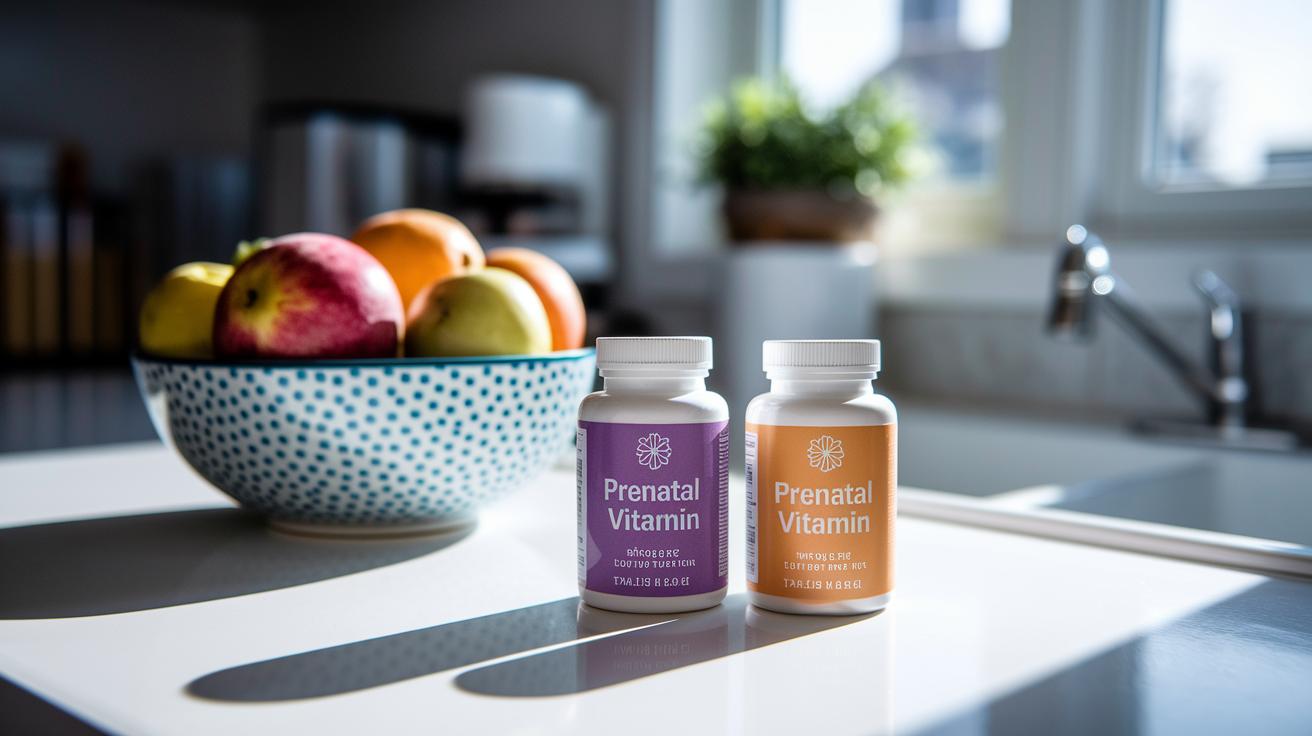
| B Vitamins |
Supports brain health and function |
Whole
Maternal Nutrition and Mood Stability: Practical Meal Planning Strategies
If you’re looking to keep your energy high and your mood steady, try starting with balanced meals that mix lean protein, whole grains, and healthy fats. Imagine a plate of grilled chicken or tofu with brown rice, a drizzle of olive oil, and plenty of fresh veggies. This meal helps fuel your body and supports the natural mood boosters in your brain. For instance, a warm bowl of quinoa with steamed broccoli and a few slices of avocado can leave you feeling both satisfied and ready to take on the day.
Adding bright fruits rich in antioxidants and fiber-packed vegetables can really help lower inflammation and keep your blood sugar steady. Think of fruits like strawberries, oranges, or blueberries combined with a side of dark leafy greens packed with vitamins. A snack of whole fruits, nuts, or seeds gives you that extra boost of fiber to maintain steady energy, and a few sips of water every hour can keep you feeling clear and alert.
Planning your snacks and meals at regular times is a little trick that can ward off energy dips and mood swings. Try having a small serving of yogurt with fresh fruit or a handful of nuts between main meals. This gentle routine supports both your body and your emotions all day long. For more meal ideas, you might want to check out the Maternal Diet and Wellness Guidelines to help brighten every day.
Monitoring Maternal Nutrition and Emotional Well-Being

Sometimes it helps to jot down what you eat and how you feel throughout the day. Many moms have found that using a simple diet-tracking app or even keeping a handwritten food-mood journal can reveal little patterns about your mood and energy. By noting your meals, drinks, and those emotional ups and downs, you start to see how your food choices might be affecting you. And if a few small tweaks in your diet don’t seem to lift your spirits, it might be a good idea to chat with a professional.
Recommended Features in Diet-Planning Apps
When you’re looking for an app, try to find one that’s easy to use. Look for features like a nutrient database that helps you understand what you’re eating, and a simple mood tracker so you can log your feelings. Friendly reminders to record meals and emotions can keep you on track. Some apps even offer gentle prompts for self-checks, making it easier to spot trends in both your eating habits and your mood.
Self-Monitoring Through Food-Mood Journals
If you prefer putting pen to paper, a food-mood journal is a great choice. Write down what you eat and share how you’re feeling before and after meals. Try to do it daily so you can see regular patterns, like feeling a bit sluggish after certain foods. This simple method connects you with your body’s rhythms and helps you keep a caring watch over your overall well-being.
Maternal nutrition and mood stability: Feel Radiant
Feeling good each day starts with taking care of yourself. Stress, the food you eat, and your mood all work together. When you’re stressed, you might want foods that aren’t very healthy, and eating poorly can make stress even worse. Choosing foods rich in key nutrients helps your body stay calm, and adding a little deep breathing or gentle stretching can really brighten your day.
Mindfulness and Relaxation Techniques
Ever try sitting quietly for five minutes, just feeling your breath go in and out? It’s like a little reset that helps clear your mind. Simple activities like guided breathing or easing through muscle tension can lower stress and balance your mood. Even a few minutes of these gentle practices each day builds up a little shield against life’s pressures.
Building Supportive Routines
A friendly routine can turn a chaotic day into one that feels nurturing and steady. Maybe share a quiet cup of tea with a loved one, or take a gentle walk together. Carving out even a few moments just for you helps both your body and mind feel cared for. And if you notice that stress or low moods stick around, it might be a sign to reach out to a caring professional for a bit of extra help.
Final Words
In the action, we saw how key nutrients support neurotransmitter production and keep hormones balanced. We explored the value of whole foods, smart meal planning, and simple tracking methods to notice positive mood changes. We also touched on using mindful moments and social support to boost overall wellbeing. Each strategy works together to strengthen maternal nutrition and mood stability during pregnancy and beyond. Taking these practical steps can bring a gentle shift toward more positive, steady days.
FAQ
How does nutrition during pregnancy impact both mother and child after birth?
The impact of nutrition during pregnancy is seen in hormone balance and brain function, which support a mother’s mood stability and assist a child’s healthy physical and emotional growth.
What are the consequences of poor nutrition during pregnancy?
The consequences of poor nutrition include higher risks of mood disturbances, developmental delays, and cognitive challenges in the baby, as well as increased fatigue and health issues for the mother.
What are the symptoms of poor maternal nutrition?
The symptoms of poor maternal nutrition often show up as persistent fatigue, noticeable weakness, mood swings, and slower recovery, signaling that essential nutrients are missing.
What is the link between nutrition and mood for expecting mothers?
The link between nutrition and mood is clear—adequate nutrients support neurotransmitter production and hormonal balance, helping to reduce mood swings and depressive symptoms during pregnancy.
How does maternal depression affect child development?
The effect of maternal depression on a child involves challenges such as altered emotional bonding and potential social and cognitive issues, which may influence the child’s long-term well-being.
How does maternal nutrition influence fetal development?
The influence of maternal nutrition on fetal development is significant; a balanced diet supplies key nutrients that support fetal brain and tissue growth, setting a strong foundation for future health.
What factors affect maternal nutrition?
The factors affecting maternal nutrition include dietary habits, access to healthy foods, proper hydration, levels of stress, and overall physical health, all playing a role in well-being.
Where can I find quality maternal nutrition presentations?
The availability of quality maternal nutrition presentations offers visual guidance on essential nutrients and meal planning strategies, making them useful tools for understanding diet’s role in mood and development.

Are you feeling worn out after yet another restless night? You’re not the only one. Many parents find themselves trying to squeeze in a few hours of sleep, even when it seems impossible. Research shows that almost 60% of moms have trouble sleeping in the early weeks, leaving them feeling drained and overwhelmed.
There are some simple ideas that might help you catch more rest, even while taking care of your baby. Have you ever tried napping when your little one sleeps? Or maybe sharing nighttime tasks with someone can lighten the load. These little changes can make a big difference.
Sometimes, a tiny shift in routine is all it takes for a night full of real, refreshing sleep. Take a moment to see which tip might work best for you, and remember, you deserve a break too!
Postpartum sleep deprivation solutions: Sleep Well Tonight
So many new parents end up losing sleep because newborns wake up every couple of hours, even though grown-ups really need six or seven hours every night. It can leave you feeling super tired and a bit overwhelmed in those early weeks.
Studies say almost 60% of moms might have trouble sleeping up to eight weeks after giving birth, and sometimes these sleep troubles stick around for a while. But there are some simple sleep tips that can help ease that tired feeling. Even little changes, like catching a nap whenever your baby sleeps, can make a big difference.
- Take a nap when your baby is sleeping.
- Around 3–4 weeks, try pumping one session so your partner can help feed.
- If you’re using formula, pre-mix bottles to cut down on nighttime work.
- Let go of household chores during your rest times.
- Reach out to friends and family to build a support network (see postpartum recovery tips).
- Consider hiring a postpartum doula who can offer practical sleep ideas.
Getting enough sleep is really important, you deserve some true rest to recharge your body and mind. Taking even a few extra minutes whenever you can can boost your energy, uplift your mood, and make daily tasks a little easier. Even short, peaceful breaks, like a quick nap or a calm pause, really add up to help you feel more balanced during this busy time.
Understanding Newborn Sleep Challenges in Postpartum Period

Newborns usually sleep around 14 to 16 hours every day, but they do it in tiny bursts. They wake up every 2 to 4 hours for a feeding, a diaper change, or just some comfort. Even though it looks like they're sleeping a lot, that sleep isn't deep enough, which can make it hard for moms to get a truly refreshing rest.
Because you're caring for your little one all day and night, your own sleep can really suffer. When the baby’s sleep is all over the place, moms might feel tired every day, experience mood swings, and struggle to focus. Almost every parent faces these challenges when a little one needs attention so often.
Sleeping in these short, broken pieces can throw off your body's natural rhythm for rest. Over time, this can leave you feeling like you're not getting enough satisfying sleep, which can drain your energy. This nonstop cycle of tiredness not only makes daily tasks tougher but can also weigh on your emotions, leaving you feeling overwhelmed and worn out.
Medical Advice and Professional Support for Postpartum Sleep
After having your baby, you might find it really hard to catch enough sleep. You may struggle to fall asleep or wake up often during the night because your little one needs feedings, diaper changes, or soothing. This constant waking can stretch on for weeks, leaving you feeling completely drained and less energetic during your busy day.
One big reason for these sleepless nights is that caring for a newborn takes constant attention. With feeding sessions and late-night diaper changes, your natural sleep rhythm gets thrown off. Over time, this repeated sleep loss can affect your mood, making you feel a bit down or anxious, not just tired, but truly worn out.
If you notice that sleep is still a big challenge after the first few months, it might be time to talk to a healthcare provider. They can share helpful tips on how to improve your sleep and check if there’s extra stress or other issues at play. Sometimes, just reaching out for a bit of professional advice can make a world of difference in helping you feel stronger and more balanced every day.
Optimizing Sleep Environment for Postpartum Mother and Infant

When it comes to helping your baby sleep soundly through the night, creating a calm, safe space is key. Always place your little one on their back in a crib or bassinet with a firm mattress and no loose bedding. Keep the room dark and quiet, with a comfortable temperature between 68–72°F. Picture adding blackout curtains and even a white-noise machine, a soft hum in the background that wraps your baby in a cozy cocoon, inviting deep, peaceful sleep.
Taking care of your own sleep space matters, too. Moms and dads deserve a peaceful retreat after those short naps with the baby. Try dimming the lights as bedtime nears and cutting down on distractions like electronics. A bedroom set up with a calming vibe can gently tell your body it’s time to relax. Even little changes in your sleep area can turn it into a restorative haven that helps you recharge and feel your best.
Tracking and Adjusting Postpartum Sleep Strategies
Keeping a sleep diary or using a simple app can really help you see patterns in your sleep. Try jotting down when both you and your little one drift off to sleep, wake up, or grab a quick nap. For instance, you might note, “I squeezed in a 30-minute nap this morning right after the baby’s feed,” which helps you spot recurring gaps. Research shows that insomnia drops from about 60% at eight weeks postpartum to around 40% by two years, and keeping track can reveal these improvements over time.
Taking a little time to review your sleep notes each day might show that adjusting your routine makes a big difference. Maybe you notice that moving a feed or setting aside a quiet moment leads to a longer nap. When this happens, try shifting your schedule to include more moments like that. It’s a simple way to fine-tune your routine, whether that means tweaking your room setup, rearranging feeding times, or even teaming up with your partner for nighttime duties, to support better sleep during this busy time.
Final Words
In the action, we explored how small shifts can make a big difference in managing sleep challenges. We looked at ways to fine-tune your routine, from adjusting feeding times to creating a calm sleep space for both mom and baby.
These postpartum sleep deprivation solutions are all about practical, real-life strategies. Every little change brings you closer to a good rest, giving you more energy and a brighter outlook on each new day.
FAQ
What are the symptoms of postpartum sleep deprivation?
The symptoms of postpartum sleep deprivation include extreme fatigue, trouble focusing, mood swings, and irritability. These signs often make daily tasks feel harder than usual.
How long does postpartum insomnia last?
Postpartum insomnia can last from a few weeks to several months. Many mothers see improvements over time, sometimes experiencing ongoing sleep issues for up to two years.
What kinds of discussions are common on Reddit about postpartum sleep deprivation?
Reddit conversations about postpartum sleep loss share personal experiences, practical tips, and support among moms. Many mothers exchange ideas for coping and managing their sleep challenges.
How is postpartum insomnia treated?
Treatment for postpartum insomnia focuses on improving sleep routines, napping when possible, and creating a comfortable sleep environment. Some moms also seek professional help when sleep problems continue.
How does sleep deprivation affect postpartum depression?
Sleep deprivation can make postpartum depression symptoms worse by increasing tiredness and affecting mood. Getting quality sleep can help stabilize emotions and restore energy during the postpartum period.
Why might a new mom struggle to sleep when her baby sleeps?
A new mom may find it hard to sleep when her baby sleeps because her mind stays active with concerns or worries. This extra alertness makes it difficult to fully relax and rest.
What does it mean if postpartum insomnia continues at 4 months?
If postpartum insomnia persists at 4 months, it indicates ongoing sleep struggles that are common for many new moms. Adjusting routines and seeking support may help improve sleep quality.
What does it mean if postpartum insomnia continues at 5 months?
Continuing postpartum insomnia at 5 months suggests that sleep challenges remain significant. It may be time to review daily habits and consider talking with a healthcare provider about additional strategies.
How can new mothers manage sleep deprivation after having a baby?
New mothers can manage sleep deprivation by napping when the baby naps, creating a calming bedtime routine, and leaning on a support network. These steps can help reduce fatigue and boost energy.
What are the five stages of sleep deprivation?
The five stages of sleep deprivation usually progress from mild tiredness to moderate fatigue, then severe exhaustion, followed by chronic fatigue, and ultimately an overwhelming state of total exhaustion.
Can you recover from years of sleep deprivation?
Yes, recovery from long-term sleep deprivation is possible. With gradual changes in sleep habits, supportive care, and sometimes professional guidance, many moms can regain better sleep and overall well-being.

Have you ever wondered if your prenatal (care during pregnancy) vitamin is really giving you enough energy? When your body makes extra blood for you and your baby, you need almost 50% more iron.
Adding a bit more iron isn’t just about fighting tiredness, it helps you feel that healthy glow, too. In this post, we’ll share how prenatal vitamins with extra iron work to meet your growing needs while keeping you vibrant every day.
Prenatal Vitamins for Iron Deficiency: Key Benefits in Pregnancy
When you’re expecting, your body goes through lots of changes. One of the most noticeable is how your blood volume can increase by 30–50%. That extra blood means you need more iron, usually at least 27 mg a day, and sometimes even 30–50 mg as you get further along. Iron is essential to keep your energy up, boost your immune system, and help your body create enzymes that support everyday tasks like building collagen for healthy tissues.
Imagine this: One mom shared that before her pregnancy, she never felt tired at all. But once she learned about her extra iron needs and started the right supplement, her energy lifted, and her days felt brighter. Iron deficiency can sneak up on you with symptoms like dizziness, light-headedness, and fatigue, all of which can affect both you and your baby. That’s why using a prenatal vitamin loaded with iron is such a smart move.
Choosing a prenatal that not only offers iron but also packs in other key nutrients is a thoughtful way to care for yourself. It’s a simple step that helps you manage the extra demands of pregnancy while giving your baby a strong nutritional start.
Dosage Guidelines for Iron-Enriched Prenatal Vitamins

Taking good care of yourself during pregnancy means following the right guidelines to support your body. In your first trimester, aim for a prenatal vitamin that supplies at least 27 mg of iron every day. This simple dose helps build healthy red blood cells for both you and your baby.
As your body adjusts to carrying extra blood, your iron needs naturally increase. In the second trimester, about 30 mg a day is suggested, and by the third trimester, around 50 mg daily can keep you on track. It’s pretty amazing how our needs evolve, don’t you think?
This plan is all about matching your growing needs. And while iron toxicity is very rare – it generally doesn’t happen below 1,000 mg a day – taking a bit more than you need usually just means your body absorbs less, rather than causing any harm.
| Trimester |
Recommended Iron Intake (mg/day) |
| First |
27 |
| Second |
30 |
| Third |
50 |
One mom shared with me, "When I adjusted my iron intake between trimesters, I really noticed a boost in my energy levels." So, it might be a good idea to split your dose wisely and have a chat with your doctor. A little extra care like this can make a wonderful difference for you and your baby.
When you’re expecting, finding the right prenatal vitamin that includes iron is a smart way to give yourself a little extra care. There are lots of choices available, like Prenate Mini, Pixie, Enhance, Restore, Chewable, Elite, Essential, and Prenate DHA, each packed with iron, folic acid, DHA & EPA, and Vitamin D to support you and your baby.
Think about what works best for you. Some formulas come in capsules while others are chewable, maybe like a small treat! I once heard a friend say, "I switched to a chewable version because it goes down so smoothly!" That little detail shows just how much a comfortable form can make a difference.
It also helps to check the extra ingredients. A good balance of vitamin D, folic acid, and healthy fats can keep your energy up and your immune system strong. It might be a good idea to chat with your healthcare provider about your options, too. If you’re looking for trusted guidance, browsing recommended prenatal care vitamins can be a comforting next step to find the perfect iron-boosting formula for you and your little one.
Safety, Side Effects and Nutrient Synergy of Prenatal Iron

If you want to know more about iron safety, like how your body takes in extra iron and why you’re unlikely to reach toxic levels below about 1,000 mg a day, check out the dosage guidelines section. It also points out signs such as feeling tired or light-headed.
You can also find information about combining iron with folic acid (which helps build red blood cells and supports your baby’s neural tube development) in the section on choosing the right prenatal vitamin formula.
Expert Guidelines for Managing Prenatal Iron Deficiency
Your iron needs are as unique as you are, so it's important to work with your doctor to find the right dose for you. They might start with a hemoglobin test and ask about your personal history so the plan fits your body perfectly. Splitting your iron doses throughout the day can help your body absorb it better while easing any tummy troubles.
Many doctors suggest checking your iron levels every trimester. This way, whether you begin with 27 mg daily or need to increase to 30–50 mg later on, you'll be on track. Some programs even let you order directly or use patient savings plans, which makes sticking to your dose easier and more affordable.
When you adjust your iron intake based on regular tests and follow-ups, you help keep that pregnancy glow shining bright. This well-researched approach boosts your iron absorption and supports your body against anemia. Have you ever noticed how a small change can make a big difference in how you feel?
Final Words
In the action, our article detailed why iron matters for both moms and babies. We covered the power of proper dosage, tips on choosing the right supplement, and how safety plays a role in everyday care. Each section offered simple, expert advice to support overall maternal energy and health. Keep in mind the benefits of prenatal vitamins for iron deficiency, a little extra care goes a long way. The future looks bright, and you can feel confident about your choices for a healthier pregnancy.
FAQ
Frequently Asked Questions
How do prenatal vitamins help with iron deficiency anemia if you’re not pregnant?
Prenatal vitamins supply iron, folic acid, and key nutrients designed to boost blood health. They may support iron levels in non-pregnant individuals, though consulting a doctor is best before starting any supplement.
Which iron supplement is best during pregnancy and for managing iron deficiency?
Prenatal vitamins are formulated with iron and essential nutrients to meet increased pregnancy needs. They support healthy blood production and energy levels, making them a good choice under medical guidance.
What benefits stem from taking prenatal vitamins with iron and folic acid?
These vitamins improve red blood cell production, support energy, and bolster overall health. Combining iron with folic acid creates a beneficial nutrient synergy, helping maintain optimal iron levels during pregnancy and beyond.
What happens if you take prenatal vitamins when you’re not pregnant?
Taking prenatal vitamins while not pregnant might deliver extra nutrients and iron, yet these formulas target higher requirements. It’s wise to consult your healthcare provider for guidance based on your specific needs.
What side effects may occur with prenatal vitamins containing iron?
Common side effects include mild stomach discomfort or constipation. Adjusting the supplement timing and pairing it with food may help ease these minor issues; discussing concerns with a doctor is advisable.

Have you ever wondered if an early birth means missing out on big baby steps? Preemies may grow in their own way, but every tiny milestone is a win. When we use corrected age (adjusting for those extra weeks), we see that early beginnings can still lead to amazing growth. Each smile, sound, or sleep pattern shows your baby’s special pace. It’s a gentle way to celebrate every little victory on this wonderful journey.
Premature Infant Milestones: Bright Growth Ahead
Premature babies are born before 37 weeks of pregnancy, while a full-term pregnancy lasts about 40 weeks. This means they start their journey a little earlier than many expect. To help track their growth, we use what’s called the corrected age. This simply means adjusting the baby’s age based on how early they arrived.
For example, imagine your baby is 16 weeks old but was born 8 weeks early. That means their corrected age is 8 weeks. So if you think, “My baby is 4 months old, but since they arrived two months early, I should expect milestones for a 2-month-old,” you’re on the right track. This gentle approach sets clear, realistic expectations for progress in key areas like sleep, feeding, and responding to sounds.
By following corrected age, you’re comparing your little one’s growth to the right milestones. It helps gauge their development in breathing, digestion, and even how they notice colors or sounds. In truth, you’re using this method to understand their unique pace, and it becomes a helpful guide for you and your care team.
Remember, every step your baby takes is special. Adjusting for early birth just means celebrating the wonderful progress they make each day, making every milestone a little brighter and every moment more reassuring.
Week-by-Week Premature Infant Milestones Chart

Here’s a friendly chart that shows key milestones for preemies based on their corrected gestational age. This guide helps you keep track of important changes in things like body functions, hearing, sight, sleep, and behavior.
| Corrected Gestational Age |
Key Milestones |
| 20–24 weeks |
Focusing on body balance: steadying breathing, heart rate, and overall circulation |
| 22–34 weeks |
Starting to see better: gradual improvements in noticing light and distinguishing contrasts |
| 25–28 weeks |
Listening a little more: beginning to respond to gentle sounds as hearing pathways develop |
| Term-adjusted (40 weeks) |
Digesting and growing: clearer sleep and wake patterns plus more mature body functions |
Each phase brings its own little triumphs, even if your baby’s progress feels slower than that of full-term infants. At 20–24 weeks, for instance, the focus is on getting the body functions steady. Imagine watching your little one find a calm rhythm in breathing and heart rate, it’s like hearing a soft lullaby start to play.
Then, at 22–34 weeks, their eyes begin to really tune in. Picture those early moments when light catches their eyes, like a photographer capturing a perfect glimpse of magic. Around 25–28 weeks, you might see your baby turning towards quiet, soothing sounds, a gentle sign that their hearing is coming to life.
By the time they reach about 40 weeks, you can notice more settled digestion, changes in their skin color, and a predictable sleep-and-awake routine. It’s a bit like watching a garden slowly bloom, where every tiny milestone is a victory and a sign that your preemie is growing stronger every day.
Keep track of these week-by-week milestones, and take a moment to celebrate every step forward on your baby’s unique journey.
Physical and Motor Development in Preemies
Premature babies often start out with bones, muscles, and a nervous system that aren’t fully ready yet. This means that learning new physical skills can take a bit longer compared to babies born full-term. For example, a baby born at 32 weeks might need a little extra time to keep its head steady during tummy time, and that’s completely normal.
Early signs include the grasp reflex, one of the first things to show up, and then the fun milestone of rolling over. Soon after, you'll see improvements in head control, a big step before they can sit up without help. Simple milestones like sitting up or crawling might take a few extra weeks compared to full-term babies.
Many caregivers notice that these steps happen slowly, but a little physical therapy and supportive exercises can really help. If you’re looking for some gentle ideas on building head strength and encouraging crawling, check out this guide on gross motor skill development. Imagine spending a few extra minutes each day on gentle tummy time or helping your baby sit with support, these small actions can boost muscle growth and coordination.
Even though it may seem like progress is slow at first, most preemies catch up by the age of two when they get the right care. Every little win, a firm grasp, a steady roll, is a sign of growing strength and ability, a true step forward in their motor development journey.
Sensory and Cognitive Growth Milestones for Preterm Babies

Preterm babies start their sensory journey early, even while their brains are still growing. Their hearing is pretty developed by about 20 weeks in the womb, and many little ones begin to respond to soft sounds between 25 and 28 weeks. Imagine hearing a gentle coo and watching your baby’s eyes brighten up, it’s a sweet sign that sound is becoming part of their world.
Their vision also begins to improve between 22 and 34 weeks. While their eyes take a bit longer to fully mature compared to their ears, preemies gradually start to tell light from shadow. Picture it like a blurry photo slowly coming into clear focus over time. These early steps in sensory development help caregivers see how a baby’s brain is wiring up.
Sleep and wake times also play a big role in how a baby responds to the world around them. A baby in deep sleep will react far less to light or sound than when they’re in a lighter, drowsy state. Watching these moments gives a little peek into how alert and ready their brain is to learn, even if things sometimes move a bit more slowly. Sometimes, gentle play and simple activities can give their brain the extra nudge it needs.
Every little moment, whether it’s a quick head turn toward a sound or a widening gaze at a light, builds on their sensory and cognitive growth. These tiny milestones provide important clues, guiding caregivers as they support the baby’s early brain development step by step.
Feeding Readiness and Physiological Progress in Early-Born Infants
When your little preemie is born early, they start working hard on building the skills needed to feed. Their breathing, heart rate, and tummy functions slowly get stronger as they grow, much like a little musician learning a new tune. Around 32–34 weeks gestational age, their ability to suck, swallow, and breathe together begins to form, beat by beat.
At this stage, you might notice your baby showing signs that their tummy is still a work in progress. Sometimes, there may be a bit of feeding trouble or mild reflux, which means their digestion is still finding its rhythm. Watching their weight gain can be very reassuring, it’s a gentle sign that they’re absorbing nutrients and growing stronger.
While feeding, keep an eye out for small changes in their breathing or skin color. These little signals are like tiny clues that help you know how well your baby is adjusting. Over time, each small step, a steadier swallow or a more relaxed breathing pattern, helps build a smoother feeding journey and supports their overall growth.
Recognizing Red Flags: When Preemie Milestones Are Delayed

It can be really worrying when you notice your preemie isn't hitting milestones as expected. Sometimes, you might see signs like breathing that still seems labored or skin sometimes looking a bit off, even after many weeks. And if your baby doesn't react much to soft sounds or gentle light, it might mean their hearing or vision needs a closer look.
It’s also important to watch for feeding troubles or if your little one isn’t gaining weight steadily. Imagine your baby struggling during feedings or not growing as expected, it could be that their tummy is still learning how to work properly. And if you see that your baby isn’t turning to your smiling face or responding during play, that could be another sign to note.
| What to Watch For |
What It Might Mean |
| Persistent breathing troubles |
Possible issues with the lungs or development |
| Low response to soft sounds and light |
May signal hearing or vision concerns |
| Feeding challenges and slow weight gain |
The digestive system might be maturing slowly |
| Limited reaction to interactive moments |
Could hint at underlying issues with brain or vision development |
If these early signs go on for a while, your little one may face challenges with language or learning later on. Routine check-ups in the NICU help keep an eye on these milestones, and starting gentle therapy in the early years can make a big difference. Trust your instincts, if something feels off, it might be a good idea to talk to your healthcare provider for a thorough check-up.
Comparing Preemie Milestone Timelines with Full-Term Benchmarks
When you think about baby milestones, it's nice to know that full-term babies usually hit them around the same time, sitting up around six months, crawling by nine months, and saying their first words at about 12 months. Preemies, however, often take a little extra time because we adjust for their early arrival.
For example, a baby born before 37 weeks might need around six extra weeks before they start sitting up, and crawling could be delayed by eight to 10 weeks. Even the first words may appear on a slightly different schedule. And that's completely okay!
Here’s a simple table to see the differences side by side:
| Milestone |
Full-Term |
Preemie (Corrected Age) |
| Sitting Up |
About 6 months |
6+ weeks delay |
| Crawling |
About 9 months |
8–10 weeks delay |
| First Words |
About 12 months |
Adjusted timeline |
It’s really encouraging to learn that many preemies catch up to their peers by age two. With the help of NICU therapies and early intervention services, every little win builds towards a bright future. Every milestone, even if it takes a bit longer, is a wonderful step along the way.
Professional Support: NICU Care and Early Intervention for Preemies

When a baby arrives a bit early, before 35 weeks or weighing less than 2,000 grams, the NICU is there with a team of caring experts watching every beat and breath. It’s like having a group of close friends who are always ready to help your little one thrive.
Right from the start, the NICU begins early intervention. As soon as your baby is ready, gentle physical, occupational, and speech therapies kick in. Think of it as a warm hand guiding your baby through those first, delicate steps of growth.
Projects such as the Baby Brain Initiative show us that careful, regular care can help your baby build strength and reach important milestones. Medical teams watch each tiny change closely and adjust the care as needed, meeting both the immediate needs and paving the way for a bright future.
Every step in the NICU and beyond is a gentle reminder of how expert care, given with heartfelt support, makes all the difference for your little miracle.
Final Words
In the action, this post shared how corrected age is key in tracking premature infant milestones. It broke down week-by-week charts, explored physical, sensory, and cognitive growth, and looked at feeding readiness and red flags. It also lined up preemie progress with full-term benchmarks and highlighted the value of NICU care and early therapy support. Each section offers clear, practical insights to help gauge preemie development. Embrace this information as a stepping stone toward celebrating small wins and watching growth unfold over time.
FAQ
What is a premature baby milestones chart?
The premature baby milestones chart defines developmental markers using corrected age, helping you track your baby’s progress in motor skills, sensory responses, and feeding needs from NICU care to home life.
How does premature baby development progress week by week?
The week-by-week development guide explains how preemies achieve early stabilization, sensory milestones, and improved feeding skills, with corrected age comparisons showing gradual improvements over time.
What milestones should I expect at 7 months and 8 months for premature babies?
The 7- and 8-month milestones for preemies include improved head control, increased muscle strength, and better sensory responses, all tracked by using corrected age to gauge physical and feeding advancements.
What are typical preemie milestones in the NICU?
In the NICU, preemie milestones focus on stabilizing vital signs such as breathing and heart rate, along with early auditory and visual responses that set the foundation for later development.
How can I use a premature corrected age calculator?
A premature corrected age calculator lets you adjust your baby’s age by subtracting the weeks they were born early, ensuring you compare their developmental progress with full-term benchmarks accurately.
Are baby milestones different for preemies or does being premature delay milestones?
Baby milestones for preemies differ because corrected age is used, meaning developmental markers may appear later than in full-term infants, though many catch up with supportive care.
What are the stages of preemie babies’ development?
The stages of preemie development include early stabilization, progressive motor and sensory improvements, and emerging feeding skills, all tracked by corrected age to align with typical development paths.
Do premature babies have problems later in life?
Premature babies may encounter challenges like minor learning or vision delays, yet with early intervention and regular evaluations, many go on to thrive alongside their full-term peers.

Have you ever thought about how the food you eat might give you more energy and help your baby grow strong? For first-time moms, planning your meals isn’t just about counting calories, it’s a way to care for both you and your little one.
Imagine your body as a car that needs a little extra fuel for a long trip. Even small changes, like adding a few extra calories and choosing balanced meals, can really set you up for good health. This guide shares simple, caring tips to help you feel vibrant all day.
Comprehensive Nutritional Planning for First-Time Mothers
Becoming a new mom means your body works extra hard to give your baby the very best start. As you move through the second and third trimesters, try adding about 300 extra calories every day. Think of it like filling up your car before a long trip, you need that extra boost to keep going strong. One mom even said, "I felt more energetic after I began including a bit more in each meal," showing that little changes can make a big difference.
Mixing the right kinds of foods is just as important. Aim to get about 50% of your calories from carbohydrates, 20% from protein, and the remaining 30% from healthy fats. This balance helps build your tissues, supports muscle recovery, and gives you lasting energy. Picture a plate with whole grains, lean proteins like chicken or tofu, and a touch of avocado or olive oil, it’s a meal that satisfies and nurtures you at the same time.
Staying hydrated is key too. Try to drink 8 to 10 cups of water each day, just like you’d water a garden to see it thrive. Keeping your caffeine intake below 200 mg daily can help as well, a 12-oz cup of coffee might hit that limit. Plus, including two to three servings of low-mercury fish each week adds precious omega-3 fats to your diet.
Altogether, this meal strategy acts like a nutrition roadmap as you begin your motherhood journey. With balanced recipes and gentle guidelines, you’re set to care for both your body and your baby.
Essential Vitamins and Minerals for First-Time Mothers
Taking in the right vitamins and minerals is a gentle way to care for both you and your baby as they grow. Foods rich in iron, like lentils, dark leafy greens, and lean meats, help keep anemia at bay. One mom even mentioned how a warm bowl of bean and spinach soup lifted her energy and kept her iron levels strong.
Calcium is another key nutrient. Dairy, fortified plant milks, or tofu help build strong bones, which is especially important when your body isn’t making as much estrogen. I remember a mom saying, “I mix a bit of fortified almond milk into my smoothie, and it really makes me feel supported.”
Omega-3 fatty acids play their part in your baby’s brain development too. Think about adding salmon, sardines, or a sprinkle of flaxseed to your breakfast cereal, it’s an easy trick that brings a little extra nourishment to your day.
Fiber is also important, so try for about 25–30 grams daily by enjoying whole grains, fruits, and vegetables. A simple snack of an apple with some whole-grain crackers can help ease any digestive ups and downs, keeping you comfortable.
And don’t forget your prenatal vitamins until birth. These supplements help fill any gaps in your diet, ensuring you and your baby get the support you need during this special time. With a bit of thoughtful meal planning, you’re creating a nurturing space for both of you to thrive.
Nutritional planning for first-time mothers: Thriving Health
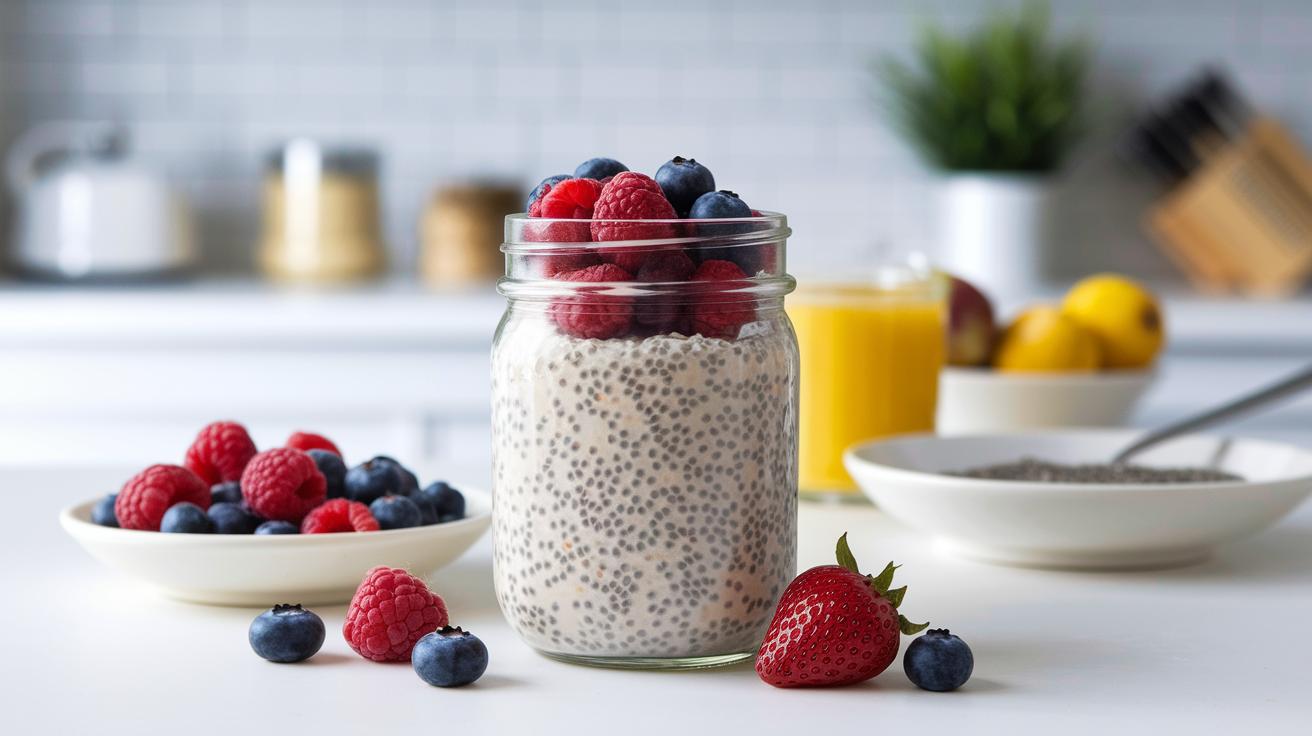
Begin your morning with a taste of joy and energy by making overnight oats topped with berries and chia seeds. Imagine a glass jar filled with creamy oats, juicy berries, and a sprinkle of chia. One mom mentioned, "My mornings feel brighter with this quick, nutritious start." This simple recipe provides the carbohydrates, fiber, and antioxidants you need to start the day feeling lively.
For lunch, try a quinoa and grilled chicken salad. Think of fluffy quinoa mixed with crisp greens and tender pieces of chicken. It’s a satisfying meal that gives you lean protein and whole grains. A little tip: you can cook a big batch of quinoa on the weekend so that you have a healthy base ready the whole week.
When dinner arrives, keep things easy and tasty with a sheet-pan meal featuring salmon, sweet potatoes, and broccoli. Picture laying out pre-cut veggies on a pan, drizzling them with olive oil, and letting everything roast together. This way, dinner becomes stress-free and cleanup is a breeze.
For snacks, energy bites or Greek yogurt parfaits can be your go-to treats between meals. You can quickly whip up energy bites using oats, nuts, and a drizzle of honey, while Greek yogurt layered with fresh fruits offers a refreshing, nourishing bite.
On busy days, consider spending a little extra time during the weekend cooking a batch of soups or stews. Storing these in freezer-friendly portions means you’ll always have wholesome meals ready, even when life gets hectic. Dedicating just a couple of meal-prep sessions each week can make healthy eating both fun and manageable.

Sometimes pregnancy brings little discomforts like nausea or heartburn, and a few small tweaks to your meals can really help. When nausea hits, try grabbing some plain crackers along with a warm cup of ginger tea. One mom even said, "A few crackers helped calm my tummy when nothing else worked!" It’s a simple trick that can make those early, shaky moments feel a bit easier.
If heartburn is bothering you, consider eating smaller, more frequent meals. Steer clear of spicy or fatty foods, which might make things worse, and choose balanced options instead. For smoother digestion, aim for about 25–30 grams of fiber a day by enjoying whole grains, fruits, and veggies. And don’t forget to drink plenty of water, it works with fiber just like water helps to soften your favorite snack.
For those managing gestational diabetes, picking foods with a low glycemic index can be a big help. Enjoy foods like legumes, whole grains, and non-starchy vegetables. When you crave something sweet, a combo of fresh fruit and a handful of nuts might be just what you need to satisfy your taste buds without spiking your blood sugar.
- Beat nausea with plain crackers and ginger tea.
- Ease heartburn by enjoying small, frequent meals.
- Boost your digestion with fiber-rich foods and plenty of fluids.
- Manage gestational diabetes by choosing low-GI foods.
Safe Food Selections and Nutritional Precautions for First-Time Mothers
When you're picking your meals, it’s all about caring for you and your little one. You want foods that are both nutritious and safe. For instance, try to keep caffeine under 200 mg a day, that’s about one 12-ounce cup of coffee. I once heard from a busy mom who said she switches to decaf after 10 AM to help settle her evenings.
When planning your meals, think about adding low-mercury fish like salmon or sardines two to three times a week. They gently boost your baby’s brain growth with omega-3 fats. Imagine enjoying a lightly grilled salmon dinner that nourishes both you and your baby without worrying about too much mercury.
Food safety also means being mindful with dairy and deli items. It’s best to pick pasteurized cheeses and warm up deli meats until they reach 165°F. One mom mentioned that reheating her turkey slices a bit longer really helped her feel secure about what she was eating.
And when you can, choose organic fruits and vegetables. They help reduce your exposure to pesticides, making every meal a little gentler on your body.
- Keep caffeine under 200 mg per day.
- Opt for low-mercury fish like salmon or sardines two to three times per week for their omega-3 benefits.
- Avoid high-mercury fish such as swordfish and king mackerel.
- Choose pasteurized cheeses and heat deli meats to 165°F.
- Select organic fruits and vegetables to lower pesticide exposure.
Strategic Snacking in Nutritional Planning for First-Time Mothers

When you plan your meals, think about including smart snacks that keep you energized. It’s a great way to add extra nutrition without a fuss.
Try having a bowl of hummus with some sliced veggies like carrot sticks. Imagine that crunch–it gives you a burst of flavor that’s both tasty and refreshing.
Another idea is to grab a handful of trail mix. This little bowl of nuts and dried fruits can lift your mood and keep you going through a busy day.
Or, if you’re in the mood for something creamy, enjoy a slice of cheese with whole-grain crackers. This snack gives you a nice blend of protein and fiber to help balance your energy.
As you snack, take a moment to eat slowly and really savor each bite. Enjoying your food this way not only makes it taste better but also helps your body digest well.
Final Words
In the action of taking charge of your nutritional health, essential tips have been shared along every step, from meeting your daily calorie targets and balancing macronutrients to choosing key vitamins, minerals, and safe food options. Practical meal plans and hydration strategies provide a clear path forward. This guidance is designed to support nutritional planning for first-time mothers while making everyday eating a delightful part of well-being. Embracing these ideas brings comfort and inspires a positive approach to maternal care.
FAQ
What does nutritional planning for first-time mothers PDF cover?
The nutritional planning for first-time mothers PDF covers balanced meal guidelines, proper calorie increases, appropriate macronutrient ratios, hydration goals, and food safety practices to support both maternal wellness and fetal development.
What to eat after giving birth and while breastfeeding?
The advice on what to eat after giving birth and while breastfeeding focuses on nutrient-dense meals that include lean proteins, whole grains, fruits, and vegetables along with plenty of fluids to support recovery and milk production.
What food is recommended after delivery for an Indian mother?
The food recommended after delivery for an Indian mother typically includes warm, easily digestible dishes enriched with lean proteins, whole grains, and familiar spices that help with recovery and honor traditional dietary practices.
What should new moms eat after delivery?
The guidance on what food new moms should eat after delivery emphasizes balanced, nutrient-rich meals that boost healing, provide energy, and offer essential vitamins and minerals while keeping meals simple and satisfying.
What constitutes healthy food for new moms after delivery?
The concept of healthy food for new moms after delivery involves colorful, balanced meals featuring a mix of proteins, fruits, vegetables, and whole grains that help restore energy levels and support post-birth recovery.
What does a typical postnatal diet PDF include?
The typical postnatal diet PDF includes detailed meal plans, hydration recommendations, and food safety tips designed to support lactation, healing, and overall nutritional balance for mothers after childbirth.
What diet is advised for new mothers after cesarean delivery?
The recommended diet for new mothers after cesarean delivery emphasizes easy-to-digest and nutrient-rich foods, including lean proteins, fiber, and vitamins, while carefully balancing hydration to support surgical recovery.
What postpartum foods should be avoided?
The list of postpartum foods to avoid consists of items high in caffeine, unpasteurized products, overly spicy dishes, and high-fat foods, all of which may disrupt recovery and affect milk production.
What is a healthy diet for a new mother?
The notion of a healthy diet for a new mother involves eating well-balanced meals with lean proteins, fresh fruits and vegetables, whole grains, and sufficient fluids to maintain energy and enhance recovery after childbirth.
How can first-time moms have a healthy pregnancy?
The approach to having a healthy pregnancy for first-time moms centers on balanced eating, proper caloric intake, routine hydration, and consistent adherence to prenatal nutritional guidelines that benefit both mom and baby.
What foods should a new mom focus on eating?
The foods a new mom should focus on include lean proteins, whole grains, fruits, vegetables, and dairy, all of which supply key nutrients to support energy levels and overall recovery after delivery.
What should a pregnant woman’s nutritional planning include?
The nutritional planning for a pregnant woman should include balanced macronutrient distribution, increased calorie intake in later trimesters, sufficient hydration, and attention to food safety, all aimed at nurturing maternal and fetal well-being.

Have you ever noticed that when your baby comes home, sleep just seems to vanish? Many new parents find it surprising that a few small changes can make a big difference. Today, let’s chat about how you can share the night shifts with your partner, sneak in a refreshing nap, and set up a calming bedtime routine for both you and your little one. Imagine a night where you both rest easier, just a few adjustments can help make that a reality. Let's explore these simple tips together, so your nights feel a bit lighter and your days a bit brighter.
Core Strategies for Postpartum Sleep Support: Bright Nights
One way to help everyone get better rest is to stick to a regular sleep schedule using proven tips. You might try having one partner take charge from 10 p.m. to 2 a.m., and the other from 2 a.m. to 6 a.m. That way, each of you can enjoy about four solid hours of sleep. Imagine getting a full block of sleep that lets you flow through the sleep stages without interruption. It’s a small change that can really help your recovery.
Another friendly tip is to take naps when your baby naps, even if it’s just a quick 20–30 minute break. Those short naps can really add up over time. One mom once said, “That 20-minute nap felt like a mini reset that got me through the next feeding.” Simple rest breaks like these can work wonders for your overall recovery, as you can see in more tips on postpartum care at womensconference.org.
Another idea is to pump during the day. When one partner handles at least one bottle feed, it gives the breastfeeding mom a chance to catch some extra sleep. And if you’re lying awake for more than 20 minutes, try getting up for a quiet activity like reading or a bit of stretching. This helps keep your bed a place for sleep, avoiding any negative sleep habits.
Using these gentle strategies can help create a caring space where both you and your baby can enjoy more peaceful nights.
Aligning Infant Slumber Patterns with Maternal Rest

Creating a calming bedtime routine can make a world of difference for both you and your baby. Try starting with a warm bath, a gentle massage, and a soft lullaby to let your little one know it’s time to wind down. It’s a simple, loving routine that can help guide your baby into a deeper, more peaceful sleep.
When it comes to nighttime feeds or diaper changes, consider using ultra-dim lighting. Keeping a night-light or a softly lit hallway can help both of you stay relaxed without getting overly awake. Picture the soft glow gently keeping the night calm so that everyone remains in a comfortable, drowsy state.
Choosing between room-sharing and having a separate nursery can also impact sleep quality. A bedside bassinet, for example, offers that close feeling of security for your baby. But if you find that a separate space helps you sleep more soundly without frequent awakenings, that might be a better option for your family.
It might be helpful to slowly adjust feed times by about 15 minutes every couple of nights. These tiny shifts can gradually extend sleep stretches, giving both you and your baby a chance to enjoy a longer, uninterrupted rest. Sometimes, even a small change can mean a big improvement for both of you.
Optimizing the Postpartum Sleep Environment
When you're ready to create a cozy space for sleep, think of it like setting up a snug room just for you and your baby. Adjust the temperature so it's between 68°F and 72°F, perfect for everyone to relax and fall asleep easier.
A gentle sound in the background can be like a soft hug at night. Try using a white-noise machine or a soothing lullaby app to help cover up those unexpected household sounds. It’s like having nature’s own lullaby guiding you into a calm sleep.
Another neat tip is to use blackout curtains or even a comfy eye mask. This helps set your body’s clock to night mode, making it easier to unwind. A warm-light bulb or a salt lamp can add that extra touch of calm when you’re getting ready for bed. And don’t forget, switching off screens at least 30 minutes before bed can really help your body relax.
Sometimes, a few simple tweaks can make a big difference in how peaceful your nights feel.
Maternal Self-Care and Stress-Reduction Techniques

Before bed, try taking 5 to 10 minutes for deep belly breathing or a guided muscle relaxation session. This simple routine tells your body it’s time to unwind. Imagine closing your eyes, taking slow, deep breaths, and feeling the tension of the day gently fade away.
If your mind is buzzing, jot down your worries or even record a quick voice memo before sleep. One mom mentioned that writing down just a few thoughts helped clear her head and made it easier to drift off. Research even shows that putting your worries on paper can cut the time it takes to fall asleep by about 20%.
You might also try a short guided meditation or add a drop of lavender oil for a bit of aromatherapy. A few mindful moments can really help settle nighttime anxiety. And let’s be honest, many new moms face mood and anxiety challenges, so taking this time for yourself is a wonderful way to care for your own well-being.
For more ideas on building a peaceful routine, check out maternal self-care tips for busy moms at https://womensconference.org?p=10988. These simple practices can add a touch of calm to your evening and help set the stage for a truly restorative sleep.
Partner Collaboration and Shared Nighttime Responsibilities
Sharing nighttime duties means both of you get more and better sleep. One simple idea is to split up the tasks clearly. For example, one of you might handle baby feeding and diaper changes while the other catches a quick nap. Setting up a cozy feed area in advance, with pre-warmed bottles, clean pump parts ready, and a diaper caddy nearby, can really cut down on stress and make the changeover smoother. A quiet handoff works wonders; a gentle text or soft whisper can let your partner know it's time to swap without fully waking both of you. This kind of teamwork creates a warm, shared rhythm that feels like a family lullaby.
Talking about what works is key, too. Try setting aside a little time each week to discuss how your nighttime routine is working and tweak the plan if needed. Even small changes, like sometimes swapping roles on extra challenging nights, can offer a refreshing break and boost everyone's energy. When you plan things clearly and use gentle signals, you'll both enjoy more peaceful, uninterrupted sleep and a happier, more balanced family life.
When to Seek Professional Support for Sleep Challenges

If your baby's sleep stays unpredictable after about 4–6 weeks, it might be time to reach out to a pediatrician or a sleep consultant. Sometimes, even after trying different ideas, those night-time wake-ups just won't settle down. A fresh set of eyes can help spot something you might have missed.
If you've been struggling with sleepless nights for over three months, it’s a good idea to talk with your doctor about how you're feeling. It could be more than just a bad night here or there, sometimes underlying issues like postpartum depression or anxiety might be at play. Catching these challenges early can open the door to better, more focused help.
And if those feeding times are keeping you up at night, consider a lactation consultation. Even a small change to feeding schedules can mean more rest for both you and your baby. Plus, options like postpartum doulas or sleep coaches offer personalized plans that help create nights filled with more calm and better sleep for the whole family.
Final Words
In the action, we explored core strategies for postpartum sleep support through simple, clear practices. We looked at setting a calming sleep environment, crafting healthy rest frameworks, and using evidence‐based sleep techniques for both mom and baby. We shared tips on encouraging partner collaboration, engaging in maternal self-care, and using postpartum rest techniques like designated sleep blocks and relaxing bedtime routines. Embracing these parental sleep enhancement ideas can lead to better nights and brighter days. The shared guidance and practical advice highlight real, effective steps for better sleep and well-being.
FAQ
Q: What is treatment for postpartum insomnia?
A: The treatment for postpartum insomnia includes scheduling naps when the baby sleeps, creating a sleep-friendly environment with dim lighting and white noise, and sharing nighttime responsibilities with a partner.
Q: How long does postpartum insomnia last?
A: The duration of postpartum insomnia can vary; many moms face sleep challenges for weeks to months, and some may experience it for up to a year if stress or anxiety continues.
Q: How do moms on Reddit describe postpartum insomnia?
A: On Reddit, moms often describe postpartum insomnia as a common struggle and share tips like napping when the baby naps, establishing bedtime rituals, and sharing nighttime duties to manage sleep loss.
Q: How should a new mom position herself for sleep postpartum?
A: Postpartum sleep positions often involve resting on the side with supportive pillows and gentle stretching, which can help ease discomfort and promote a more restful sleep.
Q: What should be done if postpartum insomnia lasts four months?
A: If postpartum insomnia persists for four months, rethinking sleep routines, consulting healthcare professionals, and trying calming pre-bed practices can help improve sleep quality.
Q: What are common symptoms of postpartum sleep deprivation?
A: Common signs of postpartum sleep deprivation include feeling very tired, having trouble focusing, mood swings, and irritability, which signal the need for more rest and self-care.
Q: What does postpartum insomnia look like after one year?
A: Postpartum insomnia after one year may appear as ongoing difficulty falling or staying asleep, which might suggest underlying stress or anxiety and could benefit from professional advice.
Q: What sleep aid works postpartum?
A: Postpartum sleep aid may include natural methods such as taking a warm bath, using white noise machines, and practicing guided relaxation or meditation to calm the mind before sleep.
Q: What will help me sleep postpartum?
A: Effective ways to sleep postpartum include taking naps when the baby naps, sharing nighttime duties with a partner, and setting up a calm, dark sleeping space to encourage longer, restorative sleep.
Q: What is the 5-5-5 rule postpartum?
A: The 5-5-5 rule postpartum is a guideline where a mom spends five minutes doing deep breathing, observes five brief self-care activities, and takes five minutes to relax before sleep.
Q: How many hours of sleep should a postpartum mom get?
A: A postpartum mom should aim for about seven to eight hours of sleep each night, with additional short naps to help meet her body’s need for restorative rest.
Q: How do new moms handle sleep deprivation?
A: New moms often handle sleep deprivation by napping when the baby naps, sharing nighttime responsibilities with their partner, and using relaxation techniques like deep breathing to ease tiredness.
1...909192...313Page 91 of 313
|