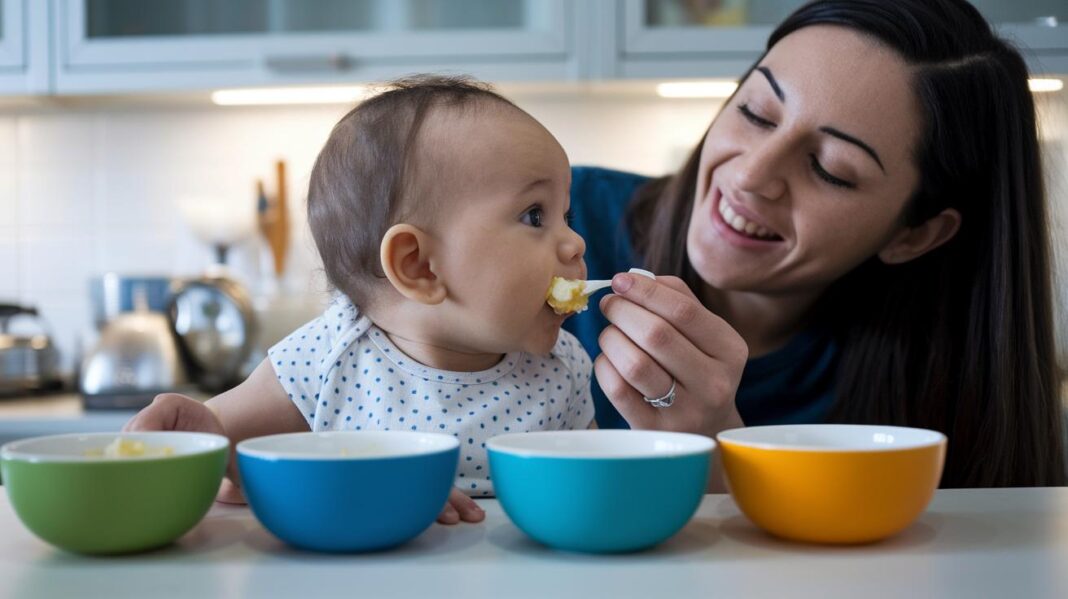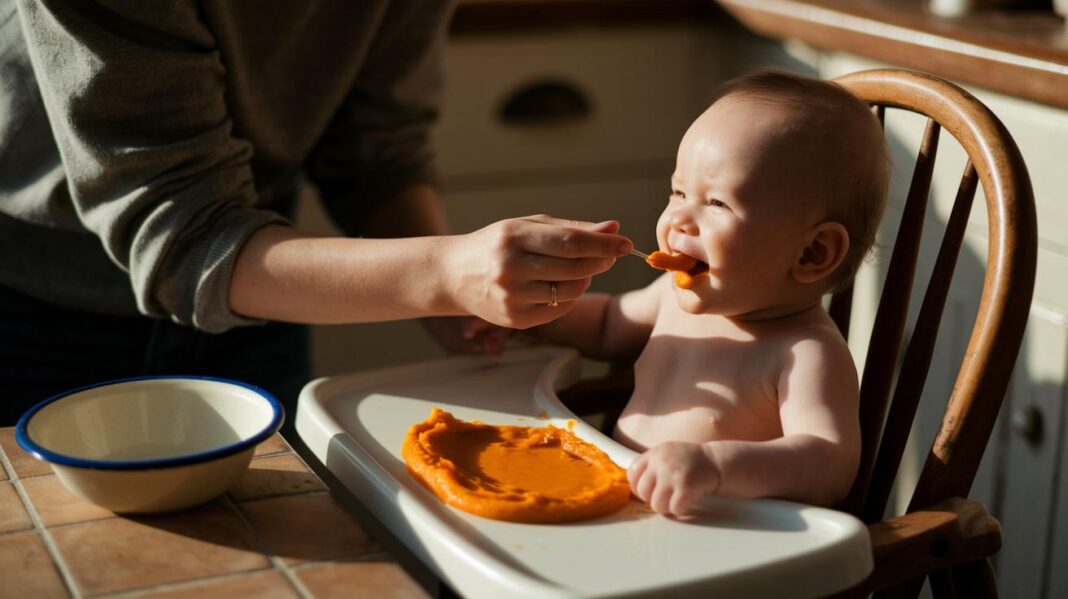
Have you ever noticed your baby might be ready to try something new? Around six months, many little ones can sit up with a bit of help and watch you with curious eyes. It’s a bit like watching a tiny boat find its balance on calm waters, a gentle hint that a bit more flavor might be welcome. In this guide, we chat about how to introduce solids in a fun, joyful way while honoring your baby’s own special pace.
Ideal Age to Introduce Solid Foods to Infant
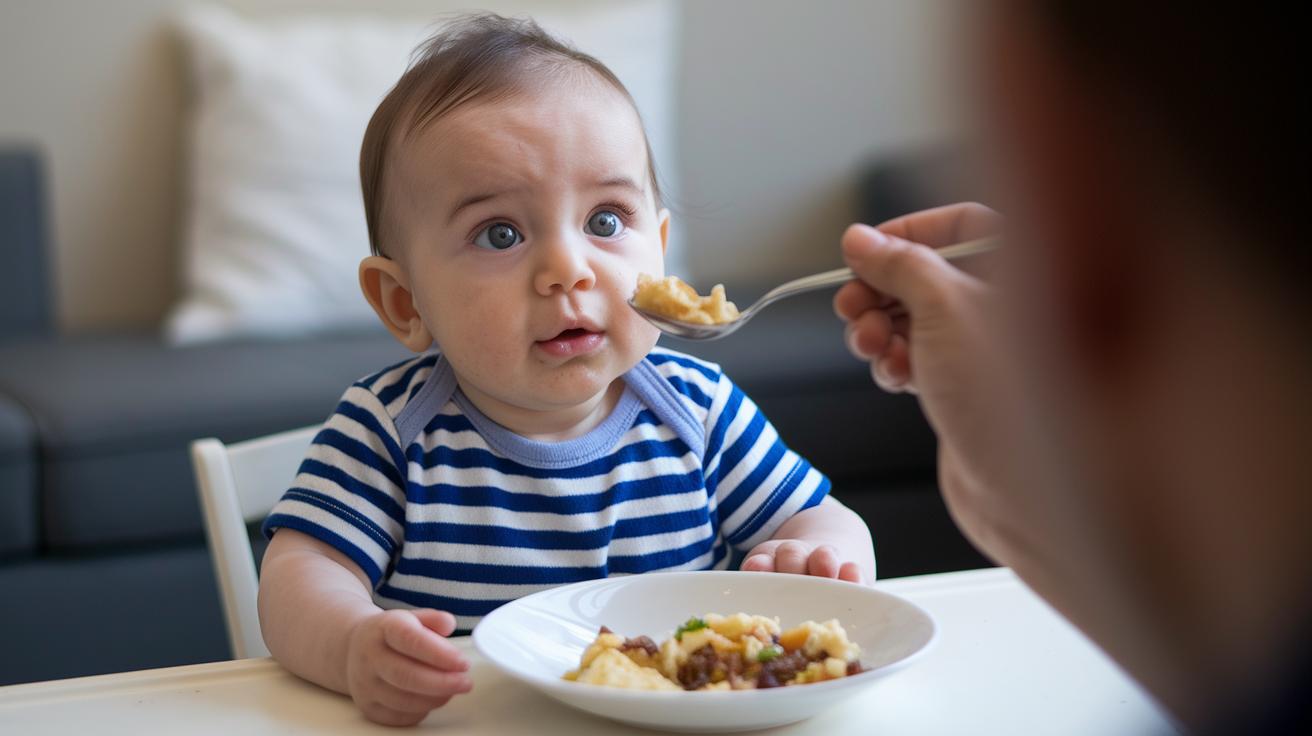
Most full-term babies start showing signs they’re ready for solid foods around 6 months. At this age, your little one might begin sitting up with a little help and keeping their head steady. Remember, these new foods are meant to add a bit of flavor to the milk or formula they already love, like sprinkling a little seasoning on a favorite dish.
Preterm babies follow a similar timeline. Even though they usually start solids around 6 months by their age, it’s always a good idea to check in with your pediatrician. Have you noticed your baby showing strong head control or watching you eat with bright, curious eyes? Those moments feel like your baby is saying, “I’d like a taste too!”
Health experts usually advise against giving solids before 4 months because babies may not be ready physically. Introducing solids too early might lead to feeding difficulties or make meals feel less inviting. Around 6 months, iron becomes an important nutrient. Most formulas have iron, but if your baby is exclusively breastfed, your doctor might suggest an extra boost.
By following these tips and chatting with your doctor, you can feel confident about your baby’s feeding journey and overall well-being.
Developmental Readiness and Milestones for Introducing Solids to Infants

When your baby can sit up with just a little help and keep their head steady, it's a sweet sign they're getting ready for new foods. If you see your little one using a small rolled towel to support themselves while still holding their balance, it means they’re building the muscle strength needed for self-feeding. Think of it like a tiny boat finding its balance in calm water – a gentle hint that they're ready to taste something new.
Sometimes if your baby has to use both arms to steady themselves, it might be best to wait just a bit longer before trying solids. Keeping baby chairs or supportive seats to no more than 30 minutes a day helps them gradually build the strength they need to sit on their own. This little step can make a big difference in helping your baby grow more independent.
Another important clue is the tongue-thrust reflex – that natural urge to push food out of their mouth. This reflex is totally normal and doesn’t stop them from starting solids. With regular tummy time or some side-lying play, your baby will keep strengthening the muscles necessary for eating. Watching these little milestones unfold is like getting a special peek into your baby’s journey towards trying new foods.
Guidelines for Starting Pureed Foods in Infant Solids Introduction
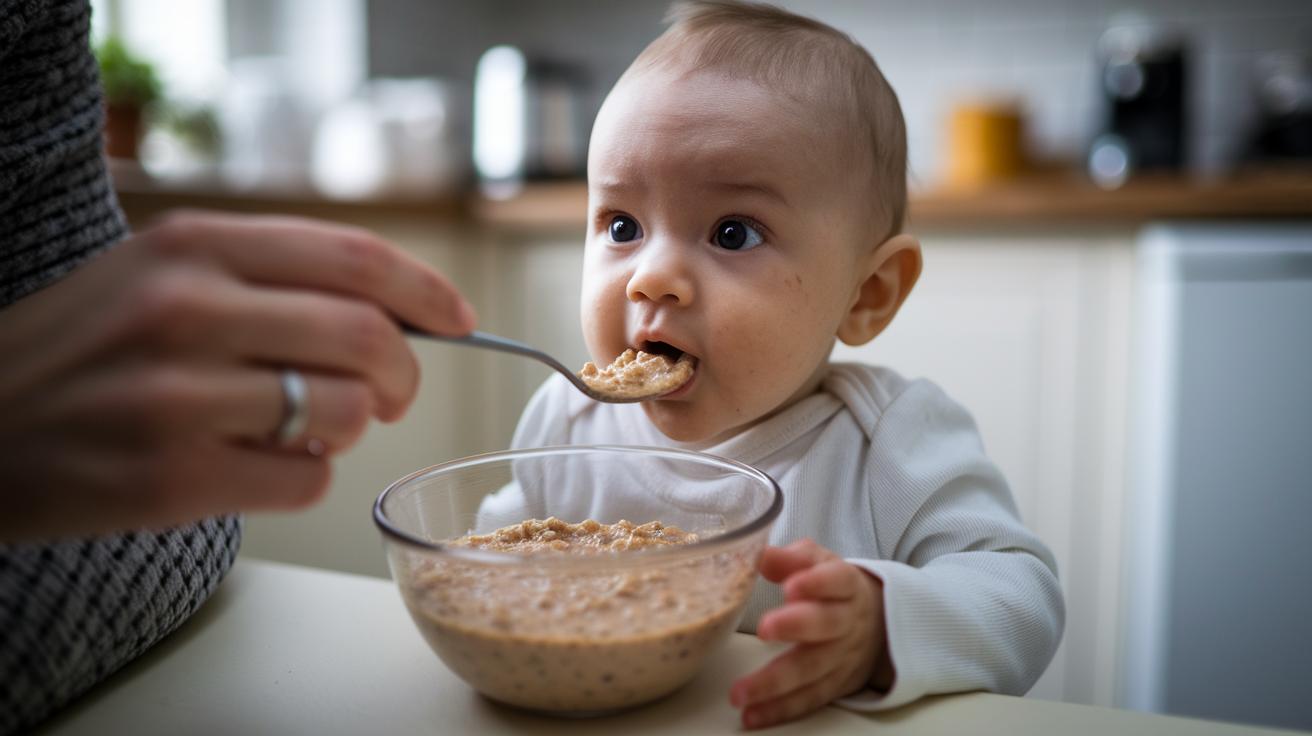
Start by offering your baby an iron-fortified, single-grain cereal in a smooth, pureed form. Let your little one enjoy this new taste for about a week while continuing with milk or formula, so it feels like a gentle welcome into a world of delicious flavors.
In week two, introduce a mashed banana puree that brings a natural, light sweetness to the meal. Try serving it on a calm day and watch how your baby responds. When you see signs of interest, it’s a heartwarming hint that they're ready for more variety.
By week three, bring in another fruit or vegetable puree that has a slightly thicker texture. Stick to the rule of one new food every three to five days. This slow pace helps you catch any surprises and builds a calm, happy mealtime routine.
Remember, these purees are meant to add flavor and fun, not replace the main milk or formula. Gradually adding new textures also supports your baby’s growing grasp, making each meal a playful and positive adventure.
Infant Solid Food Transition Timeline and Starting Age Chart
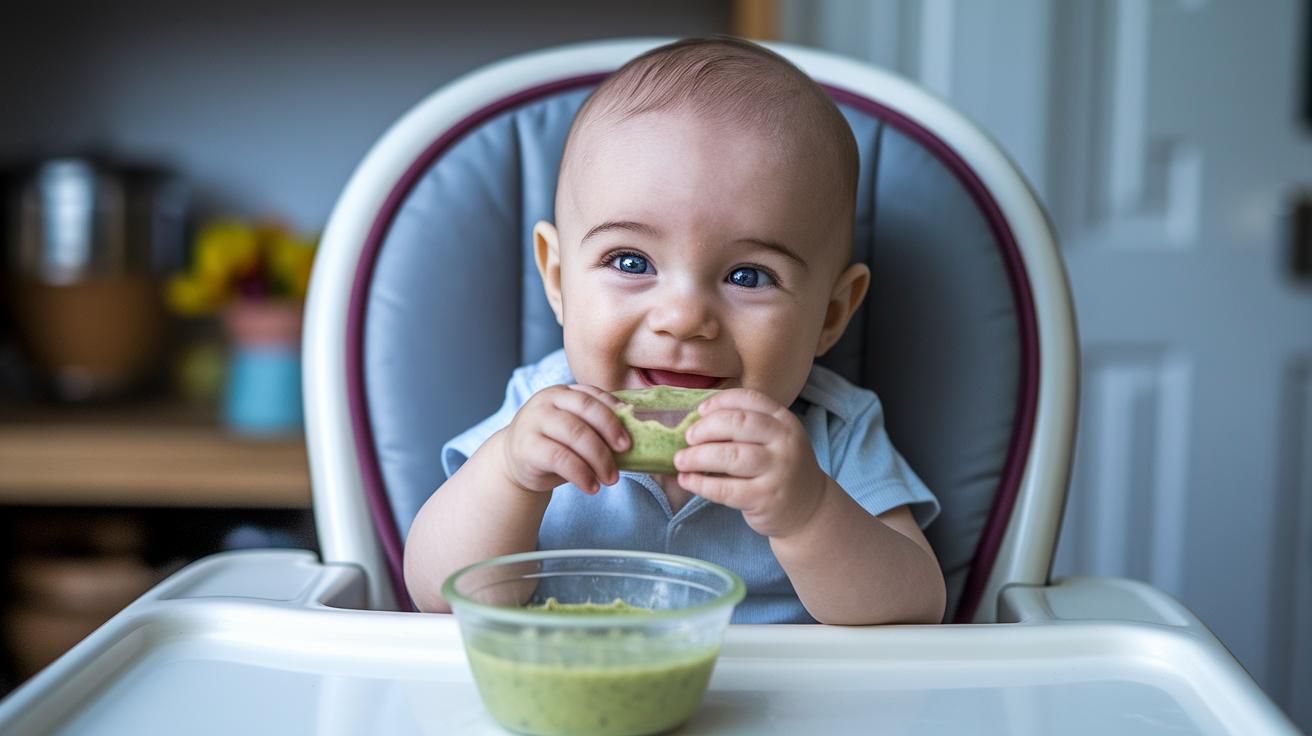
Around 6 months, your little one is ready to try their very first solid foods. Start with thin purees, it’s a gentle way for your baby to explore new tastes without upsetting their tummy. It’s so heartwarming to watch them light up with excitement as they experience these new flavors.
Between 7 and 8 months, you can introduce foods that are a bit thicker or softly mashed. This phase helps build their muscle and coordination as they adjust to foods with a little more texture. Think of it as a small nudge that opens up a whole new world of tastes for your baby.
From 9 to 10 months, soft finger foods and small diced pieces are a fun next step. This is a time for your baby to play with their food, practice picking up pieces, and enjoy the process of self-feeding. It’s all about discovery, and you might catch them happily reaching out for a soft carrot or a bit of mashed fruit.
By 11 to 12 months, your baby can join in on family meals with bite-sized pieces of what you eat. At this stage, having three varied meals a day filled with different tastes and textures helps build a healthy eating habit, making mealtime a shared and joyful experience.
| Age Range | Feeding Stage |
|---|---|
| 6 months | Thin purees |
| 7–8 months | Thicker purees and softly mashed foods |
| 9–10 months | Soft finger foods and small diced pieces |
| 11–12 months | Bite-sized family foods; three varied meals daily |
Nutrient-Dense and Iron-Fortified First Foods for Infant Solids
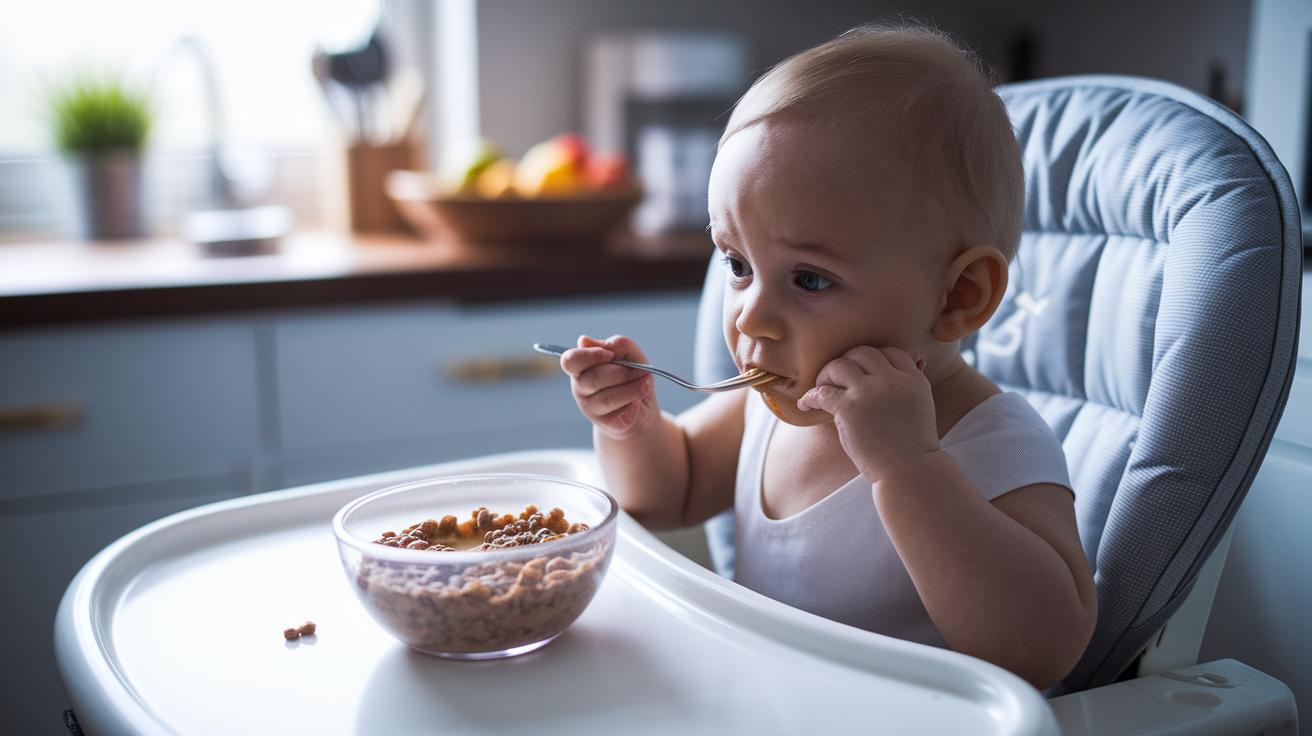
When your little one starts trying solid foods, it’s really important to include iron-rich choices to help them grow strong. Begin with iron-fortified cereals mixed with a little water or milk. This gentle mix is like a power-packed bite that makes their day just a bit brighter, imagine their happy face on a sunny morning!
Along with these cereals, you can also try pureed meats or legumes for extra iron. A smooth blend of dark leafy greens, avocado, or sweet potato adds not just iron, but also vitamins and good fats in every spoonful. And if you’re breastfeeding and feel a bit unsure about their iron intake, your doctor might suggest a little supplement. For formula-fed babies, the milk usually gives enough iron, but mixing in these nutrient-dense foods helps pave the way for balanced weaning.
Another idea is to offer a dollop of full-fat yogurt or mix mashed fruits and veggies with cereal. These combinations bring together a colorful mix of fruits, vegetables, grains, and proteins, all served with care to support your baby’s new adventure into solid foods.
Allergen Introduction Techniques for Infant Solid Foods
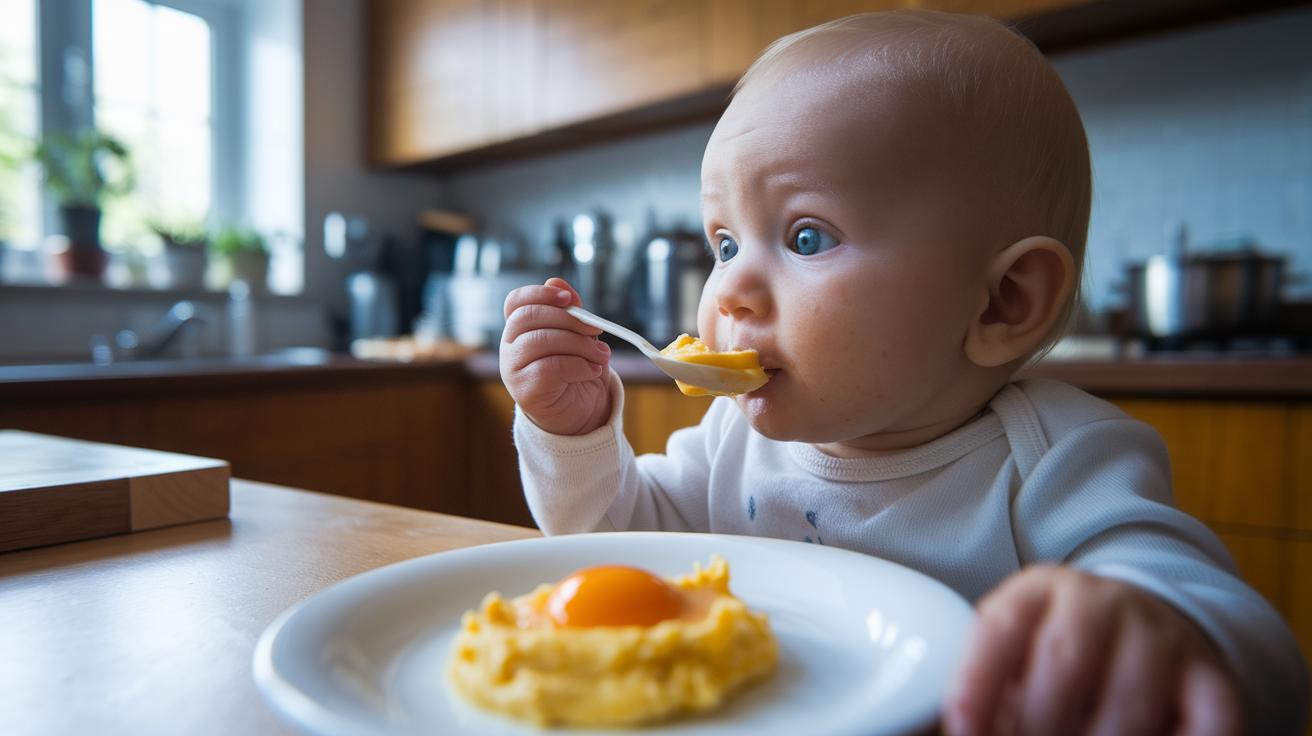
If you’re thinking about adding foods like egg or peanut to your baby's diet, try starting with a soft, pureed version around 6 months. It’s a simple and gentle way to help lower the risk of food allergies, almost like sprinkling a bit of extra joy into mealtime.
Start with a very small amount of one allergenic food at a time. For instance, offer a tiny spoonful of pureed egg and keep an eye on your baby for the next 3 to 5 days to see how they do. This little observation period is like giving them time to become comfortable with a new friend.
For babies who already have eczema or other allergies, it’s best to follow a plan from your pediatrician. They might suggest keeping portions small and the texture smooth to lower any choking risks. This careful approach gives you time to notice if there’s any reaction while still offering comforting, new tastes.
It’s a bit like setting up a calm playdate, watching and making sure everyone feels safe. And if you ever feel unsure or notice any changes, don’t hesitate to get in touch with your doctor. Taking it slow like this supports your baby’s immune health and turns mealtime into a warm, joyful experience.
Progression of Texture and Self-Feeding in Infant Solids
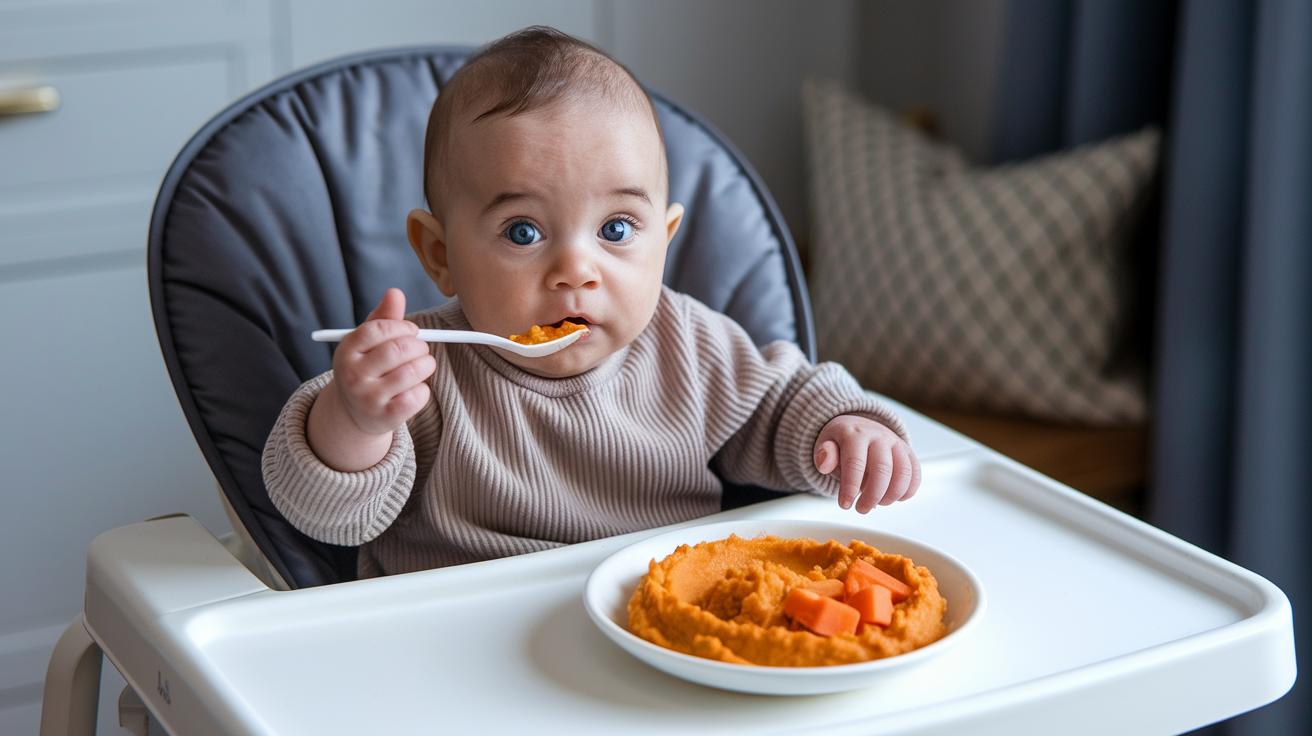
Once your baby has enjoyed smooth purees, try offering foods with a bit more texture. For example, a mashed sweet potato with a few small lumps can show your little one that their mouth is ready for something different.
Around 8 to 9 months, you might start giving them tiny, soft finger foods like steamed carrot sticks. It can be fun to let them explore food on their own. Here are two easy tips:
- Choose a small spoon or utensil that fits your baby’s hand comfortably.
- Set up a cozy, safe space for meals so your baby feels happy and relaxed while trying new foods.
By the time they’re 11 to 12 months old, you can include bite-sized pieces of family foods. This helps match their growing taste buds and builds confidence in self-feeding, making mealtime both safe and enjoyable.
Final Words
In the action, we reviewed the signs of developmental readiness and the timeline for introducing purees, all while keeping iron and balanced nutrition in focus. We touched on practical tips for moving from pureed foods to self-feeding. We even covered safe allergen introduction and factors to watch closely. Remember, timing matters when to introduce solid foods to infant. Keep supporting your child with care and practical steps, and enjoy the wonderful progress you see every day!
FAQ
When should I introduce solid foods to my baby?
The introduction of solids is best around 6 months when your baby shows signs like good head control and the ability to sit upright. This transition complements breastmilk or formula.
Is it okay to start feeding solids at 4 months?
Starting solids at 4 months is generally not advised since most babies are not developmentally ready. Waiting until around 6 months helps ensure they have the skills needed for safe eating.
What are the best first foods to offer my baby?
The best first foods for your baby can include iron-fortified cereal and pureed fruits such as banana. Introducing one new food at a time over several days helps monitor tolerance and builds positive feeding experiences.
Can I find a solid food chart to guide feeding my infant?
A solid food chart is available online that details a timeline from 6 to 12 months. It explains the progression from thin purees to thicker textures and small finger foods, making meal planning easier.
When do most babies start eating pureed foods?
Most babies start enjoying pureed foods at around 6 months once they can sit with minimal support. This stage helps them become familiar with different textures and builds their eating skills gradually.
How many solid feeding sessions should a 6-month-old have?
At 6 months, most babies benefit from one to two pureed meals daily. These meals are designed to complement milk feedings while slowly introducing new textures to help develop their eating abilities.